North Carolina has mountains, beaches, small towns, forests, and old ballparks that have all helped tell famous stories on screen, which makes the state feel like one giant movie set. From the windswept Outer Banks to the Blue Ridge Mountains and lively city streets, visitors can stand in places where beloved films were made and see how real locations became part of movie history.
These spots matter because they connect travel with memory, giving fans a fun reason to explore local shops, trails, views, and neighborhoods instead of only watching from the couch. Whether you love romantic dramas, sports comedies, adventure films, or powerful stories from popular books, a trip through North Carolina can turn a simple vacation into a scene you will remember.
1. The Inn At Rodanthe, Rodanthe
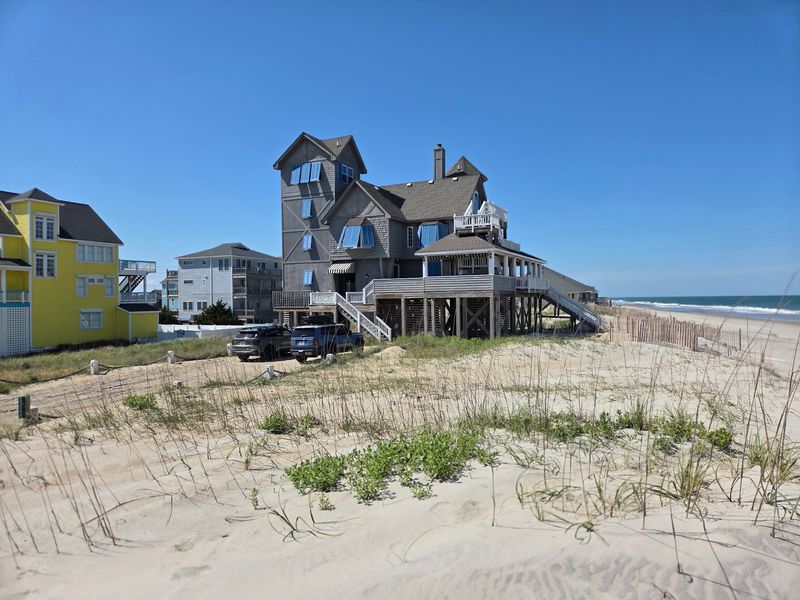
A blue-trimmed house standing above the sand can make movie fans feel like they have stepped into a love story.
The Inn at Rodanthe is best known from the film Nights in Rodanthe, based on the Nicholas Sparks novel, and it remains one of the Outer Banks’ most photographed movie stops.
The house was once in serious danger from ocean waves, which adds to its story.
After filming, erosion threatened the structure, and it was later moved farther from the water to protect it.
That rescue gives visitors a neat real-life chapter to think about while looking at the home.
You cannot treat it like a normal public museum, because it is a private vacation rental.
Still, respectful visitors can view it from approved public areas nearby and take photos without blocking roads, walking onto private property, or bothering guests.
Good manners matter here, especially in a quiet beach village.
Rodanthe itself is worth slowing down for.
The town sits on Hatteras Island, where dunes, fishing piers, and wide skies create a calm coastal mood.
Bring a windbreaker, since the Outer Banks can be breezy even on sunny days.
Movie lovers may enjoy reading or rewatching Nights in Rodanthe before visiting.
Doing that helps the location feel more meaningful, because the waves, weather, and lonely shoreline are a big part of the film’s mood.
The setting feels emotional because it is not flashy.
For a fuller day, pair the stop with the nearby Chicamacomico Life-Saving Station or Pea Island National Wildlife Refuge.
Both places show more of the area’s coastal history and wildlife.
Sunset and sunrise are especially pretty, but storms and tides can change beach access quickly.
Parking can be limited, so check local rules before you go.
A short, thoughtful visit works best.
The charm of this movie location comes from its simple beauty, its survival story, and the feeling that the Atlantic is always part of the scene.
2. Downtown Southport, Southport
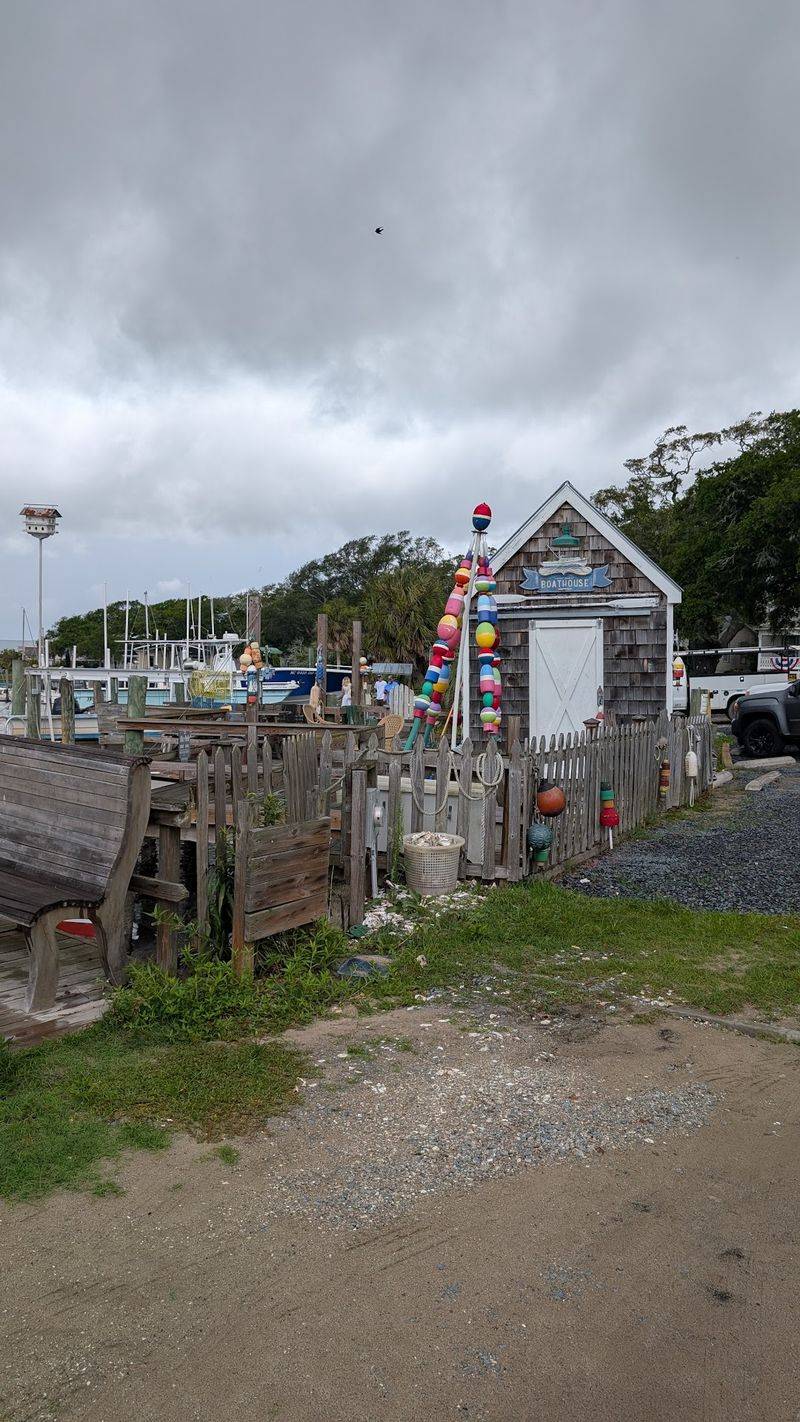
Some towns seem ready for the camera before anyone yells action, and Southport is one of them.
Its waterfront, tree-lined streets, and cozy shops have appeared in several productions, including Safe Haven, A Walk to Remember, and I Know What You Did Last Summer.
Downtown Southport works so well on film because it looks welcoming without feeling fake.
Visitors can stroll past historic homes, peek into local stores, and watch boats move along the Cape Fear River.
The pace is slower than a busy beach resort, which makes it easy to imagine a movie scene unfolding around the corner.
Fans of Safe Haven often enjoy looking for spots tied to the Nicholas Sparks story.
The town’s porches, marina views, and small streets helped create the film’s peaceful but mysterious feeling.
Even if you do not know every scene, the setting still feels familiar because it captures a classic North Carolina coast look.
Plan to park once and walk.
Comfortable shoes are smart because the best parts of Southport are found by wandering, not rushing.
You might stop for seafood, ice cream, or coffee while keeping an eye out for views that look like they belong in a movie poster.
The waterfront is a highlight, especially near the riverwalk and pier areas.
Bring a camera, but also take time to sit and watch the water.
Movie tourism is more fun when you notice the real town behind the screen.
Southport also makes a good base for nearby ferry rides, beach trips, and visits to Fort Fisher across the water.
Weather can change quickly on the coast, so sunscreen, water, and a light rain jacket are helpful.
Summer weekends may be busy, so weekday mornings feel calmer.
What makes this stop special is the mix of film history and everyday charm.
Downtown Southport is not just a backdrop.
It is a real community with restaurants, history, and river breezes that give movie fans plenty to enjoy after the photos are taken.
3. Lake Lure, Lake Lure
Few movie settings carry summer nostalgia quite like the mountain lake where parts of Dirty Dancing were filmed.
Lake Lure, tucked in western North Carolina, still draws fans who want to see the water, hills, and resort-like setting that helped shape the film’s vacation mood.
The famous dance story was not filmed entirely in one place, but Lake Lure played an important role.
Several scenes were shot around the lake area, and the mountain backdrop gave the movie its relaxed getaway feeling.
Even without the music, the scenery has an easy pull.
Visitors can enjoy the location in more ways than simply taking photos.
Boat tours are a great choice because they offer views of the shoreline and surrounding cliffs while sharing local stories.
On a warm day, the lake sparkles in a way that makes the movie connection feel extra fun.
Families may like the public beach and water park area during the open season.
It is a simple, cheerful spot for swimming, sunning, and taking in the mountains.
Check hours before going, because seasonal schedules can change.
Dirty Dancing fans should also look into local events.
Lake Lure has hosted celebrations connected to the movie, including dance-themed gatherings in some years.
Even when no event is happening, gift shops and local guides often mention the film’s place in town history.
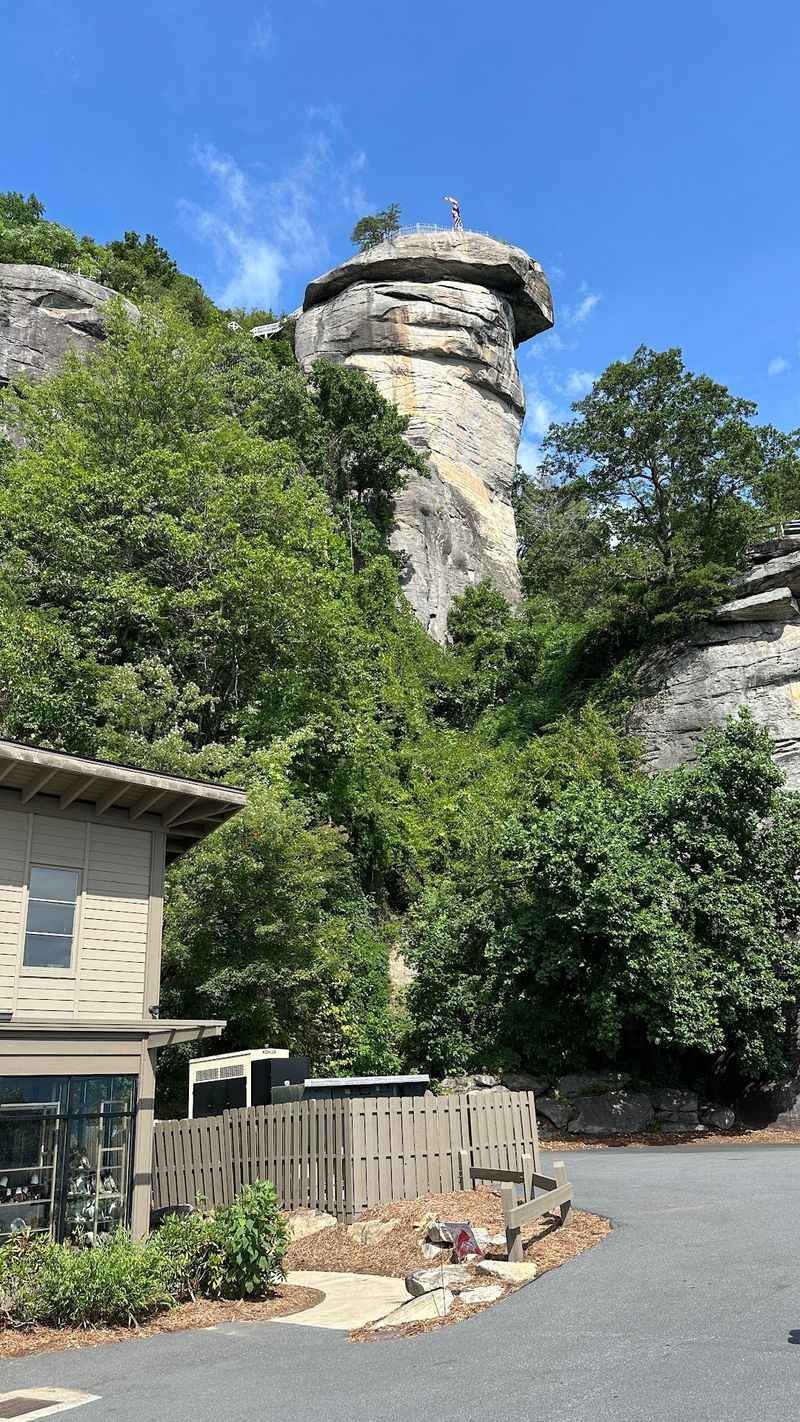
For a well-rounded trip, combine Lake Lure with nearby Chimney Rock Village.
The two places are close, and together they make a strong movie-and-mountain day.
You can start with lake views, then head toward trails, shops, and dramatic rock formations.
Parking and traffic can be tighter during summer and fall leaf season, so arrive early if you want a relaxed visit.
Pack water, sunscreen, and a phone charger for photos.
The best part of Lake Lure is that it feels like more than a film stop.
It is a place to swim, ride, walk, and enjoy a mountain vacation scene in real life.
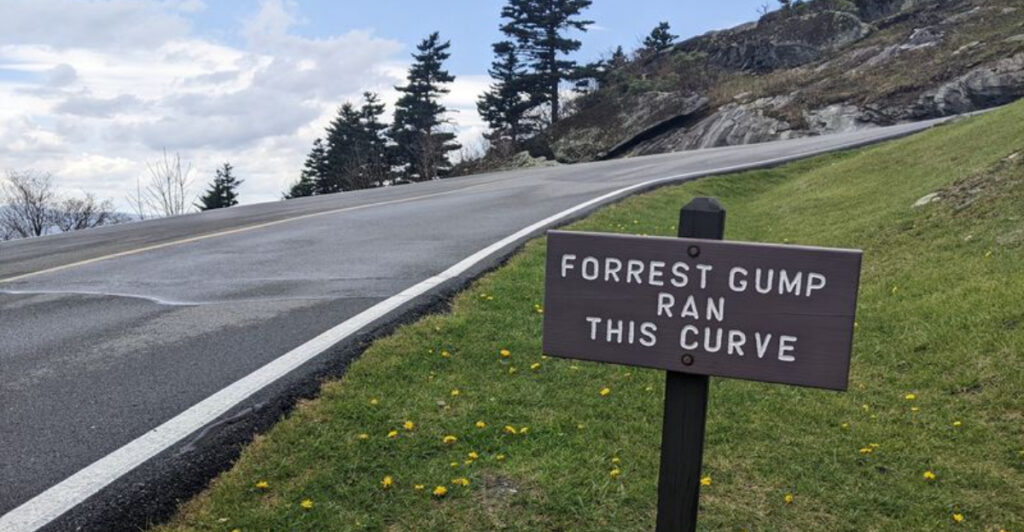
4. Forrest Gump Curve, Grandfather Mountain, Linville
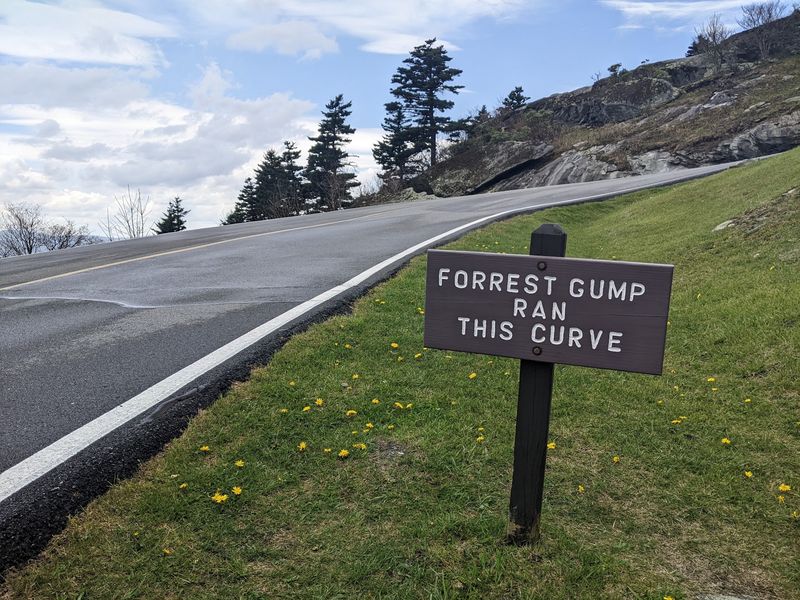
A quiet bend in a mountain road became famous because of one unforgettable running scene.
Near Grandfather Mountain in Linville, fans remember the spot from Forrest Gump, when Forrest runs along a curving road with the Blue Ridge Mountains rising around him.
The location is often called Forrest Gump Curve by movie fans.
It sits along the scenic roads around Grandfather Mountain, an area known for sharp turns, tall trees, and wide views.
The scene feels simple, but that is part of its power.
Visitors should remember that this is not a theme park stop with big signs and wide sidewalks.
It is a real mountain road, so safety comes first.
Pull over only where it is legal and safe, and never stand in the road for a photo.
The best way to enjoy the area is to make it part of a Grandfather Mountain visit.
The attraction offers the Mile High Swinging Bridge, nature exhibits, trails, and sweeping views.
That turns a quick movie stop into a full mountain adventure.
Fall is especially popular because the leaves turn red, orange, and gold.
Spring and summer bring green forests and cooler air than many places in the state.
Winter can be beautiful too, but ice, fog, and road closures may affect travel.
Fans of Forrest Gump often enjoy the contrast here.
The movie scene shows movement, freedom, and a little humor, while the real location invites you to slow down and look around.
You may not feel like running across America, but you will understand why the road looked so memorable on screen.
Bring a map or download directions before arriving, because mountain cell service can be spotty.
Wear layers, since weather changes fast at higher elevations.
If you take pictures, include the curves, trees, and slopes rather than copying unsafe poses.
This movie location is a reminder that North Carolina’s mountain roads are stars too.
They carry travelers through some of the state’s most dramatic scenery, and one curve near Linville still gives film fans a reason to smile.
5. Chimney Rock State Park, Chimney Rock
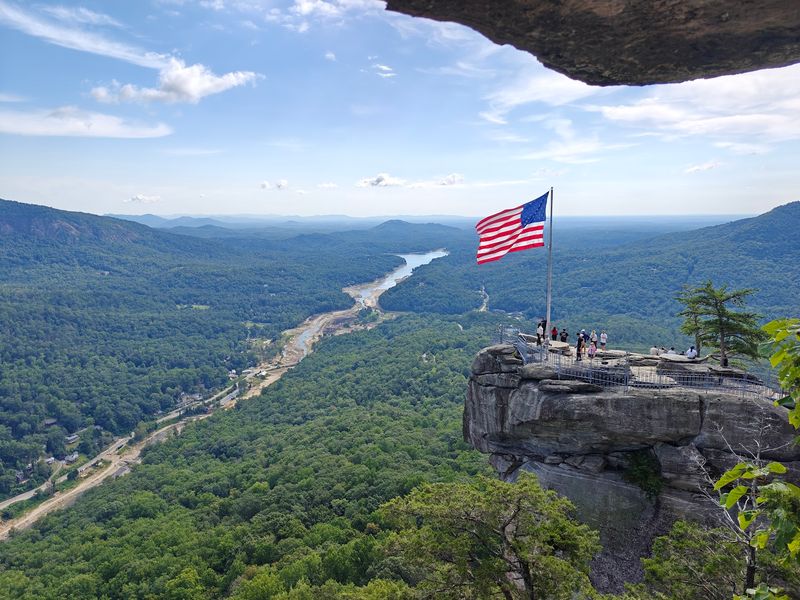
High cliffs, rushing water, and giant rock faces made Chimney Rock State Park a natural choice for adventure on screen.
The park is closely tied to The Last of the Mohicans, and its rugged views still feel bold enough for a movie finale.
The famous scenery around Hickory Nut Gorge gave the film a wild, dramatic look.
Visitors today can ride the elevator or climb steps to reach the top of Chimney Rock, depending on conditions.
From the overlook, the view stretches across Lake Lure and the surrounding mountains.
Hiking is one of the best ways to connect with the movie setting.
Trails lead to places like Hickory Nut Falls, a tall waterfall that also appeared in The Last of the Mohicans.
The walk to the falls is moderate for many visitors, but sturdy shoes are still a smart choice.
Because this is a state park, check the official website before you go.
Weather, trail work, or safety issues can affect access.
Tickets, hours, and parking details may also change by season.
The park works well for families, but it is important to pace yourself.
Some paths include stairs, slopes, and uneven ground.
Bring water, snacks, and patience, especially if you are visiting with younger kids or older relatives.
Movie fans will enjoy how real the landscape feels.
There are no fake cliffs or painted backgrounds here.
The rocks are massive, the trees are thick, and the gorge has a sense of scale that cameras can only partly capture.
After exploring the park, spend time in Chimney Rock Village.
The small main street has shops, restaurants, and mountain-town charm.
Pairing the village with the park makes the trip feel relaxed instead of rushed.
Try to visit on a clear day if views are your main goal, but mist can make the cliffs look mysterious and cinematic.
Chimney Rock State Park is more than a movie location.
It is one of North Carolina’s most striking natural landmarks, with enough beauty to impress even visitors who have never seen the film.
6. Triple Falls, DuPont State Recreational Forest
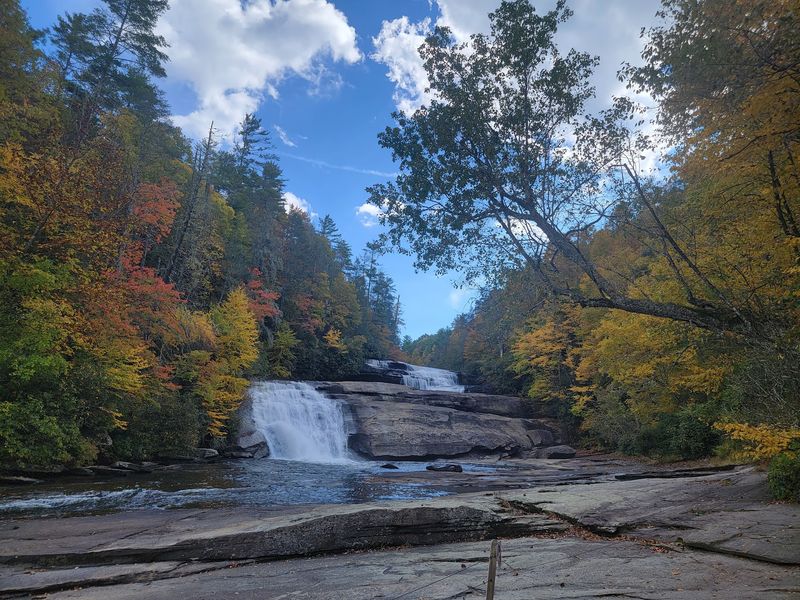
Water crashes over three rocky drops at Triple Falls, and the sound alone makes the place feel ready for a big screen adventure.
Located in DuPont State Recreational Forest, this waterfall became widely known to movie fans after appearing in The Hunger Games.
The forest’s waterfalls, trails, and thick woods helped create the rough outdoor world seen in the film.
Triple Falls is one of the most popular stops because it is dramatic, easy to recognize, and reachable by a reasonable hike.
The trail is not extremely long, but it does include hills and natural surfaces.
Good footwear matters here.
Rocks can be slippery, and wet leaves or mud can make the path tricky after rain.
Stay on marked trails and respect barriers, because waterfall areas can be dangerous when people climb where they should not.
Arriving early is a smart move, especially on weekends.
DuPont is loved by hikers, families, photographers, mountain bikers, and film fans, so parking lots can fill.
Morning light can also make the falls look beautiful without the biggest crowds.
The Hunger Games connection gives the visit extra excitement, but the forest has plenty to offer beyond one scene.
Nearby waterfalls such as High Falls and Hooker Falls can be added to the same trip if you have time and energy.
A map, water, and snacks will make the day easier.
Kids and teens who know the movie may enjoy spotting how the real forest differs from what they saw on screen.
Film crews use camera angles, editing, and careful framing, so the location may feel both familiar and surprising.
That comparison can be part of the fun.
DuPont State Recreational Forest is also a working outdoor space, not a movie set frozen in time.
Share trails politely, pack out trash, and give other visitors room to enjoy the views.
Dogs are often seen here, but they should be leashed where required.
Triple Falls earns its iconic status because it blends movie fame with natural power.
The falling water, forest smells, and rocky paths create a visit that feels active, fresh, and truly North Carolina.
7. Henry River Mill Village, Hildebran
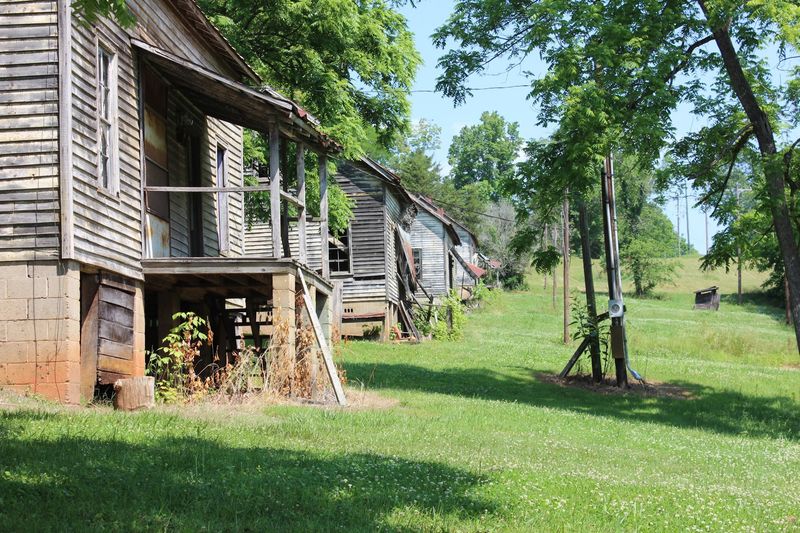
An abandoned mill village in Hildebran became one of the most recognizable places in modern movie fandom.
Henry River Mill Village served as District 12 in The Hunger Games, giving viewers a worn, haunting setting that matched Katniss Everdeen’s hard life.
The village was built in the early 1900s as a textile mill community.
Long before cameras arrived, families lived and worked there, and the old houses tell a deeper North Carolina story about industry, labor, and small-town life.
That history makes the site more interesting than a simple photo stop.
Unlike some filming locations, Henry River Mill Village has become a managed destination with tours and events.
Visitors should check current hours, ticket details, and access rules before going.
Guided tours can help explain both the movie scenes and the real people who once called the village home.
Hunger Games fans often recognize the small houses and streets from District 12 scenes.
Seeing them in person can feel strange because the place is quieter than the tense world shown on screen.
The silence adds to the mood.
Respect is especially important here.
Old buildings may be fragile, and some areas may be off-limits for safety.
Do not enter structures unless a tour or staff member clearly allows it.
This stop is great for visitors who like film history with a little mystery.
Photographers enjoy the weathered textures, simple roofs, and empty lanes.
Readers of the books may find that the location helps them picture the story in a stronger way.
Since the village is near the foothills region, it can fit into a western North Carolina road trip.
You might combine it with Morganton, Hickory, or mountain stops farther west.
Bring water and wear comfortable shoes because the visit may involve walking outdoors.
Henry River Mill Village stands out because it shows how a real North Carolina place can carry two stories at once.
One story belongs to a blockbuster film.
The other belongs to mill workers, families, and a changing state economy, which gives the visit lasting weight.
8. Historic Durham Athletic Park, Durham

Baseball fans can almost hear the crack of the bat at Historic Durham Athletic Park.
This classic ballfield helped bring Bull Durham to life, and it remains a beloved stop for anyone who enjoys sports movies, old stadiums, or Durham’s lively history.
The park was the longtime home of the Durham Bulls before the team moved to its newer stadium.
Its old-school look made it perfect for the 1988 film starring Kevin Costner, Susan Sarandon, and Tim Robbins.
The movie captured the humor, pressure, and odd charm of minor league baseball.
Visiting the park feels different from walking into a huge modern arena.
The scale is smaller, the details feel closer, and the past seems easier to picture.
You can imagine players warming up, fans cheering, and movie crews turning the field into a film set.
Check current public access before you plan your visit.
The field is used for events, amateur games, and community activities, so hours can vary.
Even if you cannot enter every area, seeing the outside and nearby neighborhood still gives a strong sense of place.
Bull Durham fans may also want to explore more of downtown Durham.
The city has grown into a food, arts, and entertainment hub, with restaurants, music venues, breweries, and historic buildings nearby.
Pairing the ballpark with a downtown walk makes the trip more complete.
Sports movies often work because they are about more than winning.
Bull Durham is also about dreams, aging, teamwork, and the strange routines people build around a game.
Standing near the field helps those themes feel grounded in a real North Carolina community.
For the best experience, look for local event calendars.
A game, festival, or special tour can bring the park to life in a way a quick stop may not.
Bring a hat and water during warm months, because summer heat in the Piedmont can be strong.
Historic Durham Athletic Park is iconic because it connects film, baseball, and city pride.
It gives visitors a chance to enjoy movie history while discovering a part of Durham that still feels full of character.
Share this story