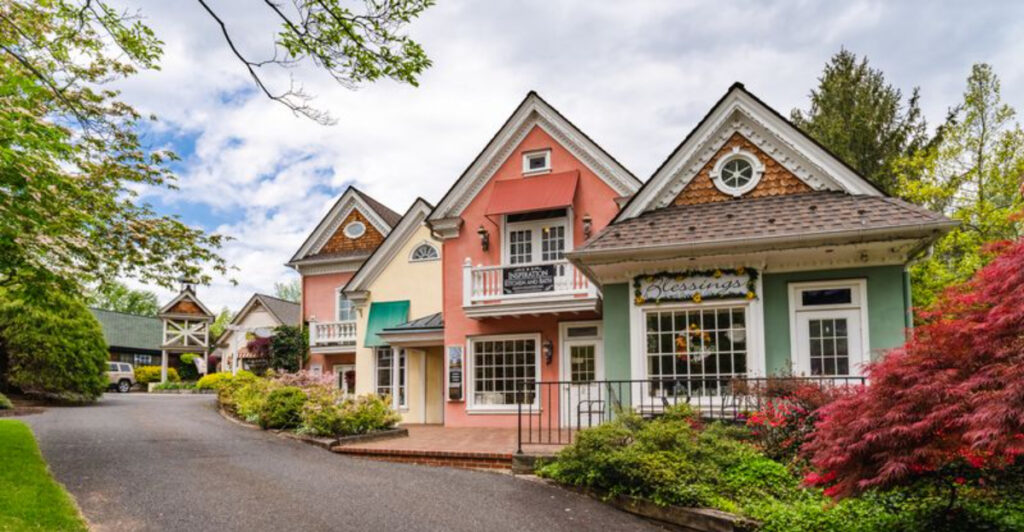
Not long ago, many Pennsylvania towns offered a nice mix of charm, good schools, local shops, and home prices that felt within reach for regular families. Over time, that changed as more buyers looked for walkable downtowns, shorter commutes, historic streets, and a stronger sense of community than they could find in bigger cities or far out suburbs. As demand climbed, prices followed, and places that once seemed like smart budget picks slowly became harder for first-time buyers, renters, and even longtime residents to afford without stretching their finances.
Looking at these towns helps explain how popularity, location, tourism, and new development can reshape a housing market, and it may also help readers spot the same pattern in other parts of Pennsylvania before another affordable place becomes the next hot spot.
1. West Chester
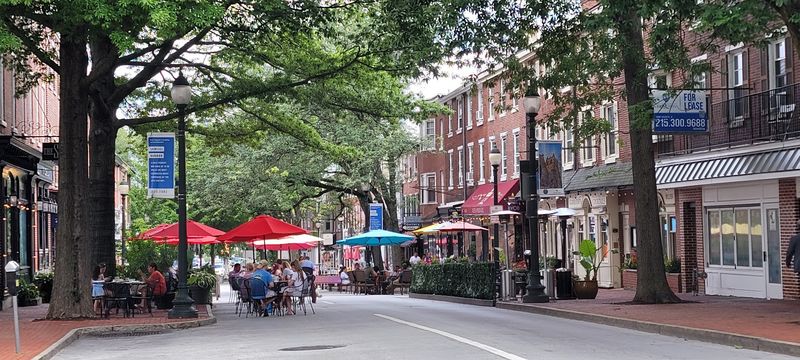
Spend a little time on these brick-lined streets and it is easy to see why buyers keep showing up.
West Chester blends college town energy, old architecture, and a downtown that feels active almost every day of the week.
Years ago, people often looked here as a cheaper choice compared with parts of the Main Line or nearby job centers.
That bargain image has faded as more families and young professionals have competed for limited homes close to restaurants, parks, and the borough’s walkable core.
West Chester also benefits from a strong local identity that makes it more than just a place to sleep after work.
Community events, busy sidewalks, and well-kept neighborhoods add to the appeal, which pushes demand higher and gives sellers more confidence to ask for steep prices.
Another factor is location.
Buyers who want access to Chester County jobs, regional highways, and day trips to Philadelphia often see West Chester as a comfortable middle ground, so even modest houses can attract serious interest.
For renters and first-time buyers, the change can feel frustrating.
Smaller homes, older twins, and condos that once looked manageable may now come with prices, taxes, or monthly fees that force people to widen their search.
If West Chester is still on your list, watch total costs, not just the listing price.
Parking, maintenance on older homes, and competition from cash-ready buyers can matter just as much as mortgage rates when affordability starts slipping away.
2. Bethlehem
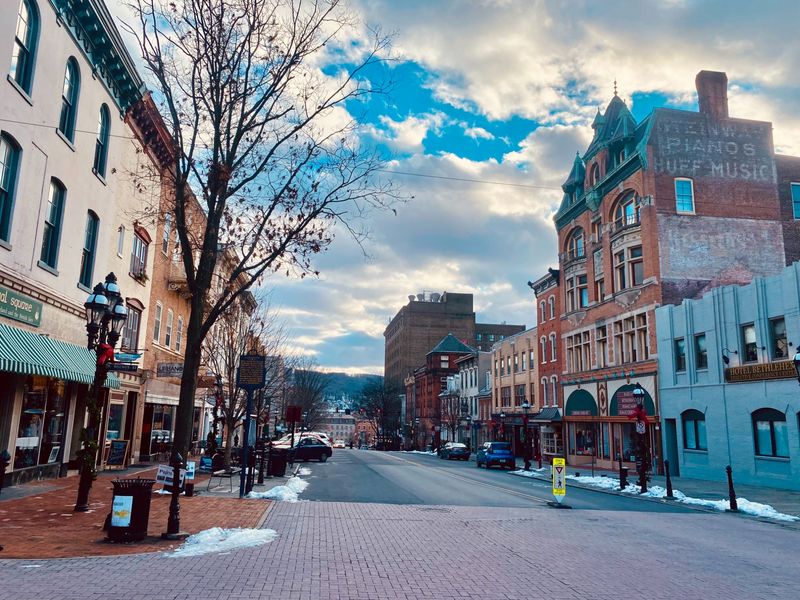
Old factory roots and postcard-worthy streets give this city a story people remember.
Bethlehem has turned that history into a major selling point, and home shoppers have noticed.
What was once viewed as a practical place with reasonable prices now draws buyers who want character along with convenience.
Revitalized districts, popular festivals, and a stronger reputation for dining and entertainment have helped lift interest well beyond the local market.
Parts of Bethlehem once felt like a smart compromise for people priced out of faster-growing areas.
Now, neighborhoods near the best downtown blocks, schools, or scenic spots can move quickly, especially when listings have modern updates mixed with older charm.
Its spot in the Lehigh Valley also matters.
People commuting within the region, along with buyers coming from more expensive corners of eastern Pennsylvania and northern New Jersey, have added pressure to the housing supply.
Tourism has played a role too.
A town that people enjoy visiting often becomes a town they can picture living in, and Bethlehem’s strong identity has made that jump easier than in many places.
Anyone house hunting here should compare neighborhoods carefully because prices can change a lot from one section to another.
Looking a few blocks farther from the busiest attractions, checking tax bills, and staying open to smaller homes may help buyers hold on to some breathing room in a market that no longer feels like the deal it once was.
3. Lancaster
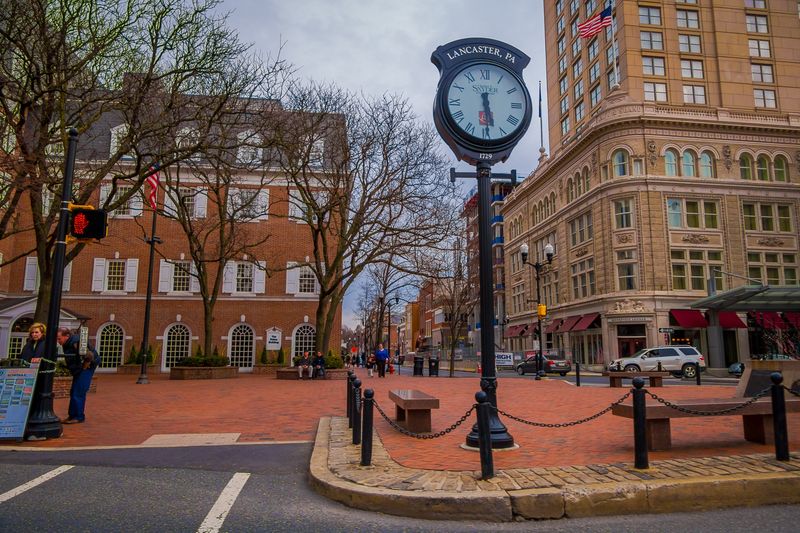
A city with deep history and fresh energy can change fast, and Lancaster is a good example.
What used to be seen by many buyers as a budget-friendly small city now has a much stronger pull.
Revived neighborhoods, a respected food scene, and a busy arts culture have helped make Lancaster feel exciting without losing its local flavor.
That mix has attracted newcomers who want urban life on a smaller scale, especially those leaving pricier metro areas.
Home values rose as more people discovered that downtown living here could be lively, walkable, and full of personality.
Renovated row homes and older properties with original details now bring attention that once might have gone to homes in larger cities alone.
Families have also joined the demand, not just younger renters and first-time buyers.
Access to schools, parks, and a growing job base has broadened the market, which means more competition across several price levels instead of just one hot neighborhood.
The result is a place where affordable options still exist, but they are harder to spot and often need work.
Buyers who expect bargain prices simply because Lancaster is smaller than Philadelphia are often surprised by how quickly good listings move.
Smart shoppers should check nearby blocks, older condos, and homes that need cosmetic updates rather than full renovations.
Lancaster still offers real value for people who love community life and walkable streets, but the days of easy steals are mostly gone, especially in the areas closest to downtown charm and the amenities that helped raise the town’s profile in the first place.
4. Phoenixville
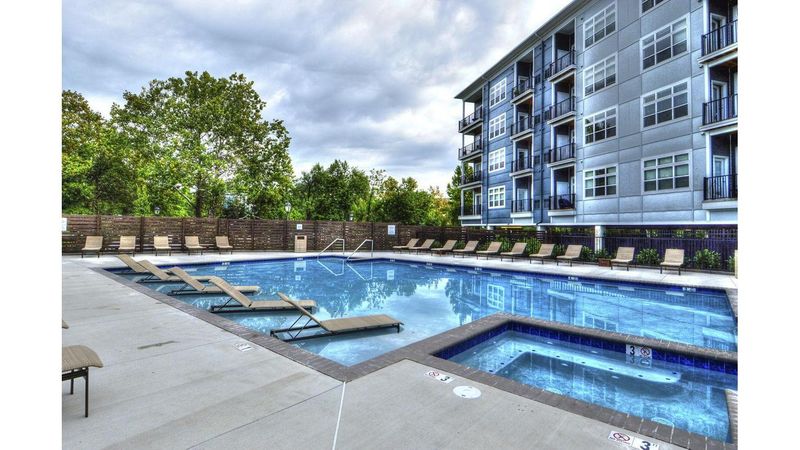
Something clicked in Phoenixville, and once it did, the secret did not stay quiet for long.
A former industrial town became one of the places buyers mention when they want character, energy, and a downtown they can actually use.
Bridge Street and the surrounding neighborhoods helped reshape the town’s image.
Restaurants, events, breweries, and restored buildings gave Phoenixville a cool factor that made it stand out from more ordinary suburban choices.
That new attention changed the math for anyone hoping to find a cheap home with easy access to jobs in Chester and Montgomery counties.
Houses that once looked overlooked started drawing multiple offers, especially when they mixed older charm with modern kitchens or updated systems.
People who moved from more expensive areas also added fuel to the market.
Compared with some neighboring towns, Phoenixville still looked reasonable for a while, but that gap narrowed as demand kept building.
The appeal goes beyond nightlife.
Walkability, community pride, and a sense that something is always happening make the town attractive to both young professionals and older buyers looking to simplify without giving up activity.
Anyone considering Phoenixville should pay close attention to property condition, parking, and how close a home sits to the busiest district.
A lower price can still hide higher long-term costs if a house needs major repairs, and a dream location can come with noise or competition that pushes budgets beyond comfort.
For many Pennsylvanians, Phoenixville no longer feels like the affordable backup plan.
It feels like a destination, and prices often reflect that shift.
5. Wayne
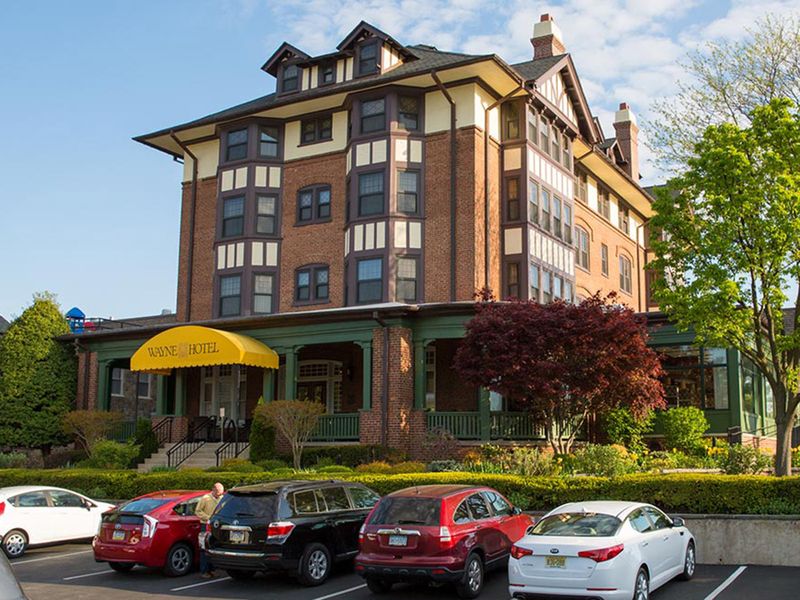
Some places wear their popularity so well that rising prices almost seem built into the scenery.
Wayne has that polished Main Line look, with pretty storefronts, train access, and neighborhoods that feel settled and carefully maintained.
Even so, there was a time when certain buyers could still find relative value here compared with the most elite nearby zip codes.
That window has narrowed as demand for walkable suburban living and top-tier school districts has intensified.
Wayne benefits from name recognition, and that matters more than many people expect.
When a town develops a reputation for quality schools, reliable rail access, and a pleasant downtown, it draws a broader group of buyers willing to stretch for a chance to live there.
Older homes that once needed some vision now often become bidding targets because buyers believe the location is worth the effort.
Renovated properties, townhouses, and even smaller homes can carry prices that surprise anyone still picturing Wayne through an older, more affordable lens.
The town also appeals to people who want a quieter setting without feeling far from Philadelphia.
That balance between convenience and prestige tends to support strong prices even when the wider market cools.
Practical shoppers should look past the headline price and check taxes, upkeep, and commute habits before making a move.
Wayne offers a lot, but it asks a lot too, and the cost of fitting into the area can go beyond the mortgage.
For many house hunters in Pennsylvania, it has shifted from a hopeful maybe to a place they admire first and budget for second.
6. Doylestown
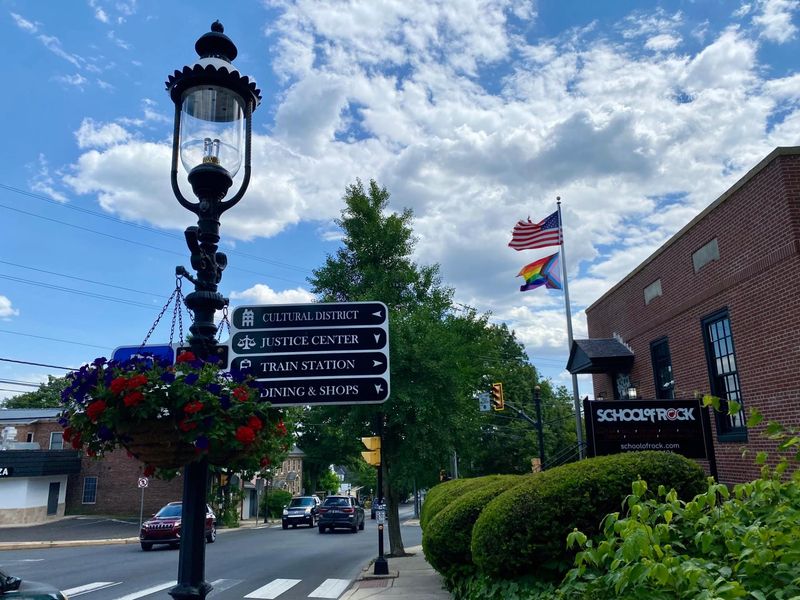
Stately buildings, museum culture, and a storybook downtown give Doylestown a charm that feels almost effortless.
Buyers looking for beauty and convenience quickly understand why homes here do not stay cheap for long.
For years, some people saw the town as expensive but still attainable if they were patient and flexible.
That middle ground has become harder to find as demand grew for Bucks County communities with personality, schools, and an easy day-to-day lifestyle.
Doylestown’s appeal stretches across age groups.
Young professionals enjoy the walkability, families like the community feel, and downsizers appreciate having restaurants, shops, and services nearby without needing a giant property to maintain.
Once a town attracts several kinds of buyers at the same time, affordability can disappear quickly.
Smaller colonials, twins, and condos that used to serve as entry points now often come at prices that leave first-time buyers scrambling.
The town’s cultural pull adds another layer.
A place known for museums, preserved history, and local pride often holds its value well because people feel they are buying into more than a house.
If Doylestown is your goal, it helps to decide early what matters most, square footage, walkability, school zone, or renovation level.
Buyers who chase every feature at once can end up discouraged in a market where compromise has become part of the process.
The town still delivers a strong quality of life, but the days when it felt like a hidden affordable corner of Bucks County are mostly in the rearview mirror.
7. Skippack
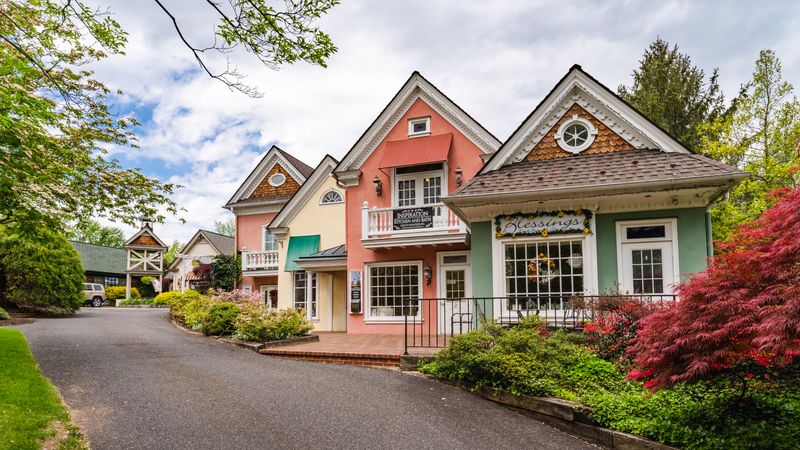
At first glance, Skippack can seem like the kind of place people pass through and then daydream about later.
Its village setting, local shops, and cozy atmosphere have helped turn that daydream into real housing demand.
Because it feels smaller and quieter than many better-known suburbs, Skippack once carried an image of being more approachable for buyers.
Over time, that changed as people started valuing charm, space, and community more than sheer proximity to big-city action.
The town’s appeal comes partly from mood.
There is a relaxed feel here that makes weekend errands and evening walks seem a little nicer, and buyers often pay extra for places that offer that kind of everyday comfort.
Housing supply also plays a big role.
Smaller towns with limited inventory can see prices rise fast when even a modest wave of interest arrives, especially if buyers are leaving more expensive parts of Montgomery County and nearby suburbs.
Skippack does not always make headlines the way larger Pennsylvania towns do, yet that can work in its favor.
People who discover it often see a special setting with enough convenience to feel practical, which keeps competition stronger than outsiders might expect.
Anyone shopping here should watch how much they are paying for charm versus function.
A lovely setting is valuable, but buyers still need to consider commute times, lot maintenance, and whether a home’s size fits long-term plans.
Skippack remains appealing because it feels personal rather than generic, though that same appeal has made it tougher to call affordable in the way it once was for people hoping to plant roots without overspending.
8. Pottstown
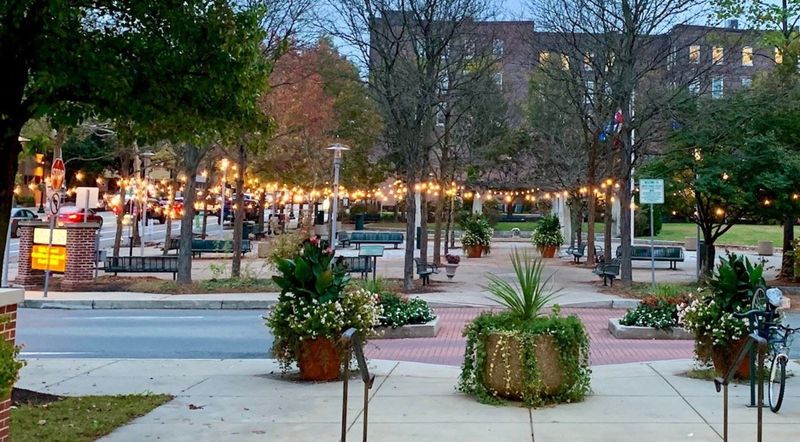
Not every price jump happens in a place people expect, and that is part of Pottstown’s story.
For a long time, many buyers viewed it as one of the more affordable options in the region, especially compared with higher-priced nearby suburbs.
That reputation has started to shift.
Interest from buyers seeking lower entry prices, along with ongoing revitalization efforts, has made more people pay attention to neighborhoods that once sat below the radar.
Pottstown still tends to look cheaper than some surrounding towns at first glance, but the phrase relative value matters here.
When nearby areas become too expensive, buyers often move outward, and even a town with an older housing stock can heat up once enough people see potential.
Historic homes, larger lots in some sections, and commuting access have added to the draw.
Investors have played a role too, which can make it tougher for first-time buyers competing for houses that need updates but still fit a manageable price range.
The town’s path is not identical to the polished boom seen in more touristy or upscale places.
Pottstown’s change feels more gradual and practical, yet the result is similar for residents who remember when affordability was its clearest advantage.
People considering Pottstown should look carefully at block-by-block differences, renovation costs, and future resale value.
A lower list price may still come with major repairs, while a nicer street can attract more competition than expected.
It remains one of the more reachable places on this list, but for longtime locals and budget-minded buyers, it no longer feels as easy to enter as it once did when the gap between Pottstown and pricier Pennsylvania towns was much wider.
9. New Hope
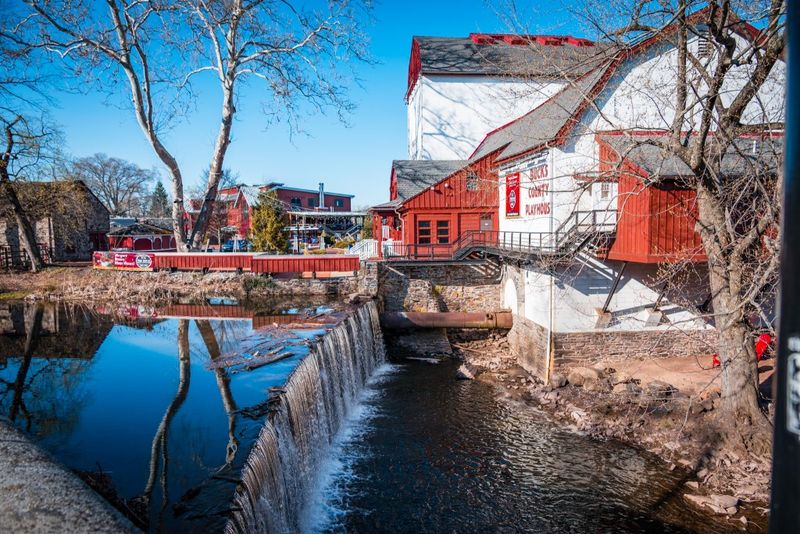
Few towns turn a simple day trip into a house-hunting fantasy as quickly as this one.
New Hope has long mixed river views, artsy energy, and a romantic downtown in a way that makes people want more than just a weekend visit.
Because of that strong identity, affordability here was always somewhat fragile.
Even when prices felt less intimidating than they do now, the town carried a special status that made it likely to grow more expensive once demand increased.
Tourism helped shape the market in a big way.
Visitors fall for the galleries, restaurants, and scenic setting, then start imagining a full-time life there, which adds emotional competition to an already limited housing supply.
New Hope also benefits from its location near New Jersey and the broader Bucks County appeal.
Buyers coming from pricier markets often see value where local residents see sticker shock, and that difference can move prices upward quickly.
Homes with character, walkability, or river charm rarely stay under the radar for long.
Even properties that need updating can generate strong interest because the setting is hard to duplicate elsewhere in Pennsylvania.
For anyone hoping to buy in New Hope, it helps to separate dream features from must-haves before shopping begins.
Parking, flood considerations, older home maintenance, and tourism traffic all matter when deciding whether a beautiful address truly fits your budget and lifestyle.
New Hope remains one of the state’s most appealing small towns, but its appeal has become expensive enough that many buyers now admire it from a cafe table instead of from a front porch they can actually afford.
10. Ambler
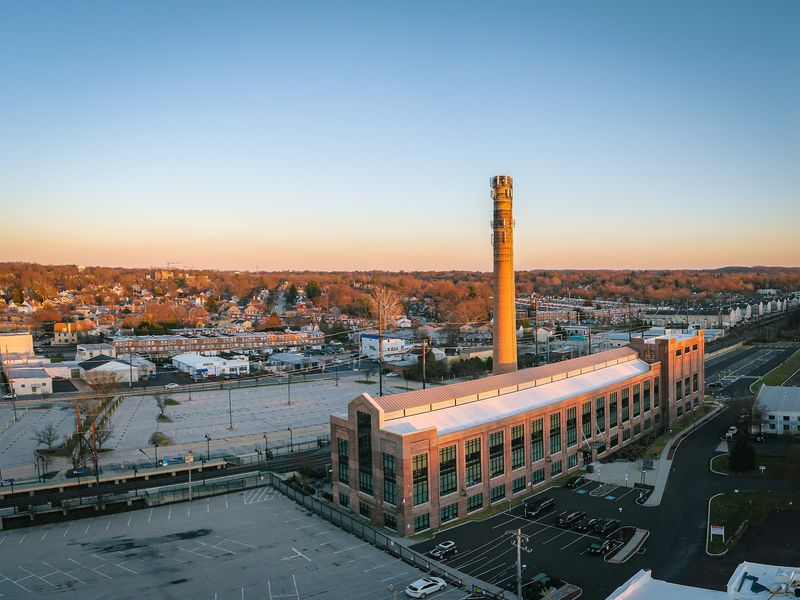
There is a neat kind of confidence in Ambler that people notice quickly.
It feels organized, lively, and easy to enjoy, which is exactly the kind of formula that can push a once-reasonable housing market into a pricier range.
The downtown has been a major part of that change.
Shops, restaurants, and a walkable layout make daily life feel convenient, and buyers who want a suburb with some real street life often put Ambler high on their list.
Its rail access and location in Montgomery County add another layer of demand.
People looking for a manageable commute and a polished community atmosphere may be willing to pay more here than they would in a town with similar houses but less personality.
What makes the shift stand out is that Ambler once felt like a smart value play.
Buyers could get charm and access without stepping fully into the highest price tier, but that gap has narrowed as more people discovered the same thing.
Smaller homes and twins that used to serve as practical entry points now attract plenty of attention.
Once several buyers compete for the same compact, well-located house, affordability starts slipping even if the town still looks modest beside its most expensive neighbors.
If you are considering Ambler, focus on the full monthly cost and not just the excitement of the location.
Taxes, upkeep on older properties, and the premium attached to walkability can reshape a budget fast.
Ambler still offers a strong lifestyle and a welcoming feel, but the market now asks buyers to pay for the very qualities that once made it seem like one of the better bargains in southeastern Pennsylvania.
11. Jim Thorpe
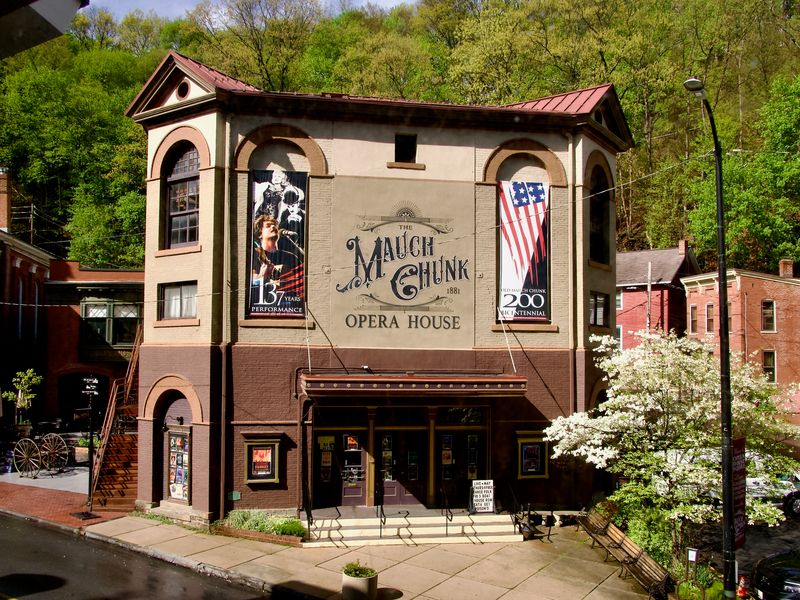
Mountain views and storybook streets can work like a magnet, and Jim Thorpe proves it.
A town once known for charm at a more reachable price now draws intense interest from tourists, second-home seekers, and full-time buyers alike.
Its setting is a huge part of the appeal.
Surrounded by natural beauty and packed with Victorian character, Jim Thorpe offers a look and feel that many Pennsylvania towns simply cannot match.
Vacation traffic has changed the housing conversation.
When a town becomes a favorite getaway, homes are no longer judged only by local wages and local needs, because outside buyers may be willing to pay more for a weekend base or short-term rental potential.
That shift can squeeze regular buyers.
Houses that once seemed like affordable small-town options may now come with inflated prices, renovation competition, or fewer available listings because owners see stronger returns in tourism-related uses.
Jim Thorpe also benefits from a kind of emotional pull.
People come for a train ride, a fall festival, or a mountain weekend, then decide they want a permanent piece of the place, and sentiment can move markets just as strongly as spreadsheets.
Buyers interested in Jim Thorpe should think beyond the postcard image and study year-round living costs.
Parking, steep terrain, maintenance on older homes, and tourism season crowds can all shape whether a purchase feels wise.
The town remains memorable for good reasons, but the growing attention has made it harder for local families and budget-minded shoppers to find the kind of affordable foothold that once helped define this beautiful corner of Pennsylvania.
12. Lititz
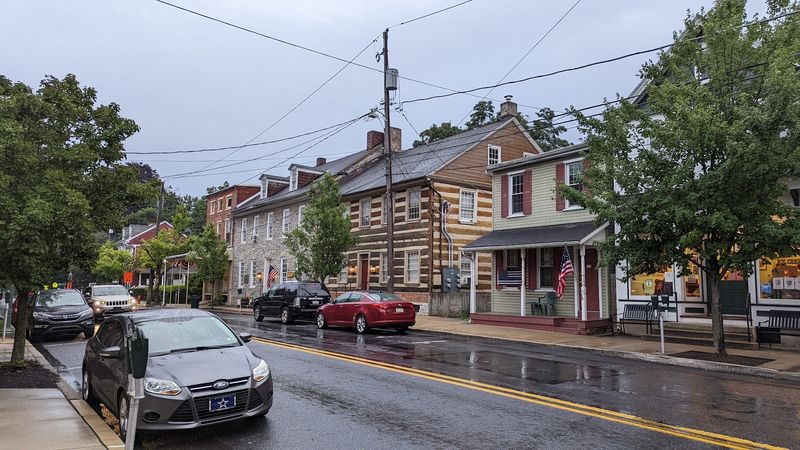
Some towns feel carefully wrapped, like a gift that stays neat no matter how much attention it gets.
Lititz has that polished small-town charm, and over the years it has become one of the places buyers mention with a real sense of longing.
Its downtown is a big reason why.
Independent shops, tidy streets, and a strong community image create a setting that feels warm and appealing without looking overly busy or overbuilt.
For a while, Lititz seemed like a place where buyers could still find a good life at a fair price compared with hotter suburban markets.
As word spread, that balance became harder to maintain, especially for homes near the most walkable and attractive areas.
The town’s reputation now reaches far beyond its immediate area.
Families, retirees, and remote workers often see Lititz as a peaceful choice with personality, and when several buyer groups chase the same inventory, prices rarely stay low.
Even homes that need updates can sell well because people trust the location.
A strong local brand, nice public spaces, and a reputation for quality of life give the market staying power that pushes it beyond what longtime residents may expect.
If Lititz is on your wish list, staying flexible can help.
A home just outside the most charming core may offer better value, while an older property with dated finishes might give buyers a way in without paying top dollar for someone else’s renovation choices.
Lititz still feels friendly and inviting, but affordability has become one of the things visitors and buyers remember from the past rather than from the listings they see today.
13. Media
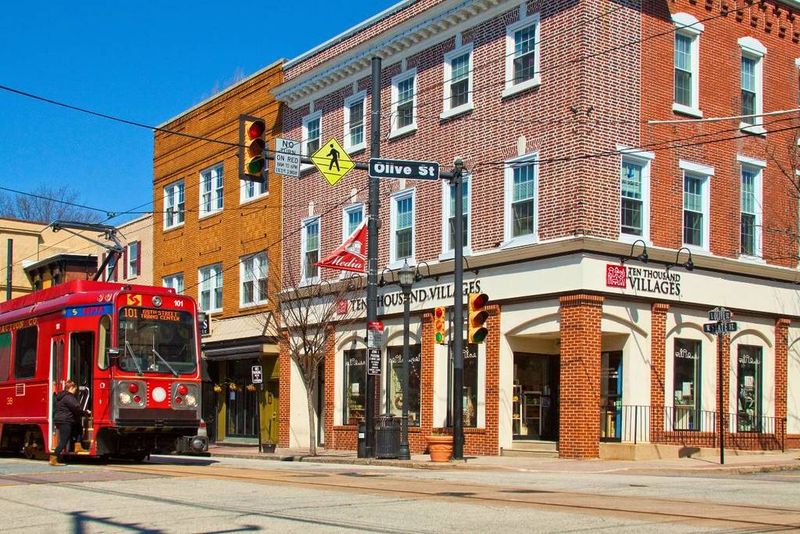
Friday nights, local events, and a busy main street give Media a pulse that many suburbs never quite find.
That strong sense of place has helped turn a once more approachable market into a tougher one for bargain hunters.
Media stands out because it offers both activity and convenience.
Buyers can enjoy a true downtown feel while keeping access to Philadelphia, regional transit, and the practical benefits that come with a well-established Delaware County seat.
As more people searched for walkable communities, Media gained attention quickly.
Homes near the center became especially sought after, and even buyers willing to trade space for location found themselves facing stronger prices than they expected.
The borough’s reputation for events and local business support adds to the draw.
People often want towns where they can feel connected without giving up everyday convenience, and Media meets that need in a way that keeps demand healthy.
Once known as a place that could offer character at a more reasonable price than some nearby alternatives, it now feels more competitive.
Smaller houses, twins, and condos that used to help first-time buyers get started may no longer feel comfortably within reach.
Anyone planning a move here should look at how close they truly need to be to the downtown core.
A short drive or longer walk may save meaningful money, especially when property taxes and maintenance are added to the budget.
Media still earns its popularity with charm and community life, but for many buyers across Pennsylvania, it has crossed the line from pleasant value to desirable place with a price tag to match.
14. Sewickley
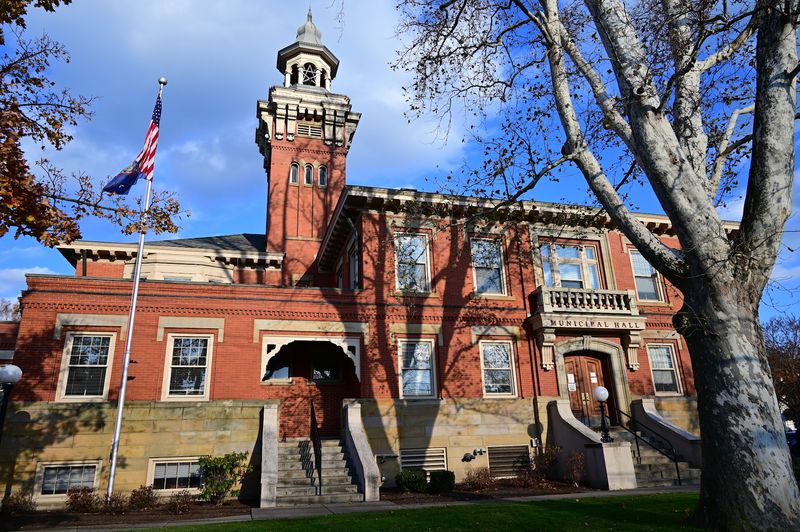
Graceful streets and a village feel give Sewickley an air that is hard to mistake.
Near Pittsburgh, it has long attracted buyers who want beauty, strong schools, and a community that feels both historic and carefully maintained.
Even when prices were lower than they are now, Sewickley was never truly a bargain-basement town.
Still, there were periods when buyers could enter the market with less strain than today’s shoppers face, especially in smaller homes or less prominent pockets.
Over time, prestige and limited supply pushed that door closer to shut.
The town’s reputation brings steady interest from people who value school quality, attractive architecture, and a walkable village center with a polished atmosphere.
Location helps too.
Buyers connected to the Pittsburgh area often see Sewickley as a special compromise between suburban calm and access to city jobs, hospitals, and cultural institutions.
When a place gains that kind of status, homes of many sizes can become expensive, not just the grandest ones.
Entry-level options shrink because the name itself carries value, and even modest houses may be priced with future renovation potential in mind.
Anyone hoping to buy in Sewickley should be realistic about what the town label alone can cost.
Looking at nearby communities may offer more space or lower taxes, while staying in Sewickley often means paying for image, schools, and setting as much as the house itself.
It remains one of western Pennsylvania’s most admired addresses, but admiration and affordability rarely travel together there anymore.
15. Kennett Square
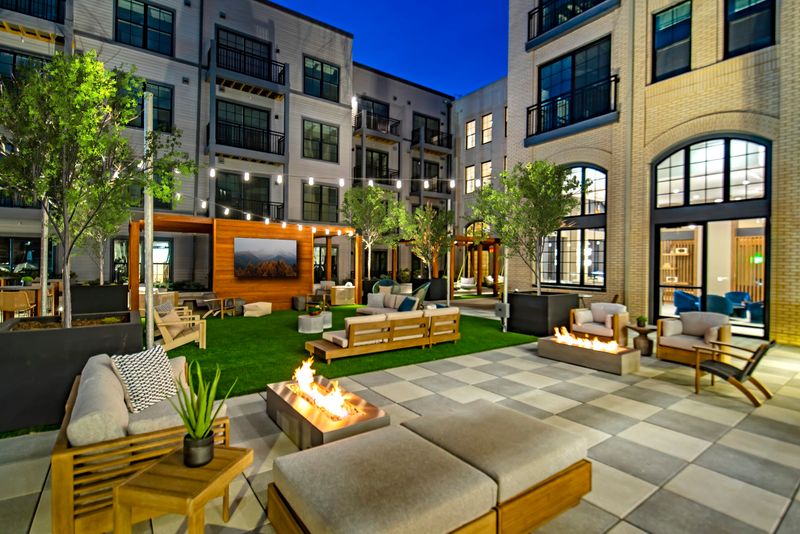
Good food, local pride, and a charming center have helped Kennett Square grow far beyond its old image as just a practical Chester County town.
Today, it attracts buyers who want personality along with proximity to jobs and scenic countryside.
The downtown revival has been a major driver.
Restaurants, events, and a more polished streetscape made the borough feel lively and current, which encouraged more people to imagine living there rather than simply visiting for dinner.
Kennett Square also sits in a region where expensive markets can spill over quickly.
As nearby areas became harder to afford, buyers looked for towns with identity and convenience, and Kennett Square checked both boxes.
That rising attention has affected everything from classic borough homes to newer options on the edges.
Houses that once seemed reasonably priced for Chester County now often reflect the area’s broader wealth and the town’s stronger local reputation.
There is also a unique sense of place here tied to agriculture and community history.
A town that feels rooted and active tends to hold onto demand, especially when it balances small-town scale with easy access to larger employment centers.
People shopping in Kennett Square should compare the borough itself with nearby neighborhoods and townships to understand the true premium for walkability.
Sometimes a short distance can make a big budget difference.
Kennett Square still offers a lot to like, from culture to convenience, but many longtime observers would agree that its affordable era has faded as more buyers have chased the same appealing mix of charm and location.
16. Blue Bell
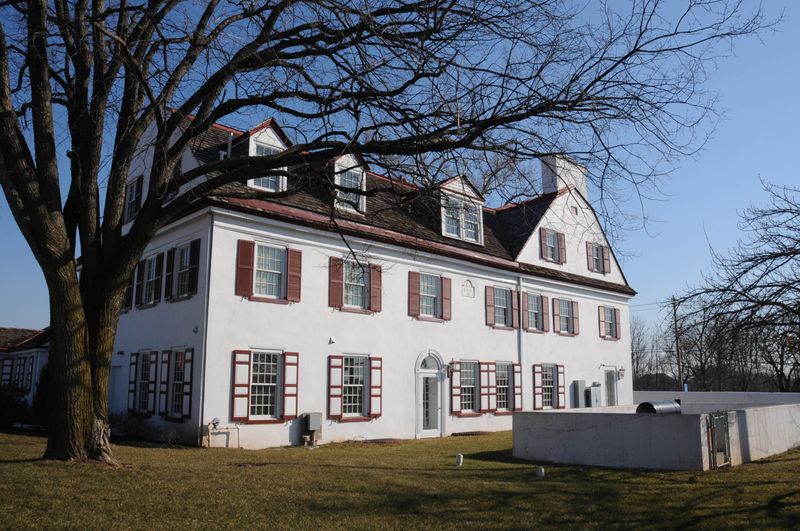
Quiet streets, strong schools, and roomy suburban living have made Blue Bell a steady favorite for years.
What changed is how sharply the price of entry has climbed for buyers who once saw it as a sensible move-up market.
Blue Bell appeals to households looking for stability and comfort rather than a tourist scene or flashy downtown.
That practical appeal can be powerful, especially in Montgomery County, where many buyers want space, dependable schools, and access to major work centers.
As surrounding markets grew more competitive, Blue Bell benefited from spillover demand.
Families willing to pay for larger homes and established neighborhoods helped pull prices upward, and well-kept properties started commanding stronger premiums.
The town’s attractiveness is not based on one trendy feature.
Instead, it rests on consistency, with mature neighborhoods, corporate access, shopping convenience, and a reputation that feels safe to buyers making a major financial decision.
Because of that, homes here often hold value well.
Even properties that need updates may still sell for more than budget-minded buyers expect simply because the location and school draw remain strong.
If Blue Bell is part of your search, think carefully about long-term affordability, not just qualification.
Utility bills, property taxes, and maintenance on larger suburban homes can shape the real cost as much as the purchase price itself.
Blue Bell still offers the dependable lifestyle many families want, but the days when it felt like a relatively affordable way into a high-quality Montgomery County setting are much harder to find in today’s market.
Share this story