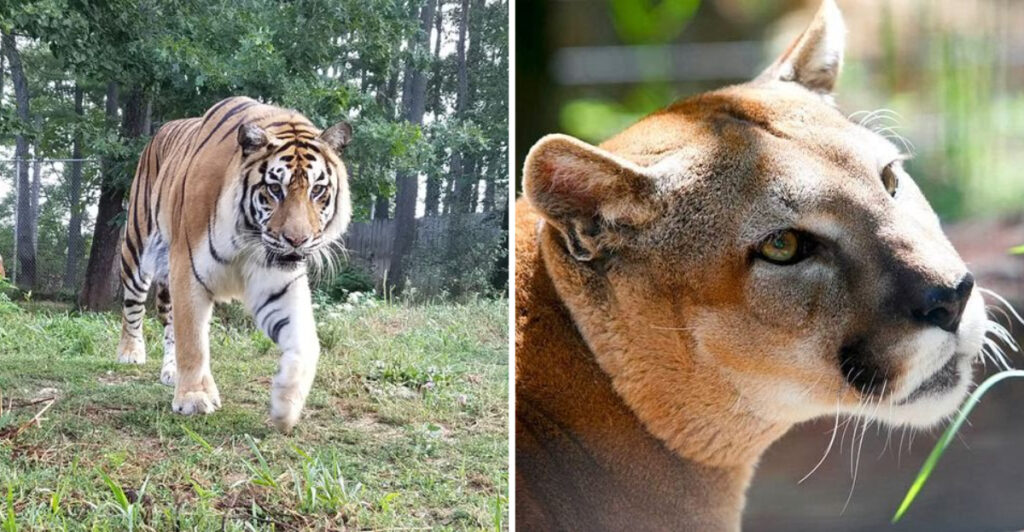
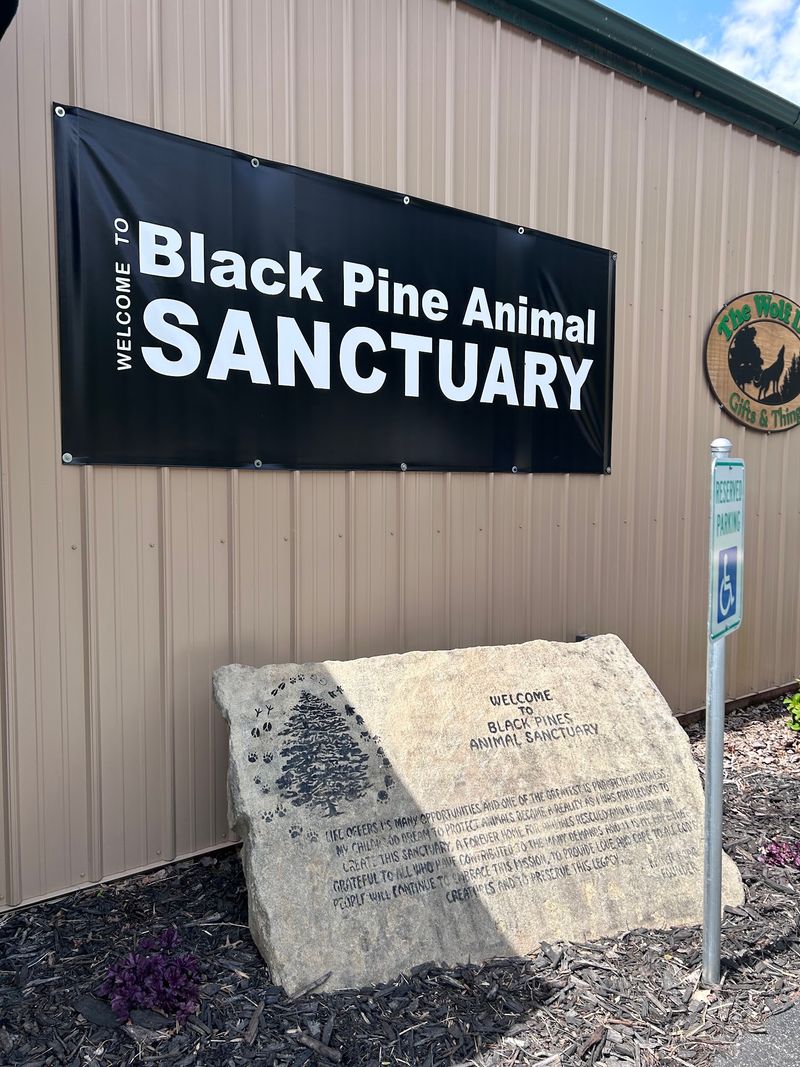
Meeting a rescued tiger or bear becomes much more meaningful when you also hear the story behind its arrival. At Black Pine Animal Sanctuary in Albion, families encounter exotic animals in a setting focused on refuge, education, and responsible care rather than traditional zoo entertainment.
Tours introduce visitors to individual residents and explain why they needed a permanent home, adding context that can make a lasting impression on younger animal lovers. There is still plenty of excitement in seeing these creatures up close, but curiosity comes with a lesson. Black Pine turns a family outing into an experience kids may keep talking about afterward.
Where the Quiet Setting Changes the Whole Experience
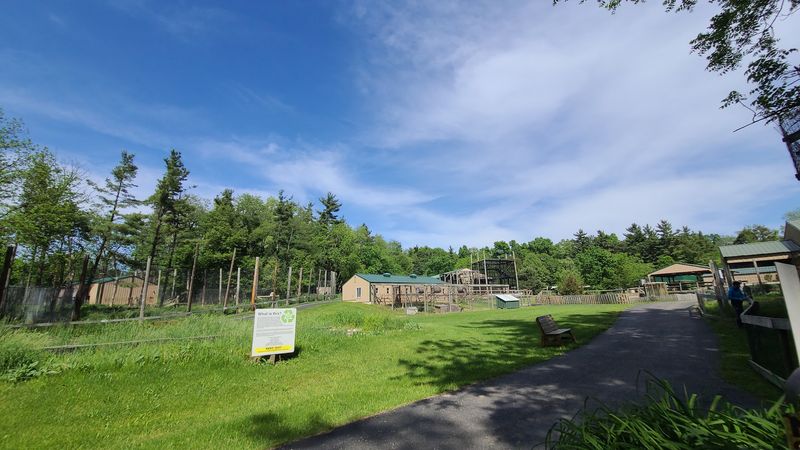
Noise drops fast once the road is behind you. Black Pine Animal Sanctuary sits in Albion with a more wooded, tucked-away look than many big attractions, and that calmer setting changes how a family visit unfolds.
Kids still get the thrill of seeing unusual animals, but the place does not push bright distractions or nonstop commotion.
That quieter layout matters because the visit starts to feel more like a walk with a purpose than a race from one exhibit to the next. Paths, trees, and animal habitats work together in a way that encourages people to slow down, look carefully, and listen to the guide.
For children who usually bounce from one thing to another, that shift can be surprisingly effective. The grounds also help parents set the tone early. Instead of promising rides or sugary entertainment, adults can frame the day as an adventure in spotting animals, learning names, and hearing rescue stories.
That makes every sighting feel bigger. A tiger resting in the shade or a parrot watching from its perch becomes a real event, not a quick glance before the next attraction.
Plenty of family destinations try to impress with size. Black Pine works on a different scale, and that is part of its charm.
The smaller footprint can be easier on younger kids, grandparents, and anyone who does not want an all-day march. It still offers variety, but in a way that feels manageable.
By the time the tour gets moving, children have already picked up on the mood. The sanctuary asks for attention, patience, and curiosity.
That combination often leads to better questions, better conversations, and a much richer outing than many families expect when they first pull into the parking area.
Rescue Stories That Hit Kids Hard in the Best Way
Children usually connect with stories before they connect with facts. At Black Pine, that works in the sanctuary’s favor, because the animals are not presented as simple display pieces.
They have histories. Many came from neglect, private ownership, or other situations that were not built around their needs, and that gives the visit real emotional weight without turning it into something too heavy for younger minds.
Guides help translate those stories into lessons kids can understand. A child may arrive excited to spot a tiger, monkey, or bear, then leave talking about why wild animals do not belong in backyard cages or living rooms.
That is a powerful shift. The sanctuary turns curiosity into empathy, and it does so through concrete examples rather than lectures.
Parents often look for outings that are fun and useful at the same time. Black Pine fits that goal especially well because it gives children a clear sense of cause and effect.
Animals need proper space, species-appropriate care, and the choice to retreat from people. When kids see those ideas in action, the lesson sticks more naturally than it would in a classroom or a quick online video.
There is also a nice balance in how the information lands. The stories can be sad, but the overall picture is not hopeless.
Children see that rescue means safety, routine, veterinary care, enrichment, and a chance for animals to live more peacefully. That keeps the tone thoughtful instead of bleak.
For families, that deeper layer often becomes the reason the visit gets talked about long after the day ends. Kids are not only remembering what they saw.
They are repeating what they learned, asking follow-up questions, and understanding that caring about animals sometimes means respecting distance, limits, and the kind of life each species actually needs.
Big Cats, Bright Birds, and the Surprise Around Every Corner
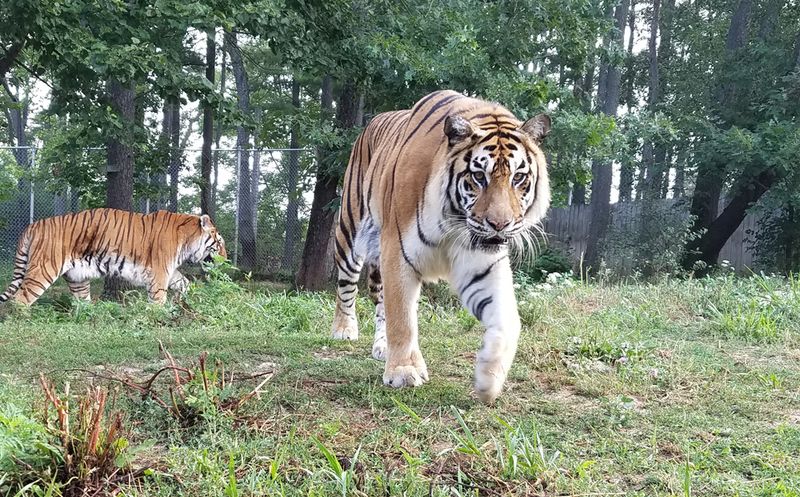
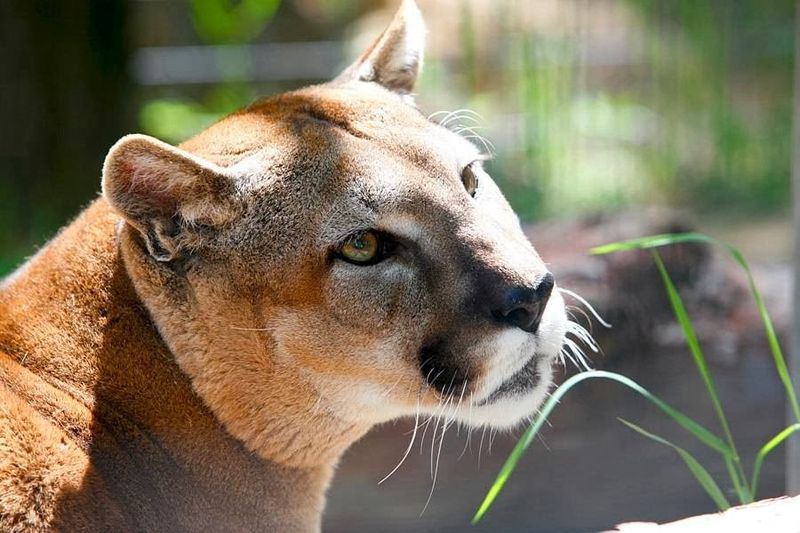
One of the biggest reasons kids want a return trip is simple: the animal lineup is exciting. Black Pine Animal Sanctuary is known for crowd-pleasing residents like tigers, and the mix does not stop there.
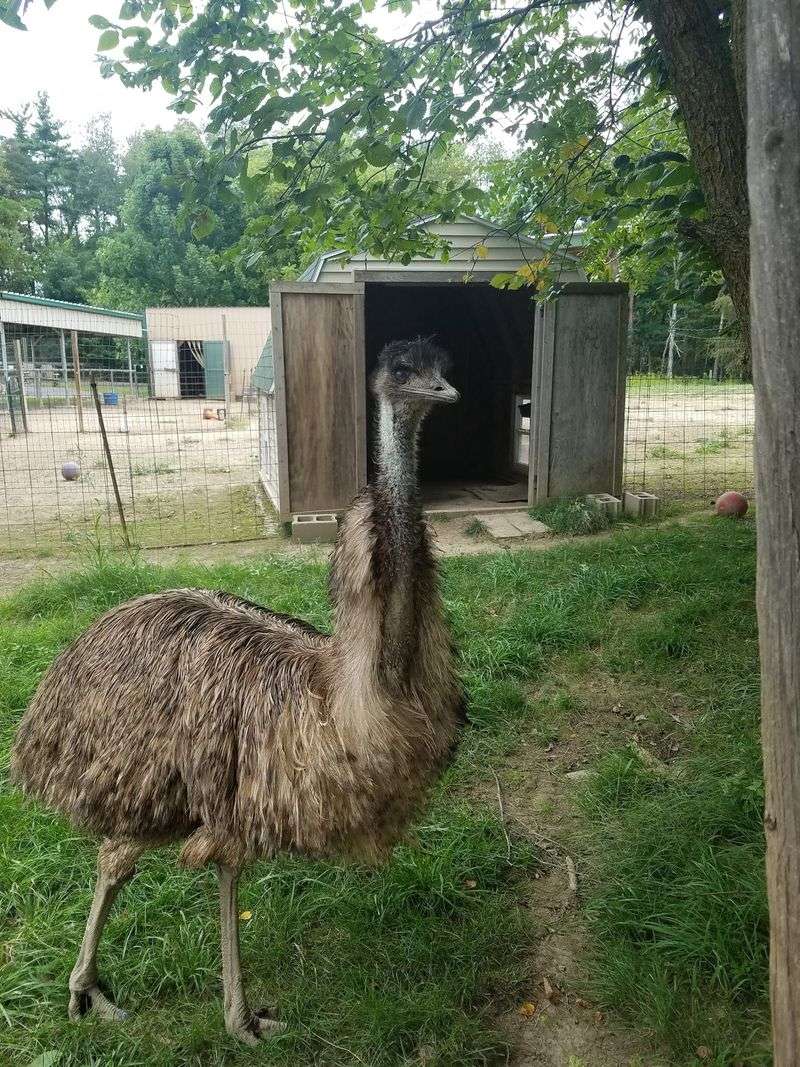
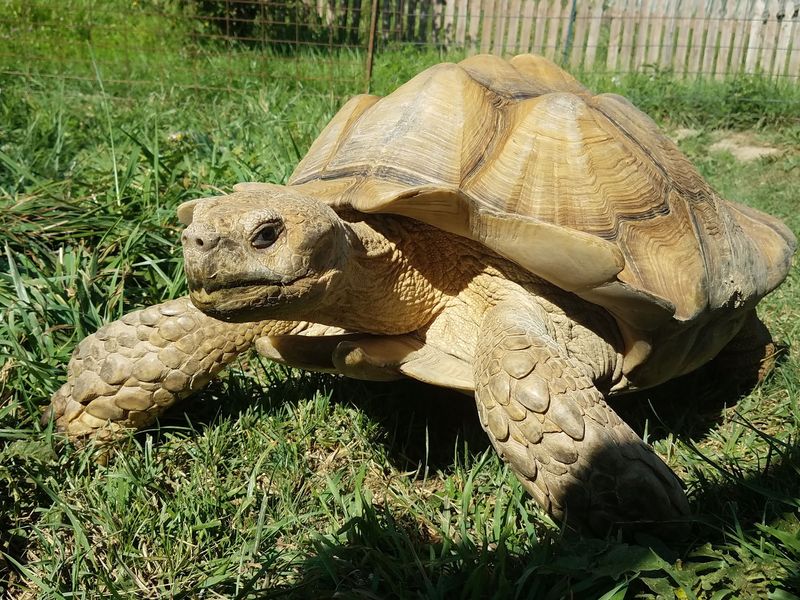
Families may also encounter exotic birds, bears, monkeys, foxes, and other animals that instantly raise the energy level of the walk.
That variety creates a nice rhythm across the sanctuary. A section with powerful big cats brings one kind of attention, while an area with parrots or smaller animals shifts the mood completely.
Children stay engaged because each habitat offers a different shape, sound, and color. There is always a chance that the next turn in the path will bring a new favorite.
Unlike places that rely on flashy show elements, Black Pine lets the animals carry the experience. Sometimes one will be easy to spot and active near the front.
Other times the reward comes from scanning carefully, noticing movement, or catching a glimpse in the shade. For kids, that search can feel a little like a treasure hunt, which keeps them focused without needing constant entertainment.
The sanctuary’s format also encourages realistic expectations. Because animal comfort comes first, not every resident may be visible at every moment.
That may sound like a drawback on paper, but it actually teaches children patience and respect. Wild animals are not props. Seeing them on their own terms becomes part of the lesson and part of the fun.
When the timing lines up, the payoff can be huge. A tiger pacing into view, a bird showing off vivid feathers, or a curious animal watching the group from nearby can spark the kind of instant excitement that kids talk about all the way home. Black Pine understands that wonder does not need a stage. It just needs animals worth watching closely.
Why the Guided Tour in Indiana Makes the Day Better
Skipping the guided tour would mean missing a big part of what makes Black Pine special. The sanctuary is widely praised for knowledgeable guides, and that piece matters because the experience is built around context, not just viewing.
Families are not left guessing what they are looking at or why a habitat is arranged a certain way. Someone is there to connect the dots.
For kids, a strong guide can turn a quiet animal into a fascinating one. A simple pause at an enclosure becomes more interesting when children learn the animal’s background, habits, or rescue story.
Questions come faster in that setting. Adults benefit too, especially when the guide explains sanctuary rules, animal behavior, and how enrichment supports daily life.
The tour format also helps with pacing. Instead of wandering aimlessly and worrying about what might be missed, families move through the grounds with a clear structure.
That can be a relief for parents with younger children who need direction, and it can be even better for older kids who enjoy absorbing facts as they go. The visit feels purposeful without becoming stiff.
Some families may want to look into enrichment or feeding-focused experiences when available, since those can add another layer of activity and animal engagement.
Even a standard guided visit, though, offers far more than a quick walk past signs. The narration brings the sanctuary to life and makes each stop feel earned.
There is a practical bonus as well. Guided tours often help visitors make peace with the idea that a sanctuary works differently from a zoo.
If an animal chooses to stay back or remain indoors, the guide can explain why that freedom matters. Once kids understand that choice is part of good care, the whole place makes more sense, and the day becomes smarter as well as more exciting.
A Visit That Teaches Respect, Not Just Excitement
Plenty of family attractions are built around getting kids louder, faster, and more hyped. Black Pine takes almost the opposite route, and that is exactly why it can leave such a strong mark.
The sanctuary offers excitement, but it also teaches children how to watch animals respectfully, ask better questions, and understand that not every meaningful experience needs lights, music, or a souvenir line every ten steps.
That lesson begins with the sanctuary’s basic setup. Animals are given space and choice, which means children learn early that a good animal experience is not about demanding a performance.
It is about observing behavior, noticing details, and accepting that care comes before convenience. That can be a refreshing message in a world where so many places are designed around instant payoff.
For parents and grandparents, the value is easy to see. A trip here can lead into conversations about responsibility, wildlife trade, animal needs, and the difference between owning an exotic pet and protecting an animal.
Kids do not need every detail at once. Even a simple understanding that some creatures belong in specialized care, not private hands, is a meaningful takeaway.
Because the visit is rooted in real lives and real needs, children often act a little differently here. They focus longer.
They listen harder. They notice how staff and volunteers speak about the residents with care and seriousness. That tone rubs off in a good way.
Fun still has a major role, of course. There are exciting sightings, colorful animals, and plenty to talk about afterward.
The difference is that the fun is connected to learning, not separated from it. Kids come away entertained, but they also leave with a fuller idea of what kindness toward animals actually looks like when it is put into practice every single day.
Timing Tricks for a Smoother Family Outing
A little planning goes a long way at Black Pine, especially for families with younger kids. The sanctuary keeps limited public hours, opening Thursday and Friday from 1 to 5 PM, Saturday from 11 AM to 3:30 PM, and Sunday from 11 AM to 1:30 PM.
Since it is closed Monday through Wednesday, checking the day and time before leaving home is the easiest way to avoid disappointment.
Comfort matters here more than at indoor attractions. Parts of the visit happen outside, so water bottles are a smart move, and bug spray can make a real difference during warmer months.
On hot afternoons, children may tire faster, and some animals may be less active. Families who want a more relaxed walk may prefer cooler weather or earlier weekend hours when possible.
The guided format also shapes how the day should be packed. This is not the kind of stop where everyone rushes in for fifteen minutes and bolts.
It works better when families build a small block of time around it and let the experience unfold. That means bathroom breaks, snack timing, and toddler expectations should be considered before arrival.
Another useful tip is to prepare kids for a sanctuary, not a theme park. Some animals may be easy to spot, while others may choose privacy.
Framing that as part of good care helps prevent frustration and keeps the focus on discovery. Children often handle that well when adults explain it clearly before the tour begins.
If the weather is pleasant and the family is in no hurry, the grounds can support a slower, more enjoyable visit. Bringing patience, comfortable shoes, and a little curiosity is often enough.
Black Pine does not ask for complicated planning, but thoughtful preparation can turn a good afternoon into a much easier one for everyone in the group.
The Part Kids Talk About on the Ride Home
The strongest family attractions usually send kids home with one great story. Black Pine often sends them home with several.
One child may be talking about the tiger seen up close, another may be replaying a guide’s rescue story, and a parent may be thinking about how rare it is to find a place that keeps children fully engaged without relying on nonstop gimmicks.
That is the secret behind the return-trip effect. The sanctuary combines visual excitement with a deeper reason to care, so the visit keeps unfolding even after families leave Albion.
Kids start retelling facts at dinner. They remember animal names, ask why certain species need special care, and compare the sanctuary to bigger zoos in ways that show they noticed the difference.
There is also a built-in sense of unfinished discovery. Because animals may choose where to spend their time, no two visits are guaranteed to look exactly the same.
A family could return and have a fresh set of sightings, a different guide, or another tour option that adds new detail. That possibility gives the place replay value without feeling staged.
Even the smaller extras can help round out the memory. A gift shop stop, a calm walk back through the grounds, or a final conversation about a favorite animal gives kids one more chance to lock the experience in.
The day ends with discussion instead of overstimulation, which many parents will count as a win. For Indiana families looking for an outing that mixes wonder, care, and practical learning, Black Pine Animal Sanctuary stands out in a very specific way. It trusts the animals, the setting, and the stories to do the work.
When children leave wanting to come back, it is usually because they found more than entertainment. They found a place that gave their curiosity room to grow.
Share this story