Tennessee is full of hidden stories waiting to be discovered. Tucked away in valleys, along rivers, and throughout the countryside are small towns that once stood at the center of major American events. From revolutionary movements to presidential homes, these forgotten communities shaped our nation’s path in ways most people never learned in school.
Their streets hold secrets about everything from frontier newspapers to world-changing inventions that still affect us today.
1. Jonesborough
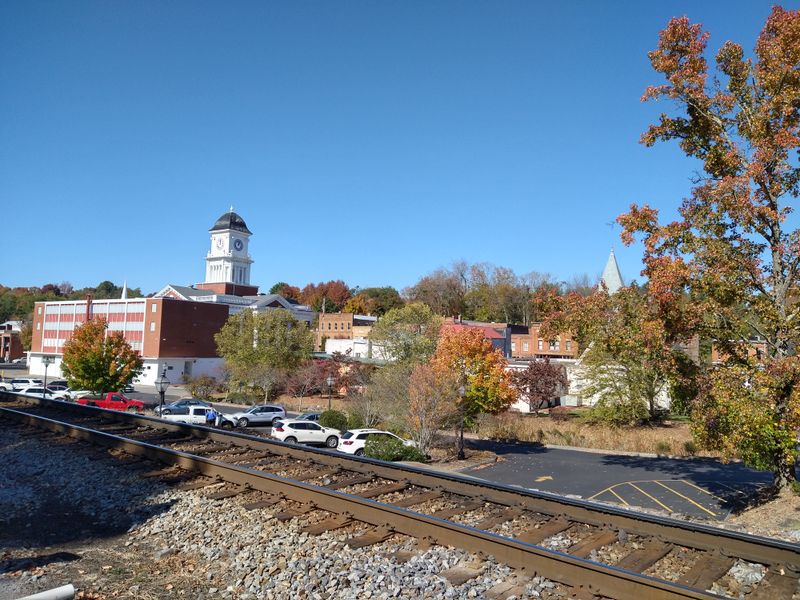
Founded in 1779, Jonesborough became the capital of a bold experiment called the State of Franklin. For four years, this tiny frontier settlement served as headquarters for colonists who tried to break away to form America’s 14th state. The movement failed, but it proved that ordinary people believed they could shape their own government.
Walking through Jonesborough today feels like stepping back in time. The town preserved its original courthouse and dozens of buildings from the 1700s. Local leaders fought hard to maintain their heritage, turning the entire downtown into a living museum where history comes alive every day.
Every October, storytellers from around the world gather here for the National Storytelling Festival. This celebration connects back to the town’s tradition of sharing tales around courthouse steps, keeping oral history alive for future generations.
2. Rogersville
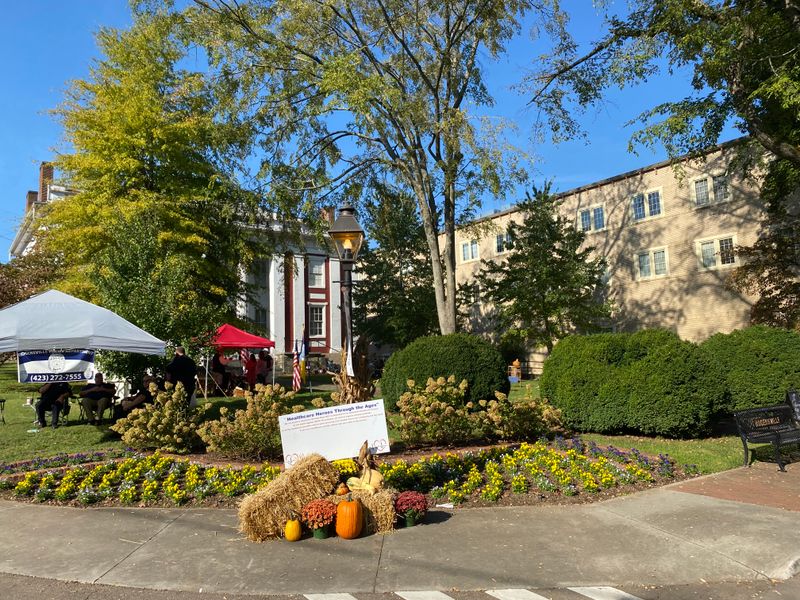
In 1791, something remarkable happened in this frontier village. George Roulstone fired up his printing press and created Tennessee’s first newspaper, the Knoxville Gazette. Before moving to Knoxville, he started right here in Rogersville, making it the birthplace of Tennessee journalism.
That same year, Rogersville became home to Tennessee’s first official post office. Imagine how important that was when letters took months to arrive and news traveled only as fast as horses could run. Suddenly, settlers could connect with families back east and share information about this wild new territory.
3. Hohenwald
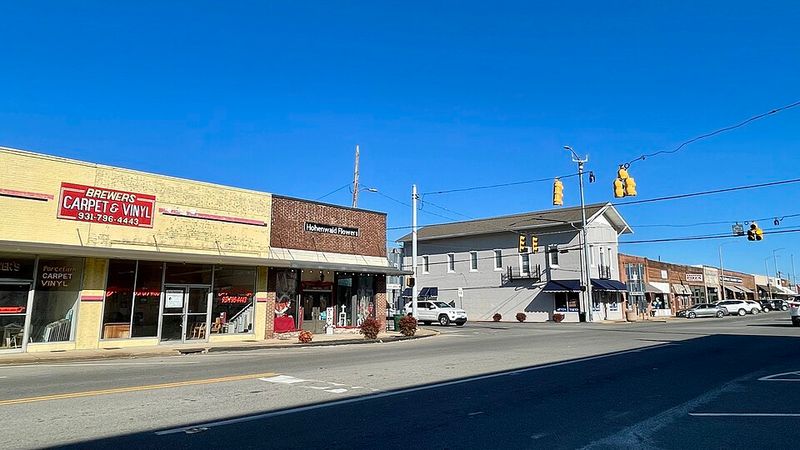
German immigrants arrived here in 1894 with dreams of building a perfect society. They named their settlement after the Ruskin Colony, following ideas from British philosopher John Ruskin about cooperative living and shared resources. Everyone worked together, owned property collectively, and tried to create equality in a world full of inequality.
The experiment attracted national attention as one of America’s boldest social reform movements. Families pooled their money, built workshops, started schools, and published newspapers promoting their ideals. For several years, Hohenwald represented hope that people could live differently than traditional American capitalism demanded.
Though the colony dissolved by 1899, its influence lasted. The buildings remained, German culture took root, and the town kept its unique character. Today, Hohenwald gained new fame as home to The Elephant Sanctuary, continuing its tradition of offering refuge to those in need.
4. New Johnsonville
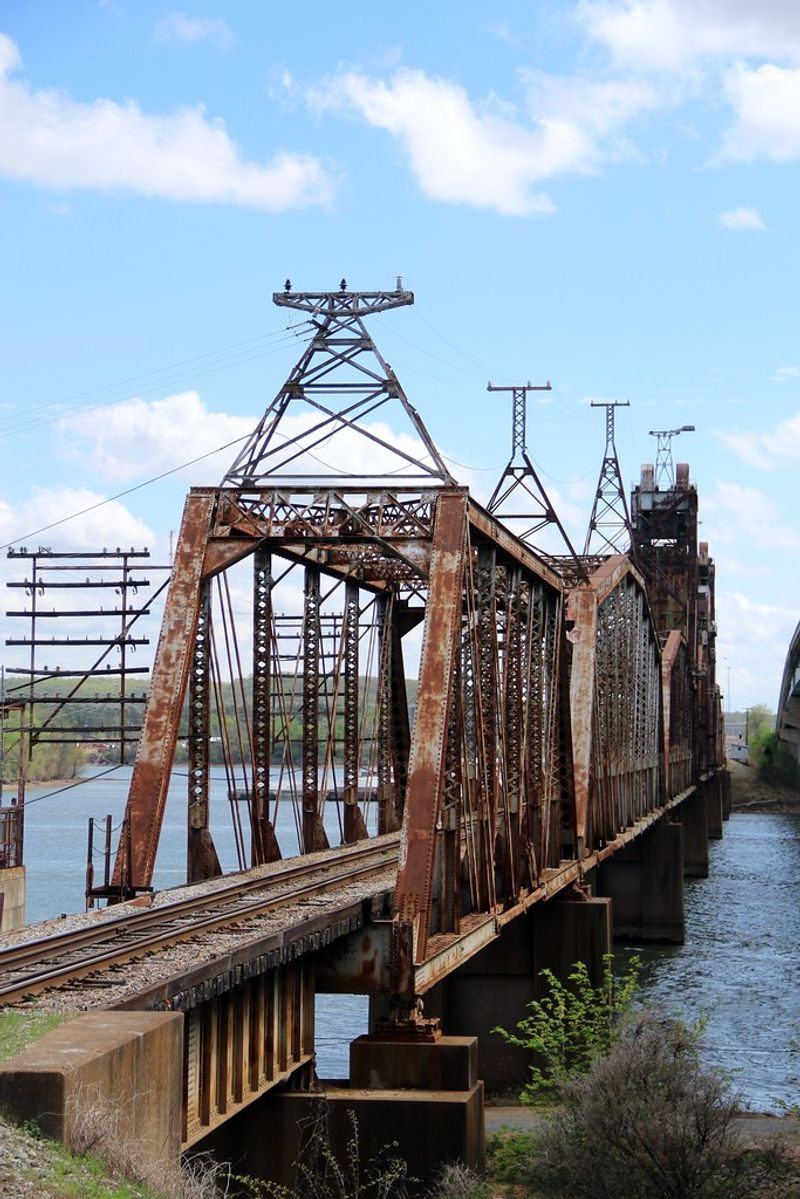
Picture an entire town rising from blueprints in just a few years. That’s exactly what happened here between 1941 and 1944 when the Tennessee Valley Authority built the Kentucky Dam downstream. The massive project would flood the old town of Johnsonville, so TVA constructed a completely new community on higher ground.
This wasn’t just about moving houses. New Johnsonville represented President Franklin Roosevelt’s vision for transforming rural America through electricity and modern infrastructure. TVA brought power lines, paved roads, running water, and economic opportunities to people who previously lived without basic utilities.
Thousands of workers poured into the area, building dams that would generate electricity for homes and factories across the South. The town became a symbol of the government’s power to improve ordinary lives during the Great Depression and World War II, proving that big projects could lift entire regions.
5. Elizabethton
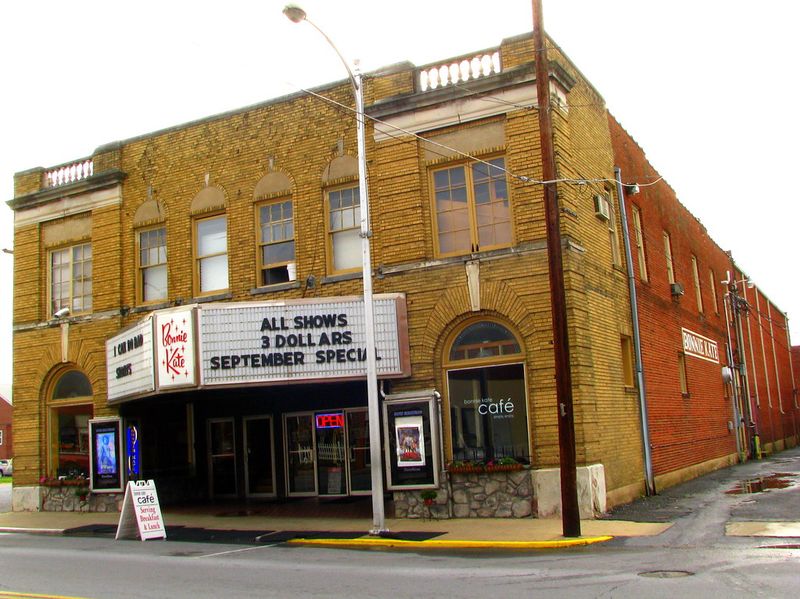
Long before Tennessee became a state, pioneers built homes along the Watauga River in what’s now Elizabethton. The Watauga Settlement, established in 1769, became one of America’s first independent governments west of the Appalachian Mountains. These settlers wrote their own laws and defended themselves against outside threats.
Fast forward to the 1800s, and Elizabethton transformed into an industrial powerhouse. Railroads arrived, bringing factories that manufactured everything from textiles to iron products. The town’s location between mountains and rivers made it ideal for water-powered mills and transportation networks that connected isolated mountain communities to larger markets.
During the Great Depression, Elizabethton witnessed one of the South’s largest labor strikes when textile workers demanded better conditions. Thousands walked off their jobs, showing that even small-town workers could stand up for their rights and influence national conversations about fair treatment.
6. Tiptonville
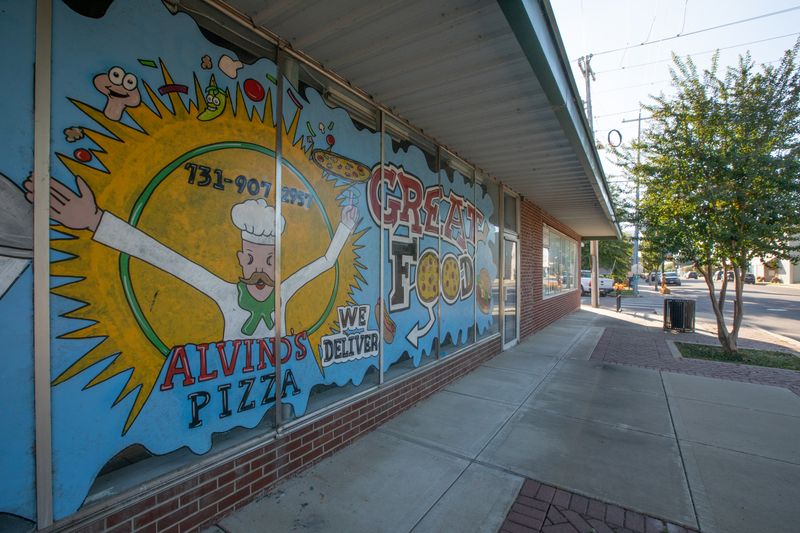
Between December 1811 and February 1812, the most powerful earthquakes in American history struck the central United States. The ground rolled like ocean waves, the Mississippi River temporarily flowed backward, and entire forests sank beneath newly formed lakes. Tiptonville sits right beside Reelfoot Lake, which appeared almost overnight when the earth dropped fifteen feet.
Native Americans believed the earthquakes were punishment from angry spirits. Scientists now know the New Madrid Seismic Zone caused the disaster, releasing energy equal to thousands of atomic bombs. The shaking rang church bells in Boston, over 1,000 miles away, and created geological changes visible even today.
Tiptonville grew up around this strange new lake, becoming a fishing and hunting destination. The sunken forest created a perfect habitat for bass, crappie, and waterfowl. What began as a natural catastrophe turned into an ecological treasure that still attracts visitors seeking adventure in Tennessee’s northwest corner.
7. Greeneville
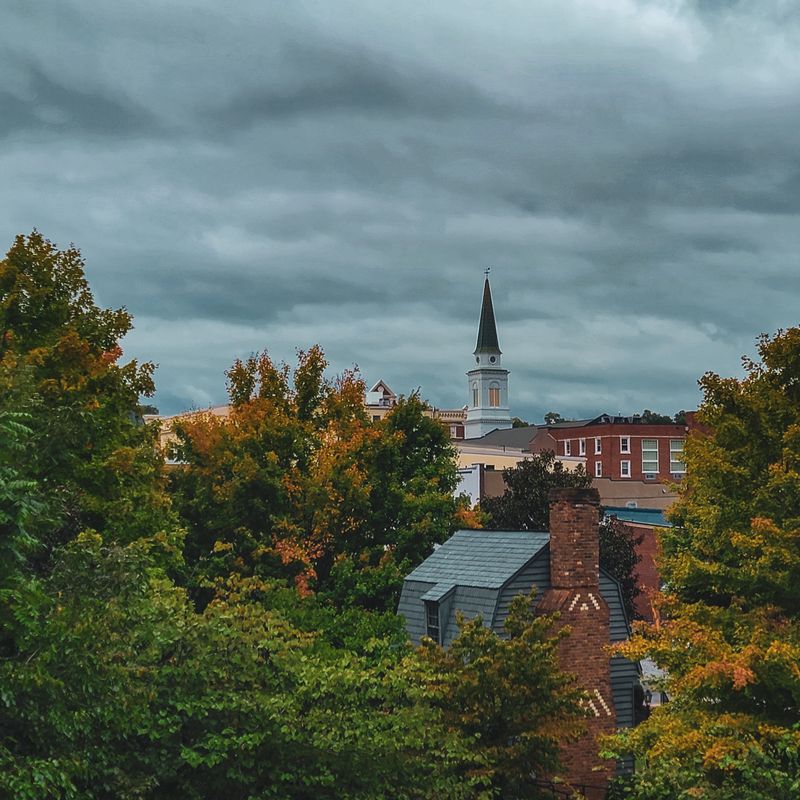
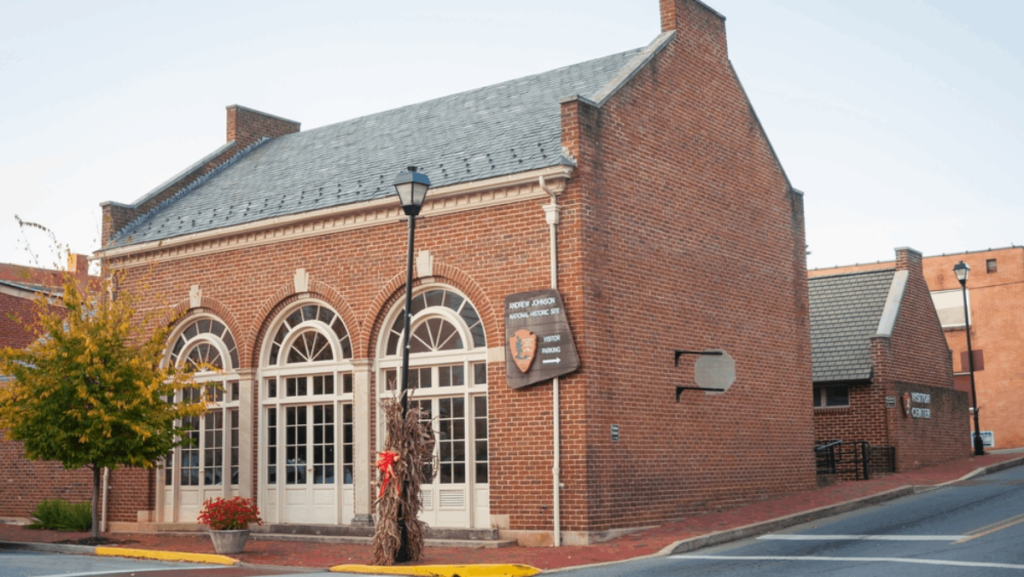
Andrew Johnson learned the tailoring trade here as a young man, stitching clothes by day and teaching himself to read at night. He rose from poverty to become Greeneville’s mayor, then a U.S. senator, and eventually the 17th President after Abraham Lincoln’s assassination. His tailor shop still stands downtown, preserved exactly as he left it.
During the Civil War, Greeneville became deeply divided. Johnson remained loyal to the Union even though Tennessee joined the Confederacy, making him a hero to some and a traitor to others. Confederate and Union armies battled through these streets multiple times, leaving scars that took generations to heal.
After the war, Johnson returned home to face angry neighbors who never forgave his choices. His presidency ended in impeachment, making him one of America’s most controversial leaders.
8. McMinnville
Manufacturing put McMinnville on the map during the 1800s when factories produced everything from furniture to farm equipment. The town thrived as railroads connected mountain resources to city markets, creating jobs and prosperity for generations of families. But something truly bizarre made McMinnville internationally famous in 1947.
That summer, two local residents claimed they photographed a flying saucer hovering over their farm. The images became some of the most analyzed UFO photos in history, sparking debates that continue today. Skeptics called it a hoax, believers saw proof of alien visitors, and scientists studied the pictures for decades without reaching conclusions.
McMinnville embraced its weird claim to fame, and the story became part of America’s fascination with space exploration and the possibility of life beyond Earth.
9. Pulaski
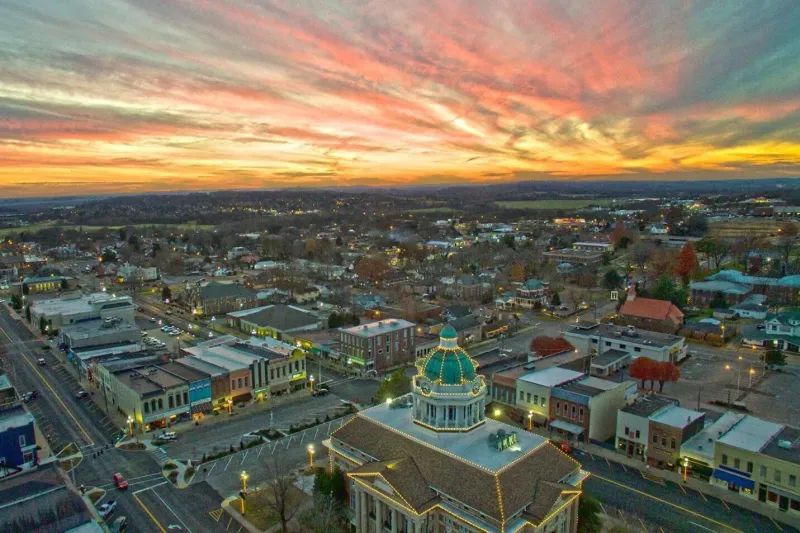
Few Tennessee towns carry as much historical weight as Pulaski. During the Civil War, armies marched through repeatedly, and the town switched hands between Union and Confederate control. Local families saw their homes burned, crops destroyed, and young men killed in battles that tore communities apart.
After the war ended in 1865, six Confederate veterans gathered in a law office here and founded the Ku Klux Klan. What started as a social club quickly became a terrorist organization that used violence to intimidate freed slaves and their supporters. The KKK spread across the South, causing suffering that echoed through generations and staining American history with hatred.
Facing this dark legacy isn’t easy, but it’s necessary. Pulaski reminds us that history includes both heroism and horror. The town now works to educate visitors about this painful chapter so future generations learn from past mistakes.