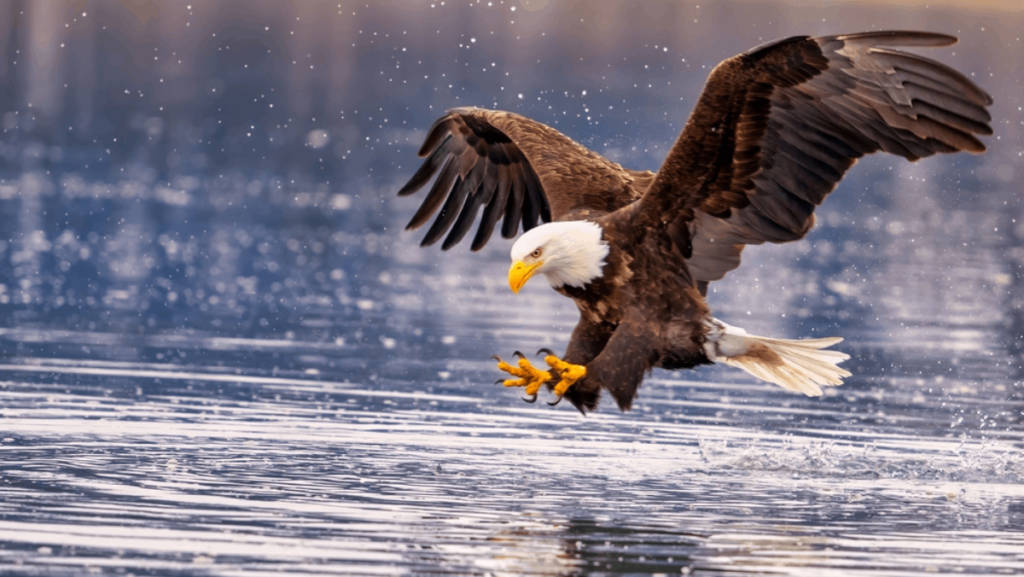
Tennessee is home to some of the best bald eagle watching opportunities in the southeastern United States. Every winter, these magnificent birds migrate to Tennessee’s lakes and rivers, drawn by abundant fish and protected habitats.
Whether you’re an experienced birder or simply want to witness these incredible raptors in their natural environment, the Volunteer State offers multiple prime locations where sightings are practically guaranteed during peak season.
1. Reelfoot Lake (Tiptonville)
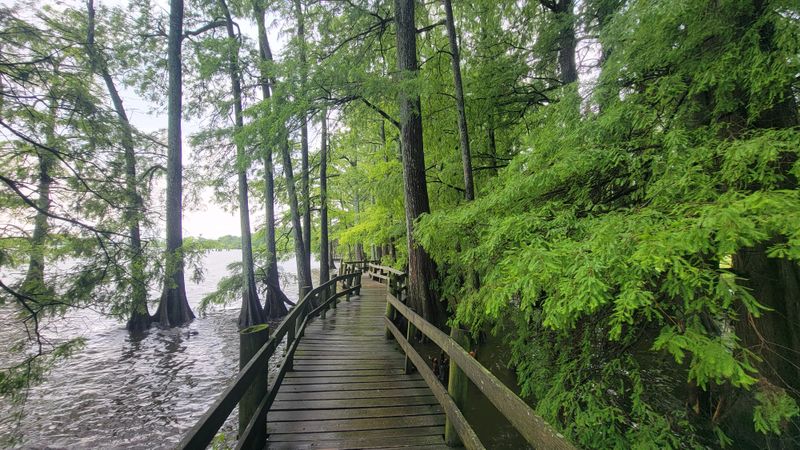
Reelfoot Lake stands as the undisputed champion of eagle watching in Tennessee. During winter months, hundreds of bald eagles descend upon this northwestern corner of the state, creating one of the most spectacular wildlife viewing experiences in America.
The shallow lake formed by earthquakes in the 1800s provides ideal hunting grounds for eagles. Cypress trees dotting the water offer perfect perches, and the abundant fish population keeps these raptors well-fed throughout their stay. Peak viewing season runs from December through February.
The annual Eagle Festival held each February celebrates these majestic visitors with guided tours and educational programs. Rangers and volunteers help visitors spot eagles both from shore and aboard special viewing boats. Early morning hours typically offer the best sightings when eagles are most active hunting.
2. Chickamauga Lake (Chattanooga)
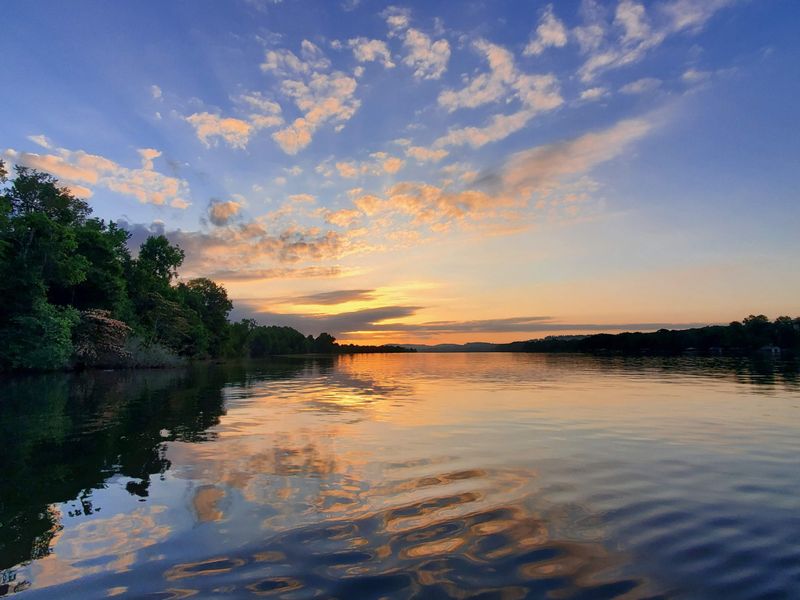
Just outside Chattanooga, Chickamauga Lake has become a reliable year-round destination for eagle enthusiasts. The Tennessee River reservoir stretches over 36,000 acres, providing ample territory for both nesting pairs and wintering visitors.
Eagles concentrate near areas with active fishing, particularly around boat ramps and popular angling spots. The birds have learned that fishermen often mean easy meals, either from discarded bait or fish cleaning stations.
Several public access points offer excellent vantage points without requiring a boat. Harrison Bay State Park provides multiple overlooks and walking trails where patient observers frequently spot eagles. The Chickamauga Dam area also attracts eagles hunting in the turbulent waters below.
3. Percy Priest Lake (Nashville)
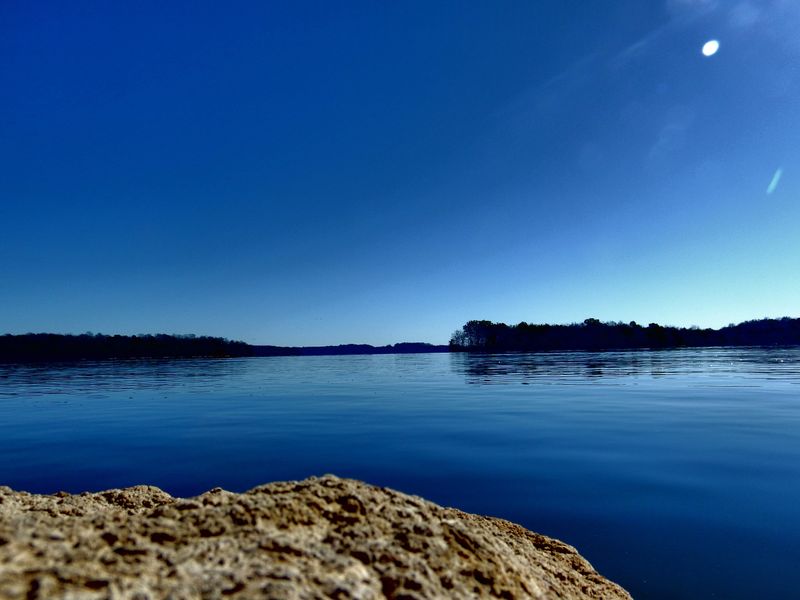
Nashville residents don’t need to travel far for quality eagle watching. Percy Priest Lake, located just minutes from downtown, supports a growing eagle population that surprises many first-time visitors to the area.
The 14,000-acre reservoir features numerous quiet coves and undeveloped shoreline sections where eagles hunt undisturbed. Morning kayakers and early boaters often report close encounters with eagles fishing in shallow areas. The wooded peninsulas provide nesting habitat for breeding pairs that return annually.
Long Hunter State Park offers some of the most accessible eagle viewing opportunities. The park’s hiking trails wind along the shoreline, and the Couchville Cedar Glade area provides elevated viewing points. Binoculars definitely help, though eagles soaring overhead are visible to the naked eye.
4. Old Hickory Lake (North of Nashville)
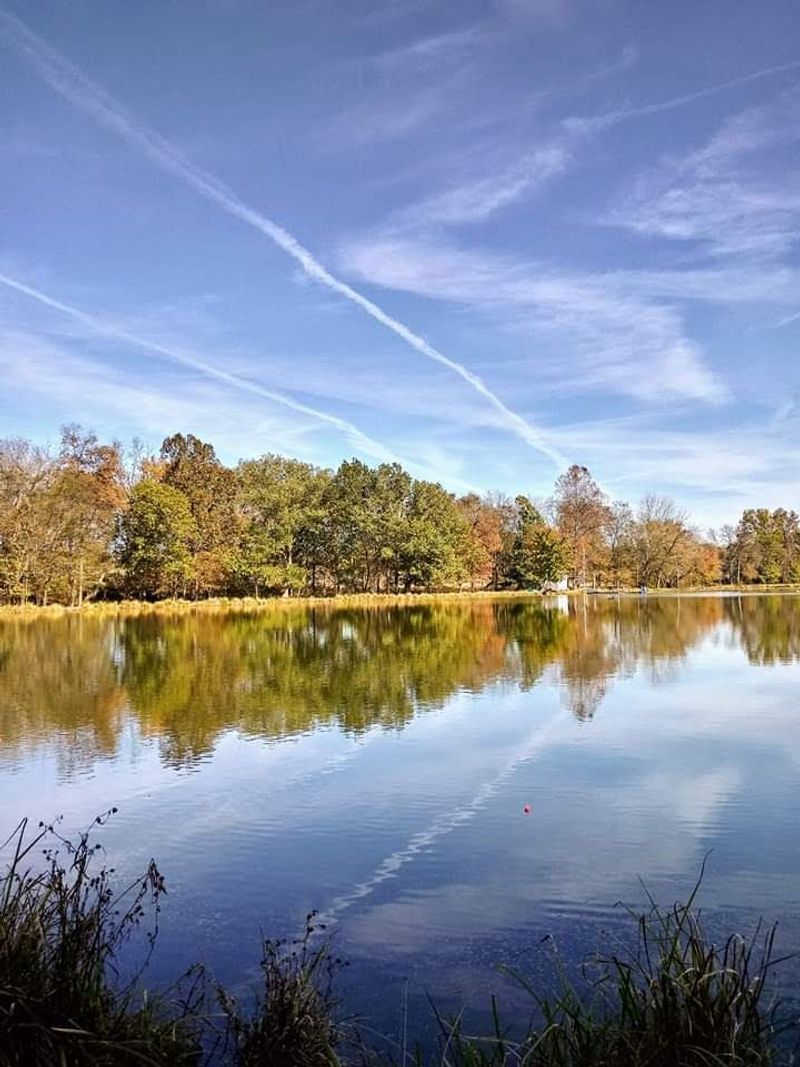
Old Hickory Lake stretches across 22,500 acres north of Nashville, and its less-developed sections have become eagle havens. Unlike some more crowded recreational lakes, Old Hickory maintains an extensive wild shoreline that eagles prefer for hunting and roosting.
The upper reaches of the lake near Gallatin and Hendersonville offer particularly good viewing opportunities. Eagles favor the tall trees in these areas, often perching motionless for hours while scanning the water below. Patient observers scanning treelines with binoculars are frequently rewarded with sightings.
The lake’s numerous feeder creeks create ideal fishing conditions that attract eagles year-round. Bledsoe Creek State Park provides excellent access points and maintains several trails where eagle sightings occur regularly.
5. Pickwick Lake (Savannah)
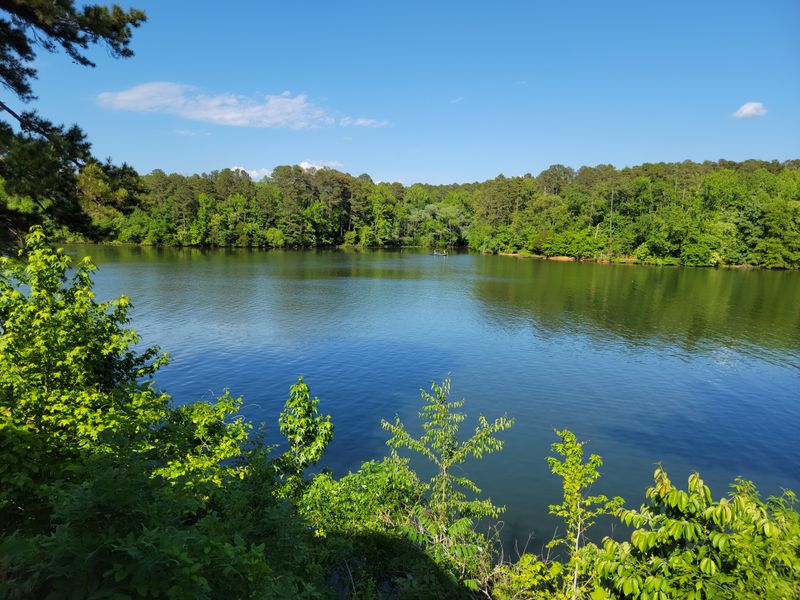
Pickwick Lake along the Tennessee River has earned its reputation as a consistent eagle viewing destination. The massive reservoir spans three states, but the Tennessee portion near Savannah provides some of the most dependable sightings in the region.
Eagles congregate heavily near Pickwick Dam, where turbulent water disorients fish, making them easy prey. The observation areas near the dam offer front-row seats to eagles diving and fishing. Watching these powerful birds pluck fish from the water never gets old, no matter how many times you witness it.
Pickwick Landing State Park features multiple overlooks and shoreline access points perfect for eagle watching. The park’s marina area attracts eagles hoping to scavenge from fishing boats returning with their catch. Winter months bring the highest concentrations, though resident pairs nest here year-round.
6. Dale Hollow Lake (Upper Cumberland)
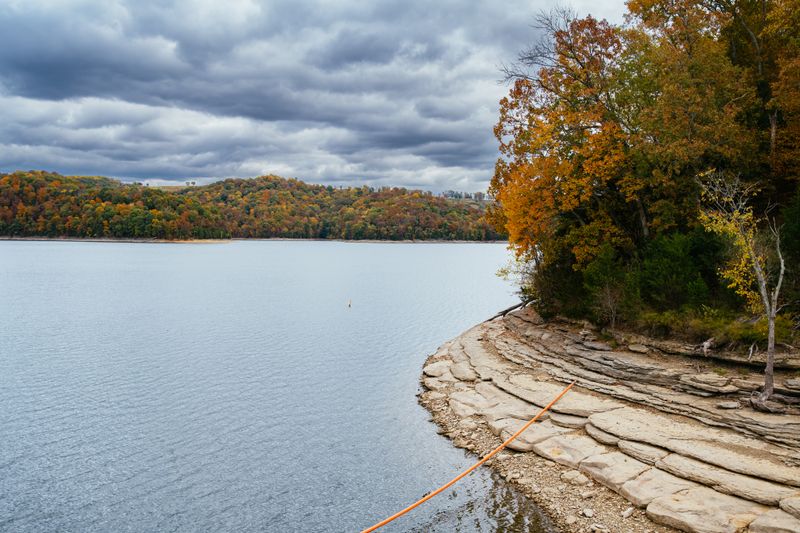
Dale Hollow Lake’s crystal-clear waters and rugged, forested shoreline create perfect conditions for nesting bald eagles. Straddling the Tennessee-Kentucky border, this scenic reservoir supports several breeding pairs that raise young here annually.
The lake’s exceptional water clarity allows eagles to spot fish from impressive heights. Smallmouth bass, a favorite eagle prey, thrive in these clean waters. The combination of abundant food and minimal shoreline development has encouraged eagles to establish permanent territories.
Dale Hollow Lake State Park on the Tennessee side provides hiking trails and overlooks where eagles are regularly spotted. The park’s relatively remote location means fewer crowds and more authentic wildlife experiences.
Spring offers unique opportunities to observe nesting behavior and potentially spot eaglets, though maintaining respectful distances from active nests remains crucial for the birds’ success.
7. Land Between the Lakes (Dover)
Land Between the Lakes National Recreation Area offers 170,000 acres of protected habitat where bald eagles thrive. Though the recreation area spans both Tennessee and Kentucky, the Tennessee side near Dover provides exceptional eagle viewing in pristine natural settings.
The protected status means limited development and abundant prey species. Eagles nest in the interior forests and hunt along Kentucky Lake and Lake Barkley shorelines. The Woodlands Nature Station frequently hosts eagle watching programs during peak season, with naturalists helping visitors locate and identify birds.
Multiple hiking trails wind through eagle habitat, and the area’s scenic drives offer opportunities to spot eagles from your vehicle. The Golden Pond Visitor Center provides current information on recent sightings and best viewing locations.