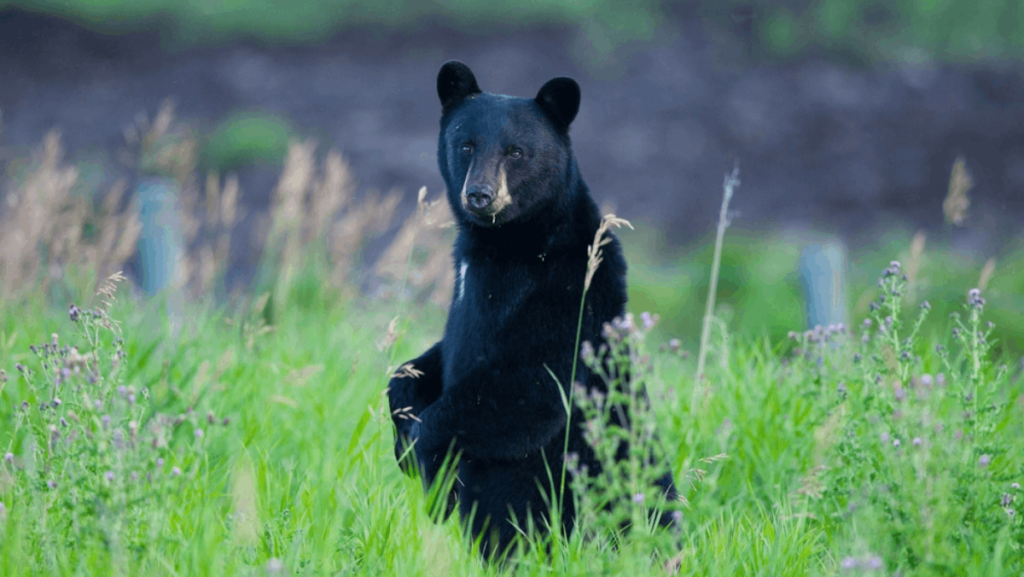
Tennessee is home to thousands of black bears, and spotting one in the wild is an unforgettable experience. From the misty peaks of the Great Smoky Mountains to quiet forest trails, the state offers incredible opportunities to observe these magnificent creatures in their natural habitat.
Knowing where to go and when to visit can dramatically increase your chances of a safe, memorable bear sighting.
1. Great Smoky Mountains National Park
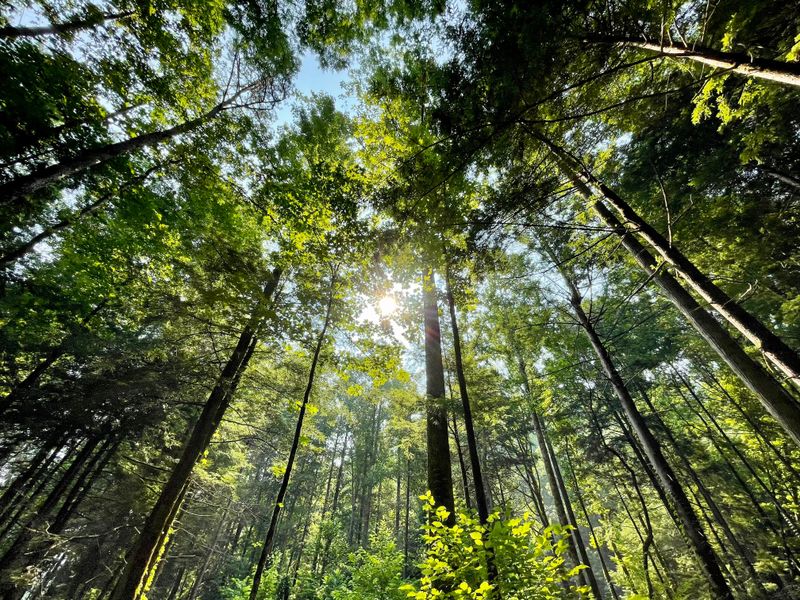
Home to roughly 1,500 black bears, this national park ranks as one of the best places in America to see these animals up close. The Smokies provide perfect bear habitat with dense forests, plentiful food sources, and protected wilderness stretching across 800 square miles.
Your best window for sightings runs from late spring through early fall, particularly during May, June, and July when bears are most active. They emerge from their winter dens hungry and spend daylight hours foraging for food. Early morning and dusk offer prime viewing times when bears venture into open areas.
Roaring Fork Motor Nature Trail and Newfound Gap Road consistently deliver sightings. These accessible routes let you watch from the safety of your vehicle while bears forage along roadsides and meadows. Always maintain at least 50 yards distance and never approach or feed wildlife.
2. Cades Cove
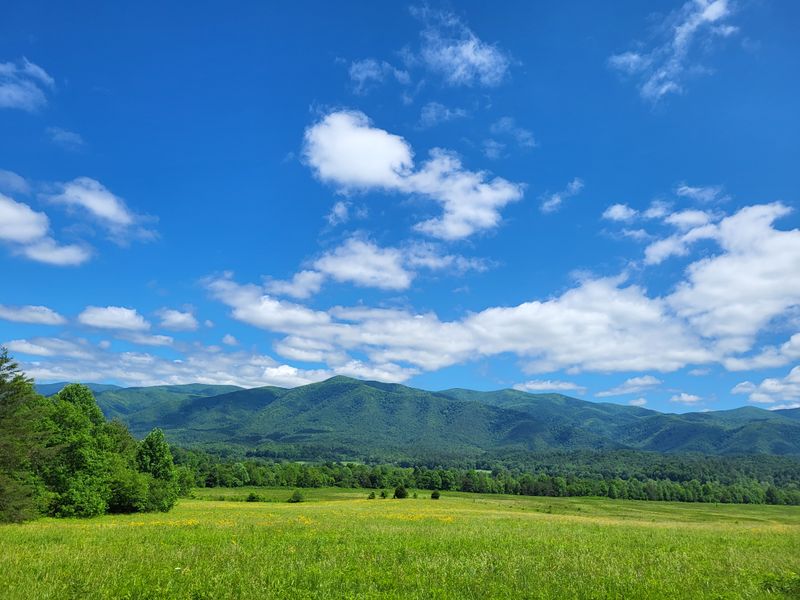
This 11-mile loop road winds through an expansive valley where wildlife viewing reaches legendary status. Unlike dense forest trails, Cades Cove’s open landscape gives you clear sightlines across fields and forest edges where bears frequently appear.
June and July bring peak activity as mother bears teach cubs to forage in the lush grasses and berry patches. The open terrain means you can observe bear behavior from a comfortable distance without leaving your car. Early morning hours before 10 AM and late afternoons after 4 PM yield the most sightings.
Drive slowly and watch the tree line carefully. Bears often emerge from the forest to feed in the valley, and traffic jams form quickly when someone spots one. Bring binoculars and patience for the best experience in this wildlife-watching paradise.
3. Roaring Fork Motor Nature Trail
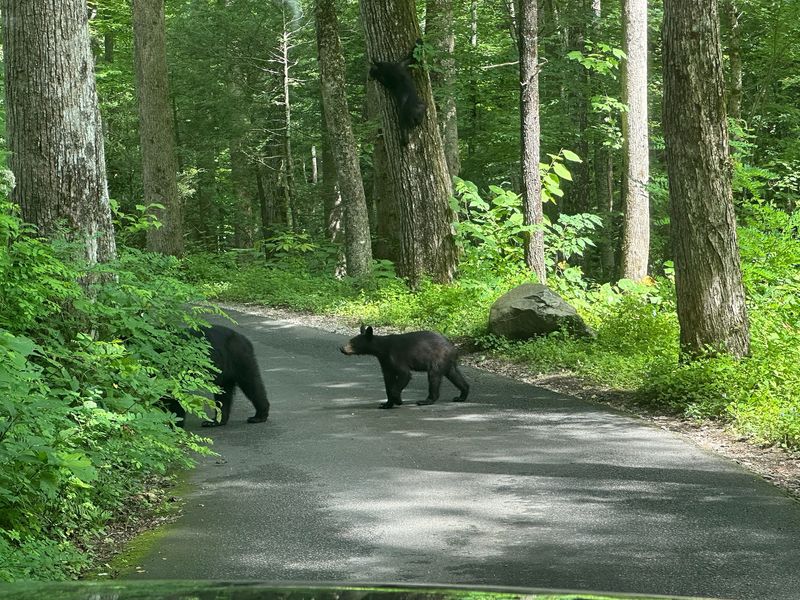
This narrow, winding road takes you deep into bear country through old-growth forest and past tumbling mountain streams. The six-mile one-way route feels more intimate than Cades Cove, with dense vegetation pressing close to the pavement. Bears love this habitat because streams provide water and the forest offers abundant food.
Between May and August, bears regularly appear near pull-offs and creek crossings where they flip rocks searching for insects and grubs. Morning hours work best since afternoon crowds tend to push wildlife deeper into the woods. The quiet setting increases your chances of observing natural bear behavior without disturbance.
Watch for movement near water sources and along the roadside where bears browse on vegetation. The trail’s slower pace and frequent pull-offs let you stop safely when you spot wildlife.
4. Cherokee National Forest
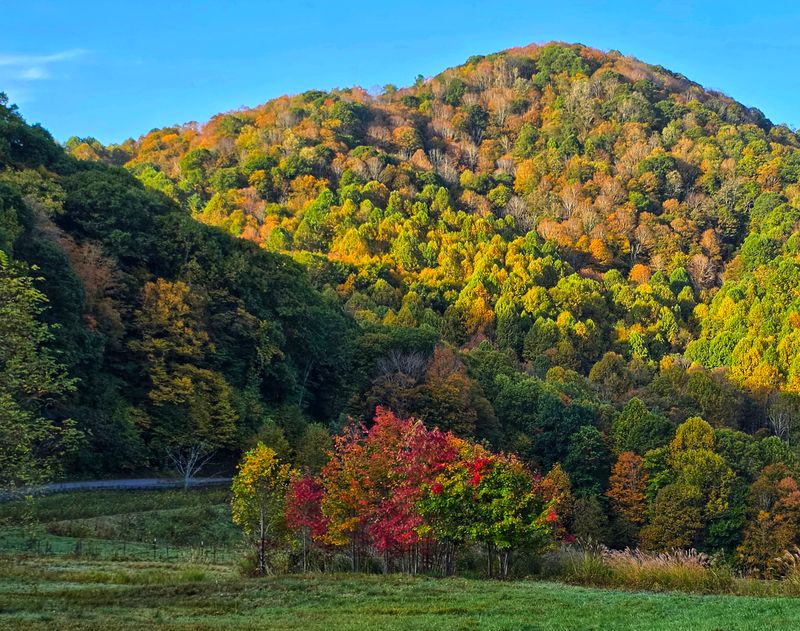
Stretching across 650,000 acres of eastern Tennessee, this vast wilderness receives far fewer visitors than the national park next door. That means more solitude and better chances of spotting bears without crowds. The forest’s remote character appeals to adventurous wildlife watchers seeking authentic backcountry experiences.
Spring and fall emerge as ideal seasons when bears actively forage before and after their winter dormancy. Dawn and dusk remain magical hours for sightings as bears move between feeding areas. Remote trails and less-traveled forest roads offer the most promising locations, though you’ll need to venture beyond popular trailheads.
Consider hiking with a small group and making noise to avoid surprising bears at close range. The forest’s rugged terrain demands preparation, but rewards you with pristine wilderness and genuine wildlife encounters.
5. Big South Fork National River and Recreation Area
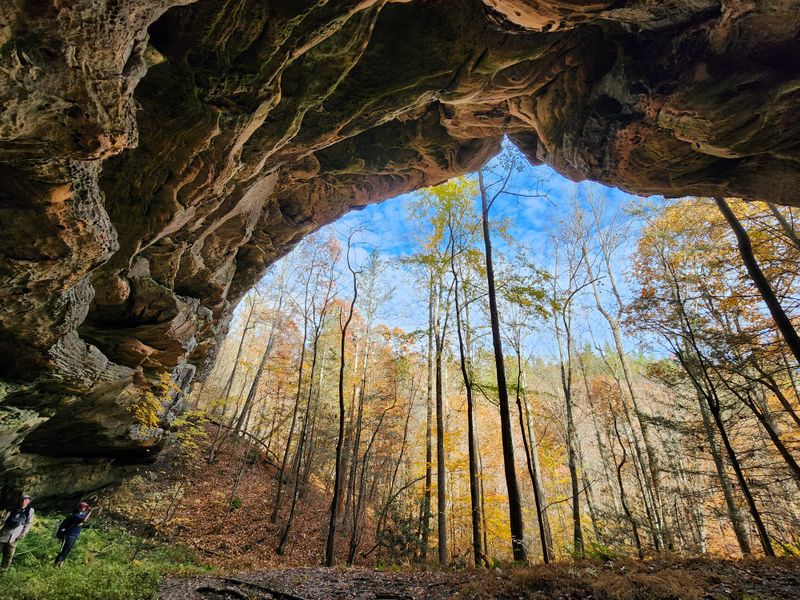
Spanning the Tennessee-Kentucky border, this 125,000-acre preserve harbors a small but healthy bear population. Sightings happen less frequently here than in the Smokies, making each encounter feel extra special. The park’s dramatic gorges, sandstone bluffs, and winding rivers create stunning scenery even when bears stay hidden.
Late spring and early summer bring your best odds as bears emerge to feed after winter. Early morning hours in backcountry areas and along river corridors offer the highest probability of success. The park’s remote sections see minimal foot traffic, giving bears space to roam undisturbed.
Plan overnight backpacking trips to increase your chances since bears are most active during twilight hours. The solitude and wild character of Big South Fork provide a different experience from busier bear-watching destinations.
6. Frozen Head State Park
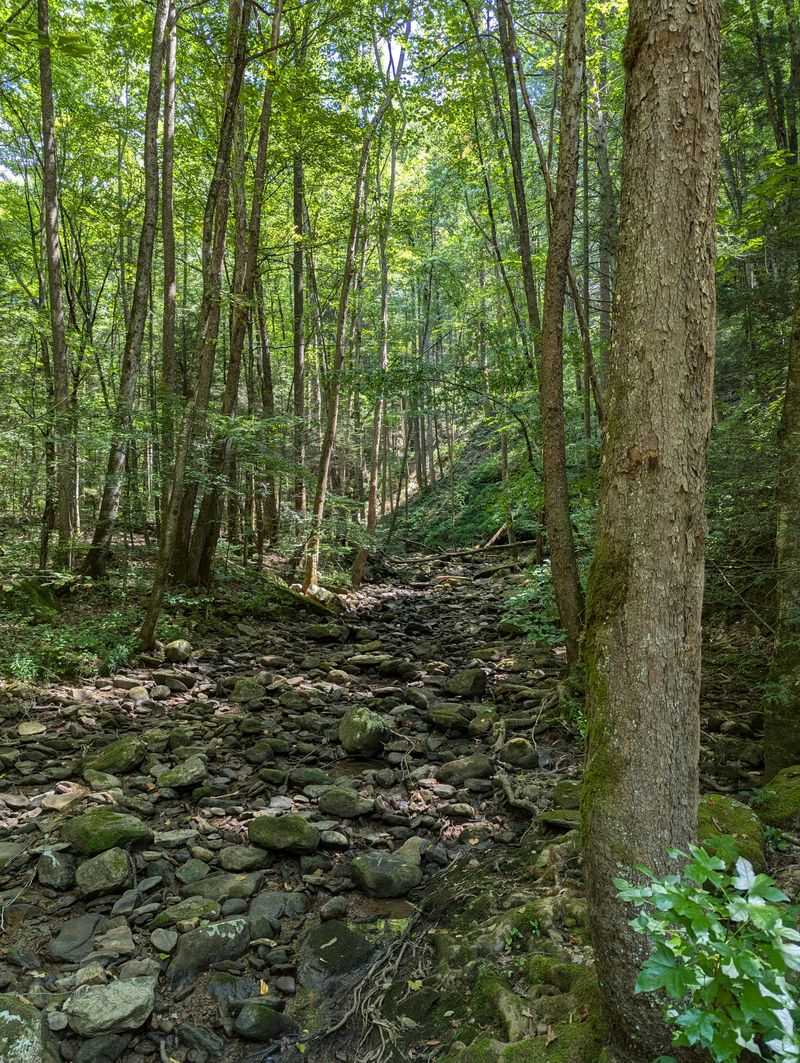
This rugged 24,000-acre park challenges hikers with steep climbs and remote trails that wind through pristine mountain wilderness. Bears inhabit these forests but remain elusive, preferring the park’s quieter sections far from developed areas. The park’s wild reputation stems from hosting the infamous Barkley Marathons, but it also provides quality bear habitat.
From spring through early fall, bears roam the forested slopes searching for food. Morning hours give you the advantage as bears typically rest during midday heat. Remote trails leading to the park’s higher elevations offer your best shot, though sightings remain unpredictable and fleeting.
Expect to work for any bear encounter here since the terrain is demanding and wildlife stays cautious.