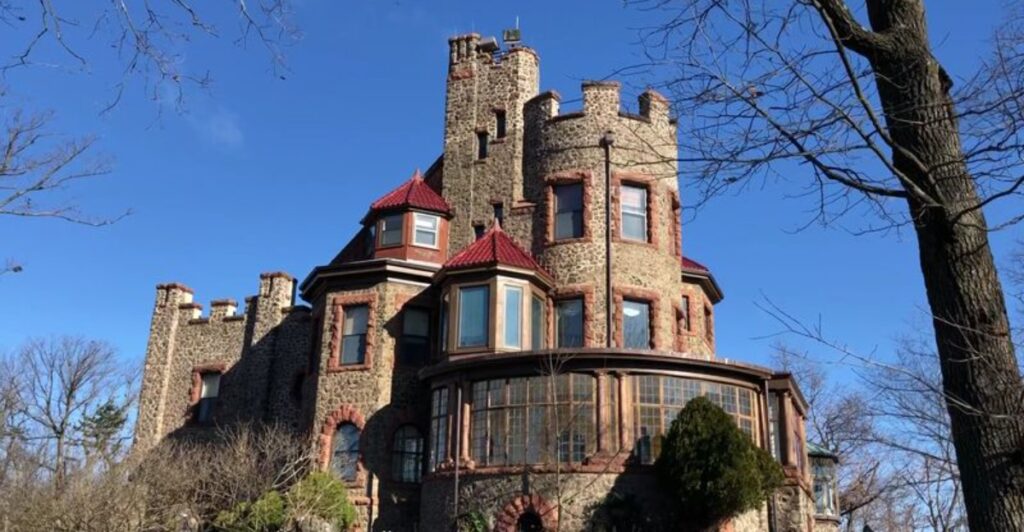
A stone castle watches over the rooftops of Verona and Montclair from the ridge of First Mountain, looking wonderfully out of place among the surrounding suburban streets.
With thick rock walls, rounded towers, arched windows, and broad views stretching toward Manhattan, Kip’s Castle could easily pass for the setting of a historical drama.
Yet this imposing landmark is not tucked behind a private gate or attached to an expensive admission ticket. It stands within a public Essex County park that visitors can explore for free.
Originally known as Kypsburg, the mansion was completed in the early 1900s as the home of textile industrialist Frederic Ellsworth Kip and his wife, Charlotte. Today, the castle and its substantial carriage house anchor 11 acres of hilltop grounds.
The result is an easy local outing that combines unusual architecture, layered history, quiet green space, and one of North Jersey’s more surprising skyline views.
Kip’s Castle Rises Above Verona and Montclair
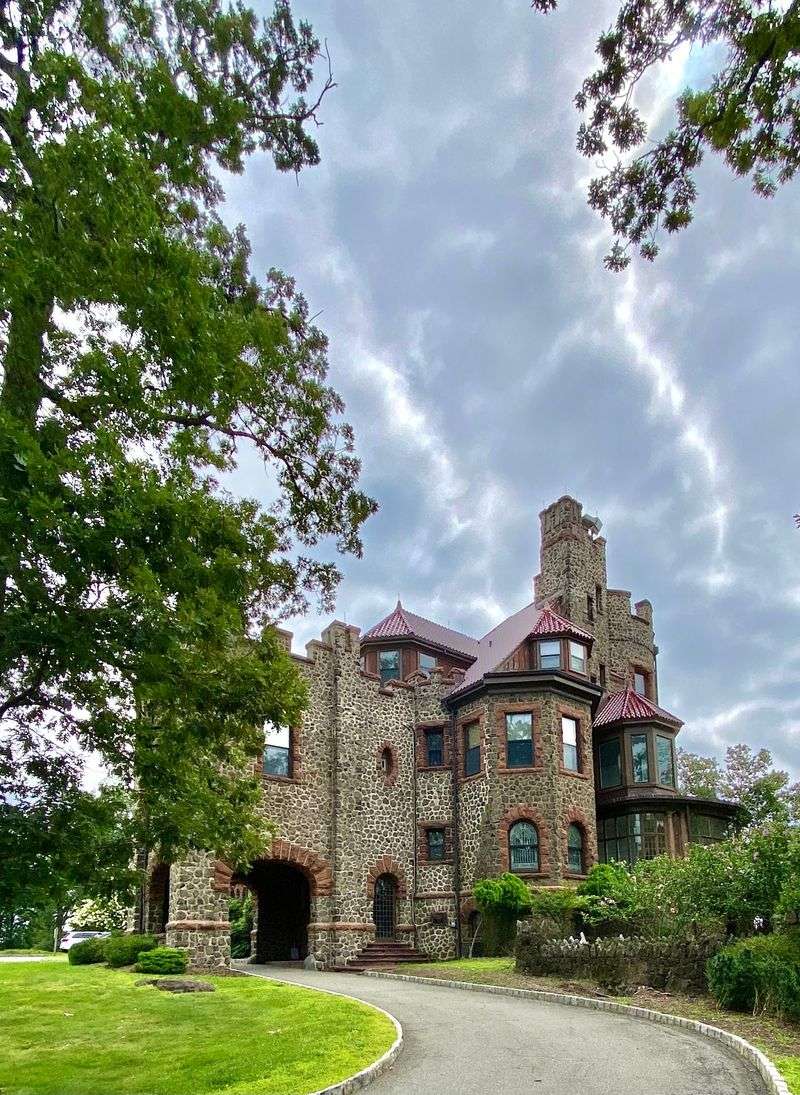
Picture a stone castle appearing above ordinary rooftops as you travel between Verona and Montclair. That surprising sight is Kip’s Castle, a landmark perched on First Watchung Mountain in Essex County, where its towers and heavy walls create a dramatic break from the neighborhoods below.
The estate is now part of the county park system, making its outdoor areas accessible without a general admission fee. Visitors can walk around the building, study the unusual exterior, and enjoy a quiet pause within one of North Jersey’s busiest suburban regions.
Reaching the hilltop by car is usually simpler than approaching on foot because surrounding roads can be steep and busy. Watch for official park signs, follow posted parking directions, and avoid treating nearby residential driveways as public spaces.
Late afternoon light often brings out warm colors in the stone, while bare winter trees can reveal more of the building from below. Before leaving, circle the permitted outdoor areas slowly.
Different angles highlight turrets, arched openings, rooflines, and the castle’s commanding position above both towns.
A Medieval Norman Castle Inspired Its Striking Design
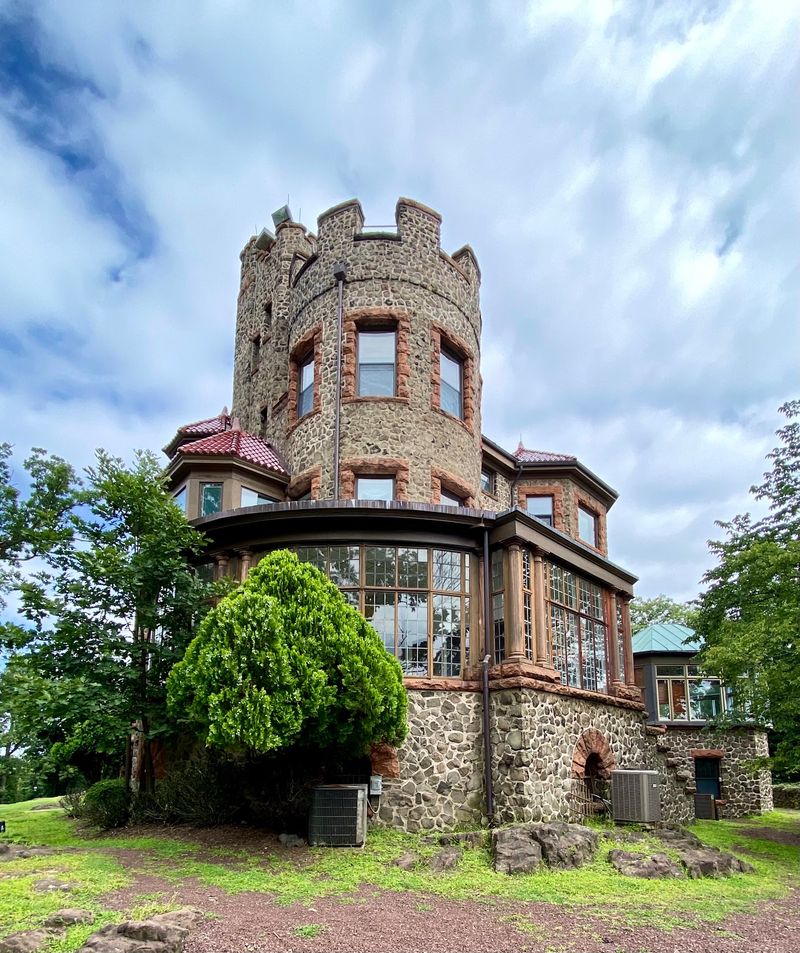
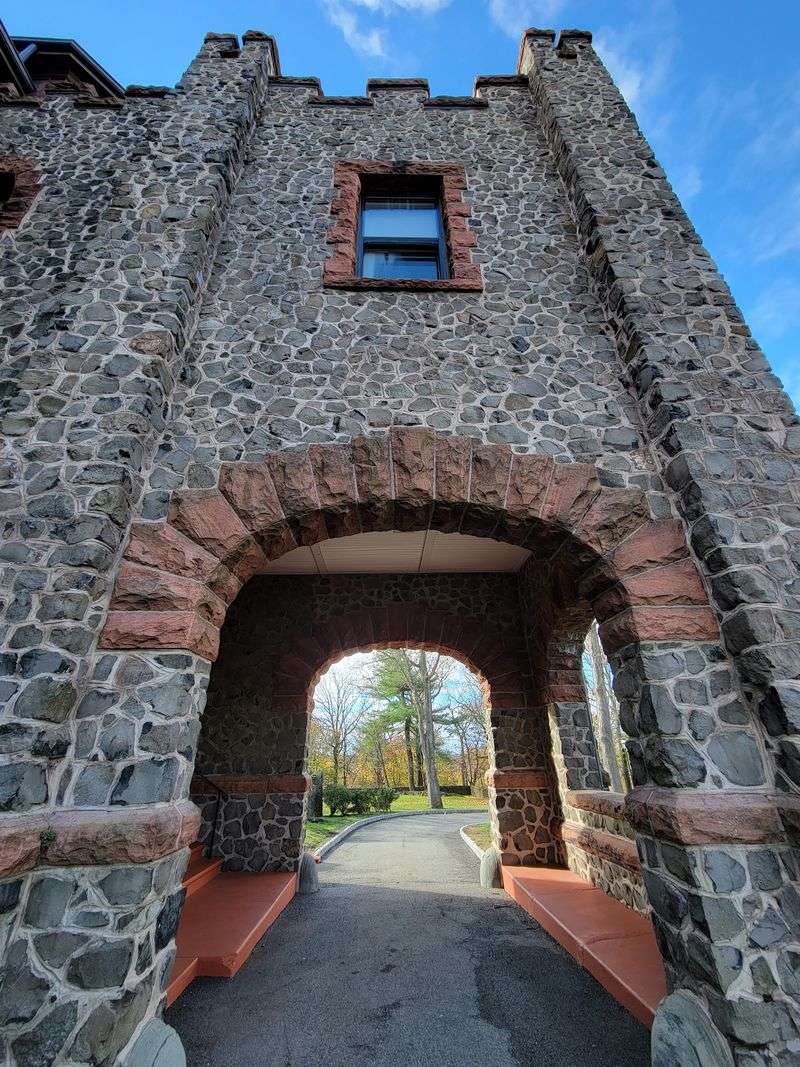
At first glance, the fortress-like walls seem ready for knights, banners, and a wooden drawbridge. Kip’s Castle was designed with inspiration from medieval Norman architecture, giving the home rounded towers, strong stone surfaces, arches, and a solid silhouette that feels much older than suburban New Jersey.
Norman castles were built to look powerful, and that visual idea carries through here even though the estate served as a grand residence rather than a defensive stronghold. Look closely and you will notice how varied roof heights, narrow openings, and projecting sections keep the exterior from feeling flat.
The best way to appreciate the design is to step back before studying smaller details. Begin with the complete outline, then move closer to examine masonry patterns, window shapes, carved elements, and places where practical household features blend into the historic style.
Cloudy weather can actually help photographers because even light reduces harsh shadows across the dark stone. Use a wide view for the towers, followed by tighter images of arches and textures.
Respect barriers and posted rules, since tempting stairways or doors may not be open during an unscheduled visit.
Thirty Rooms Reveal the Estate’s Grand Ambitions
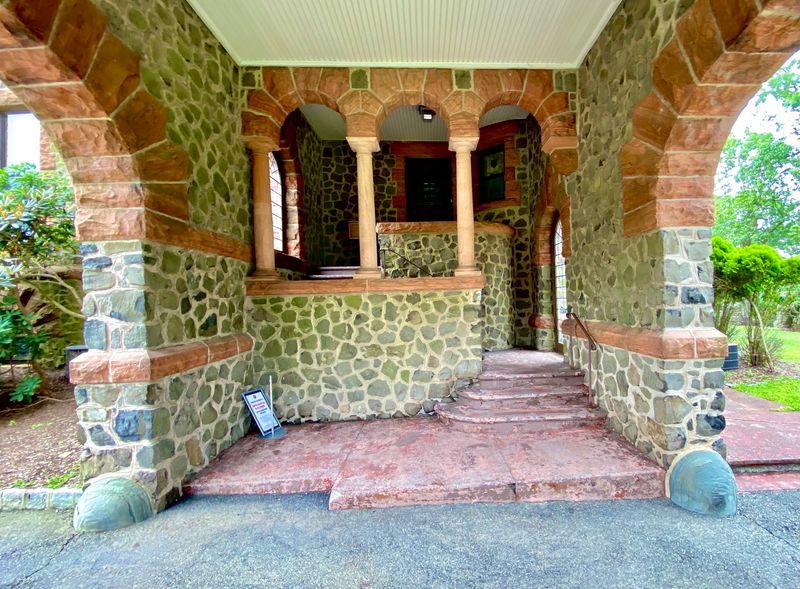
Thirty rooms can make even a large family home sound tiny by comparison. Kip’s Castle reportedly contains about thirty rooms, reflecting the scale and ambition of the private estate created for Frederic Ellsworth Kip and his wife, Charlotte Bishop Kip, during the early twentieth century.
Bedrooms and gathering spaces were only part of running such a property. A residence of this size also needed service areas, storage, circulation routes, and rooms suited to formal entertaining, all arranged within an exterior shaped to resemble a medieval stronghold.
Interior access may depend on scheduled tours, public programs, restoration work, or special events, so never assume the doors will be open. Check current Essex County information before traveling if seeing inside is your main goal, and arrive early when registration or limited capacity applies.
During a tour, pay attention to more than decoration. Door placement, stairways, windows, fireplaces, and room proportions reveal how residents, guests, and household workers moved through the building.
Asking a guide which features are original, restored, or adapted can prevent easy misunderstandings and turn a quick walkthrough into a sharper lesson in local history.
The Stone Carriage House Is Impressive in Its Own Right
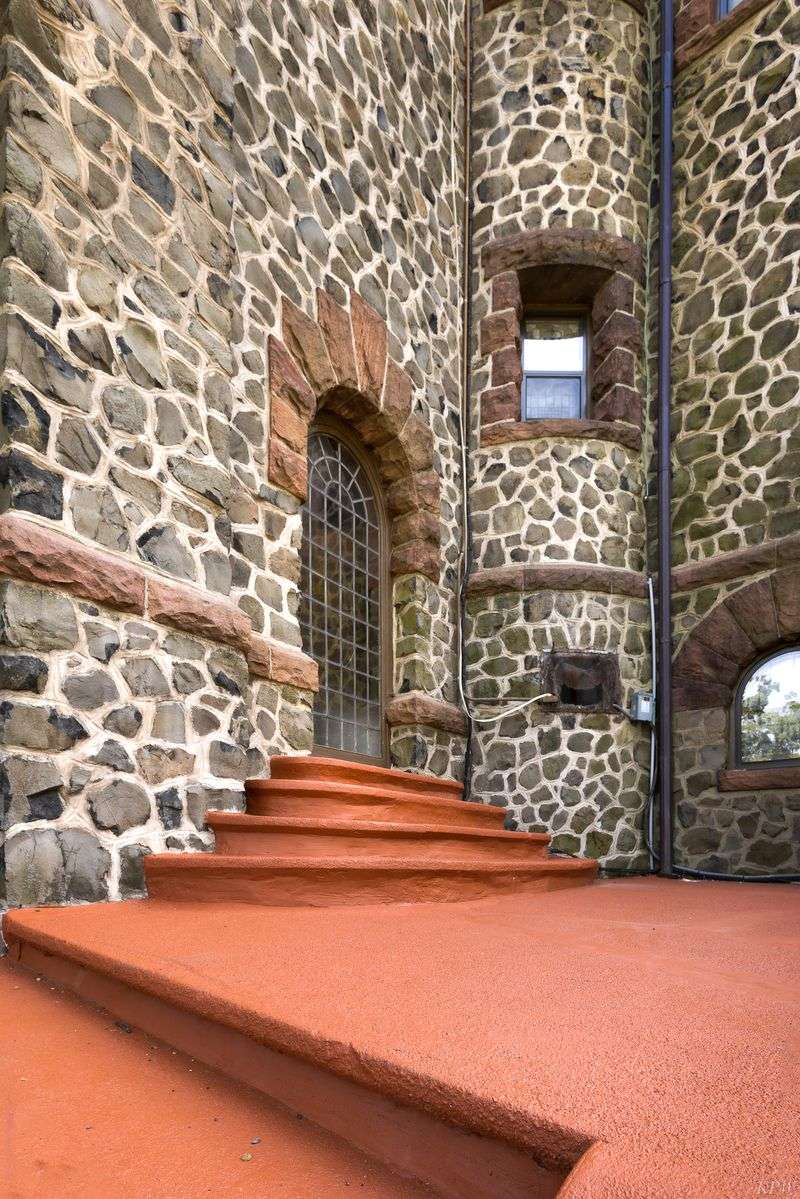
Do not let the main castle steal every minute of your visit. The estate’s stone carriage house adds another layer to the property, showing that even a working outbuilding could match the visual character and careful planning of the grand residence nearby.
Carriage houses historically supported transportation, storage, horses, equipment, and staff needs before automobiles became dominant. Exact uses could change over time, so visitors should rely on park signs or guides for details instead of guessing what happened behind every doorway.
From outside, compare its stonework, arches, roof shape, and scale with the castle. Shared materials help the buildings feel connected, while the smaller footprint offers a clearer sense of how architecture organized daily life across a wealthy hilltop estate.
Give the structure room when taking photographs rather than backing into a road or restricted area. A slightly angled view can capture both depth and masonry detail, especially when soft morning light reaches the facade.
If the building is closed, enjoy it from designated paths and resist peering through windows, climbing steps, or crossing barriers. Good castle manners apply to the supporting cast too.
Hilltop Grounds Offer Sweeping Views Toward New York City
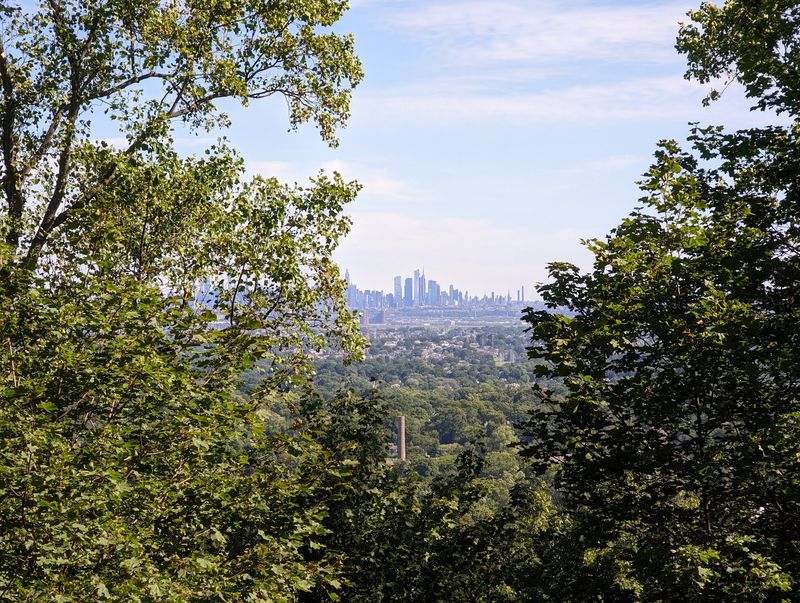
Turn away from the towers and the landscape delivers its own grand reveal. Kip’s Castle occupies an elevated site on First Watchung Mountain, creating long views across nearby communities and, when weather and foliage cooperate, toward the distant New York City skyline.
Visibility changes with haze, clouds, leaf cover, and the season. A crisp day after rain may offer a sharper horizon, while summer greenery can frame or block certain sightlines.
Binoculars are useful, but a phone camera with modest zoom can also help identify distant landmarks.
The grounds invite a slower visit than the castle exterior alone might suggest. Wear shoes with reliable grip because hills, damp grass, uneven surfaces, and fallen leaves can make short walks less predictable, especially after storms or during colder months.
Stay within public areas and keep children back from slopes, walls, and roadway edges. For softer photographs, try morning or late afternoon rather than bright midday.
Autumn brings bold color, winter opens wider views through bare branches, and spring adds fresh green around the dark masonry. Pack out any trash so the next visitor gets the same uncluttered scene.
What to Know Before Visiting Kip’s Castle Park
A little planning keeps a castle outing from turning into a locked door and a disappointed car ride. Kip’s Castle Park generally allows free access to public outdoor areas, but building tours, programs, ceremonies, maintenance, and private events can affect where visitors may go.
Confirm current hours, closures, event notices, and tour details through official Essex County sources before leaving home. Online map listings and old social posts may be outdated, particularly around holidays, severe weather, restoration projects, or seasonal schedule changes.
Bring comfortable shoes, water, sun protection, and a charged phone for photos and directions. Restroom availability and indoor access may vary, so plan ahead, especially when visiting with younger children or anyone who needs reliable accessible facilities.
Once onsite, use designated parking, read signs carefully, and remember that historic surfaces are not playground equipment. Dogs should follow posted park rules, while photographers should keep pathways clear and avoid blocking entrances.
Pairing the stop with nearby Verona or Montclair can round out the day, but leave enough time to enjoy the grounds without rushing. Quiet observation suits this unusual neighborhood castle better than a hurried photo dash.
Share this story