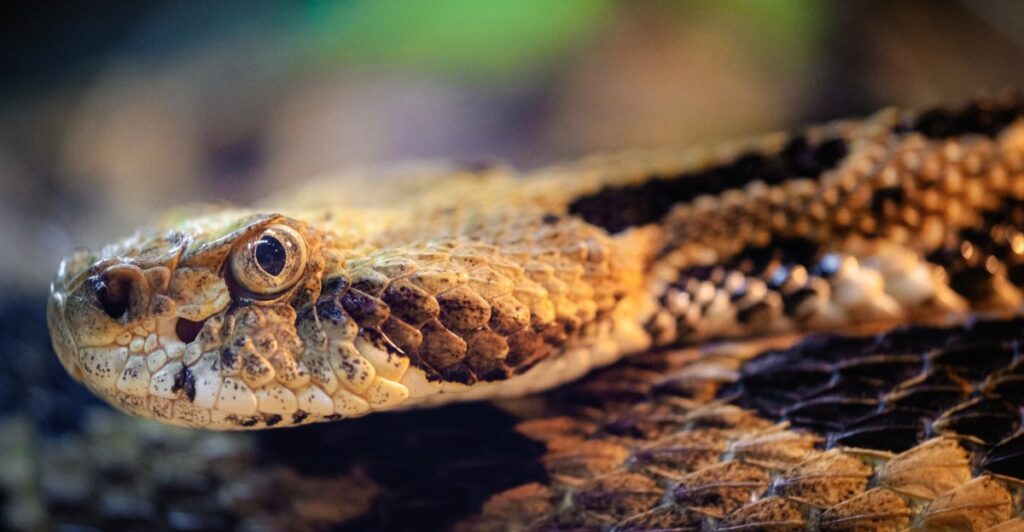
A dark chevron pattern shifts among the leaves beside a sun-warmed rock. Then comes the unmistakable buzz.
New Jersey may be famous for crowded highways and busy shore towns, but its wildest corners still provide refuge for the endangered timber rattlesnake. In the north, these secretive reptiles favor rocky ridges, forested slopes, and crevices deep enough for winter shelter.
In the Pine Barrens, they occupy an entirely different world of cedar swamps, sandy woods, and winding streams. Encounters remain rare; timber rattlesnakes generally avoid people and depend on camouflage before resorting to that famous warning.
Still, hikers should watch where they step, keep dogs leashed, and resist poking around beneath rocks or fallen logs. If a snake appears, back away slowly and give it plenty of room.
The following destinations combine documented rattlesnake range with some of the finest hiking, paddling, scenery, and backcountry solitude in the Garden State.
1. Wawayanda State Park: Rocks, Ridges, and Rattlers
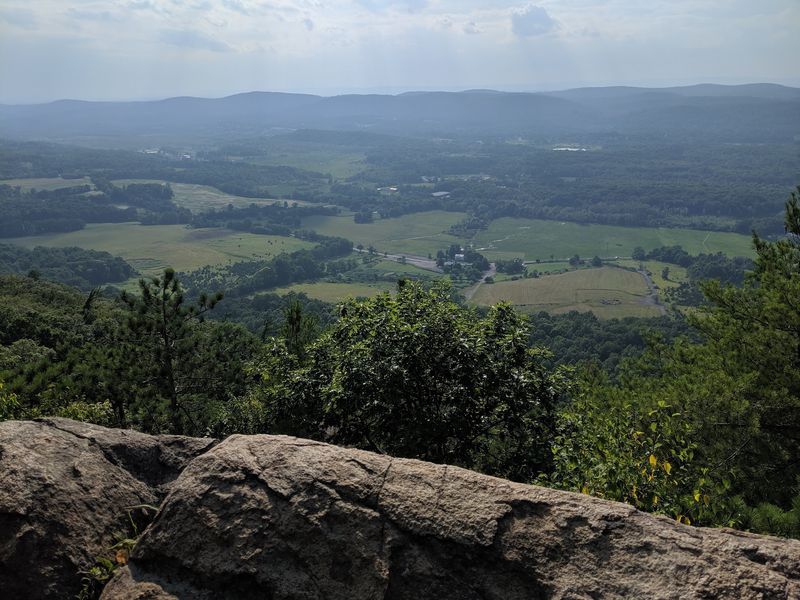
Lake Wawayanda looks almost too peaceful for a park with such rugged country hiding beyond the shoreline. Families settle near the beach, anglers work the quiet coves, and paddlers skim across more than 250 acres of water.
A few minutes into the forest, however, smooth lakeside scenery gives way to boulder fields, wetlands, steep climbs, and the rocky spine of Wawayanda Mountain. More than 60 miles of trails cross the park, including roughly 20 miles of the Appalachian Trail.
The climb toward the mountain’s viewpoints is a solid choice for hikers craving a workout, while shorter routes near the lake offer a gentler outing. Remnants of old farms, stone walls, and iron-smelting operations add unexpected history to the woods.
Those broken ridges and sunlit rock ledges also match the habitat timber rattlesnakes use in northern New Jersey. Sightings are uncommon, but hikers should scan the trail before stepping over rocks or logs, particularly during warm weather.
Never place a hand into a crevice you cannot see. The park sits in Sussex County near Hewitt, with access from Warwick Turnpike.
Arrive early on summer weekends, when the swimming area and parking lots can fill quickly. Canoeing, fishing, picnicking, camping, and fall foliage make Wawayanda an easy full-day destination—just remember that its quieter residents prefer not to share the trail shoulder to shoulder.
2. High Point State Park: Stay Sharp Up High
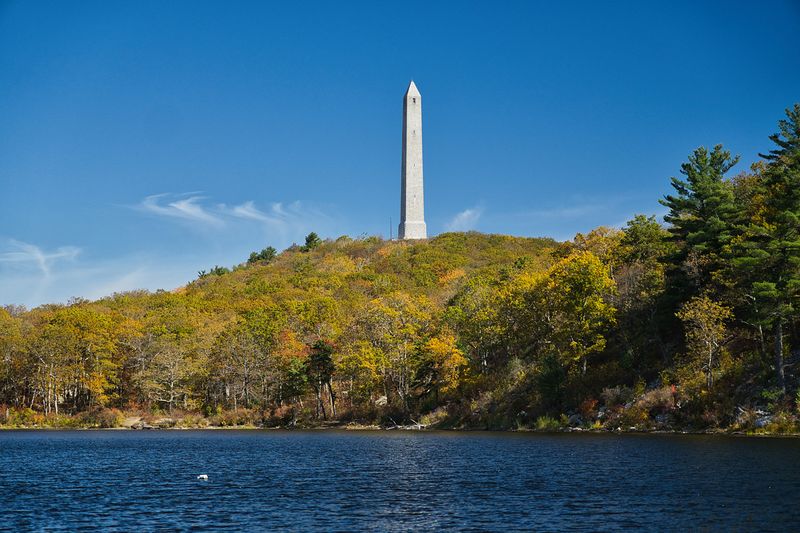
On a clear day, three states unfold beneath the 220-foot monument at New Jersey’s highest elevation. The panorama reaches across rolling farms, the Delaware River, and the long blue folds of the Pocono and Catskill mountains.
It is the kind of view that makes New Jersey feel much larger—and significantly wilder—than its turnpike reputation suggests. The monument stands 1,803 feet above sea level, but reaching it does not require a punishing climb.
Visitors can drive close to the summit when the road is open, then explore a network of trails ranging from easy lakeside walks to rockier sections of the Appalachian Trail. The Cedar Swamp Trail reveals an unusual high-elevation wetland, while Lake Marcia draws swimmers during its designated summer season.
In winter, the park becomes a destination for cross-country skiing and snowshoeing. High Point lies within Sussex County’s established timber rattlesnake range.
Its forested ridges, exposed stone, and sunny openings provide the varied terrain these reptiles use as temperatures change. Give rocks and ledges an extra look before sitting down, and keep pets close instead of allowing them to investigate brush.
The main entrance is off Route 23 near Wantage. Summit conditions can be cooler and windier than those in nearby towns, so bring an extra layer even when the day begins warmly.
The snakes may command caution, but the real showstopper here is still that enormous, horizon-filling view.
3. Stokes State Forest: Mind the Mountain Trails
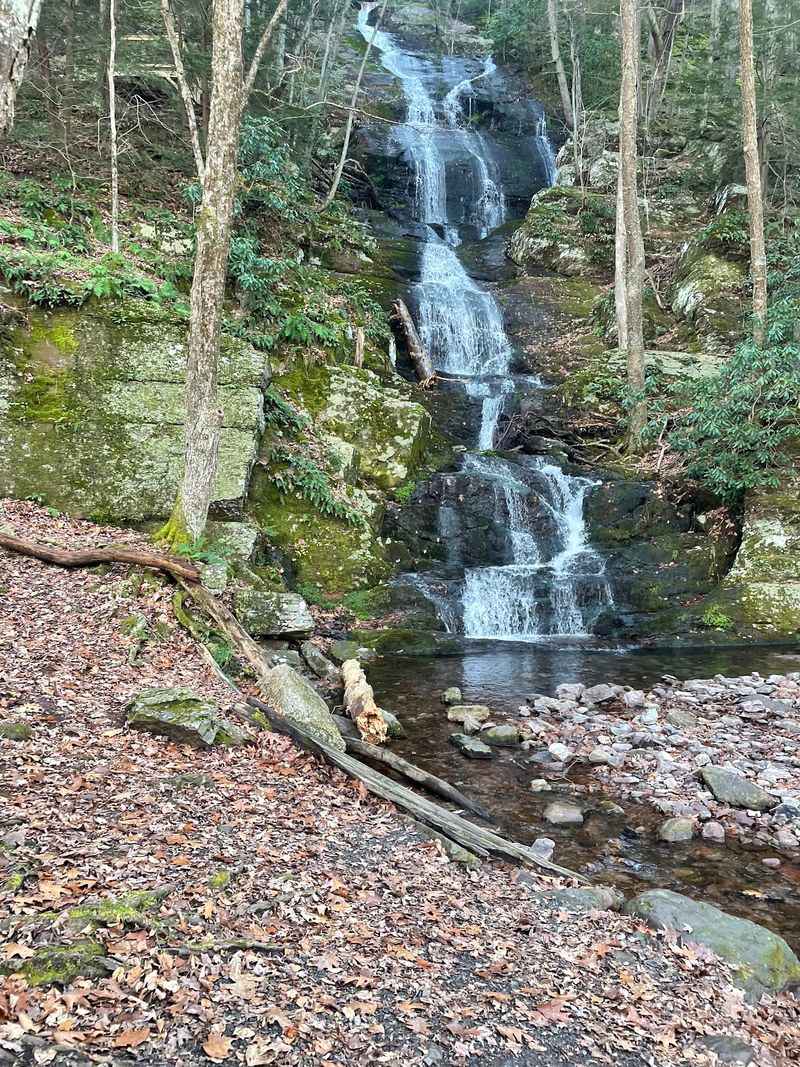
The sound of water gives this Sussex County forest its best introduction. Tillman Brook slips over stones beneath hemlocks, while Tillman Falls drops through a shaded ravine that feels several degrees cooler than the surrounding woods.
It is a surprisingly intimate scene inside a forest covering more than 16,000 acres. For a broader view, climb toward Sunrise Mountain.
Several overlooks along the ridge reveal farmland, forest, and distant hills, especially impressive when October color rolls across northern New Jersey. The Appalachian Trail passes through Stokes, joining a larger trail system that offers everything from short nature walks to demanding day hikes.
Mountain biking, fishing, horseback riding, and seasonal hunting are also permitted in designated areas. This is classic northern timber rattlesnake country: wooded slopes, rocky outcrops, ledges, and deep fissures that can provide winter shelter.
The snakes are well camouflaged and usually remain still rather than announce themselves. Watch the ground on sunny ridge sections, stay on marked trails, and avoid reaching beneath rocks.
If you hear a rattle, stop, locate the sound without moving closer, and retreat calmly. Stokes has campsites, cabins, group facilities, and access points along Route 206 near Branchville.
Download a trail map before leaving home because reception can become unreliable in the interior. Bring sturdy footwear as well; roots, wet stones, and uneven ground are far more likely to cause trouble than a snake that wants nothing to do with you.
4. Delaware Water Gap: Big Views, Careful Footing
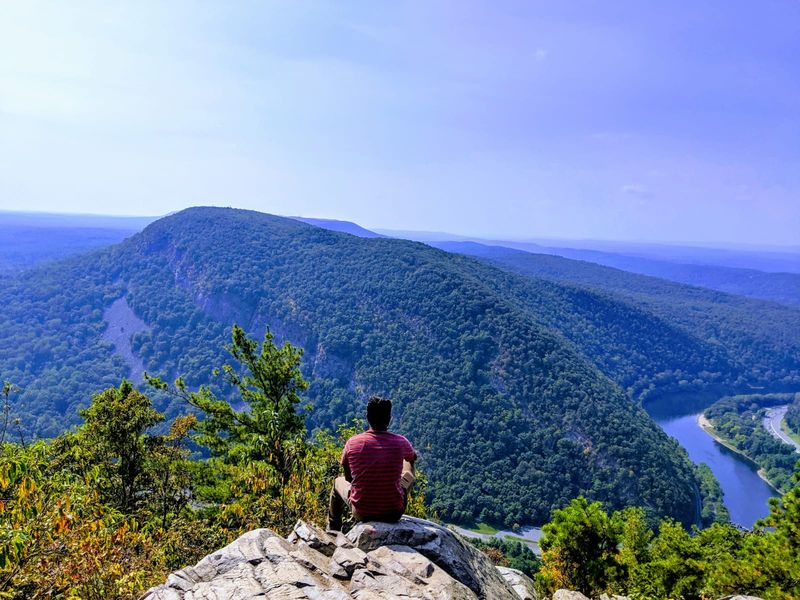
The Delaware River cuts between two mountains here, creating a natural gateway that looks dramatic from nearly every angle. Yet the famous gap is only the opening scene.
More than 70,000 acres stretch across New Jersey and Pennsylvania, encompassing waterfalls, abandoned settlements, forest roads, beaches, and over 150 miles of trails.
New Jersey visitors can climb toward Mount Tammany, follow the Appalachian Trail along Kittatinny Ridge, visit Millbrook Village, or seek out the spray of Buttermilk Falls.
The Red Dot Trail up Mount Tammany is steep and rocky, rewarding the effort with a commanding view over the river. For a less strenuous day, Old Mine Road links historic sites and quieter picnic spots.
Timber rattlesnakes inhabit the recreation area, although encounters are infrequent. Even the aptly named Rattlesnake Swamp Trail is not considered more encounter-prone than other parts of Kittatinny Ridge.
If a venomous snake appears, give it the right of way and resist moving closer for a photograph. Popular New Jersey trailheads can fill by 9 a.m. on pleasant weekends from spring through fall, so an early start matters.
Carry all the water you need, since untreated backcountry water may be unsafe. Keep dogs on a six-foot leash and check current road or trail closures before departing.
This landscape is big, rocky, and genuinely wild—the very qualities that make it memorable also reward a little preparation.
5. Worthington State Forest: Tread Lightly Near the Ledges
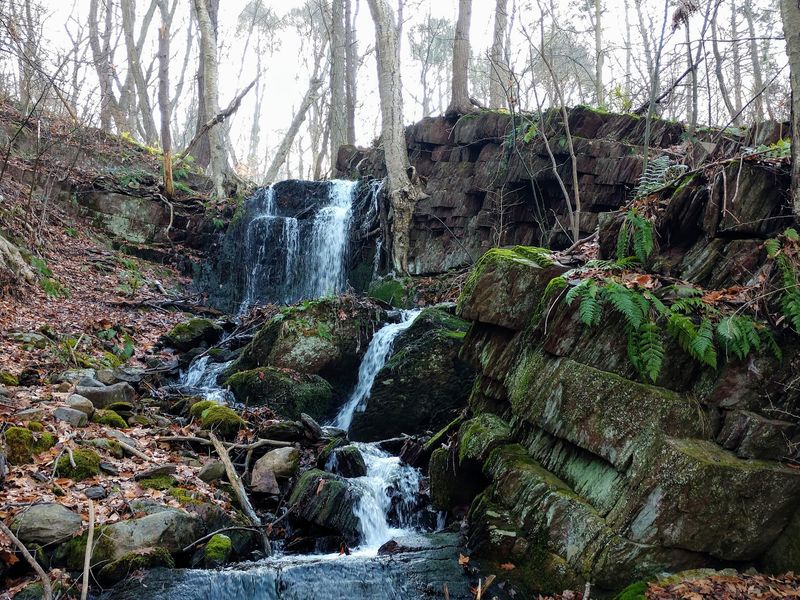
Mount Tammany wastes little time testing your legs. The Red Dot Trail starts climbing almost immediately, working across boulders and steep stone steps before reaching one of New Jersey’s signature overlooks.
Far below, the Delaware River bends through the gap while Mount Minsi rises on the Pennsylvania side. That strenuous route gets most of the attention, but Worthington offers more than one famous summit.
Dunnfield Creek tumbles through a cool, mossy ravine, and the Appalachian Trail leads north toward glacially formed Sunfish Pond. The pond hike is longer but less relentlessly steep than the Red Dot ascent, making it a strong option for visitors who prefer mileage over scrambling.
Along the river, campsites place tents within earshot of the water, and paddlers can launch into the Delaware. Rocky talus, wooded slopes, and sun-exposed ledges make this part of Warren County suitable timber rattlesnake habitat.
Step carefully through boulder fields, look before using rocks as handholds, and give any snake several yards of space. Attempting to move or photograph one at close range is both dangerous and disruptive to a protected animal.
Access is from Old Mine Road near Columbia. Parking near the Mount Tammany and Dunnfield Creek trailheads disappears quickly on fair-weather weekends, so arrive early or choose a weekday.
Pack water and wear real hiking shoes; this is one place where casual sneakers tend to expose their limitations before the view appears.
6. Pyramid Mountain: Boulder Country Calls for Caution
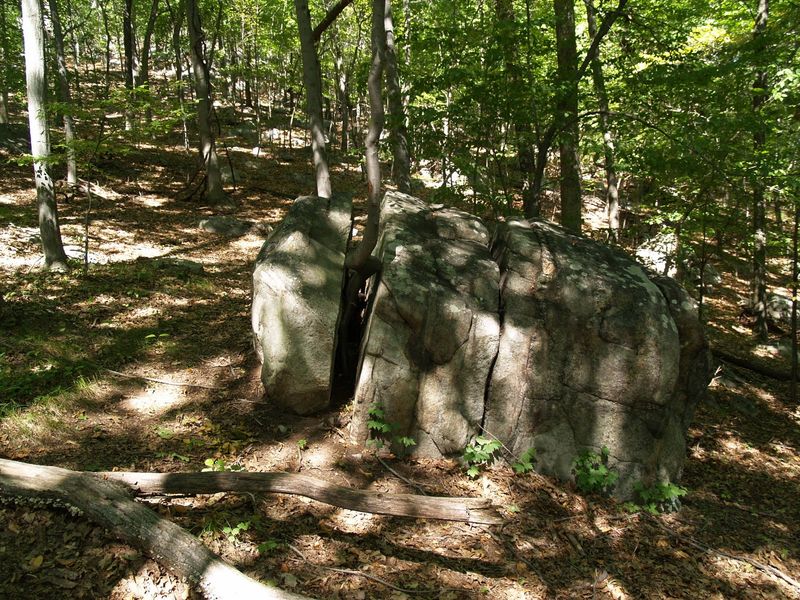
Tripod Rock looks like nature started a magic trick and never revealed the method. The massive glacial boulder rests on three smaller stones, an arrangement left behind after ice reshaped this corner of Morris County more than 18,000 years ago.
It remains the park’s headline attraction, though hardly its only geological curiosity. More than 19 miles of trails cross 1,600 acres of forest, wetlands, narrow valleys, and exposed rock.
Bear Rock ranks among New Jersey’s largest glacial erratics, while Whale Head Rock lives up to its descriptive name. From the park’s highest viewpoints, hikers may catch the Manhattan skyline floating beyond miles of green.
That contrast—ancient boulders in the foreground, skyscrapers on the horizon—is pure North Jersey. The fractured ledges and sunny rock faces also fall within the kind of northern habitat timber rattlesnakes use.
Their patterns disappear remarkably well against dry leaves and stone, so pause before stepping onto ledges or sitting beside boulders. Remaining on blazed routes protects both hikers and sensitive wildlife.
The main entrance and visitor center are on Boonton Avenue in Montville Township. Trails are open from sunrise to sunset, while visitor-center schedules can vary seasonally.
Dogs must stay on six-foot leashes, and bikes, fishing, and rock climbing are prohibited. Parking becomes tight during peak fall weekends.
Start early, pick up a map, and allow more time than expected—those steep, rocky trails make distances feel longer than the mileage suggests.
7. Ramapo Valley Reservation: Wild Ground Near Town
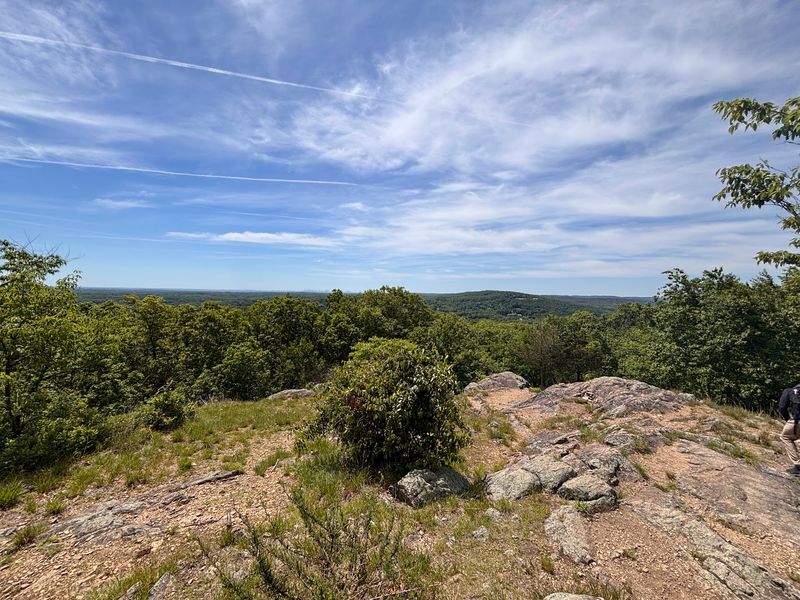
Scarlet Oak Pond appears almost immediately after leaving the parking area, offering a calm, easy payoff before the trails begin climbing into the hills. Continue beyond the water and the experience changes quickly: rocky paths rise toward reservoirs, overlooks, old stonework, and deep forest that feels surprisingly remote for Bergen County.
Now spanning more than 4,000 acres, this is the county’s largest park. A short walk around the pond suits families and casual visitors, while longer loops connect steeper terrain, the MacMillan Reservoir, and neighboring parkland.
The Ramapo River borders the reservation, and fishing is permitted on a catch-and-release basis with the appropriate state license. Designated tent camping is available by permit from April through November.
Western Bergen County is part of New Jersey’s northern timber rattlesnake range, and the reservation’s wooded ridges provide the sort of rocky habitat the species favors. A rattler is much more likely to remain concealed or move away than confront a hiker.
Help keep it that way: stay on marked trails, leash dogs, and never crowd a snake for a phone photo. The reservation entrance is along Route 202 in Mahwah.
Its accessibility is both a strength and a weekend complication; the parking lot can become extremely busy on warm mornings and during peak foliage. Arrive early, bring a downloaded map, and plan for muddier conditions near streams after rain.
The pond may look like a neighborhood stroll, but the upper trails deserve proper shoes and a full water bottle.
8. Sparta Mountain: Rough Trails, Real Wildlife
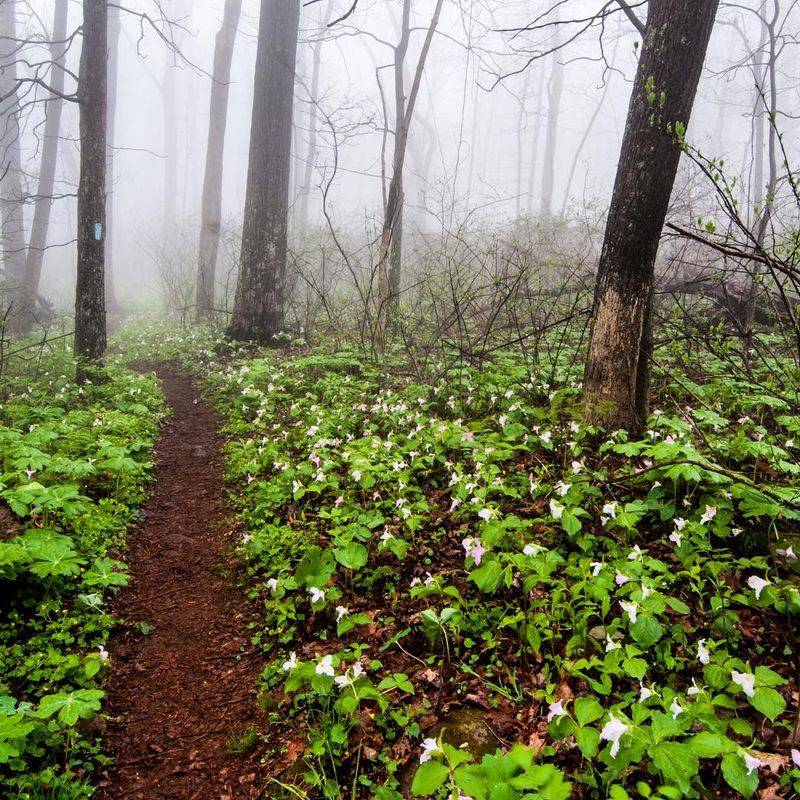
Rusting fragments and stone foundations scattered through these woods tell an improbable story: Thomas Edison once tried to revolutionize iron mining on this mountain. In the 1890s, his massive operation used crushers and magnetic separators to process low-grade ore.
The venture eventually failed, but traces of “Edison’s Folly” remain among the trees. Today, the 3,461-acre wildlife management area spreads across portions of Sussex and Morris counties.
Trails and old woods roads move through mixed forest, wetlands, glacial terrain, and former industrial sites. The Edison Trail provides the historical hook, while Ryker Lake offers fishing and quiet water away from busier recreation areas.
Birders also visit for species associated with young forest and upland habitat. Timber rattlesnakes belong to the broader northern landscape here.
The area’s rocky slopes, forest cover, and relatively undisturbed corners suit an animal that relies on concealment. Watch ahead on overgrown paths, step onto rather than blindly over fallen logs, and do not explore mine openings or rocky gaps.
Those places can be unstable even without wildlife inside them. Sparta Mountain is managed primarily for habitat rather than polished recreation, so expect fewer amenities than at a state park.
Carry a map, pack out everything, and wear bright orange during hunting seasons. Parking areas are dispersed, with access commonly found near Edison Road.
The rougher setup is part of the appeal: this is a place for hikers who prefer old foundations, quiet woods, and unanswered questions to snack bars and manicured overlooks.
9. Wharton State Forest: Pine Barrens Rules Apply
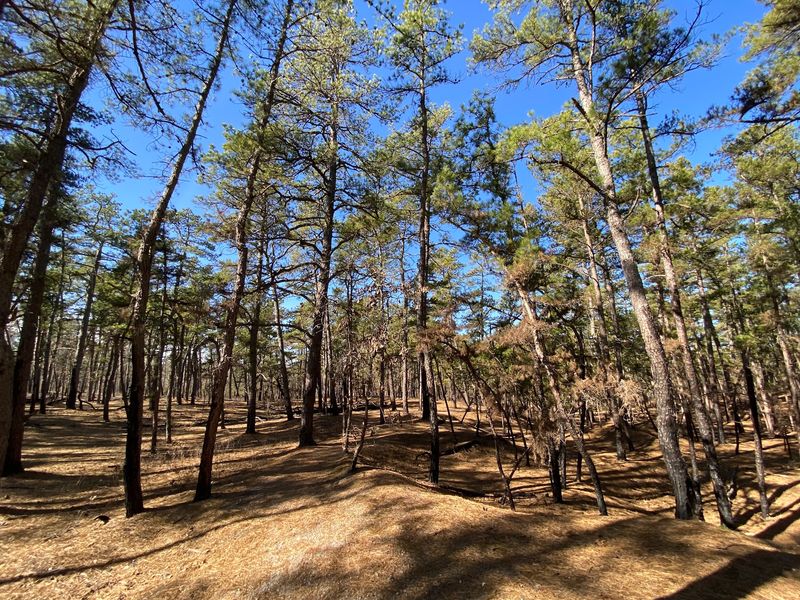
Tea-colored water curls around sandy banks while cedar and pine close ranks overhead. From a canoe on the Batsto or Mullica River, Wharton State Forest can feel wonderfully removed from New Jersey’s traffic, even though Philadelphia and the Shore are both within reach.
At roughly 125,000 acres, Wharton is the largest state forest in New Jersey. Batsto Village preserves the buildings and stories of an iron- and glassmaking community, giving history lovers plenty to explore without hiking deep into the woods.
Atsion Recreation Area adds a seasonal swimming beach, picnic grounds, camping, and access to Atsion Lake. The Batona Trail crosses the forest for hikers interested in longer distances, while sandy roads draw cyclists, horseback riders, and legal street vehicles.
Timber rattlesnake habitat looks different here than it does in North Jersey. Instead of rocky mountain dens, Pinelands populations use pine-oak forest, stream corridors, wetlands, and Atlantic white cedar swamps.
The snakes remain rare and secretive. Stay on established routes, watch beside fallen timber, and never pursue one into vegetation.
New Jersey lists the species as endangered, making harassment or collection illegal. Wharton is enormous, and navigation deserves respect.
Download maps before entering, check fire restrictions and road closures, and do not assume every sand road suits an ordinary car. Summer weekends bring crowds to Atsion, but a few miles into the forest, the dominant sounds return to paddle strokes, pine needles, and the occasional barred owl.
10. Greenwood Forest: Quiet, Remote, and Snake Aware
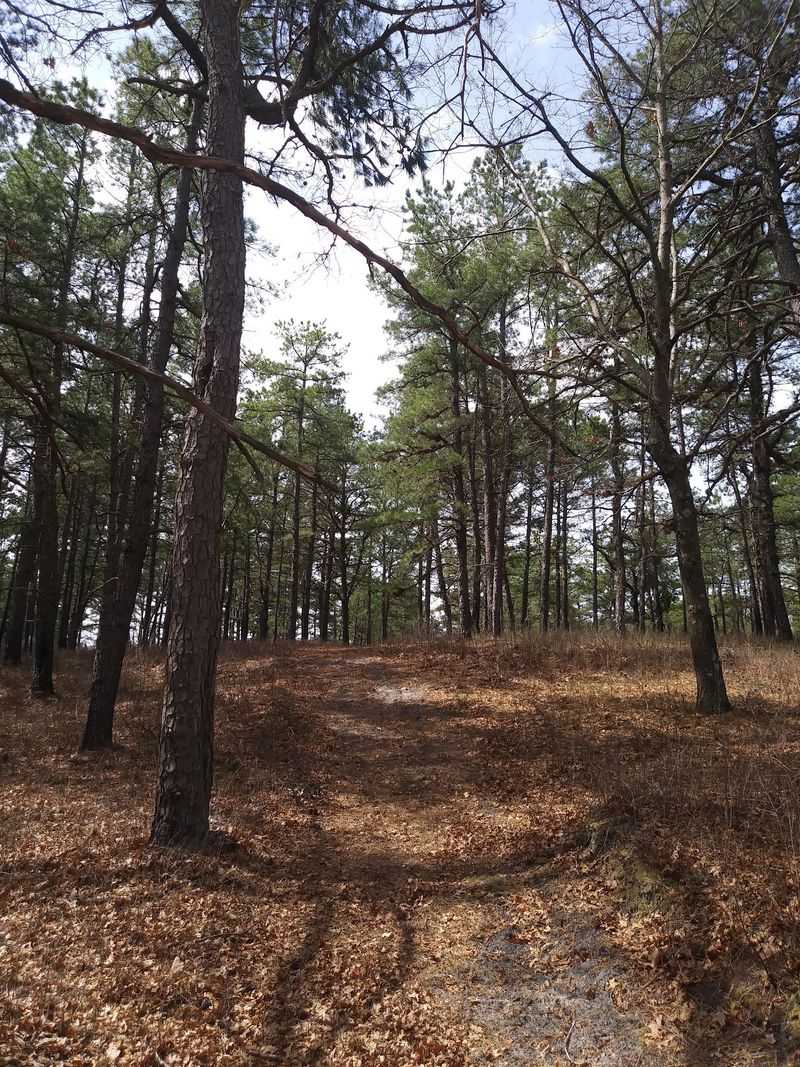
There are no grand monuments or bustling visitor centers waiting at Greenwood Forest. That is precisely the point.
This enormous sweep of protected Pinelands is managed first for wildlife, giving visitors a quieter and less packaged encounter with South Jersey’s sandy interior. Covering more than 32,000 acres across Burlington and Ocean counties, the wildlife management area contains pine-oak uplands, scrub-shrub habitat, wetlands, and Atlantic white cedar bogs.
Sandy roads and footpaths provide access for hiking, birding, fishing, and seasonal hunting. The Cedar Creek corridor is one of its defining natural features, winding through a landscape where pitch pines, blueberries, and tea-colored water set the palette.
These remote forests sit squarely within New Jersey’s southern timber rattlesnake range. Cedar swamps and streamside root systems can provide denning habitat, while surrounding forest gives the snakes room to forage during warmer months.
Encounters remain unusual, but loose brush and low vegetation make careful foot placement sensible. Keep dogs close, leave fallen logs alone, and back away if a snake holds its ground.
Visitors should expect a wild area rather than a conventional park. Facilities are limited, roads can become soft or rutted, and cell service may be unreliable.
Download a map, bring drinking water, and wear bright orange when hunting seasons are active. Some sections may close temporarily to protect habitat or accommodate management work.
Greenwood Forest rewards self-sufficient explorers with something increasingly scarce in New Jersey: long stretches of woods where human activity feels like the exception.
Share this story