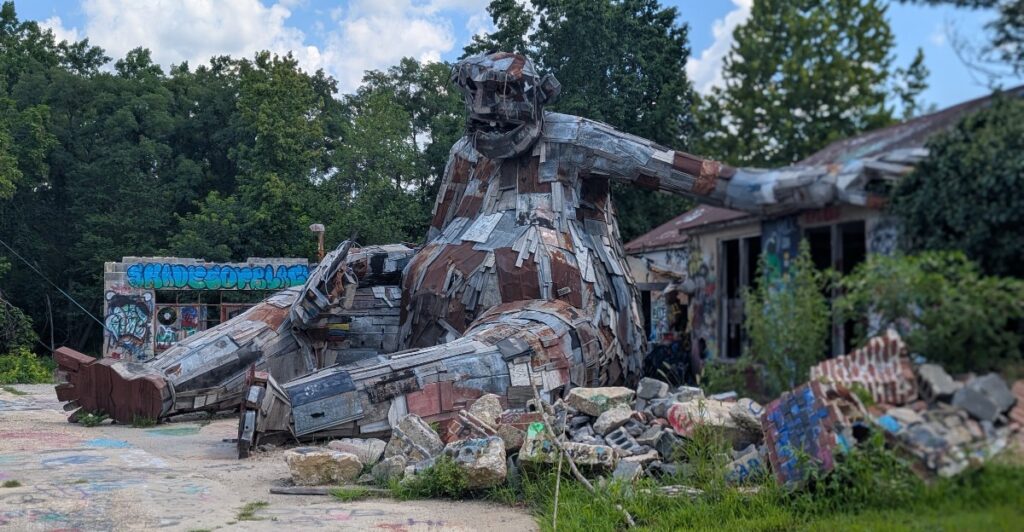
A giant troll lounges beside an old building in Hainesport, looking as though he got comfortable there years ago and nobody had the heart to move him. In Margate, you can climb inside an elephant and look out toward the Shore.
Neither requires you to imagine very hard: both are real places you can visit in New Jersey. The state’s stranger outings take all kinds of forms.
One puts you among miles of miniature train tracks; another lets you operate construction equipment for fun. You can meet a tarantula, tour a collection of objects with eerie stories, or walk into a mine where the rocks glow under special lighting.
Some stops are quick detours, while others can fill an afternoon. All eight have something specific to show you, and each is more fun to discover in person than to explain afterward.
1. Big Rusty the Troll – Hainesport
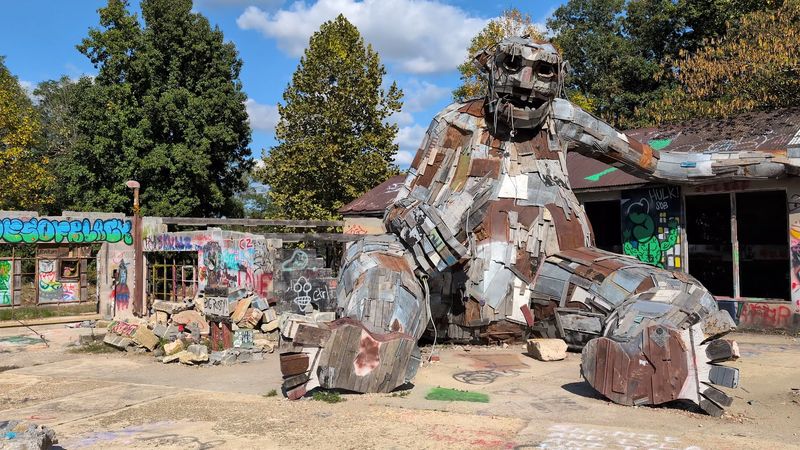
In Hainesport, the first challenge is finding the fellow. Big Rusty sits at the site of the future Creek Turn Park, away from the kind of polished entrance you might expect for a public artwork.
Then you spot his enormous face, and the search pays off: Thomas Dambo’s troll appears to be lounging beside an old building, entirely at ease with his odd surroundings. Look closely before you take the obligatory photo.
Rusty is built from discarded and repurposed materials, and the rough edges give him a personality that a smooth new statue would struggle to match. He looks a little weathered, a little mischievous, and quite content to let visitors come to him.
The setting adds to the fun. You have gone looking for a troll in the woods, and there he is.
Rusty also started something bigger. His arrival inspired Burlington County’s Troll Trek, a collection of troll sculptures scattered through parks and downtown areas.
If one giant face made from castoffs leaves you wanting more, the county has a map to help you find his neighbors. Check the location guidance before setting out, since this is a find-it-yourself stop.
Once you arrive, give Rusty a good look from every angle, but leave the climbing to the trolls.
2. Lucy the Elephant – Margate
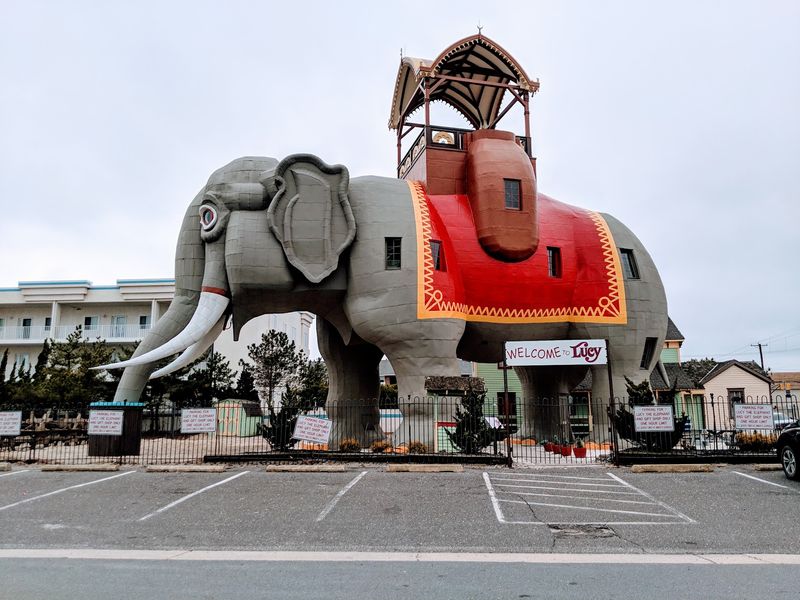
You can see the ocean through an elephant’s eyes in Margate. That sentence sounds like the setup to a joke, but it is the reward for climbing through Lucy the Elephant, the six-story landmark that has watched over this stretch of Shore since 1881.
Lucy was built to draw attention to local real estate, an idea so extravagant that it became a lasting attraction in its own right. She has a tower on her back, a staircase inside, and a presence that makes the nearby houses look unexpectedly small.
From outside, take a moment to walk around her. Her scale is hard to appreciate in a photograph, especially when you are standing near one of her feet.
Then go inside on a guided tour. The climb turns a roadside photo stop into a visit with a story: Lucy has been moved, restored, and cared for by people determined to keep her standing.
Reaching the lookout is the part you will describe to friends, though you may need to show them a picture to settle the matter. It costs nothing to visit the grounds and see Lucy from outside; tours inside require admission.
They run regularly, but schedules can change, so check before making a long drive. Bring someone who has never heard of her and enjoy the moment they round the corner.
3. Northlandz – Flemington
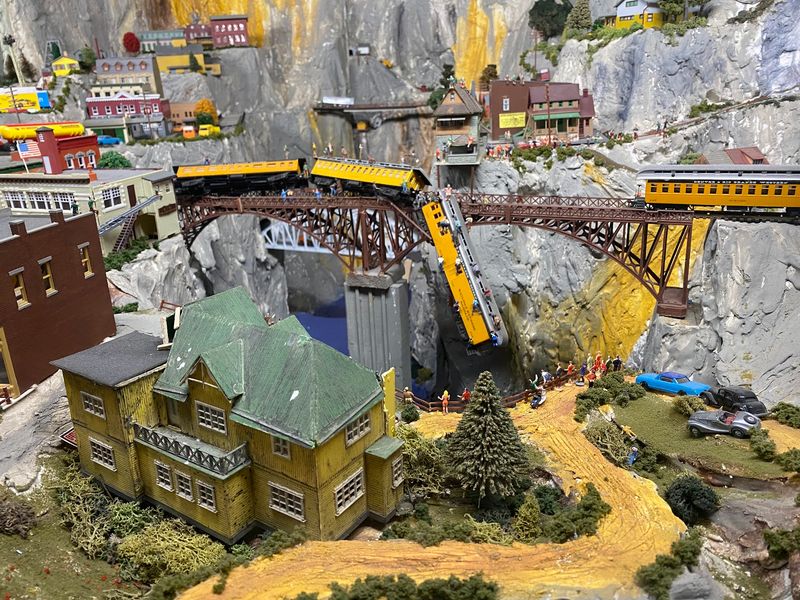
One bridge would make a respectable model railroad. Northlandz has more than 400.
The Flemington attraction takes a familiar hobby and stretches it across an enormous indoor landscape, with trains traveling through tunnels, past mountains, and over deep miniature valleys. There are eight miles of track, which may explain why a quick look around can turn into a much longer visit.
The best way to explore is slowly. Follow a train until it slips out of sight, then scan the landscape for where it might reappear.
Change your viewing angle and another part of the scene comes into focus: a bridge high above you, a distant settlement, or a stretch of track you missed the first time. The scale is impressive, but the little discoveries keep you moving.
Northlandz also has an outdoor train ride, giving visitors a chance to switch from watching trains to riding one. Inside, displays of dolls and art offer a break from the tracks, though it is perfectly reasonable to wander straight back to the railroad afterward.
Families can take this at a child’s pace; model train fans may want to allow considerably more time. Either way, wear comfortable shoes.
You will do plenty of walking while trying to take in a world that refuses to fit into a single glance.
4. Insectropolis – Toms River
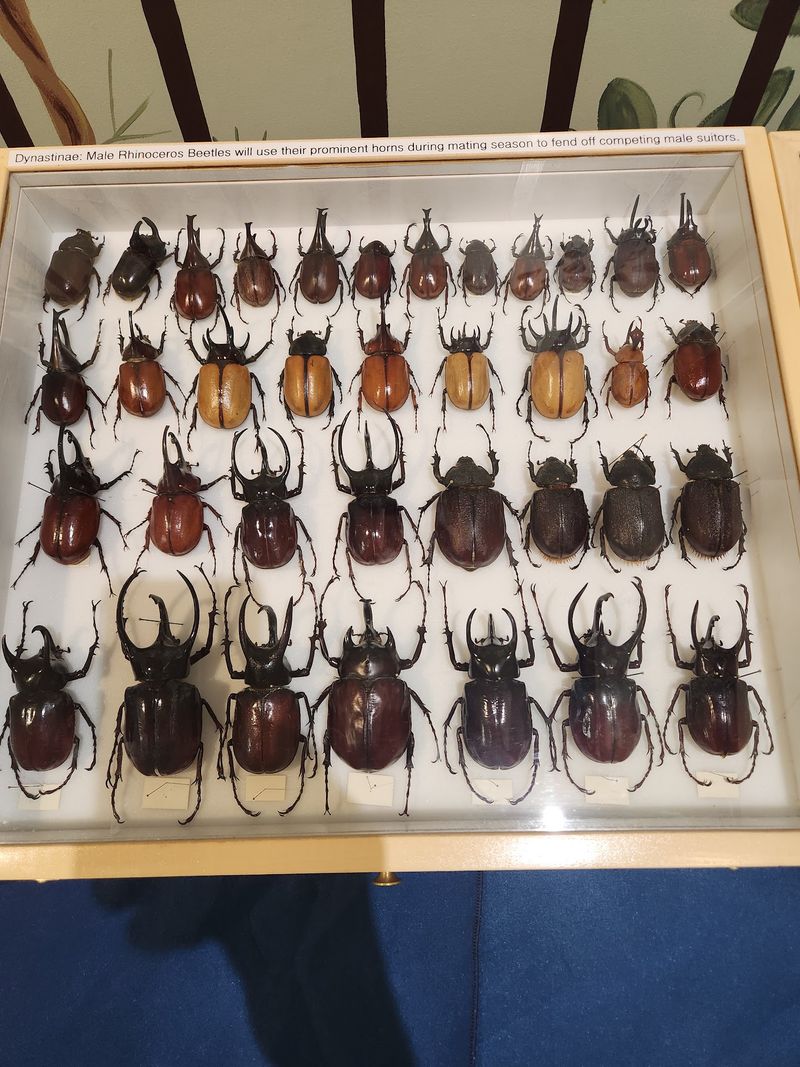
At the Caterpillar Café, nobody is serving lunch. It is one of several playfully named exhibits at Insectropolis, Toms River’s museum devoted to creatures most of us are quick to shoo away.
Here, insects and other arthropods get the close attention they deserve, and the more you look, the harder it is to dismiss them. Start with the basics at Bug University, then follow whichever display catches your interest.
You can watch live carpenter ants at work, peer into a honeybee hive, or meet the tarantulas in Creepy Cavern. Displays explore how bugs communicate, hunt, defend themselves, and change as they grow.
The names keep things light, while the animals provide plenty of genuine surprises. A shed tarantula exoskeleton, for instance, can look alarmingly like its owner until you learn what you are seeing.
Make time for a live presentation if one fits your visit. It gives curious kids room to ask the questions that tend to arrive rapidly once they realize how much is happening in a bug’s world.
Adults who came along reluctantly may find themselves just as interested in the answers. Insectropolis runs on a seasonal schedule, with school-year public hours concentrated on weekends, so check its current opening days before heading to Toms River.
You may leave a little less eager to swat the next insect you meet.
5. The Paranormal Museum – Asbury Park
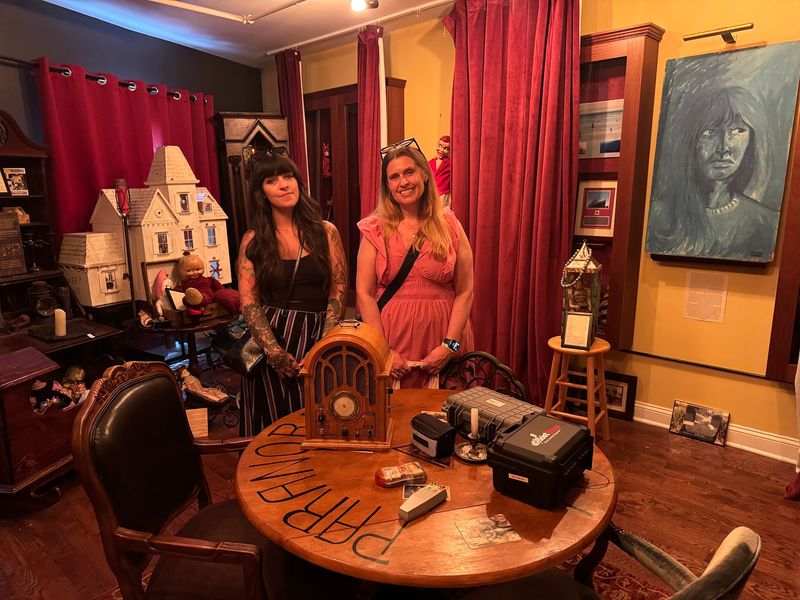
A museum full of supposedly haunted objects could easily get by on dim lighting and ominous labels. The Paranormal Museum in Asbury Park gives you something more engaging: a guide who takes you through the collection, shares the stories attached to its artifacts, and lets you decide what to make of them.
It occupies the same Cookman Avenue building as Paranormal Books & Curiosities, which sets the mood before your tour begins. Inside, the collection changes over time and draws on ghost stories, unusual histories, and objects people believe carry something of their past with them.
A doll might prompt one visitor to lean closer and another to keep a polite distance. Both reactions fit right in.
The standard tour lasts about an hour. Because visits are guided, there is time to ask questions and follow whichever thread interests your group, whether that is the tale behind an object or the way people investigate an unexplained experience.
You do not need to arrive convinced that anything here is haunted. Curiosity is plenty.
Book a reservation before you go; the museum cannot promise a place on a tour to walk-ins. That small bit of planning is worth it for an Asbury Park outing that gives you far more to discuss afterward than a simple peek through a display case.
6. Sterling Hill Mining Museum – Ogdensburg
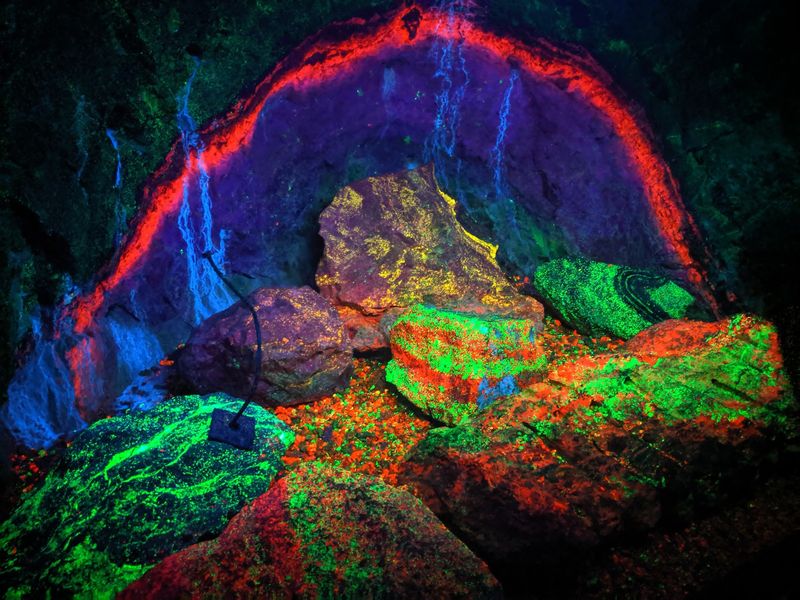
The rocks put on the show at Sterling Hill. Under special lighting, minerals in the Ogdensburg museum’s Rainbow Tunnel fluoresce in vivid colors, turning a walk through a former zinc mine into a sight that seems almost invented.
It is the moment many visitors will remember first, but the tour has plenty to offer before you reach it. Sterling Hill was a working mine, and going underground gives the exhibits a weight that a room of display cases alone could never provide.
You pass mining equipment and learn how people worked here, then see the mineral collections with a better sense of where they came from. The guided visit also includes two museums, so allow time to take it all in rather than treating the glowing tunnel as a quick photo stop.
If someone in your group would rather search for a specimen than study one behind glass, the site also offers mineral collecting and sluicing. Check which activity suits your party; the museum recommends sluicing for children and reserves its rock collecting area for adults.
Tour timing matters here. During the current school-year schedule, the main mine tour runs on weekends, while the gift shop and collecting activities are available more often.
Check the schedule before driving up. You want to arrive when you can go beneath the surface.
7. Diggerland USA – West Berlin
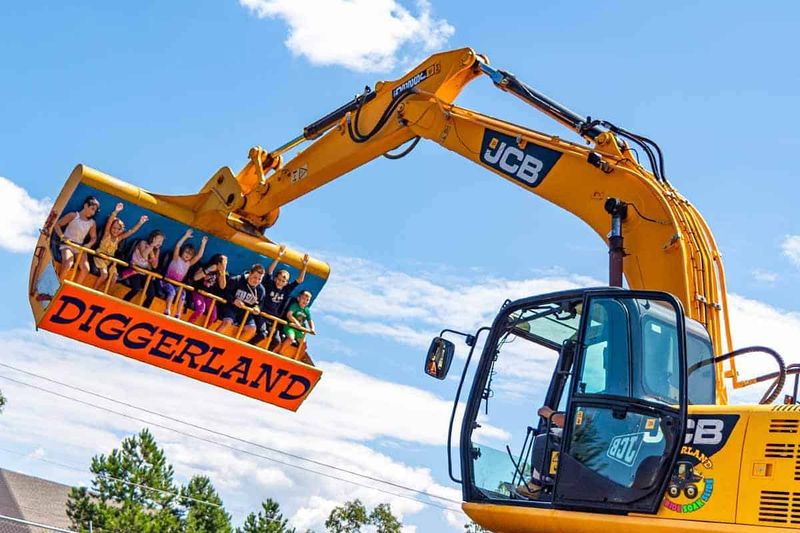
At Diggerland USA, a construction vehicle is part of the attraction rather than something blocking your way to it. The West Berlin park lets families drive, ride, and operate specially adapted real machinery, turning a childhood fascination with excavators and trucks into an afternoon’s activity.
The pleasure is wonderfully straightforward. Get into position, listen to the instructions, and see what it takes to make a big machine do what you want.
Even watching someone else concentrate on the controls can be entertaining, especially when they discover that operating equipment calls for more care than it appears to from the ground. Other rides keep the construction theme going, so the novelty lasts beyond your first turn at the controls.
The park also changes with the season. Warm-weather visitors can add its construction-themed water park, The Water Main, while fall brings its own events and activities.
That makes it worth looking at the calendar before buying tickets: the day you choose shapes what you will be able to do. Check individual attraction requirements as well if you are bringing younger children.
Diggerland is an easy pick for a family member who points out every excavator seen from the car window. The surprise is how quickly the rest of the group gets drawn into choosing which machine to try next.
8. Grounds For Sculpture – Hamilton
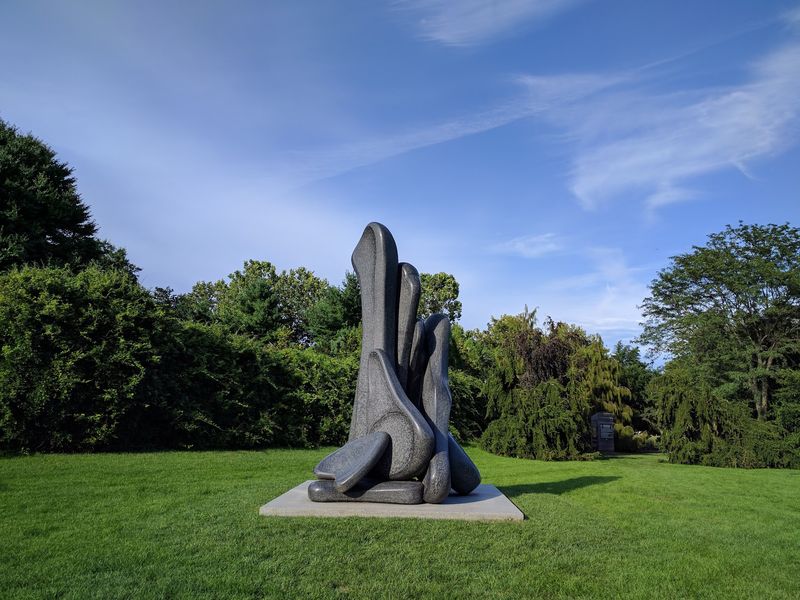
A figure glimpsed across the lawn at Grounds For Sculpture might make you look twice. On these 42 acres in Hamilton, artwork appears among trees, paths, and gardens, sometimes where you least expect it.
The park has more than 300 sculptures, but it never asks you to take them in all at once. A turn in the path brings the next encounter.
That sense of discovery makes this a particularly good place to visit with someone whose taste differs from yours. Stop at a work that puzzles you, circle one that changes from the other side, and keep walking when you are ready.
Sculptor Seward Johnson, whose vision helped establish the grounds, made lifelike figures and three-dimensional scenes inspired by famous paintings. Seeing a familiar-looking scene occupy real space can be an enjoyable trick on the eyes.
The gardens are part of the experience, too. Trees and planting shape how you approach each piece, while indoor galleries give you another way to spend your time.
Pick up a map if you want to find particular works, or follow the paths and see what catches your attention. Plan for a few hours and wear shoes suited to a long walk.
The strangest thing here may be how readily a sculpture you have never seen before starts to feel like someone you have met.
Share this story