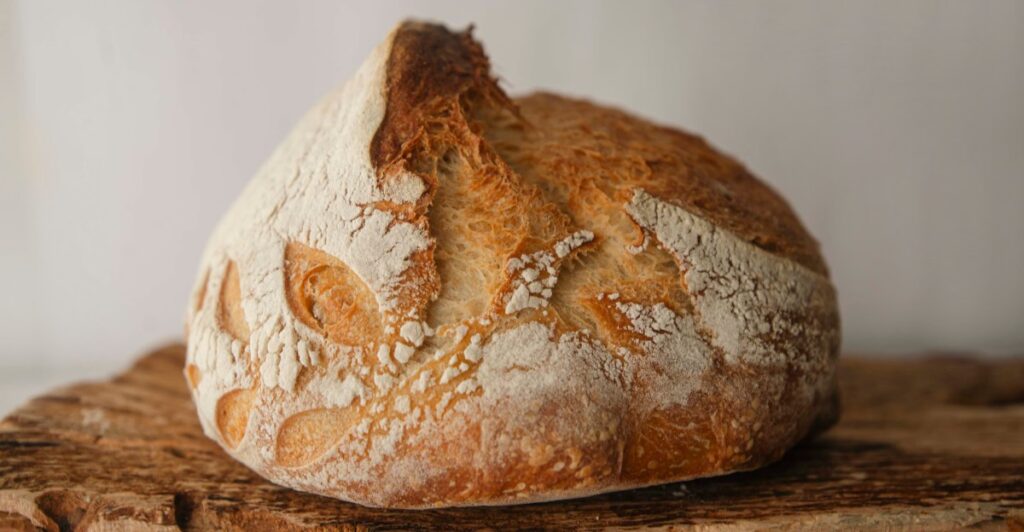
A loaf of bread can take longer to make than the weekend you planned to eat it. At Bread & Culture in Flemington, sourdough begins with a 12-hour levain, then spends hours being mixed, shaped, and slowly proofed before it reaches the oven.
The result gives you a good reason to pause at the bread display instead of heading straight for the pastry case. Although, fair warning, the pastry case makes a persuasive argument of its own.
This Main Street bakery started at New Jersey farmers markets and still works in small batches, using local whole grains and stone-milled flour. There are everyday loaves for sandwiches, an olive and herb sourdough with Castelvetrano olives, and croissants made in-house.
The shop opens just four days a week, so a little planning helps. Once you understand how much work happens before the doors open, that schedule starts to make sense.
Bread & Culture Brings Small-Batch Baking to Flemington
Paulo and Michelle Velasco started Bread & Culture in 2019, selling their baked goods at New Jersey farmers markets. Their bakery now has a permanent home at 123 Main Street in Flemington, but the bread still has the feel of something made by people who know exactly how many loaves they can handle in a day.
Everything is handcrafted on-site, and the focus remains on naturally leavened bread, pastries, and carefully chosen ingredients. Bread & Culture has grown beyond a farmers market table without losing sight of what made that table worth seeking out.
The couple’s story is part of the appeal. Paulo trained as a school counselor before finding his way back to food and teaching himself to bake sourdough.
What began as a small operation in the family kitchen became a bakery where the process matters as much as the finished loaf. That history also helps explain the emphasis on nearby farms.
Bread & Culture says it buys from local suppliers and uses whole grains grown by farmers committed to healthy soil. You can see how those choices guide the menu.
The Country loaf sticks to wheat, spelt, water, sourdough culture, and sea salt. The Country Sandwich loaf uses the same basic ingredients in a form better suited to weekday lunches.
Then there are loaves that take a different route, from savory Olive & Herb to seasonal rye and cranberry walnut. Flemington’s Main Street gives the bakery room to be part of a larger outing.
Pick up bread and coffee, browse the surrounding downtown, and keep the loaf within reach for the trip home. Cutting into it before dinner would be understandable.
A Slow Rise Gives the Sourdough Its Character
The bread begins well before anyone lines up at the counter. Bread & Culture builds a levain, a fermented mixture that helps the dough rise, and gives it 12 hours to develop.
After mixing and shaping, the dough goes through a long cold proof. The bakery says that final rest lasts at least 12 to 15 hours.
It is a patient sequence for something that might be eaten as toast in a few minutes. The bakery’s explanation of its process makes clear why a fresh loaf cannot simply be rushed into the display case.
That waiting time does practical work. Fermentation helps develop the bread’s flavor, while the dough’s long rest contributes to its texture.
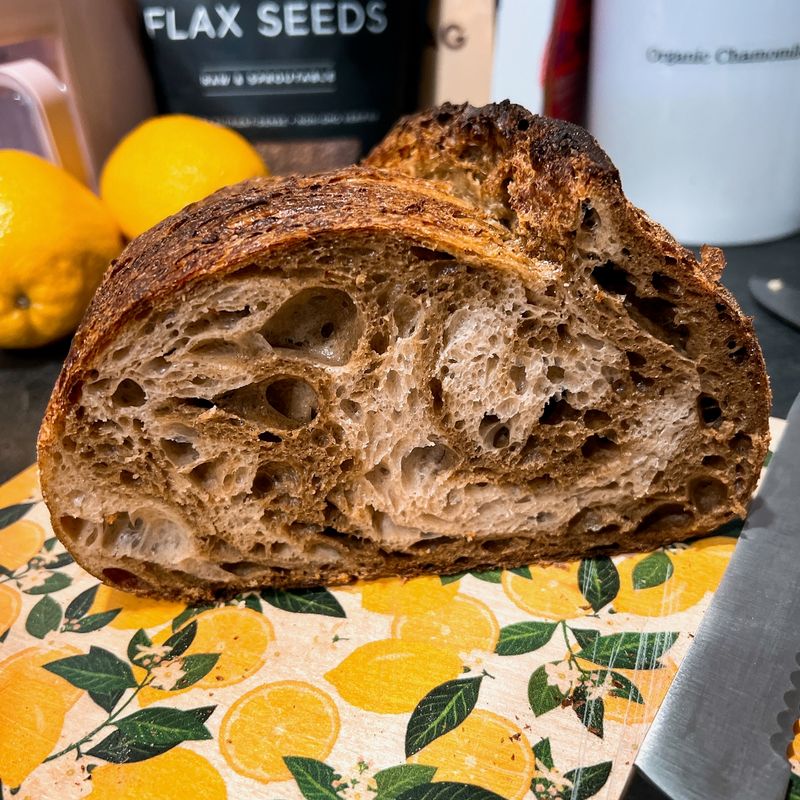
Cut through the crust of a country loaf and you are looking for the payoff in the crumb as well as the taste. A slice can hold its own with butter, support a sandwich, or go straight into the toaster the following morning.
Good sourdough should be useful, not saved for a special occasion. The slow schedule carries through to the croissants.
Bread & Culture makes its sourdough bread and sourdough croissants in-house with a small production team, which is one reason the shop opens Thursday through Sunday. Work continues beyond the hours customers see.
While one batch is being sold, another may be in an earlier stage of preparation. There is plenty of talk about sourdough and digestion, but you do not need a health claim to appreciate what is happening here.
Flour, water, culture, salt, and time give the bakers enough to work with. The pleasure is simpler: a loaf with flavor that keeps you interested through the last slice.
Local Grains and Stone-Milled Flour Shape Every Loaf
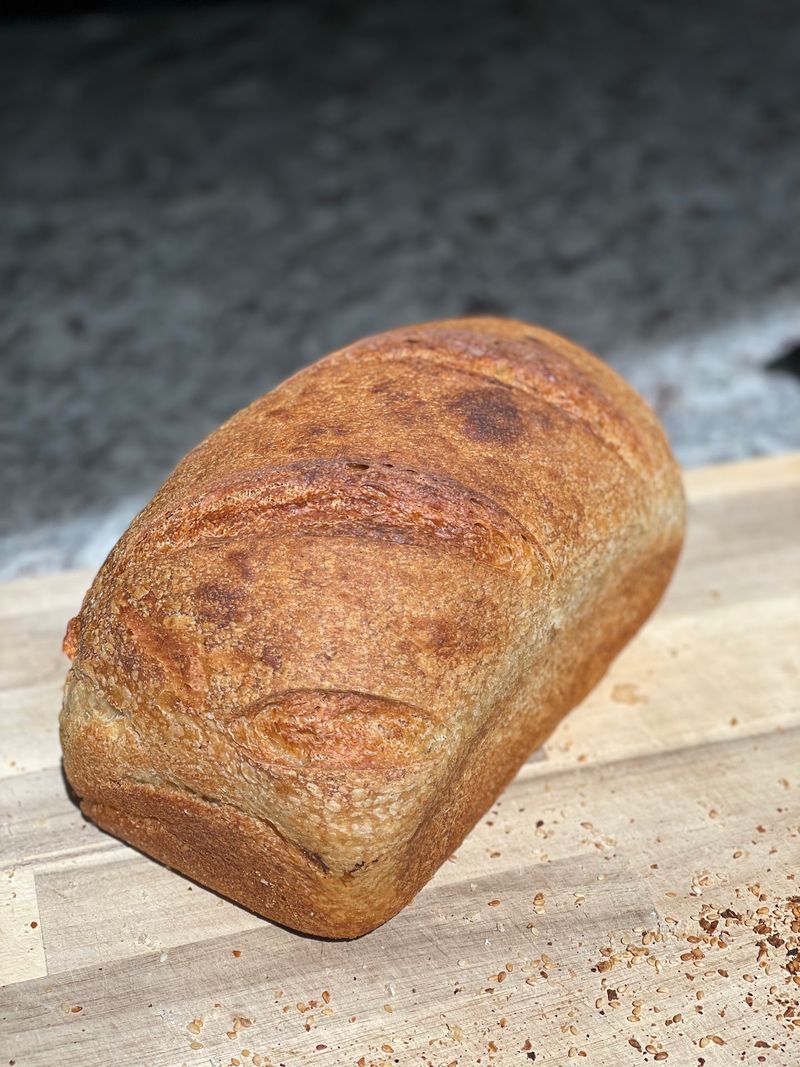
Flour deserves more attention than it usually gets. At Bread & Culture, it is one of the reasons a familiar loaf can taste a little less familiar.
The bakery uses local whole grains alongside organic and heirloom stone-milled flours, including grain bought directly from farmers who focus on soil health. That approach connects what happens in the fields to what comes out of the oven.
The bakery’s account of its ingredients puts those growers near the center of the story. Stone milling keeps more of the grain in the flour than highly refined milling does.
In the Country loaf, wheat and spelt provide the base; the result is bread with more to offer than a vehicle for toppings. Teo’s Sandwich, listed as a seasonal loaf, brings wheat, einkorn, and barley into the mix, along with buttermilk.
B & C’s Danish Rye takes another path with rye, buttermilk, and molasses. The ingredients tell you these loaves will serve different purposes before you even pick one up.
It is worth reading the bread names instead of ordering the first round loaf you spot. Someone planning grilled cheese or lunch sandwiches may prefer a softer sandwich loaf.
Someone who wants toast with a little more personality could choose Country. The seasonal breads give regulars something new to consider when they come back.
The bakery’s connection to farms began with its own farmers market roots, so the ingredient choices fit the larger story. Bread & Culture still lists the West Windsor Community Farmers Market as another place to find its bread.
A loaf bought in Flemington or at a market carries the same basic idea: start with good grain, handle it with care, and let it taste like more than the things you put on top.
Olive and Herb Sourdough Is Just One Loaf Worth Trying
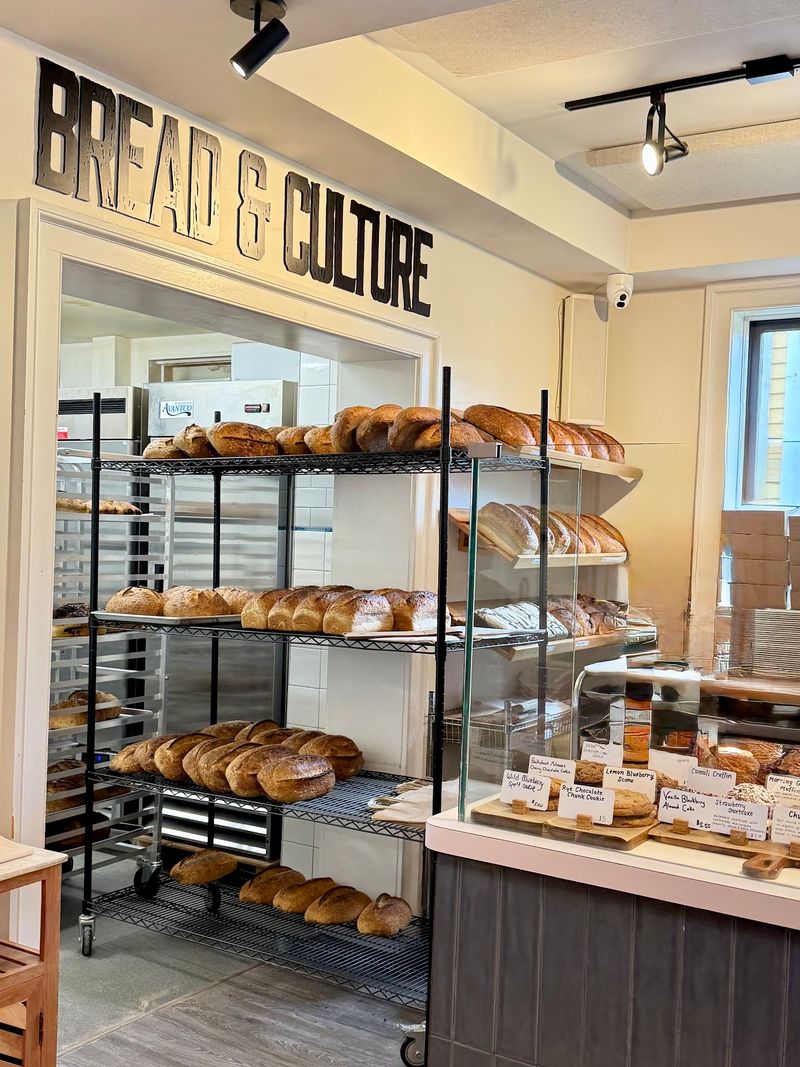
Castelvetrano olives, organic herbs, and lemon zest make the Olive & Herb loaf easy to notice on the menu. It has a savory combination that asks very little of you once you get it home.
Cut a slice to eat alongside soup, toast some with olive oil, or build a sandwich without piling on too many extras. The loaf starts with wheat, spelt, sourdough culture, water, and sea salt, then lets those additions do their work.
Bread & Culture’s listed bread lineup gives you several other directions if olives are not your thing. For a first visit, Country is a sensible choice.
It is the bakery’s straightforward sourdough, made with wheat and spelt, and it gives you a clear taste of the breadmaking approach without anything competing for attention. Country Sandwich offers a different shape for the same kind of everyday use.
The “Wonder” Sandwich loaf adds butter and brown sugar, making it an option for anyone who wants something softer and a touch sweeter. The seasonal choices are where a return trip gets interesting.
Cranberry Walnut brings fruit and nuts to the bread board. Marbled Rye uses wheat, rye, and scalded barley.
B & C’s Danish Rye includes buttermilk and molasses, while Teo’s Sandwich combines several grains. Because the bakery marks these loaves as seasonal, it is best to treat the menu as a guide rather than a promise that every variety will be there on a particular morning.
Buying two loaves is hardly excessive if they have separate jobs. One can become toast and sandwiches for the week; the other can be dinner’s most popular side dish.
Bread & Culture says its loaves can keep for four to five days when stored properly, which gives you time to make a fair comparison.
Croissants and Pastries Give You More Reasons to Linger
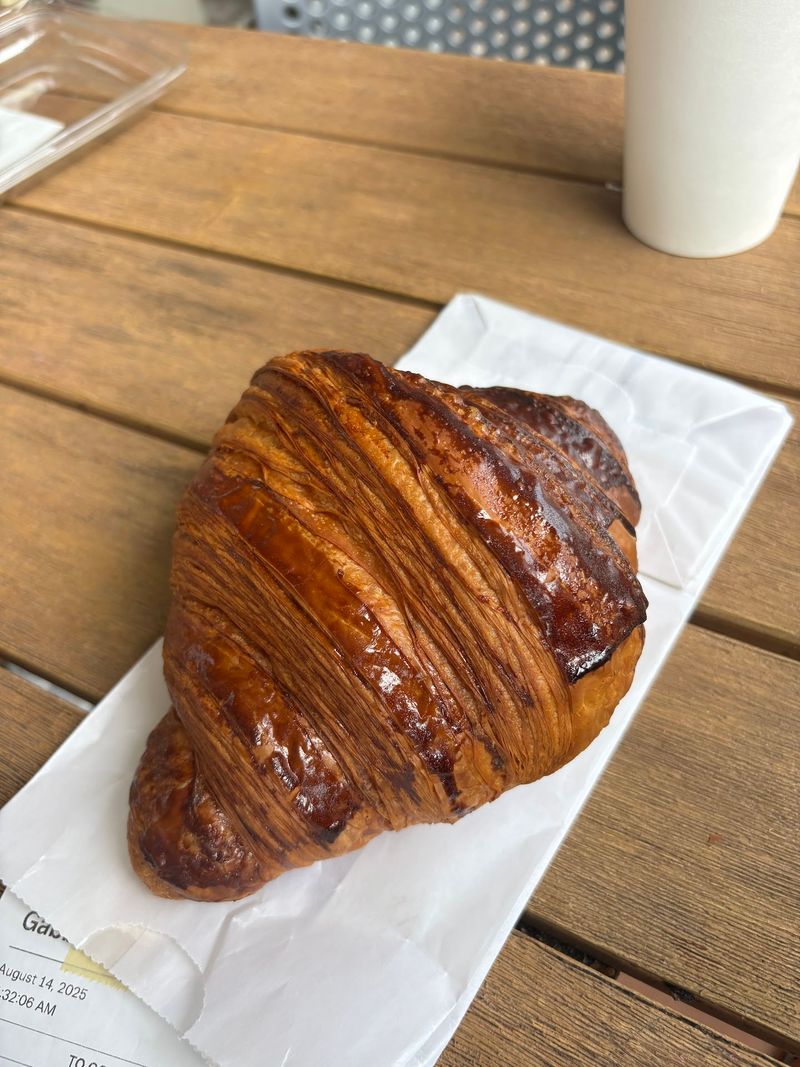
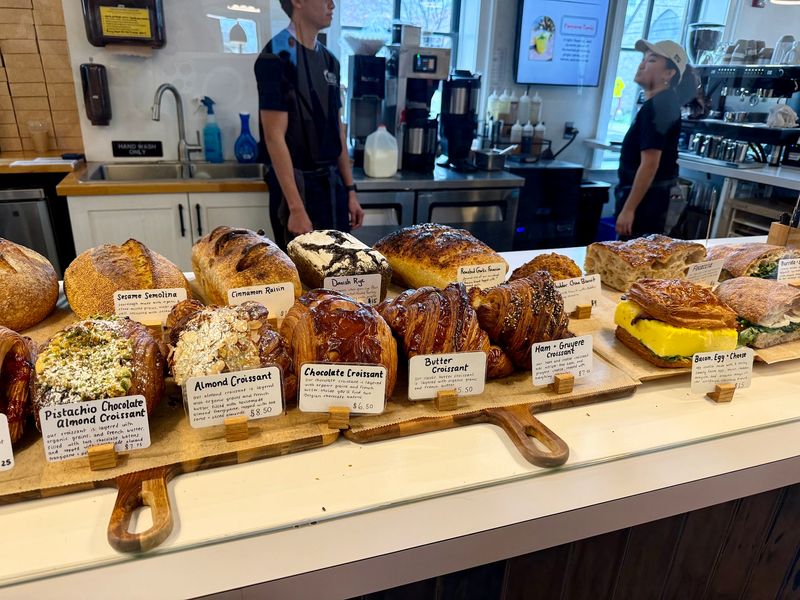
It takes some resolve to visit a bakery for bread and ignore the croissants. Bread & Culture makes those in-house, too, and the same small team that handles the sourdough puts time into the pastry work.
The bakery lists wheat, butter, milk, sugar, salt, culture, and poolish among its croissant ingredients. There is a lot going on before one ever reaches the counter, even if eating it takes considerably less time.
Bread & Culture’s bakery information puts naturally leavened bread and pastry side by side as its specialties. That gives a morning visit two possible outcomes.
You might leave with a loaf for later and a croissant for now. Or a look at the pastry selection might change the whole breakfast plan.
The bakery also serves coffee and tea, so you can put together a simple stop without turning your bread errand into a sit-down meal. The choice is especially appealing if you are shopping for other people.
A loaf is useful, but handing someone a pastry along with it is a nicer way to announce that you found a good bakery. The menu can vary, and the shop’s small-batch approach means a particular item may sell out.
Going earlier gives you more to choose from; arriving with some flexibility makes the visit easier if your first pick is gone. What keeps the pastry case connected to the rest of the bakery is the work behind it.
These are not separate treats added to fill a shelf beside the bread. The sourdough croissants are part of the reason Bread & Culture limits its public hours to four days a week.
If you came specifically for a loaf, you can still justify one pastry. It is research for the next visit.
What to Know Before Visiting the Main Street Bakery
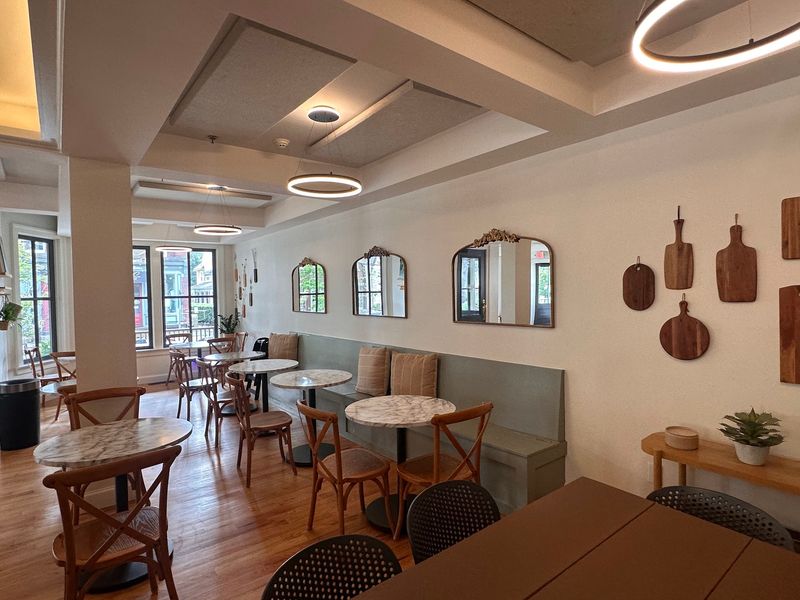
Bread & Culture is at 123 Main Street in Flemington and lists its regular hours as Thursday through Sunday, 9 a.m. to 2 p.m. That is a fairly short window, particularly if you have your heart set on a specific loaf or pastry.
A morning visit gives you the best chance to see more of what the bakers made. Because hours and offerings can change, check the bakery’s current information before making a special trip.
Parking is available on Main Street and Mine Street, and the bakery also points visitors to a municipal lot on Main Street. Once you have collected your order, Flemington’s downtown makes it easy to stretch the stop into a walk.
If the goal is simply to get bread home, though, there is no need to complicate a successful bakery run. A couple of practical details matter.
Bread & Culture says it is not a nut-free bakery and does not offer gluten-free products. Its FAQ also lists the West Windsor Community Farmers Market as another place to find its bread.
For the widest choice of pastries and loaves, the Flemington shop is the place to see what is coming out of the ovens that day. The bakery has advice for keeping your purchase in good shape.
Store bread in a cotton bread bag or a large towel somewhere relatively cool so the crust can breathe. Freeze what you will not eat within a few days.
To refresh a loaf, the bakery recommends spritzing the outside with water and heating it in a 450-degree oven for 10 to 12 minutes. It is a small final step for bread that spent so much time getting ready in the first place.
Share this story