A life-sized wigwam sits inside a museum in Mountainside, while a quiet stretch of ground in Vernon holds archaeological evidence reaching back thousands of years. Neither fits the usual New Jersey history tour of battlefields, brick mansions, and colonial taverns.
That is exactly why they deserve your attention. Across the state, museums, woodland classrooms, tribal spaces, and marshland trails offer ways to understand the people whose homeland includes the places we drive through every day.
The Lenape story also continues in present-day communities, artists, language preservation, and relationships with the land. These nine stops approach that story from different directions.
Some make a good rainy-day outing with children; others reward a slow walk or a carefully timed educational program. Together, they invite you to look beyond familiar landmarks and notice a deeper history, with living voices that deserve a place in every conversation about New Jersey’s past, present, and future.
1. Winakung at Waterloo Village – Byram Township
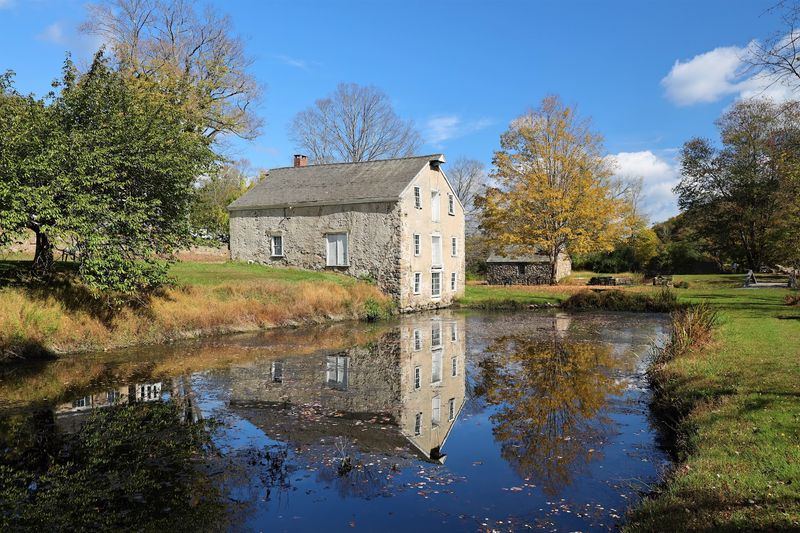
The canal buildings may catch your eye first, but give the woodland portion of this Byram Township destination its own place on your itinerary. Within Waterloo Village, Winakung introduces Lenape life through outdoor exhibits and educational activities focused on forest resources, food, and wilderness skills.
It brings the practical questions of daily life into view: How do you find useful materials? What can the forest provide?
How does your relationship with a place change when you depend on it for shelter and meals? That approach makes the setting especially useful for curious children, although adults have plenty to think about, too.
Instead of treating the woods as scenery surrounding a history lesson, the programming makes the woods part of the lesson itself. Look into an organized educational visit if you want the fullest experience, and confirm access and program arrangements before heading over; a walk around Waterloo’s grounds and a staffed Winakung activity are different outings.
Wear comfortable shoes and allow time to explore without hurrying between attractions. The surrounding historic village adds another layer, showing how the same landscape later supported a canal community.
Keeping those chapters in sequence changes the visit. Suddenly, the general store and mills belong to a much longer timeline, and the forest deserves as much attention as the buildings.
2. Discovery Center at Point Breeze – Bordentown
Corn, beans, and squash provide a surprisingly good starting point for a history outing. At this Bordentown property, a Three Sisters garden connects the land’s story to plants you can actually recognize, with Lenape tribal members having helped plan and plant it.
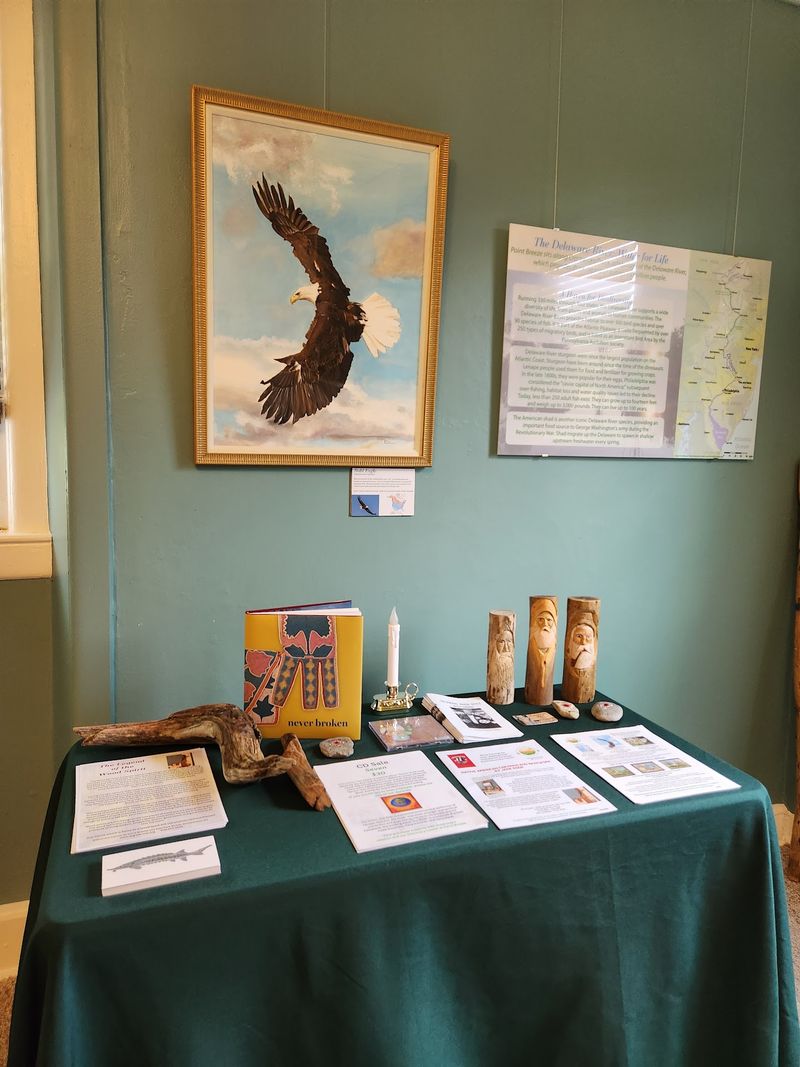
Inside the Discovery Center, the interpretation continues through language, art, and contemporary voices. Look for Lenape words and translations, wood carvings and beadwork by an artist of Lenape heritage, and a video featuring Turtle Clan Chief Vincent Mann discussing history and preservation.
These details give the visit a human scale. A spoken word or carefully made object can hold your attention in ways that a wall of dates rarely manages.
The property overlooks the Delaware River and Crosswicks Creek near the Abbott Marshlands, so leave time to step outside after exploring the displays. Consider the waterways alongside what you have just learned; the landscape helps connect the indoor material to a real place.
Point Breeze also carries the later story of Joseph Bonaparte, Napoleon’s older brother, whose estate occupied this ground in the nineteenth century. That makes for an intriguing combination, provided you give the Indigenous interpretation equal attention.
Head to 101 Park Street and confirm the center’s current visiting schedule. For families, this is an appealing place to connect gardens, language, artwork, and river views in one manageable outing.
3. Black Creek Site – Vernon Township
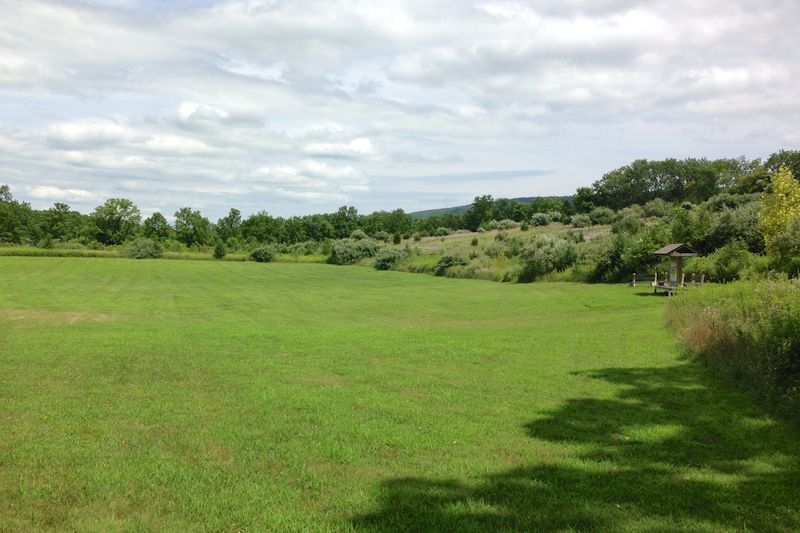
Nearly 10,000 years of archaeological significance can be difficult to picture, especially when the place in front of you consists of fields, woodland, and a creek. That contrast is the reason to visit this roughly 40-acre site in Vernon Township.
Its documented period of significance extends from approximately 8000 BCE to 1740, offering evidence of Native American settlement and activity across an extraordinary span of time. Today, a hiking trail and outdoor classroom provide a way to encounter the landscape without needing a conventional museum building.
Go expecting a thoughtful outdoor stop rather than rows of display cases. Read the interpretation, move slowly, and consider how much history can remain invisible at first glance.
The preservation story deserves attention alongside the archaeology. Members of the Nanticoke Lenni-Lenape community worked with local residents and the Vernon Township Historical Society to protect the site, which is listed on both the New Jersey and National Registers of Historic Places.
Saving it involved a lengthy legal and legislative effort; the ground you can explore survived because people insisted that its significance mattered. Comfortable walking shoes make sense here, along with water and enough time to pause.
Leave anything you find where it belongs. The most valuable thing to take away is a changed understanding of the landscape—and of the work required to keep its history intact.
4. Nanticoke Lenni-Lenape Tribal Headquarters and Turtle Trading Post – Bridgeton
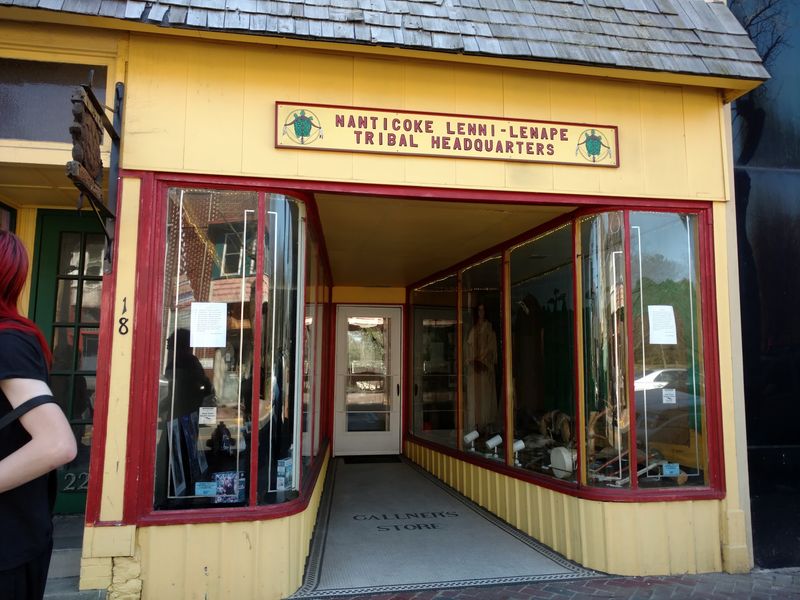
Make room in this itinerary for a place connected to a living tribal community. At 18 East Commerce Street in Bridgeton, the Nanticoke Lenni-Lenape Tribal Headquarters and Turtle Trading Post offer that essential perspective.
The tribal store gives visitors a point of connection with a community whose history continues in southern New Jersey. Before planning a stop, call 856-455-6910 to confirm current store access and visitor arrangements.
This is also a headquarters, so approaching it as a working community space will help you plan appropriately. The tribal name itself offers something worth understanding before you arrive.
Nanticoke and Lenape are distinct peoples, and the combined name honors the ancestral families who came together within this tribal nation. Learning that distinction makes a visit more meaningful than simply scanning a shelf for something to bring home.
Ask about available cultural materials and the background of any work that interests you; a thoughtful question can be more useful than arriving with assumptions about what Native American art should look like. This stop also changes the rhythm of the article’s other destinations.
After visiting archaeological landscapes and historical exhibits, Bridgeton brings the focus to people maintaining community, identity, and cultural knowledge today. Keep that perspective with you as you explore the remaining places.
New Jersey’s Native American story includes present-day neighbors, and this is a place to begin recognizing them.
5. New Jersey State Museum – Trenton
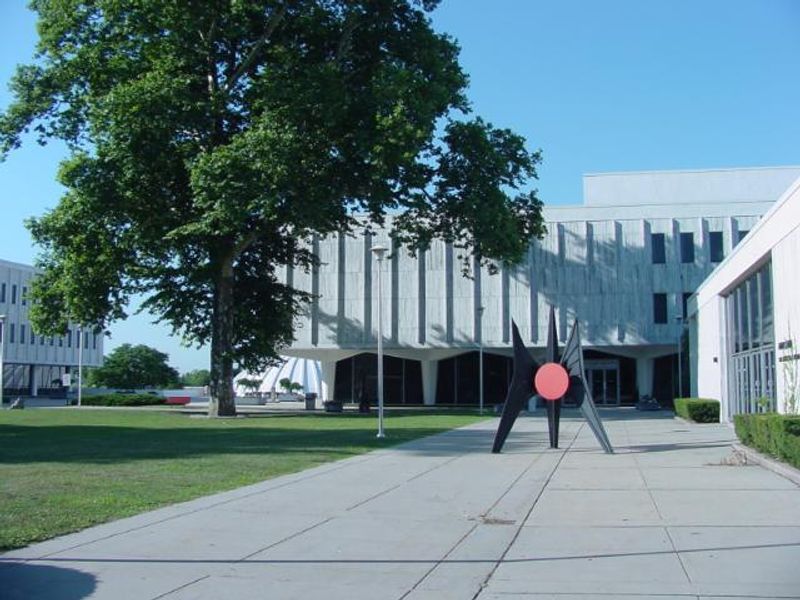
Start downstairs at 205 West State Street in Trenton, where three exhibitions give this subject the space it deserves. “New Jersey’s Original People,” “Cultures in Competition,” and “A Much Moved People” approach Indigenous history through archaeology, colonial encounters, and the preservation of Delaware, or Lenape, traditions.
Taken together, they let you follow connections between objects, changing circumstances, and communities rather than trying to absorb everything from one crowded display.
Begin with the archaeological gallery, then move into the material addressing contact with Europeans and the movement of Native people beyond New Jersey. The sequence helps explain why Lenape history connects this state with communities elsewhere.
Give the later chapters proper time: displacement and cultural continuity deserve more than a quick glance on the way to another gallery. Families have a useful entry point in the touchable activities related to Woodland-period pottery, along with interactive panels in the “New Jersey’s Original People” gallery.
Ask children what a particular object might help someone do, then check the interpretation together. That small shift turns looking into a conversation.
This is a strong choice when you want substantial historical context indoors, especially before visiting a less visibly interpreted archaeological site. Allow enough time to read selectively and follow your curiosity.
You will get more from a few objects understood well than from racing past every case.
6. Whitesbog Historic Village – Browns Mills
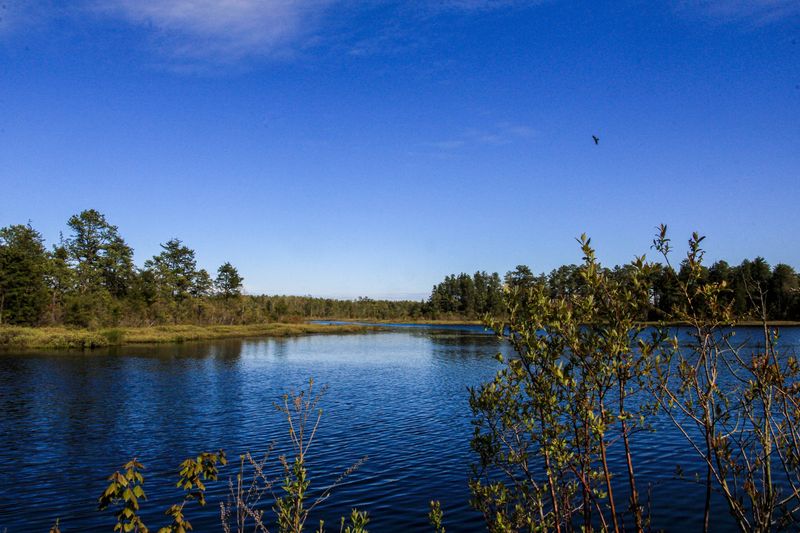
Blueberries and cranberry bogs tend to steal the attention in Browns Mills, but the educational offerings here reach beyond commercial farming. The “Lenape: Living in the Pines” program explores traditional tasks, storytelling, and games, giving students an active introduction to Indigenous life in the Pine Barrens.
Activities described in the program materials include grinding corn, exploring traditional technologies, and learning about the uses of natural resources. If you are arranging a school or group outing, this is the part to ask about: it is a bookable experience, rather than something to assume will be running when you arrive for a casual walk.
The program is offered year-round and lasts approximately three and a half hours, allowing more room for participation than a brief exhibit stop. Independent visitors can explore the historic village and surrounding landscape, while the “Deep in the Pines” self-guided mobile tour includes interpretation of Lenape foodways.
That offers another way to connect the site’s familiar agricultural identity with a longer history of knowing and using local plants. Let the food theme guide your visit.
Consider what grows here, how people recognize useful plants, and how knowledge passes between generations. The company-town buildings add later context without taking away from those questions.
Bring walking shoes for the sandy routes, and choose your visit according to whether you want a self-guided outing or a structured educational program.
7. Great Swamp Outdoor Education Center – Chatham Township
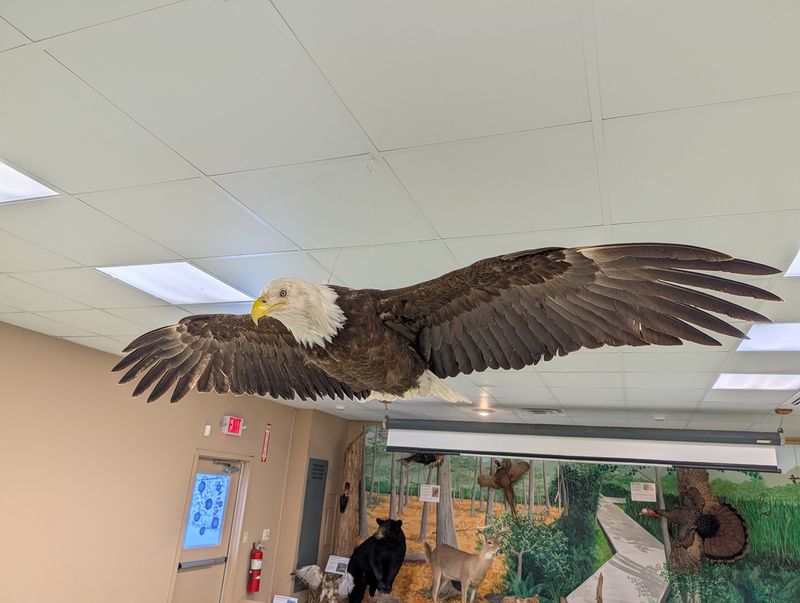
A model wigwam gives children something concrete to examine before the questions start multiplying. What materials could make a shelter?
How would you use the surrounding woods? What changes when the seasons turn?
At this Chatham Township center, the newly rebuilt structure provides a useful introduction, and the nearby trails supply plenty of material for further conversation. The property has approximately two miles of flat trails and boardwalks passing swamp, marsh, meadow, pond, and forest habitats.
Pick up a trail booklet at the visitor center, then combine a stop at the wigwam with a manageable walk. Seeing several habitats on one outing helps make the idea of depending on local resources easier to understand.
For a stronger connection with contemporary Lenape voices, look for tribal-led programming. The center has hosted Lenape Day with members of the Ramapough Lenape Tribe sharing history, dance, drumming, and crafts; confirm upcoming events before building a trip around one.
An ordinary trail visit and a cultural program offer different experiences, and both deserve realistic expectations. The center is at 247 Southern Boulevard, with the visitor building generally open from 9 a.m. to 4 p.m. and trails open from sunrise to sunset.
Leave pets at home, since they are not permitted at the outdoor education center. This is a particularly practical option for families who want to mix learning with time outdoors and avoid spending the whole afternoon reading labels.
8. Tulpehaking Nature Center – Hamilton Township
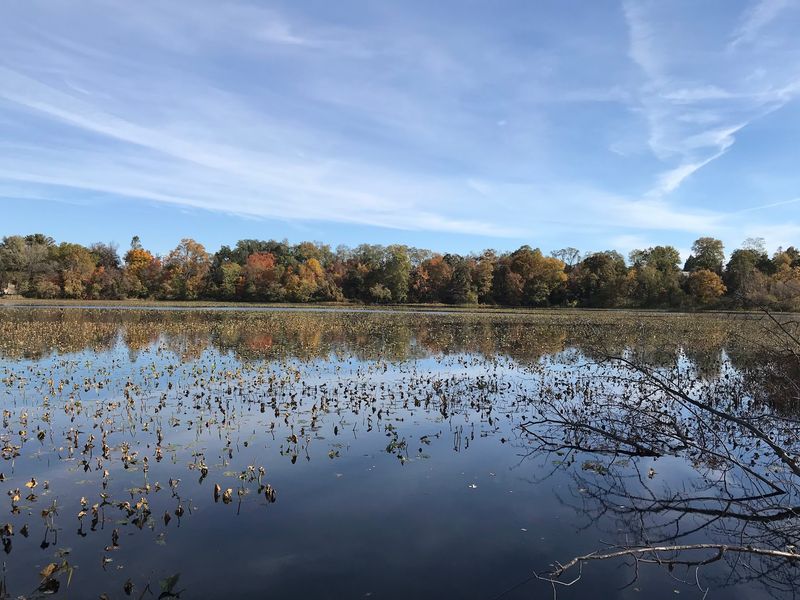
“Land of the Turtle” is the meaning of this center’s Lenape name, and the setting gives those words substance. Located at 157 Westcott Avenue in Hamilton Township, the building overlooks the Abbott Marshlands and sits within the Abbott Farm National Historic Landmark, an archaeological landscape representing approximately 13,000 years of human history.
That long timeline includes peoples and periods predating the historically documented Lenape, making the center a useful place to explore the broader Native American past as well as Lenape connections. Start indoors, where rotating exhibits address the marshlands’ environment and archaeology.
Then choose a nearby walk using the trail information available at the center. The surrounding networks provide access to Watson Woods, Spring Lake, and the Charles Conrad Abbott homesite, giving you several ways to extend the outing.
Pay attention to the water and the variety of habitats as you go. Pairing archaeological interpretation with an actual landscape makes it easier to understand why this area attracted human activity over such a long period.
The center also offers hands-on educational programming, so a scheduled activity can add focus if your interests lean toward archaeology. Its regular opening hours are Wednesday through Saturday, 10 a.m. to 4 p.m., and Sunday, 1 to 4 p.m.
Give yourself time for both parts of the visit. The displays introduce the questions; the walk lets you consider them with the marshlands in view.
9. Trailside Nature & Science Center – Mountainside
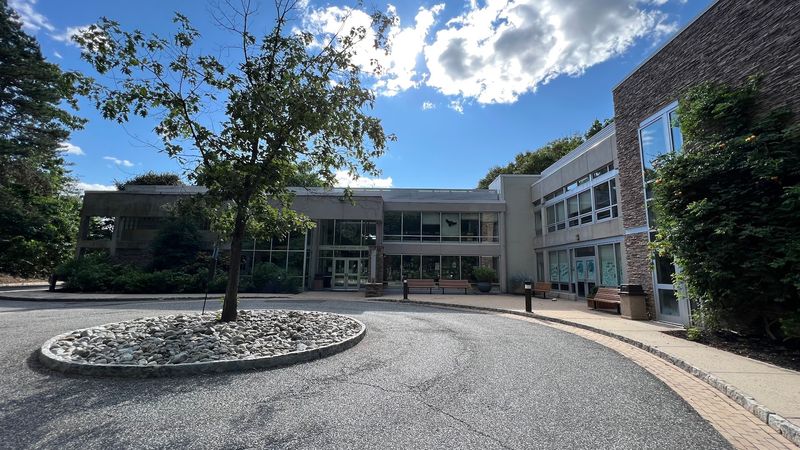
Sit inside a life-sized wigwam and the subject immediately becomes easier to picture. The Lenape exhibit at this Mountainside center lets visitors gather around a represented fire, examine tools, and learn about homes, language, and daily life.
For younger children, that physical setting provides a useful starting point before moving into the more detailed interpretation. Ask what they notice about the space, then use the displays to explore their questions.
The wider museum makes this an especially manageable family outing. Its approximately 4,500 square feet of interactive exhibits include a 34-foot American beech tree installation rising through the atrium, along with displays about forests, meadows, wetlands, and the geology of the Watchungs.
Those natural-history subjects offer context for discussing the environments in which Lenape communities lived. You can move from tools and shelter to plants and habitats without having to drive to another destination.
Children who need a change of pace also have the discovery room, while the night theater introduces animal activity after dark. Keep the Lenape exhibit central to your visit, then let everyone choose another area to explore.
Located at 452 New Providence Road within Watchung Reservation, the center also makes it possible to pair indoor learning with a walk outdoors. This is a useful finishing stop for the list: approachable enough for a first introduction, with several concrete details that can prompt better questions about the land beyond the museum doors.
Share this story