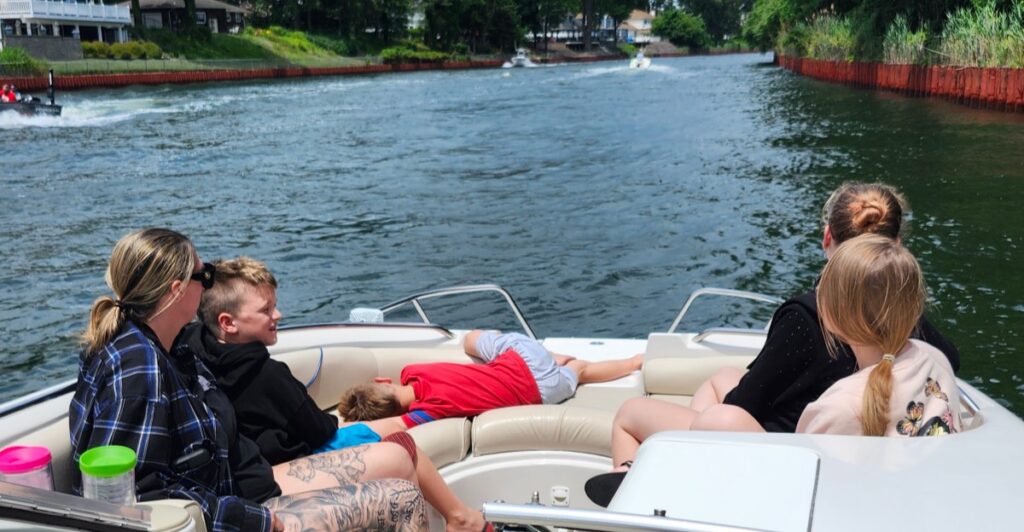
The party arrives with an engine, a cooler, and something inflatable tucked under a seat. On a busy summer weekend, F-Cove in Brick Township fills with boats whose passengers have roughly the same plan: stop cruising, settle in, and spend the afternoon on the water.
Music travels between vessels, floats come out, and a little pocket of northern Barnegat Bay becomes a gathering place with no stage or official host. The setting makes the scene even more surprising.
These man-made lagoons sit near Mantoloking Bridge, just north of Traders Cove Marina, with protected refuge land around them. A waterfront neighborhood was once planned here; the houses never arrived.
Boaters found another use for the unfinished waterways. Today, the appeal lies in that informal rhythm, though timing matters.
A sunny Saturday can bring a lively crowd, while a weekday offers a quieter version of the same distinctly Jersey Shore hangout.
F-Cove Is Brick Township’s Floating Summer Hangout
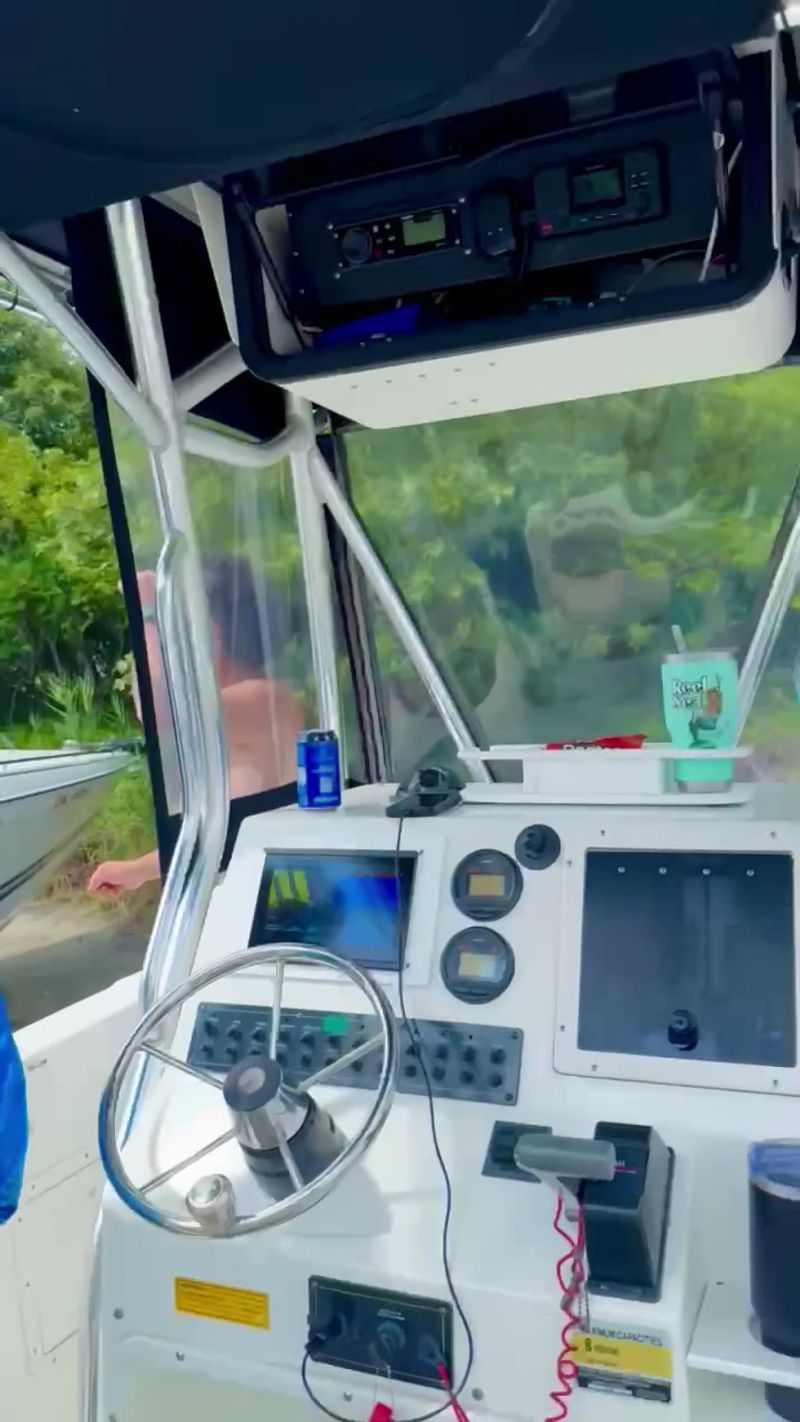
Crossing Mantoloking Bridge gives you a useful landmark, but it doesn’t tell the whole story of what sits nearby. On the mainland side, north of Traders Cove Marina, two connected lagoons form the boating destination locals know as F-Cove.
Seen from above, their layout resembles the letter that gives the place its name. From a boat, the more memorable feature is often the gathering inside.
Recreational boats and personal watercraft have made this pocket of northern Barnegat Bay a familiar summer stop, especially when warm weather and the weekend line up. The outing works differently from a beach day.
Your boat carries the seating, shade, lunch, and whatever else your group needs. That makes the experience personal before you even arrive.
One crew might be planning a long lunch aboard; another might want to spend time floating beside the boat. The common thread is the decision to stay in one place for a while.
For someone accustomed to seeing the Shore from a boardwalk, it offers a different perspective on how people spend their summers here. The boat becomes the gathering space, and the water around it becomes part of the afternoon.
There is also a practical distinction worth understanding early: a popular boating destination is not automatically a public beach. The surrounding land belongs to the Edwin B.
Forsythe National Wildlife Refuge, and access to that shoreline requires attention to restrictions and posted boundaries. Plan the visit around being aboard your vessel rather than assuming you can spread chairs across the bank.
With that expectation settled, the attraction is easy to understand. F-Cove gives a cruise a destination and a group of friends somewhere to linger.
How Unfinished Lagoons Became a Favorite Boating Spot
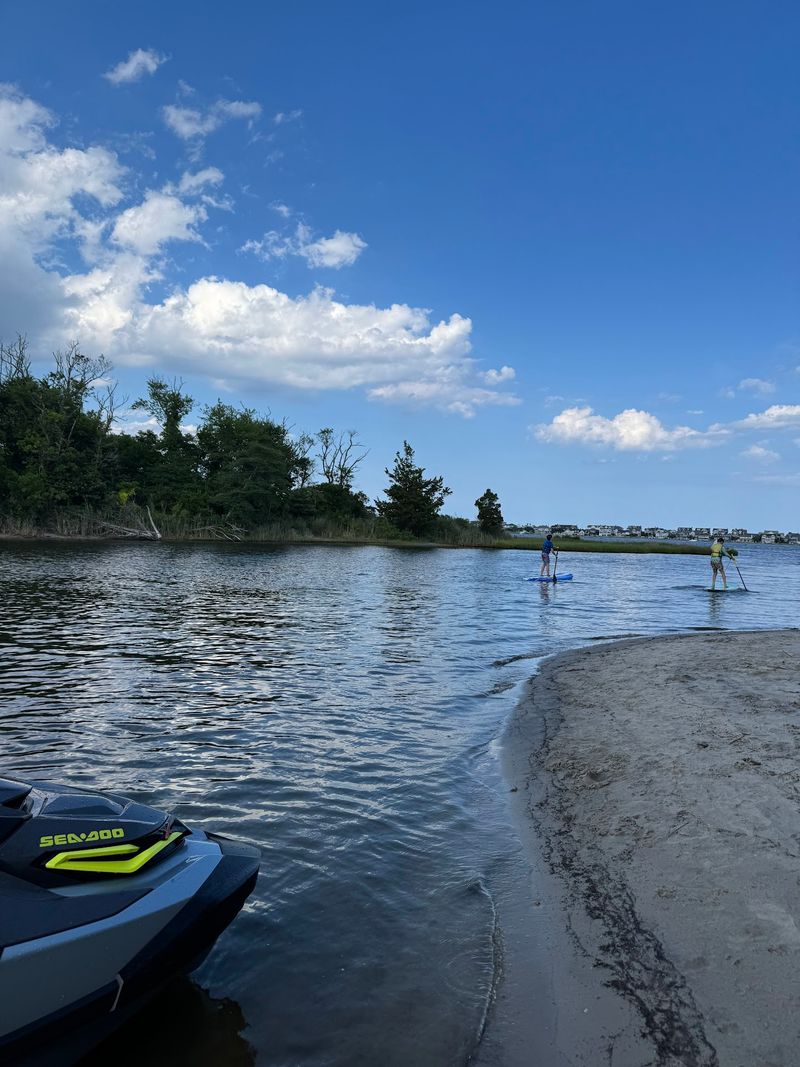
There were supposed to be houses here. The waterways were dredged for a proposed waterfront community, with boat access to Barnegat Bay built into the appeal.
Instead, the development never became the neighborhood its planners envisioned. The surrounding property eventually passed to Brick Township and then became part of the Edwin B.
Forsythe National Wildlife Refuge. The excavated lagoons remained, leaving an unusual combination of engineered waterways and protected land.
That history explains a feature you might otherwise overlook. F-Cove’s shape follows a development plan rather than the curves of a naturally formed inlet.
Its name is practically a map description. The intended streetside life never materialized, but the water became a destination in its own right.
It is an interesting reversal: infrastructure created to help sell waterfront homes ended up supporting a gathering place without the homes. The social reputation brought complications, too.
Access became contentious, the cove closed to boaters in 2012, and it reopened in 2013. The return of boating came with scrutiny from officials concerned about public safety and the surrounding environment.
That chapter matters because it keeps the backstory from becoming a simple tale of an abandoned project finding a happy second life. A wildlife refuge and a busy recreation spot have different priorities, even when they occupy neighboring spaces.
The distinction between using the water and entering refuge land remains central to understanding the place. Rather than treating the shoreline as unused space, picture it as the protected part of an unfinished development footprint.
The result is a setting with more history than its short name suggests. A glance at the boats tells you what people do here now; the lagoon layout helps explain how they got the opportunity.
Boats and Floats Set the Scene for an Afternoon on the Water
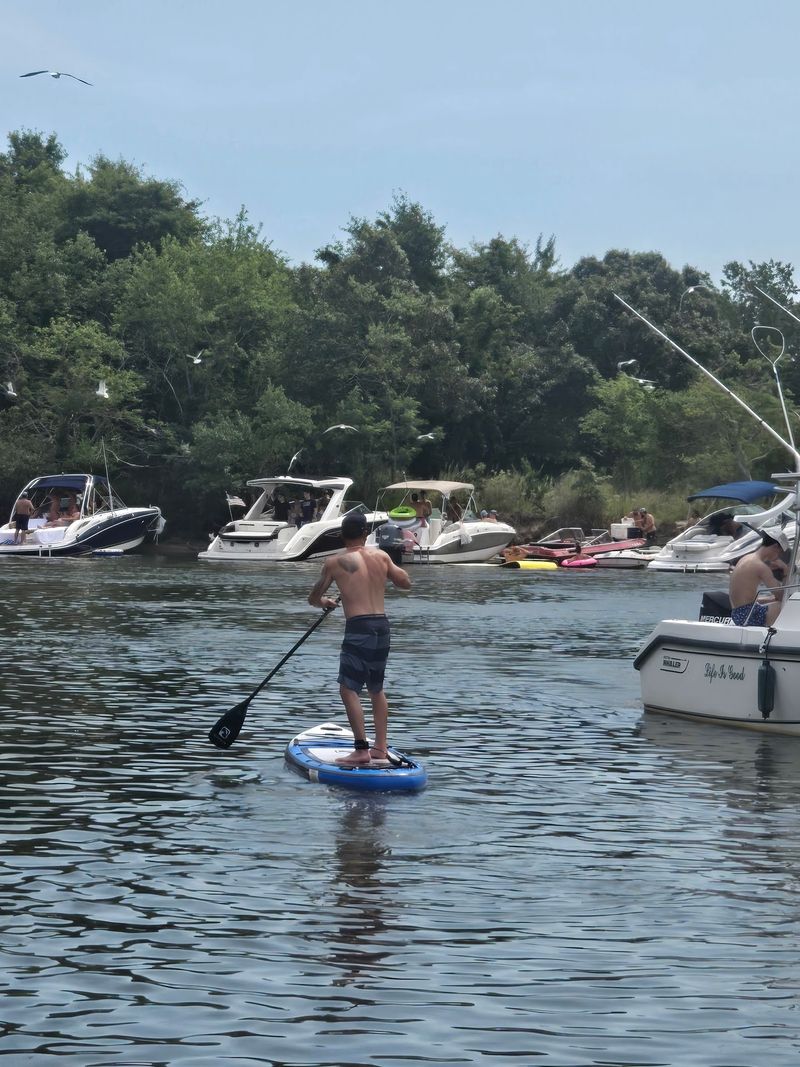
An inflatable tucked beneath a seat can be the clearest indication that nobody expects this to be a quick stop. Floats and swimming are associated with F-Cove’s summer gathering scene, giving groups another way to spend time together once the cruising pauses.
The enjoyable version of that afternoon starts with a little organization aboard. Keep lunch somewhere accessible, leave the ladder clear, and make sure everyone knows how to get back into the boat.
A crowded cockpit becomes considerably less charming when someone has to climb over three bags to reach a towel. Pack for time on the water rather than time at a serviced beach.
Drinking water, sunscreen, food, and a bag for rubbish earn their space quickly. Shade is another consideration: check what your boat actually provides before promising everyone a comfortable afternoon in full sun.
Floating also calls for judgment. An inflatable is something to relax on, not a substitute for a life jacket, and nobody should assume that a sheltered-looking cove has uniform depth or conditions.
Boats maneuvering nearby add another reason to keep swimmers visible and away from operating engines and propellers. Decide together when entering the water makes sense, and leave room for anyone who prefers to stay aboard.
You can enjoy the gathering without taking a swim. Lunch, conversation, and watching arriving boats can fill an afternoon perfectly well.
The best setup lets people choose their own pace without turning every movement into a production. That is part of the appeal of bringing your own floating base: your group can make the day as active or relaxed as conditions allow.
The float may be the most photogenic piece of equipment, but the ladder, shade, and thoughtfully packed cooler do plenty of the actual work.
Weekend Crowds Bring Music and a Lively Social Scene
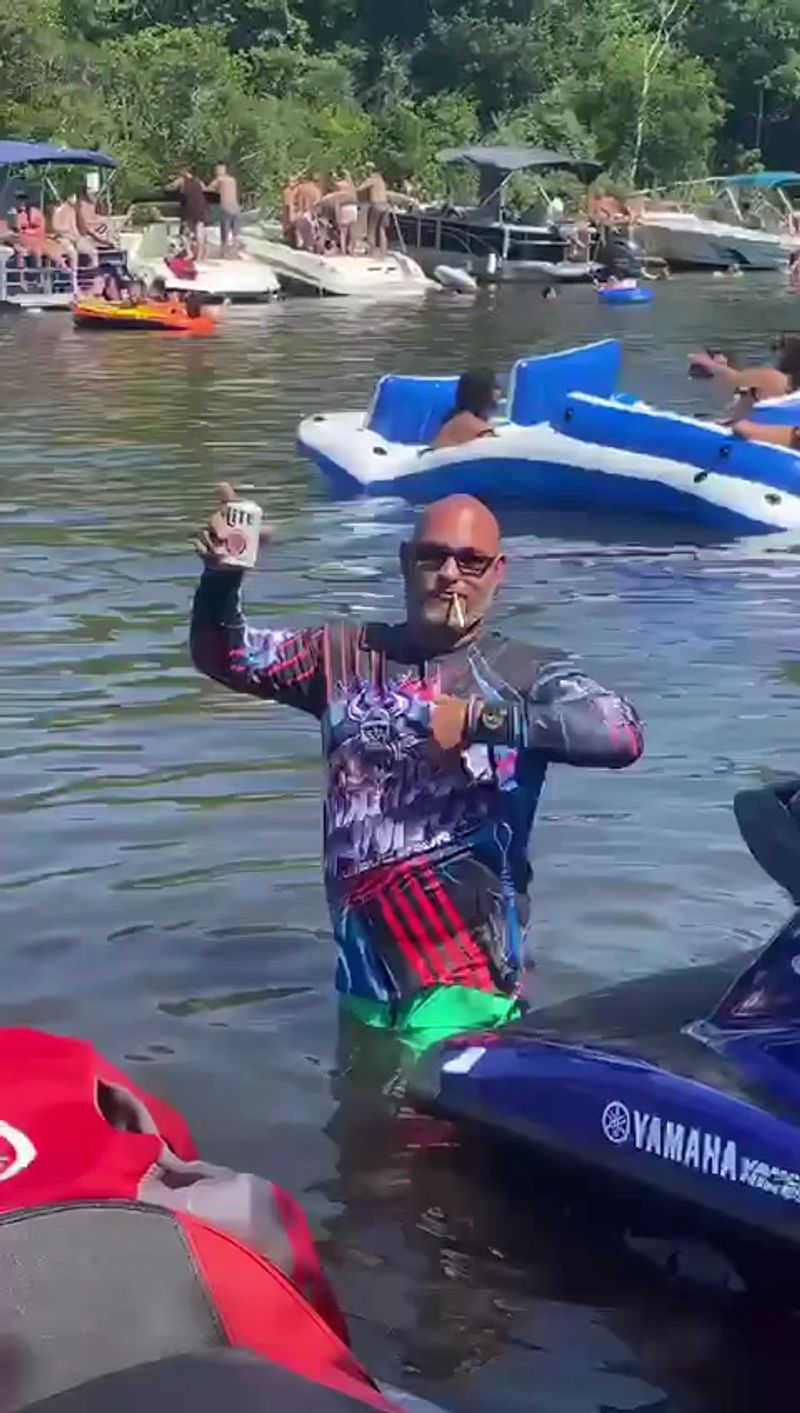
Choose a sunny summer Saturday and the company can become as much a reason to visit as the cove itself. F-Cove has a longstanding reputation for busy weekends, with recreational boaters gathering in numbers and music contributing to the atmosphere.
The contrast between quieter weekdays and a much livelier weekend scene is a big part of its local character. Think of the social side as something the arriving groups create together.
There is no reason to plan around a promised band, a scheduled DJ, or a particular performance. The soundtrack and energy depend on who turns up.
That unpredictability is part of the attraction for a group that enjoys being around other people, but it also means the experience will vary. One afternoon may suit conversation aboard; another may feel considerably more animated.
Crowds change the practical side, too. During busy summer periods, entering, leaving, and finding space have all been challenges here.
Brick’s marine police have documented unsafe operation around other vessels and have patrolled the area alongside State Police. Give the person at the helm time and room to concentrate.
Passengers can help by keeping sightlines clear and saving distracting requests until the boat is settled. Once your group has found a suitable place, a little consideration keeps the shared setting enjoyable.
Music does not need to win a volume contest, rubbish belongs aboard, and the route out should remain part of the plan. The party reputation makes more sense when viewed at that scale: friends bring their boats, their lunches, and their playlists, and separate outings become a larger gathering.
You still have your own seat and your own cooler, but the afternoon has plenty of neighbors.
Weekdays Reveal a Quieter Side of the Cove
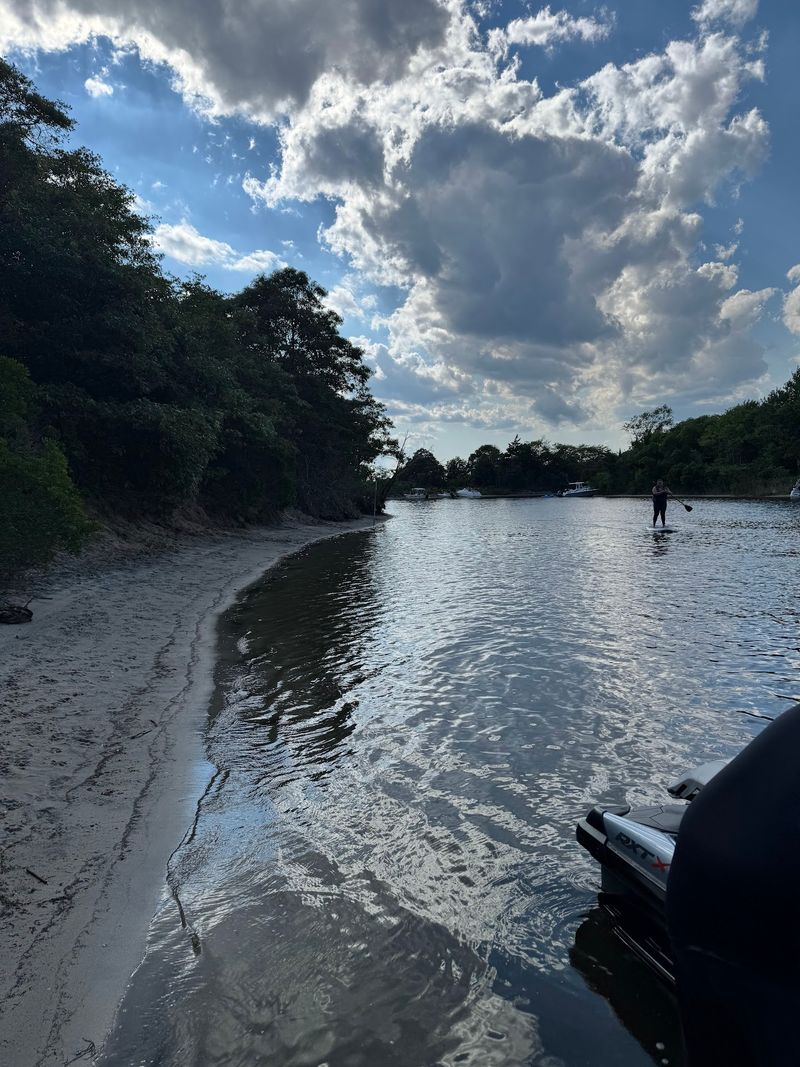
A Tuesday visit can answer a different question from a Saturday visit. Instead of wondering how many boats will gather, you may be wondering how long lunch can reasonably last before anyone suggests heading home.
F-Cove is known for a change in pace between the working week and summer weekends, with weekdays generally offering a quieter experience. That makes timing a meaningful part of planning, rather than a minor detail.
If your group wants conversation without competing with a lively neighboring crowd, a weekday is the more sensible starting point. It may also be preferable for someone who wants to get acquainted with the setting before returning during a busier period.
Fewer vessels can make it easier to take stock of the space, although weather, holidays, and other visitors still determine what you actually find. Quiet is a possibility, not a reservation.
With less social activity demanding attention, the setting gets a larger share of the afternoon. The lagoons lie beside refuge land within a much broader protected coastal landscape.
Edwin B. Forsythe National Wildlife Refuge extends along approximately 50 miles of New Jersey’s back bays, from the Brick area south toward Atlantic City.
F-Cove is one small part of that geography, and a slower visit gives you time to notice the relationship between the boating space and its undeveloped surroundings. Bring binoculars if watching wildlife interests you, while keeping your distance from birds and respecting closed land.
There is no need to manufacture a full schedule. Eat when you are hungry, stay aboard if that suits you, and let the conditions determine how long you linger.
For a crew that values an easy afternoon together, the quieter version of F-Cove may be the one that fits best.
What to Know Before Taking Your Boat to F-Cove
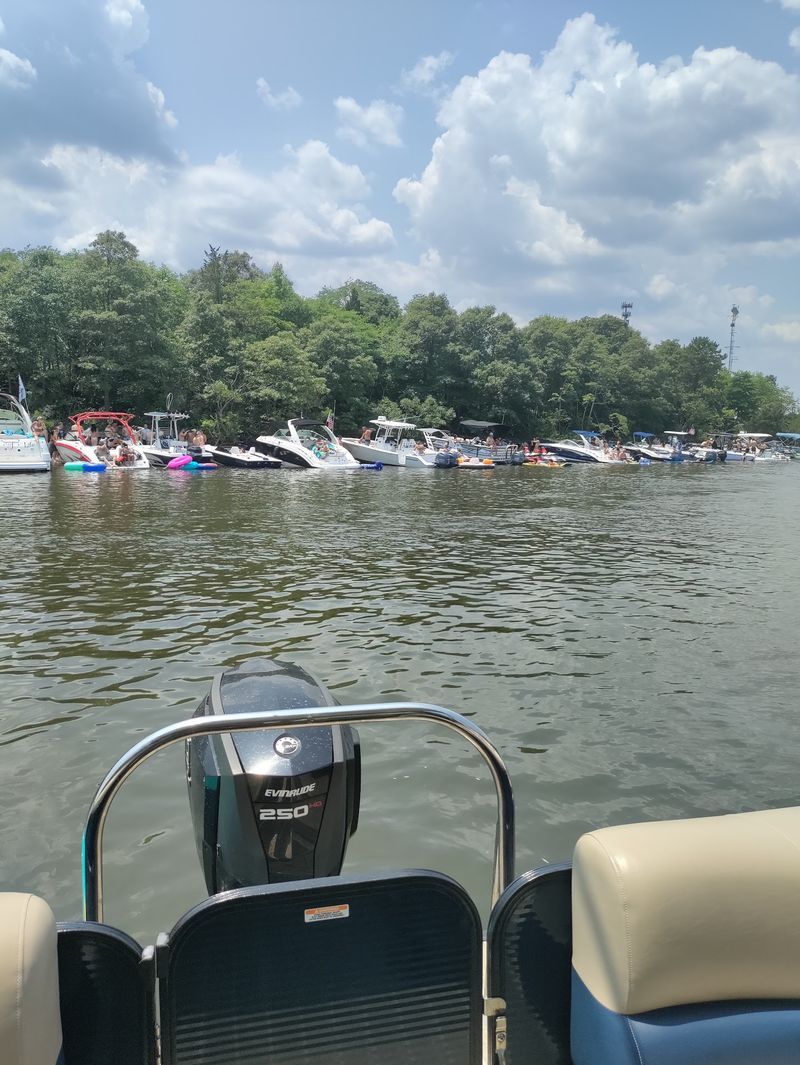
Start the planning with your vessel and its launch point. Nearby Traders Cove Marina and Park is located at 40 Mantoloking Road in Brick and has a boat ramp, making it a relevant facility to check when arranging a visit to this part of the bay.
Confirm its current operating arrangements, launch charges, and parking details before towing over. From there, use current navigation information and pay attention to your boat’s draft.
Historical descriptions identify shallow water at F-Cove’s entrance despite deeper water inside; those descriptions are not a substitute for checking present conditions. Arrival also requires flexibility.
If congestion, wind, or available room makes the stop uncomfortable, keep another destination in mind rather than squeezing the boat into a poor position. The most consequential access detail concerns the shoreline.
When the waterways reopened following the earlier closure dispute, signs prohibited entry onto refuge land. Current refuge guidance tells visitors to know which areas are open and obey posted restrictions.
Permission to be on the water should not be treated as permission to land, picnic, or wander ashore. For questions about refuge access, the visitor information number is 609-652-1665.
Check the marine forecast, agree on a capable sober operator, and pack what the group needs for the time you expect to spend aboard. Keep the return trip in mind throughout the afternoon, especially if changing weather would make the journey harder.
These are useful preparations for any bay outing, and they fit naturally here. Once the boat is settled and everyone understands the plan, attention can return to lunch, conversation, and the company nearby.
The cooler opens, someone finds a comfortable seat, and the cruise becomes an afternoon.
Share this story