A property tax bill of $1,156 sounds like someone forgot a digit—until you get to Walpack, where the residential tax roll is almost as small as the community itself. Elsewhere in New Jersey, lower bills come with oyster-country scenery, historic downtowns, or an ocean beach that doesn’t require a badge.
The surprises are real, but so are the differences between these places. A tiny rural township and a city across from Philadelphia offer very different versions of affordable living.
The figures below are average annual residential property tax bills from New Jersey’s 2025 residential statistics, rather than tax rates or promises about a particular house. A low average bill also doesn’t automatically mean inexpensive homes.
Still, these 15 communities make a useful starting point for anyone who wants more breathing room in the household budget—and something interesting to do once the moving boxes are finally unpacked and put away.
1. Walpack Township, Sussex County
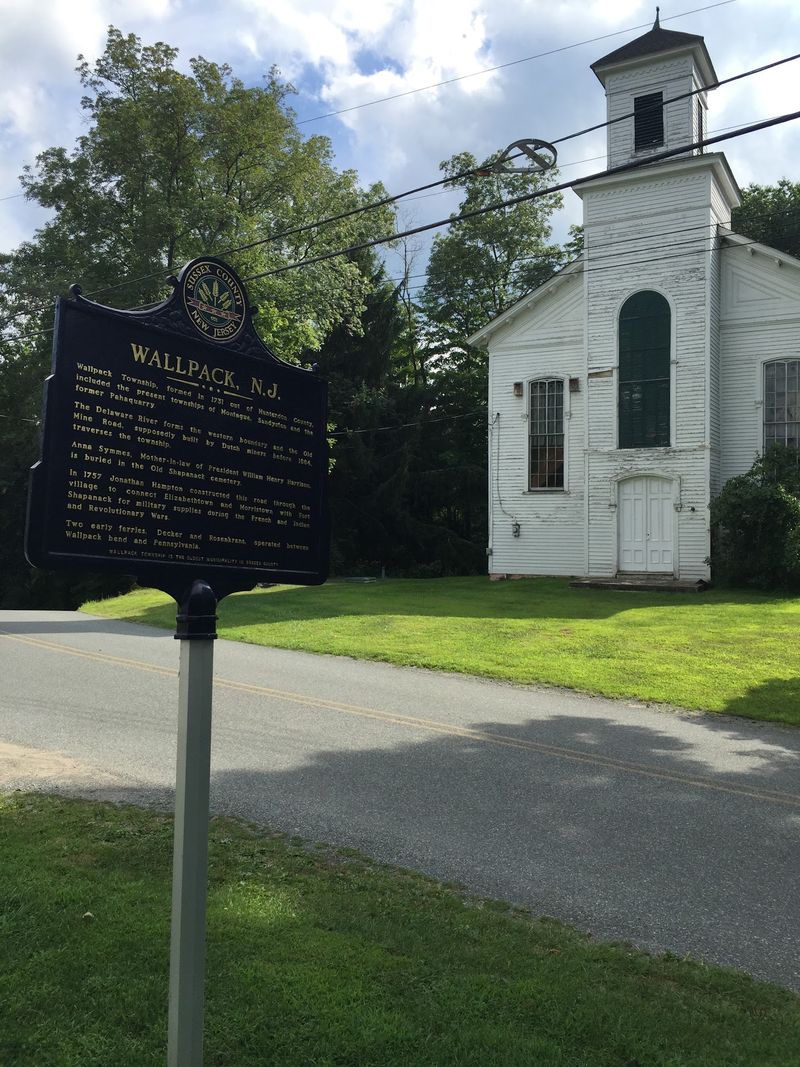
Eleven residential properties appear in the 2025 statistics for this Sussex County township. That tiny number helps explain why its $1,156 average annual property tax bill needs some context before anyone starts packing.
This is an unusual place to live, with an exceptionally limited housing supply and a landscape closely tied to the Delaware Water Gap National Recreation Area. The appeal becomes clearer around historic Walpack Center, where old buildings stand along a quiet village street.
The Rosenkrans House holds a small museum, while the Van Campen Inn sits across Walpack Ridge. A roughly one-mile Military Road Trail connects the two, giving a visit some substance beyond taking photographs through the windshield.
Historical society volunteers offer access on selected days, so checking arrangements beforehand is sensible. For a prospective resident, the bigger question is whether this setting suits everyday life.
Grocery runs, medical appointments, and other errands require planning; a peaceful afternoon drive becomes a different proposition when it is your regular routine. Spend time exploring the surrounding roads and testing those practical journeys before getting attached to the tax figure.
The township belongs on this list because its average bill is remarkably low. Its strongest selling point, though, is the opportunity to live close to a protected landscape—provided an actual available home and your daily needs line up.
2. Teterboro, Bergen County
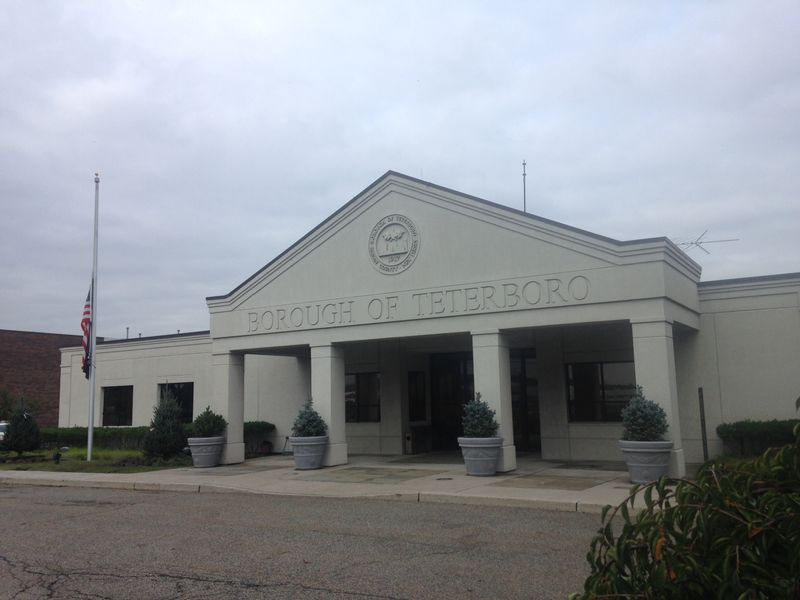
The sound of aircraft is part of the deal here. Bergen County’s airport borough posts an average annual residential property tax bill of $1,986, a striking figure in a county where many homeowners pay considerably more.
But the same statistics cover just seven residential properties. Finding a home is therefore a much bigger hurdle than finding a favorable number on a spreadsheet.
The airport and surrounding commercial landscape give this small municipality a character unlike a conventional residential suburb. Anyone considering it should spend time near a potential property at different hours, paying attention to aircraft activity, road traffic, and the experience of coming and going.
There is a worthwhile reason to visit even without a house hunt: the Aviation Hall of Fame and Museum of New Jersey, on the airport’s eastern side. Its aircraft and aviation exhibits put the borough’s defining industry into context.
The location also places residents near the wider shopping and employment network of Bergen County. Think of this as an exceptional case in the affordability conversation.
The low average bill is meaningful, but housing availability, the immediate surroundings, and commuting costs determine whether it translates into a workable choice. For someone whose job and preferences fit the area, the numbers deserve attention.
For everyone else, it is a fascinating reminder that municipal boundaries can produce some very unexpected tax comparisons.
3. Woodbine, Cape May County
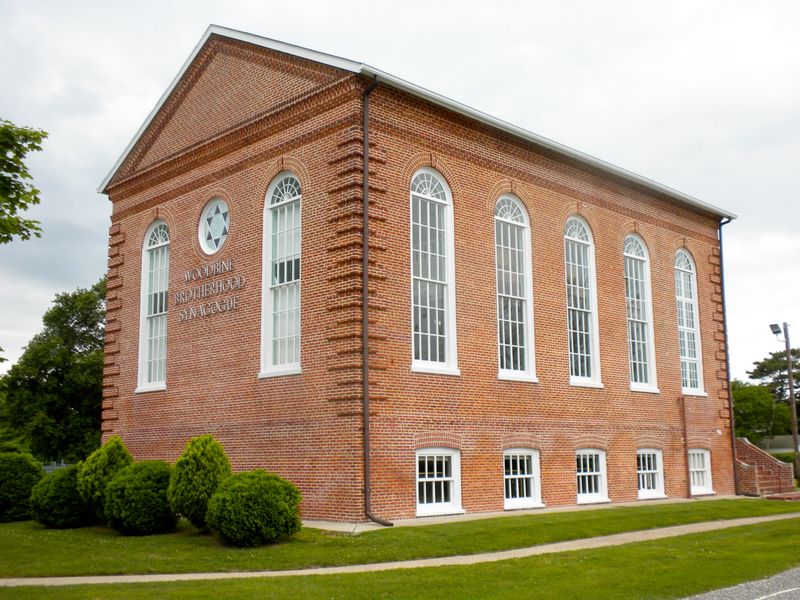
Jewish agricultural settlement helped shape this inland Cape May County borough, and that history gives it an identity beyond simply being somewhere cheaper than the beach. The Sam Azeez Museum of Woodbine Heritage preserves the community’s story, including the lives of immigrants who helped establish it.
Make that your first stop when exploring the area; it provides a much better introduction than driving through and assuming you have seen everything. The average annual residential property tax bill is $2,101, placing the borough among the strongest low-bill candidates on this list.
Its inland location also changes the housing conversation. You are looking at an established community away from the barrier-island setting, with the beaches becoming outings rather than the backdrop to every errand.
Nearby Belleplain State Forest adds another reason to spend time in this part of the county. A day exploring woodland and local history gives a more realistic picture of the area than a quick summer drive toward the ocean.
For anyone considering a move, test the routes to work, supermarkets, and whichever shore town you would actually visit most often. Cape May County covers more ground than its vacation image suggests.
The attraction here is the combination: a particularly low average tax bill, a distinctive local story, and access to the county’s outdoor possibilities. It is a practical place to investigate if you can happily trade an oceanfront address for an inland home base.
4. Camden, Camden County
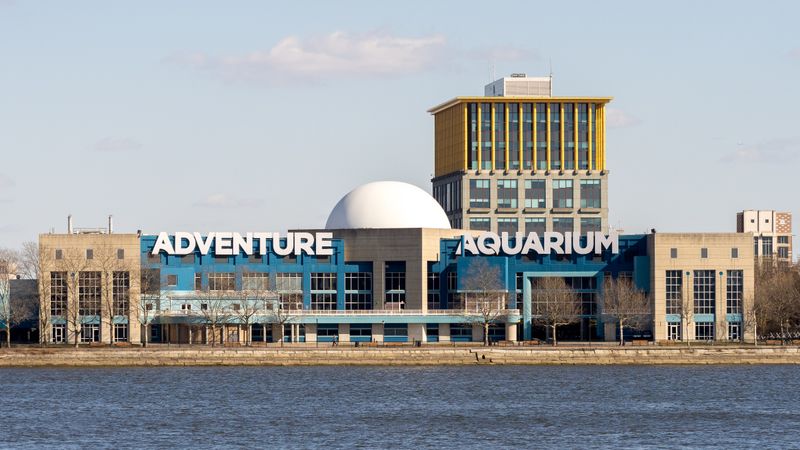
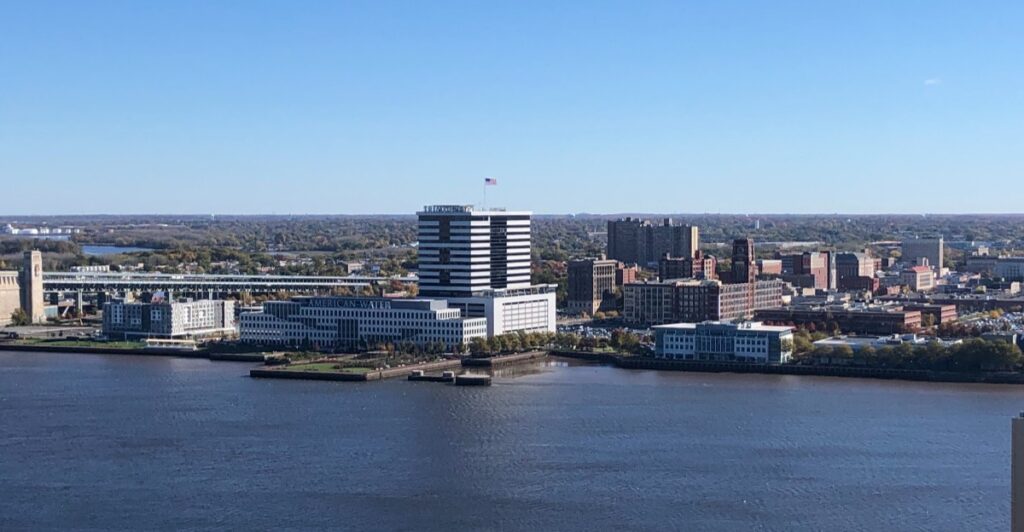
Across the Delaware River, Philadelphia’s skyline supplies a backdrop that few bargain-minded house hunters expect to find in New Jersey. The waterfront offers an easy introduction, with Wiggins Waterfront Park, Adventure Aquarium, and the Battleship New Jersey giving visitors several reasons to linger.
Walk along the river before heading into residential areas; the contrast helps show how much variety exists within one city. An average annual residential property tax bill of $2,167 makes the city stand out sharply.
That figure reflects the properties on its residential tax roll, however, and should never become a shortcut for judging an individual home. Condition, location, and the cost of repairs can change the affordability picture quickly.
This is also one of the more useful entries for readers who want an urban setting. PATCO connections can make Philadelphia access part of the appeal, although the distance between a particular house and a station matters more than a broad promise about convenience.
Visit the neighborhood you are considering during the day and evening, and actually make your likely commute. A waterfront afternoon and an everyday residential routine are different experiences.
The city deserves consideration because its low average bill comes with access to regional jobs, education, and major attractions. Choose carefully at the block and property level, and the conversation becomes much more useful than either dismissing the whole city or treating every inexpensive listing as a bargain.
5. Lower Alloways Creek Township, Salem County
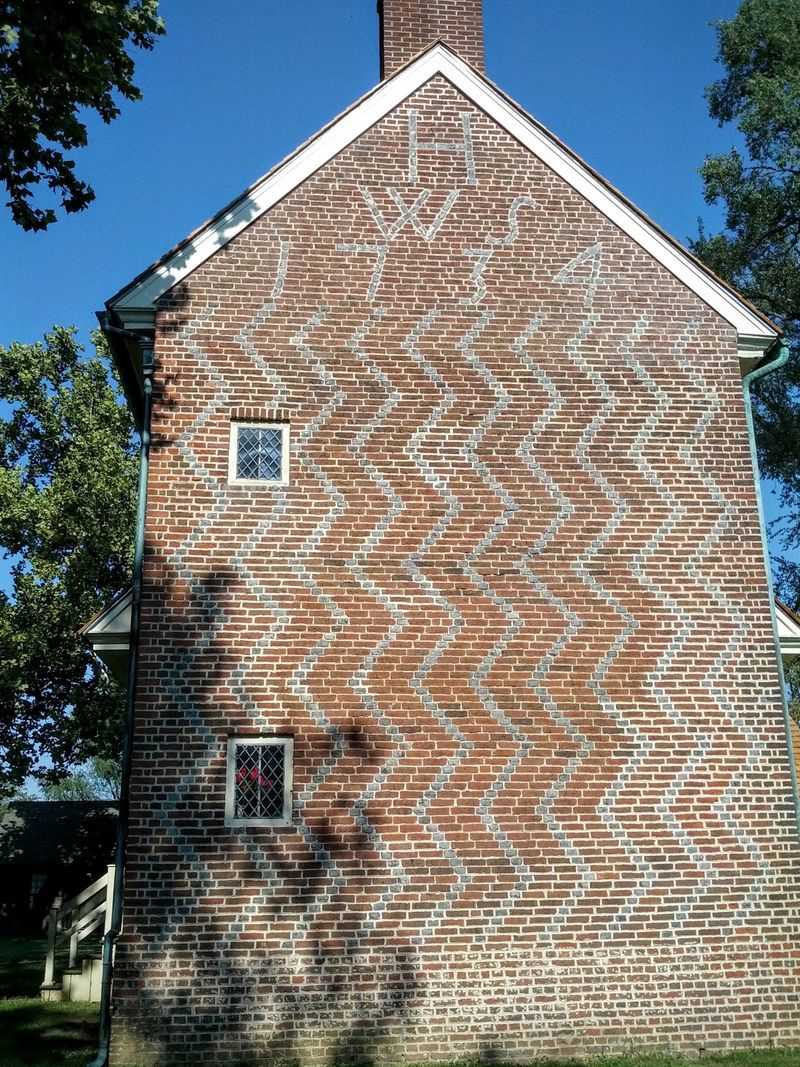
Patterned brickwork and Revolutionary War history make the Hancock House a memorable first stop in this Salem County township. Located in Hancocks Bridge, the historic house recalls the deadly British attack of March 1778.
Its architecture is worth studying, too: the decorative end-wall brick pattern belongs to a distinctive building tradition of southwestern New Jersey. Check visitor arrangements before making a special trip.
Beyond the historic site, the landscape opens into fields, waterways, and marshland. This is a rural part of the state where a drive between destinations becomes part of the day, rather than an inconvenience squeezed between closely spaced shopping centers.
The average annual residential property tax bill is $2,601, giving prospective homeowners a clear reason to investigate. The township also contains the Salem and Hope Creek nuclear generating stations, an important part of its physical and economic identity.
Look at the location of any prospective home in relation to employment, services, and the surrounding landscape. A useful scouting trip includes the ordinary stuff: find the grocery store you would use, drive to your workplace, and see how far routine appointments would take you.
Those details determine whether the rural setting feels liberating or cumbersome. For someone who enjoys agricultural scenery and values having space around daily life, this township offers a compelling combination.
The tax figure gets your attention; the roads, fields, and small communities help you decide whether to stay.
6. Commercial Township, Cumberland County
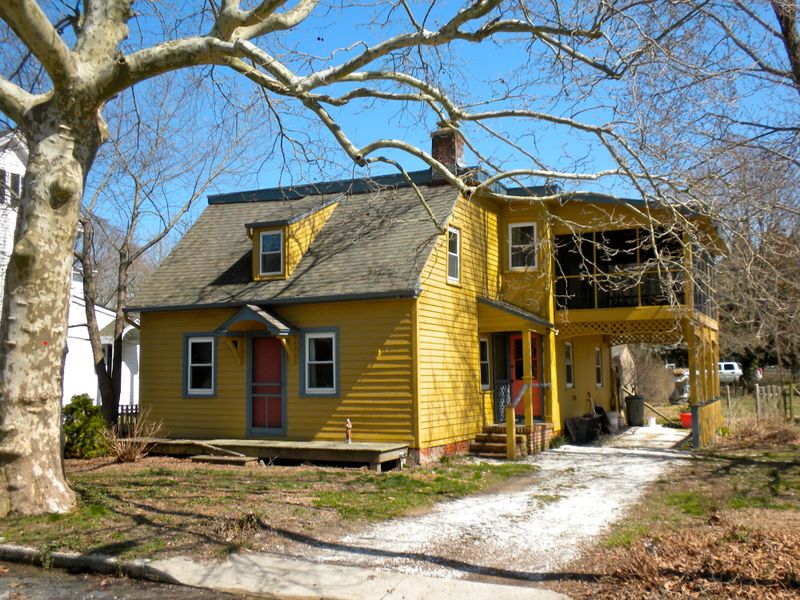
Oyster shipping sheds along the Maurice River tell you more about this township than its businesslike name ever could. At Bivalve, the Bayshore Center preserves the story of a working waterfront shaped by the oyster industry.
The Delaware Bay Museum occupies historic shipping sheds and wharves, making it a particularly good place to understand how the river supported the surrounding communities. Port Norris and nearby settlements give the township a distinctly local identity.
Spend time around the waterfront, then explore the residential roads rather than assuming the museum area represents every neighborhood. An average annual residential property tax bill of $3,010 provides the financial reason for inclusion.
The setting supplies the rest: waterways, open land, and a South Jersey landscape that feels far removed from dense commuter suburbs. Living here generally calls for comfort with driving to larger shopping and service centers.
Millville and Bridgeton become useful reference points when assessing a particular address, though the route from the actual property matters. Home condition deserves equal attention, especially when comparing older houses with apparently attractive asking prices.
Depending on the location, investigate drainage, flood exposure, and insurance costs as part of the ownership calculation. The best fit is someone who sees a working river and a quieter residential setting as everyday assets.
Visit with enough time to explore beyond the main roads. This is a place whose appeal becomes clearer when you slow down and look at how its communities connect.
7. Salem, Salem County
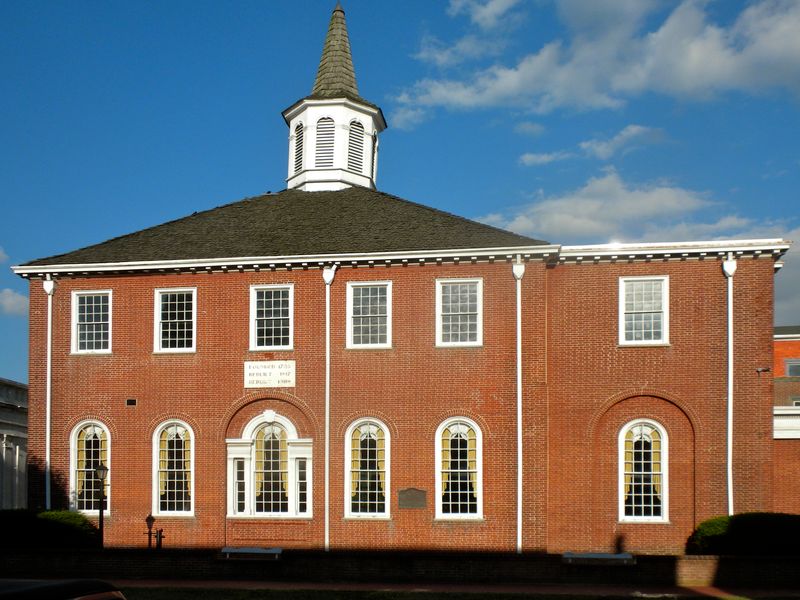
Brick buildings and a long-established street grid give this small city the feel of a county seat with a substantial past. Broadway and Market Street provide a natural starting point for exploring, and the historic surroundings reward a walk more than a hurried pass through town.
Founded in the seventeenth century, the city carries a history that predates many better-known New Jersey destinations. Its average annual residential property tax bill is $4,027.
That is a useful figure for buyers investigating lower recurring costs, but this entry also illustrates why a low bill and a low tax rate are separate ideas. The value and assessment of the home still matter.
So does the amount of work needed after purchase. Older properties can offer character, generous rooms, and interesting architectural details; they can also come with expensive roofs, aging systems, or renovation requirements.
If a house falls within a regulated historic area, understand the rules before planning exterior changes. The city has a Historic Preservation Commission, making that a practical question rather than a distant possibility.
For a visit, explore the central streets and then drive through the surrounding agricultural county. For a move, add a detailed inspection and a realistic commuting trial.
The appeal is an established urban center at a smaller scale, surrounded by South Jersey countryside. Buyers who enjoy historic buildings and are willing to assess each property carefully may find the numbers here especially interesting.
8. Dennis Township, Cape May County
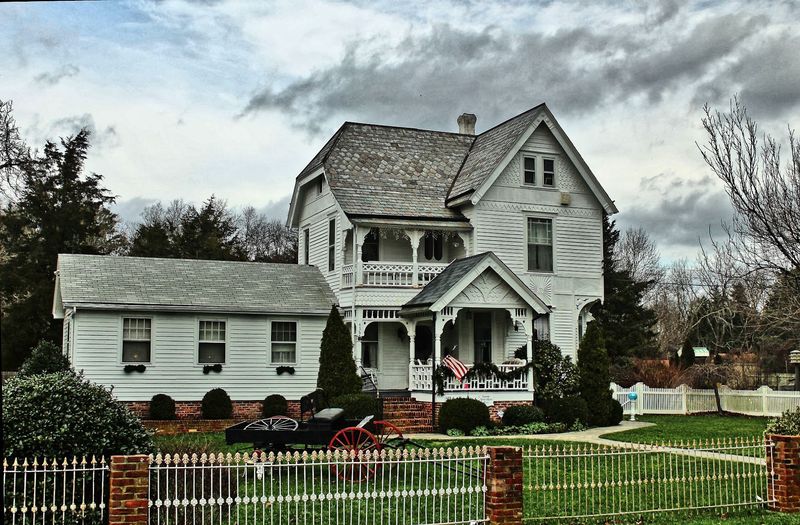
A turn off the main road can take you into a village where older houses and local history feel more relevant than the summer traffic heading toward the shore. Dennisville is a particularly good starting point, but the township also includes communities such as Belleplain, South Seaville, Clermont, and Ocean View.
Those names describe different settings, so it pays to explore more than one. The Dennis Township Museum and History Center collects photographs, artifacts, and documents connected with these communities, providing an introduction to their individual stories.
The average annual residential property tax bill is $4,061. For readers drawn to Cape May County, that makes the township worth a closer look before focusing entirely on beach addresses.
Inland neighborhoods can offer a different rhythm, with the ocean becoming a planned outing and woodland or village roads forming the everyday backdrop. Belleplain State Forest adds outdoor appeal nearby.
A scouting trip could combine the museum, a drive through several communities, and time exploring the forest area. That will tell you more than a single stop on a crowded July afternoon.
If you are considering a home, drive your beach route during the season you expect to use it most. Summer traffic can change an otherwise straightforward journey.
The township’s strength is its variety within one municipal boundary. Choose the community and property that suit your routine, and the lower average tax bill becomes part of a broader, more convincing affordability picture.
9. Bridgeton, Cumberland County
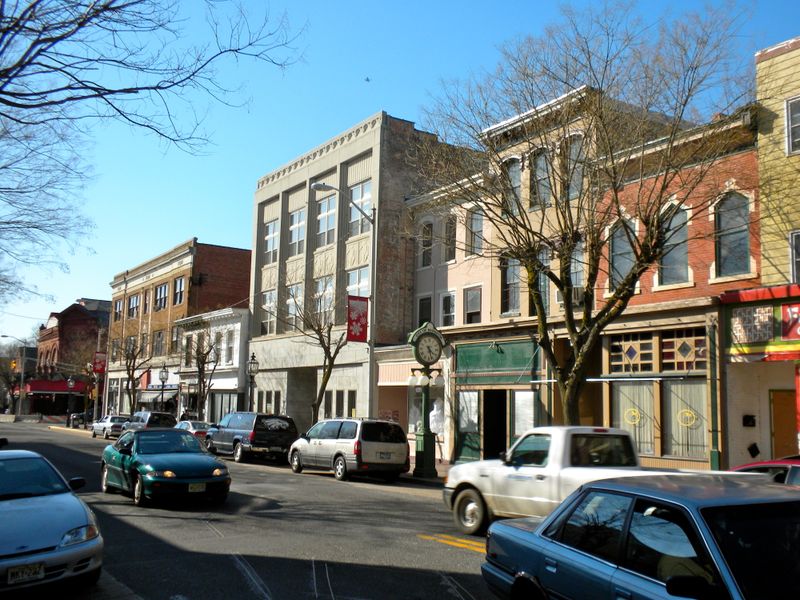
A free zoo inside an expansive city park is a fairly convincing argument for keeping weekend entertainment costs under control. Cohanzick Zoo gives this Cumberland County city a family outing that does not begin with buying admission tickets.
The surrounding park adds walking trails, picnic areas, and playing fields, making the visit bigger than a quick look at the animals. The average annual residential property tax bill is $4,186, and the city offers another kind of value through its historic buildings and Cohansey River setting.
Explore the downtown streets, look up at the older architecture, and spend some time near the river. This is an established place with its own center, rather than a residential development borrowing its identity from the next town over.
For potential buyers, the housing stock requires attention to condition. An older home with appealing proportions may need substantial work, and the purchase price alone will not tell the full story.
Evaluate the immediate block, parking arrangements, maintenance needs, and the journeys you would make regularly. It is also worth visiting at several times rather than judging daily life from one pleasant park afternoon.
The combination here is easy to appreciate: a relatively low average property tax bill, substantial public recreation, and a historic city setting. Residents who enjoy having familiar streets and local outdoor options may find that more appealing than paying extra for a larger suburban address.
10. Atlantic City, Atlantic County

You can walk onto the ocean beach without buying a beach badge, then spend an hour on the Boardwalk without spending anything at all. That is a useful reminder that everyday life here need not revolve around casino floors or expensive weekends.
The beach and Boardwalk are public pleasures, and they give residents an outdoor routine that inland communities cannot duplicate. An average annual residential property tax bill of $4,225 puts the city comfortably within this lower-bill selection.
Still, comparing homes here takes care. A condominium may carry association fees that reshape the monthly budget, while a house can bring a different set of maintenance responsibilities.
Location, building condition, and any applicable flood insurance also belong in the calculation. Start a visit with the Boardwalk, then explore the residential neighborhood you would actually consider.
The experience near a busy visitor corridor differs from the experience several streets away, and summer activity changes the feel of familiar routes. Test parking and your commute during realistic conditions.
The city can make sense for people who want year-round ocean access, hospitality employment nearby, or a setting with more activity than a small shore borough. It is worth looking beyond the vacation image and asking practical questions about a specific address.
The tax figure is attractive; finding the right property is what turns that number into a workable coastal lifestyle.
11. Downe Township, Cumberland County
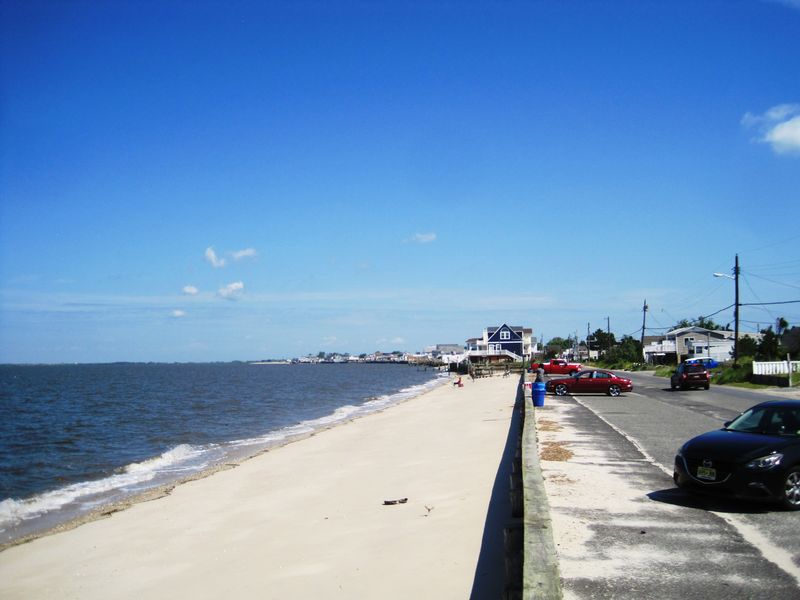
At Fortescue, fishing boats and Delaware Bay views replace the amusement piers many people associate with coastal New Jersey. Newport offers another introduction to this Cumberland County township, where marshes and open land play a larger role than commercial strips.
The scenery is part of the appeal, especially for anyone whose preferred afternoon involves birdwatching, fishing, or simply being near the water. The wider area includes Glades Wildlife Refuge, with marsh, woodland, and other habitats adding outdoor interest.
The average annual residential property tax bill is $4,253. That makes the township a reasonable candidate for buyers seeking lower annual bills, although waterfront and low-lying properties deserve particularly careful investigation.
Check flood exposure, insurance, drainage, and the condition of the home before treating a modest asking price as the final cost. This is also a place where the everyday driving pattern matters.
Visit the community you are considering, then make the journeys to groceries and other services. A beautiful bay view does not tell you how a busy Tuesday will work.
For a relaxed scouting trip, spend time in both Fortescue and Newport and notice how the surroundings change between them. Bring binoculars if wildlife watching interests you.
The township offers a quieter coastal identity with a relatively low average tax bill. Its best audience is people who appreciate the bayshore on its own terms and are comfortable organizing daily life around a rural setting.
12. Corbin City, Atlantic County
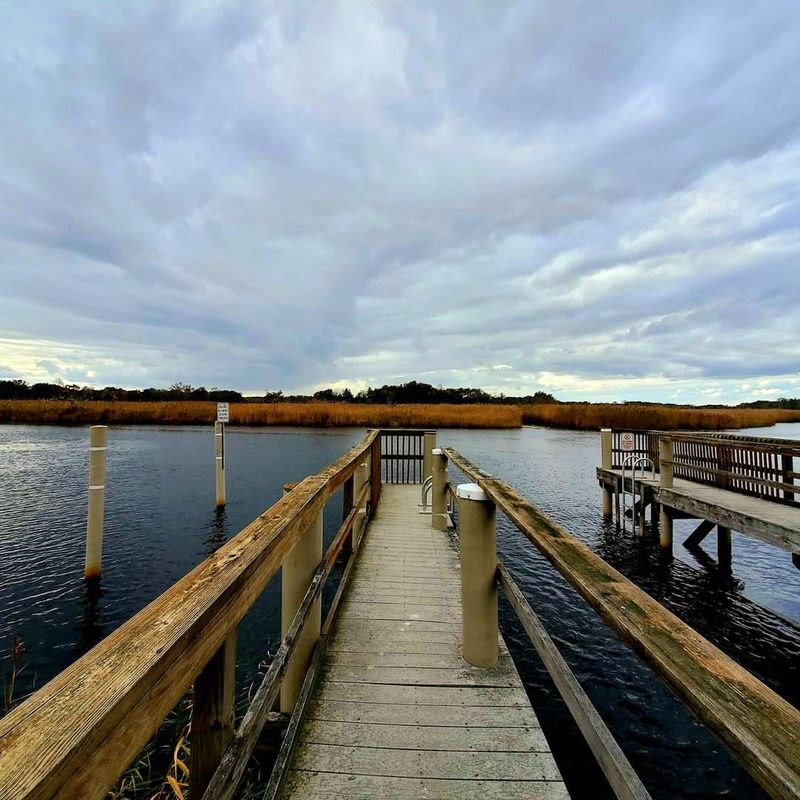
The word “city” does some ambitious work in this small Atlantic County municipality. The surrounding landscape is better introduced through the Tuckahoe Wildlife Management Area, where salt marsh, freshwater habitats, impoundments, and Pine Barrens woodland stretch across parts of Atlantic and Cape May counties.
It is a substantial outdoor resource, and the portions around this community make wildlife watching a more fitting first activity than searching for a busy downtown. The average annual residential property tax bill is $4,453.
Its inclusion reflects the appeal of a lower-bill municipality with access to southeastern New Jersey’s natural landscape. The residential setting is small-scale, so anyone shopping for a home should expect the available inventory to determine much of the search.
Make a visit more useful by driving through the residential areas as well as exploring permitted recreation access. Check wildlife management rules before setting out, particularly during hunting seasons, and stay on appropriate public routes.
For a potential move, map the actual distances to employment and essential services. Nearby communities will handle many of the errands that a larger municipality might accommodate within its own boundaries.
This place may appeal to buyers who want outdoor access and a quieter home base while remaining in the Atlantic County region. The name might suggest pavement and storefronts; the stronger attraction is the surrounding open landscape and the possibility of a more manageable annual tax bill.
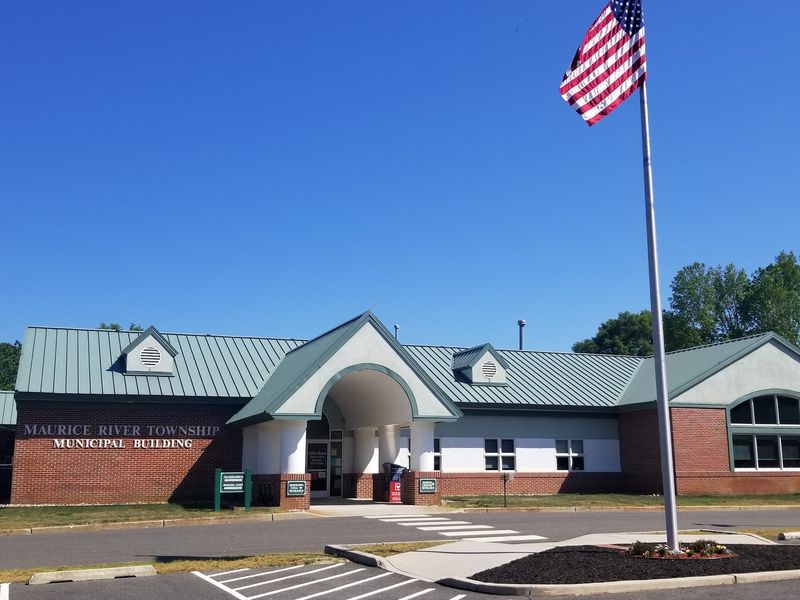
13. Maurice River Township, Cumberland County
A lighthouse at the mouth of a river makes a memorable introduction to this part of Cumberland County. East Point Lighthouse, near Heislerville, dates to 1849 and combines a keeper’s dwelling with its tower.
The surrounding bayshore setting helps explain why this township appeals to people who value water, wildlife, and open space. Confirm access arrangements before planning a visit around the building itself.
The average annual residential property tax bill is $4,625. The township includes several distinct communities, so a search here should start with a map rather than an assumption that every address offers the same experience.
Heislerville, Leesburg, and Dorchester provide different starting points for exploring the area. The Maurice River itself is central to the landscape and to the region’s working-waterfront history.
On a scouting trip, follow public roads through more than one community and pay attention to the distances between homes, shops, and larger service centers. Prospective residents should consider the cost of driving alongside the tax bill, especially if work involves a substantial commute.
For properties near water or marshland, investigate flood and insurance questions early. The attraction is a daily connection to a less developed part of New Jersey, with a relatively low average bill adding financial interest.
If your idea of a worthwhile view includes riverbanks and bayshore skies, this township gives you plenty to consider beyond the numbers.
14. Folsom, Atlantic County
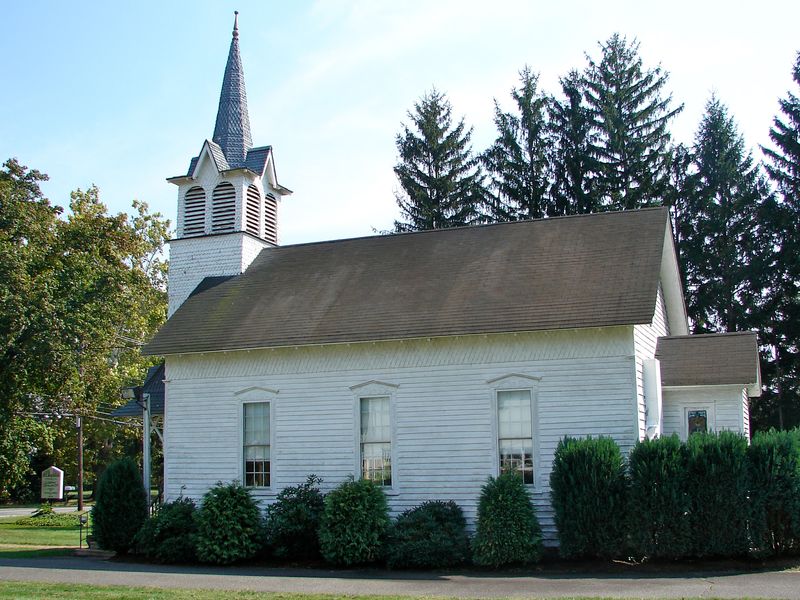
Road access can matter just as much as scenery when you are trying to make an affordable address work. The Black Horse Pike, US 322, runs through this Atlantic County borough, while Route 54 connects it with the Hammonton area.
Those corridors make the location worth examining for people who want a quieter residential base with routes to neighboring employment and shopping centers. They also mean that the experience of a home beside a major road can differ considerably from one farther into a neighborhood.
An average annual residential property tax bill of $4,709 gives the borough its place on this list. The setting leans toward wooded South Jersey rather than a compact downtown with everything within walking distance.
A good exploratory visit involves residential roads, a realistic shopping trip, and some time in nearby Hammonton to understand the wider area you would use. Resist judging convenience solely from lines on a map.
Traffic, turning movements, and the location of a particular driveway can affect the daily experience more than a promising-looking distance. Spend time near any prospective property and listen to the surroundings.
Buyers should also look closely at the home’s condition and utility arrangements. The appeal here is practical: a lower average bill, an established borough, and road connections that may suit a regional routine.
It is especially worth investigating if your budget favors a smaller community but your work and errands still require regular access to busier places.
15. Shiloh, Cumberland County
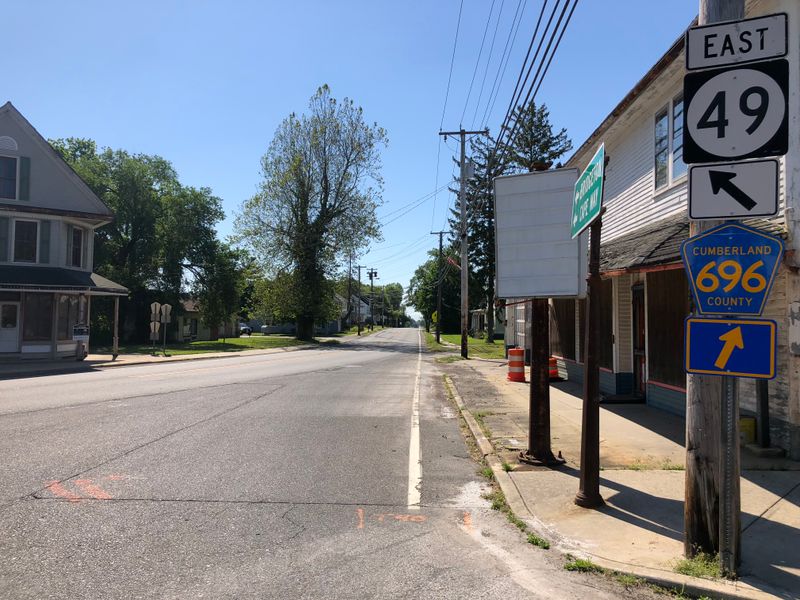
Several Seventh Day Baptist families purchased land here in 1705, giving this small Cumberland County borough a community story that reaches back more than three centuries. Originally known as Cohansey Corners, the village eventually became an independent municipality in 1929.
That long history helps explain its identity as a recognizable place rather than simply a collection of houses along a road. The average annual residential property tax bill is $4,778, and the 2025 statistics list just 184 residential properties.
It is a small market, so available homes may be limited even when the location suits your needs. Route 49, known locally as Shiloh Pike, offers a useful way to get oriented, with Bridgeton providing a nearby center for additional services and outings.
Explore the village streets, then drive through the surrounding agricultural landscape. The appeal is the scale: a compact community with countryside close at hand, rather than a large township spread across numerous settlements.
Before making a housing decision, test your routine from the specific address. Work travel, grocery shopping, and medical appointments matter more than a general description of rural convenience.
Older homes also need careful inspections and realistic maintenance budgets. For someone seeking a small-community setting and a lower average annual tax bill, this borough makes a thoughtful final addition to the list.
Its strongest invitation is understated: an established village, a substantial past, and the possibility of keeping everyday ownership costs more manageable.
Share this story