The old bank vault in Spring Lake has a new job: hosting private dinners. In Matawan, an 1850 church serves Italian food beneath its vaulted ceiling.
And in Bound Brook, a former railroad station sends people home with pizza instead of train tickets. These buildings give dinner an extra layer of character, but their past lives are more than decoration.
A grain barn still feels built for gathering; a firehouse makes perfect sense as a place for barbecue and beer. Across New Jersey, owners have found ways to keep distinctive buildings in use while giving people a reason to step inside.
Some restaurants on this list call for a reservation and a long evening. Others are easy stops for a sandwich, a pint, or a weeknight meal.
In each, the building is part of the pleasure of going, and the food gives you a reason to come back.
1. A Salute – Matawan
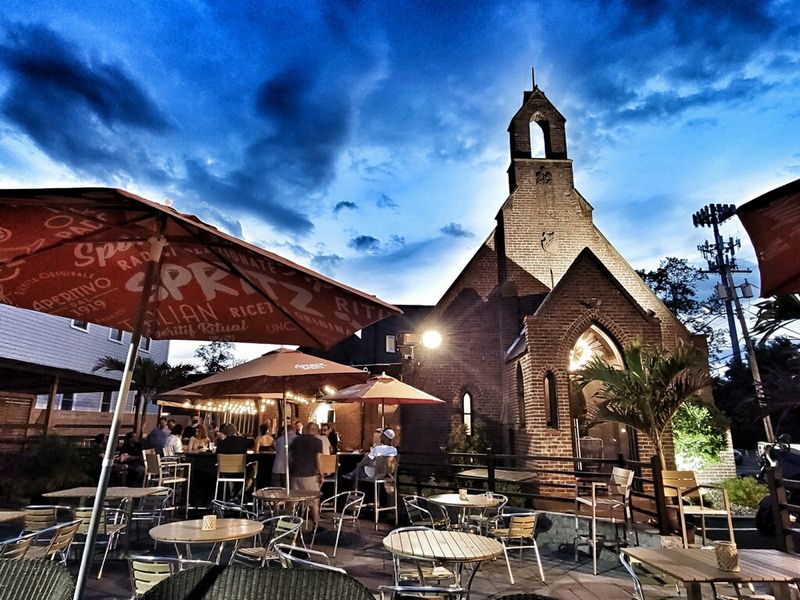
An Italian dinner beneath Gothic arched windows is a change from the usual night out on Main Street. A Salute occupies an 1850 church in Matawan, with tables in the former sanctuary beneath a vaulted timber ceiling.
The room retains the scale of its earlier life, but the menu belongs firmly to the present: pasta, seafood, cocktails, and Detroit-style pizza all have a place here. Start with the antipasto if the table is sharing.
Grilled octopus with potatoes, tomato, and olives offers another way in, while the kitchen’s rotating specials make it worth asking about fresh fish or seasonal pasta before settling on an order. For a more casual visit, take a seat at the bar, where the full food menu is available.
The square pizza, with its crisp-edged style, is especially good company for a drink. The building can make an ordinary dinner feel like an occasion, though there is no need to wait for a birthday to visit.
A Salute also has a patio when the weather cooperates. If your aim is to eat beneath those soaring church-room ceilings, request the main dining room when you book.
It is the clearest way to appreciate what has been kept from the building’s past while enjoying what the kitchen is doing with it now.
2. Marée – Spring Lake
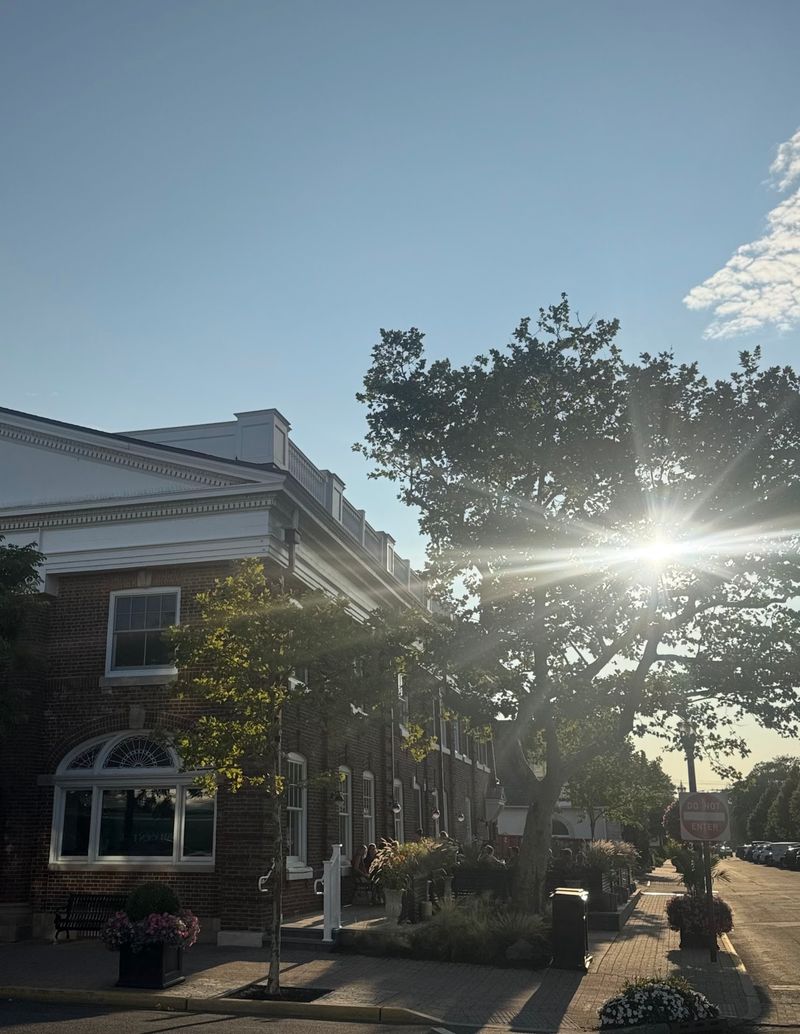
Spring Lake’s old bank vault once protected valuables. At Marée, it has become a private dining room, and the former bank around it now houses a French coastal bistro.
That history gives the restaurant a memorable detail, but there is plenty for a party of two as well: a dining room, a bar, and a patio a short walk from the shore. The menu takes its cues from the season and the catch, so arrive ready to see what is being served that day.
The bar is an appealing starting point for a cocktail and a leisurely look at the menu. If you prefer a smaller outing, Marée’s weekday happy hour gives you a chance to experience the space without committing to a full dinner.
The kitchen also makes room for comforting bistro choices alongside its coastal focus. There is a pleasing little reversal in the building’s new use.
Where customers once came to conduct business, people now linger over another glass of wine. The Vault can be reserved for a private gathering, while the main room works for a date or dinner with friends.
Book ahead for a weekend evening; this is a compact downtown restaurant rather than a sprawling shore dining hall. Stay long enough to look around before you leave—the vault is a detail worth noticing, even if your table is elsewhere.
3. The Grain House Restaurant – Basking Ridge
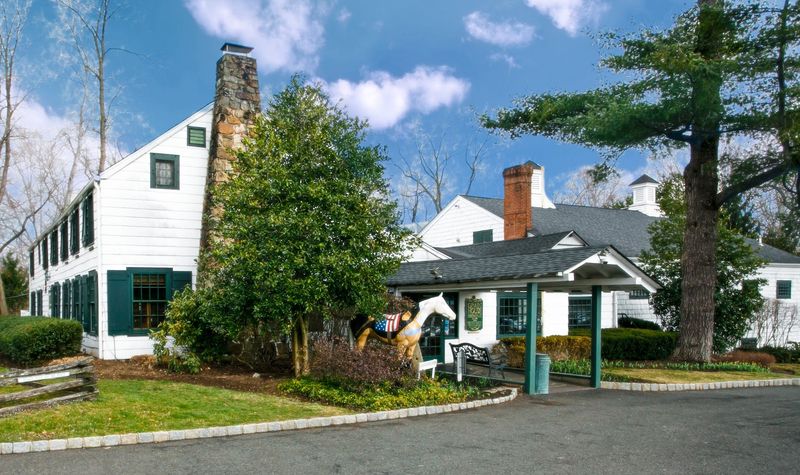
Long before anyone ordered dinner here, grain was stored inside this building. The barn dates to the 18th century and was associated with a nearby gristmill; it was later moved and adapted for dining.
Today, the Grain House sits on the Olde Mill Inn property in Basking Ridge, where its old structure gives a meal a sense of place that would be hard to build from scratch. The menu leans toward classic American restaurant cooking.
You can make dinner of a substantial main course or settle into a more casual visit at the Coppertop Pub. That flexibility suits the building: a family meal, a celebratory dinner, and a drink with something to eat each feel at home here.
Seasonal offerings change, so it is worth checking the current menu if you have a particular dish in mind. The Grain House is especially satisfying for people who like their history visible rather than confined to a plaque.
Its earlier purpose explains the building’s sturdy proportions and its name. Yet the best reason to go is that it still serves as a gathering place.
You can have a proper dinner, linger over conversation, and leave having spent time inside a piece of Basking Ridge’s working past. Reservations are sensible for weekend dinner or a holiday meal, when the restaurant and inn draw guests with plans to stay awhile.
4. Ho-Ho-Kus Inn & Tavern – Ho-Ho-Kus
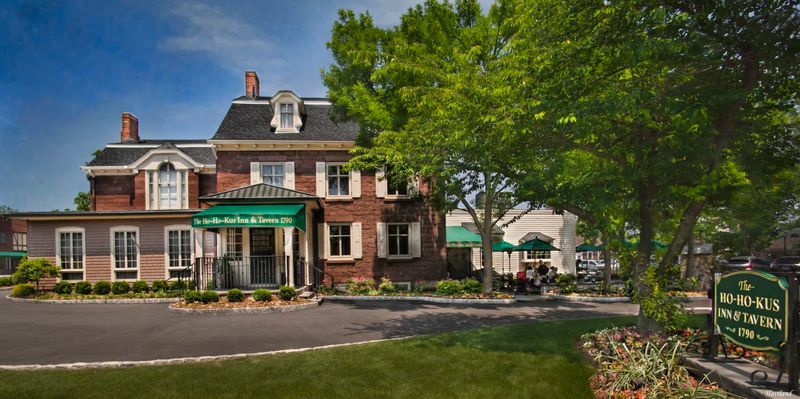
Order the Zabriskie Burger and you are nodding to the family connected to the house’s beginning. Built in 1796 as a private residence, the Ho-Ho-Kus Inn & Tavern has lived several lives since, including time as a parsonage and hotel.
It is now a restaurant where the historic setting and a wide-ranging menu make room for both a casual lunch and a more involved dinner. The burger comes with sharp white cheddar, bacon, aioli, and an onion ring, which gives you an idea of the kitchen’s generous streak.
For a smaller start, consider warm pretzels with cheese fondue or bacon-wrapped, goat cheese-stuffed dates. The menu then ranges from house-made pizza and sandwiches to roast chicken, seafood, pasta, and steaks.
You can visit with very different appetites and still find a reason to stay. One of the pleasures here is choosing the kind of outing you want.
A quick meal at the tavern end feels different from a longer dinner in a historic inn, even though both share the same address. Outdoor patio dining is offered when the season allows.
The building stands at a prominent Ho-Ho-Kus intersection, so it is easy to spot once you arrive. Make a reservation for dinner, then give yourself a moment to take in the old house before the food claims your attention.
5. The Vreeland Store – West Milford
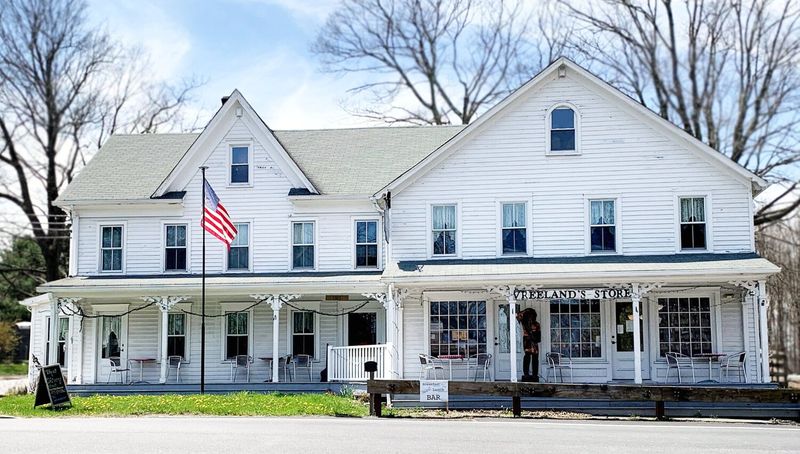
A general store used to be the place to pick up everyday necessities and hear what was happening around town. The Vreeland Store still fills part of that role in West Milford, though these days you are more likely to leave with a bakery treat than a sack of grain.
The building’s history reaches back to the 19th century, when it served as both a store and a post office. Come hungry in the morning and the choices quickly get interesting.
The Vreeland Benny puts poached eggs and hollandaise on a cheddar-scallion scone. There is also French toast made with brioche, a Taylor ham, egg, and cheese sandwich tucked between pancakes, and more straightforward egg plates for anyone who wants breakfast without a plot twist.
Later in the day, sandwiches, soup, quiche, and baked goods make it an easy lunch stop. This is the most relaxed entry on the list, which is part of its appeal.
You can sit indoors, choose an outdoor table in good weather, or stop in for coffee and something from the bakery. It works well before or after exploring the rural roads around West Milford.
The kitchen generally operates on a daytime schedule, so plan it as a breakfast or lunch outing. The old store’s best feature may be that it still gives people a reason to gather.
6. Firehouse Bar & Grill – Egg Harbor City
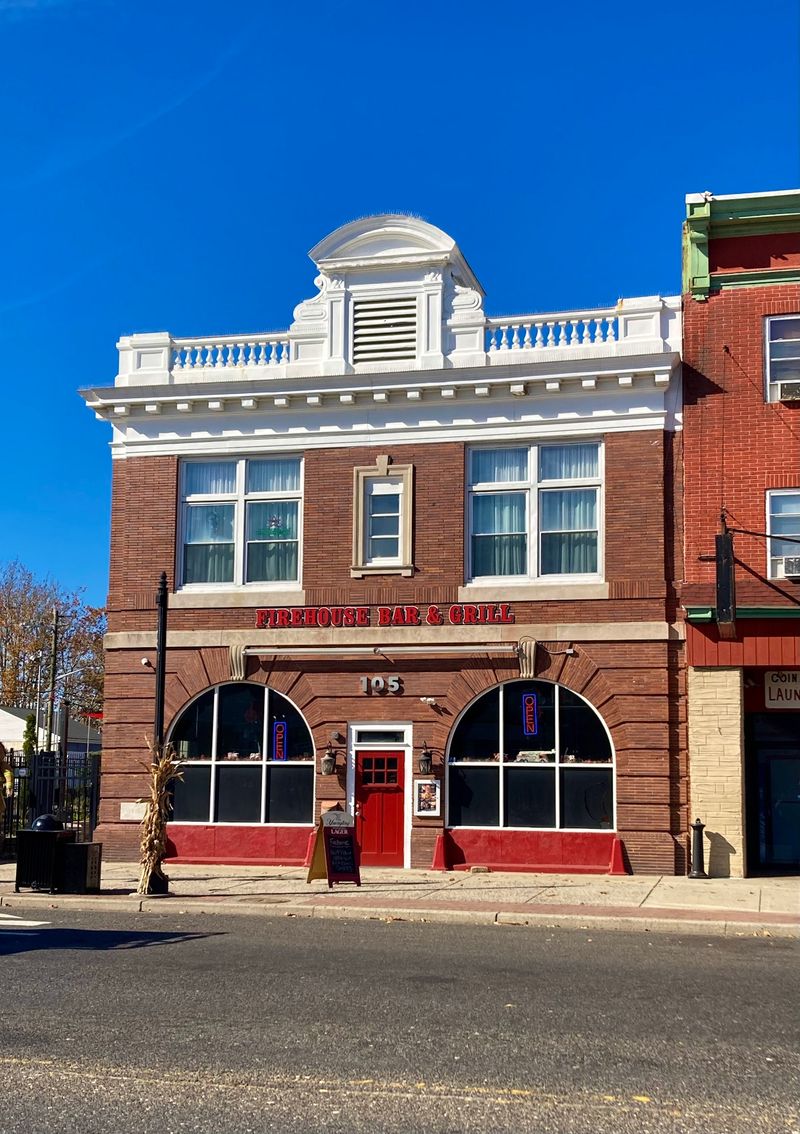
The brick building on Philadelphia Avenue did real firehouse duty before it became a place for dinner. Built in 1918, it served Egg Harbor City for decades.
Now the former station houses Firehouse Bar & Grill, a casual spot where the menu stretches well beyond what you might expect from the name. Pizza is a good place to start.
The Firehouse pie brings chorizo, jalapeños, red onion, cilantro, cheddar, and Monterey Jack together for a decidedly bold order. The sweet sausage pizza, with peppers and chili flakes, takes a different route.
If nobody at the table wants pizza, there are pastas, sandwiches, and mains such as pan-seared salmon over risotto. It is the kind of menu that makes a mixed group easy to feed.
The building provides the story, but the practical appeal is its lack of fuss. This is a place to come with family, order a few things to share, and enjoy being inside a piece of Egg Harbor City history.
It is also a useful stop if your travels take you through the area and you want a meal with more character than a standard roadside option. Check the day’s hours before heading over, as service is not offered every day.
Once inside, look past the restaurant setup and picture the building when the doors opened for engines instead of diners.
7. Boo’s Brewing Co. & Firehouse Grill – Point Pleasant
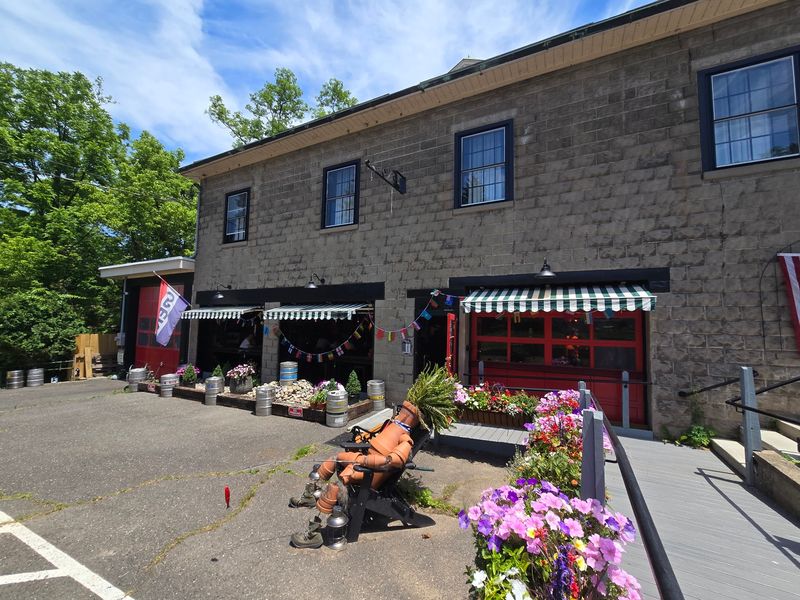
Smoke from the kitchen has replaced the old firehouse’s emergency calls in Point Pleasant. Boo’s Brewing Co. and Firehouse Grill share a restored former station, pairing small-batch beer with barbecue cooked on site.
It is an unusually fitting second life for a building made to be a neighborhood hub. The straightforward order is a pint with smoked brisket or pulled chicken, plus the sides that turn it into a proper meal.
The barbecue gives this entry a completely different pace from the white-tablecloth historic restaurants: bring friends, settle in, and let everyone order according to appetite. If you are more interested in the food than the beer, the grill gives you a reason to visit on its own.
If you are curious about the brewery, try what is pouring rather than assuming the selection will stay the same. What makes the conversion work is how naturally the space supports a crowd.
A firehouse needed room for people and equipment; a brewery and grill can put that generous footprint to good use. The team also keeps a connection to the building’s community-minded past, making it feel like a current gathering spot rather than a preserved set piece.
Point Pleasant has plenty of shore-area dining, but this is a good choice when you want smoked meat and a setting with a story. Check the current food and brewery hours before making the trip.
8. Lambertville Station Restaurant – Lambertville
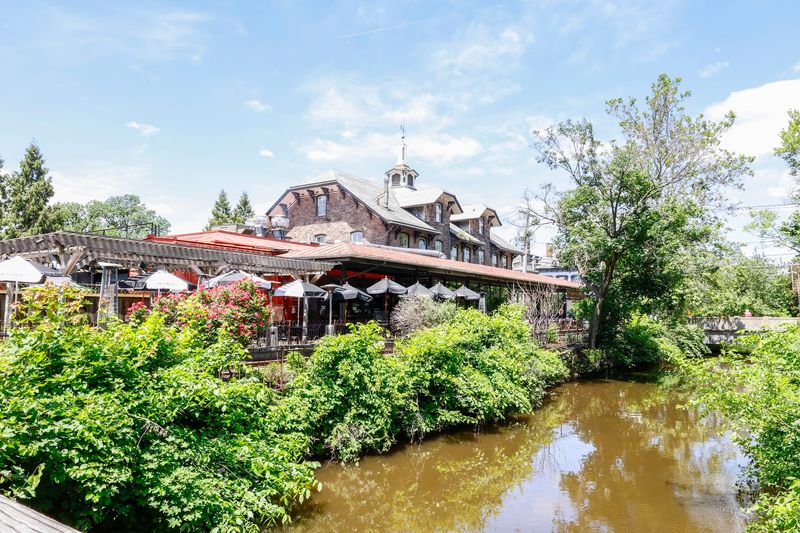
You do not have to imagine where the trains once stopped at Lambertville Station. The restored 19th-century depot sits beside the Delaware River, and its earlier purpose remains central to the experience.
What used to send travelers on their way now encourages them to slow down for lunch, dinner, or Sunday brunch. The dining options make a visit easy to tailor.
The main restaurant serves a broad menu that can take you from lobster and crab bisque to seafood, steak frites, or a hearty vegetarian main. A wine cellar, pub space, and seasonal outdoor dining offer other ways to use the building.
On a pleasant day, a table outside gives you the river setting; inside, you get the former station itself. Lambertville is ideal for a meal with a walk attached.
Browse the town’s shops, spend time along the river, then come in ready to sit for a while. The station’s central location means dinner can be one part of an afternoon rather than the whole plan.
Reservations are a good idea for a weekend or brunch, when Lambertville attracts plenty of visitors. If the historic building is your reason for coming, request an indoor table.
The railroad story is much easier to appreciate when you are dining within the depot that once served it.
9. Maize Cocina & Cocktails – Westfield
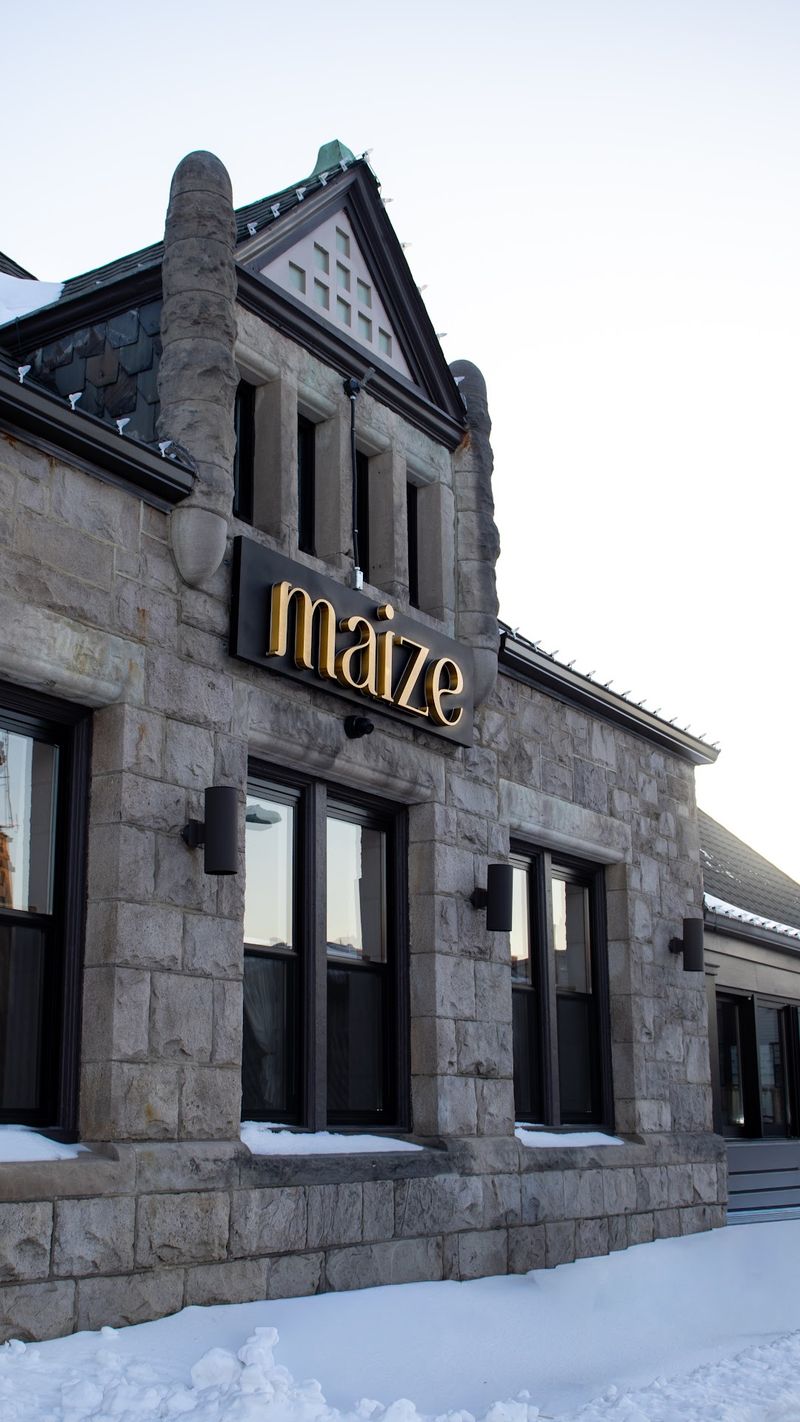
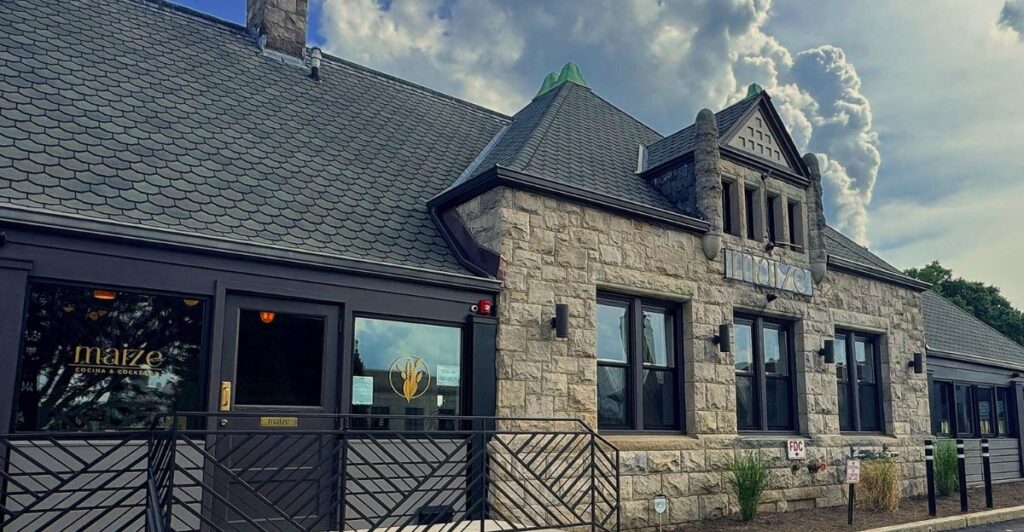
Castle-like stonework gives Westfield’s former train station a striking first impression. Step inside Maize Cocina & Cocktails and the restored depot takes on another identity, with Mexican-inspired cooking, a full bar, and a dining room that makes use of the building’s high ceilings and natural light.
Corn is more than a name here. It guides a menu shaped by Mexican ingredients and traditions, with broader influences folded in.
Start with a cocktail if you have time to linger: the Maize Margarita is the direct choice, while the Cornstar Martini and Mole Manhattan show how far the bar is willing to play with the idea. Then look through the current dinner menu rather than arriving fixed on one dish, since the kitchen’s seasonal approach leaves room for changes.
The contrast between old station and contemporary restaurant is part of the fun. Trains still define the surrounding area, but the building has become somewhere to make an evening of it.
Maize also serves weekend brunch, which offers a different way to see the space in daylight. Book a table for dinner, especially on a Friday or Saturday.
Between the preserved architecture and the lively choices coming from the kitchen and bar, it is a restaurant that gives you reasons to look up from your plate—and then return to it.
10. Mama Rosina’s – Bound Brook
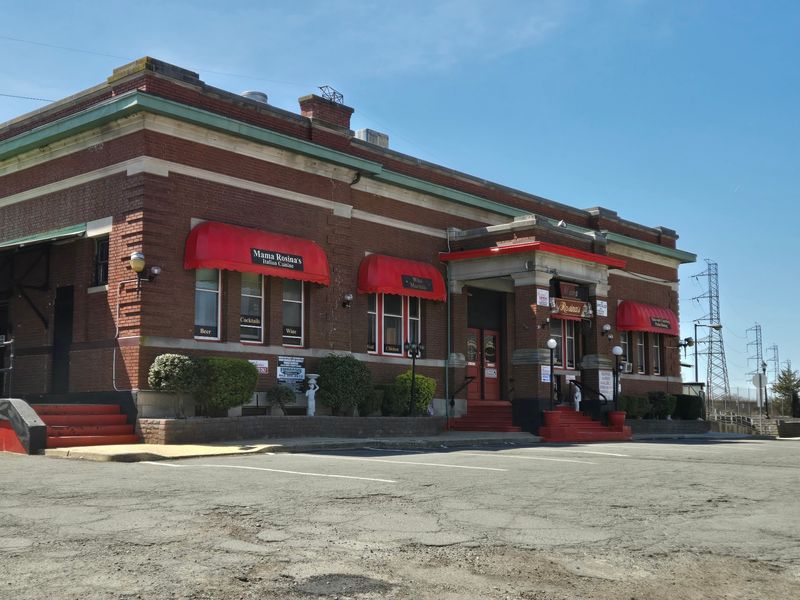
Bound Brook’s former railroad station now has a far more comforting reason to hurry inside: pizza. The building was constructed in 1913 for the Reading Railroad, and its second career as Mama Rosina’s makes it one of the more approachable historic dining rooms on this list.
You can come for a full Italian meal or simply pick up dinner on the way home. The tomato, basil, and mozzarella pizza is a sensible first order.
For the table, add bruschetta bread topped with tomato, oregano, olive oil, and sharp provolone, or try Rosina’s Famous Shrimp Italiano. The menu runs deep with familiar Italian-American choices, including pasta, seafood, chicken dishes, salads, and antipasto.
That range makes it useful when one person wants pizza and another has arrived dreaming of a sit-down plate of pasta. Its railroad history lends an everyday meal a small surprise.
This is not a formal occasion restaurant that asks you to admire the building before you eat. It is a working neighborhood spot inside an old station, and that continuing use is exactly what makes the conversion appealing.
Find it on East Main Street, with the active rail corridor nearby. Order ahead if you are picking up at a busy time; otherwise, give yourself enough room in the schedule to sit down and enjoy the place where generations of travelers once passed through.
11. FiNNBAR – Frenchtown
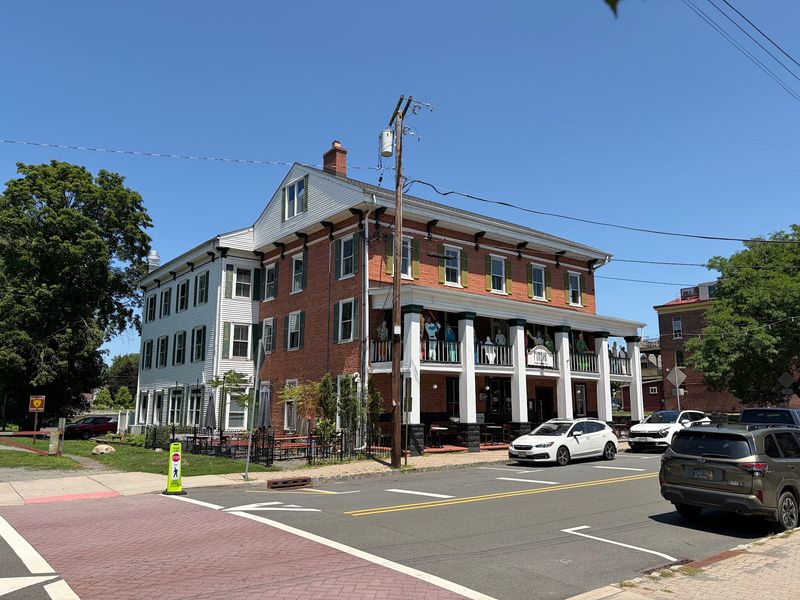
Before it became a destination for dinner, the riverside building at 7 Bridge Street was known as the Railroad House. Dating to the 1830s, it later became the Frenchtown Inn and now houses FiNNBAR.
The name over the door has changed, but the building still gives people a reason to gather beside the Delaware. Here the current menu deserves your attention more than any fixed list of “must-orders.” It changes regularly, moving through seasonal produce, pasta, vegetables, seafood, and meat with a Mediterranean-leaning sensibility.
A sample menu has included focaccia with several possible accompaniments, fried calamari with hot pepper and aioli, and spaghetti with arugula pesto and burrata. That is enough to suggest the kitchen’s range, though you should let the day’s offerings make the final decision.
A cocktail or glass of wine fits naturally into a longer meal. FiNNBAR also connects the restaurant to the creative community through artwork displayed inside.
Come early enough to look around, then make an evening of Frenchtown’s compact downtown and riverfront. Reservations are wise for dinner, especially if you are driving in from farther away.
The building has been adapted repeatedly over nearly two centuries; the current version gives its old rooms fresh purpose without losing the pleasure of dining somewhere with a long memory.
12. Station Tavern by David Burke – Bernardsville
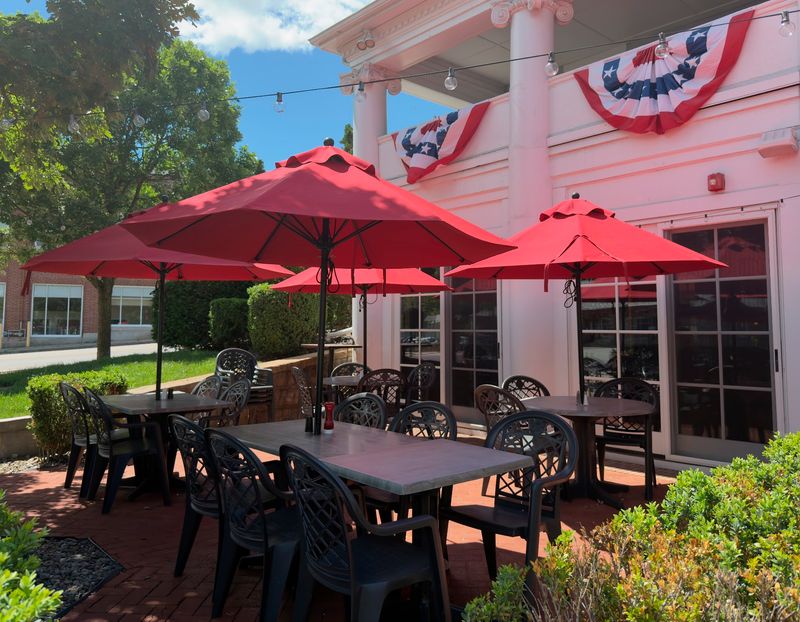
Across from the Bernardsville train station stands a building with a different travel history than its name suggests. It began as a private home in the late 1860s, became the Claremont Hotel in 1878, and has housed a restaurant or pub on its ground floor for decades.
In 2026, it reopened as Station Tavern by David Burke. The current approach is casual American tavern dining, with Burke’s playful touches worked into familiar choices.
Think burgers and handhelds, wings, steak frites, and comforting mains rather than a meal that requires a special occasion. It is a useful place to meet someone for lunch, gather a few friends for dinner, or settle in at the bar after walking around town.
The historic building gives those ordinary plans a more interesting backdrop. One detail is worth getting straight before you go: the restaurant is opposite the train station, not inside it.
Its own former lives—as house, hotel, and dining spot—are the reason it belongs on this list. The address has changed with Bernardsville for well over a century, and the tavern is its latest chapter.
Check current hours when planning, since service varies by day. Then come ready for a meal in a building that has welcomed travelers, residents, and dinner guests in turn.
Share this story