An eggplant big enough to change your dinner plans is a pretty good reason to pull over. Add Jersey-grown tomatoes, peppers, and a bakery turning out apple cider doughnuts, and a quick produce stop starts looking suspiciously like an afternoon outing.
That is the appeal of Stony Hill Farm Market in Chester, where shoppers come for fresh vegetables and sometimes leave with pie, plants, and a family debate about who took the wrong turn in the corn maze. The market’s reputation for generously sized produce and appealing prices gives it a practical draw, while the surrounding farm supplies plenty of distractions.
You can keep things simple and shop for dinner, or build a longer visit around seasonal picking and fall activities. Either way, the vegetables remain the main attraction.
For all the entertainment nearby, this is still a place where what goes into your shopping bag matters most.
Stony Hill Farm Market Turns a Chester Errand Into a Farm Day
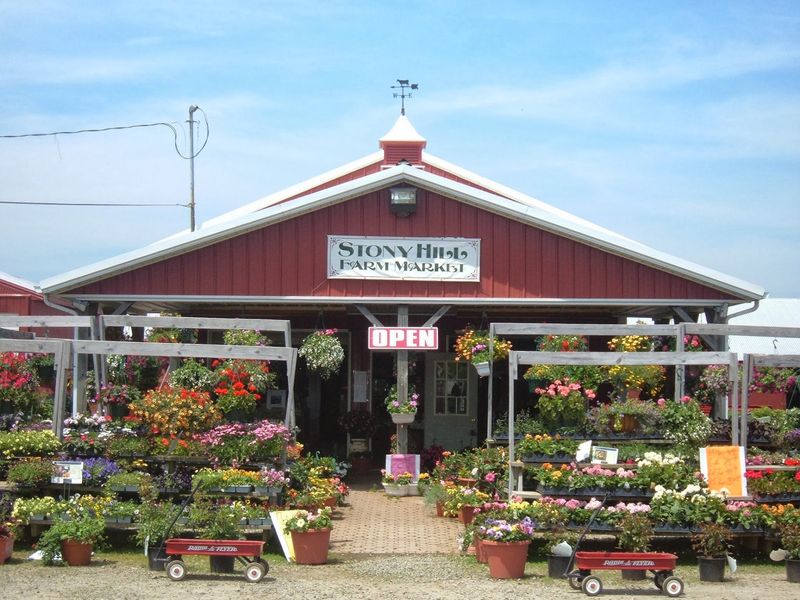
The address to put into your navigation is 15 North Road, Chester, where the market shares a destination with Stony Hill’s picking fields and Maze Fun Park. That distinction matters because the family also operates Stony Hill Gardens at 8 Route 24, a separate location with its own plant and floral offerings.
Arriving at the right spot saves the familiar passenger-seat conversation about whether you were supposed to turn back there. The business belongs to the Davis family, and its beginnings might surprise anyone who knows it mainly for vegetables.
Stony Hill Gardens opened in 1988 with an emphasis on cut orchid flowers. Over time, the operation expanded into fruit, vegetables, farm retail, and outdoor activities.
The family now describes its farming operation as approximately 500 acres, including 20 acres of orchards. Those figures cover the broader agricultural business, rather than a single market yard, but they help explain why this destination has more going on than a roadside table of tomatoes.
For visitors, the useful part is the flexibility. A weekday produce run can stay a weekday produce run.
There is no need to turn buying peppers into an elaborate excursion. On a fall weekend, however, the same stop can expand to include picking, outdoor play, and something sweet before heading home.
The market’s posted seasonal schedule generally runs from early June through December 23, with daily hours of 10 a.m. to 6 p.m. and certain holiday closures. Give the current schedule a check before making a special trip, particularly near the beginning or end of the season.
If you are combining shopping with outdoor activities, allow more time than the grocery list suggests. The person who promised to buy “just a few things” may have developed a sudden interest in pumpkins.
Big Homegrown Vegetables Give Shoppers Plenty to Talk About
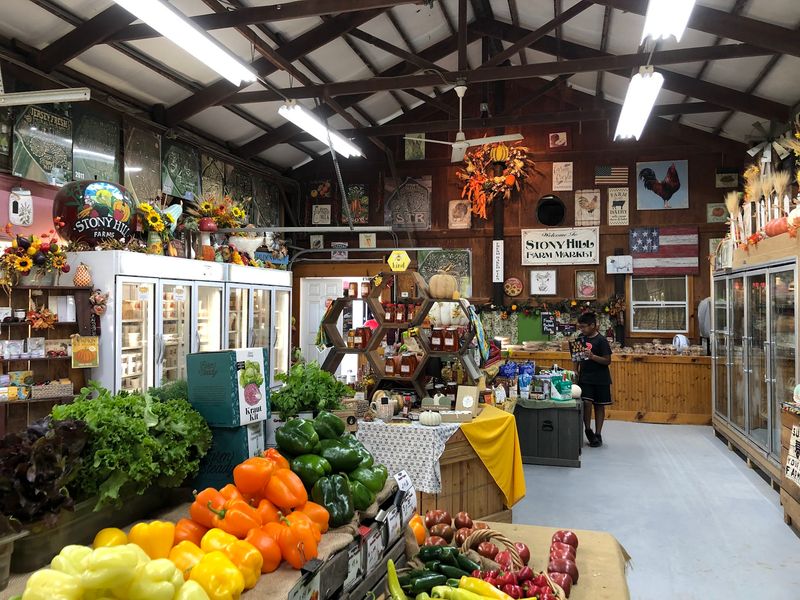
Dinner can take shape surprisingly quickly when the choices include eggplant, peppers, and tomatoes. Those are among the vegetables Stony Hill grows for its seasonal picking program, and they fit the market’s reputation for produce that gets shoppers talking about size as well as freshness.
Large vegetables are part of the appeal, although the harvest naturally varies and every visit will bring a different selection. The important detail is where the food comes from.
Stony Hill stocks produce grown on its own farm alongside fruits and vegetables supplied by other New Jersey growers. That gives the market a clear identity: the selection follows Jersey agriculture, with locally grown crops doing the heavy lifting.
A generous eggplant suggests several possibilities before it even reaches the cutting board. Slice it for Parmesan, roast it for a dip, or cube it with peppers and tomatoes for a vegetable-heavy dinner.
Firm peppers can become stuffed peppers, a tray of roasted vegetables, or the colorful part of a sausage-and-pepper sandwich. Tomatoes need even less encouragement.
Sometimes a knife, salt, and a piece of bread are the whole plan. Size deserves a little perspective, though.
Choose vegetables for what you intend to cook, rather than automatically reaching for the largest specimen. A smaller eggplant might be exactly right for a meal for two; several bigger ones make more sense when you are feeding a crowd.
The farm also uses greenhouses to extend growing seasons and stores suitable crops for later availability. Its harvest calendar is a guide, with weather affecting the actual timing.
That changing selection is a good reason to leave some room in the meal plan. Arrive knowing you need vegetables, then let the strongest-looking choices settle the question of dinner.
The shopping gets easier when the harvest makes a few decisions for you.
Why Shoppers Keep Coming Back for the Produce Prices
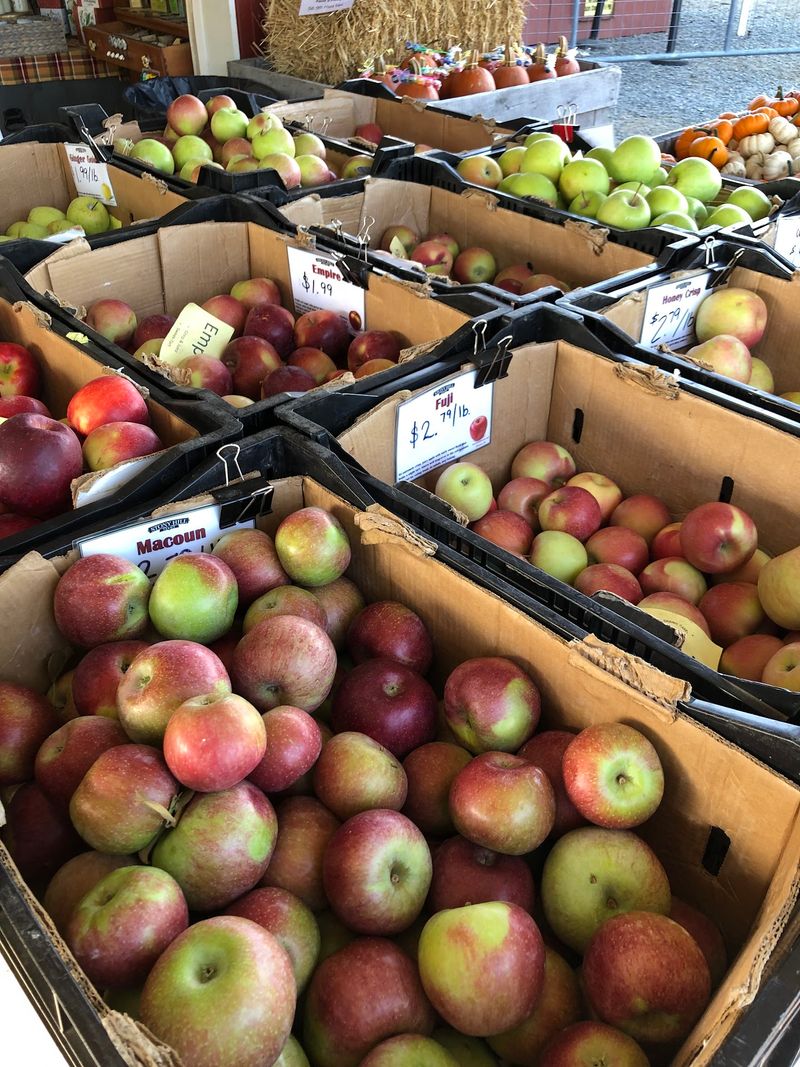
A bargain earns its place in the kitchen when you actually eat it. That sounds obvious, but a particularly impressive vegetable display can briefly convince anyone that they are about to become a person who cooks three elaborate dinners every night.
Stony Hill’s reputation includes shoppers praising the value of its fresh produce, especially alongside comments about generously sized vegetables. That praise is useful as a reason to browse, rather than a promise that every item will always cost less than its supermarket counterpart.
Produce prices move with the crop, the season, and availability, so the numbers on the day should guide the purchase. Compare like with like.
A price per pound and a price per item can look similar on a sign while producing very different totals at checkout. For a large vegetable, consider how many useful portions it will give you and whether you have a plan for all of them.
One substantial eggplant can anchor dinner and leave enough for another meal. Several peppers can stretch across sandwiches, a stir-fry, and scrambled eggs.
Tomatoes bought at their best can handle lunch, salad, and a quick sauce without requiring three separate shopping trips. That is where a produce haul starts to feel worthwhile.
Think in overlapping ingredients rather than ambitious recipes, and the contents of the bag become easier to use. Households that regularly cook with Jersey-grown produce can also look into Stony Hill’s seasonal farm shares, which offer weekly collections with various pickup options.
For an occasional visit, a shorter list may serve you better. Buy enough to make the trip count, keep the most perishable items in mind, and resist turning a good deal into a refrigerator science experiment.
The nicest price is the one attached to something that makes it onto your plate.
Freshly Baked Treats Make Room in the Shopping Basket
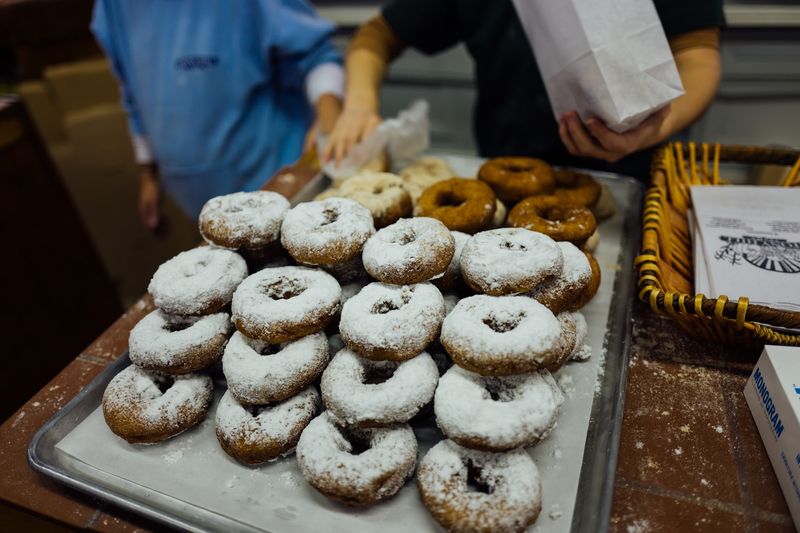
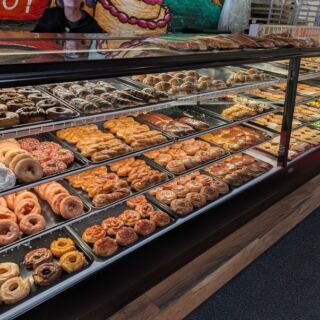
The vegetable shopping can be going beautifully until apple cider doughnuts enter the conversation. Stony Hill makes its baked goods fresh on the farm, with cookies, muffins, breads, pies, and doughnuts giving the market a second strong reason to visit.
Doughnut flavors follow the season, with blueberry associated with summer and apple cider with fall. When the timing works, visitors can watch them being made and enjoy them warm.
The pie selection is equally distracting, ranging from Dutch apple and blueberry crumb to strawberry-rhubarb and peach varieties, with availability changing through the year. Pies come by the slice, half, or whole, which leaves room for several levels of commitment.
A slice makes sense when you want dessert without negotiating refrigerator space. Half a pie can cover a small household nicely, provided nobody quietly decides that breakfast counts as a second dessert opportunity.
A whole pie is the more sociable choice for dinner with friends, or the practical one when you already know how quickly it will disappear. The bread deserves attention alongside the sweeter options.
Listed varieties include sourdough, roasted garlic, and rosemary with olive oil. Pair a loaf with the vegetables you have just chosen and lunch becomes straightforward: toasted bread, sliced tomato, perhaps some cheese, and very little actual work.
That combination makes the bakery feel connected to the market, rather than an unrelated treat counter. Dessert and dinner can come from the same stop.
If you have a particular pie in mind for a gathering, ask about availability and advance ordering rather than assuming it will be waiting when you arrive. Otherwise, browsing is half the fun.
Leave enough room in the bag that a loaf or pastry will survive the trip home without being flattened under the eggplant that started all this.
Local Honey Cheese and Specialty Goods Fill Out the Market
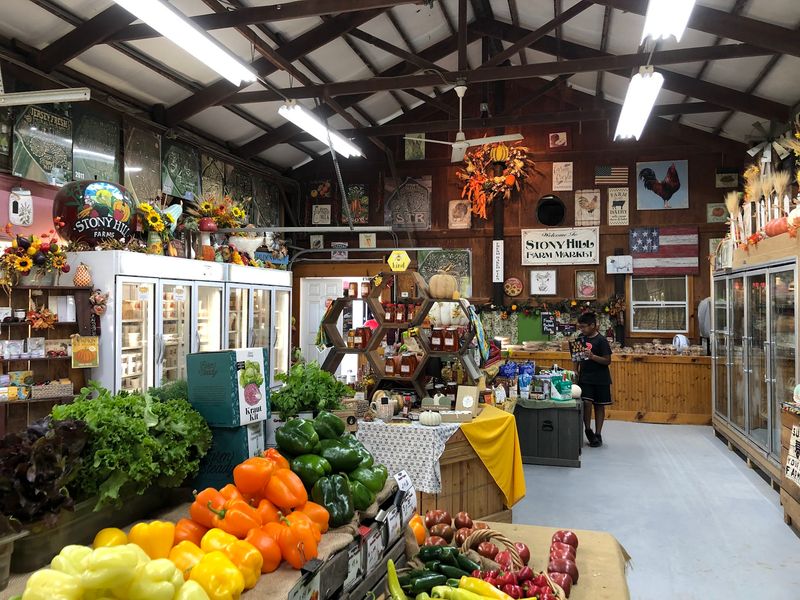
A bottle of honey or a package of cheese can turn a bag of vegetables into a much more useful haul. Beyond the produce and bakery, Stony Hill carries meat, eggs, dairy products, jarred sauces, coffee, tea, snacks, and gifts.
Its named local partners include Griggstown Farm, whose offerings at the market include pot pies and chicken sausage, and Springhouse Creamery, associated with milk and farmstead cheese. The exact stock is worth checking when you want a specific product, but the range gives shoppers more possibilities than a produce-only stop.
The easiest way to approach these shelves is to work backward from what is already in your basket. Tomatoes and bread suggest a simple lunch.
Peppers and chicken sausage point toward a skillet dinner. Eggs can turn leftover roasted vegetables into tomorrow’s breakfast.
That keeps the extra purchases useful while still leaving room for something that catches your attention. Honey is an especially easy addition because it does not demand immediate cooking.
It can go into tea, over yogurt, or onto toast, and it makes a modest gift when you want to bring something edible without arriving with another box of cookies. The market also carries plants, including herbs, vegetable plants, flowering plants, and hanging baskets, with stock changing seasonally.
For gardeners, that creates an appealing connection between buying food and growing a little of it yourself. A potted herb can earn its keep through several meals, even if your available growing space is one sunny window.
Gifts and seasonal decorations add another browsing opportunity, particularly when the visit lands near a holiday. Take a little time with labels and product names.
A farm market becomes more interesting when you can identify the people and businesses behind what you are buying. By checkout, the vegetables may be sharing the bag with several other small pieces of New Jersey.
Seasonal Picking and a Corn Maze Turn Shopping Into an Outing
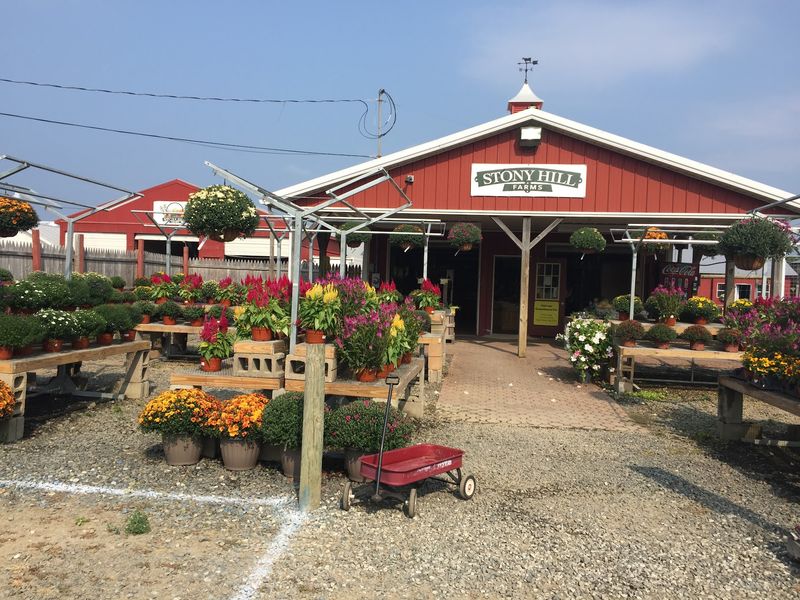
Ten acres of corn is a substantial detour from buying lettuce. Stony Hill’s giant maze is one of the farm’s defining fall attractions, and its 2026 design carries an “NJ 250” theme.
The seasonal Fun Park adds games, rides, and play activities, giving families a reason to leave time between arriving and loading the groceries into the car. Picking supplies another way to spend that time.
The farm offers different crops through the seasons, including berries, vegetables, apples, and pumpkins. Its typical vegetable-picking window runs from August into mid-October, with eggplant, peppers, and tomatoes among the listed crops.
Availability depends on field conditions and what is ready to harvest, so a specific picking plan deserves a quick check before departure. Wear comfortable closed-toe shoes if the visit includes the fields or maze.
Outdoor walking is much more enjoyable when everyone is dressed for uneven ground, sunshine, and the possibility of mud. Bring water, and remember that field access and entertainment have their own schedules and ticket arrangements.
Shopping for produce and spending the afternoon at the Fun Park are different plans, even when they share an address. The farm’s listed 2026 maze season runs from September 5 through November 1, with hours varying by date.
With children, it helps to decide how much you are doing before the first exciting distraction appears. Picking, a maze, playtime, and a bakery stop can comfortably fill a visit without squeezing in every available activity.
Save the produce shopping for the point in the day when it suits your route and the weather, and bring a cooler for anything that needs to stay chilled. Eventually, the afternoon returns to its original purpose: bags in the car, vegetables for dinner, and something sweet tucked safely above them.
The corn maze supplies the story; the market supplies the meal.
Share this story