Fall brings a colorful backdrop to a Pennsylvania road trip, and a fabric shop can turn a simple afternoon drive into something special: a chance to choose cloth for a cozy quilt, find material for a handmade gift, or bring home colors that remind you of the red maples, golden fields, and small towns along your route. Across the state, fabric shopping connects travelers with a practical, creative side of local life, where a few yards of cotton can become a family keepsake, a sturdy apron, a fresh set of curtains, or a first sewing project that feels much more personal than something picked from a shelf at a large store. The stops below offer different reasons to pull over, from browsing quilt fabrics and comparing prints to hunting for useful yardage, but the best approach is to carry your measurements, set a spending limit, leave room for unexpected finds, and check each shop’s current address and hours before building your day around a visit.
Whether you sew every weekend or simply enjoy looking at patterns and colors, use this list as a starting point for a relaxed Pennsylvania outing, pair a shop visit with lunch or a nearby walk, and remember that stock, services, and opening days can change, especially at smaller businesses where a quick call can save a long detour and help you arrive ready to enjoy the stop without rushing through the aisles or buying more fabric than your next project needs.
1. Zinck’s Fabric Outlet: Make Room for a Useful Find
The best bargain is fabric you will actually use, not the cheapest bolt in the room.
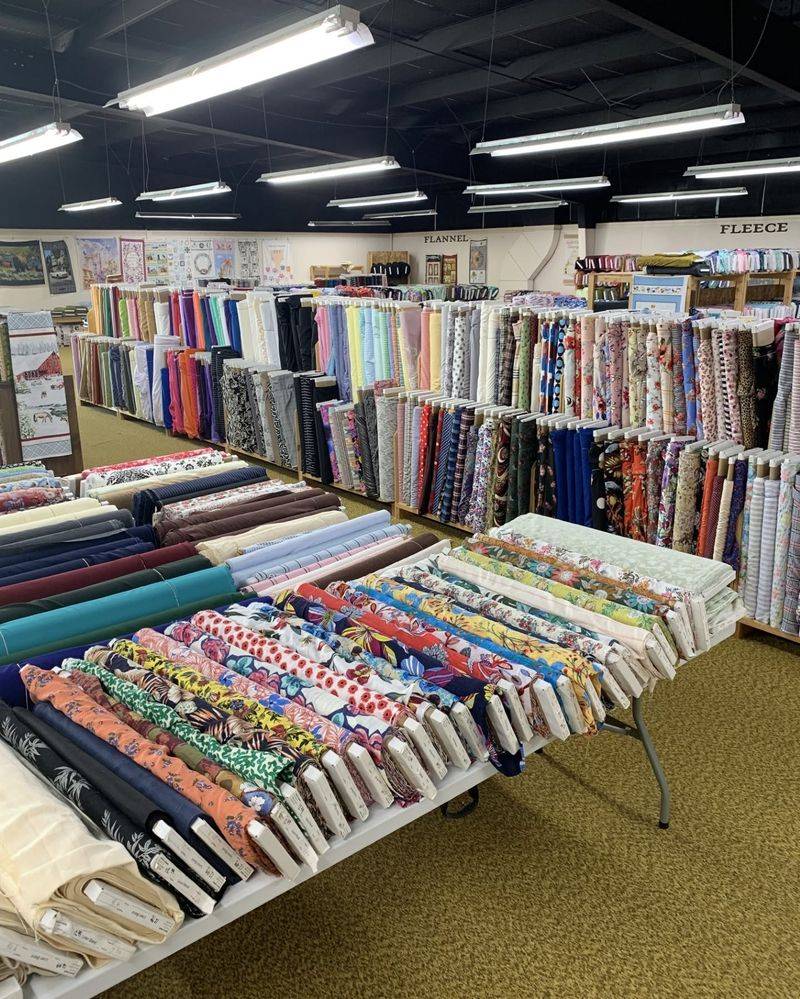
Keep that thought handy when planning a Pennsylvania stop at Zinck’s Fabric Outlet, where the outlet name invites a little treasure hunting.
Start with a short shopping list divided by purpose.
You might need washable cotton for gifts, sturdy material for bags, or something soft for a casual sewing project, and those categories help keep interesting discoveries from becoming expensive clutter.
Give each possible purchase a quick quality check.
Unroll enough to inspect the surface, look for marks or uneven printing, and ask whether the piece has any flaws that could affect your cutting plan.
A lower price does not always mean a lower project cost.
Narrow fabric, a large repeating design, or a print that must face one direction may require extra yardage, so compare the amount you need rather than the price alone.
For an autumn project, try pairing one lively print with a plain or lightly textured partner.
That approach can make an inexpensive find feel thoughtful, whether you are sewing cushion covers, gift bags, or a simple patchwork blanket.
Ask about the current selection before making a special trip for a particular fabric type.
Inventory can change, and it is better to know whether the shop suits your project than to arrive expecting a material that is unavailable.
Set a firm budget before browsing and save a small part of it for an unexpected favorite.
If nothing fits your needs, leaving empty handed is still a successful shopping decision.
Finish by writing down the fiber content and care guidance for every cut.
Those small details are easy to forget during a busy road trip, but they will matter when you wash, press, and sew your Pennsylvania finds later during a quiet weekend at home.
2. Mook Fabrics Retail: Let Texture Lead the Way
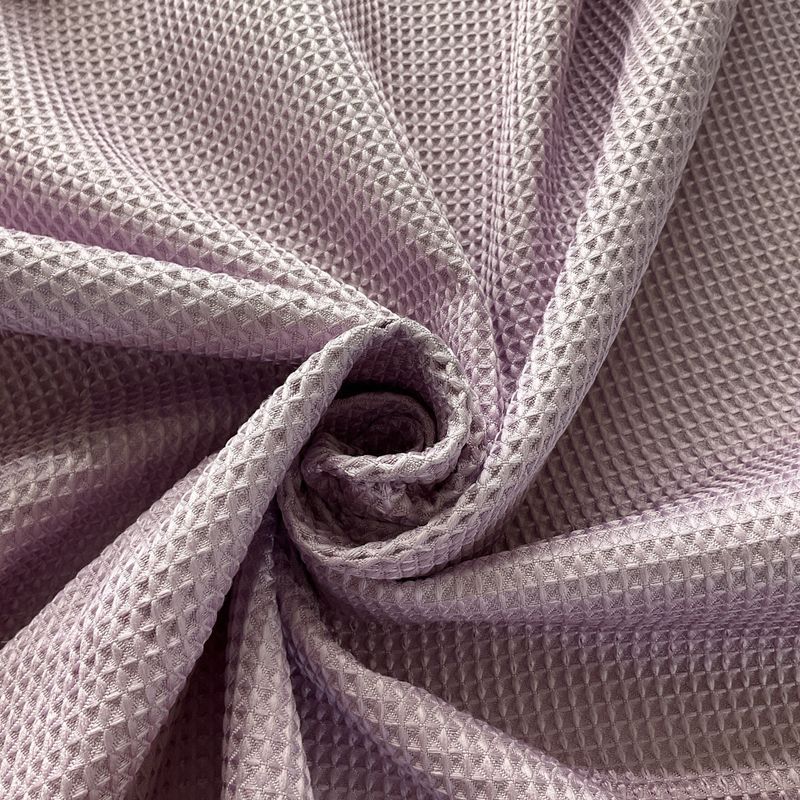
Some fabrics win you over before you even notice their color.
A soft surface, a crisp fold, or a smooth drape can suggest an entire project, making Mook Fabrics Retail a worthwhile name to investigate for your Pennsylvania shopping route.
Rather than judging every bolt from a distance, think about how the finished item should feel.
A structured tote needs different qualities from a loose shirt, while a quilt backing should be comfortable against the person using it.
Ask permission before handling displayed samples or opening folded pieces.
Then feel the weight and gently observe how the material falls, without stretching it out of shape or pulling threads from its edges.
If clothing is your goal, bring a pattern that lists suitable fabrics.
A beautiful material may still be wrong for the design, especially when the pattern depends on stretch, firmness, or a certain amount of movement.
Fall colors offer plenty of direction without limiting you to orange and brown.
Slate blue, plum, olive, and warm cream can feel seasonal while remaining easy to wear or use long after the leaves have fallen.
Check whether the retail location currently carries the categories you need, and confirm how fabric is sold.
Knowing the minimum cut, available yardage, and return rules before paying helps avoid surprises later.
Keep your route flexible enough to allow a careful decision.
Buying fabric in a hurry often leads to choosing too little, overlooking care instructions, or forgetting that you still need matching thread and a suitable needle.
Once home, make a small test piece before cutting the whole project.
Washing and pressing a sample can reveal shrinkage or other changes, giving your new purchase a better chance of becoming something useful rather than remaining folded on a shelf through another season of good intentions and unfinished plans at home.
3. Lancaster Home & Fabric: Bring Autumn Indoors
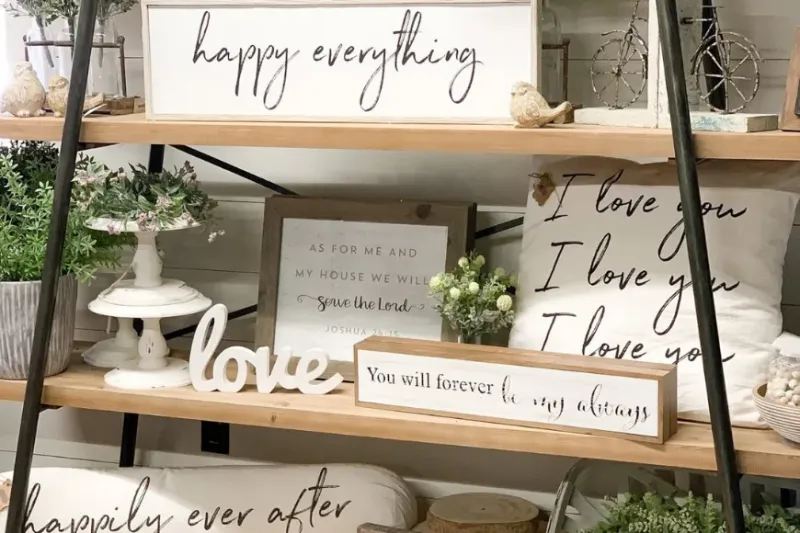
A room does not need a full makeover to feel ready for cooler weather.
One new cushion cover or a handmade tablecloth can change the mood, which makes Lancaster Home & Fabric an appealing stop to consider for a home sewing project.
Measure before you leave the house.
Record the size of your pillow forms, table, or window, and include notes about the finished look you want rather than trying to remember everything while standing beside the fabric.
A photo of the room can help, but a real sample is better for matching colors.
Bring a small piece of existing cloth or a paint sample when possible, especially if you are trying to coordinate several shades of white.
Ask which available materials suit your planned use.
Decorative fabric is not automatically washable, and a material that looks lovely on a cushion may be too heavy for a softly gathered curtain.
For a gentle fall update, combine earthy colors with textures instead of buying only seasonal prints.
A warm neutral can stay in use through winter, while a removable accent provides the brighter touch you want right now.
Pay attention to large patterns.
You may need extra fabric to center a design on a pillow or make two panels match, so show your measurements before deciding on the final amount.
Confirm the shop’s current address, hours, and relevant selection before adding it to a Lancaster County outing.
A store name alone does not tell you which fabric categories or services are available on the day you visit.
Keep your first project manageable if home sewing is new to you.
Straight seams and a simple shape build confidence, and a finished piece you use every day is often more rewarding than a complicated plan that never gets beyond the shopping bag beside your sewing machine at home.
4. Burkholder’s Fabrics: Build a Palette You Love
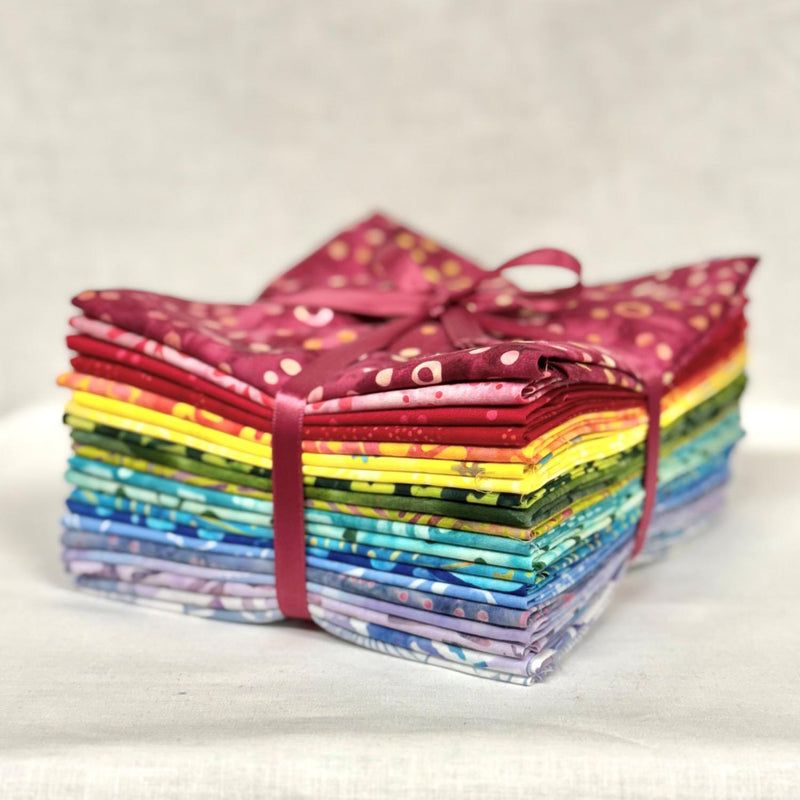
One favorite print can be the beginning of a whole quilt.
At Burkholder’s Fabrics in Denver, Pennsylvania, approach your browsing with that small starting point instead of trying to plan every color before you arrive.
Choose a lead fabric that makes you smile, then study its quieter shades.
Pulling colors from the background often creates a more balanced group than matching only the brightest flower, leaf, or geometric shape.
Include both light and dark values in your choices.
A quilt made entirely from medium shades may look flat, even when every fabric is attractive on its own, because the blocks lack enough contrast to stand apart.
You can test that contrast with a quick phone photo, if photography is allowed.
Viewing the picture in black and white makes it easier to see whether your selections have useful differences in lightness.
Bring your pattern and any fabrics already purchased for the project.
Staff can offer more useful guidance when they can see the actual pieces you need to coordinate, rather than working from a color description alone.
Keep seasonal ideas flexible.
Deep red and golden yellow suggest autumn, but adding blue, cream, or a small unexpected print can keep the result from feeling like a decoration you must put away after Thanksgiving.
Ask about current availability before traveling for a particular collection or product.
Also check opening hours and allow enough time for cutting, since choosing several coordinating pieces naturally takes longer than buying one length of cloth.
Before leaving, organize your cuts by their role in the pattern.
Mark the background, borders, binding, and other sections on separate notes, then store them together.
That simple habit protects the plan you worked hard to build.
When a chilly Pennsylvania evening finally gives you time to sew, you can begin with confidence instead of sorting through an unexplained pile of colors.
5. Heirloom Quilting: Plan for a Lasting Keepsake
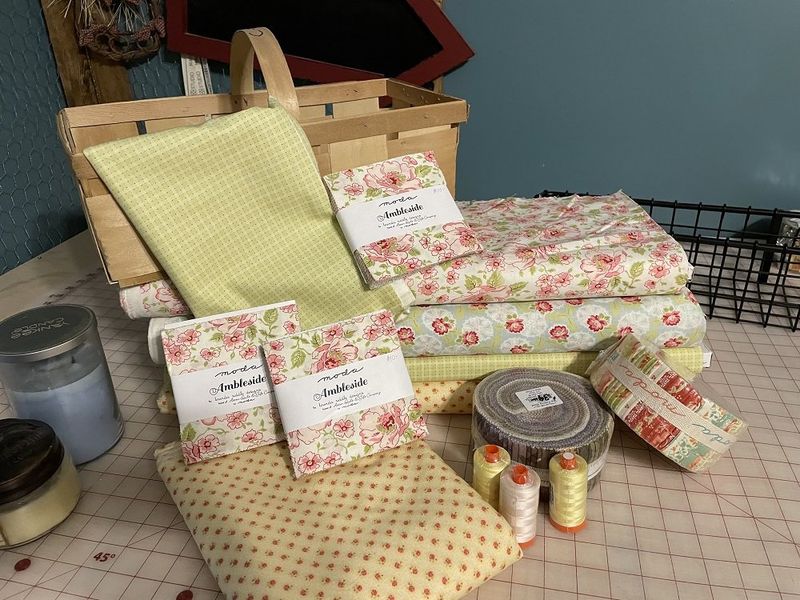
A handmade quilt can hold memories without using a single piece of old clothing.
Choosing colors from a fall drive or sewing a gift for someone special gives the project a story, and Heirloom Quilting offers a fitting name for that kind of stop.
Decide who will use the finished quilt before selecting materials.
A blanket for daily comfort needs practical care and sturdy construction, while a wall hanging may allow choices that would be less suitable for frequent washing.
Think about the recipient’s taste rather than only your own.
Favorite colors, a familiar room, or a simple pattern they already enjoy can guide the project more reliably than a seasonal display.
If you are a beginner, choose a design with larger pieces and clear instructions.
Small blocks may look charming, but they can require more careful cutting and more seams than you expect.
Ask which quilting supplies and services are currently available rather than assuming the name covers everything.
If you need finishing help, discuss requirements, timing, and pricing directly before committing to a project schedule.
Autumn is a useful time to begin a gift, but leave room for ordinary delays.
Fabric preparation, cutting, sewing, and binding each take time, and a rushed deadline can turn an enjoyable hobby into an unwanted chore.
Save a few small scraps from your chosen fabrics in a labeled envelope.
They can help with future repairs or serve as a reference if you later make a matching cushion.
Consider adding a fabric label with the maker’s name, date, and a brief message.
That modest detail can become meaningful years later, when someone wants to know who made the quilt.
Verify the Pennsylvania location and hours before setting your route.
A thoughtful visit begins with good planning and ends with a project that suits your skills, your budget, and the person receiving it.
6. Needle & Thread: Give a Small Project Its Moment
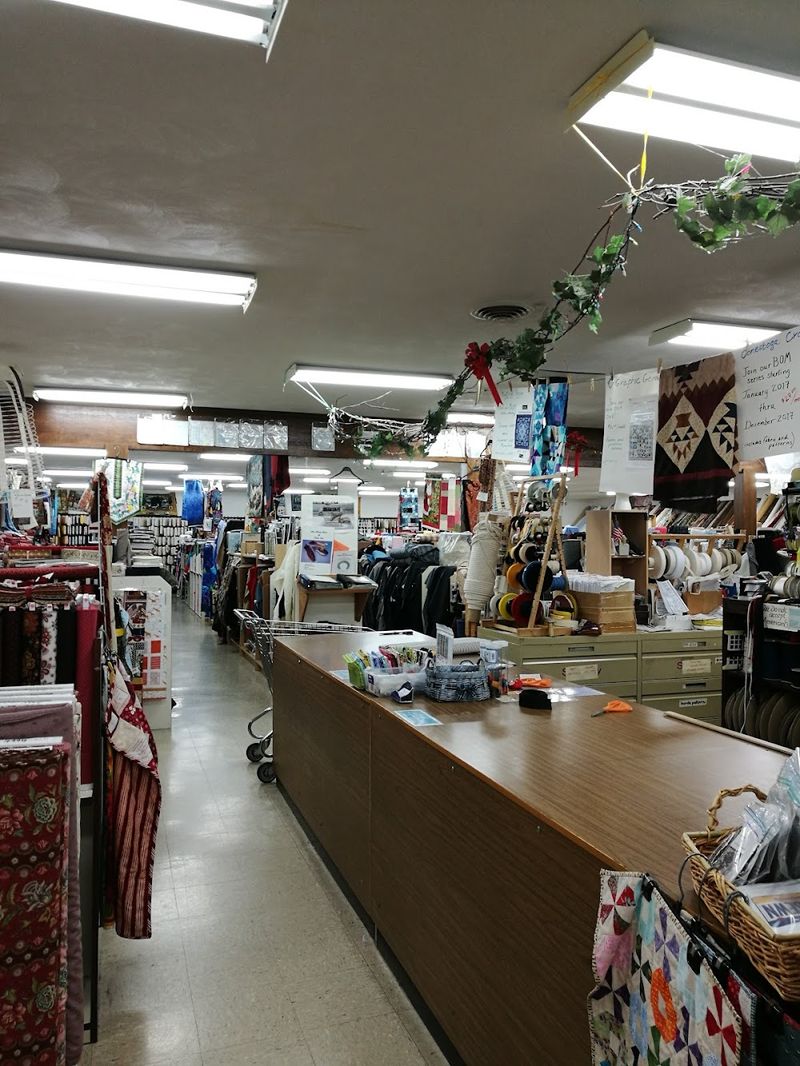
Not every rewarding sewing project needs a whole weekend or a large pile of fabric.
A neat repair, a small pouch, or a fresh pillow cover can be enough, making Needle & Thread a name to consider for a focused Pennsylvania shopping stop.
Because several businesses can share similar names, confirm the exact Pennsylvania address before driving.
Match the listing to the shop you intend to visit and check whether its current offerings suit your project.
Bring a short supply list with sizes included.
The right zipper length, needle type, or thread color matters more than it might seem when you are trying to finish something neatly.
For color matching, carry the actual fabric rather than relying on memory.
Thread can blend into a surface or stand out as a design feature, and the choice is much easier when you can compare both together.
A small fall project is a good chance to try a new skill.
Practice installing a zipper on a simple pouch or sewing an even hem on a napkin before attempting the same step on something expensive.
Choose a pattern that fits the time you truly have.
A project described as quick may still take a beginner several evenings, especially when cutting and preparation are included.
Ask about any unfamiliar tool before buying it.
Understanding what it does, which materials it suits, and whether you already own an alternative can keep your sewing basket from filling with unused gadgets.
Travel companions may appreciate a shorter stop here if you arrive prepared.
Handle the essential purchase first, then use any remaining time to browse for a small extra.
Keep tiny supplies in a closed pouch on the drive home.
When the weather turns cool enough for an indoor afternoon, everything will be together and ready for a satisfying start at your own sewing table.
7. Fabric Mart, Sinking Spring: Think Beyond Quilting
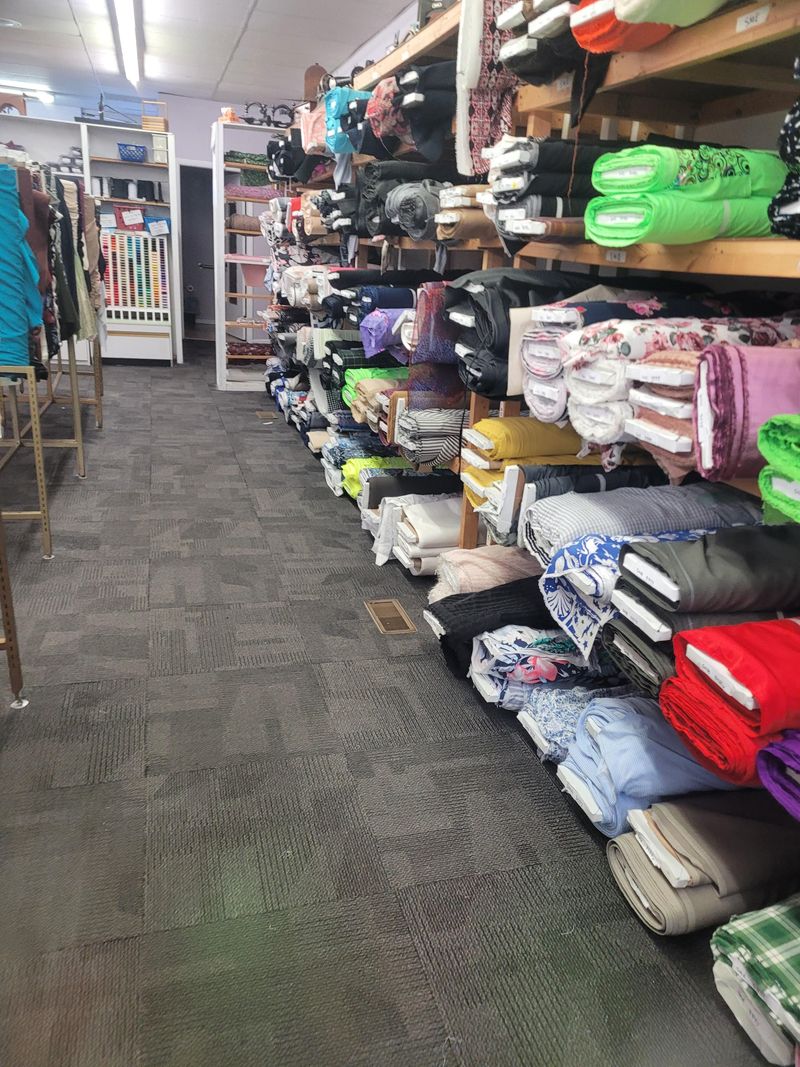
Your next favorite shirt might begin as a length of fabric rather than a finished garment.
Fabric Mart in Sinking Spring brings a clothing-focused possibility to a Pennsylvania fall drive, especially for travelers who enjoy choosing material by feel and drape.
Take a garment pattern with you and read its fabric suggestions first.
A design meant for a stretchy knit will not behave the same way in a firm woven cloth, even if both come in a color you love.
Check width, fiber content, and the amount available before settling on a choice.
Those details affect whether you can cut every pattern piece and how the finished garment will need to be washed.
If you are considering a print, think about where its main shapes will fall.
Large motifs and stripes may need careful placement, which can mean buying more than the basic yardage listed on the pattern.
Autumn clothing does not have to be bulky.
A lighter layer can be useful under a sweater or jacket, and a comfortable fabric may get more wear than a heavier choice that looks seasonal but feels awkward.
Ask about the physical store’s current hours and selection before traveling.
Do not assume that everything shown online is available for immediate browsing or purchase at the retail location.
Set aside time to compare a few serious options instead of grabbing the first attractive cut.
Consider whether the material works with clothes you already own, so your finished piece has a clear place in your wardrobe.
At home, follow the recommended preparation before sewing.
Many garment fabrics benefit from being treated as you plan to treat the finished clothing.
Use leftover pieces to test stitches, seams, and pressing temperature.
A few minutes of practice can prevent damage and help your road-trip purchase become something you reach for throughout the cooler months and beyond.
8. Scenic View Fabric: Shop With the Landscape in Mind
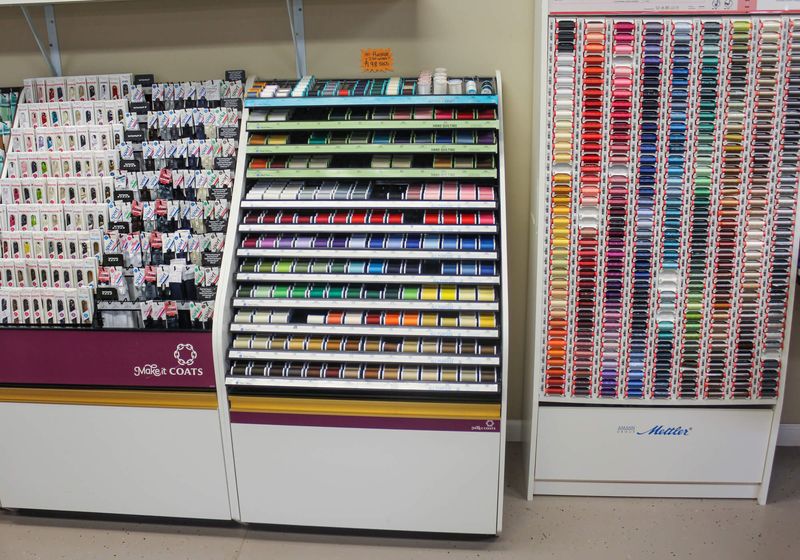
The colors outside your car window can make a surprisingly good shopping list.
Before visiting Scenic View Fabric, notice a few combinations along your Pennsylvania route, such as yellow leaves against gray bark or a red barn beside faded grass.
Use those observations as inspiration rather than rules.
A project can suggest autumn without showing pumpkins, leaves, or other seasonal pictures, especially when the palette does most of the work.
Confirm the shop’s exact location before building your drive around its name.
Similar business names can cause confusion, and rural directions may need a little more attention than a quick glance at a map.
Once you arrive, begin with a small group of possible colors.
Too many choices can blur your original idea, so narrow the selection before adding another print or texture.
Try balancing a bold pattern with a quieter companion.
That contrast gives the eye somewhere to rest and can make a simple project look more carefully planned.
A table runner is a practical way to bring travel-inspired colors home.
Measure your table first, choose a manageable design, and remember to allow for seams and the finishing method you plan to use.
If the shop carries suitable options, ask about coordinating thread and any backing material you need.
Getting those details settled during one stop can save another errand after your trip.
Allow extra daylight for the drive, especially when your route includes unfamiliar country roads.
Enjoy the scenery from safe stopping places rather than slowing suddenly or taking photographs while driving.
Write a brief note about the view that inspired your purchase.
Later, when you unfold the fabric, that memory can be part of the pleasure of sewing.
The result need not be complicated or perfect.
A useful handmade piece can quietly bring a favorite Pennsylvania afternoon into your home long after the trees have become bare.
9. In Stitches Quilt Shop: Start With One Good Block
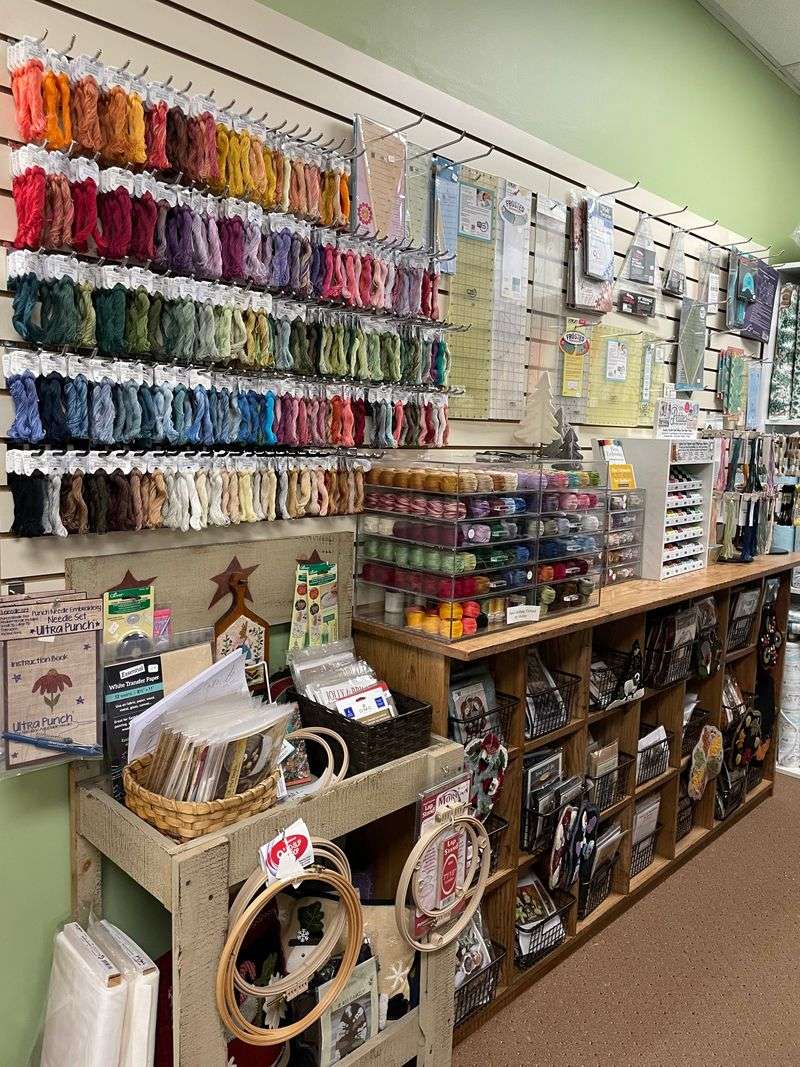
A large quilt starts with a surprisingly small decision: choosing the first block.
In Stitches Quilt Shop is a Pennsylvania stop to research when you want to turn an appealing patchwork idea into a plan you can actually finish.
Bring a picture or pattern that shows what you hope to make.
Clear examples help explain your taste, whether you prefer tidy squares, bold stars, or a loose mix of colors.
Be honest about your experience level.
A design with many tiny points may require more precision than a beginner expects, while a simpler layout can still look striking with thoughtful fabric choices.
Ask which supplies are necessary for the pattern and which are optional.
It is easy to spend heavily on tools before learning whether you enjoy a particular technique.
For fall sewing, consider a smaller version of a larger idea.
A cushion front or wall hanging lets you practice a block without committing to the time and cost of a full bed quilt.
Keep scale in mind when choosing prints.
A large design can disappear into small pieces, while a tiny print may read almost like a solid color from across the room.
Check current stock and any class offerings directly with the shop.
Do not plan around a lesson, kit, or service unless you have confirmed its availability and any booking requirements.
Before buying, review the yardage for every part of the project, including backing and binding.
Those finishing materials are easy to overlook when the main colors have captured your attention.
Pack the pattern with your purchases so the instructions stay close to the fabric.
If possible, make one test block before cutting all the pieces.
That trial gives you a chance to adjust seam accuracy and color placement.
A patient beginning usually leads to a more enjoyable project and fewer frustrating surprises when you finally assemble the whole top.
10. Log Cabin Quilt Shop: Find Comfort in Patchwork
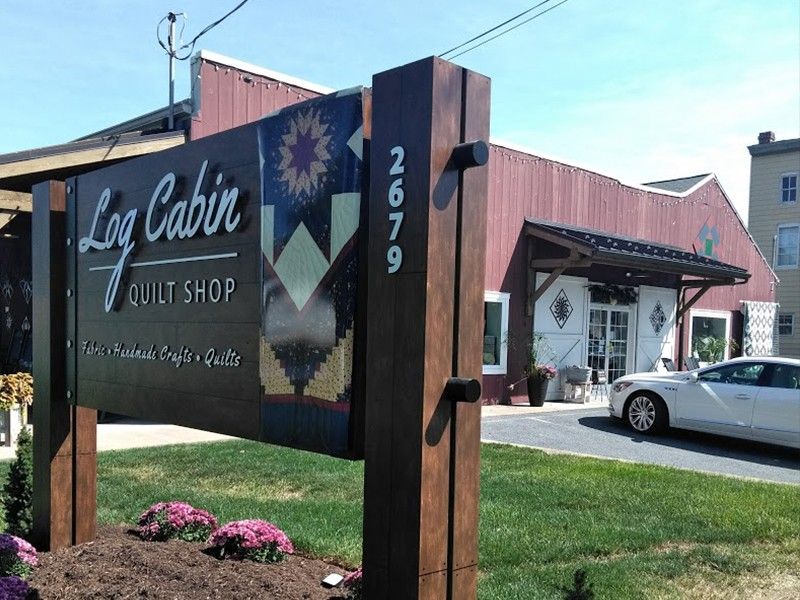
Few patchwork patterns feel as welcoming as strips of color gathered around a center square.
That familiar idea makes Log Cabin Quilt Shop in Bird-in-Hand a fitting stop for a fall outing through Pennsylvania’s quilt country.
The traditional log cabin block can look calm, bright, old-fashioned, or modern depending on the fabrics.
You do not need to copy a particular color scheme to enjoy its simple structure.
If you want to try the pattern, look for contrast between the two sides of the block.
Light and dark groups help create the larger design when several blocks are placed together.
Small prints can be useful because narrow strips show only part of each fabric.
Before buying a large motif, imagine how much of the design will remain visible after cutting and sewing.
Bring your own measurements or pattern, and ask about the current selection of fabric and finished work.
Buying a ready-made quilt and choosing materials to sew one yourself are different shopping goals, so make your purpose clear.
When considering a finished quilt, ask about its dimensions, materials, care, and how it was made.
Those answers help you choose an item that fits your bed, your household, and your budget.
A handmade purchase deserves thoughtful handling during the drive.
Keep it dry and away from food, and avoid leaving it exposed where sunlight or dirty luggage could harm it.
Pair the visit with a relaxed look around Bird-in-Hand rather than a crowded schedule of quick stops.
Leaving time between destinations makes the day easier for both shoppers and their companions.
Check business hours ahead of your visit, including any weekly closures.
Then let the stop remind you that comfort often comes from ordinary things: useful cloth, careful stitches, and colors arranged with enough attention to make a familiar room feel a little more welcoming when the weather cools outside.
11. The Fabric Center: Make the Practical Stop Count
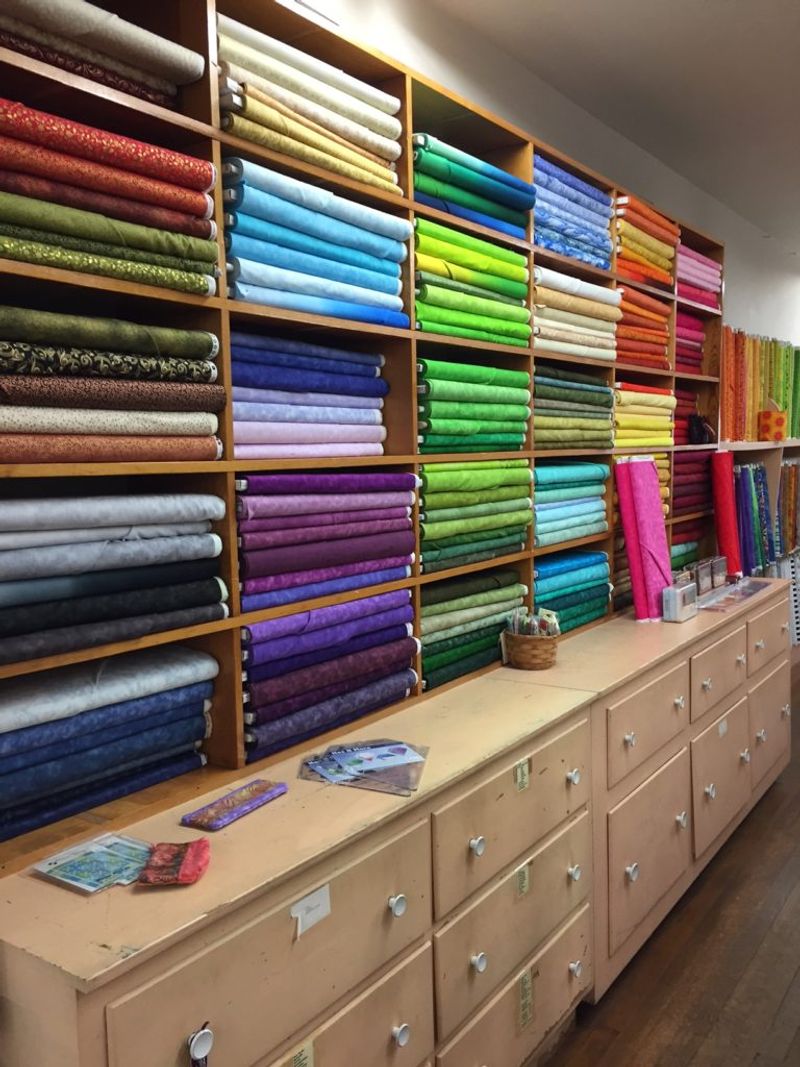
Sometimes the most satisfying purchase is the one that solves a problem waiting at home.
The Fabric Center belongs on your Pennsylvania research list when your fall drive could also help you finish an overdue sewing task.
Start by identifying that task clearly.
You might need a replacement cushion cover, fabric for a school project, or material to repair something useful, and each job calls for different qualities.
Because the business name is broad, verify the exact Pennsylvania shop before leaving.
Check the address, recent contact information, and current product range so you do not travel to the wrong listing.
Carry measurements written in one place, along with a sample when matching matters.
Include seam allowances and any extra length required for hems, ties, or a repeating pattern.
For repairs, choose function before appearance.
A patch needs a suitable weight and enough strength for the job, even if another fabric has a more attractive color.
Ask about care requirements before combining new material with an older item.
If one part shrinks or needs special washing, the repaired piece may become harder to maintain than it was before.
A practical stop can still include a little creativity.
An unexpected lining or cheerful accent may make a basic bag or storage cover more enjoyable without changing the whole project.
Resist buying extra yardage without a reason.
A modest amount for testing or matching can be helpful, but a large leftover piece only becomes valuable when you have a use for it.
Save the receipt and write down any advice you receive.
Details about washing, needle choice, or suitable thread are easier to record in the moment than to reconstruct weeks later.
Once home, tackle the project before starting another shopping list.
Finishing one useful item turns the visit into more than a pleasant browse and gives your autumn drive a small, lasting reward for everyday life.
12. The Old Country Store: Finish in Intercourse
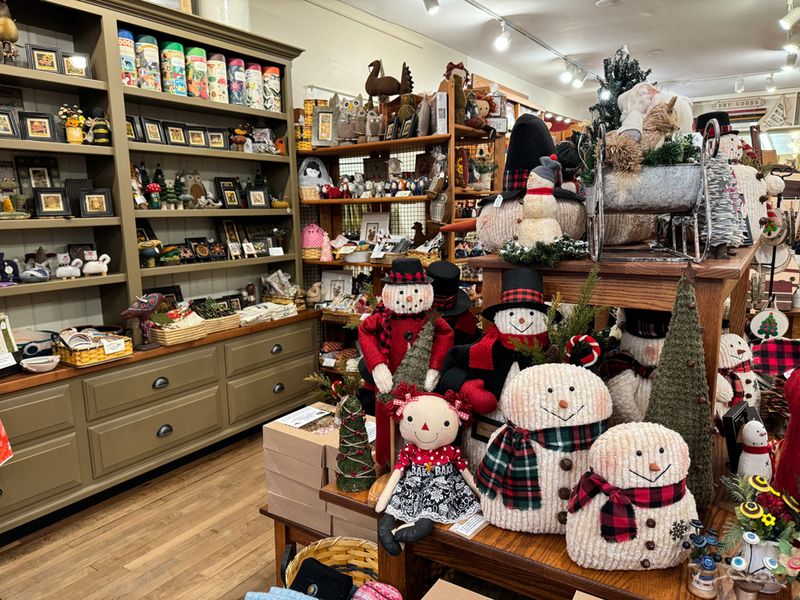
A village stop can offer more than another bag of fabric.
The Old Country Store in Intercourse, Pennsylvania, gives a Lancaster County outing a clear destination where quilting interests can share the day with a walk and a nearby meal.
Arrive with enough time to browse thoughtfully rather than rushing before closing.
A useful shopping rhythm is to look first, make a short list, and return to your strongest choices before asking for cuts.
If you are collecting fabrics from several Pennsylvania shops, compare this stop’s possibilities with what you already bought.
A coordinating background or binding may be more helpful than another unrelated print.
Consider making one small project from the whole trip.
A patchwork cushion or simple runner can combine a few favorite finds without requiring you to begin a large quilt immediately.
Keep notes about where each fabric came from.
Those details add meaning to the finished piece and prevent confusion if you later need to ask a shop about a particular purchase.
Look beyond color when checking compatibility.
Similar fabric weights and care needs make a mixed collection easier to use together, especially in something that will be washed regularly.
Confirm current hours, available departments, and any services before visiting.
If you hope to attend a class or need help beyond ordinary shopping, contact the store directly rather than assuming space or staff time will be available.
Give yourself a sensible stopping point for purchases.
A final shop can tempt you to spend the rest of your budget simply because the day is ending, but thoughtful choices matter more than a full bag.
Before heading home, take a moment to enjoy the village from a safe place on foot.
Then pack your fabric neatly and carry the best part of the outing with you: fresh ideas and a manageable project for the next cool Pennsylvania weekend spent indoors.
Share this story