A day away from Philadelphia can feel like a real vacation when you trade busy streets for waterfall trails, garden paths, small town shops, or places where American history happened, and Pennsylvania offers all of those choices without needing a flight or a long hotel stay, making it easier to spend your time exploring instead of packing, checking in, and figuring out a whole weekend of plans. For your 2026 bucket list, picture a morning among the flowers at Longwood Gardens, an afternoon learning about the past in Gettysburg, or a mountain town visit filled with train views and a relaxed lunch, with enough variety across the state to suit families, couples, friends, and travelers who simply want a change of scenery after a busy week.
Some destinations sit close enough for a slow start and an early return, while others call for leaving before breakfast, so the best choice depends on your energy, your budget, the weather, and whether you would rather walk through a museum, climb a rocky trail, browse local stores, or spend the day riding roller coasters and sharing snacks. The stops below give you practical ways to turn those ideas into a manageable outing, including what makes each place special, how to shape your visit, and what to check before leaving home, because opening hours, ticket rules, seasonal programs, road conditions, and travel times can change, especially during holidays and popular weekends, when a little planning can make the difference between a rushed trip and a memorable Pennsylvania escape.
1. Lancaster, Lancaster County: Markets, Back Roads, and Local Flavor
The smell of fresh bread is a pretty good reason to get out of bed early.
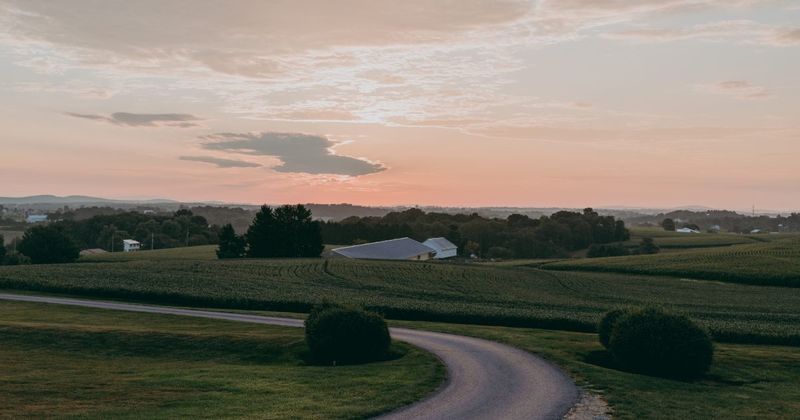
In Lancaster, a day can move from a busy market to quiet country roads without feeling like two separate trips.
Start downtown at Lancaster Central Market, a historic public market known for produce, baked goods, and prepared foods.
It generally operates on Tuesdays, Fridays, and Saturdays, but confirm the current schedule before leaving Philadelphia.
Arriving earlier gives you more time to browse before the busiest stretch.
Allow roughly ninety minutes to two hours for the drive, depending on traffic and your starting point.
Downtown parking garages can make walking between the market, shops, and restaurants easier.
Wear comfortable shoes, since the best discoveries often happen one block beyond your original plan.
After lunch, choose either more city exploring or a short drive into Lancaster County.
Rural roads pass farms, roadside stands, and small communities, but they are also working routes used by residents.
Slow down around horse drawn vehicles and leave plenty of room when passing safely.
A guided experience can provide useful background on Amish life without turning private homes into attractions.
Ask permission before taking photographs of people, and respect signs that limit access.
The goal is to understand the area, not treat everyday routines like a performance.
For a family outing, add a nearby farm attraction or railroad visit only if the timing fits comfortably.
Trying to cover every county highlight will leave little room for the simple pleasures here.
A market breakfast, an interesting shop, and a countryside stop can already fill a satisfying day.
Bring a cooler for food purchases and some cash for smaller vendors.
Before driving home, pick up something locally made for tomorrow’s breakfast.
That small reminder can make your Lancaster trip last a little longer after the road miles are behind you.
2. Ricketts Glen State Park, Benton: A Waterfall Adventure Worth the Early Alarm
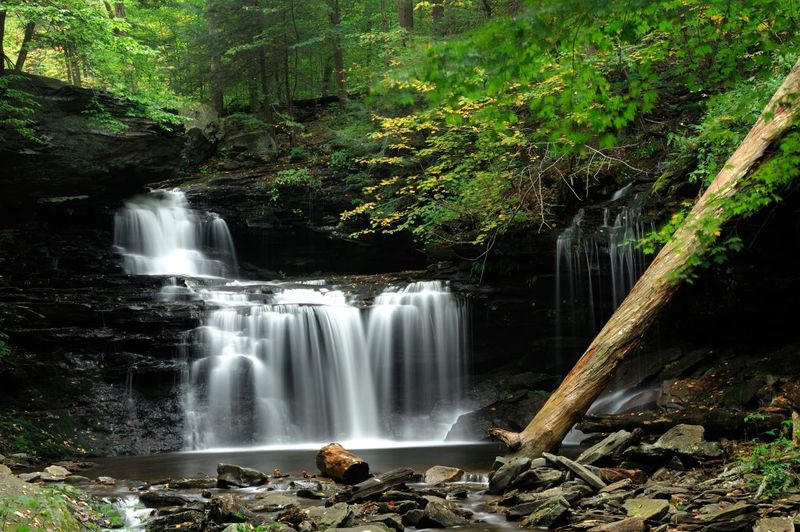
A waterfall around the next bend makes every careful step feel worthwhile.
Ricketts Glen State Park offers one of Pennsylvania’s most memorable hiking settings, with rushing water, stone ledges, and forest paths that demand your full attention.
From Philadelphia, expect roughly three hours of driving each way, sometimes longer.
That makes this an ambitious day trip rather than a casual afternoon outing.
Leave early, pack your food beforehand, and build in enough daylight for both hiking and the journey home.
The Falls Trail System is the main draw, but its rocky sections can be steep and slippery.
The full loop is about seven miles, while shorter routes are possible from selected trailheads.
Choose a route based on your fitness, available time, and current park guidance.
Proper hiking shoes matter more here than a stylish outfit.
Bring water, snacks, a downloaded map, and an extra layer, even when the forecast looks friendly.
Wet rock, muddy footing, and tired legs can turn a beautiful walk into a difficult return.
Summer and early fall are popular, while spring can bring strong water flow and muddy conditions.
Winter access to the Falls Trail is generally restricted unless visitors have the required equipment and experience.
Check official notices for closures, storm damage, and trail conditions before committing to the drive.
If a challenging hike is not your plan, explore other open areas of the park around Lake Jean.
Picnicking, easier walks, and seasonal recreation can offer a quieter visit.
Verify swimming availability rather than assuming the beach will be open when you arrive.
Keep children close and stay well back from waterfall edges.
There is no prize for finishing the longest route, especially when the rocks are slick.
Pick a realistic turnaround time, enjoy the scenery at a safe pace, and save enough energy for a comfortable drive back to Philadelphia.
3. Mercer Museum and Fonthill Castle, Doylestown: Concrete Castles and Curious Collections
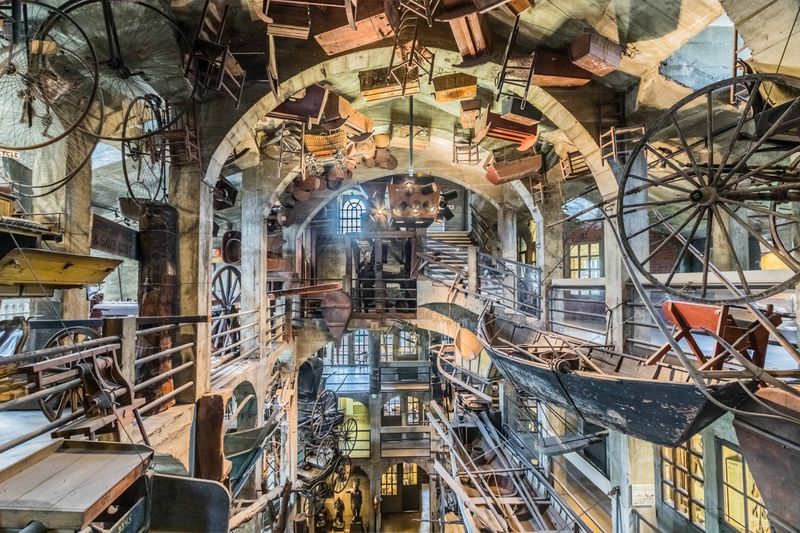
Imagine looking up and spotting old tools suspended high above your head.
That unusual sense of discovery is part of the fun at the Mercer Museum, where everyday objects become clues to life before modern machines took over.
Henry Chapman Mercer created both the museum and nearby Fonthill Castle, giving Doylestown two landmarks unlike a standard historic house visit.
The museum holds a large collection of tools and objects connected to early American trades.
Its concrete interior makes the displays feel even more unexpected.
Fonthill was Mercer’s home, and its rooms feature decorative tiles, unusual spaces, and personal collections.
Visits typically follow a guided tour format, so reserve ahead rather than expecting to walk straight inside.
Check the separate schedules and ticket arrangements for both properties before planning your day.
The drive from Philadelphia usually takes about an hour, though traffic can stretch that estimate.
Schedule one attraction for the morning and the other after lunch.
Leaving a generous gap avoids rushing through downtown Doylestown or missing a timed tour because a meal took longer than expected.
Ask about accessibility before purchasing tickets, particularly for Fonthill, where stairs and narrow passages can limit access.
Comfortable shoes will help with both buildings and the grounds.
Families should also review tour guidance to decide whether the experience matches their children’s interests and attention spans.
Between visits, downtown offers restaurants, coffee shops, and independent stores within a walkable setting.
Pick a simple lunch rather than adding another major attraction.
These collections reward close attention, and a short break gives your eyes and mind time to reset.
Watch for changing exhibits and special programs that might influence your 2026 visit.
A rainy forecast can make the museums especially appealing, although exploring Fonthill’s grounds is nicer in clear weather.
Go expecting odd details, clever craftsmanship, and plenty of conversation on the ride home.
4. Jim Thorpe, Carbon County: Mountain Scenery with a Storybook Main Street
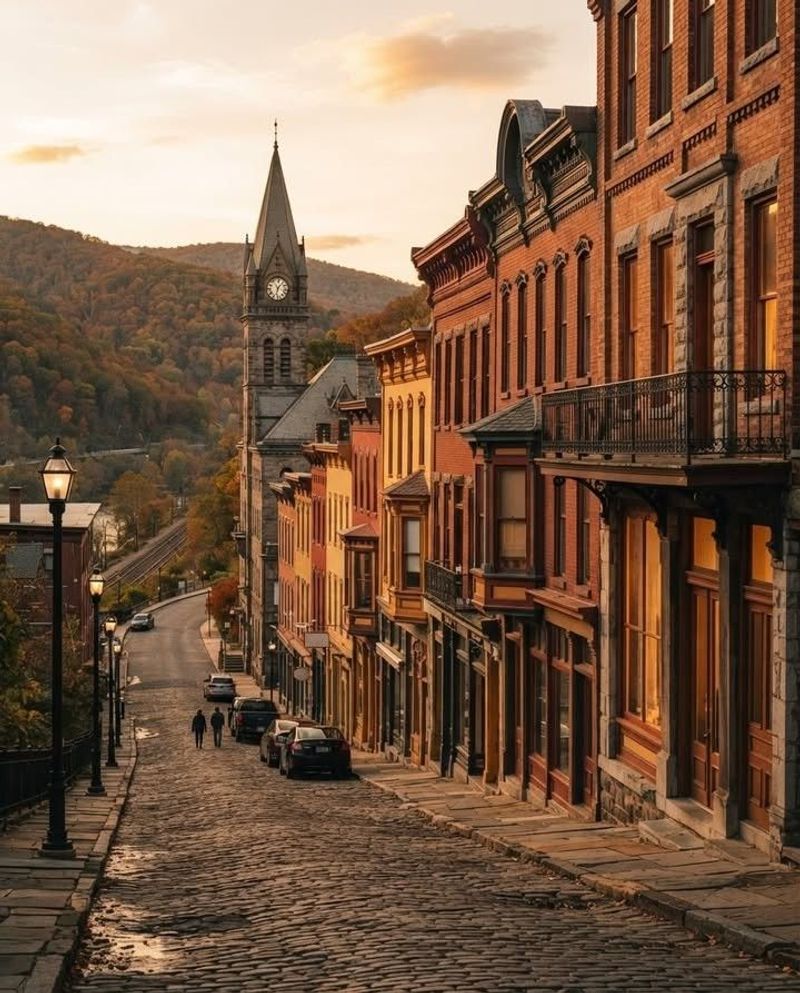
Colorful buildings squeezed between steep hills make an ordinary sidewalk stroll feel like a mountain escape.
Jim Thorpe pairs a compact historic downtown with outdoor options, so your day can be as relaxed or active as you want.
Plan on around ninety minutes to two hours of driving from Philadelphia, with extra time during popular fall weekends.
Parking can become the most frustrating part of an otherwise lovely visit.
Arrive early and check current public parking instructions instead of searching narrow streets without a plan.
Begin with a slow walk past Victorian buildings, storefronts, and the railroad station.
The town was once called Mauch Chunk and grew around coal and transportation.
That history helps explain why grand houses and industrial landmarks sit so close to the surrounding mountains.
A scenic train excursion is a popular way to enjoy the landscape without a demanding hike.
Routes, departure times, and special services vary, so review the operator’s calendar and book ahead when possible.
Give yourself a buffer for parking and boarding, especially with children.
Prefer to move under your own power?
Look into a suitable section of the nearby D&L Trail for walking or cycling.
Confirm access points, rental arrangements, and current trail conditions before arriving, since a casual riverside ride still needs a workable return plan.
Back downtown, settle into a café or restaurant rather than eating while rushing between stops.
Small shops are part of the pleasure, but some have limited hours outside busy periods.
A weekday can feel calmer, while a weekend may bring more open businesses and larger crowds.
Keep your schedule focused on one major activity and time in town.
Combining a long ride, museum visits, shopping, and a hike can make everything feel hurried.
For a balanced first visit, choose the train or trail, enjoy lunch, and leave room for an unplanned detour.
5. Peddler’s Village, Lahaska: A Browse-and-Snack Kind of Escape
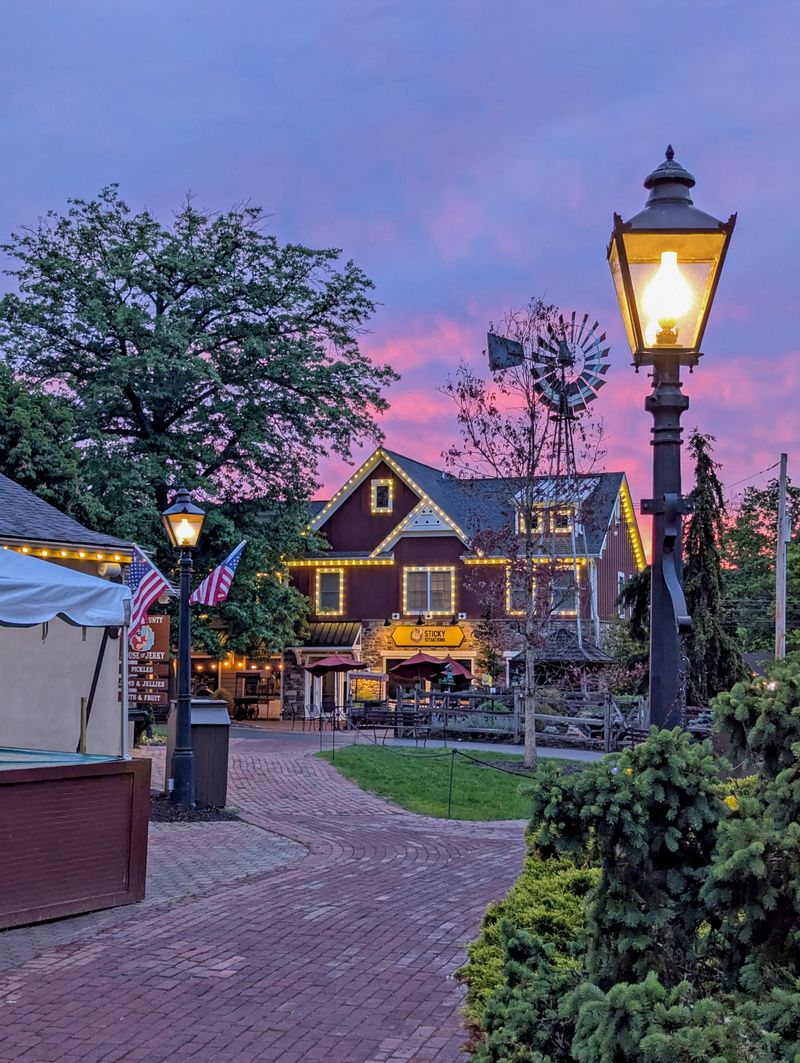
Sometimes the best outing needs no hiking boots and no complicated schedule.
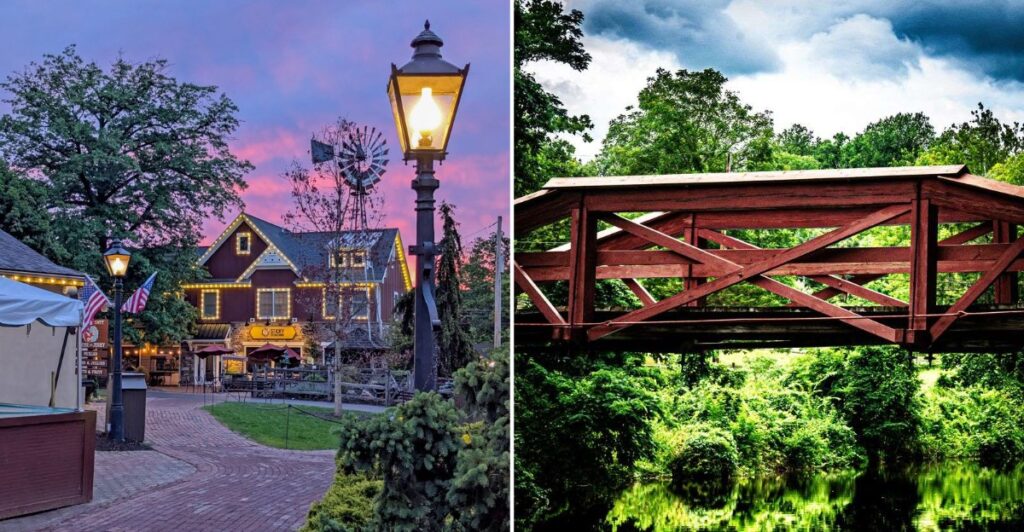
A few attractive paths, interesting shops, and a good lunch are enough, which is exactly the appeal of this Bucks County shopping village.
Peddler’s Village in Lahaska brings together independently operated stores, restaurants, landscaped grounds, and seasonal events.
It is a designed shopping destination rather than a preserved colonial town.
Knowing that helps set the right expectation: come for browsing and atmosphere, not an untouched historic streetscape.
The drive from Philadelphia often takes around an hour, depending on traffic.
Allow more time during major festivals and holiday weekends, when nearby roads and parking areas can get busy.
Review the event calendar before choosing a date, especially if you prefer a quieter experience.
Start with a casual loop to see which stores catch your eye.
You might find specialty foods, clothing, home goods, or gifts that are more interesting than your usual shopping list.
Individual shop hours can differ, so check a particular business before building your visit around it.
Seasonal displays give repeat visits a different mood throughout the year.
Flower beds brighten warmer months, while fall and winter programming can bring decorations and added crowds.
For 2026, confirm actual event dates rather than assuming last year’s schedule will repeat exactly.
Families can look into Giggleberry Fair, an indoor entertainment option within the village, and review its current attractions and pricing.
Couples may prefer a leisurely meal followed by another stroll.
Set a spending limit beforehand, because small treats and impulse purchases can add up surprisingly fast.
Wear shoes suitable for outdoor walking, and bring weather protection if rain is possible.
Much of the charm comes from moving between buildings rather than staying indoors.
Give yourself permission to leave without bags of purchases; a relaxed afternoon, a shared dessert, and some fresh air can be the whole point.
6. Bethlehem, Lehigh Valley: Steel Town Roots and Creative Energy
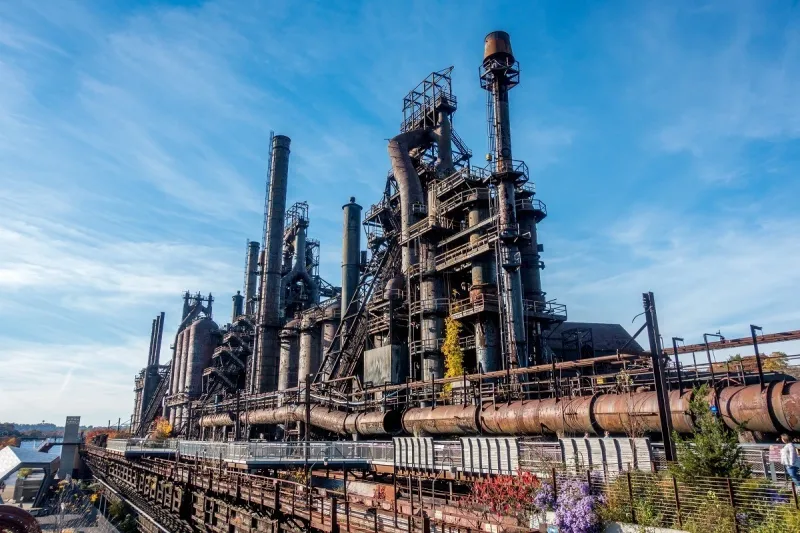
Huge steel furnaces can stop you in your tracks before you even reach the sidewalk.
Bethlehem turns that industrial backdrop into part of a lively day out, while its older streets tell a very different chapter of Pennsylvania history.
Allow about ninety minutes for the drive from Philadelphia, with traffic sometimes pushing it longer.
Decide whether to begin in the historic downtown or at the former steel plant area.
Both deserve time, but choosing an order makes parking and lunch planning much easier.
SteelStacks occupies part of the old Bethlehem Steel site and hosts arts, performances, and community events.
The preserved industrial structures give the area a strong visual identity.
Check access and programming before visiting, since an event day feels different from a quiet weekday walk.
The National Museum of Industrial History offers another way to understand the machines, workers, and industries that shaped the region.
Confirm its opening days and admission details ahead of time.
It is a useful choice when you want context rather than simply photographs of the furnaces.
Across town, historic Moravian buildings and walkable streets reveal Bethlehem’s earlier roots.
Select a museum or guided tour that fits your interests instead of trying to enter every historic property.
Some sites use timed visits, and opening hours may change with the season.
Lunch downtown gives you a chance to slow the pace and browse nearby shops.
Around major events, including Musikfest and holiday celebrations, expect busier streets and heavier demand for parking.
Those occasions can be exciting, but they require more planning than an ordinary weekend visit.
Build your route around the contrast between old buildings and industrial scale.
A morning history stop, a satisfying lunch, and an afternoon at SteelStacks create a varied outing without unnecessary rushing.
Before heading home, check whether an evening performance fits your budget and your preferred return time.
7. Valley Forge National Historical Park, King of Prussia: History in the Open Air
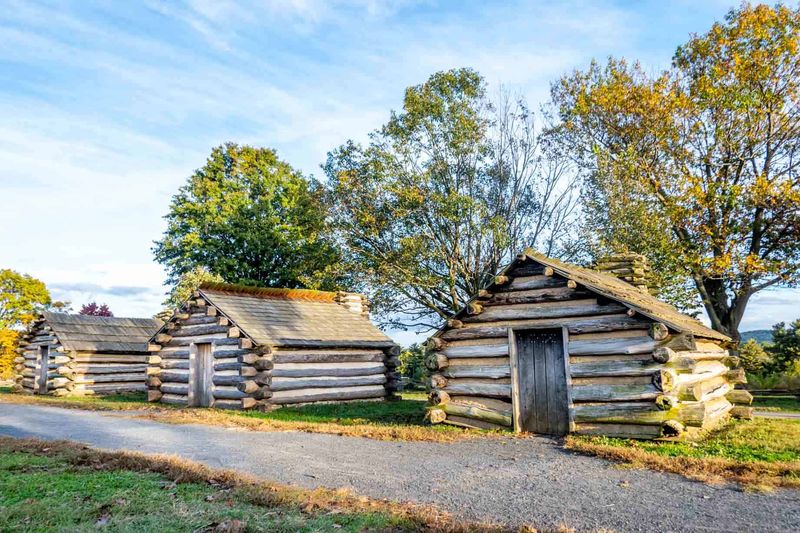
A row of simple wooden huts makes a difficult winter easier to picture.
At Valley Forge, open fields and quiet paths provide space to think about the soldiers who endured the Continental Army’s encampment here during the Revolutionary War.
The park is one of the easiest history outings from Philadelphia, often reached in about forty minutes to an hour.
Travel time still depends on your starting neighborhood and highway traffic.
Because the drive is manageable, you can spend more of the day exploring and less time watching the clock.
Begin at the visitor center for exhibits, orientation, and current ranger information.
The army stayed here during the winter of 1777 to 1778, facing shortages, illness, and demanding conditions.
Understanding that background gives meaning to the landscape beyond its pleasant views.
A driving tour can connect major stops without requiring a long walk.
You can then add short paths near reconstructed huts, monuments, or other open sites.
Ask which historic buildings are accessible that day, since indoor access may depend on staffing and seasonal schedules.
Walkers and cyclists also have plenty to enjoy, but not every path has the same surface or purpose.
Review the park map before choosing a route, and follow signs about shared use.
Bring water and sun protection, because open fields offer less shade than wooded trails.
The visit can work well for children when you keep explanations clear and stops short.
Ask them to imagine carrying supplies, staying warm, or preparing meals without modern equipment.
Those practical questions often make the history more understandable than a long list of names and dates.
Pack a picnic and use a designated area, or arrange lunch outside the park.
Admission is free, though special services or nearby activities may have separate costs.
Check the official calendar for 2026 programs, then leave room to enjoy the setting without treating every stop like an assignment.
8. Washington Crossing Historic Park: A Riverbank with Revolutionary Meaning
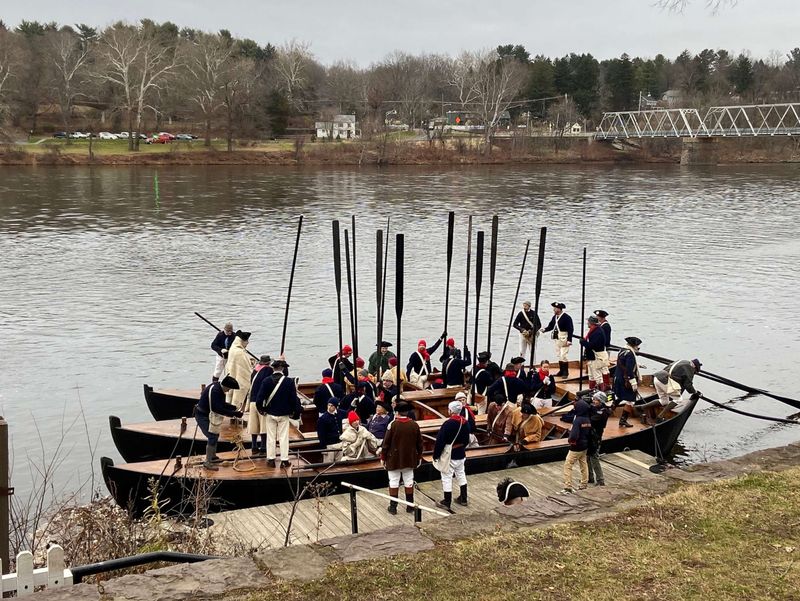
A peaceful river view can hide a remarkable story.
Along this Pennsylvania shoreline, you can explore the setting connected to George Washington’s Delaware River crossing on the night of December 25, 1776, before the attack on Trenton.
Washington Crossing Historic Park makes a manageable day trip, usually around an hour from Philadelphia.
Focus your plans on the Pennsylvania park and its separate sections.
Looking at a map before leaving helps prevent confusion about which buildings and landmarks are close enough to visit together.
Start at the visitor center for background, then consider a guided tour of the historic village when available.
Tours help connect the buildings, river, and military story in a way a quick walk may not.
Check current tickets, tour times, and reservation rules before arriving.
The park’s upper section includes additional historic features and Bowman’s Hill Tower.
Tower access can change because of weather, maintenance, or seasonal operations, so verify its status rather than making it your only goal.
There may also be separate fees for certain experiences.
A riverside stroll is rewarding even if you skip a formal tour.
Bring a light jacket on cool days, since wind near the water can feel stronger than expected.
Families should keep children away from the river’s edge and remember that historic significance does not remove ordinary water hazards.
Reenactments and special programs can make the story feel more immediate, especially around the crossing anniversary.
They also attract crowds and may involve special parking arrangements.
For a calm first visit, a regular operating day often gives you more space and flexibility.
Take lunch with you or plan a meal at a nearby Pennsylvania restaurant.
Avoid packing so many stops into the afternoon that the river becomes just a photo opportunity.
Give the setting a little time, imagine the cold and uncertainty of that night, and let the landscape deepen the history.
9. Longwood Gardens, Kennett Square: Big Garden Dreams Made Real
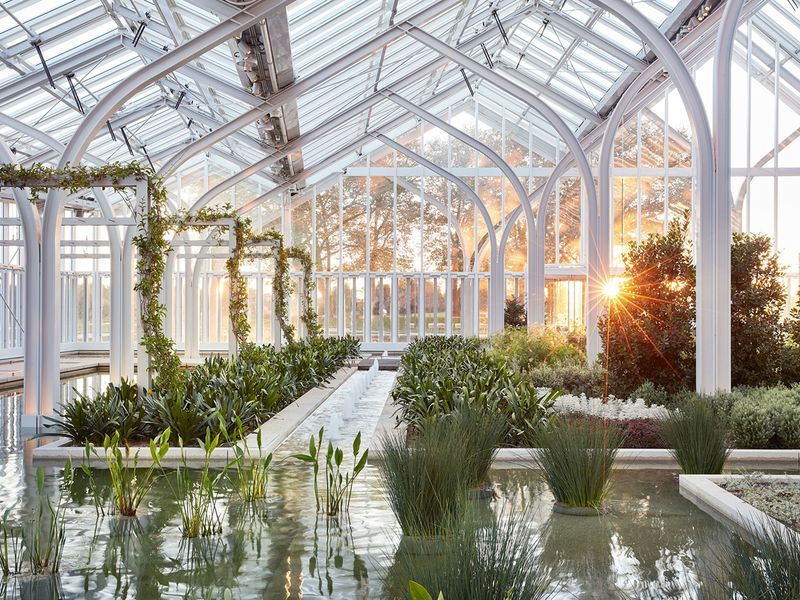
One turn along a garden path can change the whole scene.
A bright flower border gives way to a quiet grove, and then a glasshouse reveals plants that make you forget the weather waiting outside.
Longwood Gardens near Kennett Square is about an hour from Philadelphia, depending on traffic.
Its outdoor landscapes, conservatories, and seasonal displays reward more than a quick walk.
Set aside several hours so you can explore comfortably instead of racing toward every famous feature.
Buy admission in advance and check whether your chosen date requires timed entry.
Popular seasonal displays and holiday visits can sell out, especially on weekends.
Review the 2026 calendar for fountain programs, performances, and other special events before choosing a time.
Start with the areas that matter most to you, then leave space for wandering.
Plant displays change through the year, so a spring visit will not look like a summer or winter trip.
Look at current garden information rather than expecting every photograph online to match your visit.
Comfortable shoes are essential because the grounds cover a large area.
Bring suitable layers and sun protection, and consult accessibility information if someone in your group needs a shorter or smoother route.
Indoor gardens offer shelter, but getting between different areas can still involve outdoor walking.
Food options are available on site, though dining plans and reservation needs vary.
Review the current food policy before packing a picnic, since outside food is restricted within the gardens.
A planned meal break can make the second half of your visit much more enjoyable.
Photographers should check rules for equipment and special shoots.
Everyone else can simply pause, sit, and enjoy a view without trying to capture the entire place.
For a memorable day, choose a season you love, book carefully, and treat the gardens as somewhere to spend time rather than finish a checklist.
10. Hawk Mountain Sanctuary, Kempton: Look Up for the Main Attraction
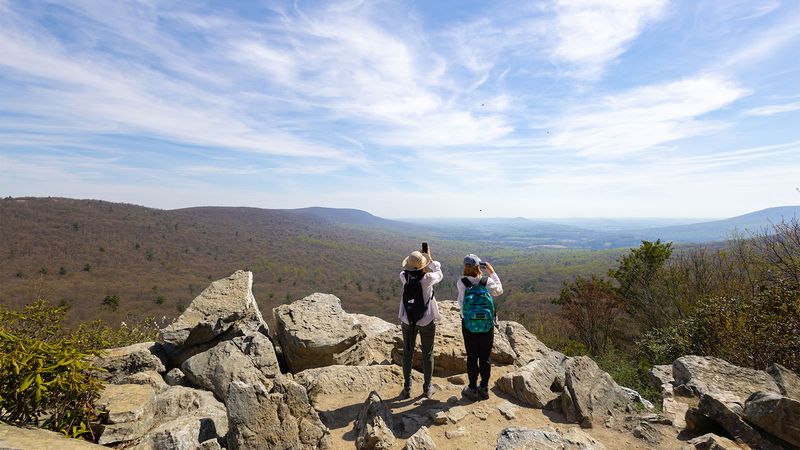
The most exciting sight here may be a tiny shape moving across a huge sky.
Watching a hawk glide above the ridges brings a different kind of thrill than reaching a waterfall or browsing a busy downtown.
Hawk Mountain Sanctuary near Kempton is generally about ninety minutes to two hours from Philadelphia.
It combines hiking, scenic overlooks, and education about birds of prey.
Check current admission prices, trail hours, and weather conditions before leaving, because this is not a casual roadside viewpoint.
Fall migration is a major attraction, but bird movement depends on weather and other natural factors.
Some days deliver many sightings, while others are quieter.
Review sanctuary updates for seasonal guidance without treating any date as a promise of dramatic wildlife activity.
Bring binoculars if you have them, along with water, snacks, and sturdy footwear.
The path to North Lookout includes rocky terrain that can challenge visitors expecting a smooth walk.
Ask staff about route difficulty and accessible options before deciding how far your group should go.
At an overlook, patience matters more than speed.
Staff or volunteers may help explain distant birds and migration patterns when present.
Listen, scan slowly, and enjoy the mountain landscape even when the sky is temporarily empty.
Keep children close around rocks and drop offs, and follow all sanctuary rules.
Pets are not permitted on the trails, so make another plan for your dog.
Staying on marked paths also protects habitat and reduces the chance of turning a pleasant walk into a navigation problem.
Wind can make the lookout feel much colder than the parking area, so carry an extra layer.
A thermos and a packed lunch can help you settle into the slower pace of watching.
Plan one main hike, allow time to rest, and remember that the reward is observing wildlife, not collecting a guaranteed sighting.
11. Brandywine Museum of Art, Chadds Ford: Art Beside the Creek
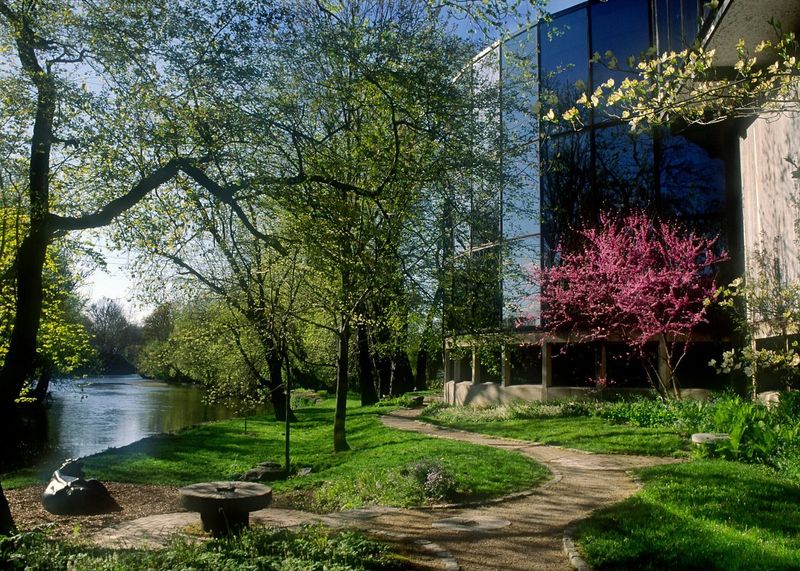
A painting can change the way you notice a field, a window, or a patch of winter grass.
That connection between art and familiar surroundings gives this creekside museum a feeling that is thoughtful without being overwhelming.
The Brandywine Museum of Art in Chadds Ford is often less than an hour from Philadelphia, although traffic affects the drive.
Its collection is strongly associated with the Wyeth family, alongside other American art.
Check current exhibitions so you know what will actually be on view.
The museum occupies a converted historic mill beside Brandywine Creek, with architecture that connects the galleries to the landscape.
Begin with the art, but take time to look outside as well.
The setting is part of the experience, not merely the space around the building.
Seasonal tours of associated historic properties and artist studios may be available through separate arrangements.
These are not necessarily included with a standard museum visit, and schedules can be limited.
Reserve ahead if a particular studio or house is the main reason for your trip.
You do not need an art history background to enjoy the galleries.
Choose one painting and study its details before reading the label, then compare your first impression with the artist’s story.
Children can look for shapes, weather, animals, or objects that make the scene feel familiar.
Check dining availability before relying on an on site lunch, and leave room for a meal in the surrounding Pennsylvania area.
Review accessibility information if your group has specific needs.
After heavy rain or severe weather, confirm opening status rather than assuming creekside sites are unaffected.
A half day can be enough for the main museum, while added tours may fill the afternoon.
Resist the urge to squeeze in too many other attractions.
A few hours with memorable artwork, a peaceful view, and a good conversation can make this one of the most satisfying shorter escapes.
12. Gettysburg National Military Park: A Landscape That Asks You to Slow Down
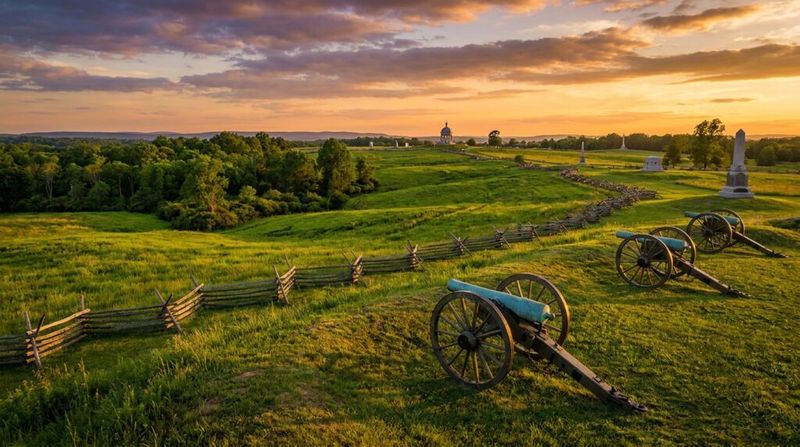
Open fields feel different when you understand what happened across them.
Gettysburg is a place for careful listening and reflection, where the scale of the landscape helps explain a battle that shaped the Civil War.
Expect roughly two and a half to three hours of driving from Philadelphia each way.
An early departure is essential for a useful day visit.
Choose a focused plan rather than assuming you can see the entire battlefield, museums, and town before heading home.
Start with the park’s official orientation resources or visitor center to understand the three day battle in July 1863.
The museum, film, and Cyclorama experience have ticket requirements separate from access to the battlefield.
Confirm current offerings and prices before deciding what belongs in your schedule.
A licensed battlefield guide can explain troop movements, key decisions, and the meaning of individual stops.
Reserve ahead if you want that experience, particularly during busy seasons.
A self guided driving tour is another option, but take time to read and listen instead of merely moving between monuments.
Build in stops where you can safely leave the car and study the terrain.
Distances that look small on a map can matter greatly when imagined through a soldier’s experience.
Bring water and sun protection, since many areas are exposed and summer afternoons can be hot.
Visit Gettysburg National Cemetery with the respect the setting deserves.
Keep voices low, follow posted rules, and help children understand why behavior here may differ from an ordinary park.
It is possible to make history approachable without making the visit playful or careless.
Lunch in town offers a needed break before your final battlefield stops.
Review road notices and special event schedules, especially around the battle anniversary.
For the return drive, leave before exhaustion sets in; a thoughtful visit to a few significant places is better than a rushed attempt to cover everything.
13. New Hope, Bucks County: Riverside Wandering with an Artsy Edge
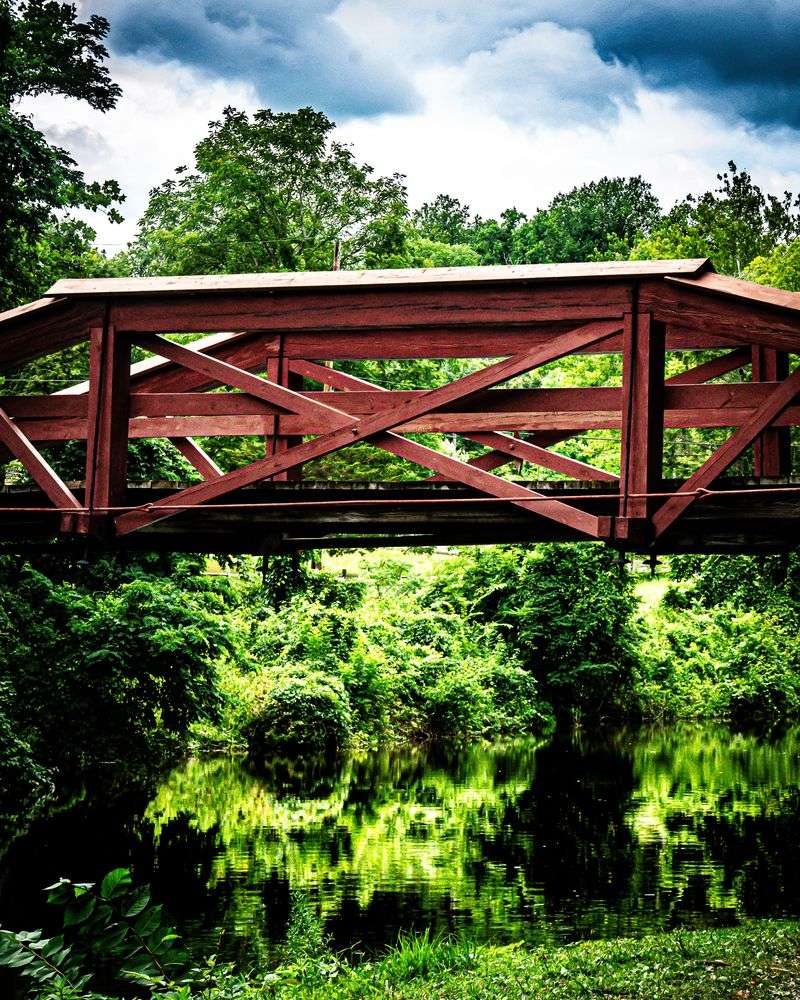
A shop window, a river view, and an inviting café can easily stretch a quick walk into an entire afternoon.
New Hope is best enjoyed with a loose plan and enough curiosity to follow whichever street catches your attention.
The Bucks County town is usually about an hour from Philadelphia, though weekend traffic can add time.
Before arriving, identify a public parking option and review payment rules.
Searching for a space after the busiest hours begin can take the shine off an otherwise easy outing.
Walk through the central streets for galleries, independent shops, and places to eat.
The town has a long connection with the arts, which shows in its mix of businesses and performances.
Store hours vary, so check ahead if one gallery or shop is especially important to you.
For a planned activity, consider a performance at Bucks County Playhouse or an excursion on the New Hope Railroad.
Both require attention to schedules, and popular dates may need advance tickets.
Choose one rather than arranging competing reservations that leave no room for lunch or wandering.
The Delaware Canal towpath offers another way to enjoy the Pennsylvania setting.
Pick a manageable stretch, check current trail conditions, and use care where paths meet roads.
Suitable shoes make it easier to switch from browsing downtown to a longer walk without discomfort.
A riverside meal can be a highlight, but ask about reservations and seating rather than assuming a view comes with every table.
Budget for parking, food, and optional tickets.
This is a destination where small purchases can quietly turn a modest day into an expensive one.
Stay on the Pennsylvania side for this itinerary and let the town set the pace.
A morning stroll, an afternoon show or train ride, and an early dinner make a complete day.
If your favorite moment is simply watching the river for a while, you have not missed the point.
14. Hersheypark, Hershey: A Full Day of Rides and Sweet Rewards
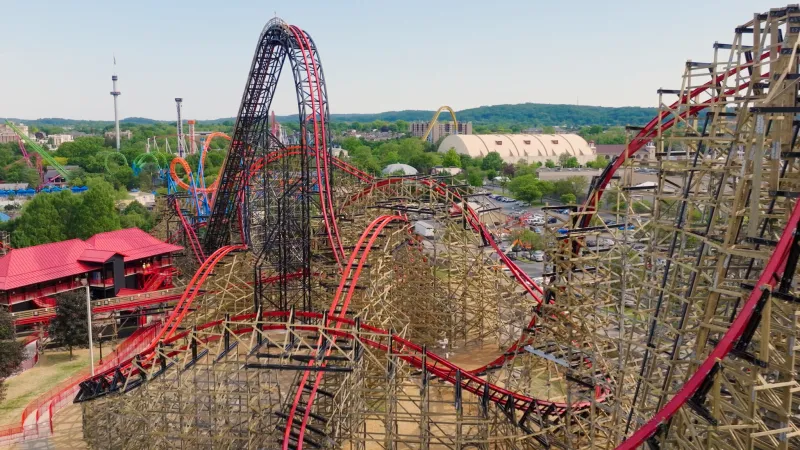
The first big drop can make the early alarm feel completely worth it.
For travelers who want their day trip loud, lively, and packed with motion, Hersheypark offers a very different escape from museums and quiet garden paths.
Allow about two hours for the drive from Philadelphia, with extra time for traffic and parking.
Check the 2026 operating calendar before choosing a date, since hours and available attractions vary by season.
Buy tickets through official channels and review exactly what your admission includes.
Set your priorities before entering the park.
Thrill seekers may want major roller coasters first, while families with younger children should check ride height requirements ahead of time.
Measuring children at home can prevent disappointment and help you choose areas where everyone has something to enjoy.
Arrive before opening if your schedule allows, then take breaks before anyone becomes overheated or worn out.
Comfortable shoes, sunscreen, and a refillable water bottle can make a long day easier.
Follow the current bag and outside food policies rather than assuming every item is permitted.
The Boardwalk water park operates seasonally, so verify its dates if swimming is part of your plan.
Bring the right clothing and think about lockers or changing time.
Trying to do every coaster and every water attraction in one visit may leave you more exhausted than entertained.
Food, parking, and optional upgrades can add significantly to the ticket price.
Set a budget and compare any meal or access packages carefully before purchasing them.
Hershey’s Chocolate World is nearby, but its experiences have separate arrangements and should not be confused with Hersheypark admission.
Plan the drive home as carefully as the morning arrival.
If your group is tired, leave earlier rather than waiting for the final ride at closing.
A successful visit is not measured by how many attractions you finish, but by how much fun everyone can still remember with a smile.
Share this story