A giraffe encounter, a walk beside a roaring waterfall, and an afternoon surrounded by outdoor sculpture sound like three very different ways to spend a Saturday. They also share something useful: none requires an expensive admission ticket.
Across New Jersey, a good day out can start with free parking, a packed sandwich, and enough curiosity to take the longer path. The trick is choosing places where the main attraction delivers plenty before the extras start competing for your wallet.
These 10 trips cover ocean beaches, historic laboratories, art galleries, gardens, and waterfront views, with room in the budget for lunch or a small treat. Here, under $50 means a practical per-person budget for ordinary admission, applicable parking, and modest food spending; fuel, tolls, and transportation depend on where you begin.
Pick the outing that matches your mood, check current access before leaving, and give yourself permission to spend the whole day.
1. Cape May County Park & Zoo, Cape May Court House
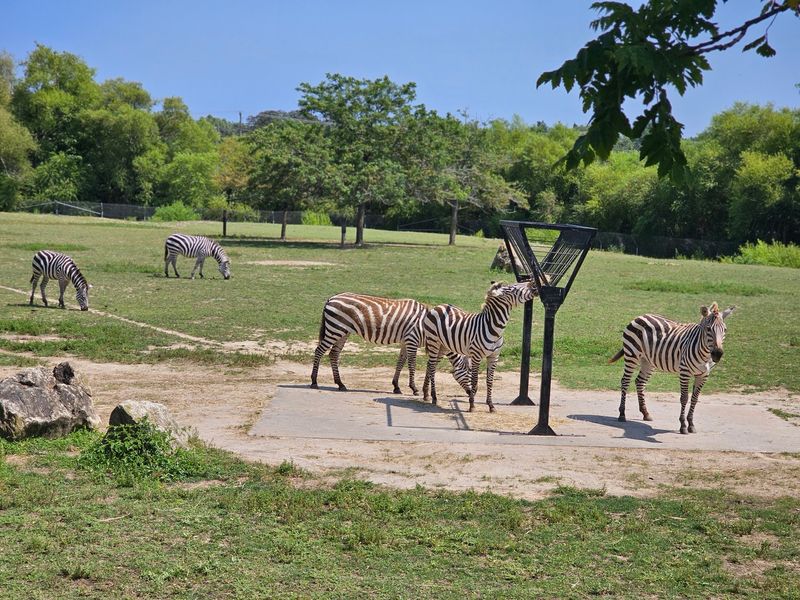
The giraffes are a persuasive reason to pull off the Parkway, but the nicest surprise arrives before you see a single animal: admission and ordinary car parking are free. In Cape May Court House, this county-run zoo makes an animal-focused outing possible without the usual ticket-counter arithmetic.
Donations are welcome, so you can contribute what fits your budget rather than paying a fixed amount just to get through the entrance. Follow the walking route at an easy pace instead of treating every enclosure as a checkpoint.
Watching an animal settle into a patch of sun often beats rushing ahead for another photograph, especially when children are setting the speed. Beyond the zoo, the surrounding county park gives you room to extend the visit with a picnic and time outdoors.
That combination makes this a fuller day trip than an admission-free attraction alone might suggest. Pack lunch, refillable water bottles, and comfortable shoes; save a little spending money for a snack or souvenir if you want one.
Optional attractions in the wider complex have separate charges, so choose those deliberately. A weekday visit is a sensible choice when your schedule allows, while an early start helps on popular weekends.
You can spend several hours here, make a donation, eat lunch, and still keep a generous cushion beneath the $50 mark.
2. Sandy Hook and Fort Hancock, Highlands
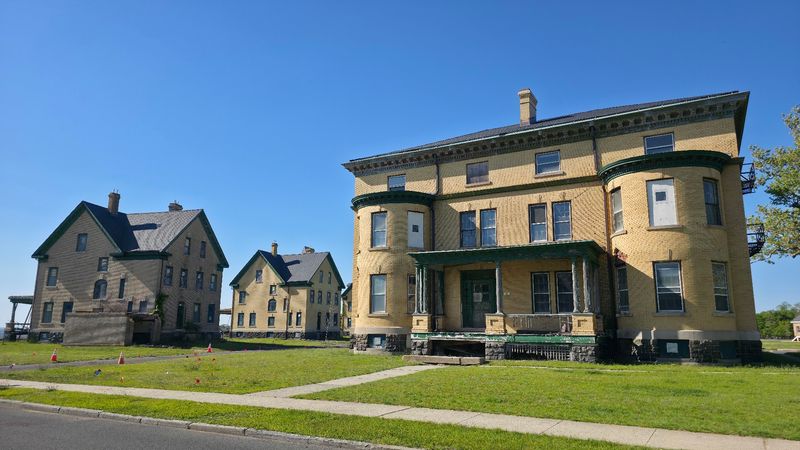
Ocean on one side, bay on the other, and old military buildings farther up the road: this peninsula gives you several outings for the price of one parking space. Start by deciding whether you want a beach day, a history walk, or a little of both.
Sandy Hook’s broad shoreline is the obvious draw, but Fort Hancock adds something you will not find beside a typical boardwalk. Walk among the historic buildings, look for scheduled access to the History House, and stop at the lighthouse, which has guided tours on designated days.
Leave time between stops rather than trying to squeeze the whole peninsula into a hurried loop. The budget detail matters here: summer beach parking costs $20 per vehicle from Memorial Day weekend through Labor Day, while parking at Fort Hancock is free.
Outside that summer window, the beach parking charge falls away, making a cool-weather shoreline walk especially appealing. Bring lunch, water, and a wind-resistant layer; exposed stretches can feel considerably breezier than your driveway did.
Sharing the vehicle makes the seasonal parking fee easier to absorb, and packing food leaves plenty of room under $50 per person. Take your rubbish home, respect closed areas, and check tour availability before building the day around an indoor stop.
The strongest version of this trip gives equal time to the water and the history.
3. Paterson Great Falls National Historical Park, Paterson
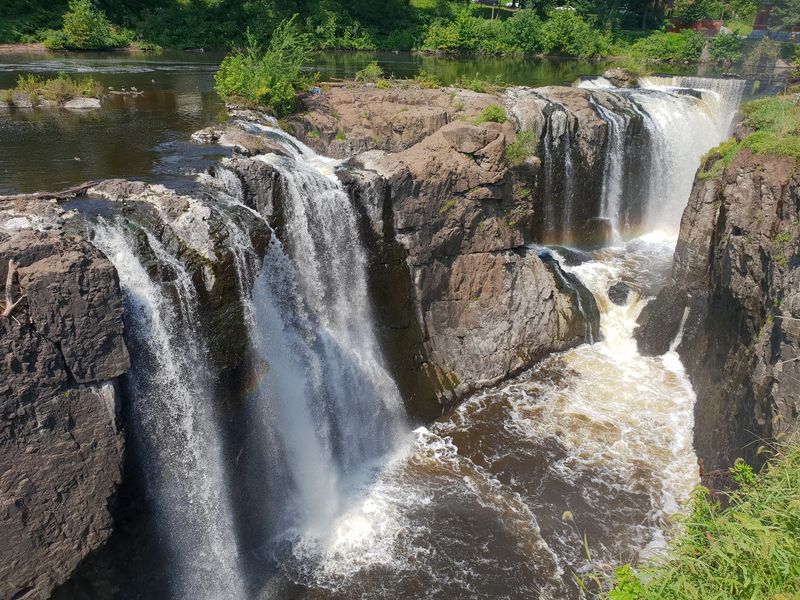
You hear the water before you fully appreciate how unlikely the setting is. In the middle of Paterson, the Passaic River drops 77 feet through a rocky gorge, putting a substantial natural spectacle within reach of city streets.
Begin at an open viewing area and give the falls a few quiet minutes before reaching for your phone. The height is impressive, but the surrounding industrial history makes the stop more interesting than a photograph alone.
Alexander Hamilton helped establish Paterson as a planned manufacturing city, with the river supplying power for its development. Reading the outdoor interpretation turns the nearby brick buildings and water channels into parts of a larger story.
Admission is free, leaving most of your budget available for lunch and any parking costs you encounter. Make this a half-day anchor, then add a meal in Paterson rather than expecting a long wilderness hike.
Comfortable shoes work better than elaborate hiking gear for this kind of urban exploration. Stick to accessible public areas and follow posted closures instead of assuming every path or crossing is open.
One practical wrinkle deserves attention: the park currently lacks a visitor center and restroom facilities, so arrange a bathroom stop before arriving. Go during daylight, allow time to understand the setting, and resist the urge to leave immediately after the first waterfall shot.
4. Liberty State Park and the Historic Railroad Terminal, Jersey City
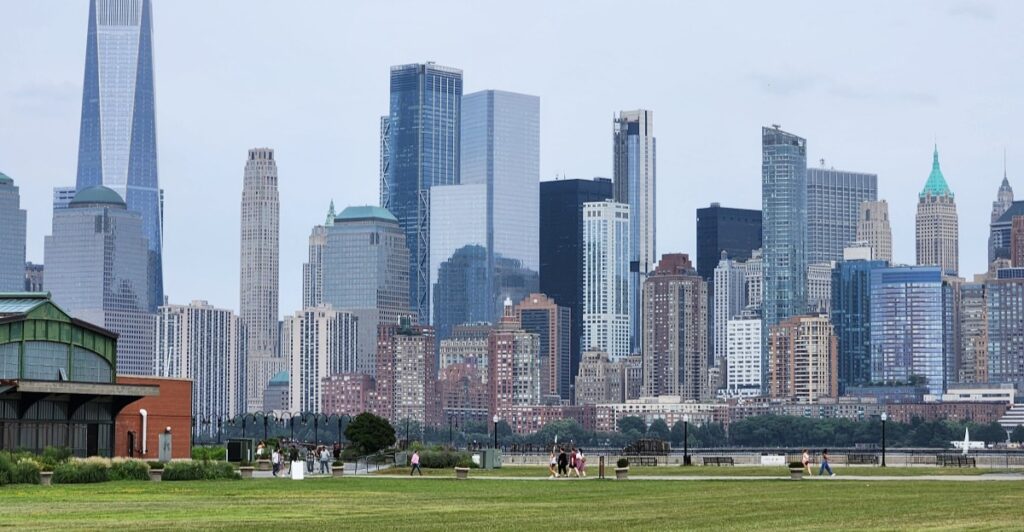
The Manhattan skyline does most of the work here, and it does not send you a bill afterward. Along the Jersey City waterfront, paved paths put the harbor, Statue of Liberty, and changing river traffic in view without requiring a ferry ticket.
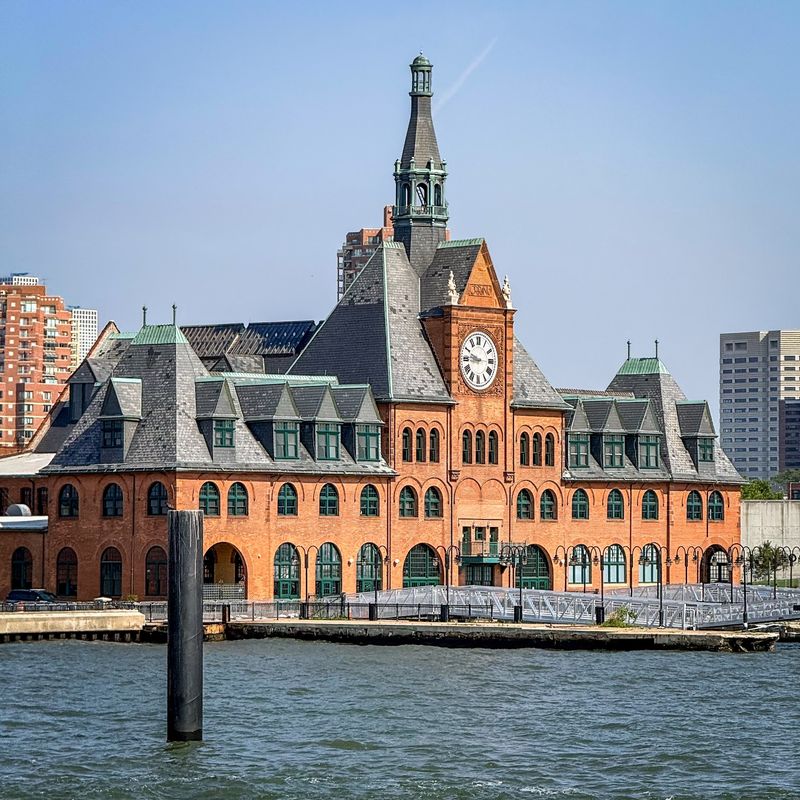
Begin near the historic Central Railroad of New Jersey Terminal, then build your walk around whichever stretch of waterfront catches your attention. The terminal adds substance to the scenery: this was part of the transportation network that carried arriving immigrants onward from the harbor.
Its architecture gives you something to examine closely before you return to those much wider views. Park admission is free, although parking arrangements and charges depend on the lot you choose.
Keep that distinction in mind when planning, especially if you are tempted to combine the outing with a paid excursion. For a straightforward budget day, bring a picnic, choose public walking areas, and let the waterfront be the main event.
A blanket earns its place in the bag if you want a longer lunch break, while a light layer helps when the wind picks up. Check current construction and access notices, since sections of the park are undergoing improvements.
With modest food spending and a sensible parking choice, staying below $50 per person is manageable. The pleasure is having enough time to watch the harbor change rather than checking off a list of views.
5. Historic Smithville, Galloway Township
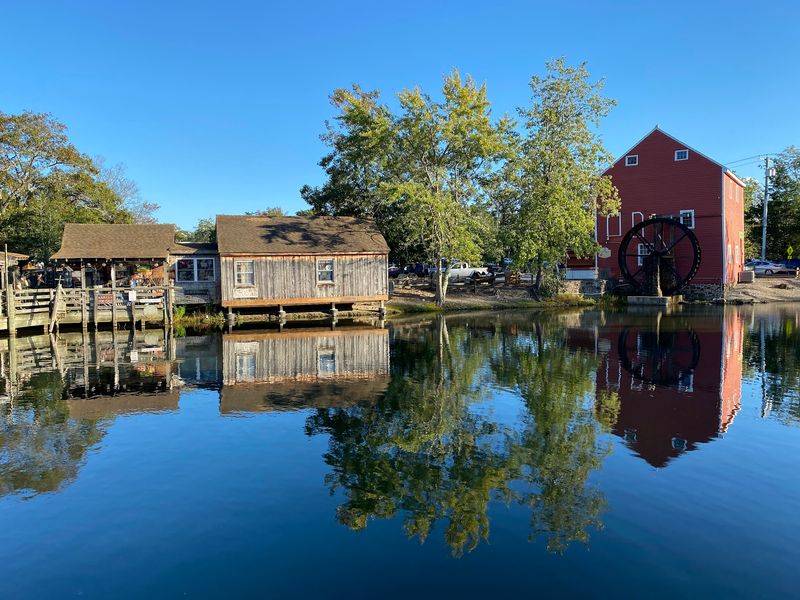
A six-minute train ride is a perfectly reasonable adult purchase when it costs $3 and gives your feet a break. That little excursion captures the appeal of this Galloway Township village: the pleasures are small, approachable, and easy to combine into an afternoon.
Around Lake Meone, shops occupy individual buildings linked by walkways and footbridges, so browsing feels more like moving through a village than marching along a shopping-center corridor. Take one circuit before buying anything.
You will get a better sense of which shops deserve another look and avoid spending your entire allowance at the first tempting window. The train, carousel, and paddleboats offer optional ways to change the pace, with availability depending on conditions and operating schedules.
Children may lobby for all three; choosing one keeps the budget comfortable. The village also hosts seasonal events, making the calendar worth checking before you settle on a date.
For an under-$50 outing, reserve most of your spending for a casual meal, then choose between a small purchase and a ride. Window-shopping and walking beside the lake can fill the rest of the visit without constant transactions.
Go with someone who enjoys browsing rather than someone determined to finish every shop. This is a good place to linger over an odd find, cross another bridge, and decide that your next stop can wait.
6. Duke Farms, Hillsborough
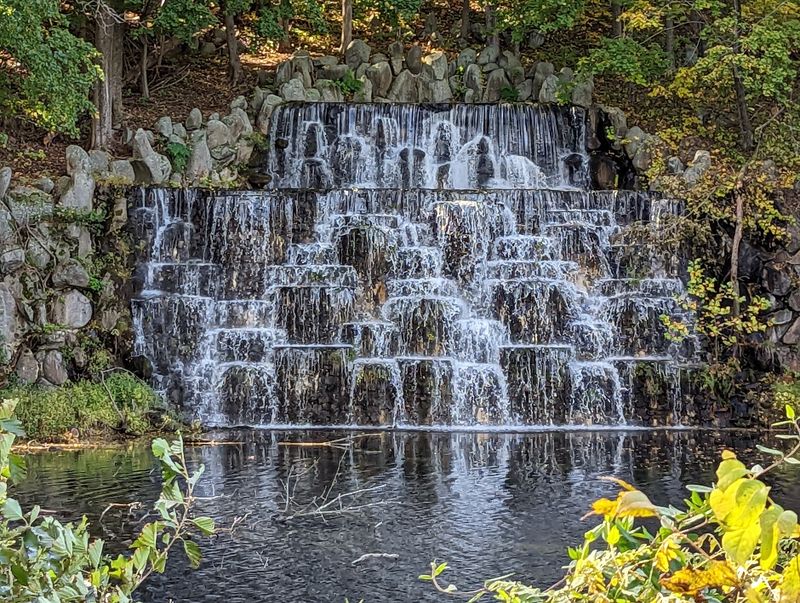
An orchid greenhouse and a roofless hay barn full of sculpture make an unusual pair of stops on a nature walk. In Hillsborough, both belong to a much larger landscape where former estate features sit among habitats managed for conservation.
The property covers 2,700 acres, with around 20 miles of trails available for exploration, so arriving with a rough route makes the day easier. Choose a few landmarks rather than trying to cover everything.
The Orchid Range rewards a slower look, while the Hay Barn offers a different kind of pause before you continue toward lakes, meadows, or wooded stretches. Bring binoculars if you enjoy birdwatching, but ordinary walking shoes and a water bottle are enough to begin.
Admission is free, and a packed lunch keeps spending comfortably low. The important planning detail is the calendar: trails currently operate Tuesday through Saturday, with Sunday and Monday reserved for wildlife and ecosystem recovery.
Saturday visits during the designated warmer-month period require a free parking reservation, so secure that before setting out. Food service can change or close temporarily, making it wise to bring what you need rather than depending on the café.
Give yourself several hours and leave space for an unplanned stop when something catches your attention. This is an outing where a shorter route, walked attentively, can be more satisfying than an ambitious mileage target.
7. Grounds For Sculpture, Hamilton
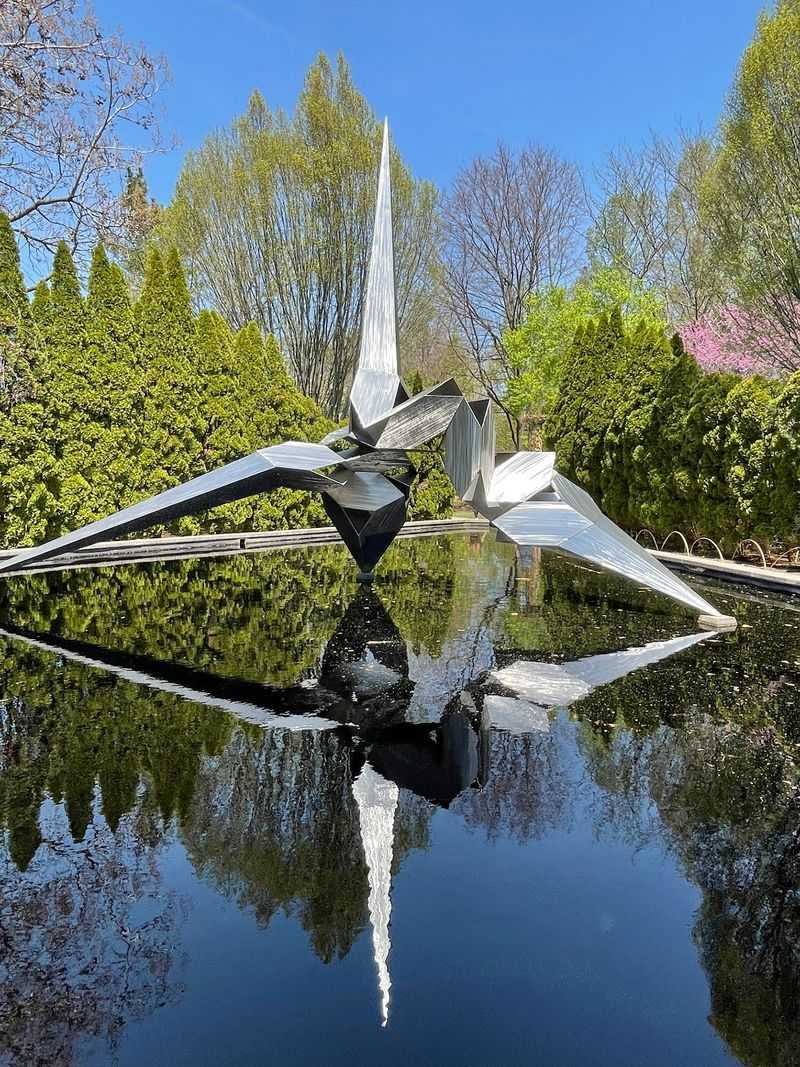
That person sitting perfectly still might be having a thoughtful afternoon. They might also be bronze.
Discovering which is which is part of the fun at this Hamilton sculpture park, where realistic figures share the landscape with abstract forms, gardens, ponds, and roaming peacocks. Give yourself time to move beyond the first cluster of works.
Paths and planted spaces change what you can see, turning a walk into a series of discoveries rather than one long survey of objects on pedestals. Seward Johnson’s familiar human figures provide easy conversation starters, while other sculptures invite you to consider shape, scale, and the space around them.
Look for the pond and Monet-inspired bridge, then take a less direct route toward another area of the grounds. Ordinary adult admission is $25, leaving enough room beneath a $50 budget for modest food spending.
Special-event pricing can differ, so confirm the ticket type before purchasing. The park is currently closed on Tuesdays, and planning your admission ahead helps keep the day straightforward.
Treat a full restaurant meal as a separate spending decision rather than assuming it fits comfortably into the remaining allowance. Wear shoes suited to several hours of walking and check the weather; the landscape is central to the experience.
A relaxed visit gives the artwork room to surprise you, including the occasional peacock that appears determined to compete for attention.
8. Thomas Edison National Historical Park, West Orange
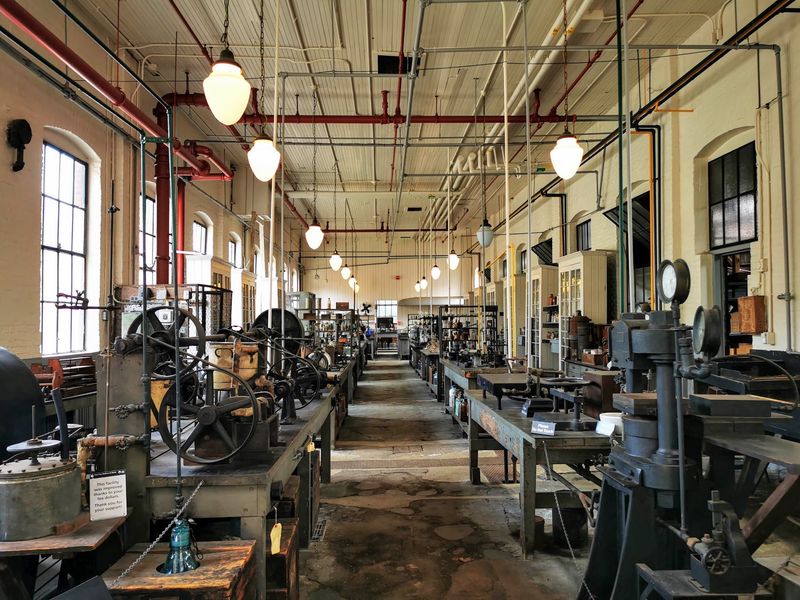
Before recorded music became something you carried in your pocket, it involved machinery, experiments, and rooms full of people trying to make an idea work. The laboratory complex in West Orange brings that process into focus.
Start with the main laboratory, where Edison’s library, machine shops, and other workspaces provide the setting for inventions developed by Edison and his collaborators. It is a more engaging visit when you look beyond the famous name and consider the practical work behind a prototype: tools, materials, testing, and another attempt when the first one failed.
The Black Maria film-studio replica adds a memorable stop, connecting the site to the early history of motion pictures. If you want to include Glenmont, the Edison family home, plan that separately within the same park visit.
Interior house tours require advance reservations, and every participant needs a ticket with a $1 processing charge. General park admission is $15 for visitors 16 and older; children 15 and younger enter free.
That leaves room for a casual lunch while keeping the outing under $50 per person. Allow for walking between buildings and bring a jacket when the weather calls for one.
Check operating days and tour availability before leaving. You do not need to understand the workings of a phonograph to enjoy the visit; curiosity about how everyday technology began is enough.
9. Princeton University Art Museum and Campus, Princeton
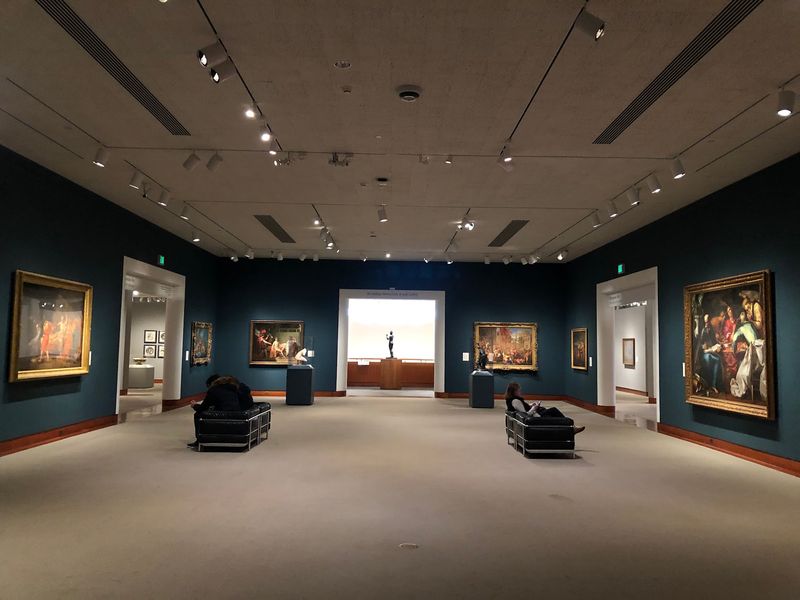
Free admission is especially satisfying when the building gives you enough to explore that you need to make choices. At the Princeton University Art Museum, you can spend a substantial part of the day with art, then step outside into a campus that extends the outing on foot.
The new museum opened in 2025, giving returning visitors a reason to rethink an old Princeton routine. Begin with a manageable plan: choose a few galleries or a temporary exhibition, then leave time to follow whatever catches your eye.
Trying to absorb every object usually produces tired feet and very little memory of the final room. Afterward, walk through the campus and toward Nassau Street, where the change from gallery spaces to shops and sidewalks supplies a natural second act.
Palmer Square is another useful place to pause before deciding on lunch. Museum admission is free to everyone, so food and parking are likely to be your main expenses.
Free museum parking is available at Stadium Drive Garage with the required daily registration; downtown options have their own arrangements. Choose a casual meal and keep shopping discretionary to remain below $50.
Thursday and Friday evening hours can also give you more flexibility. This trip works particularly well when your group has mixed interests: art provides the anchor, while the surrounding walk gives everyone room to enjoy the day at their own pace.
10. New Jersey State Museum, Trenton
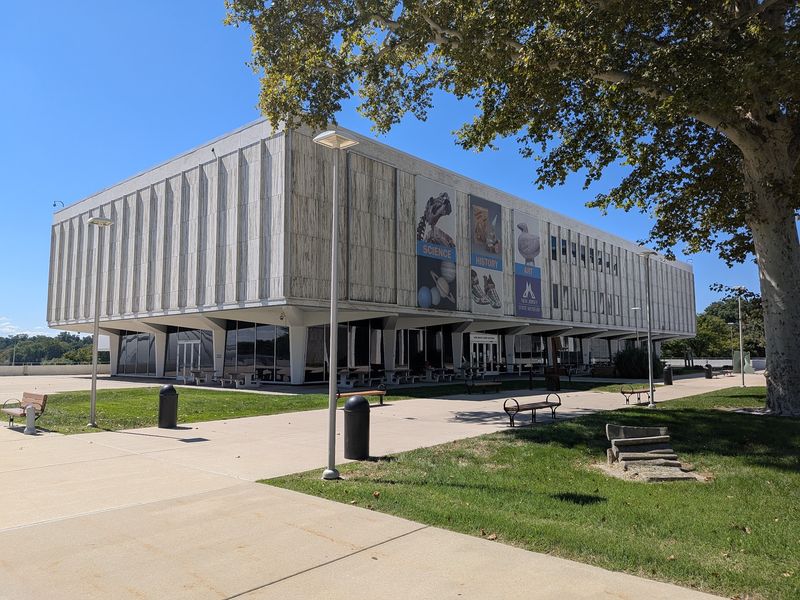
Spend the morning looking at fossils and the afternoon beneath a planetarium sky, all without paying a general admission fee. In Trenton, this museum combines natural history, archaeology, cultural history, and fine art, making it a useful choice for a day when the weather refuses to cooperate.
Choose a starting point that suits your interests rather than following the galleries simply because they appear in a particular order. Someone fascinated by prehistoric life can begin with natural history, while another visitor may prefer artwork or objects connected to the state’s human history.
The range is the advantage: you can change subjects when your attention starts drifting. A planetarium show supplies a clear centerpiece if you want one, with current tickets priced at $10 for adults and $5 for children 12 and younger.
Check show times before arriving so lunch does not accidentally compete with the screening you wanted. The museum is open Tuesday through Sunday and closes on Mondays and state holidays.
Weekend visits also offer free parking in adjacent lots and along the street in front, making the budget particularly easy to manage. Set aside money for a nearby meal, keep an optional donation in mind, and you can remain well under $50 per person.
Allow enough time to browse without racing. A good museum day often comes from spending longer with a few unexpected objects, rather than proving you reached every gallery.
Share this story