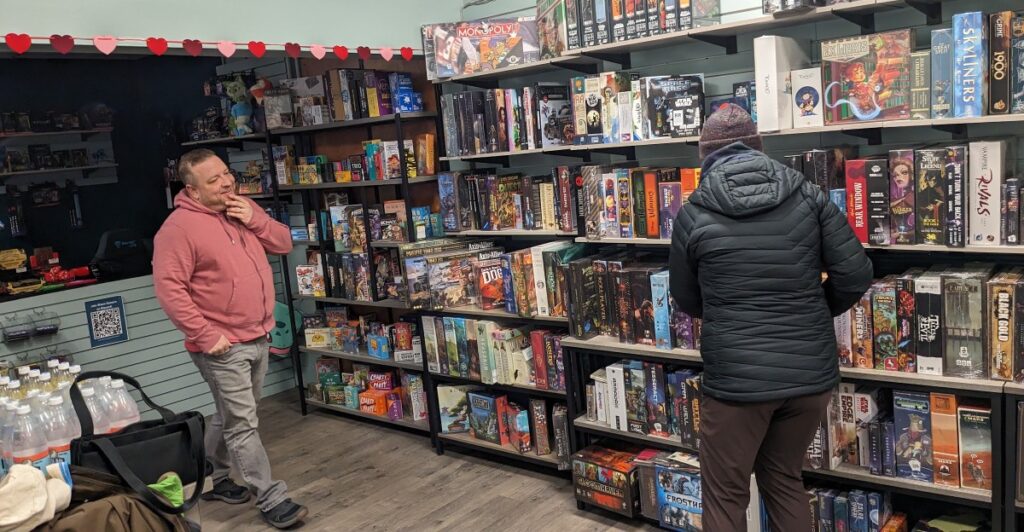
A thousand game boxes sound exciting until your group has to agree on which one to open. Someone wants dragons.
Someone wants a quick card game. Someone claims they hate board games, then becomes suspiciously invested in winning.
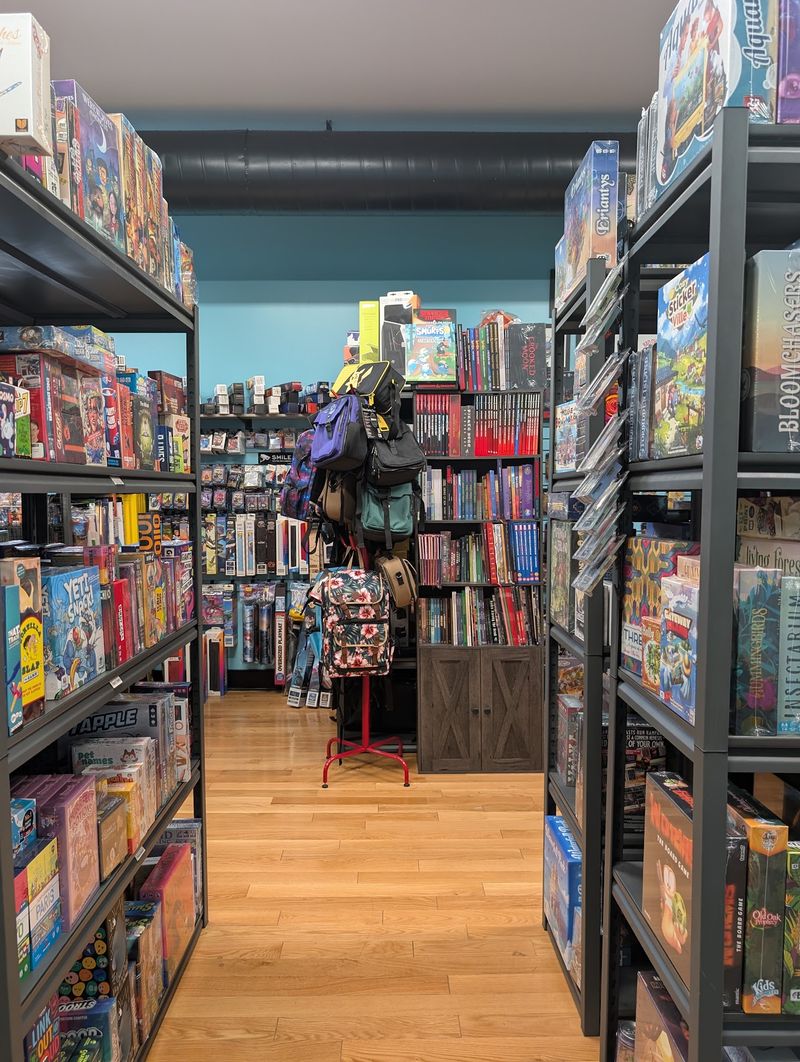
At Shore Gamers in downtown Red Bank, that debate is part of the afternoon. The shop’s game lounge boasts more than 1,000 titles available for in-store play, turning a browse through the shelves into something you can settle into for hours.
There’s room here for the family that knows every Uno rule, the couple looking for a different date night, and the friend who considers reading a strategy manual recreational entertainment. You don’t need to arrive with a collection, a tournament résumé, or an encyclopedic knowledge of dice.
Just bring a little curiosity and people you enjoy spending time with. The games supply plenty to talk about, including who really deserved that last win.
Shore Gamers Turns a Red Bank Shop Into a Place to Stay and Play
For Gennaro, the love of games stretches from playing Scopa around the dinner table with his Italian family to online board game sessions with friends during the pandemic. After a career as a director of software engineering, he brought that interest into a business built around gathering people at an actual table.
Jes, a graphic designer, has her own connection to the hobby, rooted in childhood games of Casino and Gin Rummy with her grandparents. Those backgrounds help explain the appeal of Shore Gamers.
This is a shop where games have a purpose beyond looking good in a collection. They give people something to do together.
Buying a box and playing it are two different experiences. At home, a new purchase might sit unopened while everyone negotiates dinner, chores, and whether there’s enough time to learn it.
Setting aside an afternoon at a game lounge removes some of that friction. You’ve already made time to be there, and the activity is waiting.
A table becomes the setting for a small shared project, whether that means solving a mystery, building something, or politely ruining a friend’s carefully prepared plan. The shop’s approach also reaches beyond ordinary walk-in visits.
Its children’s programs welcome scout troops, homeschool groups, and other clubs, with activities that use tabletop games to encourage communication and creative thinking. Girl Scout offerings include designing an original board game using art supplies, dice, tokens, and other pieces.
That’s a fitting extension of the idea behind the lounge. Once you start noticing what makes a game enjoyable, the box becomes more than a product.
It’s a set of possibilities, with the best ones coming to life when everyone pulls up a chair.
More Than 1,000 Games Make Choosing Your First One Half the Fun
Forget trying to pick the single best game in the room. The more useful question is which game fits the people sitting at your table today.
Shore Gamers advertises a lounge collection of more than 1,000 playable titles, and its published library includes everything from familiar family games to substantial strategy choices. Among the listed names are Bananagrams, Codenames, Forbidden Island, Wingspan, Terraforming Mars, and Ticket to Ride First Journey.
Individual availability can vary, but the range gives you a good idea of how differently an afternoon here can unfold. A group that enjoys wordplay might want something entirely different from a pair who like planning several moves ahead.
Families with younger children have another set of priorities, especially if the youngest player’s patience runs out before the adults finish explaining the first turn. Start with the group rather than the cover art.
How many people are playing? Does everyone want to compete, or would working together be more fun?
Are you looking for twenty minutes of laughter or one longer game that anchors the visit? Those questions narrow a huge collection surprisingly quickly.
It also helps to resist the urge to make your first choice a grand statement about your gaming ambitions. A shorter opener lets everyone settle in and gives you a chance to figure out the table’s mood.
Then you can move toward something more involved, or keep switching between quick games if that’s what people enjoy. There’s no prize for selecting the most complicated box.
Trying a game before deciding whether you want to own it adds another useful layer. The theme might catch your attention, but playing reveals whether you enjoy the decisions, the pace, and the way it brings your group together.
Sometimes the unassuming box ends up being the one everyone remembers.
A $10 Play Pass Lets You Settle In for Hours
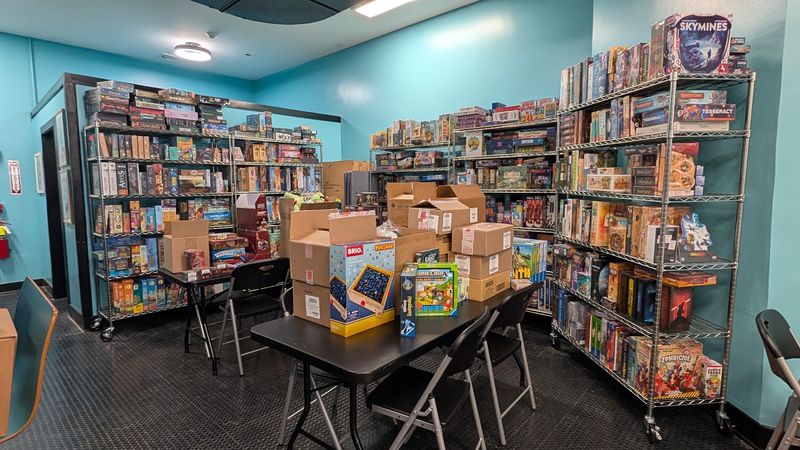
Ten dollars per person buys a walk-in Play Pass with access to the game library and unlimited gameplay during your visit. Children three and under play free, while guests twelve and under need a guardian unless they’re attending an after-school club.
That makes the basic outing straightforward to budget. Two paying players spend $20 on admission; four spend $40, before food, drinks, or purchases.
The value depends on how you use the time. For a quick peek, a lounge pass may be more than you need.
For a few hours with friends, it gives the afternoon a clear activity without requiring everyone to buy a game or bring their own collection. You can try something, decide it isn’t the right fit, and choose another.
That flexibility is particularly useful when your group has mixed tastes. One person’s ideal entertainment is another person’s accounting assignment with tiny wooden pieces.
A shared library gives you room to adjust without treating the first choice as a commitment. Plan for the learning time as well as the playing time.
A game’s printed duration generally doesn’t account for your group stopping to discuss every unfamiliar rule, and a first session can move more slowly than later ones. Starting with something manageable leaves room for another round once everyone understands what they’re doing.
Dedicated events are a separate consideration. A scheduled tournament or guided role-playing session may have its own registration and price, so the walk-in pass shouldn’t be treated as admission to everything on the calendar.
For example, the shop’s listed adult Dungeons and Dragons one-shots cost $25. For ordinary lounge play, though, the pleasure is simple.
You’ve paid for time to explore, and you can spend that time finding what your group actually likes.
Staff Help You Get Playing Without Getting Lost in the Rules
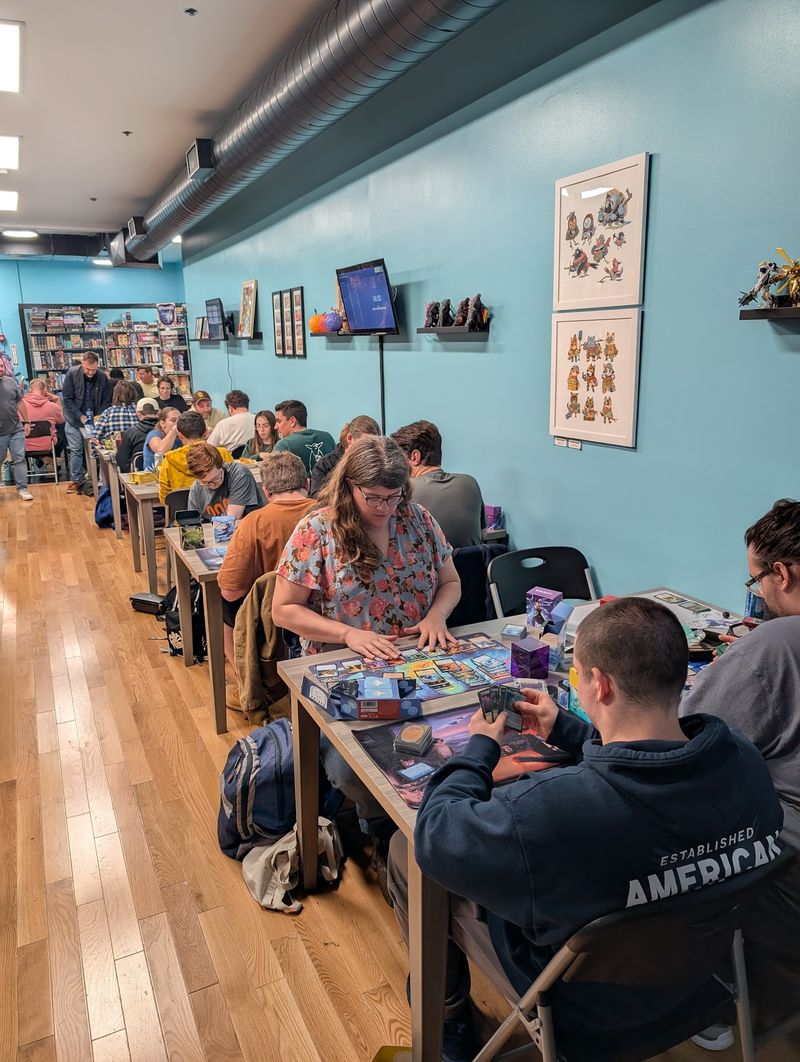
The quickest way to stall a game afternoon is to hand one person a rulebook while everyone else waits for entertainment to begin. Shore Gamers offers help choosing games and getting started, which is particularly useful when you’re stepping beyond the handful of titles you already know.
Make that conversation specific. Saying “We want something fun” leaves a lot of territory to cover.
Saying “There are four of us, we like word games, and we’d rather avoid a long setup” gives someone a practical starting point. Mentioning a game you enjoyed helps too, but explain what you liked about it.
Was it the teamwork, the bluffing, the quick turns, or the chance to build a plan? Those details are more revealing than simply asking for something popular.
It’s equally useful to be honest about what your group doesn’t enjoy. If negotiating makes everyone tense, or one player dislikes being eliminated early, say so before choosing.
A recommendation works best when it accounts for the whole table. Once you begin, give yourselves permission to learn without turning the first round into a championship.
Ask about the goal, the basic turn, and how the game ends. Then let the early decisions teach you why the rules matter.
Some games become much easier to understand once you’ve seen a turn happen rather than heard every possible situation explained in advance. For families, letting children ask their own questions can help them take ownership of the experience.
Adults sometimes explain so enthusiastically that younger players never get a chance to work anything out. Leave a little space for discovery.
The aim is to get everyone participating, with enough understanding to make choices and enjoy the results. Nobody needs to become the table’s official rules lawyer before the afternoon has properly started.
Dungeons and Dragons Adventures Share the Calendar With Card Tournaments
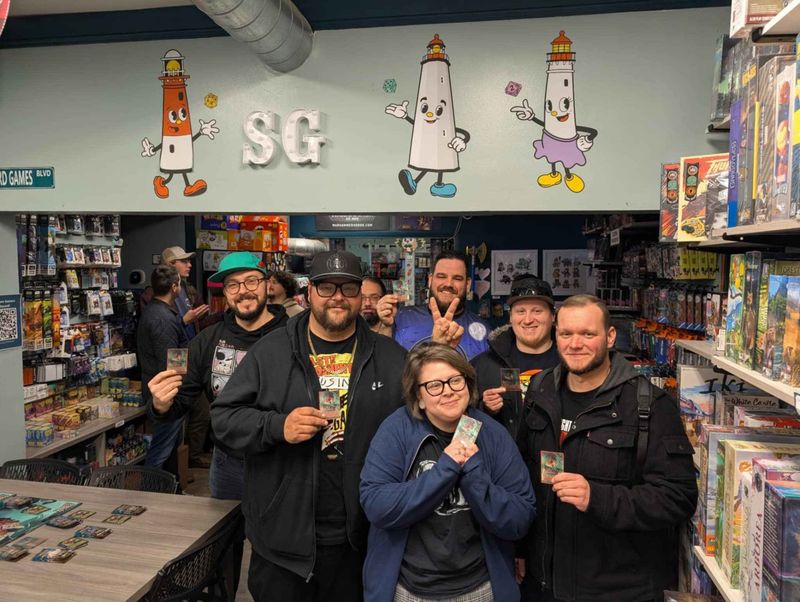
A three-hour fantasy adventure asks something different of you than a board game pulled from a shelf. Instead of following a fixed path across a board, you’re helping shape a story through your character’s choices, with a Dungeon Master guiding the action.
Shore Gamers’ adult Dungeons and Dragons one-shots offer a contained way to try that experience. The listed sessions are beginner-friendly, run for three hours, and cost $25 with one drink and one snack included.
Players must be eighteen or older for those sessions, and they can bring an eligible character or choose a prepared one provided at play. A prepared character is handy if your curiosity is ahead of your knowledge.
You can focus on making decisions and understanding the flow without first turning character creation into homework. The one-shot format also means you’re signing up for a single adventure rather than committing to a continuing campaign.
That’s a manageable first step for someone who wants to find out whether role-playing suits them. Trading card players have their own reasons to watch the calendar.
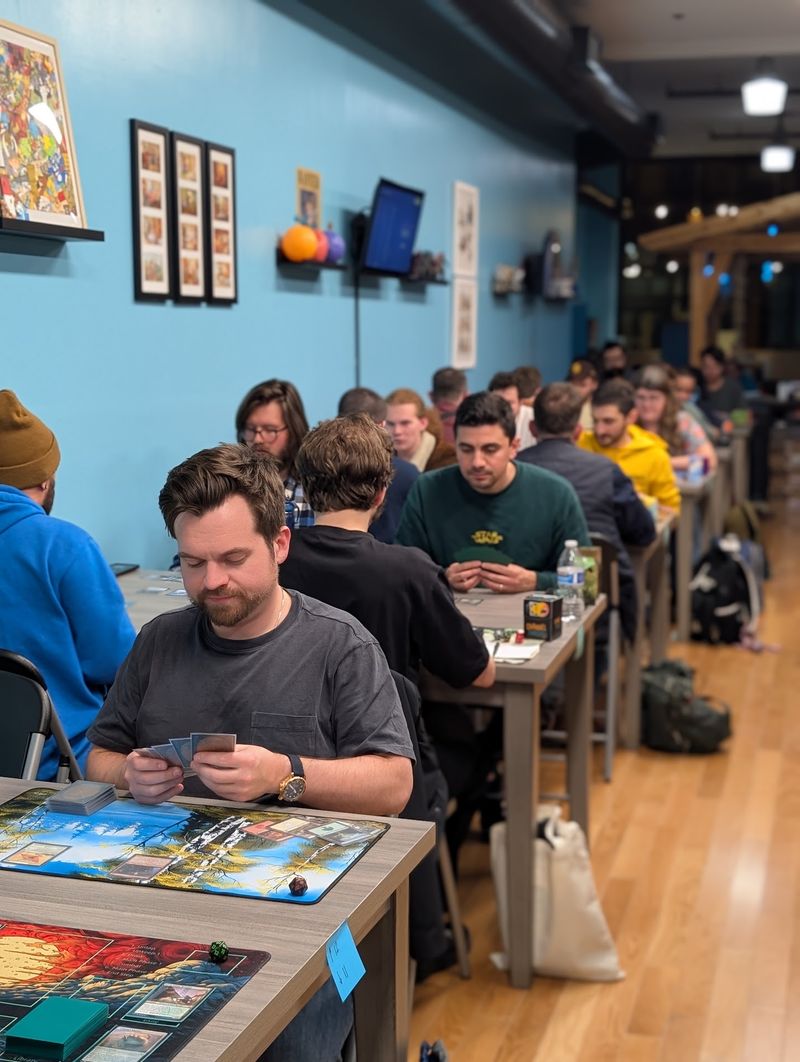
Shore Gamers hosts gaming events throughout the week, with listings that include a Pokémon league challenge, Magic the Gathering events, and tournaments for games such as Unmatched. Before registering, read the individual event details carefully.
Age requirements, deck rules, experience expectations, and entry fees can differ. A casual interest in collecting cards doesn’t automatically prepare someone for every competitive format, just as knowing a game at home doesn’t tell you exactly how a tournament will run.
Choose the event that matches what you want from the evening. Some people enjoy the focus of competition; others prefer a shared adventure where an unexpected choice sends the story sideways.
Both give regular players a reason to return, with something more structured waiting than another browse through the shelves.
Downtown Red Bank Makes It Easy to Build a Day Around Game Night

Dinner doesn’t have to mark the end of a visit here. Guests may bring meals into Shore Gamers to enjoy while playing, although the shop asks that snacks, candy, and drinks be purchased on-site.
That arrangement suits an outing where nobody wants to abandon a good game just because lunchtime has arrived. Keep food clear of the components, give yourself enough table space, and choose a sensible pause rather than asking someone to make an important move with a sandwich in hand.
The Broad Street location also makes it easy to treat the lounge as one part of a downtown afternoon. You can eat before arriving, spend time browsing nearby, and then settle into a game without making the entire day revolve around one tightly scheduled activity.
The shop is at 40–42 Broad Street, and its listed hours offer plenty of room to work with. It opens at 10 a.m. daily, closes at 10 p.m. Monday through Thursday, stays open until midnight Friday and Saturday, and closes at 8 p.m. Sunday.
An early visit gives families time to try a couple of games before younger players lose steam. A later start can suit friends meeting after work or a couple who want dinner first.
Either way, leave enough time for the kind of game you hope to play. The more involved the choice, the less enjoyable it is to watch the clock through every turn.
There’s a pleasant lack of ceremony to this kind of evening. You don’t need a major occasion or an elaborate itinerary.
A meal, a table, and a game everyone is willing to try provide enough structure. By the time the pieces go back into the box, the conversation may have moved from dinner plans to the move that changed everything two rounds ago.
Share this story