
There is something satisfying about making an object with your own hands and knowing exactly how it came together. Across Massachusetts, craft schools and community studios keep skills like woodworking, pottery, metalworking, and other traditional trades alive through classes, workshops, and longer training programs.
Some places are perfect for testing a new hobby over a single afternoon, while others can help you build serious skills for a future career. The hardest part may be deciding which craft to try first.
If you have ever wanted to trade scrolling for sawing, shaping, throwing, or forging, these Massachusetts schools give you plenty of places to begin.
1. Shape Small Treasures at Metalwerx in Waltham
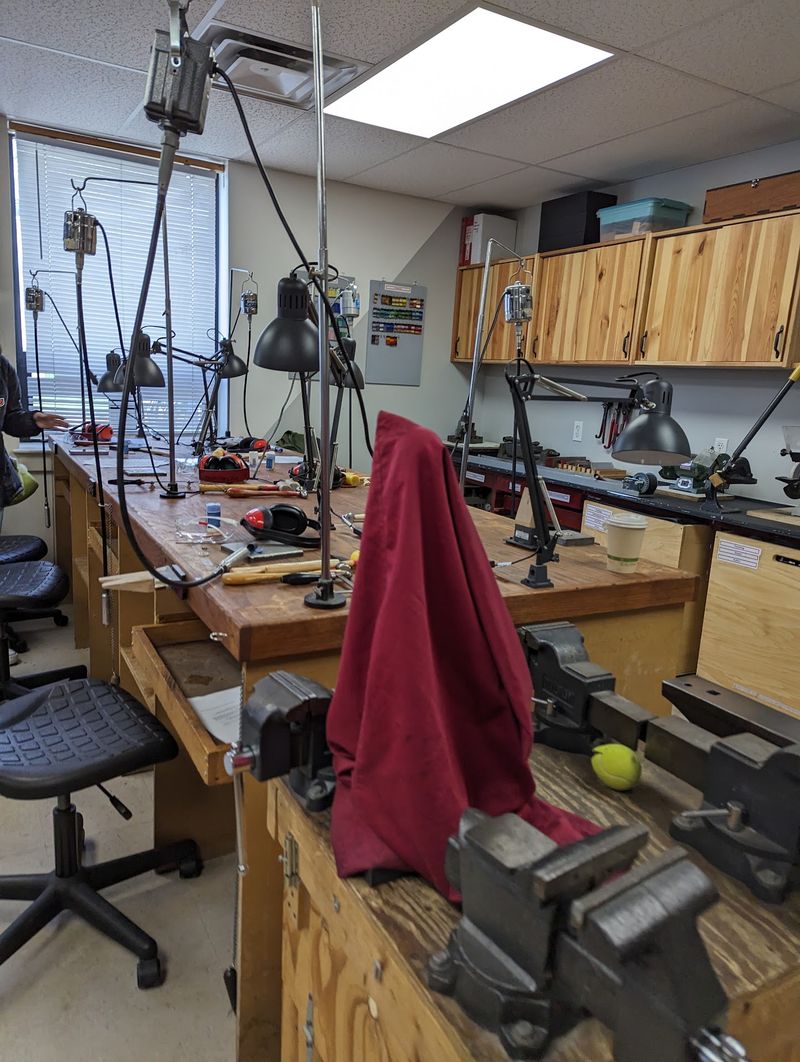
A flat piece of metal does not look much like jewelry until you learn where to cut, bend, and file. Metalwerx in Waltham centers its teaching on jewelry and metal arts, making it a focused choice for anyone curious about working small.
The appeal is in the details. A clean edge, a smooth curve, or a carefully joined seam can change a simple design completely, and classes give you a chance to understand those steps rather than guess your way through them.
Before signing up, read the course description for skill level and techniques covered. Jewelry classes can range from introductory work to specialized processes, so a beautiful sample photo alone should not decide your choice; look for a project that matches your experience and patience.
For a first class, put learning ahead of making a perfect gift. Handling a saw, keeping a file steady, and measuring accurately are useful wins even when your first piece has a few bumps.
Ask whether tools and metal are included, since material requirements can affect the total cost.
Workshop clothing matters here more than a stylish outfit. Follow the school’s safety instructions, secure long hair, and wear the recommended footwear; small tools and hot processes deserve your full attention.
Avoid buying a bench full of equipment before you know which techniques you enjoy.
Metalwerx also makes sense for returning makers who want to tackle one specific weakness. You might choose a class to improve joining, surface finishing, or design planning, depending on the current schedule.
Check dates, prerequisites, and cancellation terms directly before booking.
Bring a notebook for measurements, tool names, and the order of each step. Those notes become especially useful once you try again at home, where remembering which surface to clean or which edge to file first can save both materials and frustration.
2. Give Craft Your Full Attention at Snow Farm in Williamsburg
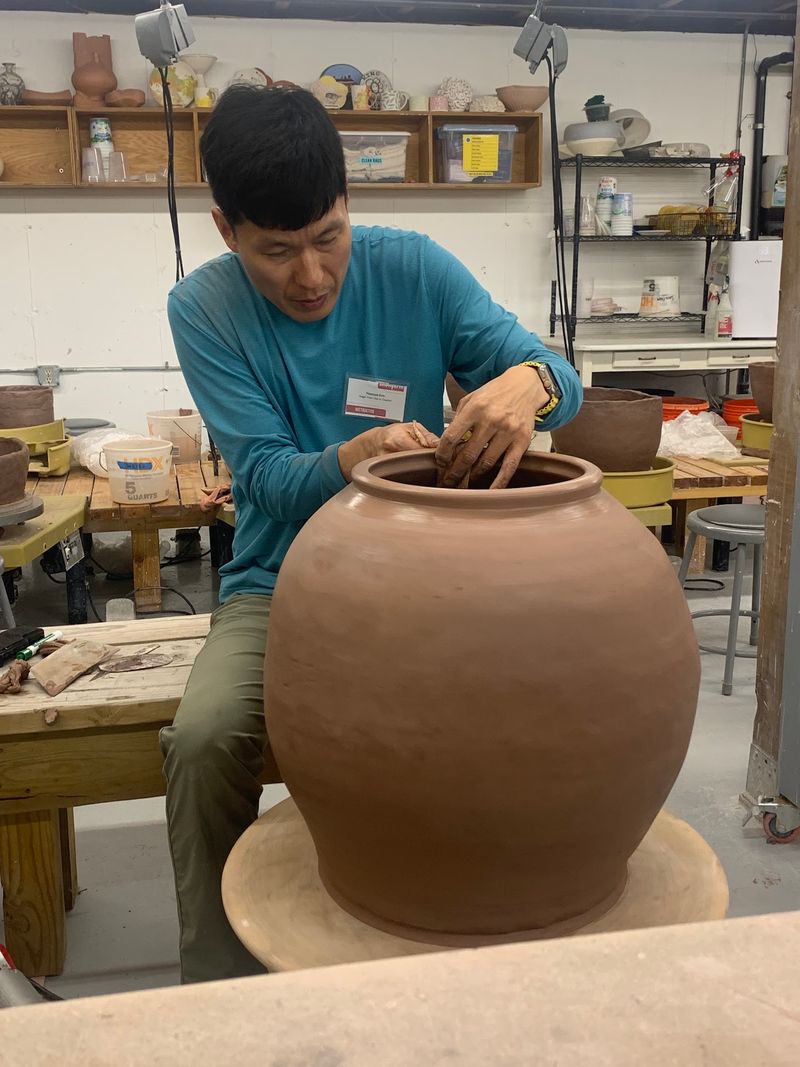
Leave the quick errand mindset at home. Snow Farm New England Craft Program in Williamsburg is a place to consider when you want a focused stretch of making, rather than squeezing a hobby between the grocery store and dinner.
Its workshop approach brings students together around a particular material or skill. Offerings span several craft areas, with subjects and instructors changing by session, so browse the current program instead of assuming that every medium is always available.
That variety lets you choose your own challenge. You might seek a familiar craft taught in greater depth or try a process that requires equipment you would never keep at home.
Either way, match the workshop’s stated level to what you can already do.
A longer learning block can be useful because craft rarely moves in a straight line. You try a technique, spot a problem, and try again while the lesson is still fresh.
Time for repeated practice often teaches more than rushing toward one finished object.
Plan the practical side before getting carried away by project photos. Confirm workshop dates, supply charges, and any lodging or meal arrangements attached to your session.
Williamsburg is in western Massachusetts, so travel time deserves a real place in your budget and calendar.
Pack for the work, not just the weather. Follow the supply list closely, bring comfortable clothing suited to the studio, and ask about accessibility or physical demands if standing, lifting, or close handwork could be an issue.
A little planning helps protect your energy for learning.
During class, study how the instructor handles mistakes as closely as successful demonstrations. Fixing a weak join or an uneven shape is part of the craft, not an interruption.
Keep a record of those repairs so your next attempt starts with better judgment, not just fresh enthusiasm at the workbench.
3. Get Your Hands Muddy at The Clay School in Lynn
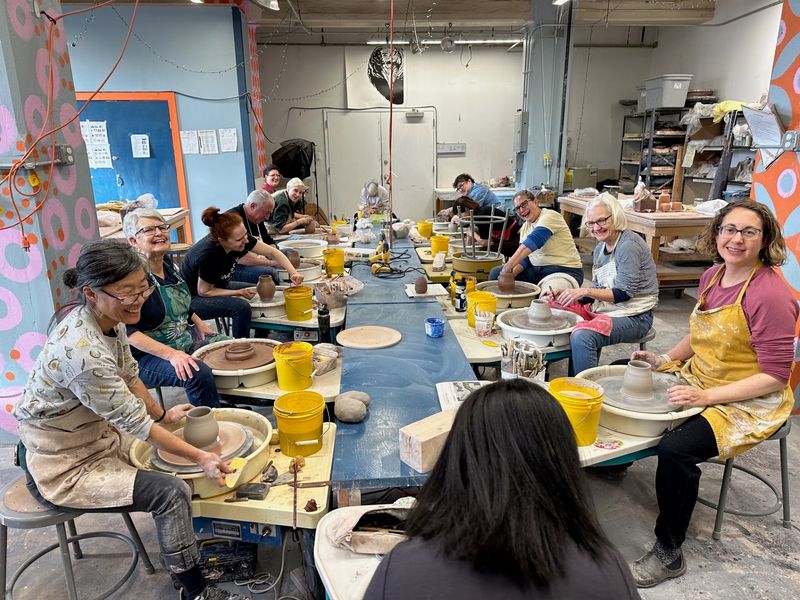
Your first lump of clay may wobble, slump, or refuse to become a bowl. That is useful information, not a failed afternoon.
The Clay School in Lynn offers a place to learn ceramics through hands-on practice rather than watching another pottery video.
Clay rewards attention to pressure, moisture, and timing. Working on a wheel calls for steady movements, while handbuilding gives you other ways to shape forms with your fingers and simple tools.
Check the current class descriptions to see which approach each course teaches.
Beginners should look for instruction that covers the full process, not only shaping. A pot has to dry properly, go through firing, and receive any planned glaze before it becomes a finished piece.
Understanding those stages helps explain why pottery is rarely a same-day souvenir.
Ask how firing works before enrolling. Find out whether clay, glaze, and kiln use are included, how many pieces you can make, and when completed work can be collected.
Those details matter if you are traveling from outside Lynn or planning a handmade present.
Wear clothes you can comfortably get dirty and keep fingernails short enough for close handwork. Follow studio guidance on cleaning and clay dust, since a ceramics workspace needs more care than simply wiping a table.
Bring only the supplies requested by your instructor.
Try repeating a basic shape instead of changing projects every time. Making several small bowls teaches you to notice thickness, balance, and how the rim meets your hand.
Comparing the results can reveal progress that one ambitious vase might hide.
For your next course, choose a specific goal: more even walls, cleaner handles, or better glaze planning. Let the current schedule guide what is possible, and ask which class builds on your experience.
Your most useful keepsake might be a dependable method you can repeat on the next batch.
4. Think Like a Craftsperson at North Bennet Street School in Boston

A drawer that slides smoothly is no accident. Behind it are careful measurements, sharp tools, and plenty of practice, the kind of thinking associated with North Bennet Street School in Boston.
This is a serious stop for anyone considering craft beyond a casual weekend project.
The school is known for career training in traditional trades, including fields such as furniture making, bookbinding, and preservation carpentry. Its work connects hand skills with real standards: an object must function well, not merely look good in a photograph.
Separate full-time study from shorter learning opportunities when exploring the school. Programs differ in commitment, entry requirements, and goals, and current short-course offerings should be checked directly.
A brief class can help you test an interest, but it is not the same as professional training.
If a craft career is on your mind, ask practical questions early. How much time does the program require, what tools or materials are needed, and what kind of work do graduates pursue?
Tuition, schedules, and admissions details belong in the conversation alongside the exciting parts.
For a smaller first step, choose a course around one useful skill. Learning to sharpen, measure, or fit parts accurately can improve many later projects.
Resist picking the most complex object simply because it sounds impressive; a solid foundation travels further.
Pay attention to how instructors inspect work. Checking a surface for flatness or examining a joint closely teaches you what good craftsmanship actually means.
That habit can change how you judge furniture, books, instruments, and repairs in everyday life.
Boston logistics still matter when the workbench is calling. Review the location, arrival instructions, course hours, and any equipment list before attending.
Give yourself enough travel time to arrive ready to concentrate, because a lesson involving sharp tools is not the place to bring a hurried commute into the room.
5. Build a Regular Making Habit at LexArt in Lexington

A weekly appointment with your tools can accomplish more than a cupboard full of unused supplies. Lexington Arts & Crafts Society, known as LexArt, is a community arts organization where classes and craft activity can help turn a passing interest into a steady practice.
Its range makes it useful for exploring how different materials behave. Ceramics, metalwork, and fiber-related activity sit within its broader craft community, though available classes vary.
Browse the current listings carefully rather than expecting every interest to have an open beginner session.
Start by deciding what you want from the experience. A guided class, a chance to deepen an existing skill, and participation in an ongoing craft group are different goals.
Ask how classes, membership, and any studio opportunities relate before paying for a particular option.
For someone returning to making after years away, a clear introductory course can be a smart reset. Tools and materials may have changed, and forgotten basics are easier to rebuild with help.
Bring questions about the steps you find awkward instead of pretending everything is familiar.
Lexington also makes this a practical choice for nearby residents who want learning to fit ordinary life. Compare class times with your commute, family schedule, and the time needed for any outside practice.
A manageable course is more useful than an ambitious one you repeatedly miss.
When viewing other makers’ work, look beyond color and decoration. Notice how a handle joins a cup, how a woven edge stays neat, or how a clasp works.
Those small observations can give you concrete goals for your own class projects.
Before your first session, check the materials list and ask which purchases can wait. Borrowing or using classroom tools, when permitted, helps you learn what suits your hands.
Afterward, write down one technique to practice before the next meeting; consistency does much of the heavy lifting in craft.
6. Connect Hand Skills and Design at MassArt in Boston

Good craft begins before the tools come out. A sketch, a material choice, and a plan for how an object will be used all shape the result.
Massachusetts College of Art and Design, or MassArt, brings that broader design thinking into the conversation.
The Boston college offers a setting where hands-on work sits alongside visual ideas. For this list, the relevant path is to explore current continuing education and other public learning options, rather than assume you must enter a degree program to take a class.
Look specifically for offerings connected to materials and making. A course title may sound appealing while covering a different process than you expect, so read the description for equipment, techniques, and prerequisites.
Not every art course is a traditional craft course, and schedules change.
Design-focused instruction can help when your technical skills are growing but your projects still seem disconnected. You may learn to test proportions, compare surfaces, or make several versions before choosing one.
That planning reduces the temptation to decorate a weak idea instead of improving its structure.
Bring curiosity, but also check the practical demands. Ask about supply costs, access to specialized spaces, and whether work must be completed during class hours.
A project involving equipment you cannot use at home needs a different schedule from one built with simple hand tools.
Critique can be unfamiliar if you are used to crafting alone. Treat feedback as information about the object, not a grade on your personality.
Specific comments about balance, strength, or clarity are easier to use than a general opinion about whether a piece is attractive.
For a first course, choose one material and one clear learning goal. Keep your sketches and samples beside the finished project so you can track decisions.
Check enrollment details directly, then plan your Boston travel around the actual class location and hours.
7. Follow the Material at Worcester Center for Crafts
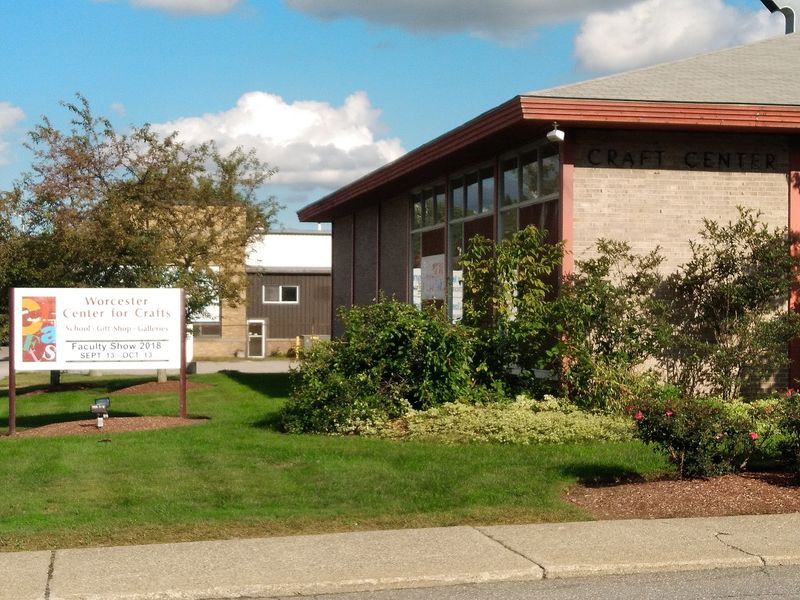
Some lessons start with a stubborn material rather than a blank page. Clay pushes back, metal demands precision, and glass requires careful control.
Worcester Center for Crafts is built around learning those kinds of material skills through instruction and repeated practice.
Its craft offerings make it a strong place to compare possible interests before committing to one. Ceramics, metals, and glass are among the areas associated with the center, but the current calendar is the place to confirm specific classes, formats, and open seats.
Do not choose solely by the finished object in a course photo. Think about the actions involved: shaping, cutting, joining, polishing, or working near heat.
The best match may be the process you enjoy repeating, not the object you most want to display.
New students should look for a clear beginner level and ask how the class handles safety and equipment use. Specialized studios have rules for good reasons.
Following them carefully lets you focus on learning without improvising around tools you do not yet understand.
Course length can also change the experience. A short session may introduce a technique, while a longer class allows time to correct mistakes and develop control.
Check whether the schedule includes finishing stages or whether completed pieces need to be collected later.
Keep your first project modest enough to learn from. An evenly shaped cup or a well-finished metal piece can teach more than a large design with too many moving parts.
Ask your instructor which small exercises will improve the skill you are finding difficult.
If you plan to continue, find out what opportunities exist beyond the introductory class. Access, prerequisites, and membership or studio arrangements may differ by department.
Save the course information and record your material choices, since those details help you repeat a successful result instead of starting from scratch next time.
8. Learn Useful Handwork at Eliot School in Jamaica Plain
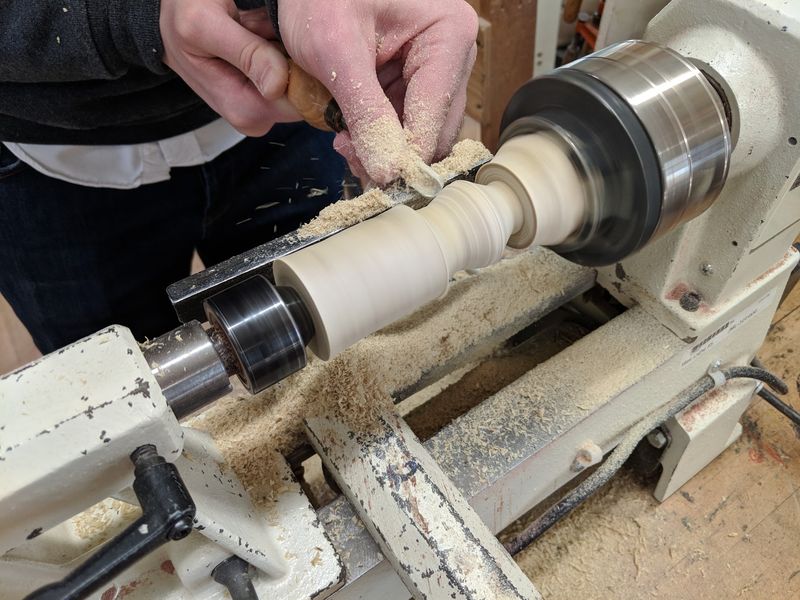
Measure twice is easy advice to remember and surprisingly easy to ignore. At Eliot School of Fine & Applied Arts in Jamaica Plain, Boston, learning by hand gives familiar instructions a practical meaning.
A small mistake becomes something you can inspect, understand, and fix.
The school combines fine and applied arts, with woodworking and sewing among its teaching areas. That mix is helpful if you want to make useful objects while also thinking about shape, color, and finish.
Check the present course catalog for the exact choices available.
Pick a class by your starting point rather than your dream project. Learning a safe cut or a straight seam can be the right beginning, even if your long-term goal is furniture or clothing.
Clear prerequisites protect you from spending the session trying to catch up.
For woodworking, pay close attention to tool instruction and how pieces are held securely. For sewing, ask what machine familiarity the course expects and whether equipment is supplied.
Neither craft benefits from rushing past setup, even when the exciting part seems to be assembly.
A neighborhood class works best when you can attend consistently. Review the meeting dates, location details, and any between-session tasks before enrolling.
Boston travel can eat into an evening, so leave a buffer rather than treating the listed start time as your arrival target.
Bring a project notebook, especially for measurements and the order of operations. A sketch with dimensions can prevent confusion later, while a note about a corrected mistake helps you avoid repeating it.
Photographs may help too, if the instructor allows them during demonstrations.
Once you have the basics, aim for a project you will actually use. A simple object in regular service gives you honest feedback about comfort, strength, and finish.
Ask which follow-up class addresses those details before buying more materials or moving to a larger design.
9. Look Closely, Then Make at Fuller Craft Museum in Brockton

Before making your own object, spend time looking at how someone else solved the problem. Fuller Craft Museum in Brockton offers that useful starting point.
It belongs on this list through its educational role, though it is a museum rather than a dedicated craft school.
The museum focuses on contemporary craft, connecting skilled handwork with current ideas and materials. Exhibitions can help you see traditional processes used in unexpected ways.
Educational events and hands-on opportunities vary, so confirm the current program rather than assume a workshop happens every day.
Pair a suitable making activity with time in the galleries when the schedule allows. Looking first can sharpen your questions: how was that surface made, why does the object hold its shape, or what joins the parts?
You do not need expert vocabulary to notice useful details.
Keep the distinction between viewing and doing clear when booking. An exhibition ticket, artist talk, demonstration, and participatory workshop offer different experiences.
Read the event listing for age limits, skill requirements, materials, and whether you will actually make something yourself.
Beginners can use this setting to explore a craft before investing in equipment. A brief activity may reveal whether you enjoy the feel of a material or the pace of a process.
It can also point toward a longer course elsewhere when you want deeper technical training.
During a gallery visit, choose one object to study closely instead of racing through everything. Notice edges, connections, texture, and scale, then sketch a detail if museum rules allow.
That focused observation can be more useful than collecting a phone full of general room photos.
Before leaving, ask where to find information about upcoming educational programs. Check museum hours and event registration separately, since attending an exhibition does not automatically secure a workshop place.
Build your visit around the specific learning opportunity you want.
10. Try a Practical First Step at Cambridge Center for Adult Education

Not every new skill needs a major life plan. Sometimes you just want a useful class after work and a reason to put your phone away.
Cambridge Center for Adult Education offers a broad learning setting where craft can fit alongside the rest of your week.
Because its catalog covers many subjects, search carefully for hands-on offerings connected to traditional making. Sewing and other craft-related choices may appear in different sessions, but availability changes.
The current listing, not an old search result, should guide your plans.
This route suits anyone testing an interest before committing to specialist training. A beginner course can introduce tools, materials, and basic habits without requiring you to identify as an artist.
You only need a realistic idea of what the class teaches and enough time to participate.
Read past the title before registering. Check whether the course is practical or lecture-based, whether materials are provided, and how much previous experience is expected.
For a multiweek class, make sure you can attend the full sequence, since later lessons may build on earlier work.
Choose a skill you can practice between sessions with a modest setup. Repeating a stitch or finishing a small component helps the lesson stick.
Ask the instructor which supplies are essential now and which upgrades can wait until you have more experience.
Adult learning also brings a useful mix of goals into the room. Some classmates may want to repair things, others may want handmade gifts, and others may simply enjoy the process.
Share specific questions when discussion is welcome, without assuming everyone is aiming for the same result.
Check the class location and travel details, especially if you are crossing Cambridge at a busy hour. Bring the requested materials and a notebook for steps you might forget.
A well-chosen first course gives you enough information to decide what comes next.
Share this story