Some trucks never leave the pavement, and some owners quietly feel bad about it. Up on Minnesota’s Iron Range, there is a place built to fix that problem, one rocky climb at a time.
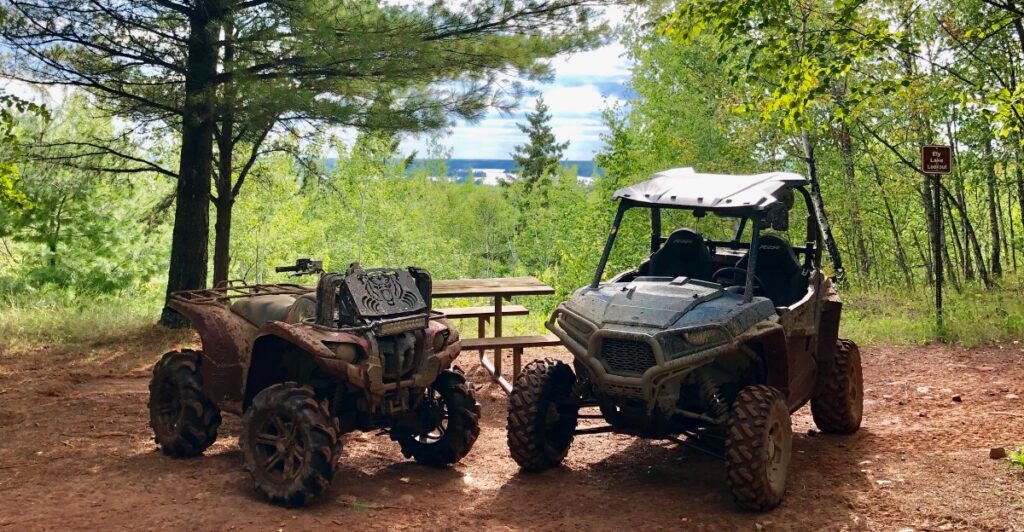
It offers easy loops for first-timers, technical crawls for seasoned drivers, a mud pit for pure play, and a wash station for the cleanup afterward. Jeep owners, ATV riders, dirt bikers, and UTV crews all share the same network of trails here.
Many people who come once end up planning return trips that stretch over two or three days. The stories below cover what makes the park special, who it suits best, and the practical details that help a first visit go smoothly.
Anyone who has ever wondered what their rig can really do will want to keep reading.
Where the Iron Range Gets Rugged
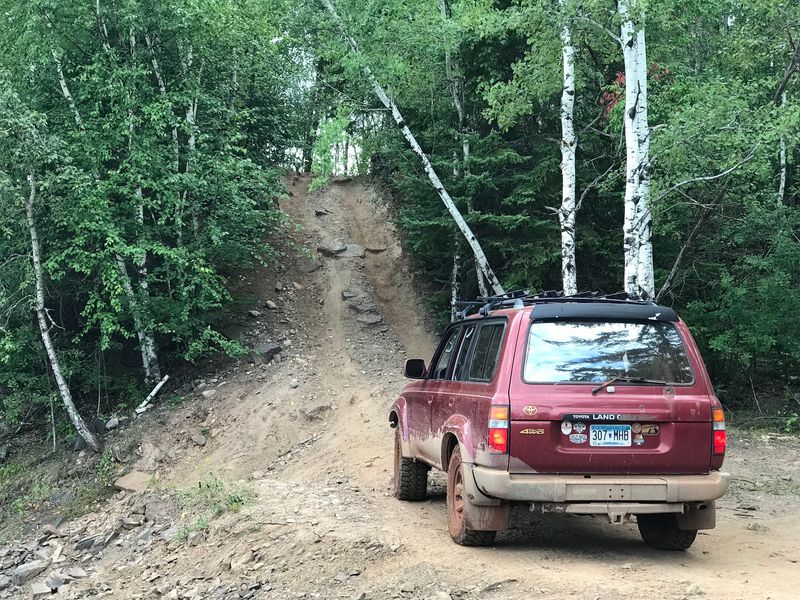
Northern Minnesota has a playground for machines with knobby tires, and it sits right off the highway near a small Iron Range city.
The Iron Range Off-Highway Vehicle State Recreation Area is located at 5150 Enterprise Trail, Gilbert, MN 55741, in the United States. It is managed by the Minnesota Department of Natural Resources.
The park is classified as an off-roading area, and that label is earned honestly. Its trails welcome ATVs, UTVs, dirt bikes, motorcycles, and full-size four-wheel-drive rigs.
The size is a big part of the appeal. Many riders say the space is so large that one day is not enough to cover everything.
Gilbert itself sits in the heart of the Iron Range, a region known for its mining roots. That history shows up in the park in a very literal way, as later sections will explain.
For Minnesotans who have only seen off-road parks on video, this is a chance to try the real thing without crossing state lines. The park holds a 4.8-star average across more than two hundred opinions, which says plenty about how riders feel after a day here.
Plenty of folks call it the best park in the state, and the reasons start piling up fast once the tires hit dirt.
A Rusty Badge of Honor
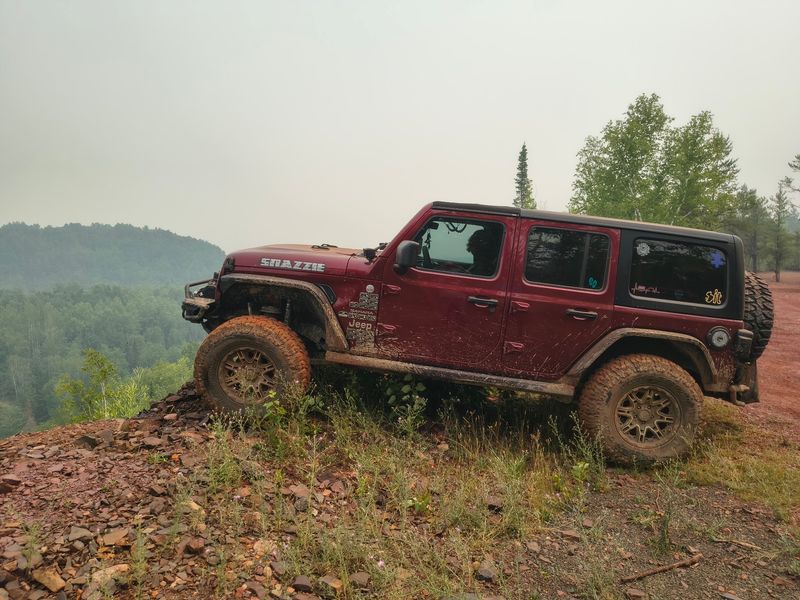
Plan on your vehicle going home a different color.
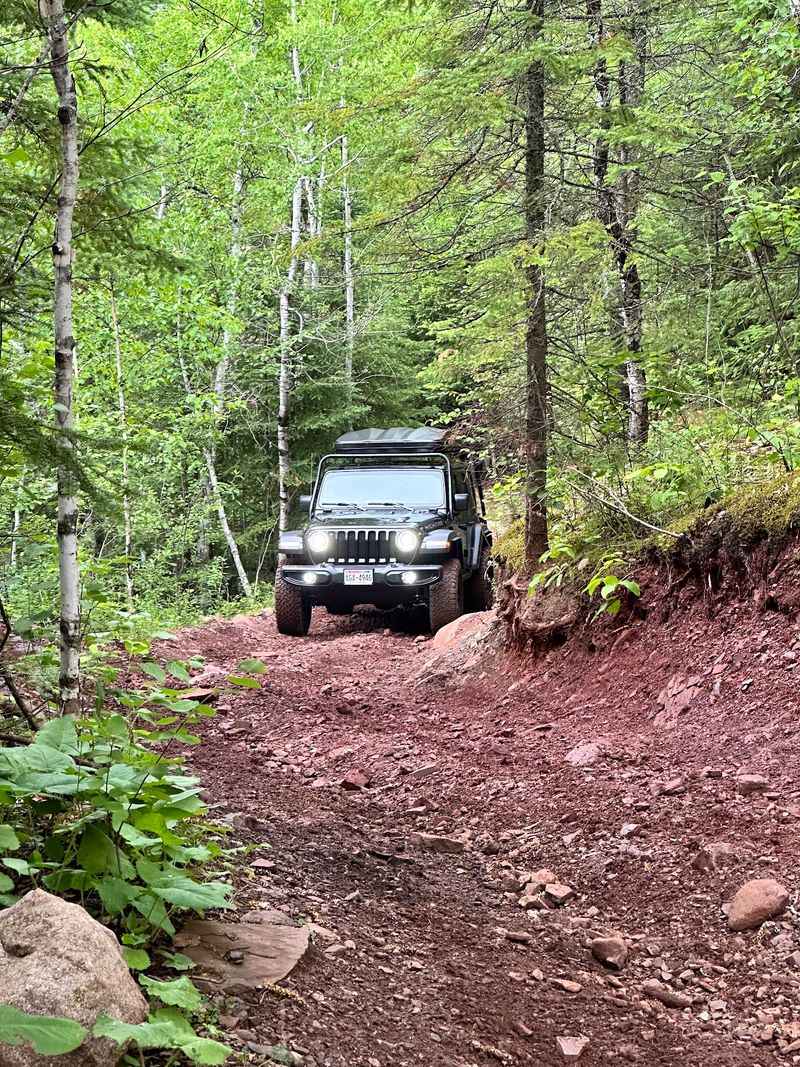
The soil here carries iron dust, a reminder of the mining country surrounding Gilbert. That reddish tint clings to paint, wheels, and undercarriages with real determination.
One Jeep owner noted that the rust color takes time to come off, if it ever does. Many drivers treat it as a souvenir instead of a problem.
The coloring is part of what makes the park feel connected to its region. Riders are not just on any trail, they are on Iron Range ground.
Thankfully, the park planned for this. A wash station on site lets drivers spray off iron dust and mud before heading home.
That small detail matters for anyone trailering back to the Twin Cities or southern Minnesota. Nobody wants a driveway full of red grit the next morning.
Bring a few old towels and maybe skip the freshly waxed paint job for this trip. The rust tint is a mark of a good day, and regulars wear it proudly.
Trails for Every Comfort Level
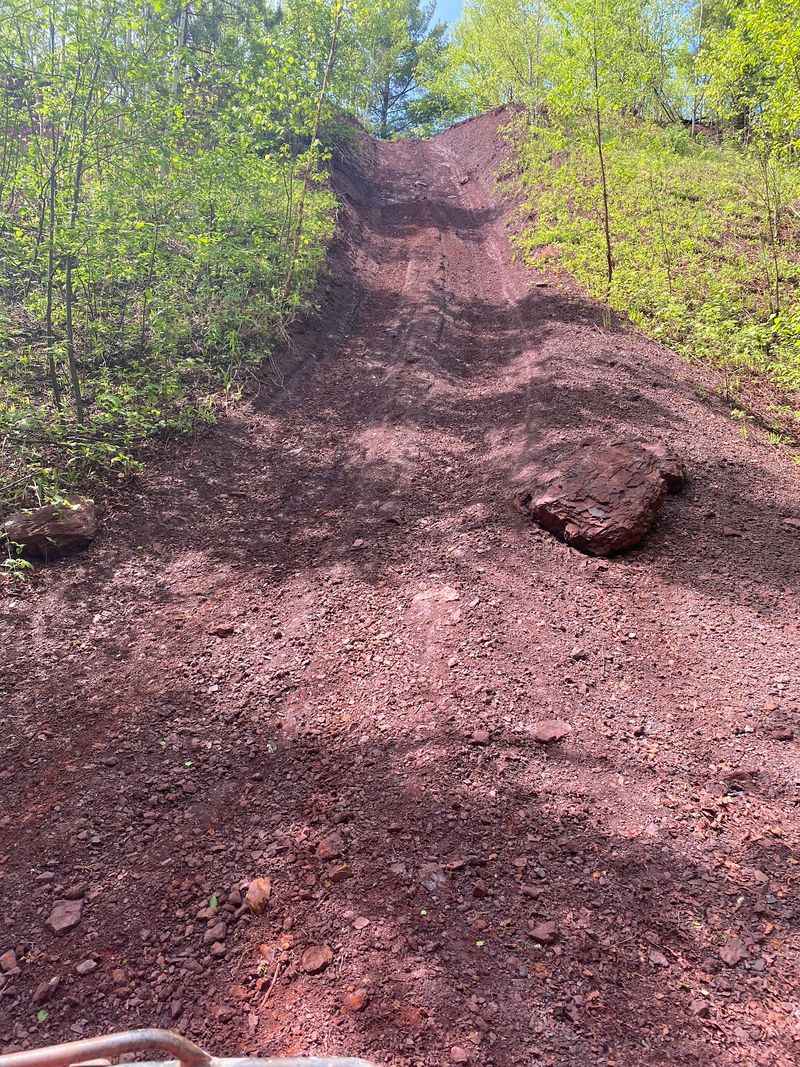
Variety is the word that comes up again and again.
The trail network ranges from easy routes suited to beginners all the way up to steep, technical lines that test experienced drivers. Riders often mention both ends of that spectrum in the same breath.
Easy trails get frequent praise, which is good news for families and newcomers. Hard trails get their share of attention too, especially from people with modified rigs.
The mix means a group with different skill levels can visit together. One person can stick to gentler paths while a friend takes on the rocks.
Terrain includes rocks, water crossings, mud, steep hills, and narrow trails. That combination gives an off-road vehicle a little bit of everything it could want.
Conditions also change the game. Rain or snow can push the difficulty much higher, so a trail that felt simple in July may feel very different in November.
Starting easy and working upward is a smart way to explore. The park rewards patience, and the next level is always waiting around the bend.
Rock Crawling Territory
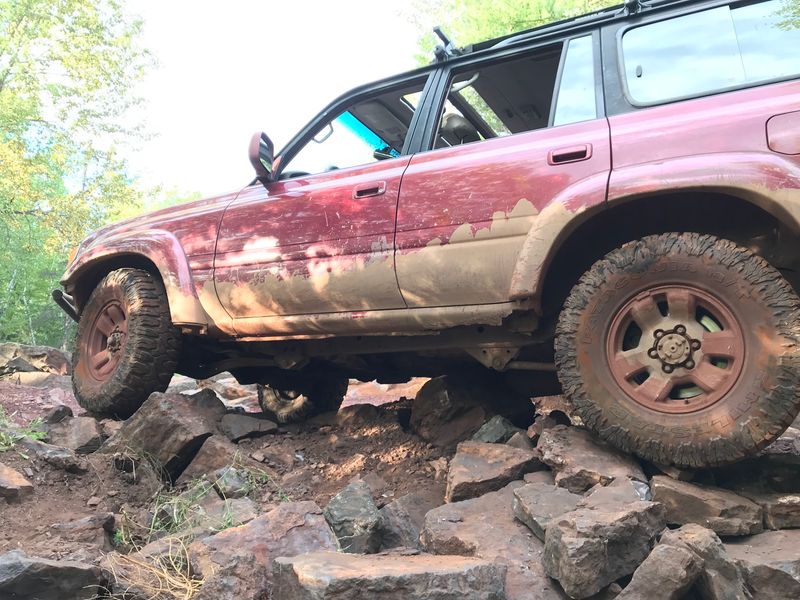
Big rocks bring out big grins.
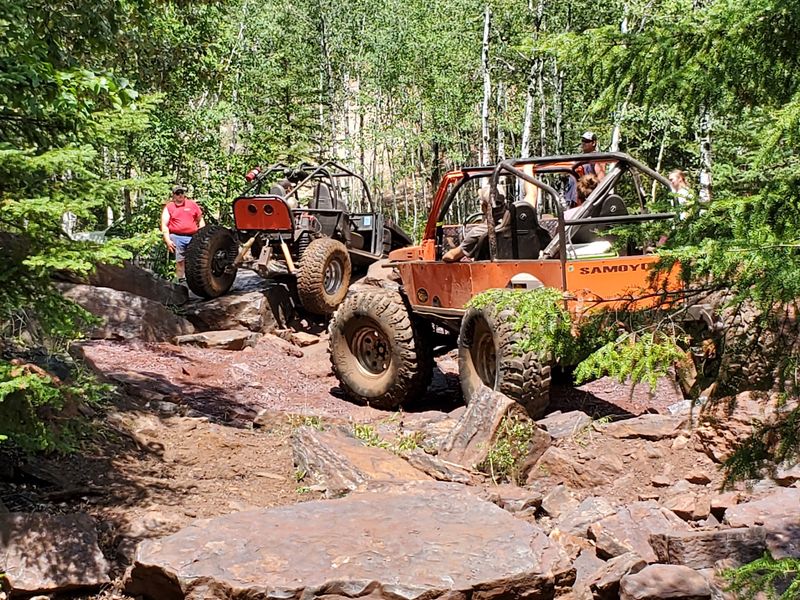
Rock crawling is one of the park’s headline attractions. Some routes are described as extreme rock climbing, while others are simply called gnarly crawls.
These sections are where lifted Jeeps and well-built rigs really shine. Careful line choice, slow throttle work, and a spotter make a huge difference.
Experienced drivers recommend bringing a friend for recovery. That advice makes sense on terrain where getting stuck is part of the experience.
Even so, stock vehicles are not shut out. A stock Jeep Wrangler 4xe owner found plenty to do, which shows the park does not demand a full build to have fun.
Electric vehicles running all-season tires may struggle, though. One driver admitted the park was probably not ideal for that setup, yet still made the most of the day.
Know the limits of your tires and clearance before committing to a big ledge. Pride is easier to recover than a stuck axle.
The Mud Pit Play Zone
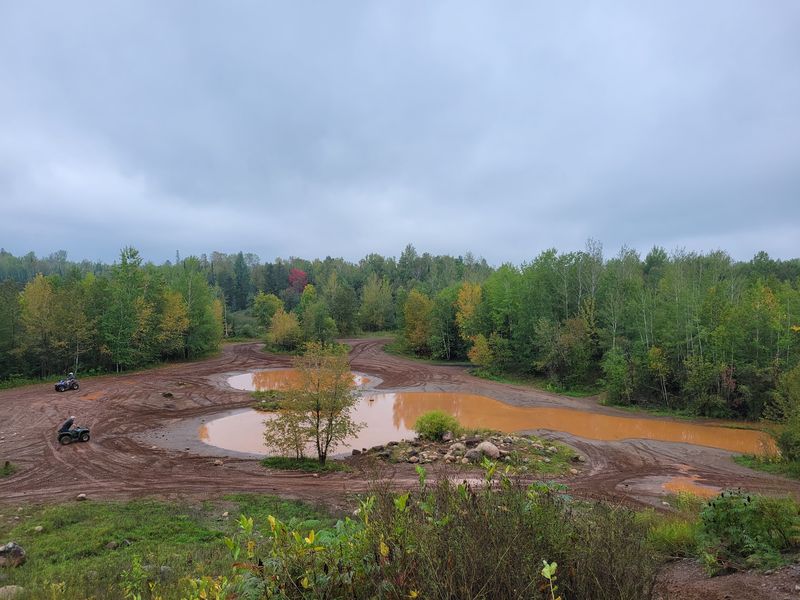
Grown adults still love playing in the mud, and nobody here will judge them for it.
The park includes a mud pit play area that gets plenty of love from riders. It offers a break from technical trail work and a chance to simply have fun.
Water crossings add another layer to the experience. Between mud, puddles, and wet trail sections, vehicles get a full workout.
Mud can be a great teacher for newer drivers. It shows how a vehicle handles when traction is limited, in a setting built for that kind of practice.
Of course, mud mixed with iron dust makes for a serious mess. That is exactly why the wash station near the exit is such a welcome sight.
Kids watching from the sidelines tend to enjoy the mud pit as much as the drivers do. It is the most crowd-pleasing corner of the park.
Wear clothes you are willing to sacrifice. The mud pit has a way of claiming more than just tires.
Two Wheels, Four Wheels, or More
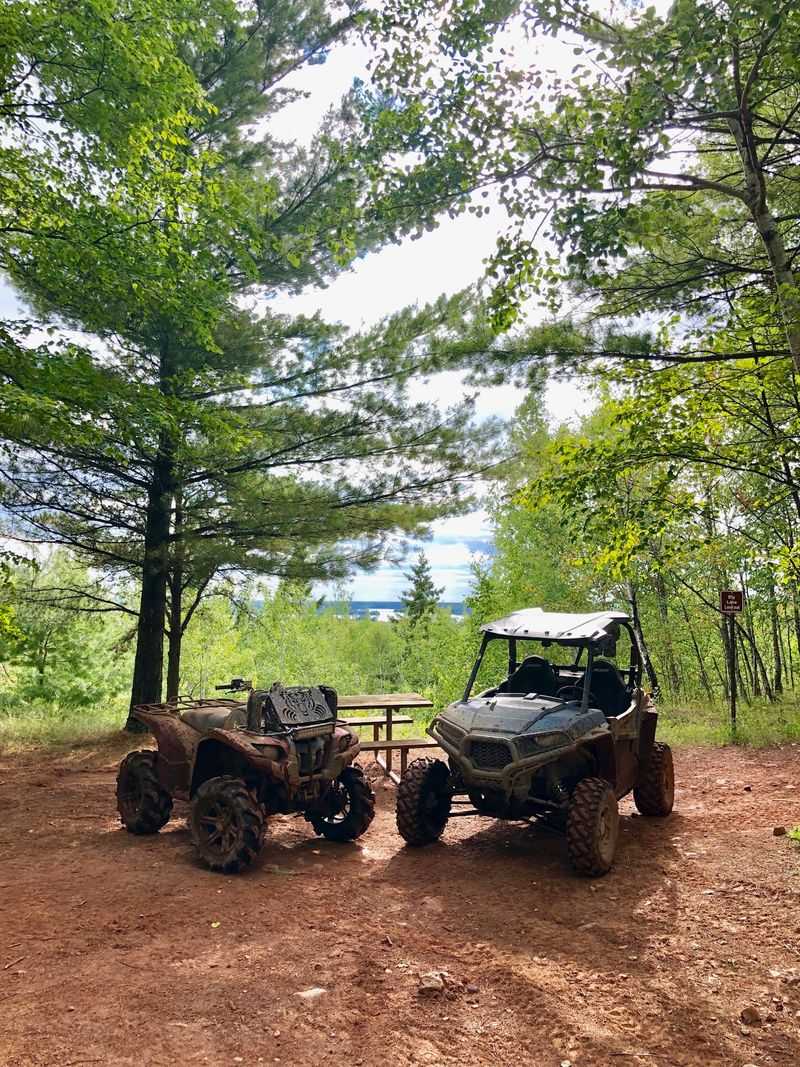
Few parks welcome such a wide crowd of machines.
Motorcycles, dirt bikes, ATVs, UTVs, and full-size off-road rigs all have a place here. The trail system is designed with multiple vehicle types in mind.
Dirt bike riders speak highly of the experience. One rider brought a newcomer for a full week, and the new rider’s skills improved steadily as the days went on.
ATV fans have their own loyal following. One group has returned every year for at least five years, praising the different skill-leveled trails.
Jeep owners are a big part of the community too. Some have even met fellow Jeepers at the park and spent the whole day riding together.
That mix gives the place a social, welcoming feel. Riders swap tips, share trail recommendations, and help each other out.
No matter the machine in your trailer, there is room for it on these trails. The shared love of dirt is what ties everyone together.
A Friendly Start for Newbies
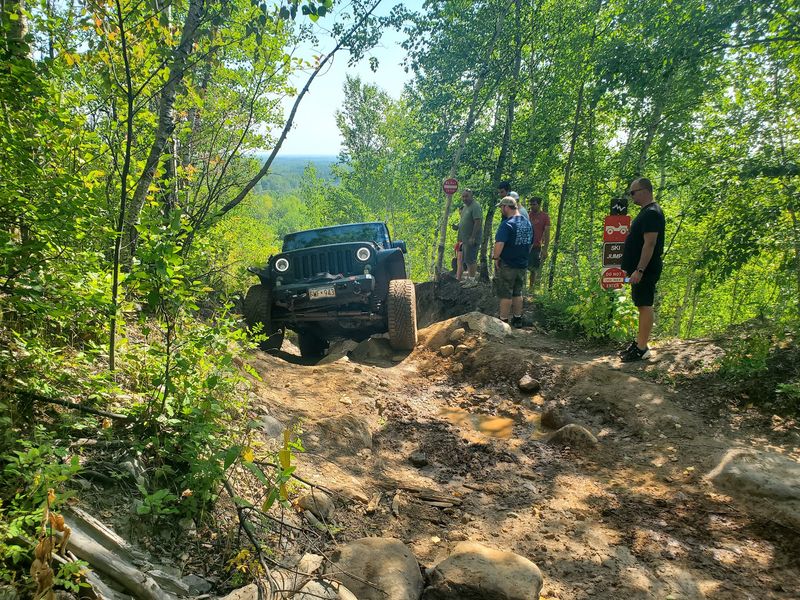
First off-road trips can feel intimidating, but this park has a reputation for easing the nerves.
A couple just getting into off-roading called their first visit to an actual course a total blast. They found trails for beginners and are now thinking about overlanding later on.
Other first-timers describe the people here as friendly and helpful. That kind of welcome goes a long way when you are still learning how to air down tires.
Easy trails give new drivers space to build confidence. As skills grow, tougher routes are always nearby to try next.
One helpful habit is driving with a more experienced friend. Recovery help and advice from someone who has been there before can make the day far smoother.
Starting slow is perfectly fine. No one earns a prize for tackling the hardest crawl on day one.
For Minnesotans curious about overlanding or trail driving, this is a practical place to begin. Plenty of seasoned riders started on these same paths.
Staff Who Know Their Stuff
Good trails matter, but good people make a visit memorable.
Staff at the park receive steady praise for being helpful and friendly. The front office team is often described as super helpful.
One rider from southern Minnesota was greeted by someone who answered every question on arrival. That rider left grateful to the Minnesota DNR and the employees who made the day go well.
Questions about registration, trail options, and park rules are common for new arrivals. Having knowledgeable staff on hand removes a lot of guesswork.
The park is also noted for being clean. Tidy grounds suggest a team that takes care of the place.
That combination of help and upkeep shapes the overall mood. Riders feel welcomed rather than rushed.
Stop by the office on your first visit, even if you think you have everything figured out. A quick chat may point you toward a trail you would have missed.
Maps, Apps, and Finding Your Way
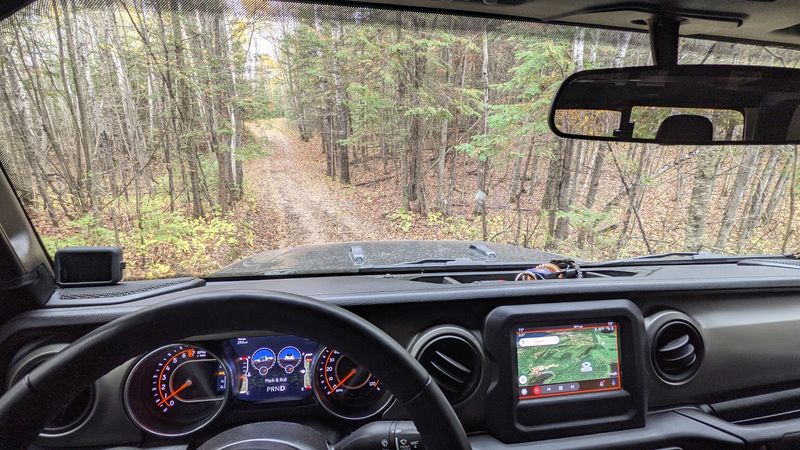
Getting turned around in a park this big is easier than it sounds.
Navigation is a real consideration with so many trails. Riders recommend downloading AllTrails maps before arriving so they can navigate on the trails.
Park maps get credit as well, with some riders calling them awesome. Others felt the maps could be better marked for difficulty.
That small gap is worth planning around. Combining a park map with an app helps riders pick routes that match their comfort level.
Cell service in remote wooded areas can be unpredictable anywhere. Downloading maps ahead of time is a sensible habit.
Groups should agree on meeting spots and plans before splitting up. That keeps everyone on the same page if one vehicle takes a different trail.
A little homework before leaving home pays off on the trail. Knowing where you are going leaves more energy for enjoying the ride.
Amenities That Make Long Days Easier
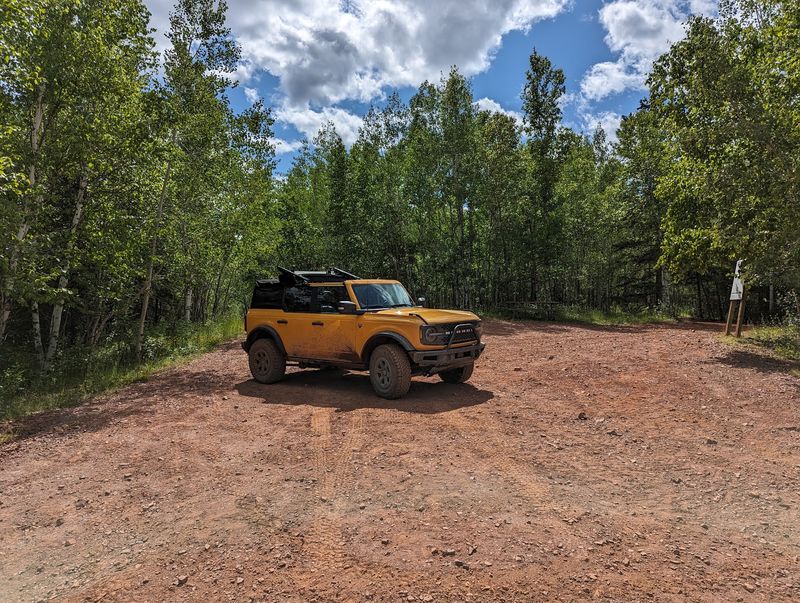
Practical touches separate a decent trail day from a great one.
A big parking lot gives plenty of space to load and unload. That is a relief for anyone hauling a rig or ATVs on a trailer.
Portable restrooms are located throughout the park. Riders do not need to head all the way back to the entrance for a break.
An air-up area lets drivers refill tires after airing down for the trails. That saves a stop on the way home.
The wash station handles the iron dust and mud. Many drivers consider it one of the most useful features on site.
Together, these amenities show thoughtful planning by the park. Riders can focus on trails instead of logistics.
Pack water, snacks, and recovery gear anyway, since the park is large. Good preparation and good facilities make a strong team.
Registration and Getting In
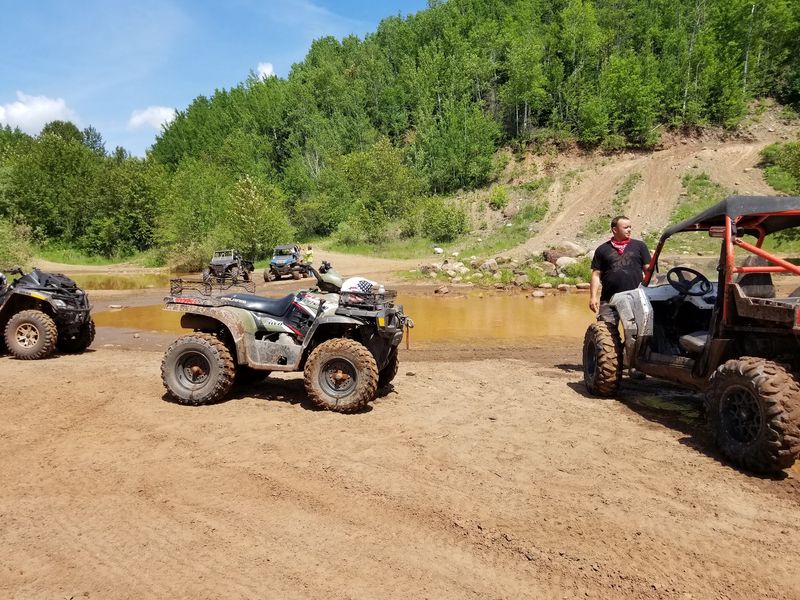
Paperwork is not exciting, but it is essential here.
Vehicles need an off-road vehicle registration to ride at the park. Riders should sort that out before arriving.
One rider from southern Minnesota paid for an OHV sticker and noted that a regular DNR pass does not cover this use. Knowing that ahead of time avoids surprises at the gate.
Some older comments describe the park as free to the public for all kinds of off-road vehicles. Registration requirements still apply, so checking current rules is wise.
The official Minnesota DNR website for the park is the best source for current details on registration, hours, and seasonal conditions. Rules can change, and the DNR keeps that page updated.
Calling ahead is another option for specific questions. Staff are known for being helpful with exactly this kind of thing.
Get the sticker sorted, and the rest of the day is all trail time.
Every Season Brings a New Challenge
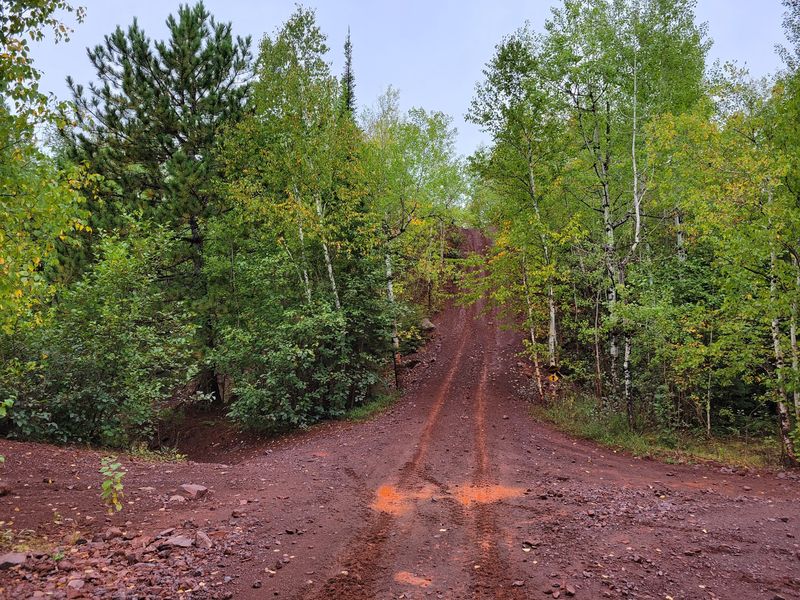
The same trail can feel like a brand new puzzle depending on the calendar.
Some riders have visited in all seasons and consistently enjoyed exploring. Each season changes the terrain in its own way.
Rain and snow can make trails much harder. Mud gets deeper, rocks get slicker, and climbs demand more skill.
Drivers looking for an extra challenge may welcome wet conditions. Newer riders might prefer drier days while learning the basics.
Planning for two or three days is a common recommendation regardless of season. The park is large enough that weekend trips feel well spent.
Repeat visits are part of the culture here. Riders often return to see how a familiar trail handles in different weather.
Check conditions before you go and pack accordingly. The park rewards drivers who respect what the weather can do.
Why Riders Keep Coming Back
Plenty of people leave this park already planning the next trip.
The appeal comes from a mix of variety, size, and helpful people. Rocks, mud, water, steep hills, and narrow trails all share one destination.
Beautiful views add to the experience along the way. The Iron Range forest setting makes long trail days feel rewarding.
Beginners find an encouraging place to learn. Experienced drivers find enough difficulty to push their limits.
Families, friend groups, Jeep clubs, and solo dirt bikers all seem to fit right in. That broad welcome is rare.
Calling it the best park in Minnesota is a bold claim, yet many riders make it without hesitation. The 4.8-star average backs up that enthusiasm.
Load the trailer, grab the registration, and save a weekend on the calendar. The trails at Gilbert are ready whenever you are, and that rusty red tint will be waiting too.
Share this story