Plenty of Coloradans can name every Front Range brewery town and every ski exit on I-70, yet few have driven south to the place where Colorado town life actually began. Long before Denver had a single street, families were already farming and building homes in a quiet valley near the New Mexico line. That community is still there, and it is still home to people today.
It holds a record no other town in the state can claim, and it sits a few hours south of most Front Range driveways. The pages ahead cover where it is, why its history matters, how small it really is, and how to plan an easy, low-stress day trip that skips the resort crowds and the resort prices.
1. A Town at the Bottom of the Map
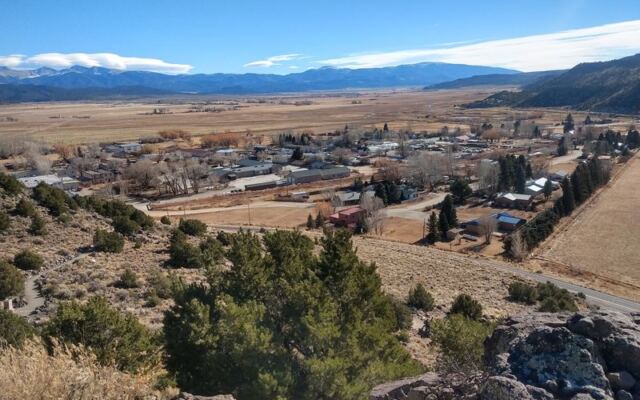
Southern Colorado keeps one of its best secrets tucked close to the New Mexico border. The town is San Luis, with the official mailing address of Colorado 81152, USA.
It sits in Costilla County, in the southern stretch of the state that many Front Range drivers only see on a map. For a lot of Denver and Colorado Springs residents, that is exactly why it stays unvisited.
San Luis is a statutory town, which is a formal type of local government in Colorado. It also serves as the county seat of Costilla County.
That title carries real weight here. The county seat is where the official business of the county happens, so this small place plays a big role for the region around it.
The town is also the most populous community in Costilla County. That may sound grand until the actual numbers show up later in this story, and they are refreshingly modest.
For residents who are tired of crowded mountain corridors, the location itself is part of the appeal. San Luis is not on the way to a ski resort, and it is not a weekend traffic jam.
It is a destination in its own right, waiting at the far end of a long, open drive south.
2. The Oldest Claim in Colorado
Bragging rights are hard to come by in a state full of mining towns and frontier legends. San Luis holds one that nobody else can touch.
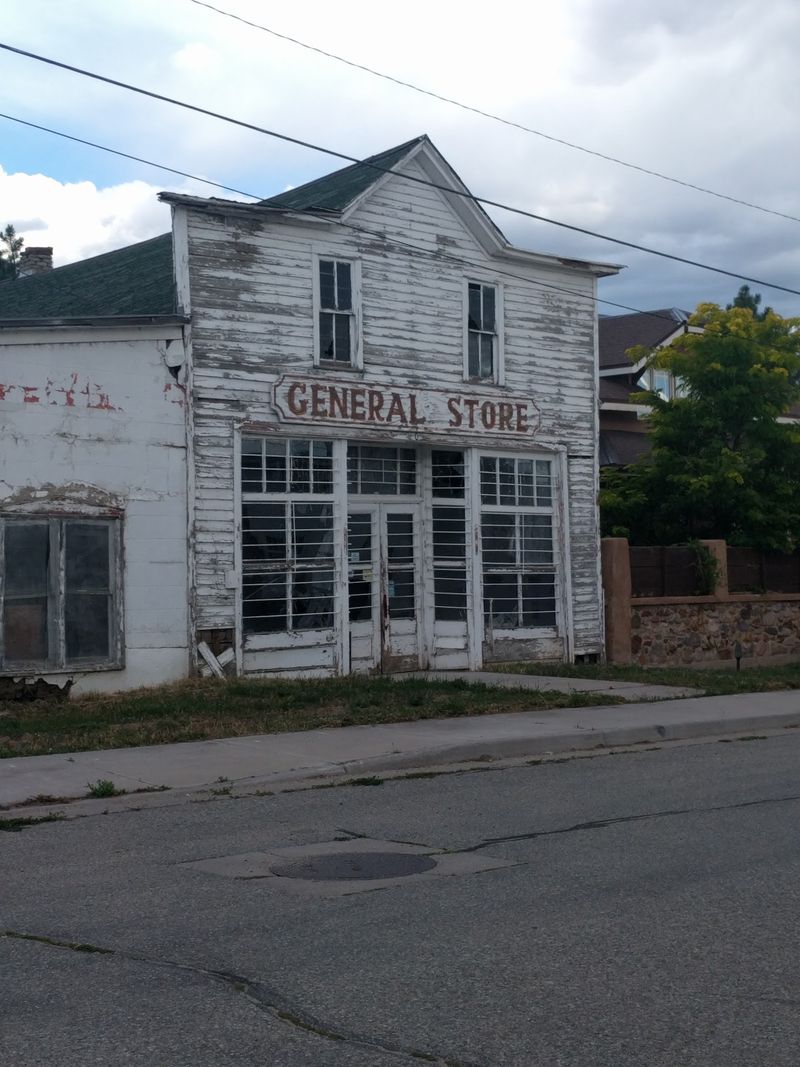
It is the oldest continuously occupied town in Colorado. People have lived here without interruption longer than in any other town in the state.
That detail matters more than it first seems. Many old Colorado settlements boomed and then emptied out, leaving only foundations and stories behind.
San Luis never went quiet. Generations kept living, working and raising families in the same place, which is rare in a state known for towns that came and went.
For Coloradans who love local history, this is the kind of place that turns a textbook fact into something real. The past here is not behind glass.
It is part of everyday life, carried forward by the people who still call the town home. That continuity is the heart of why San Luis deserves a spot on any resident’s list.
A visit offers a chance to stand in the community where Colorado town life first put down lasting roots.
3. A Name With a Longer Version
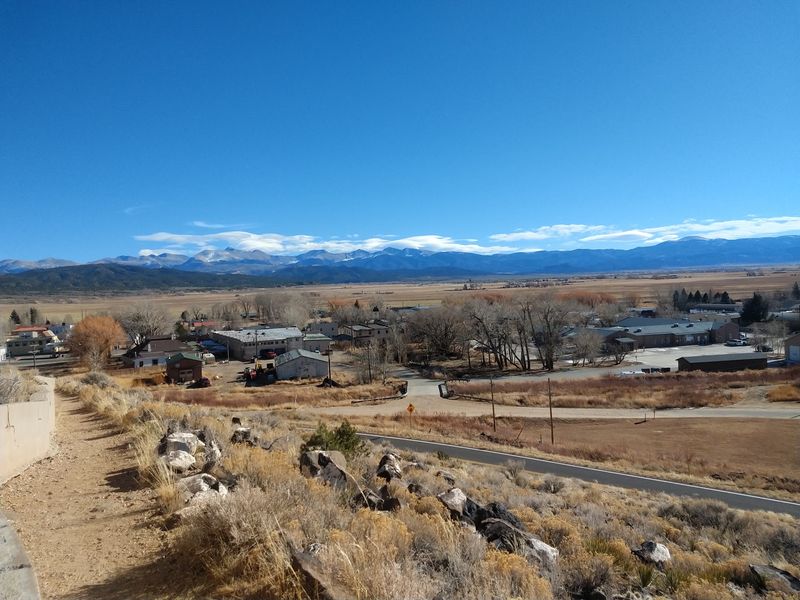
Short names often hide longer stories. San Luis was once known by a fuller title: San Luis de la Culebra.
The older name is a small window into the town’s roots. It points to a heritage that stretches back well before the modern map of Colorado took shape.
Plenty of Front Range locals have heard the short version without ever learning the original. Knowing it adds a layer of meaning to any trip down south.
Names tend to stick around in local memory even after official records change. In a town this old, the earlier title is part of the identity residents carry with them.
For history buffs, the name is a great starting point for deeper reading before or after a visit. It connects the present town to the community that first took root here.
It also makes for a good conversation piece on the drive. Few road trip facts land quite as well as learning that the state’s oldest town once went by a longer, more descriptive name.
One word got trimmed over the years, but the story behind it never left.
4. Small Numbers, Big Story
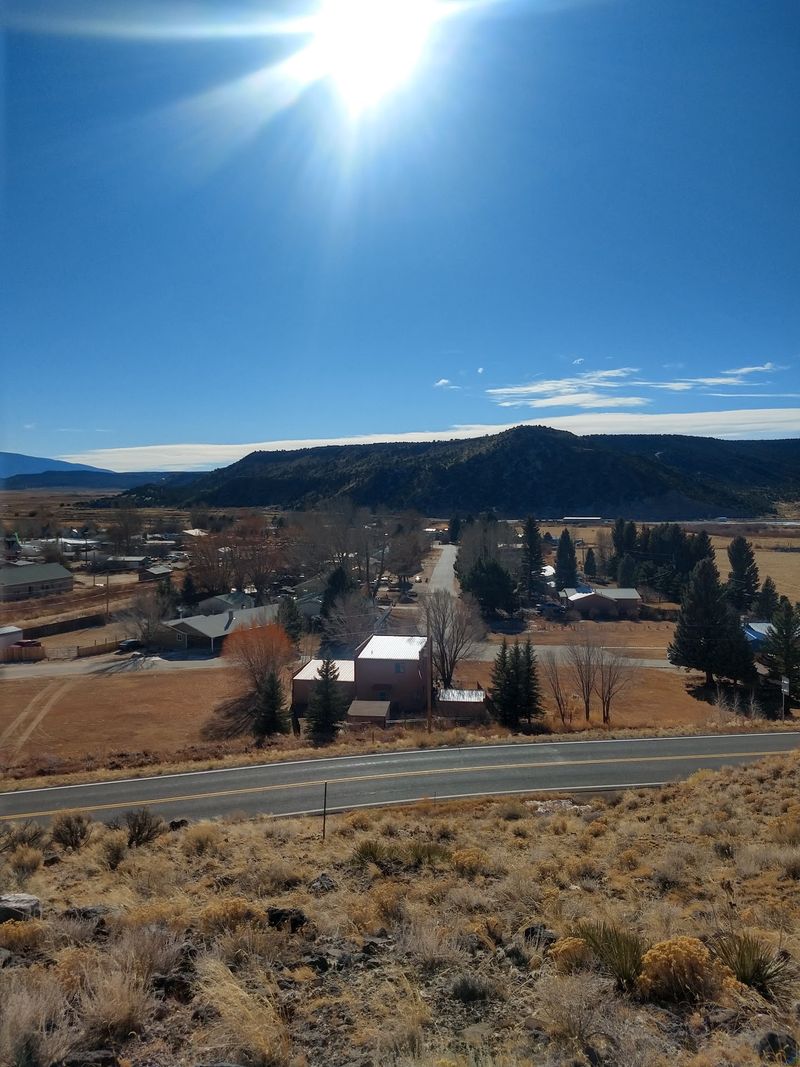
Here is a number worth remembering: 598. That was the population of San Luis at the 2020 census.
For comparison, some Denver apartment complexes house more people than that. Yet this tiny town is still the largest in its entire county.
That says a lot about the region. Costilla County is spread out and rural, and San Luis serves as its anchor.
A small population usually means a slower pace. There is no rush hour in the Front Range sense, and no long lines of out-of-state plates searching for parking.
For residents who feel worn down by growth along I-25, that scale can feel like a breather. It is a reminder of what Colorado town life looks like away from the boom.
Small towns also tend to reward respectful visitors. Supporting whatever local businesses are open during a trip can matter more here than in a big city.
A few hundred residents, one record-setting history, and plenty of room to breathe make a strong combination.
5. Why So Many Locals Miss It
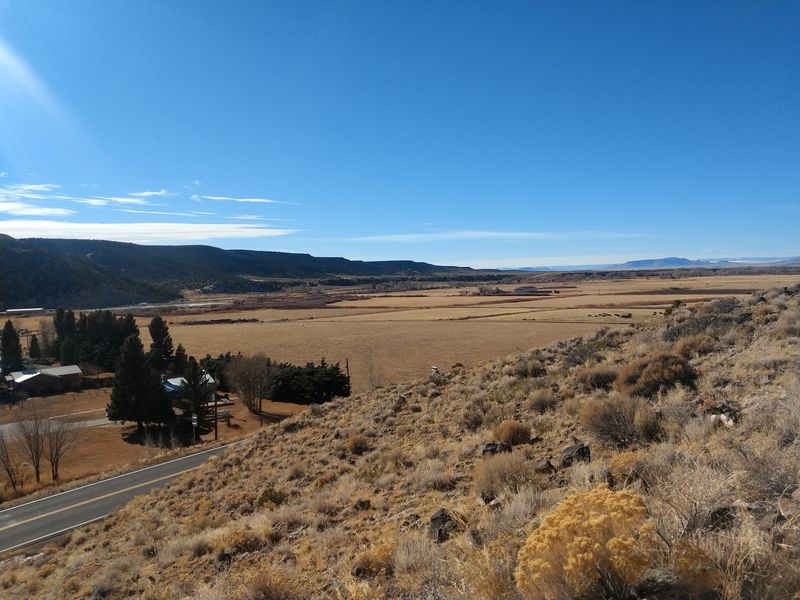
Geography explains a lot. Most Front Range weekend plans point west toward the mountains, not south toward the state line.
San Luis sits in a corner of Colorado that does not fall on the usual routes to resorts or national parks. Without a reason to pass through, many people simply never go.
There is also the attention problem. Big-name destinations get the ads and the crowds, while quieter historic towns get far less notice.
That gap works in favor of residents willing to try something different. A less-hyped place can be less crowded and easier on the budget than a peak-season resort town.
Many longtime Coloradans admit they have lived in the state for decades without visiting its oldest town. It is a surprisingly common blind spot.
Fixing that blind spot does not take much planning. A free weekend, a full tank and a curiosity about state history are enough to get started.
Sometimes the best local discovery is the one that has been sitting on the map the entire time.
6. Who Will Love the Trip
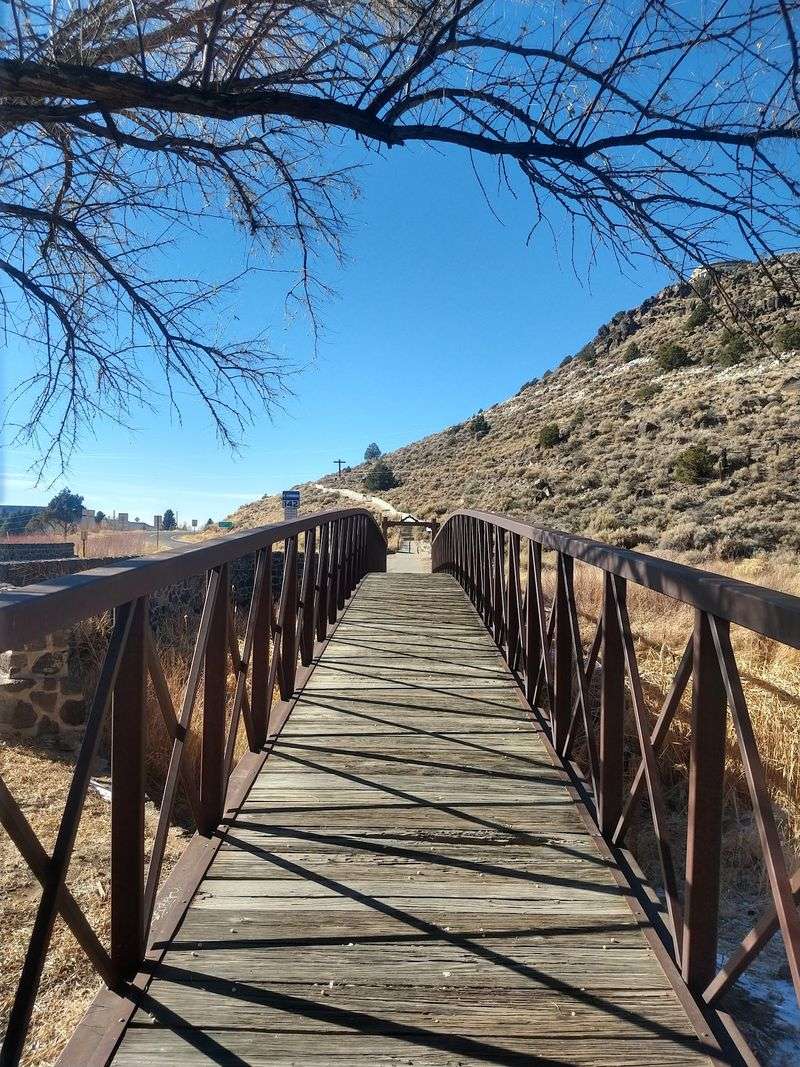
Some trips suit everyone, and some suit a certain kind of traveler perfectly. San Luis leans toward the second group.
History lovers top the list. Anyone fascinated by how Colorado grew will appreciate seeing the community that holds the state’s longest continuous record of town life.
Retirees and anyone on a fixed budget may find it appealing too. A quiet day trip to a small town can cost far less than a weekend at a busy mountain resort.
Couples looking for a low-key getaway might also enjoy the change of pace. There is no pressure to pack in a dozen attractions.
Families with curious kids can turn the drive into a living history lesson. Telling children they are visiting the oldest town in Colorado tends to spark questions.
Thrill seekers chasing nightlife or big-ticket entertainment may want to look elsewhere. San Luis is about heritage and quiet, not flash.
Knowing that ahead of time sets the right expectations and makes the day much more rewarding.
7. Best Timing for a Quieter Visit
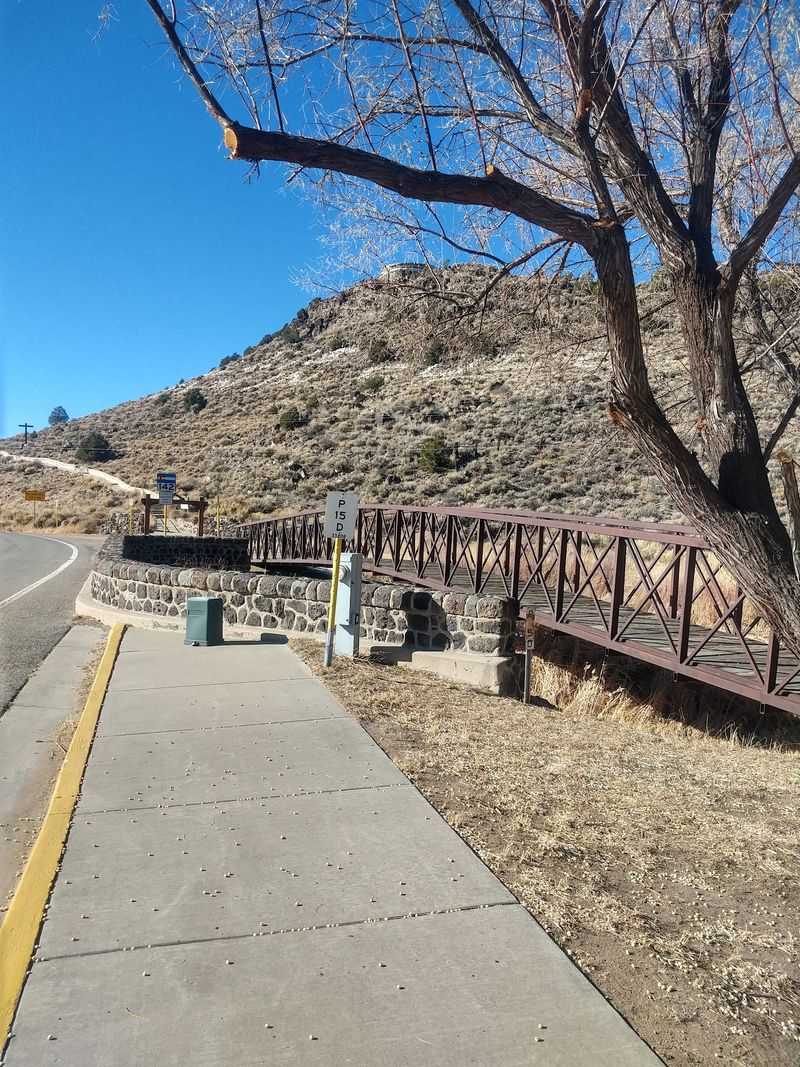
Timing can shape a small-town trip as much as the destination itself. For San Luis, a little flexibility goes a long way.
Weekdays are often a smart choice for anyone who wants an unhurried pace. Shoulder seasons like spring and fall can also be appealing for avoiding the busiest travel weekends across the state.
Winter travel in southern Colorado calls for a weather check before leaving. Road conditions can change, so it helps to look at forecasts and highway updates the day of the drive.
Summer brings long days, which leaves more daylight for the round trip. That is useful when the drive itself takes a good chunk of time.
Because San Luis is a small town, local business hours may be limited or vary by season. Calling ahead or checking current listings before the trip can prevent a wasted stop.
A relaxed schedule is the real secret. Leaving early and not cramming too much into one day keeps the trip easy.
Slow travel fits a town that has been around this long.
8. Planning the Drive South
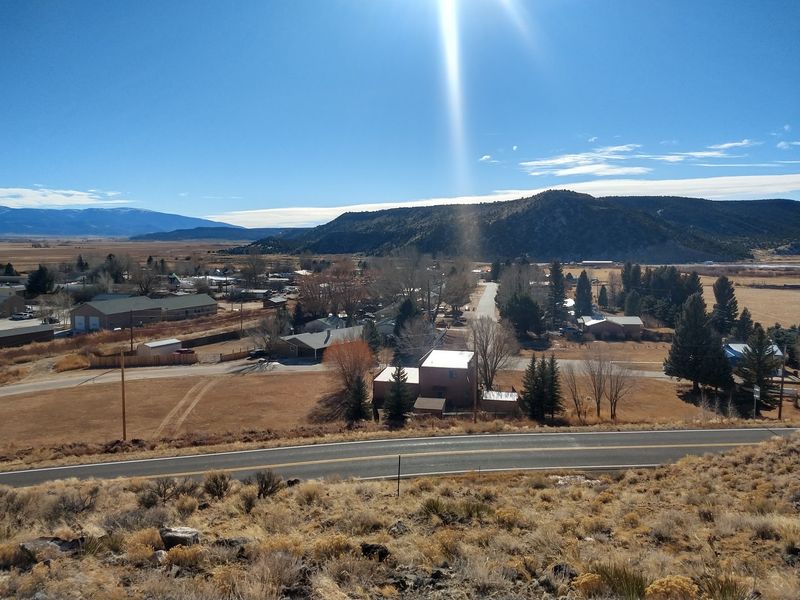
A good road trip starts with a realistic plan. San Luis is far enough from Denver that a bit of preparation pays off.
The town sits in Costilla County near the New Mexico border, so expect a long drive from the northern Front Range. Many travelers treat it as a full day out or pair it with an overnight stay somewhere in southern Colorado.
Mapping the route ahead of time is wise. Cell service and fuel stops can be spread out in rural areas, so filling up before the final stretch is a safe habit.
Packing water, snacks and a printed or downloaded map adds peace of mind. Small comforts make a remote drive far more pleasant.
Costs can stay modest compared with resort getaways. Gas and a simple meal may be the main expenses for a day trip, though exact amounts depend on the vehicle and choices along the way.
Hours and services in town were not confirmed here, so checking current details before leaving is the best move.
With the basics covered, the open road does the rest of the work.
9. A Worthy Detour Into Colorado Roots
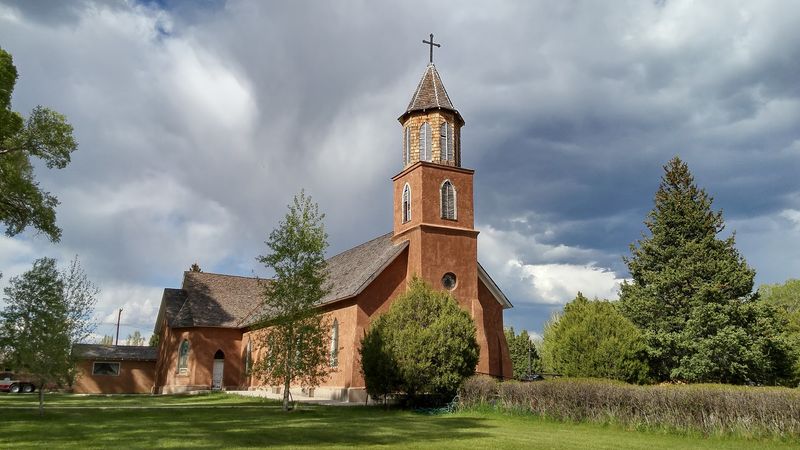
Every state has a starting point, and Colorado’s oldest continuous one is still quietly going about its business. San Luis has earned far more attention than it gets.
It offers something no new development or resort village can recreate. That something is a living link to the earliest chapters of Colorado town life.
The trip will not suit every taste, and that is fine. It rewards people who enjoy history, open roads and a pace that does not rush anyone.
For Front Range residents, visiting is also a chance to know their own state a little better. It is easy to overlook the places that shaped Colorado while chasing the famous ones.
A small town of 598 people, a county seat role and a record older than the state itself add up to a memorable outing. Few day trips carry that much meaning in such a modest package.
The next free weekend might be the right time to finally point the car south and see where it all began.
Share this story