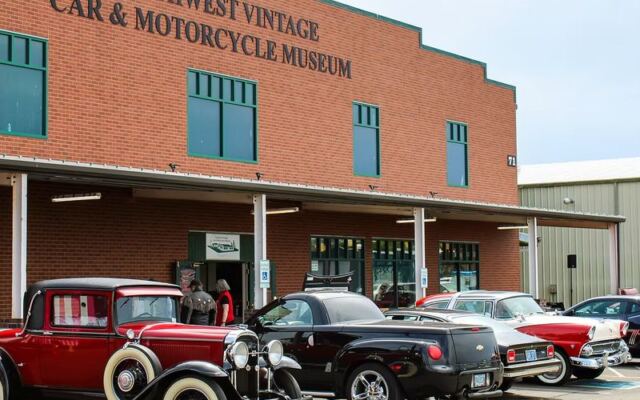
Most people who drive into a certain heritage park north of Salem never make it to the very back of the property. That is a shame, because the building waiting behind an old Texaco sign holds classic cars, rare motorcycles, a barn find display, and a pipe organ you can actually play. Admission to this museum is free once you are inside the park, and the collection changes often enough that repeat trips feel new.
Keep reading to learn where it is, what to look for, and how to time your visit so the doors are open when you arrive.
A Back-Lot Secret Near Salem
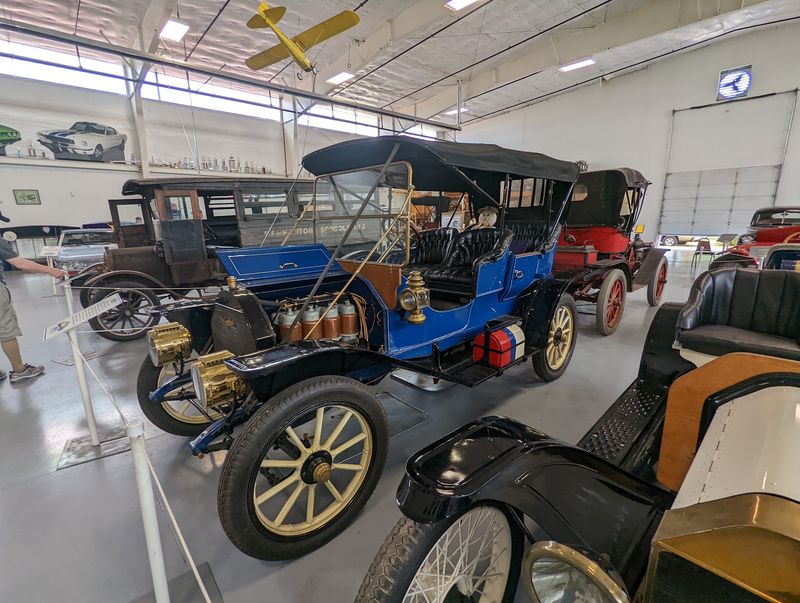
Some of the best finds in Oregon sit right where most people stop walking. The Northwest Vintage Car and Motorcycle Museum is one of them.
Its address is 3995 Brooklake Rd NE, Salem, OR 97303, in the United States. The museum sits inside Powerland Heritage Park in the Brooks area, just north of Salem along the I-5 corridor.
Here is the catch that keeps it hidden. The museum is tucked at the very back of the park grounds, and plenty of guests wander through the front exhibits without ever reaching it.
The building houses a rotating collection of vintage cars and motorcycles, along with antiques, older machinery, and a few surprises that have nothing to do with engines at all. It is the kind of place people describe as one of the best kept secrets among antique car museums in the region.
For Oregon residents who care about keeping local landmarks alive, it is also a volunteer-supported spot that depends on folks showing up. Every trip down that long path to the back helps keep the lights on.
So where did all these machines come from, and why are they parked behind a heritage park? The story starts with the park itself.
Powerland Heritage Park as Home Base
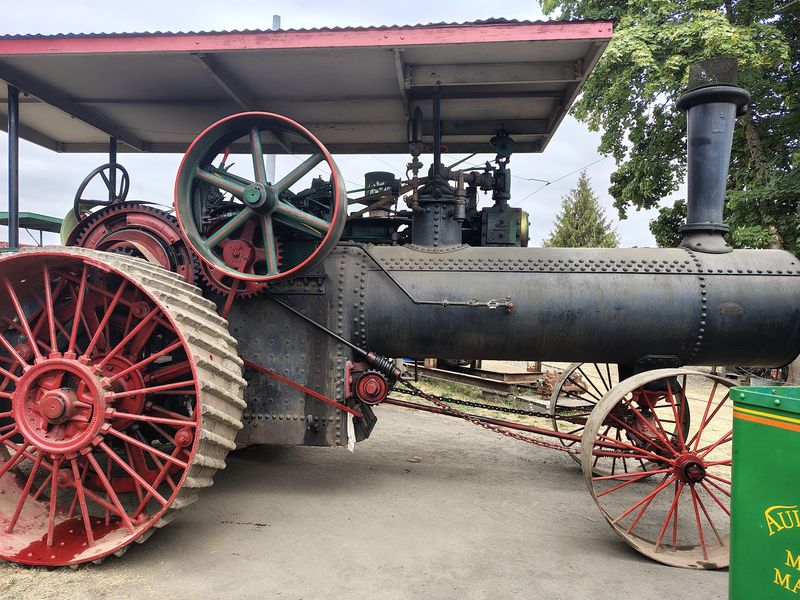
Context matters, and this museum has a big neighborhood. It is one of several museums gathered inside Powerland Heritage Park, a property devoted to preserving machines from earlier eras.
Across the grounds, guests can find train displays, fire trucks, trucks, and other collections of vintage equipment. Each museum has its own focus, which turns a single stop into a full day of exploring.
That setup shapes how a visit works. You pay to enter the park, and the car and motorcycle museum is included with that entry, so there is no separate charge at its door.
The arrangement also means the museum shares the park calendar. When the park opens for the season in spring, the museum opens too, and it follows the park schedule from there.
People who arrive for one exhibit often leave wishing they had planned more time for the rest. A common takeaway is simple: come early, wear walking shoes, and leave room on the agenda.
The train collection gets plenty of love on its own, and the fire trucks are a hit with younger guests. Still, the walk to the back is where the real treasure hunt pays off, and the next stop on that path has a very recognizable sign.
Follow the Texaco Sign
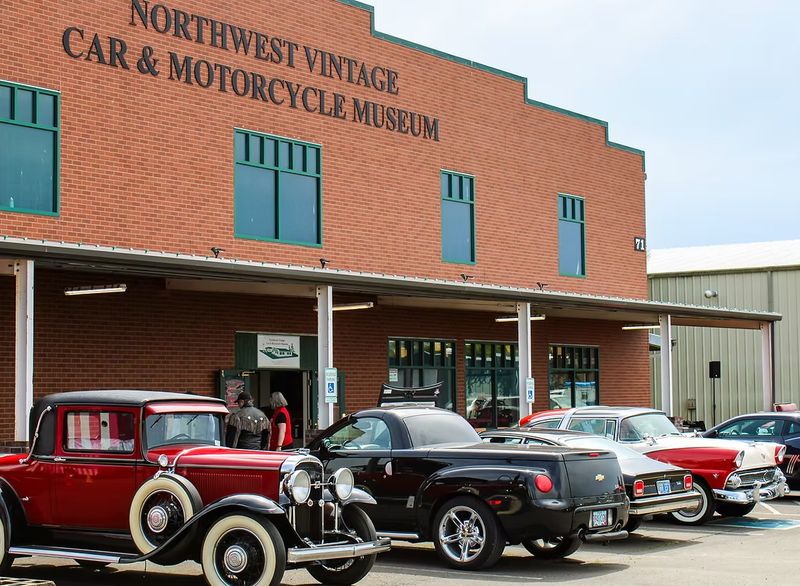
Directions do not get much easier than this. Head to the back of the park and look for the Texaco sign.
That sign belongs to a recreated 1930s-era Texaco service station, one of the signature displays connected to the museum. It works as both a landmark and an exhibit, giving guests a look at what a roadside fuel stop looked like decades ago.
Old service stations were once part of everyday life in small towns across Oregon. Many have since disappeared, which makes a preserved version like this feel like a small rescue mission for roadside history.
The station also sets the tone for everything inside. Before you even reach the cars, you are already standing in the era many of them came from.
Families tend to pause here for photos, and it is easy to see why. The setting gives the whole collection a sense of place rather than just rows of vehicles.
Consider it the museum’s front porch. Once you pass it, the real lineup of wheels begins, and the cast changes more often than you might expect.
A Lineup That Never Stays Parked
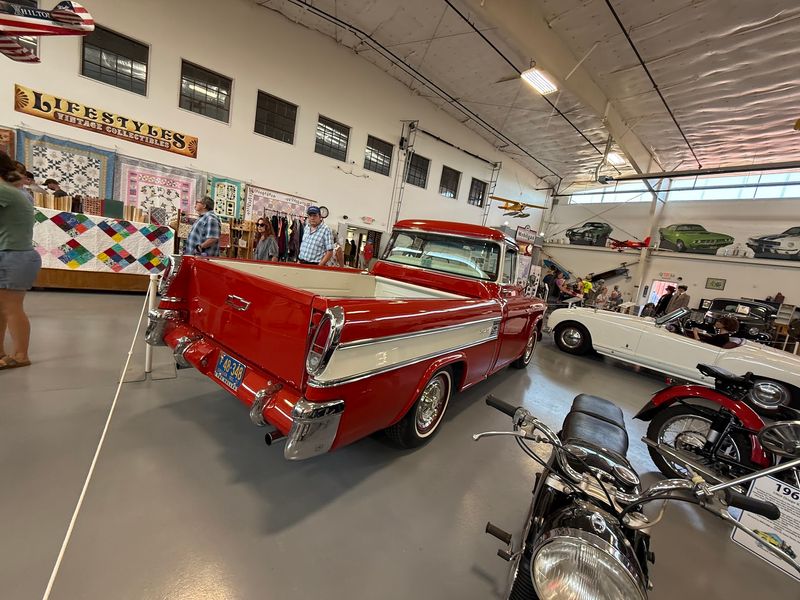
Ask a regular what keeps them coming back and the answer is usually the same. The cars get switched around every year.
That rotation means the collection you see on one trip may look quite different the next time. Always something new is the running theme, and it gives local families a reason to return season after season.
The lineup leans heavily on old cars and classic automobiles. Some are models many people have only seen in photographs, which adds a nice jolt of surprise when one appears in person.
Old Cadillacs have been part of the display, and an older Alfa Romeo has been brought in as well. The mix varies, so treat any specific model as a possibility rather than a promise.
One detail stands out more than most. A lot of the machines in the building actually work, which separates this place from collections where everything is purely decorative.
The space is described as small, but the quality of the cars punches well above the square footage. Two wheels get their own spotlight too, and the motorcycle side has a couple of famous names worth knowing.
Hondas, Triumphs, and Two-Wheeled History
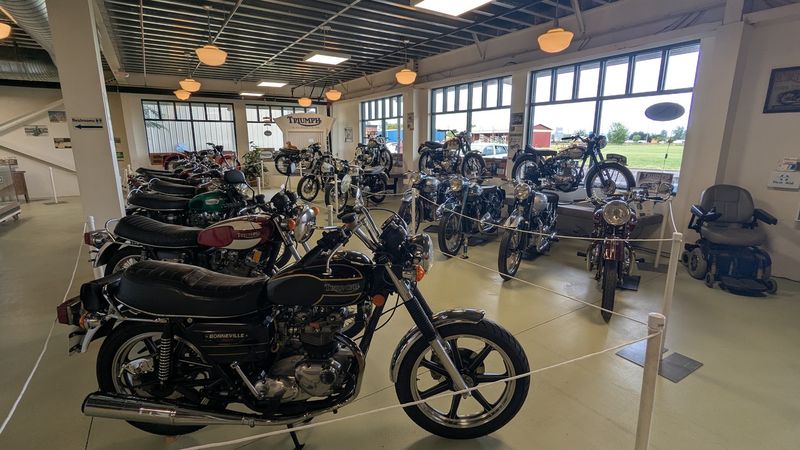
Motorcycle fans, this part of the museum has your name on it. The collection has featured a strong lineup of Hondas, enough that the brand has seemed to dominate the two-wheeled side for stretches of time.
More recently, the museum showcased a full Triumph motorcycle collection running from the 1940s forward. That kind of era-by-era display makes it easier to follow how the bikes changed over the years.
Since the exhibits rotate, the featured motorcycles can shift between visits. Some guests have wished for more makers in the mix, which shows how much interest the bikes generate.
That variety question cuts both ways. A focused collection lets you study one brand closely, while a later trip might bring something entirely different.
The bikes share floor space with the cars, so nobody in your group has to choose sides. Gearheads who prefer handlebars over steering wheels will still find plenty to linger over.
Here is a tip worth remembering. If a particular brand is your passion, check the museum website before heading out to see what is currently on display, then save some attention for an exhibit that literally makes music.
The Pipe Organ Nobody Expects
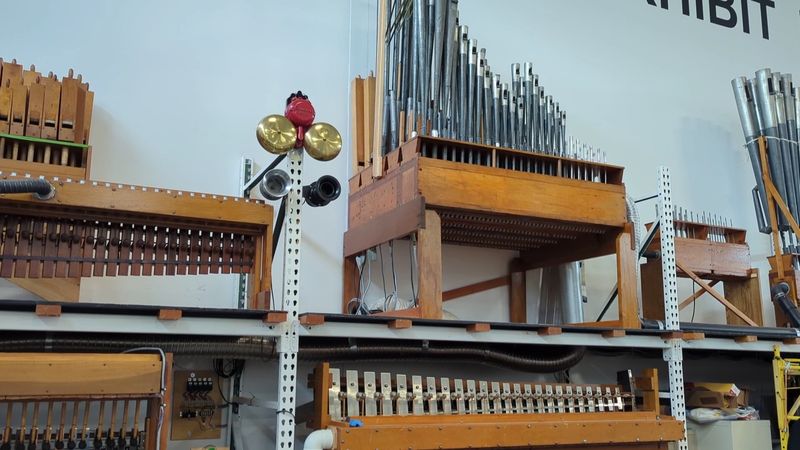
Nobody walks into a car museum expecting a pipe organ. That is exactly why this one gets so much attention.
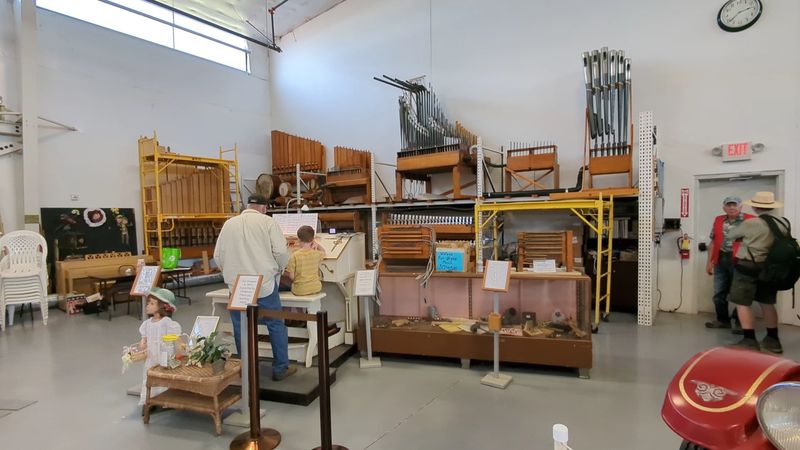
The museum houses a theatre pipe organ built from pipes and parts gathered from a variety of different organs. Those pieces were combined into one instrument, which allows it to produce a wide range of unusual tones.
It has also been described as a work in progress, with the building effort itself part of the story. Watching a project like this take shape adds a handmade quality to the whole collection.
Now for the best part. Guests can sometimes join the organist and try playing a little themselves, which turns a display into a hands-on moment.
Kids especially seem to love this. Getting to press the keys of an instrument this size is not something most young people experience every day.
It also says something about the museum’s personality. This is a place run by people who want you to participate, not just look from behind a rope, and that spirit continues in a display full of dusty surprises.
Barn Finds and Vintage Wardrobes
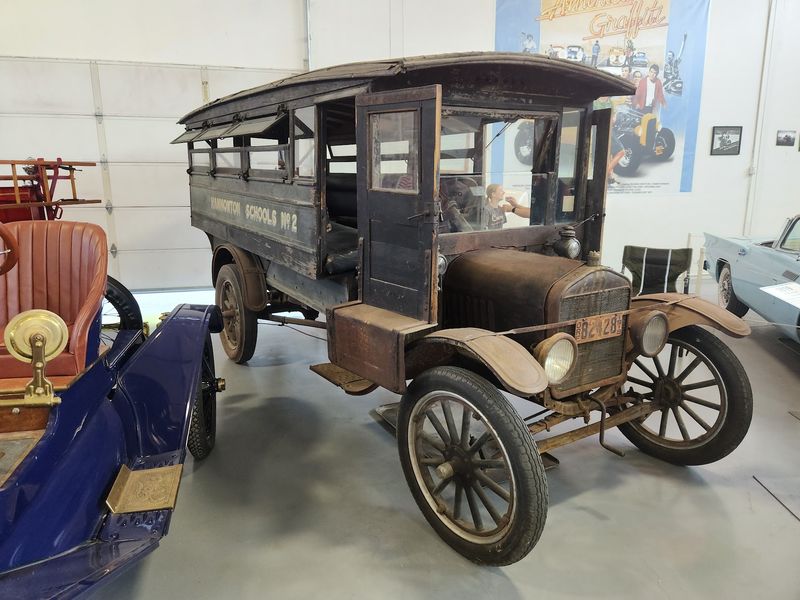
Not every car here has a showroom finish. The barn find display shows vehicles closer to the condition they were in when discovered, which gives a very different kind of history lesson.
A barn find tells you about the journey, not just the destination. Seeing one helps explain how much effort goes into the restored cars elsewhere in the building.
Beyond the vehicles, the museum includes a range of antiques and older machinery. These pieces round out the collection and give context to the eras the cars represent.
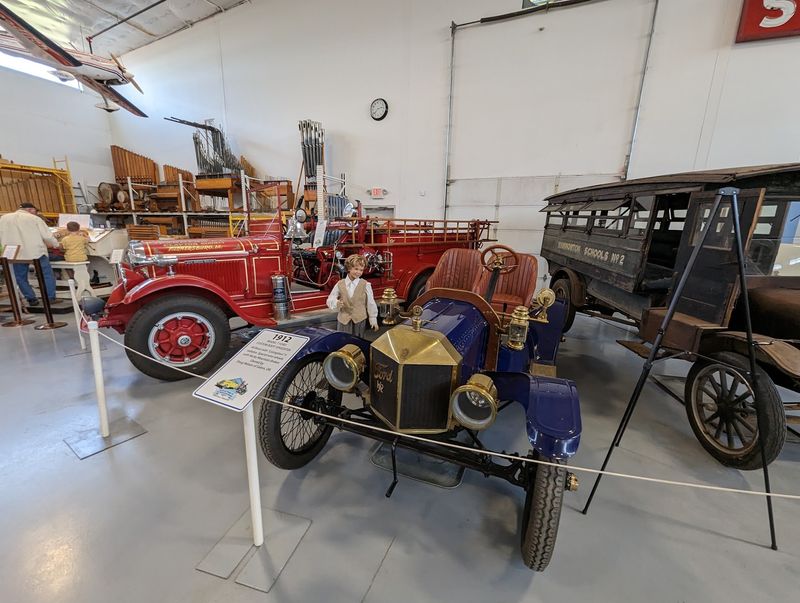
Mannequins dressed in vintage clothing are another favorite. They show how people dressed during the years these cars rolled off assembly lines, and they often win over guests who are less interested in engines.
An antique school display has been part of the experience too. Together, these extras turn the museum into a small time capsule of daily life.
The thoughtful decor ties it all together, and it is clear someone put real care into the arrangement. That care becomes even more obvious once you meet the people behind it.
Volunteers Who Know Every Bolt
Collections are only as good as the people who share them. Here, a dedicated staff of volunteers is a big reason the museum earns a 4.8-star average across more than 170 opinions online.
Friendly and knowledgeable come up again and again when people describe the staff. Owners and volunteers alike seem happy to answer questions and point out details you might otherwise miss.
That matters in a museum where much of the equipment actually works. A quick chat can explain how a machine operates or why a certain model is rare.
Volunteer-run places like this are part of what keeps Oregon’s small museums open. Without people giving their time, many of these collections would simply sit in storage.
The museum accepts donations, and that support helps keep the doors open while admission stays free inside the park. Dropping a few dollars in the box is an easy way to help a local institution survive.
Families celebrating Father’s Day have made a trip of it here, which tells you the atmosphere suits a relaxed outing. The crowd it attracts is broader than you might guess.
Who Gets the Most Out of It
Car enthusiasts are the obvious audience. Anyone who has spent hours on vintage car videos will find models here they have only seen on a screen.
Families do well here too, thanks to the pipe organ, the vintage clothing displays, and the walk through the larger park. Kids who are not into cars usually find at least one thing that grabs them.
Professional drivers have their own reason to stop. A truck stop sits across the street, so a driver looking for something worthwhile to do during a break has an easy option nearby.
History lovers get plenty of material as well. The antiques, the service station, and the older machinery make it about more than horsepower.
Budget-minded Oregonians will appreciate the setup. Since the museum is included with park entry, one admission covers a lot of ground, which helps when every household expense adds up.
It also works for folks who prefer smaller crowds. Because the museum sits at the back of the property, it can feel calmer than the busier front areas, at least until a big event rolls into town.
Car Shows, Big Rigs, and Veterans
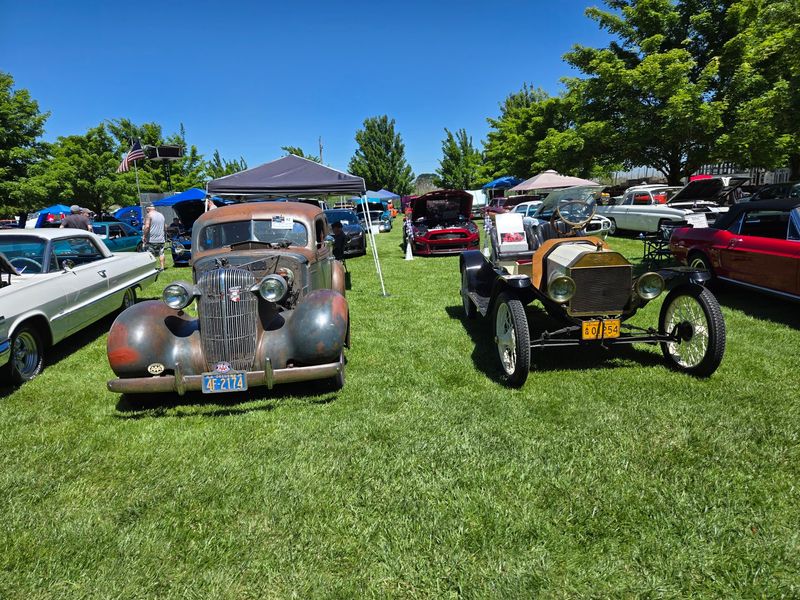
Event days transform the grounds. Many people discover the museum for the first time while attending a car show on the property.
The Paralyzed Veterans of America Tri-State Chapter Car Show has been hosted here, and the museum has earned a reputation as a strong supporter of veterans. That connection gives the events a community purpose beyond showing off shiny paint.
Truck lovers have their moment too. A show celebrating 100 years of Kenworth brought working trucks and their owners together, offering a rare chance to get close to big rigs and talk with the people who drive them.
Event shows typically bring all kinds of vehicles onto the grass outside. Then guests head inside the museum to see the permanent and rotating collection, which makes for a full day.
A practical note for show days: parking in the grass has cost $10 during at least one event, while no tickets were needed for entry. Bring a little cash just in case.
Shows are not the only big gatherings here. The park’s signature summer event deserves its own section.
Steam-Up Season at the Park
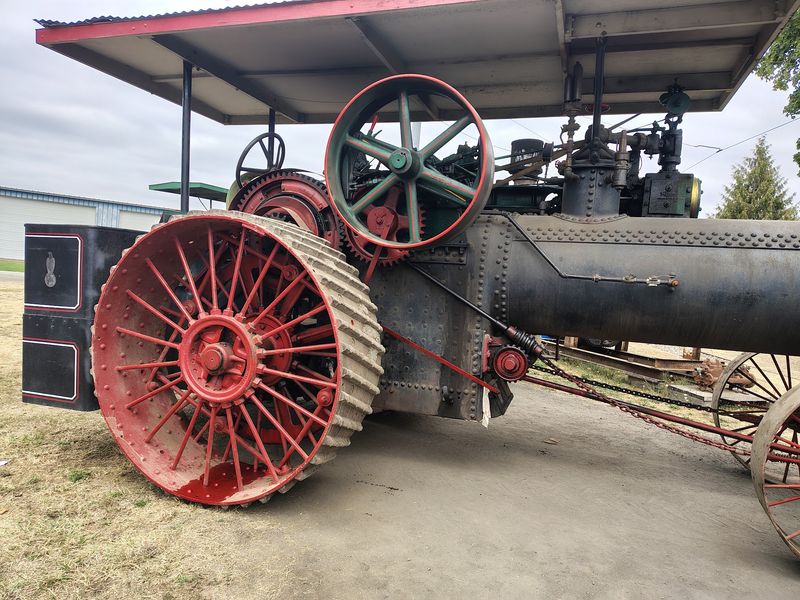
Summer brings out the park’s biggest tradition. The Great Oregon Steam-Up takes place every year at the end of July and into August.
It is an old-fashioned celebration of steam power and vintage machinery across Powerland Heritage Park. Longtime fans of the event often make the car and motorcycle museum part of their day.
First-timers sometimes question the Steam-Up admission price before arriving. After seeing how many museums sit inside the park, including this one, the cost tends to make more sense.
That is a useful way to think about value. One entry opens the door to multiple collections, from trains to fire trucks to the vintage cars at the back.
The event is a natural fit for families looking for a summer outing that does not feel like the usual routine. It is also a chance to see working machines rather than static displays.
Plan for more walking than you expect, since the museum sits far from the entrance. Knowing the schedule ahead of time will save you from a frustrating trip, and the regular hours are fairly specific.
Hours, Costs, and the Long Driveway
Timing is everything with this museum. It keeps a short weekly schedule, so check before you go.
Regular hours are Thursday from 9 AM to 2 PM, Saturday from 10 AM to 4 PM, and Sunday from 12 PM to 4 PM. The museum is closed Monday, Tuesday, Wednesday, and Friday.
Admission to the museum itself is free. You pay when you enter the park, and the museum is included, though donations are always welcome inside.
The park follows a seasonal schedule, opening in spring. The museum is generally open whenever the park is open, so confirm current details on the official website at nwcarandcycle.org.
Getting there is straightforward from the Salem area. Once you head down the driveway, there is plenty of turnaround space, which helps if you are driving something large.
Clean restrooms are available on site, a small detail that matters on a long day. With logistics handled, one question remains: is the trip worth it?
Worth the Walk to the Back
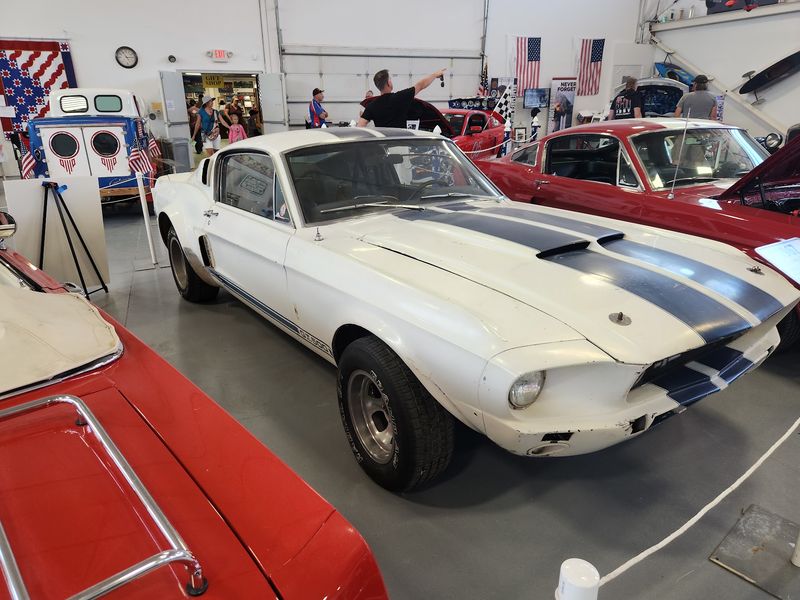
Small museums often leave the biggest impression. This one manages it with a rotating car collection, a Honda and Triumph motorcycle legacy, and an organ you can sit down and play.
The appeal goes beyond the vehicles. It is the volunteers, the working machines, the barn finds, and the 1930s service station that make it feel personal.
For Oregon residents, there is also a quiet preservation story here. Places like this survive because people visit, donate, and tell friends where to find them.
It is also an affordable outing. One park admission covers this museum and several others, which makes it a solid choice for families watching their spending.
Plan around the limited hours, bring cash for possible event parking, and leave time to explore the rest of the park. Those small steps make the day much smoother.
Most guests never make it to the back of the property. Now you know exactly why you should, and the Texaco sign will be waiting to point the way.
Share this story