Some Arizona towns brag about golf courses or shopping. One town in the far southeast corner of the state brags about a bird small enough to rest on a fingertip. Birders from across the country have long called it the Hummingbird Capital of the United States, and the nickname has real reasons behind it.
Tucked against tall mountains near the Mexico border, the area sits where desert, grassland, and forest meet, which pulls in an unusual mix of wildlife. For Tucson folks, it is close enough for a Saturday escape. For Phoenix drivers, it makes a solid weekend plan.
Keep reading for the story, the setting, the birding basics, and the practical details that help you plan a trip worth bragging about.
1. A Mountain City Near the Border
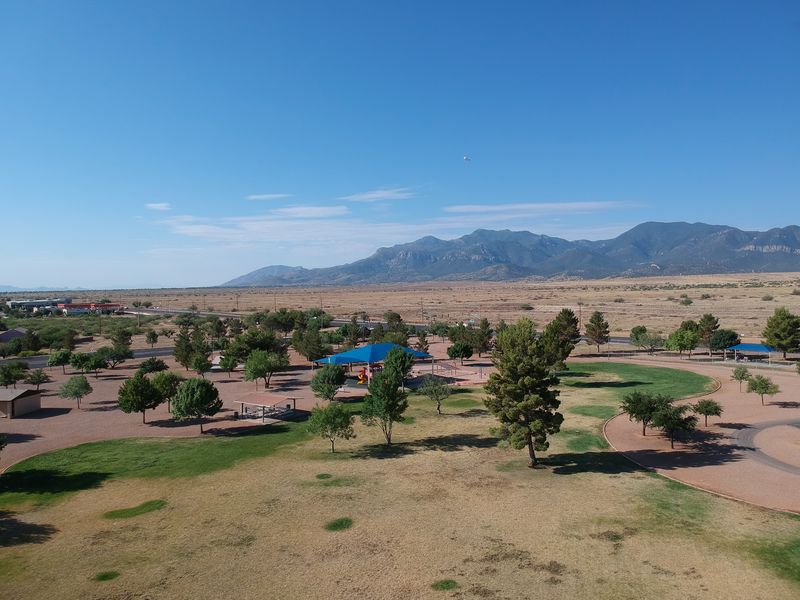
Small birds, big reputation. The town at the center of this story is Sierra Vista, a city in Cochise County, Arizona, in the United States.
It sits in the southeastern part of the state, not far from the Mexico border. The city’s official home online is sierravistaaz.gov, a handy stop for current local information before any trip.
Population numbers tell part of the story. According to the 2020 Census, the city had 45,308 residents, making it the 27th most populous city in Arizona.
That size matters for a weekend planner. It is big enough to offer places to sleep, eat, and refuel, yet small enough that open land never feels far away.
The city also anchors a wider region. It belongs to the Sierra Vista-Douglas Metropolitan Area, which had a population of 131,346 in 2010.
For Tucson residents, the drive southeast is often around an hour and a half, depending on traffic and starting point. Phoenix travelers usually need closer to three hours, which is why a full weekend makes more sense than a rushed day trip.
So what earned this modest city such a lofty birding title? The answer starts with the land itself.
2. Where the Hummingbird Nickname Comes From
Nicknames usually get handed out for a reason, and this one is no exception. Birding circles have long referred to Sierra Vista as the Hummingbird Capital of the United States.
The reason is variety. Southeastern Arizona is widely known among birders for drawing a wide range of hummingbird species, including some that are rarely seen elsewhere in the country.
Many of these tiny travelers move north from Mexico during warmer months. The region’s location near the border makes it one of the first stops on their route.
For local birders, that creates a fun kind of scorekeeping. Spotting several species in a single weekend is a common goal, and a few lucky folks manage even more.
The title is less of an official award and more of a badge earned through years of sightings. It shows up in birding conversations, travel planning, and local pride alike.
Here is the quirky part. A bird that often weighs less than a coin has given an entire city its best-known calling card.
Of course, a nickname only goes so far. The setting around town explains why the birds keep coming back.
3. The Huachuca Mountains Backdrop
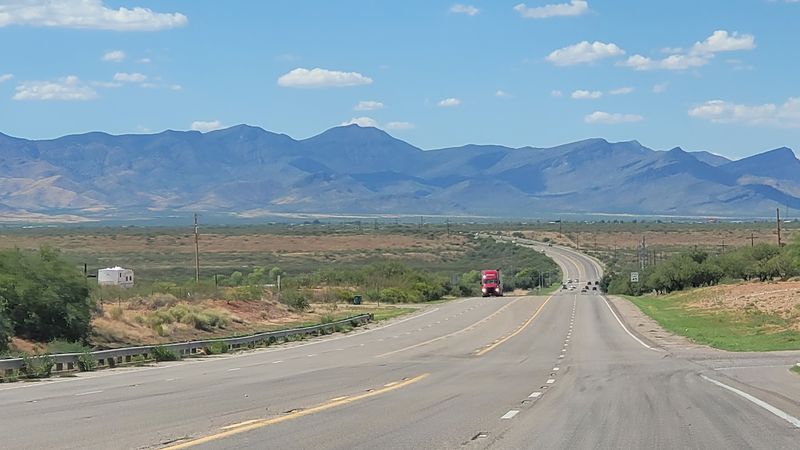
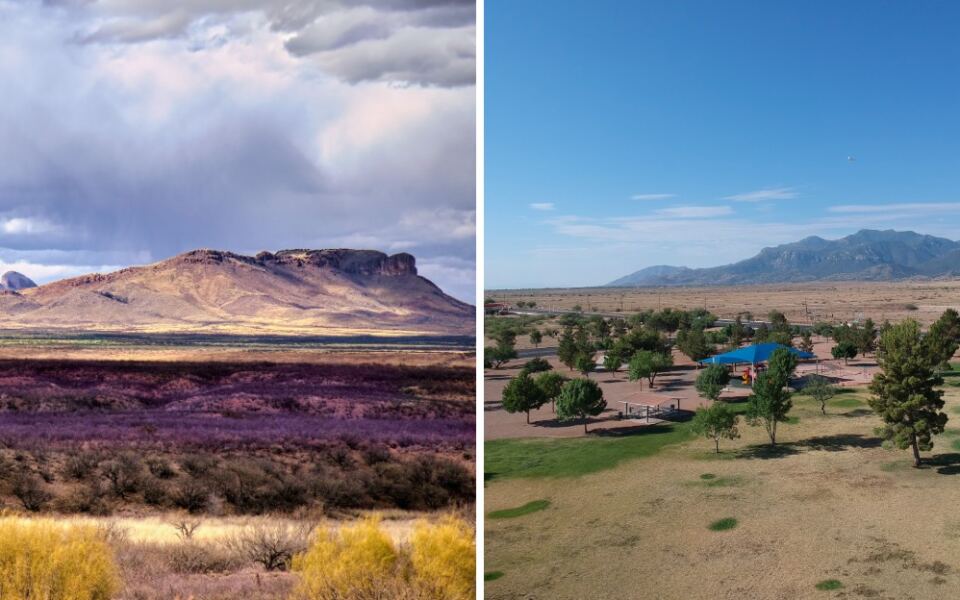
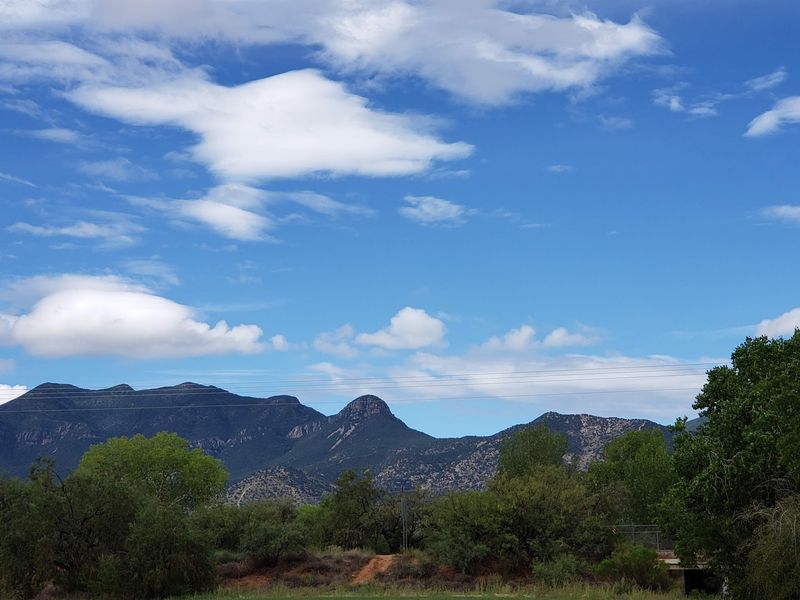
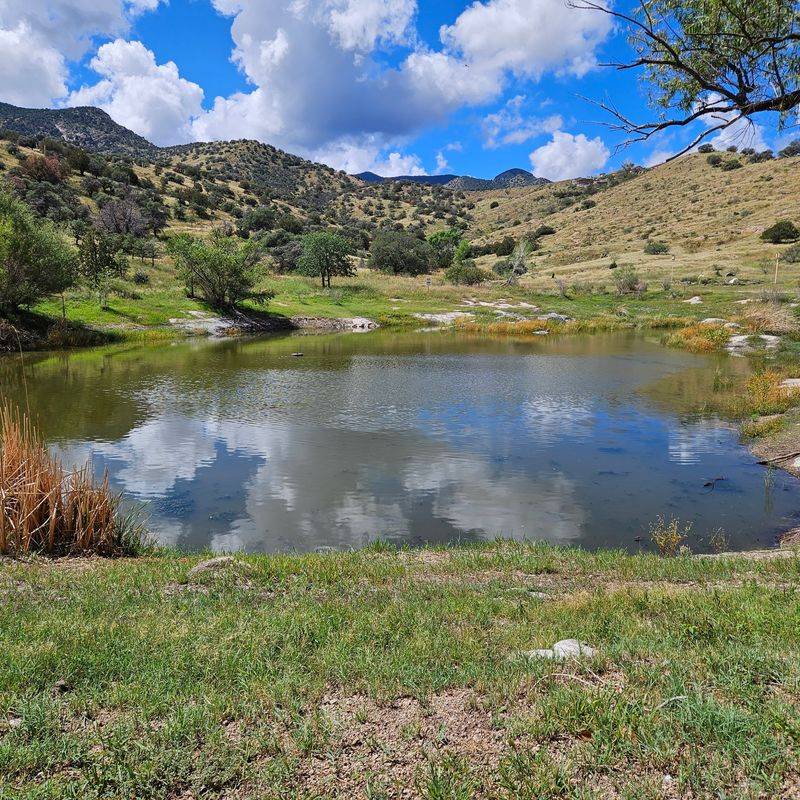
Mountains do a lot of heavy lifting here. The Huachuca Mountains rise just beside the city, creating the dramatic backdrop that gives the area its character.
These peaks belong to the group known as the Sky Islands. That term describes isolated mountain ranges surrounded by lower desert and grassland.
Height brings change. As elevation climbs, the landscape shifts from open terrain to oak woodland and higher forest, giving wildlife many different homes in a short distance.
Canyons cutting into the range are favorite spots for birders. They often hold water and shade, which can attract hummingbirds and plenty of other species.
Elevation also helps with Arizona heat. The city sits higher than Tucson and much higher than Phoenix, so summer days can feel more manageable there.
That fact alone makes it a smart warm-season pick for Valley residents looking for a break. Early mornings in the canyons are usually the best time for both comfort and bird activity.
With mountains on one side, the other side holds a very different treasure. It runs along a river that birders talk about constantly.
4. A River Corridor Full of Wings
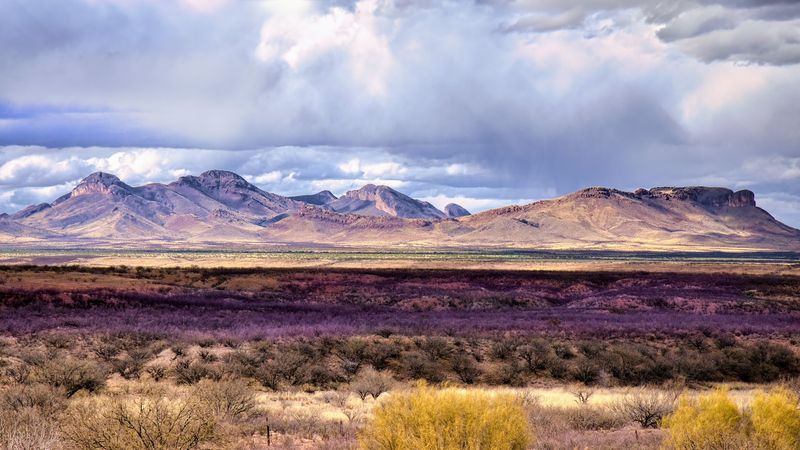
East of the city, a ribbon of green cuts through dry country. The San Pedro River corridor is one of the region’s most celebrated birding areas.
Rivers in the desert act like highways for migrating birds. Tall trees along the banks offer shelter and food during long journeys north and south.
The area is protected as the San Pedro Riparian National Conservation Area. Birders often mention it alongside the mountain canyons as a must for any serious visit.
Trails along the corridor tend to be fairly flat. That makes them friendly for beginners, families, and anyone who prefers an easy stroll over a steep climb.
Hummingbirds are only part of the cast. The river area is known for a long list of other species, which keeps even experienced birders busy for hours.
Bring binoculars, water, and a hat. Shade can come and go along the trail, and desert sun does not take weekends off.
Between the mountains and the river, the city enjoys a rare one-two combination. Few Arizona towns can claim two such different wildlife zones so close together.
5. Timing Your Hummingbird Trip
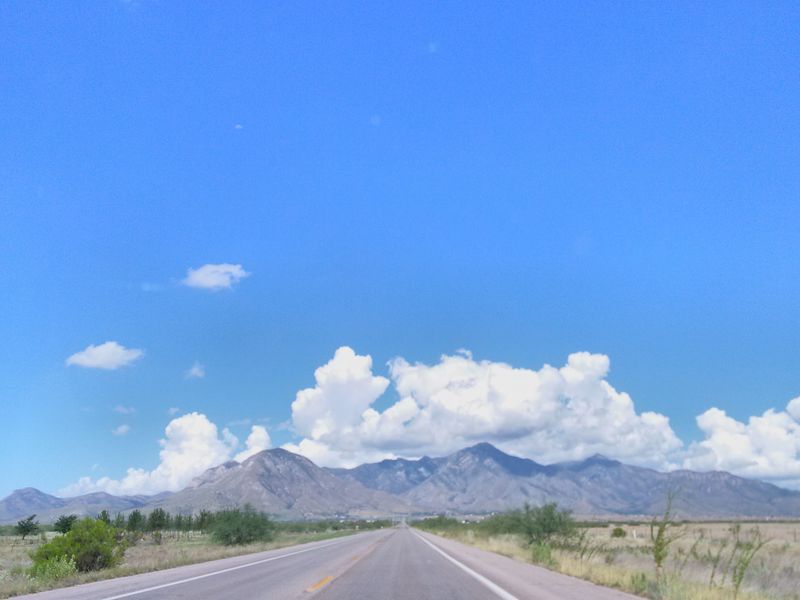
Show up at the right time and the payoff gets much bigger. Hummingbird activity in southeastern Arizona generally rises in spring and peaks in the warmer months into late summer.
Late summer is often a highlight for birders. Migrating birds pass through while local ones are still around, which can boost the variety seen in one outing.
Summer rains also play a role. The monsoon season can green up the landscape and bring more flowers, which often means more hummingbirds.
Fall and winter still have value for outdoor fans. Mild weather makes hiking pleasant, even if hummingbird numbers tend to drop compared with summer.
For Phoenix and Tucson residents, the summer timing is a nice twist. Higher elevation makes this a birding trip that can actually work in the hot months.
Morning remains the golden window for any season. Birds are usually most active early, and cooler temperatures make the walk easier.
Checking local sources before going is a smart move. Bird activity can shift year to year, and nature rarely follows a printed schedule.
6. Gear That Earns Its Spot in the Trunk
Birding is one of the cheapest hobbies around, and that suits this trip perfectly. A pair of binoculars and a bit of patience cover most of the basics.
Binoculars matter more than people expect. Hummingbirds are tiny and quick, so a clear view helps tell one species from another.
A field guide or a birding app is the next helpful item. Many species look similar at a glance, and quick reference saves plenty of head-scratching.
Comfortable shoes are a must for canyon trails. Some paths are rocky, and the higher areas involve real climbing.
Water should never be an afterthought. Even with cooler temperatures than the Valley, the southern Arizona sun can drain energy fast.
A notebook or phone list adds a fun layer. Tracking each species seen turns a casual weekend into a personal record to beat next time.
Sun protection rounds out the kit. A hat and sunscreen keep the focus on birds instead of sunburn.
None of it requires a big budget, which is half the charm.
7. More Than Birds on the Trails
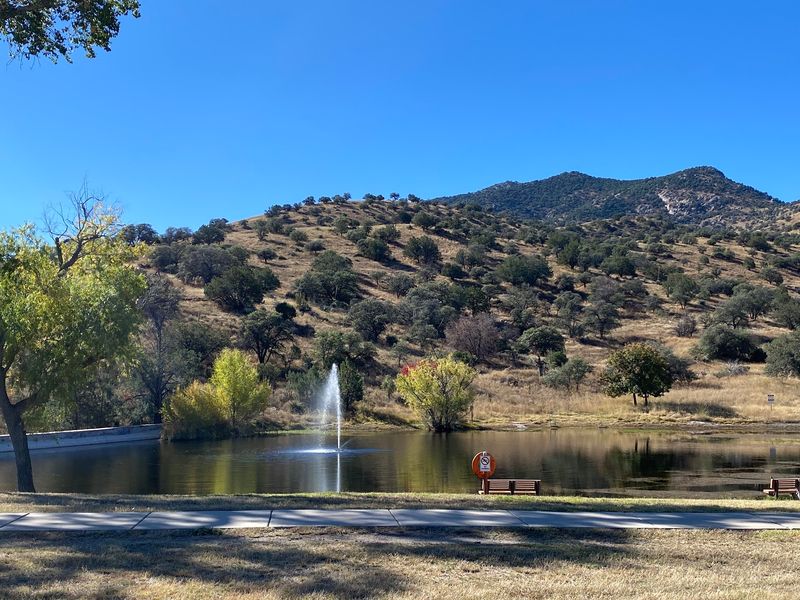
Not everyone in the car will care about feathers, and that is fine. The land around the city offers plenty for hikers and general outdoor fans too.
The Huachuca Mountains hold trails of many difficulty levels. Some are short walks into canyons, while others climb toward high ridges.
Wildlife beyond birds may appear along the way. The Sky Islands region is known for its wide range of plants and animals.
The river corridor gives a gentler option. Its flatter paths suit kids, casual walkers, and anyone wanting an easy afternoon.
Photographers often enjoy the mix of scenery. Mountain views, grassland, and river trees can all fit into one weekend.
The key is matching trail to group. A steep climb might thrill one hiker and frustrate another, so reading trail details beforehand helps.
Hands-on outdoor time is what makes this destination shine. It is a place to walk, search, and explore rather than stand behind a rope.
Once the boots come off, the city itself has its own surprises.
8. A Town With a Military Heartbeat
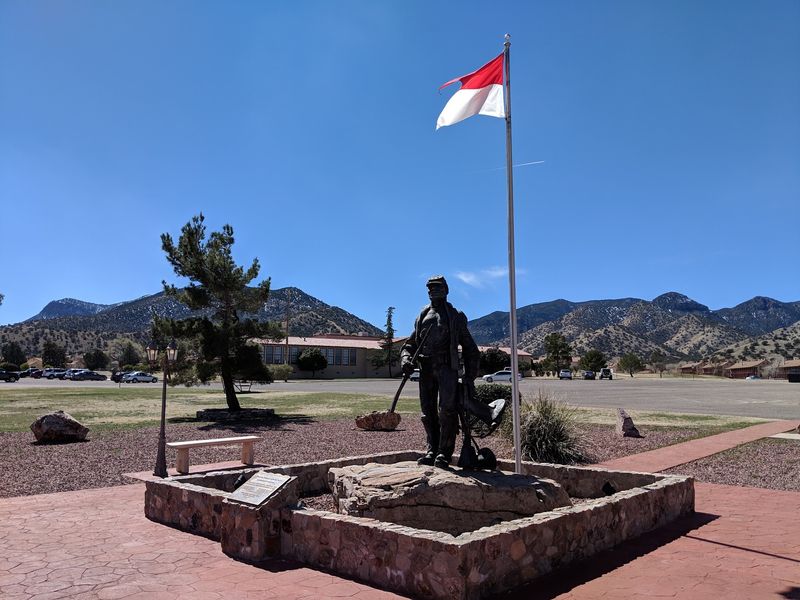
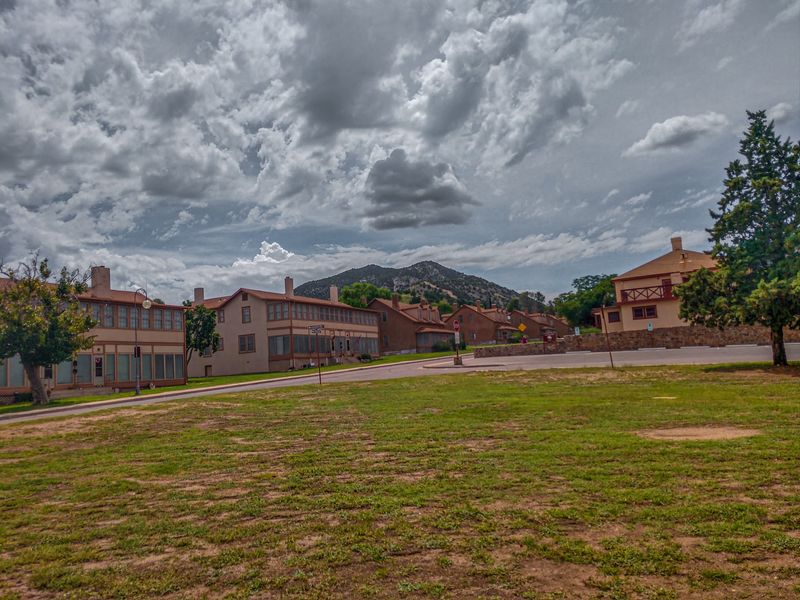
History runs deep in this corner of Cochise County. The city grew up alongside Fort Huachuca, a long-standing Army installation next door.
The fort’s presence shapes the community in many ways. Many residents have ties to the military, which gives the town a steady, close-knit feel.
For travelers, it adds an extra layer of interest beyond nature. The area’s past connects to the broader story of the American Southwest.
Access to the installation follows military rules. Anyone hoping to visit areas on the fort should check current entry requirements well ahead of time.
That detail matters because policies can change. A quick look at official sources prevents a wasted drive.
The military link also helps explain the city’s size and services. It has the shops, lodging, and amenities expected of a regional hub.
So a birding weekend can easily come with a side of history. Few places blend tiny hummingbirds and Army heritage quite so naturally.
9. The Laid-Back Weekend Vibe
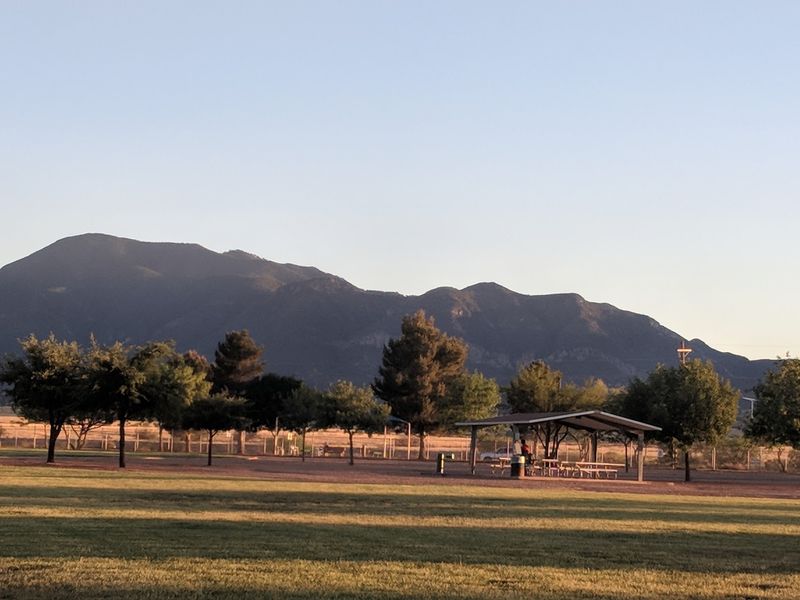
Crowds are not really the point here. The pace of the city tends to be relaxed, which fits a weekend built around early mornings and quiet trails.
That calm setting suits several kinds of travelers. Couples looking for an easy getaway, families wanting outdoor time, and solo birders chasing species can all find their rhythm.
The weekend plan practically writes itself. Mornings go to birding, afternoons to rest or light exploring, and evenings to a relaxed dinner in town.
Because the city is a regional hub, basic needs are easy to handle. Gas, groceries, and lodging are part of normal town life.
Tucson locals may find it feels like a world away despite the modest drive. Phoenix residents will likely notice the change in elevation and pace right away.
Nobody needs to be an expert birder to fit in. Curiosity tends to be the only real requirement.
Sometimes the best trips are the ones without a packed schedule. This one leaves room to slow down.
10. Costs, Hours, and Planning Basics
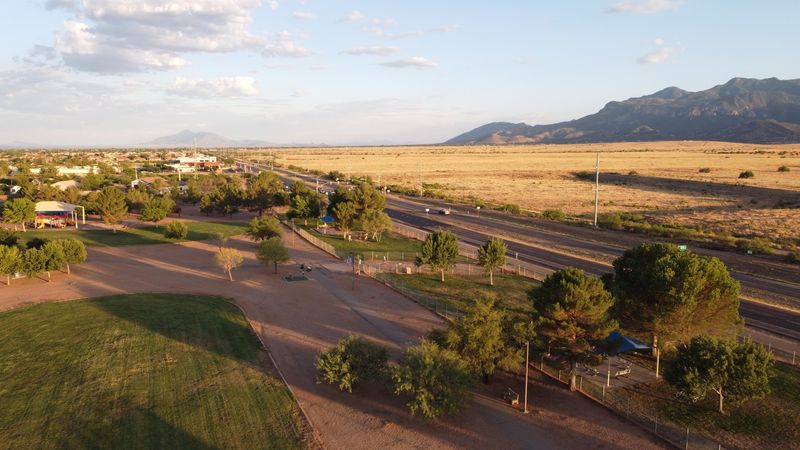
Good news for budget-minded explorers comes first. Birding itself costs nothing beyond gear, travel, and a place to sleep.
Public lands in the area may have their own rules and fees. Hours, parking, and access can differ from one trail or site to another.
Checking official sources right before a trip is the safest approach. The city website, sierravistaaz.gov, is a solid starting point for local information.
Lodging is the biggest expense for most weekend trips. Booking ahead can help, especially during peak hummingbird months.
Gas is the other main cost. Tucson residents have a shorter haul, while Phoenix travelers should budget for the longer drive each way.
Packing snacks and water keeps trail time flexible. Remote trailheads may not have services close by.
Weather should shape the plan too. Summer storms can roll in during monsoon season, so afternoon outings may need backup ideas.
A little planning goes a long way. It turns a good weekend into a smooth one.
11. Getting There From Phoenix or Tucson
Road trips in Arizona rarely feel short, but this one is easier than many expect. From Tucson, drivers typically head east on Interstate 10 and then south toward the city.
The Tucson drive often lands around an hour and a half. That makes even a long day trip possible for eager birders.
Phoenix travelers usually face about three hours behind the wheel. Splitting the trip with a night in town makes the experience far more relaxed.
The scenery shifts along the way. Open desert gives way to grassland, and the mountains grow taller as the destination gets closer.
Leaving early has clear rewards. Arriving by morning means catching the most active bird hours on the very first day.
Fuel and rest stops are easy to find along main routes. Side roads to trailheads may be quieter, so filling up in town is wise.
Traffic is generally light compared with Valley freeways. Many drivers find the trip itself part of the escape.
Once there, everything birding-related sits within a short drive.
12. Why the Tiny Birds Deserve a Big Weekend
Plenty of Arizona weekends blur together. A trip built around the Hummingbird Capital of the United States tends to stick in memory.
The mix is hard to beat. Mountain canyons, a protected river corridor, cooler elevation, and a relaxed city all fit into one compact area.
Costs can stay low for anyone willing to pack a lunch and bring binoculars. Birding is free, and the hands-on search gives every outing a purpose.
Timing matters, with spring through late summer usually offering the strongest hummingbird action. Even off-season trips deliver solid hiking and scenery.
For Tucson residents, it is close enough to become a habit. For Phoenix residents, it is a cooler summer option that many neighbors have never tried.
That insider angle is part of the fun. Coming home with a list of rare birds makes for great conversation at work on Monday.
So grab the binoculars and pick a weekend. A city of about 45,000 people and countless tiny wings is waiting a few hours down the road.
Share this story