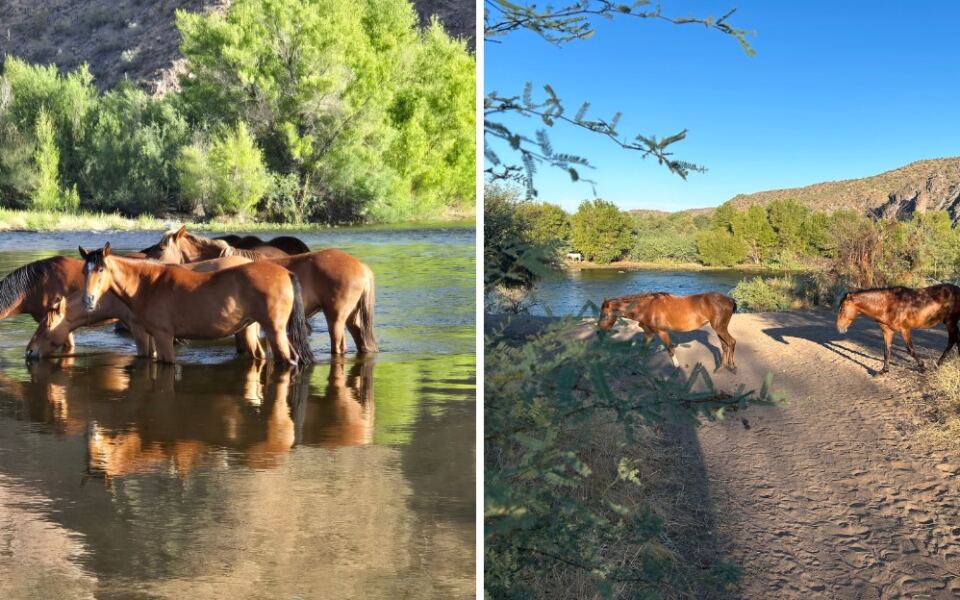
Plenty of Valley drivers cruise past a small river parking lot east of Mesa without a second thought. That is a mistake, because wild horses sometimes wade across the water there, close enough to make anglers forget their fishing lines. The spot sits on the Lower Salt River, and it packs tubing, kayaking, fishing, picnic tables and desert hiking into one compact stretch of shoreline.
Best of all, it costs little more than a forest parking pass. The catch is that the lot is small, the summer crowds are real and a few simple rules can make or break the day. Keep reading for where it is, when the river runs best, how parking works and why so many locals keep coming back for decades.
1. A Riverside Stop on the Lower Salt
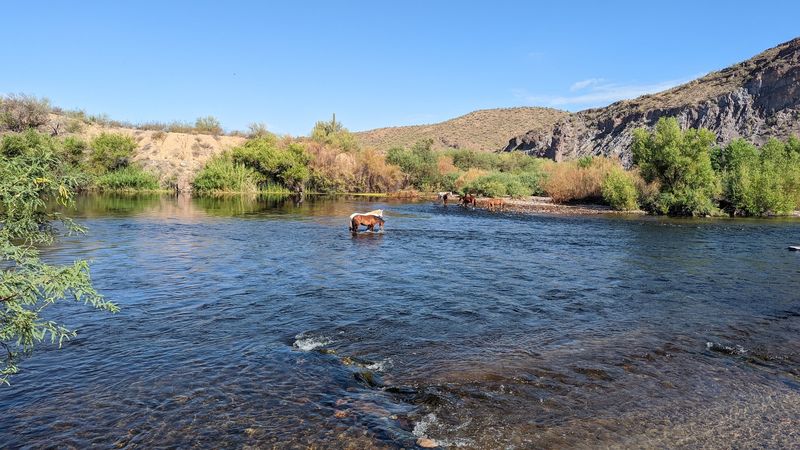
Some of the best Arizona outings hide behind a plain brown forest sign. Blue Point Recreation Area sits at Unnamed Road, Fort McDowell, AZ 85264, in the United States, inside Tonto National Forest along the Lower Salt River.
Yes, the official address really is an unnamed road. That sounds like a puzzle, but navigation apps handle it fine.
Typing Blue Point Recreation Area into Google Maps leads straight to the parking lot. No treasure map required.
The site is a day-use park built around the river. It offers a shoreline for hanging out, a spot to launch kayaks and paddle boards, a fishing area off the parking lot and covered picnic tables.
Restrooms are on site too, though their condition depends on who visited before you. More on that later.
For Phoenix-area residents, the appeal is simple. It is a short desert drive to real flowing water, with a real chance of spotting wild horses along the banks.
The place holds a 4.7-star average from nearly 500 Google entries, which is a strong showing for a modest parking lot and a sandy beach. Clearly, something special is going on by that water.
2. North of the Bridge, Sand Underfoot
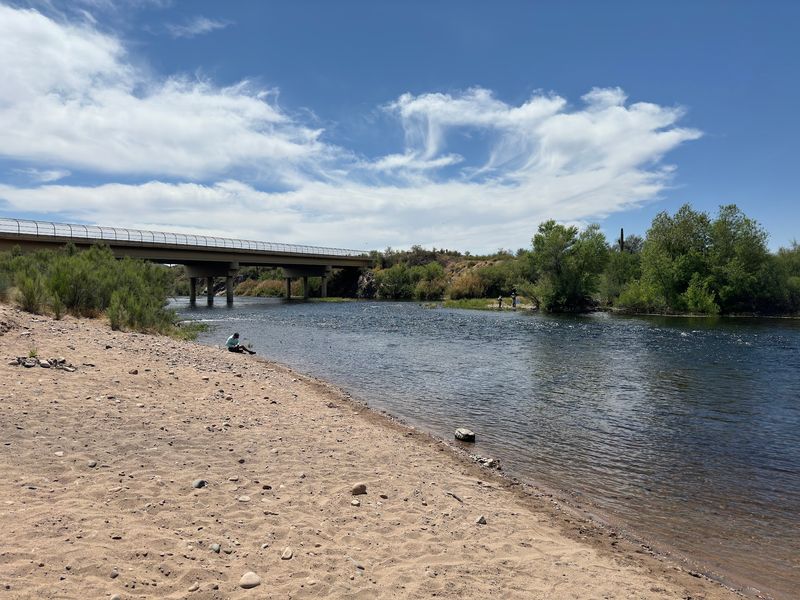
Geography matters here more than you might think. Blue Point is the north side of the Blue Point bridge, while Pebble Beach sits nearby with more parking.
So why pick Blue Point? The shore is sandy, which makes it a better place to settle in for the day.
Families set up canopies on the beach, spread out chairs and watch the river roll by. On a busy Saturday, the area can still feel friendly and considerate rather than chaotic.
The tradeoff is space. Blue Point has less parking than Pebble Beach, so the sand comes at the cost of an earlier alarm clock.
That setting also explains the long memories attached to this place. Some regulars have been coming since their high school days in the 1980s.
Camping right by the river used to be allowed, but that changed. Now it is day use only, and longtime fans note the area feels calmer because the limited lot naturally caps how many people can squeeze in.
Less camping, fewer crowds, more room for the horses to wander through. Not a bad trade.
3. The Horses That Steal the Show
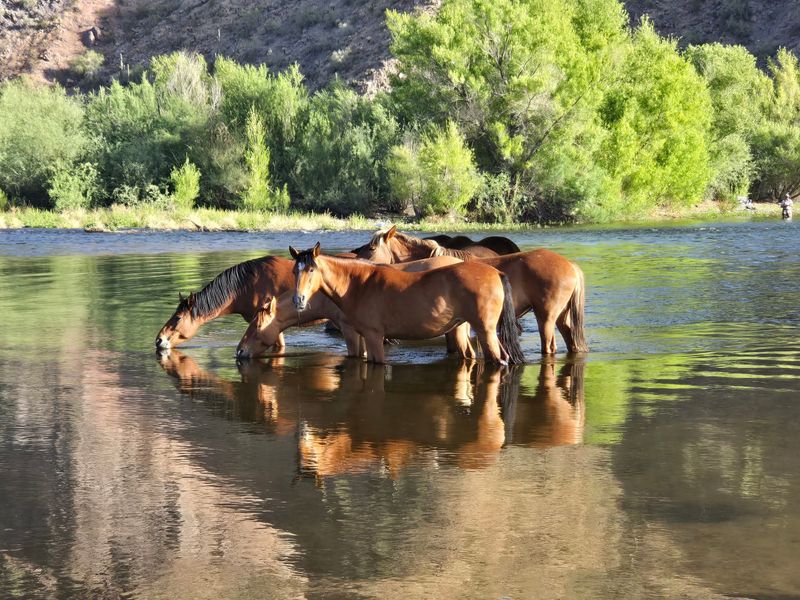
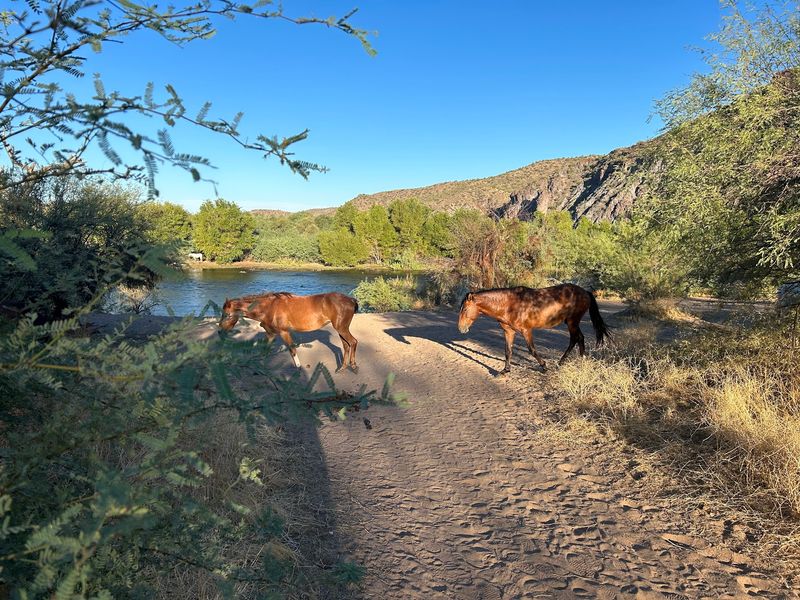
Fishing can be a slow business. One morning at Blue Point, the water ran high and the fish barely bit, yet the day still turned great when a group of wild horses wandered up for a close visit.
That is the magic of this stretch of river. Small herds of wild horses live along the Lower Salt, and they sometimes hang around Blue Point.
Some outings bring two small herds crossing the river within about 50 yards of people on shore. Others bring nothing but water and sky.
There is no schedule, and that is part of the thrill. The horses show up on their own terms.
People cool off in the river right alongside them on good days. Hikers, tubers and picnickers all mention the horses as a highlight.
A little respect goes a long way here. These are wild animals, so watching from a polite distance keeps everyone safe and keeps the horses wild.
Bring a camera and some patience. The herds may just walk right into your weekend plans.
4. Tubes, Water Guns and Lazy Floats
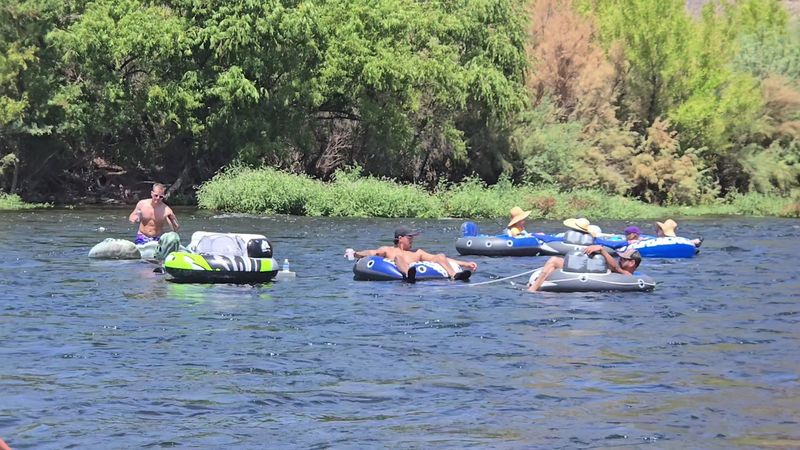
Summer weekends at Blue Point come with a parade. Tubers float past the beach, and folks on shore sometimes greet them with water guns.
It is playful, it is goofy and it is a very Arizona way to spend a hot Saturday.
The Salt River Tubing company launches near here, so expect extra buses and foot traffic on weekends and holidays. Many people also bring their own gear.
If you go the do-it-yourself route, pack your own tube and a life vest. Then plan the route before you push off.
Knowing where you will get out matters. You will either walk back or need someone to drive you back to your setup.
The water starts out cold, which surprises plenty of first-timers. Once you adjust, though, the float is a favorite way to beat the heat.
Tubing here gets a big thumbs up from regulars, though many admit kayaking might be even better. Either way, you float, you laugh and you go home a little sunburned unless you plan ahead.
5. Paddlers Need a Shuttle Plan
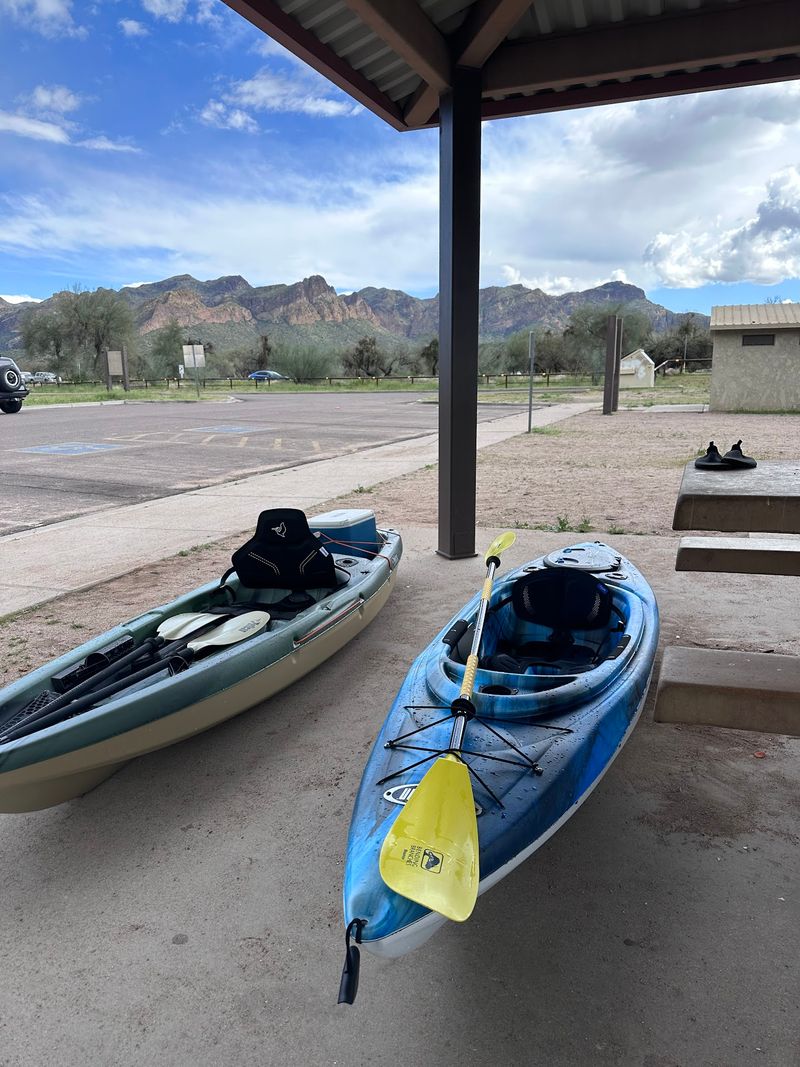
Kayakers and paddle boarders know Blue Point as a handy launch. The key detail is simple: arrange a ride back to your car before you start.
River flow is the other big factor. Paddling and floating this far upriver work best when the dam is releasing water.
Those releases can start as early as March and run through October. Outside that window, water this far up may be thin.
Winter paddlers have a workaround. You can paddle from Phon D Sutton to Granite Reef, because the Verde River joins the Lower Salt at Phon D, keeping levels high enough for paddling all year.
Busy beach days bring one hassle. Picnickers sometimes crowd the shore so much that launching becomes tricky.
An early start helps. So does a bit of courtesy from both paddlers and beachgoers.
For more local know-how, the Lower Salt River Kayakers group on Facebook is a popular resource. It is where river fans swap tips on flows and conditions.
6. Casting Lines Off the Parking Lot
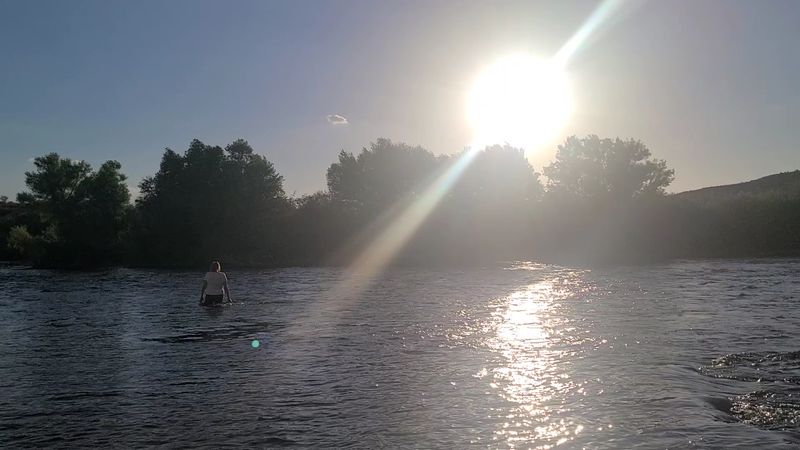
Anglers get one of the easiest commutes in the forest. There is a nice fishing area right off the parking lot.
No long hike. No gear hauling across a mile of rocks.
Fishing comes up often among the things people do here. Some come back to it after years away, picking up a hobby they started on this same river long ago.
Results vary, of course. When the water runs high and fast, the fish may play hard to get.
Still, a slow day of fishing at Blue Point has a bonus that few other spots offer. Wild horses sometimes wander by while you wait for a bite.
Morning seems to be the favorite time for anglers. The beach is quieter, the lot has open spaces and the river has the place mostly to itself.
Check current Arizona fishing license rules before you cast. A legal line is a happy line.
7. Trails, Bugs and Night Creatures
Not every Blue Point fan comes for the water. Hiking ranks among the top activities people mention.
The surrounding desert offers great views of the natural environment. It makes a solid break from the beach scene.
Some regulars head out to collect insects and see which animals and reptiles turn up on any given trip. The variety keeps things interesting.
Evenings bring their own surprises, and nighttime wildlife spotting gets plenty of enthusiasm. You never quite know what will cross your path.
A spring evening drive out here is a favorite too. Some people simply come for the open desert air and a quiet look at the river.
Wear sturdy shoes and carry plenty of water. The terrain is rocky, and Arizona heat does not take weekends off.
Treat the wildlife the way you would treat the horses: watch, enjoy and leave it where you found it.
8. Shade Tables and a Canopy Kind of Day
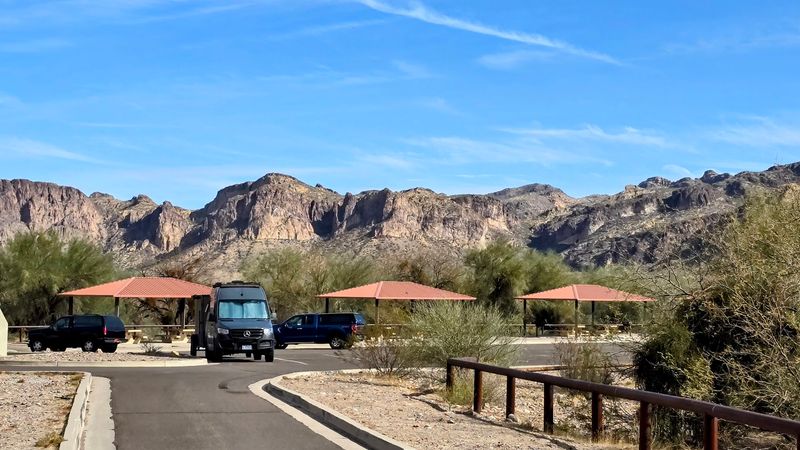
Group outings fit right in at Blue Point. The site has plenty of covered tables, which matters a lot under an Arizona sky.
Picnics are a big part of the culture here. Families claim a table or pitch a canopy on the sand and settle in for hours.
Recovery groups, friend groups and multi-generation families all show up. The mood leans relaxed, friendly and welcoming.
Shade can be scarce on peak days, so arriving early pays off. One group rolled in around 6 a.m., grabbed a prime spot and had a full day ahead.
Restrooms are on site. They are not fancy, and their condition depends heavily on the crowd.
Pack a canopy, chairs and a cooler with plastic containers. Then let the river handle the entertainment.
It is the kind of low-key setup that makes a whole Saturday disappear in the best way.
9. Cold Water, Clear Current
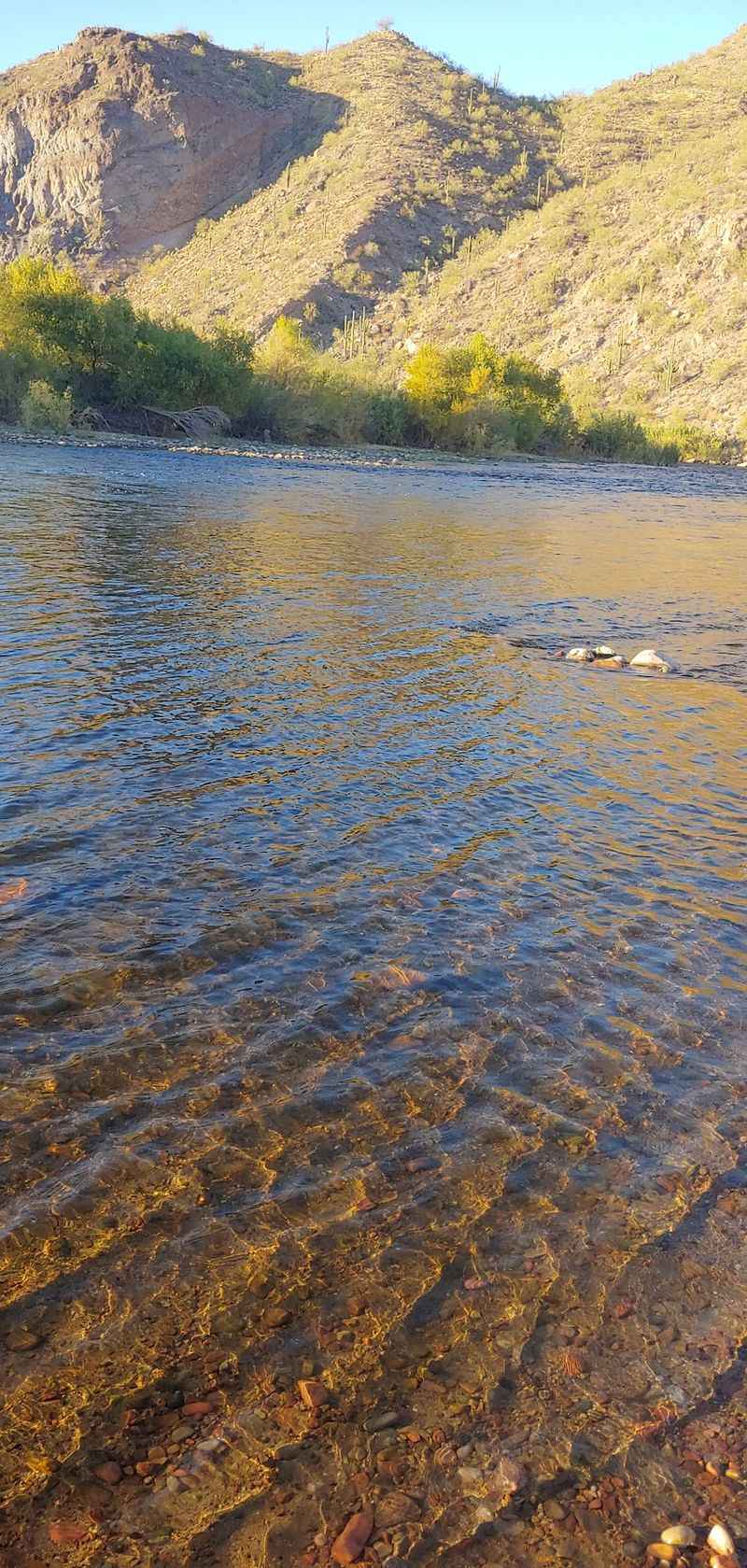
First-timers tend to learn one lesson fast. The Salt River runs cold, even in May.
That chill is exactly why people love it. It is a go-to escape on hot desert days.
The water is often described as clear and clean. Some days the current runs higher and faster, and other days it moves at a steady pace of around four miles per hour.
Flow changes with dam releases, so conditions vary from visit to visit. Checking ahead keeps surprises small.
The riverbed is full of rocks and pebbles. Water shoes help you keep your footing when you wade in or climb out.
Life vests are a smart idea for tubers and swimmers alike. Faster currents deserve respect.
Many people describe the river as calming, a place to clear your head while the water keeps moving. It is a cheap reset button for the whole week.
10. The Litter Problem and the Locals Fixing It
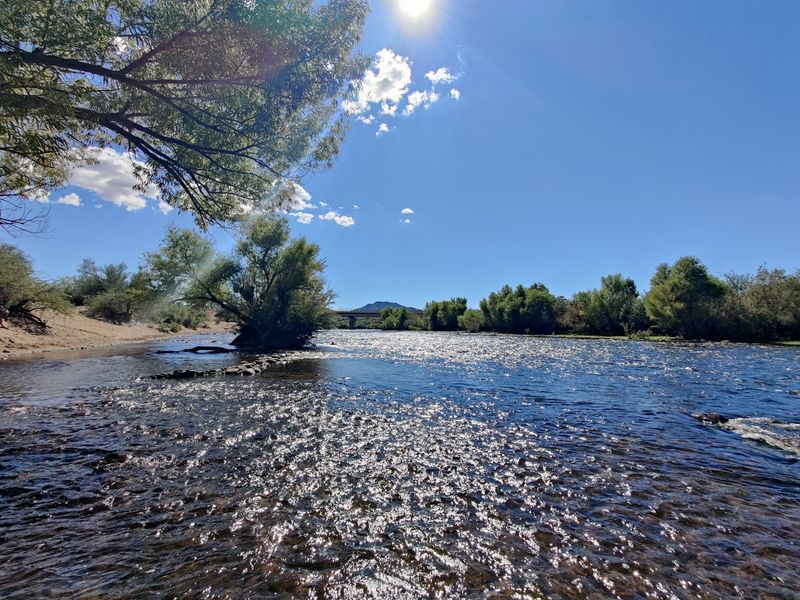
Here is the honest part. Blue Point can get messy, especially after a busy weekend.
Litter is a real issue along the shore. The restrooms can also suffer from careless crowds, which is hard on the workers who clean them.
The good news comes from the river lovers themselves. Volunteers regularly pick up trash, and some longtime fans make Sunday afternoon cleanup a habit.
Part of the problem is that not everyone knows where the trash cans are. A friendly nudge and an extra bag can solve a lot.
Bring your own trash bags. Pack out everything you bring in, and grab a few extra pieces if you can.
Glass bottles are a firm no. Standard river etiquette keeps glass away from the water so nobody gets hurt.
Leave the beach a little better than you found it. The horses, and the next family, will thank you.
11. Passes, Parking and Timing
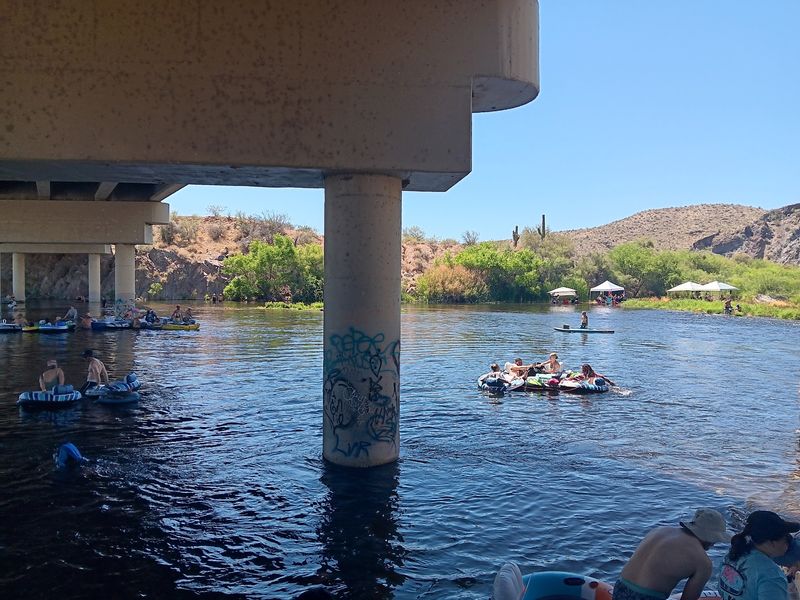
Parking is where a Blue Point day is won or lost. You need a Tonto National Forest pass to park here.
America the Beautiful passes are also accepted. Tonto passes are sold at various gas stations, sporting goods stores, the Mesa ranger office and sometimes right in the parking lot.
Do not skip it. Rangers patrol the lots.
The lot is on the smaller side and fills quickly on summer weekends and holidays. Weekdays and off-season days are much easier.
Some Saturdays still surprise people with open spots, so it is not always a battle. Early arrival is the safest bet.
The official Forest Service page for the area is worth checking before you go for current rules and conditions. Hours and fees can change.
Pack sunscreen, lots of water in plastic containers, water shoes and a tube or kayak if you plan to float. Then you are set.
12. Worth the Detour Off the Highway
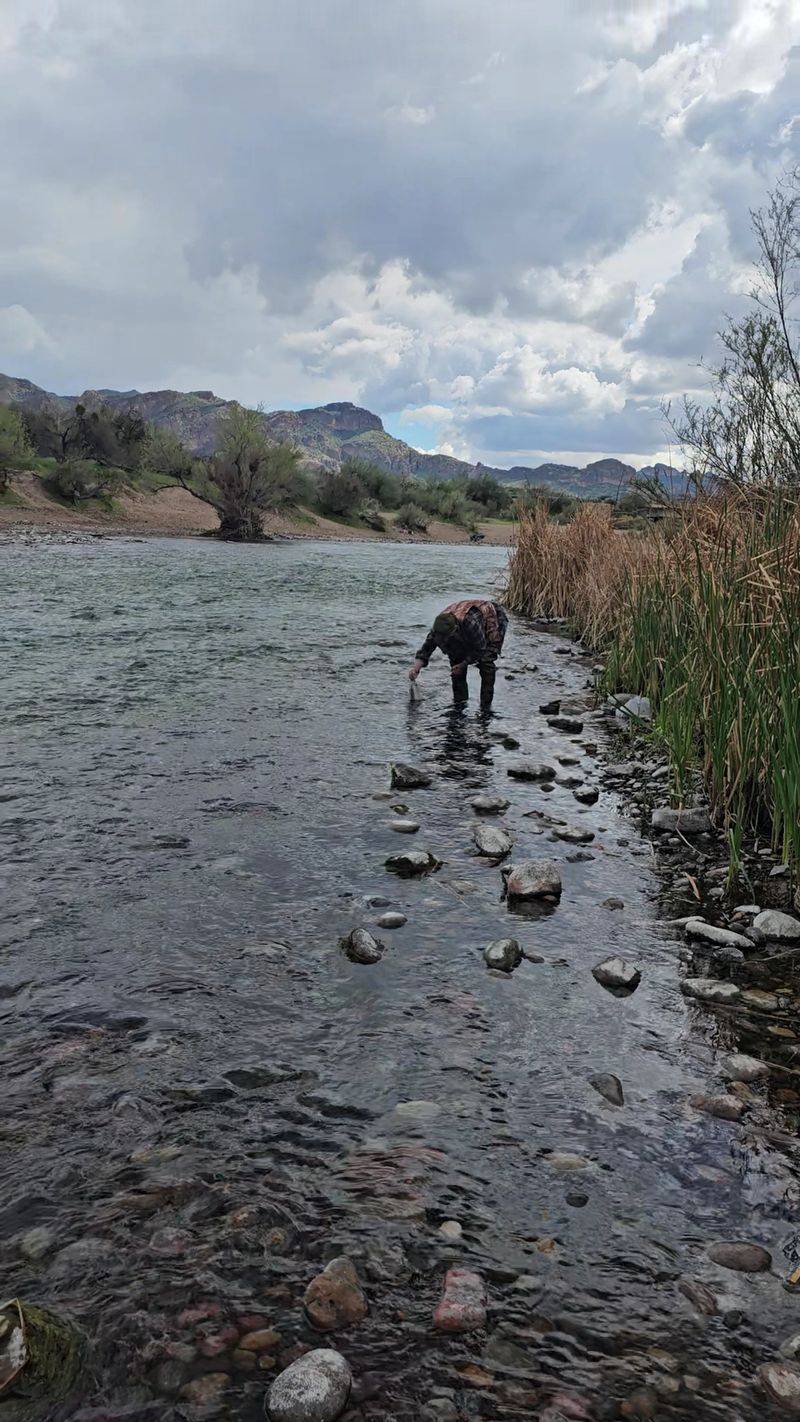
So should Valley residents keep driving past? Hardly.
Blue Point packs a lot into a small footprint. There is river tubing, kayaking, fishing, picnics, hiking and a real chance of seeing wild horses wade through the current.
It is not perfect. The lot fills up, the restrooms can be rough and litter needs constant attention.
Still, the big picture is overwhelmingly positive. People call it peaceful, fun and friendly, and many keep returning year after year.
The cost is mostly a forest parking pass, plus whatever gear you bring. That is a bargain for a day on real flowing water.
Go early, go on a weekday if you can and follow the river rules. Bring a bag for trash and a camera for the herds.
The next time you cross that bridge, pull over. The horses might already be waiting in the water.
Share this story