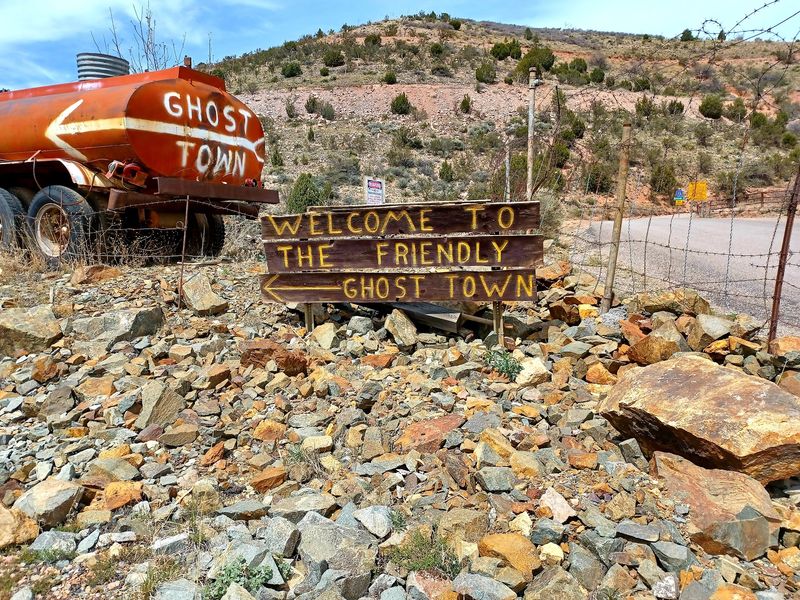
Somewhere above an old copper town in the Verde Valley, a family-run mine still lets kids pan for gold, crack open geodes, and hand-feed goats for less than the cost of a drive-thru lunch. It sits about two hours north of Phoenix, close enough for a Saturday escape and odd enough to talk about for weeks. The place began as a mining camp in 1890, and a shaft dug for copper turned up gold instead.
Today the gold is gone, but the rusty trucks, creaky sawmill, and stubborn chickens have stayed put. Entry runs roughly $10 per adult, which keeps it squarely in cheap-day-trip territory. Keep reading for the full story, the hands-on activities worth your time, the shoes you should wear, and the one weekday you should never plan a visit.
1. A Ghost Town Perched Above Jerome
Most people who drive up to Jerome stop at the shops and turn around. The smart ones keep going uphill.
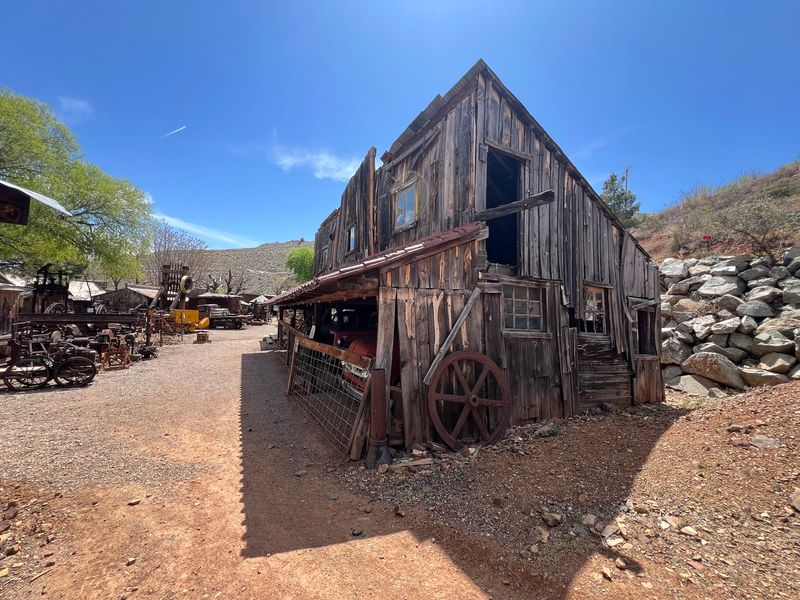
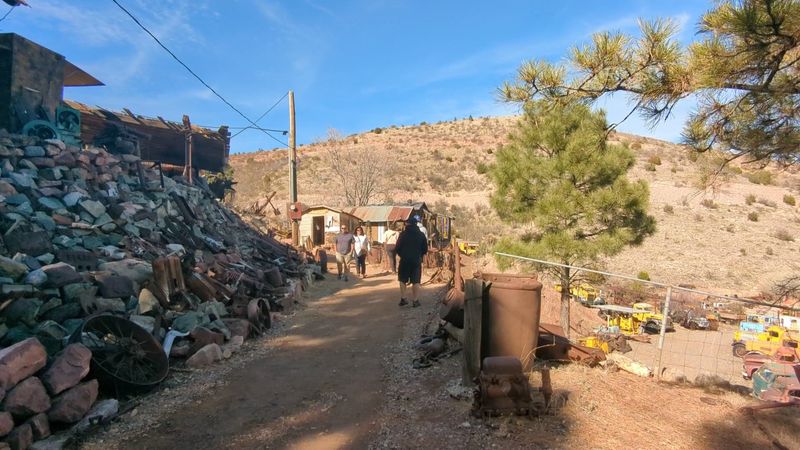
Gold King Mine & Ghost Town sits on Perkinsville Rd, Jerome, AZ 86331, just past the historic town itself. It is a privately owned property packed with weathered buildings, an old mine, and a massive collection of vintage cars and trucks.
For Phoenix folks, the trip lands around two hours each way. Tucson residents should budget closer to four, which makes it a solid overnight pairing with Jerome.
The road there is part of the fun. The climb through Jerome delivers wide valley views long before the parking lot appears.
Once on site, the property opens up into a self-guided walk. There is no rigid tour schedule, so the pace belongs entirely to the people exploring.
The description on paper sounds simple: rustic structures, old autos, and a mine. In practice, it is a sprawling outdoor yard of history that rewards curiosity and a little patience.
Plenty of parking is available, which matters on busy weekends in Jerome. Grab a spot, pay at the gift shop, and the hillside is yours to wander.
2. The Copper Hunt That Struck Gold
Long before the gift shop and goats, this hillside had another name. It was Haynes, Arizona, a small suburb of Jerome founded in 1890.
The community took its name from the Haynes Copper Co. The company dug a shaft roughly 1,200 feet deep looking for copper.
What it found instead was gold. That twist gave the mine its lasting name and a story worth retelling at every family dinner.
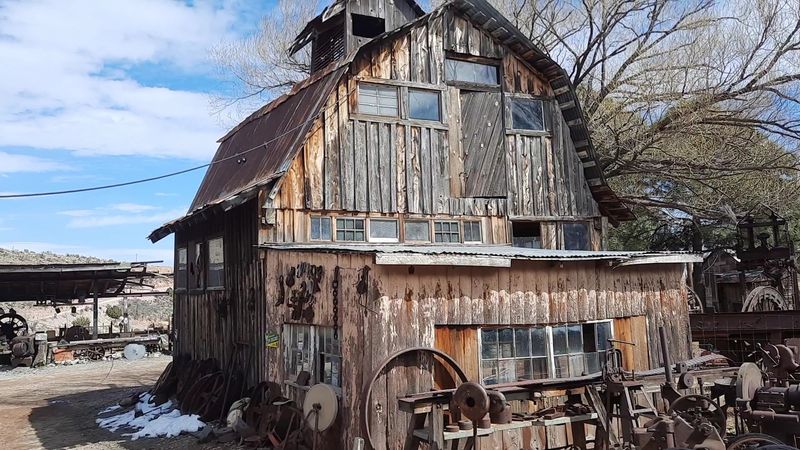
The gold eventually ran out, and the miners moved on. Many of the original structures and artifacts stayed behind, which is why so much of the property still feels rooted in that era.
Later, owner Don Robertson shaped the site into the attraction people know today. The family still runs it, and a grandson has been known to share stories about how all those vehicles made it up the hill.
Staff members on site often fill in background on the town of Haynes and the equipment scattered across the grounds. Asking a question or two can turn a casual stroll into a mini history lesson.
Not every piece here is untouched from 1890. Think of it as a curated look at mining life rather than a frozen abandoned town.
3. Geodes, Gems, and a Pan Full of Hope
Here is the headline act. Kids, and plenty of grown-ups, can pan for gold, copper, or gems right on the property.
The panning setup gives everyone a bucket of material to sift. Shake, rinse, and watch for anything that shines.
Geode cracking is also on the menu. Splitting one open to find what hides inside tends to be the moment phones come out.
Families with kids as young as preschool age and as old as teens report that the panning is a big hit. A group of adults even used it to kick off a birthday weekend.
Panning and geodes are add-on activities, separate from general entry. Prices are reasonable, keeping the whole outing close to what a fast lunch costs for one person.
Nobody is getting rich up here. The real payoff is a pocketful of shiny stones and a kid who suddenly cares about rocks.
For first-timers, staff can walk you through the basic technique. A few minutes of guidance makes the difference between a soggy mess and actual finds.
Bring a small bag or container for treasures. The ride home is far more peaceful when every gem has a place to go.
4. Rust Belt Royalty on Four Wheels
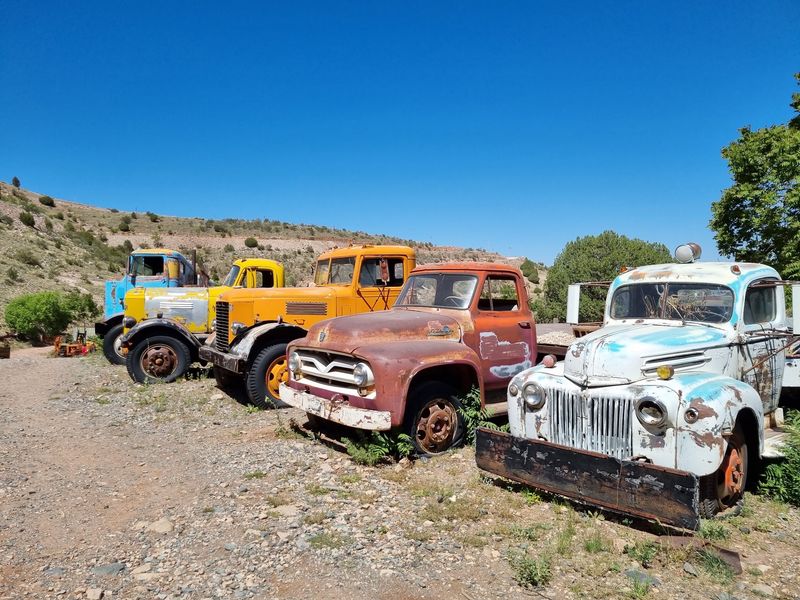
Car people, consider yourselves warned. Hours can disappear here.
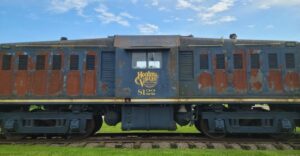
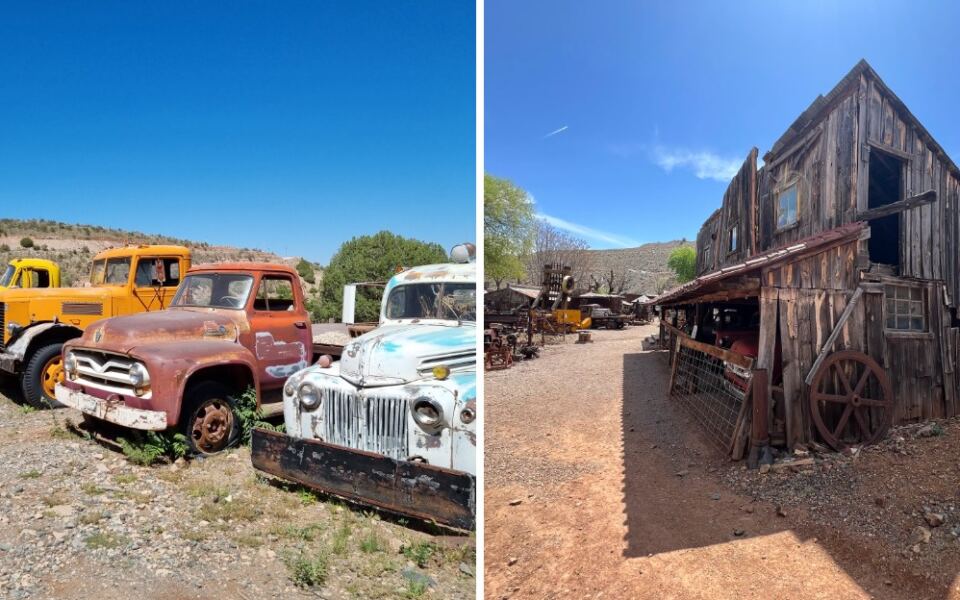
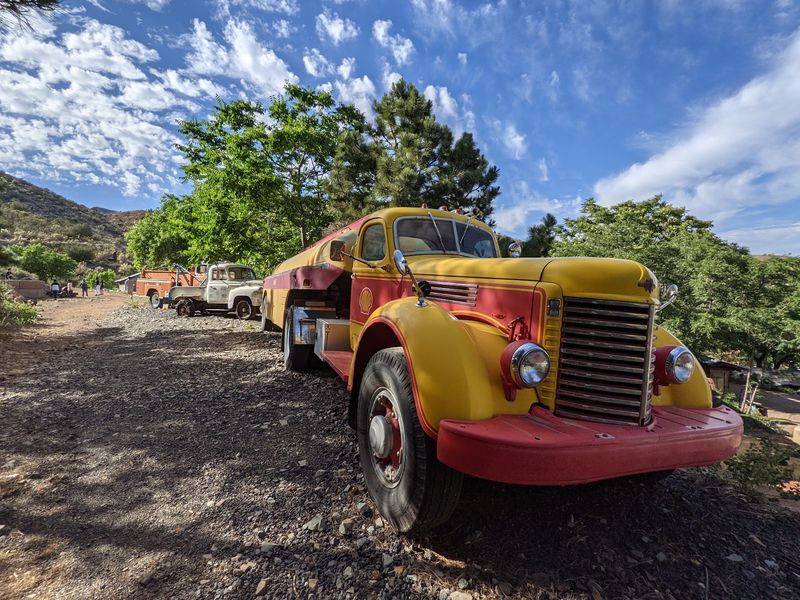
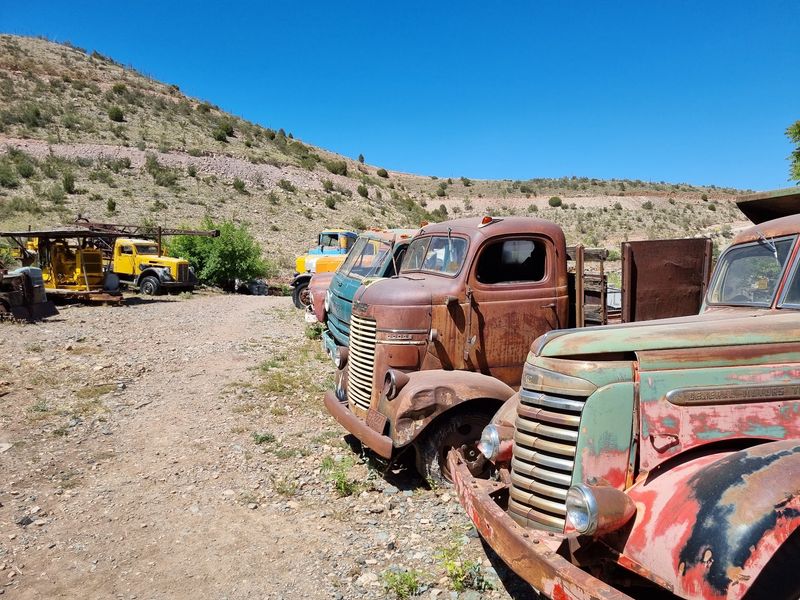
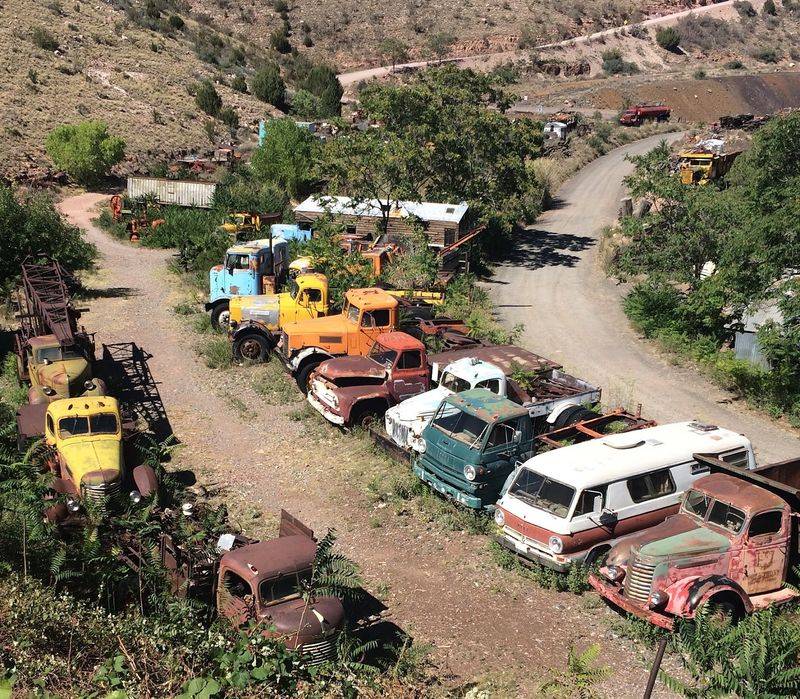
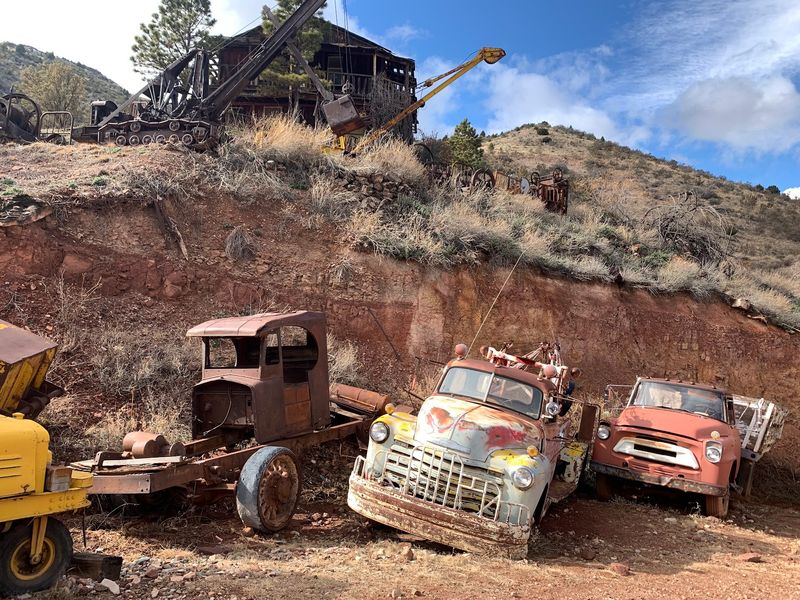
The property holds hundreds of vintage cars, trucks, and motorcycles. Some are lined up neatly, while others sit wherever they seem to have settled decades ago.
Old cars are the single most talked-about feature of the entire place. Classic trucks, antique sedans, and rusty oddities cover huge stretches of the grounds.
How did all those vehicles end up on a mountain? That question has a family answer, and the grandson of the original owner has been known to tell it.
Photographers tend to treat the collection as a playground. Peeling paint, old grilles, and faded badges make for frames you simply cannot find in a Scottsdale parking garage.
Some corners are still being organized. A few areas lean more toward salvage yard than museum display, so set expectations accordingly.
That rough-around-the-edges quality is part of the appeal for many. Nothing feels polished for a gift catalog, and the dust is very much authentic.
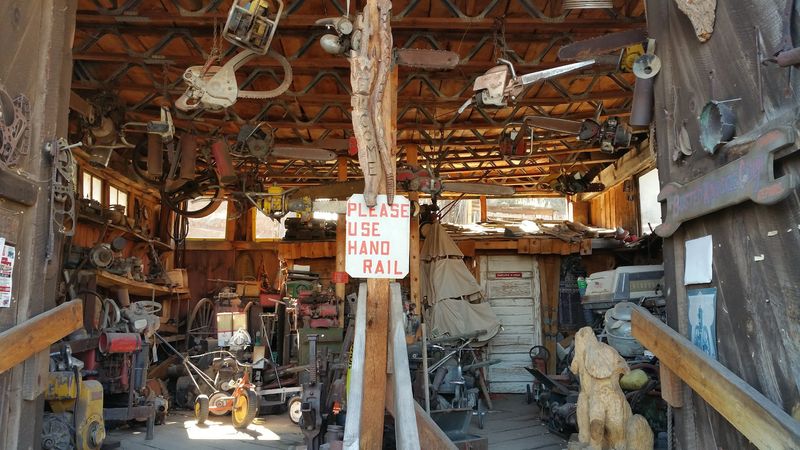
An automotive shop sits among the old buildings too. It adds context to the collection and shows where machines like these once got their tune-ups.
5. Sawmill, Stamp Mill, and the Blacksmith Next Door
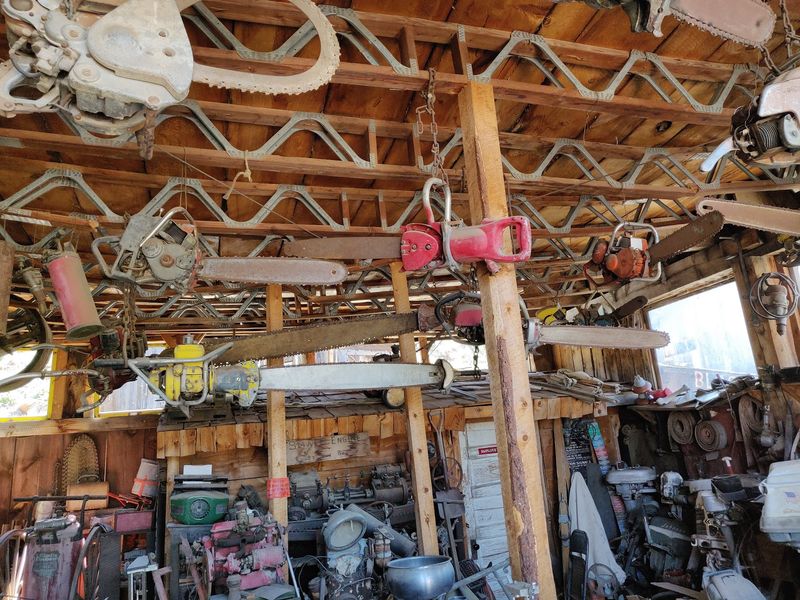
Machinery buffs get their own reward deep in the grounds. Historic mining structures stand ready for a closer look.
A stamp mill shows how ore was once crushed. A sawmill and a blacksmith shop round out the industrial lineup.
Large mining equipment and old machinery are scattered across the property. Much of it is the kind of heavy iron that once kept towns like Haynes running.
Staff have been known to explain how the equipment worked. Learning the purpose behind a massive gear makes it far more than a lawn ornament.
The blacksmith shop draws steady interest. It is a reminder that every pick and hinge in a mining camp had to be made or fixed by hand.
Some displays come without much signage. A chat with whoever is working that day often fills in the gaps better than a placard could.
Teens who roll their eyes at museums sometimes come around here. Big machines and real tools tend to beat glass cases every time.
Give this section unhurried time. The details in the old ironwork reveal themselves to people who slow down.
6. Main Street of a Town That Moved On
Old towns needed more than miners. They needed teeth pulled, shirts washed, and kids taught.
The ghost town buildings here cover exactly that. A laundry, a dentist office, a schoolhouse, and an automotive shop line the walk.
Inside, many hold preserved tools and original furniture. The displays give a sense of daily routines beyond the mine shaft.
The dentist office tends to get the strongest reactions. Old dental tools have a way of making modern appointments look downright luxurious.
A feature known as the ring of fire also appears among the attractions. It is one of many curiosities that keep the walk from feeling repetitive.
Keep in mind this is a recreated experience built around genuine antiques. It is not an untouched abandoned settlement, and the owners do not pretend otherwise.
That approach lets each building tell a focused story. One doorway is the schoolroom, the next is the repair shop, and the town takes shape bit by bit.
Peek into every window. Some of the most interesting objects sit tucked in corners that hurried walkers miss entirely.
7. Goats, Bunnies, and One Famous Cat
Not everything here is made of rusted steel. Some residents have four legs and big appetites.
A small petting zoo houses goats, chickens, turkeys, rabbits, and more. Geese, horses, and pigs have also been spotted around the grounds.
For a small fee, a bag of feed lets kids hand-feed the animals. The goats are rarely shy about accepting the offer.
A cat named Gizmo has built a little fan club of his own. Spotting him becomes a side quest for some families.
The animal area adds a softer break between machinery and mine displays. Younger kids especially seem to recharge here before the next round of exploring.
Wash hands afterward, especially before heading back into Jerome for a meal. Feed bags and goat noses make a messy combination.
Not every animal is visible at every visit. Pigs, for instance, sometimes keep a low profile.
Still, chickens and goats are reliable company. Plan a few dollars for feed, because walking past the pens empty-handed is a tough sell with kids.
8. Into the Replica Mine Shaft
Ever wondered what a workday underground looked like? The property offers a taste without the 1,200-foot descent.
A replica mine entrance lets guests experience a version of what miners faced daily. It gives context to all that equipment sitting above ground.
Some families also mention a haunted mine experience. It adds a playful spooky twist that kids tend to love.
Neither feature requires climbing gear or a hard hat. It is designed as an accessible peek, not an expedition.
The replica pairs well with the history of Haynes. After hearing about a shaft that went looking for copper and found gold, walking into a mine entrance feels like the next logical step.
Younger kids may want a hand to hold in the haunted portion. Older kids will probably try to scare their siblings, so plan accordingly.
It is a short stop compared to the car collection. Even so, it often ends up being the part kids describe first on the drive home.
9. Who Fits Right In Here
Some places try to please everyone. This one simply leans into its quirks and lets people sort themselves out.
Families with kids find plenty to do, from panning to feeding goats. Teens around 11 to 13 have been known to enjoy it as much as younger siblings.
Car enthusiasts and photographers can lose two hours and still miss sections. Adventurous types who like rough edges feel at home.
The vibe is relaxed and self-guided. Nobody rushes anyone along, and the friendly staff seem genuinely happy to chat.
A friendly cashier in the gift shop and knowledgeable staff members help set the welcoming tone. Conversations with them often reveal details no sign mentions.
Expectations matter. Anyone hunting for a pristine, totally authentic abandoned town may feel let down, since this is a curated collection.
Some areas still feel a bit cluttered as organizing continues. People who enjoy treasure-hunting through history tend to see that as part of the charm.
Bring curiosity and flexible plans. Those two items get more use here than any guidebook.
10. Hours, Ground Rules, and the Tuesday Trap
Here is the catch most people miss. The gates stay shut on Tuesdays.
The mine opens 9 AM to 5 PM on Monday, Thursday, Friday, Saturday, and Sunday. Wednesday runs 10 AM to 5 PM.
General entry has been about $10 per adult. Panning, geodes, and animal feed cost extra, so bring a little spending money.
Wear sturdy, closed-toe shoes. The ground is rocky and uneven, and some walking areas feel unstable underfoot.
That terrain can be hard for anyone with mobility concerns. Wheelchair users may find much of the property difficult to navigate.
In summer, aim for opening time. Jerome sits higher than the Valley, but midday sun on open ground still adds up.
Fall and winter make for comfortable wandering. Those months are prime time for a Phoenix day trip up the mountain.
The gift shop handles admission and carries trinkets, souvenirs, and jewelry. It is a fun last stop before the drive down.
Plan at least two hours on site. Add time for Jerome itself, which can easily fill another afternoon.
11. Worth the Climb Past Jerome
A bucket of dirt, a cracked geode, and a goat with opinions. Few weekend plans deliver that combination for so little cash.
Gold King Mine works because it lets people do things. Panning, feeding, poking around old shops, and climbing toward the views all beat standing behind a rope.
The history adds weight to the fun. Haynes started as a copper hunt and ended with gold, and that story still hangs over the grounds.
It is not polished, and it does not try to be. Dusty trucks and works-in-progress corners come with the territory.
For Valley locals, it is an easy pitch. Two hours of driving, roughly $10 at the door, and a few extra dollars for gems equals a story worth bragging about.
Pair it with a stroll through Jerome and the day feels complete. The mine handles the hands-on part, and the town handles the rest.
Skip Tuesday, lace up real shoes, and save room in the car for rocks. The kids will want to keep every single one.
Share this story