Somewhere on the west side of Tucson, a goat named Scooby is still in charge, and nobody seems ready to argue with him. He lives on a small rescue farm where every animal has a name, a story, and a spot in somebody’s heart. A mother and daughter run the whole operation, and they do it every single day with no time off and no sleeping in.
The farm is packed with rescued goats, a donkey, dogs, cats, chickens, and birds, many of them saved from hoarding and neglect. It is not a petting zoo, and that is exactly what makes it worth knowing about. Keep reading to learn who lives here, how to plan a respectful visit, what to bring in your trunk, and how a Tucson local can help keep this barnyard family fed.
1. A Rescue Farm on Tucson’s West Side
HoofsnHorns Farm Sanctuary sits at 9740 W Lariat Dr, Tucson, AZ 85743, out on the northwest edge of town. It is listed as an animal rescue service, and that label tells you a lot about its purpose.
The farm takes in farm animals that have been abused, abandoned, or orphaned. Goats, chickens, a donkey, and plenty of other critters now share the property.
For Tucson residents, the drive is a short weekend hop rather than a road trip. Phoenix folks can make it a day outing paired with other west-side stops.
The sanctuary holds a 4.9-star average across 39 public comments, which is a strong showing for a small, hands-on operation. Animal care comes up more than any other topic.
Do not expect ticket booths or gift shops. This is a working home for animals, and the people behind it treat it that way.
The best way to see it is with a plan, a bag of produce, and a little patience. The rest of this story explains why.
2. The Power of Two
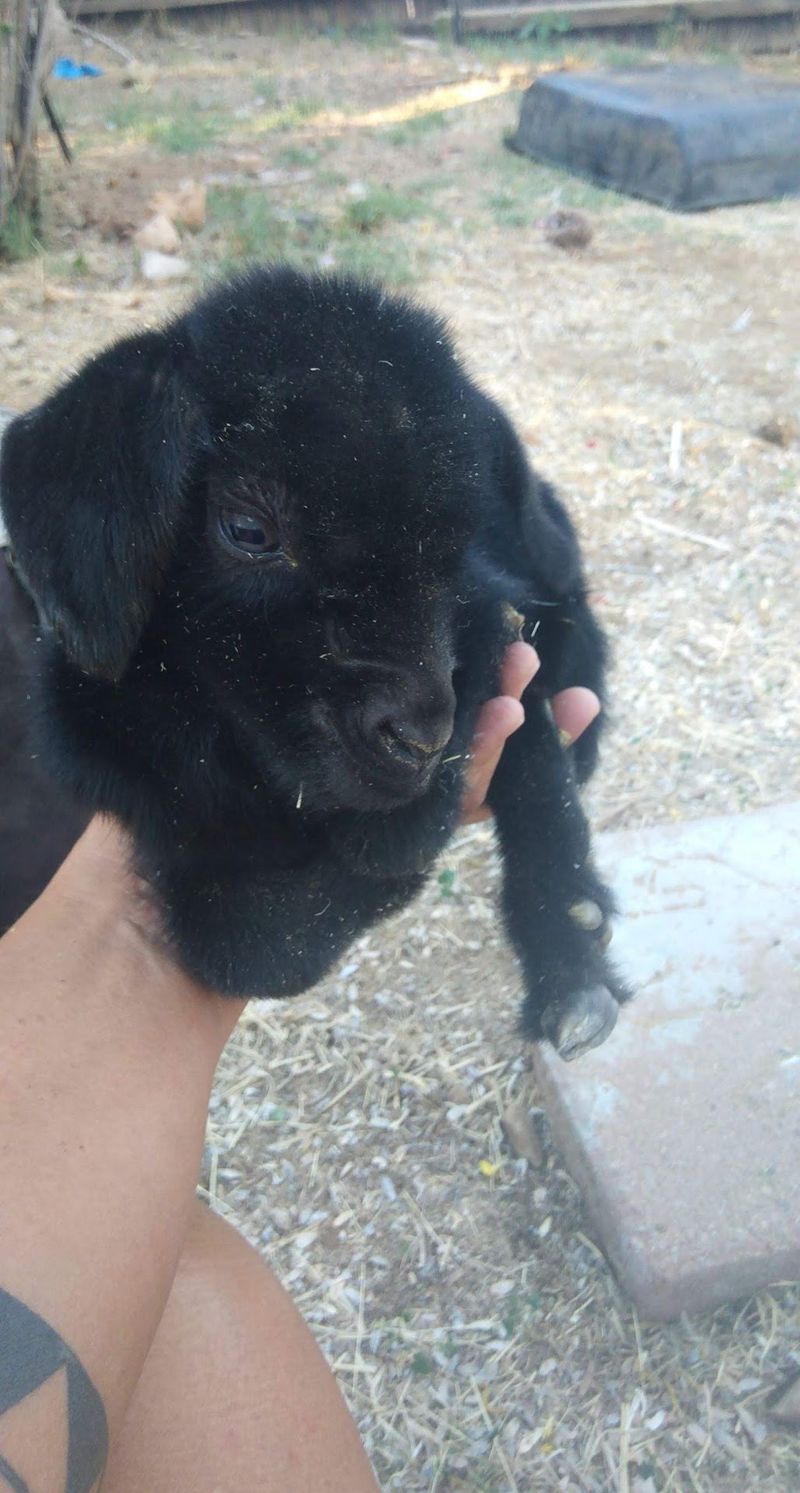
Two people keep this whole barnyard spinning. Shelby and her mother run the sanctuary together, and the team is the heart of every story told about the place.
Their hands are full every day. Between the rescue farm animals, the dogs, the cats, and the birds, there are no days off and no sleeping in.
A volunteer helper named Kim has also been part of the care team, especially for young animals that arrive needing extra attention.
People who know the farm often describe the pair as a great team with big hearts. Their love for the animals is obvious, and it shows in how each creature is handled.
That kind of work is not glamorous. Feeding, cleaning, vet checks, and routines all happen whether it is a holiday or a 110-degree afternoon.
The farm feels personal because it is personal. A mother-daughter duo built it, and they keep it running one chore at a time.
3. Scooby, the Goat in Charge
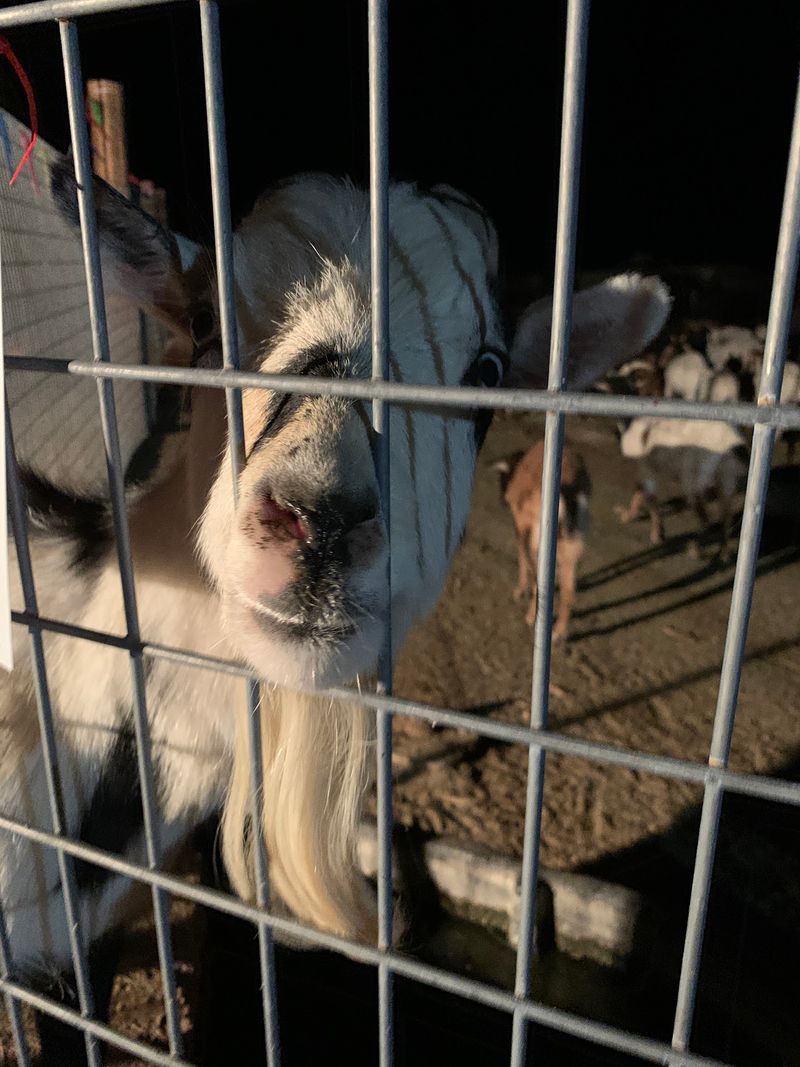
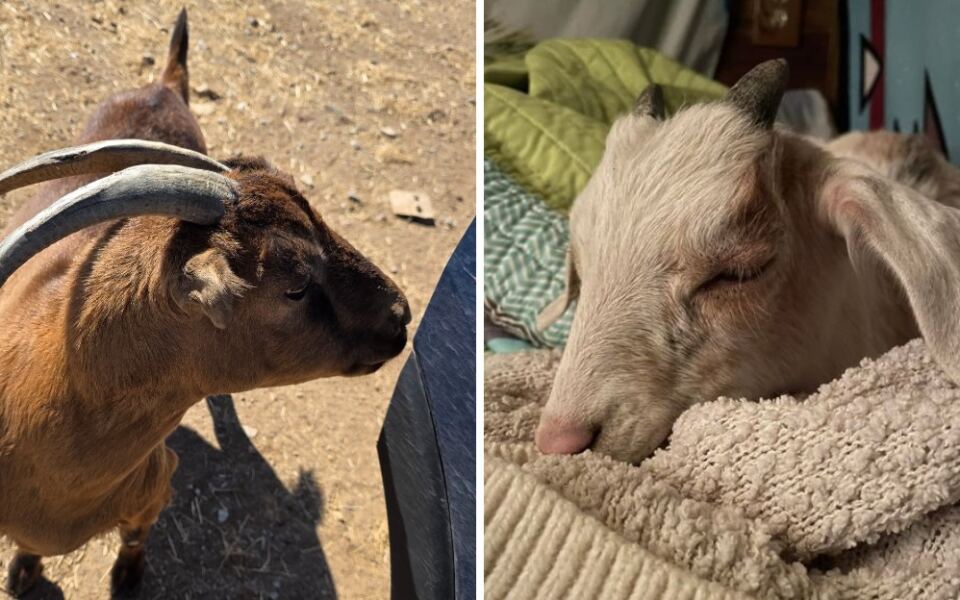
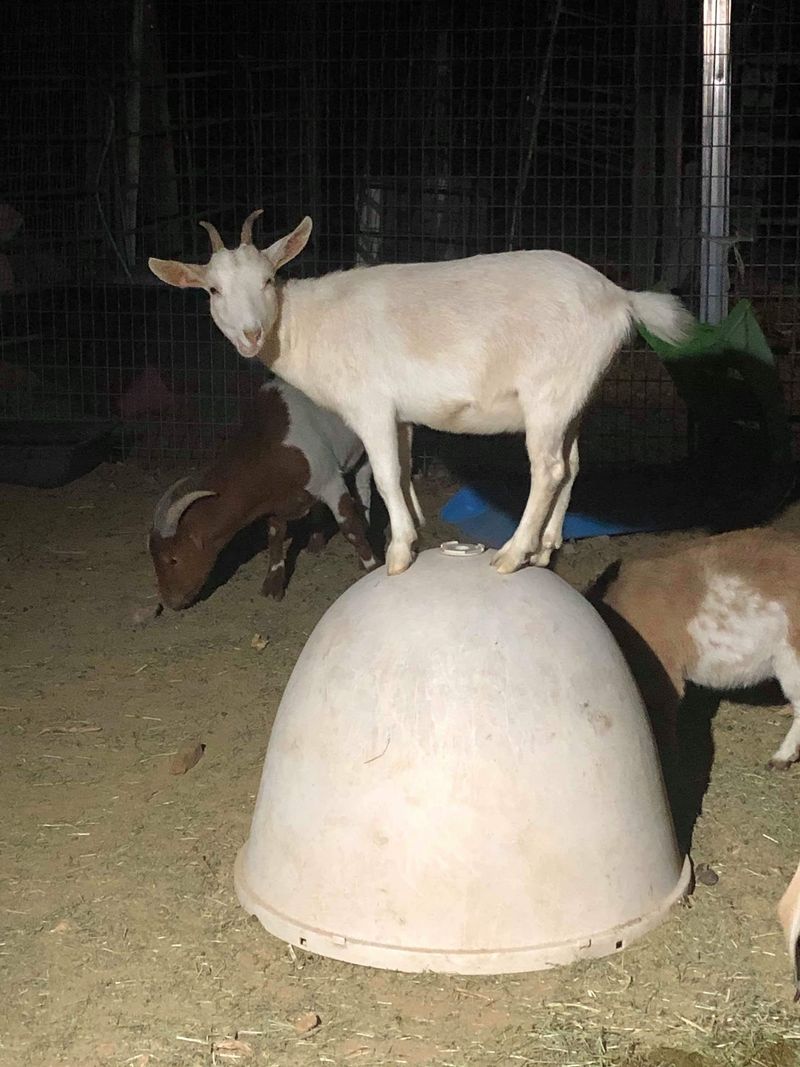
Every farm needs a boss, and here the job belongs to a goat. Scooby arrived more than six years ago along with another goat and two chickens, surrendered by a grateful owner who could no longer keep them.
Years later, the sanctuary shared a happy update. Scooby is still in charge and doing great.
That small detail says a lot about life here. Animals do not cycle through quickly, and many stay long enough to become part of the farm’s history.
Goats are known for curiosity, and the friendly ones on this property have a habit of coming right up to say hello. One even wandered over to a parked vehicle to get some attention.
So when Scooby or one of his buddies trots up to the fence, consider it the official welcome committee.
Just remember who runs the show. You are visiting his turf.
4. Little Goats With Big Fan Clubs
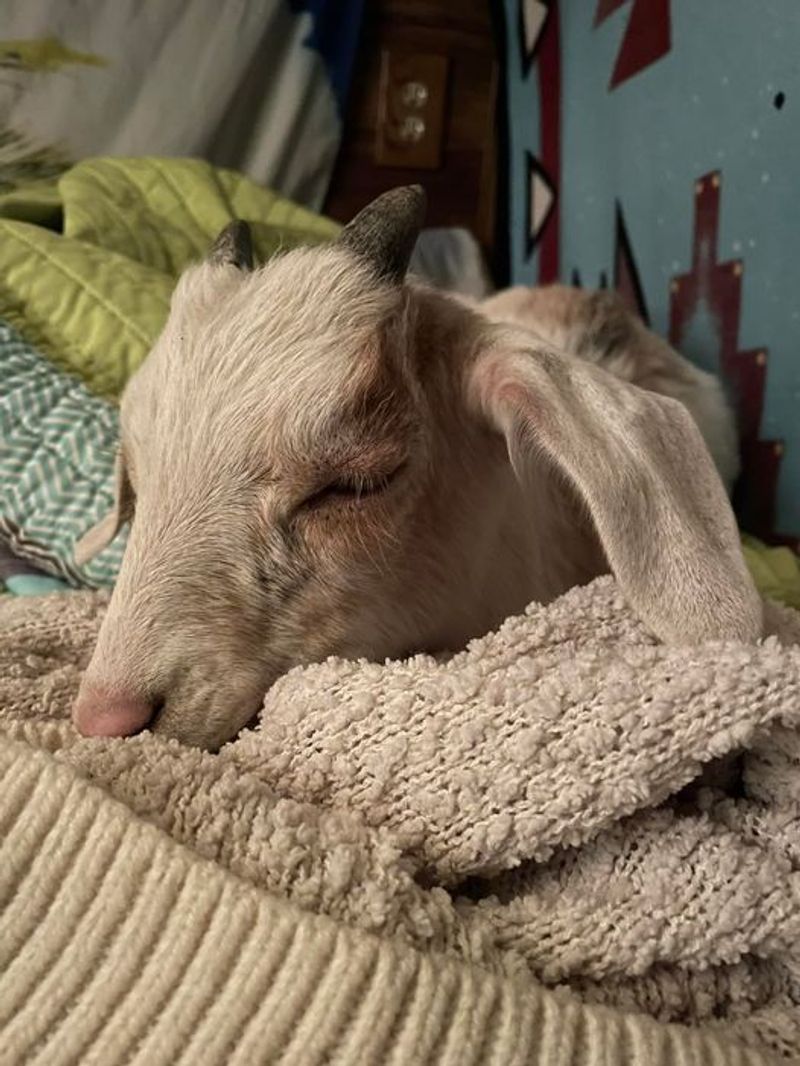
Ask anyone what they remember about the farm, and little goats tend to top the list. They come up again and again when people talk about their time here.
Some of these goats arrived as babies. One rescuer found a goat just five days old, bottle-raised him for six weeks, and then brought him to the sanctuary.
His name is Tug, and he has been loved and cared for ever since.
Goats who know they are safe often turn into social butterflies. Guests have shared hugs and kisses with the little ones, which tells you how relaxed these animals become.
That comfort did not happen by accident. It came from daily care and steady handling by people who know each goat as an individual.
Fair warning: once a tiny goat leans into your knee, leaving gets harder. Plan a few extra minutes for goodbyes.
5. A Donkey Among the Herd
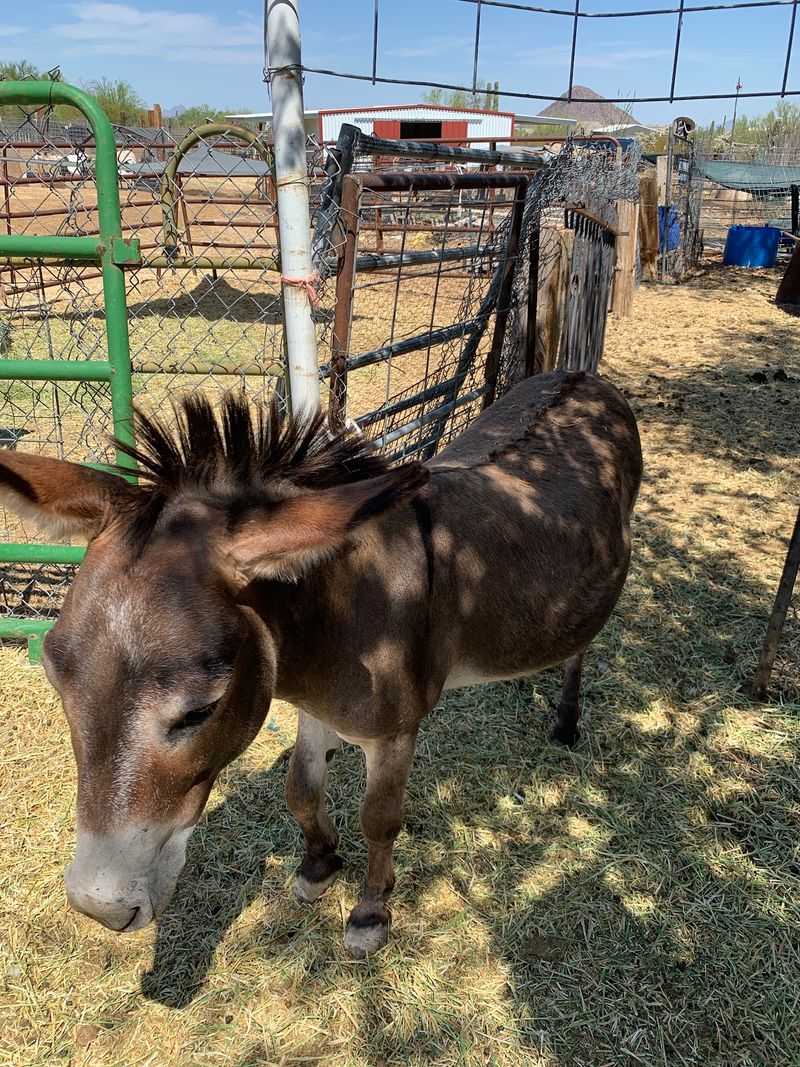
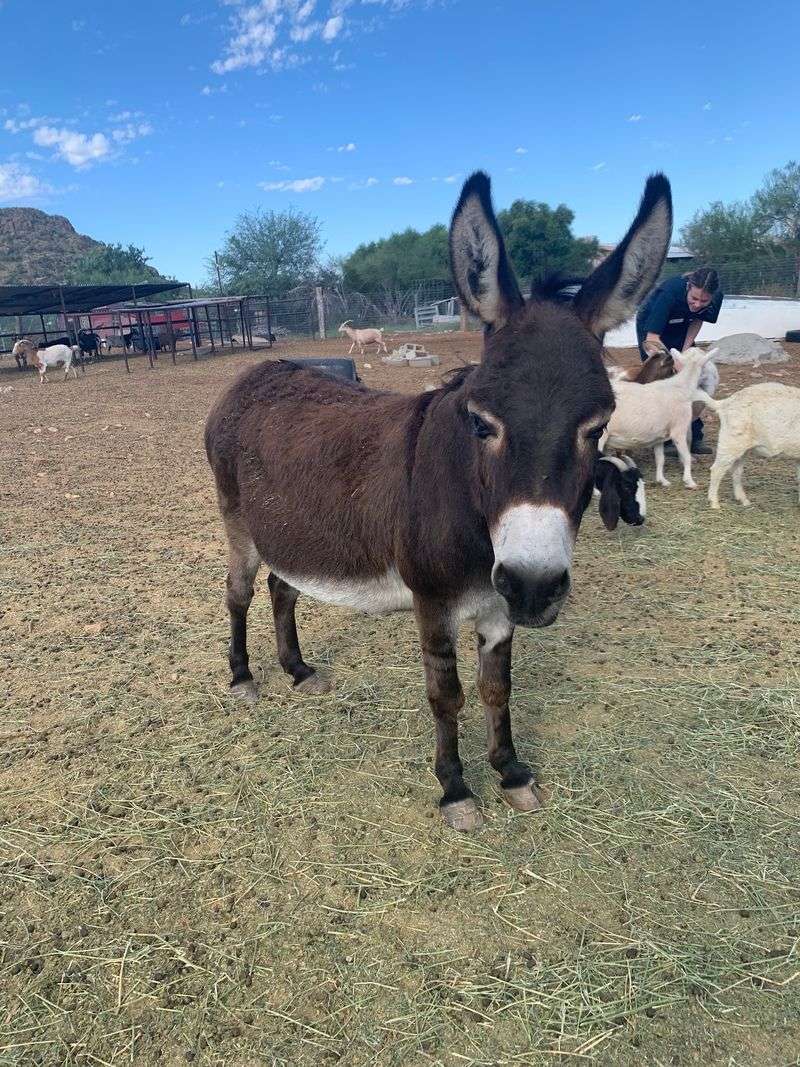
Goats get the spotlight, but they do not have the stage to themselves. A cute little donkey also calls the farm home and has charmed plenty of guests.
Donkeys tend to be thoughtful and a bit cautious. Meeting one that is calm enough for friendly attention is a sign of how settled it feels.
The donkey is part of a much larger crowd. One half-joking comment claimed the farm has more animals than the zoo.
That is probably an exaggeration, though the point stands. There are a lot of residents here, and every one needs food, water, and care.
The mix is part of the fun for kids. A single visit can include goats, chickens, a donkey, dogs, cats, and birds.
Keep your expectations open. Which animals greet you depends on who feels social that day, and the donkey makes its own schedule.
6. Every Animal Has a Name
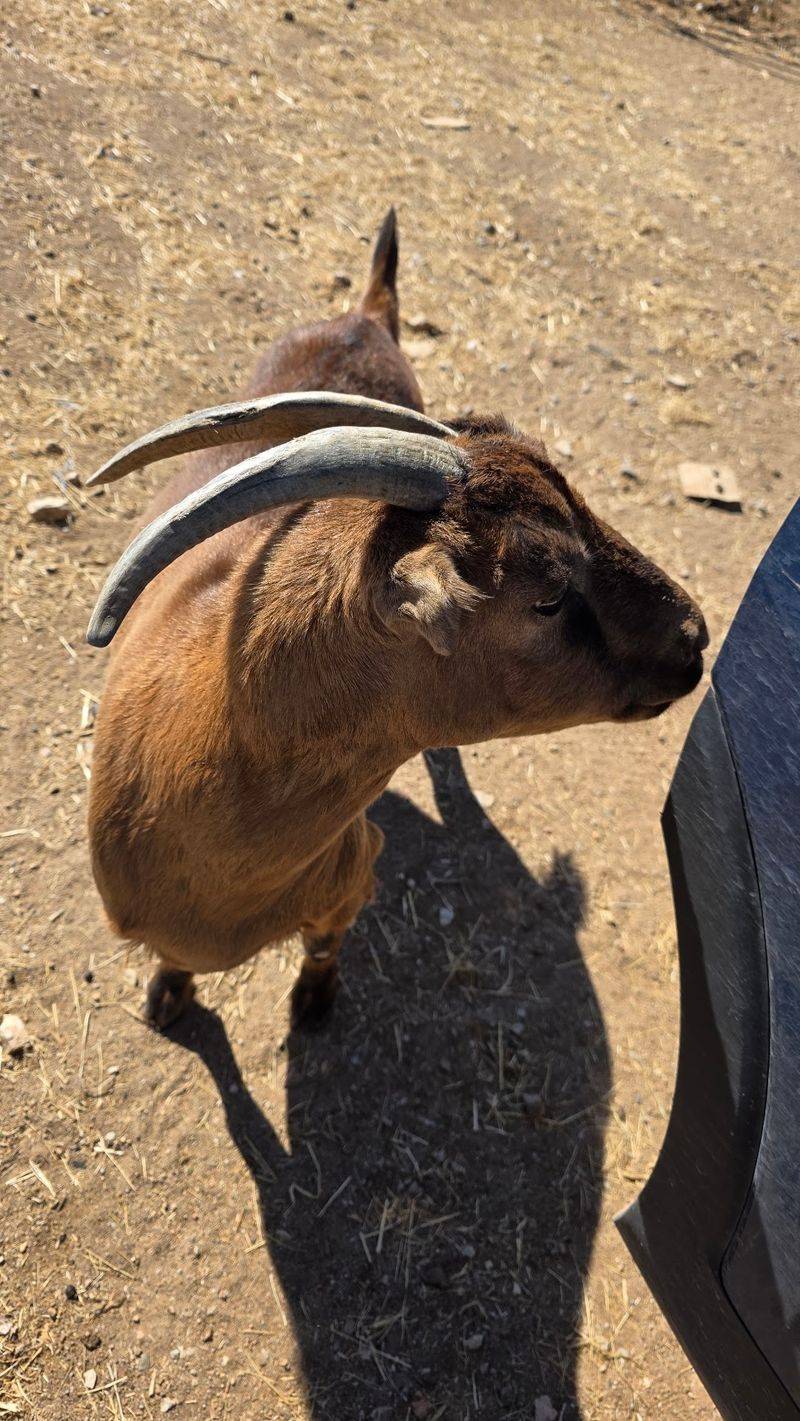
Nobody here is a number. Each animal has a name and a place in the hearts of the women who care for them.
That idea shapes the entire sanctuary. The animals do not seem to think of themselves as livestock.
They act like family members, valued and loved for who they are.
Caregivers also take each animal’s personality into account. A shy goat gets different handling than a bold one, and a nervous newcomer gets space to adjust.
That approach matters because many residents arrived from rough starts. Their routines and comfort zones are respected rather than rushed.
For guests, learning names turns a farm visit into a real introduction. Ask who is who, and you will likely hear a story to go with each one.
7. Second Chances After Hard Starts
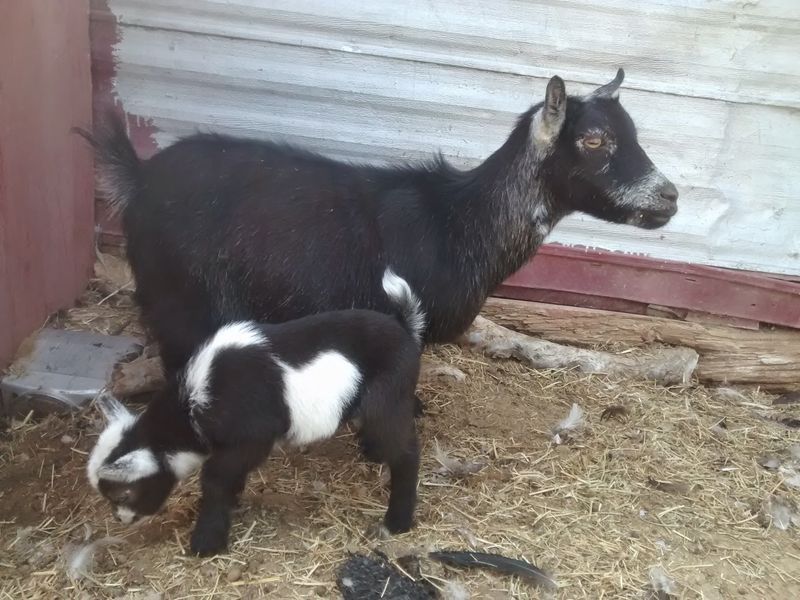
Many of the animals here came from situations no animal should face. Hoarding and neglect are part of the backstory for a large share of the residents.
The sanctuary gives them a safe home where they can live out their lives without pressure.
That mission is why the farm feels different from a typical petting attraction. Comfort and trust come first, and human entertainment comes second.
Even the one lukewarm comment about the farm ended with an apology and an admission. The animals know they are safe and secure in this care.
Healing is often slow. A goat that once hid might now walk up to the fence, and that change can take years.
Seeing that progress is the real reward of a visit, and it has very little to do with flashy attractions.
8. Bring a Bag of Produce
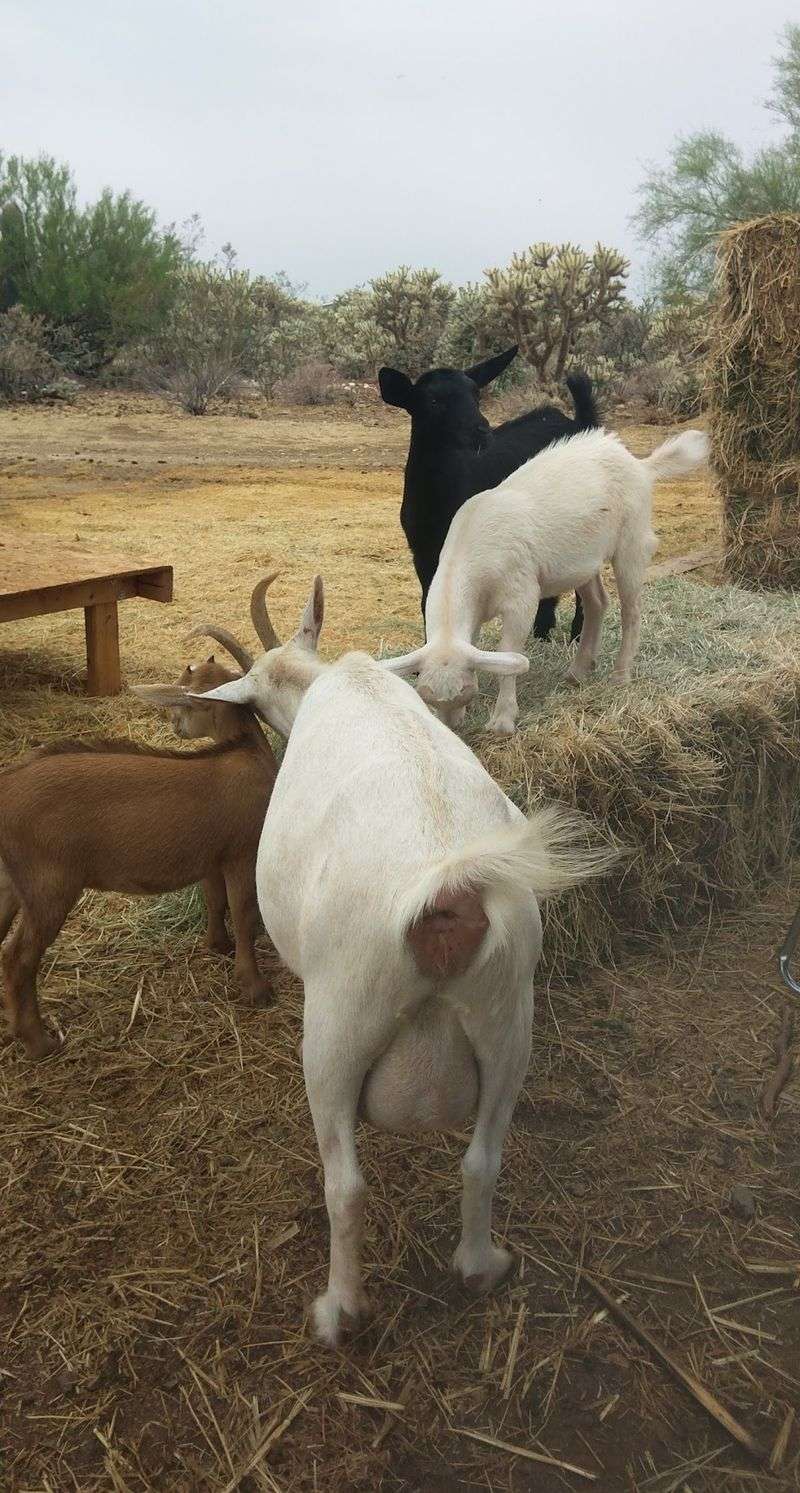
Here is the insider tip that turns a visit into a hands-on afternoon. Bring lots of fresh fruit and vegetables.
The animals enjoy the treats, and part of the fun is discovering who likes what. One goat might go for one snack while another snubs it completely.
Kids especially love this part. Families have long been encouraged to bring the little ones by with fruits and veggies to share.
It also makes the trip nearly free. A grocery run is likely the biggest expense of the day.
Ask the caregivers before offering anything, since they know each animal’s needs better than anyone.
Consider it a delivery with benefits. You drop off snacks, and the herd shows up to inspect the goods.
9. Ground Rules for Young Guests
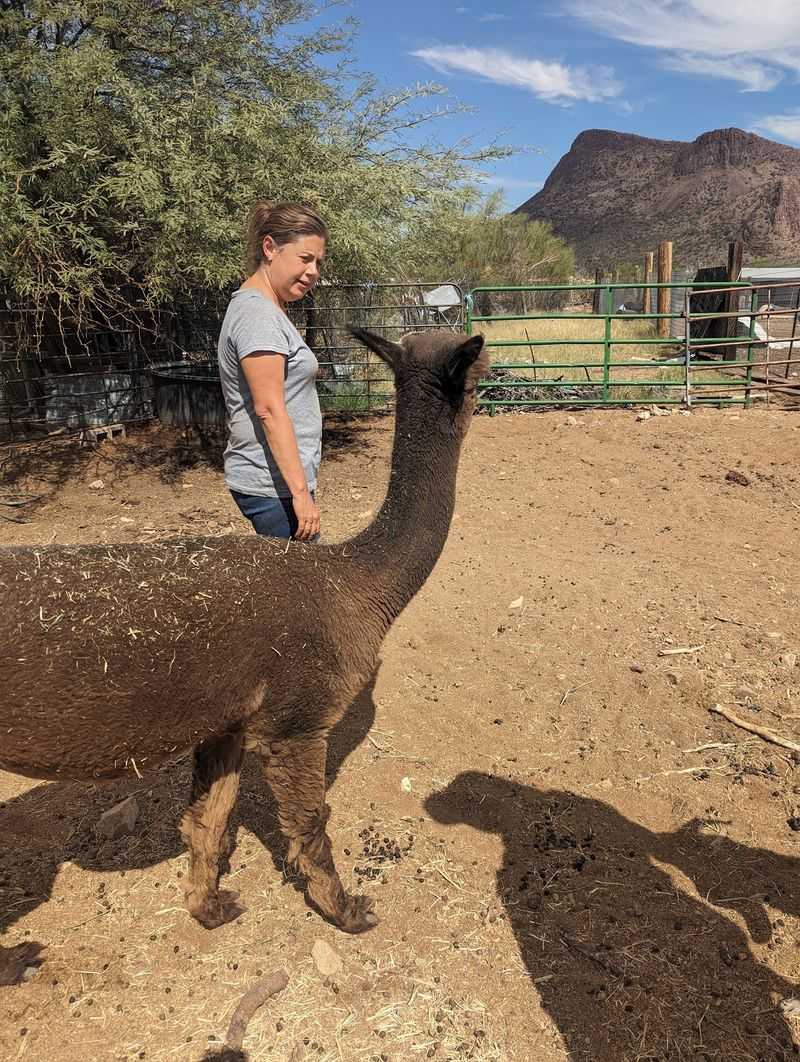
Kids are welcome, with one important condition. Only children who listen well and respect an animal’s personal space should come along.
This rule protects the animals. Many residents came from traumatic pasts and need to feel safe in their own home.
Loud chasing or grabbing can undo a lot of patient work, so a quick chat in the car before arrival helps.
Teach kids to let animals approach first. Calm hands and quiet voices go a long way.
The payoff is worth it. A child who waits patiently may end up with a goat nuzzling in for attention.
Treat it like a lesson in kindness. Young guests leave knowing that respect earns trust, even from a goat.
10. Knowledgeable Hosts, Personal Tours
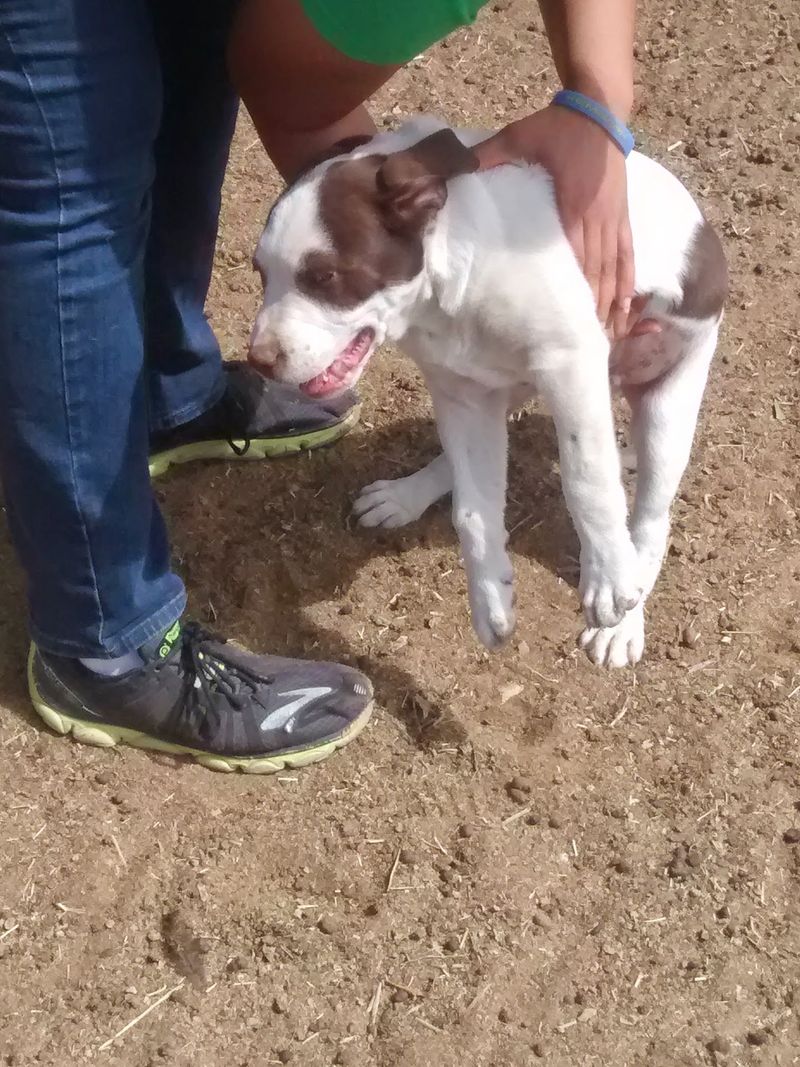
Guests often leave impressed by the people as much as the animals. The staff has been described as extremely friendly and knowledgeable.
That expertise comes from daily hands-on care. Ask about a goat’s quirks or a rescue story, and expect a real answer.
Tours appear to be arranged personally. In reply to one guest, the sanctuary suggested scheduling a real tour.
That hints at the best approach. Reach out before showing up so the hosts can plan around feeding times and animal needs.
A guided walk can also explain the rules, introduce shy residents, and point out which animals enjoy company.
Small operations like this run on relationships. A polite message first opens the gate, sometimes literally.
11. Donations That Fill the Feed Bins
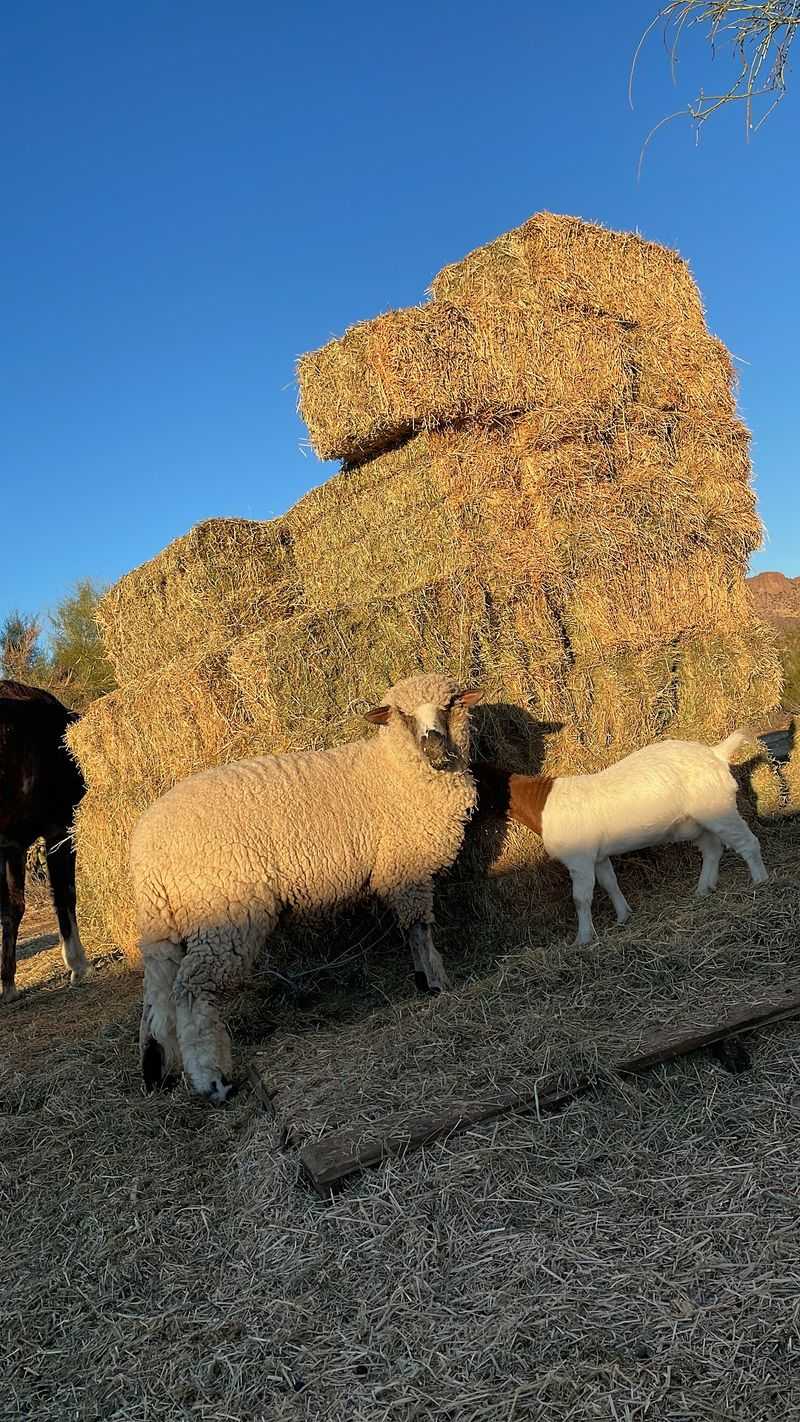
Feeding a crowd this size is no small bill. The sanctuary accepts several kinds of donations to keep everyone fed and healthy.
Money helps, of course. Supplies count too, including bags of cat food, dog food, livestock feed, fresh produce, and hay.
That makes giving easy for almost anyone. A bag of pet food from a Saturday errand can make a real difference here.
Supporters have urged others to donate because love alone does not buy hay. One fan even said funding the cause should be a state requirement.
Check the website before you go to see current needs. Priorities can shift with the seasons.
Dropping off supplies is a satisfying way to help. The herd gets dinner, and you get a great excuse to visit.
12. Adopting an Untraditional Friend
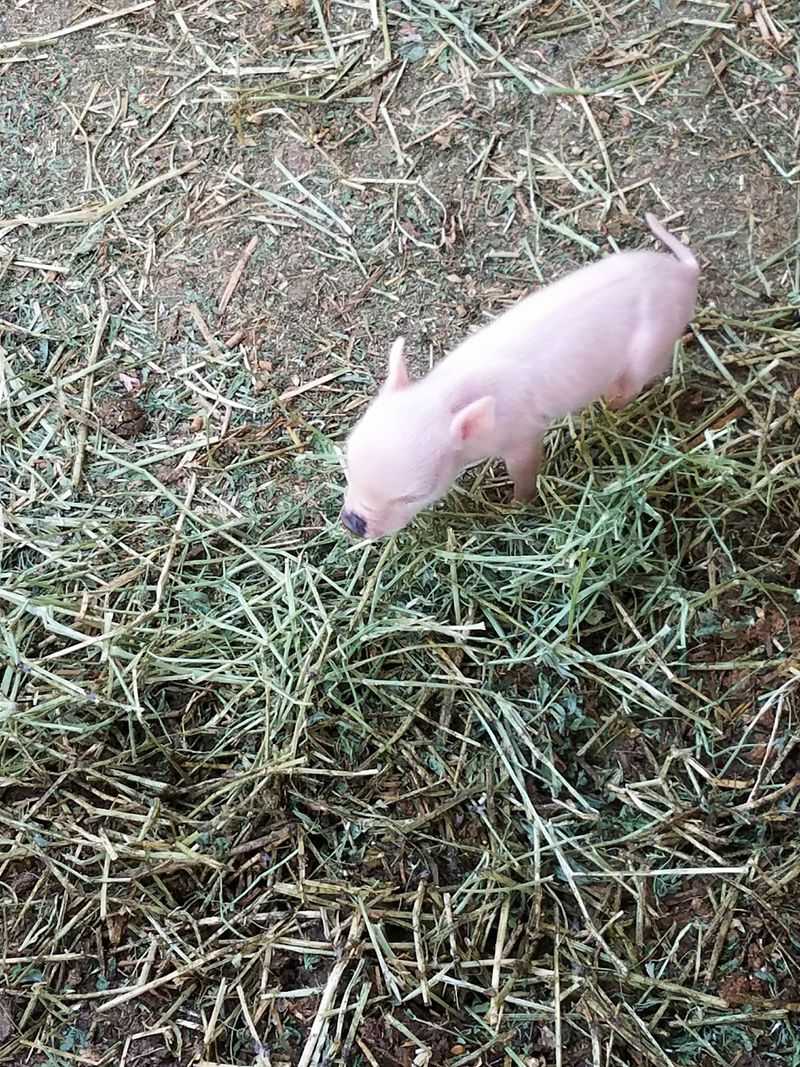
Some residents are looking for homes of their own. A few animals at the sanctuary have been available for adoption.
This is not the same as picking up a puppy. Farm animals need space, time, and an owner ready for the extra effort that comes with an untraditional companion.
Supporters strongly favor adopting from rescues over buying from breeders. A sanctuary adoption gives an animal a second chance and frees up space for the next one in need.
Ask the caregivers which animals are available and what each one needs. Their knowledge of personalities can help match the right animal to the right family.
Not ready to adopt? Spending time with the animals is still a great way to learn what owning one really takes.
Either way, the conversation starts with a simple question at the fence.
13. Planning the Trip
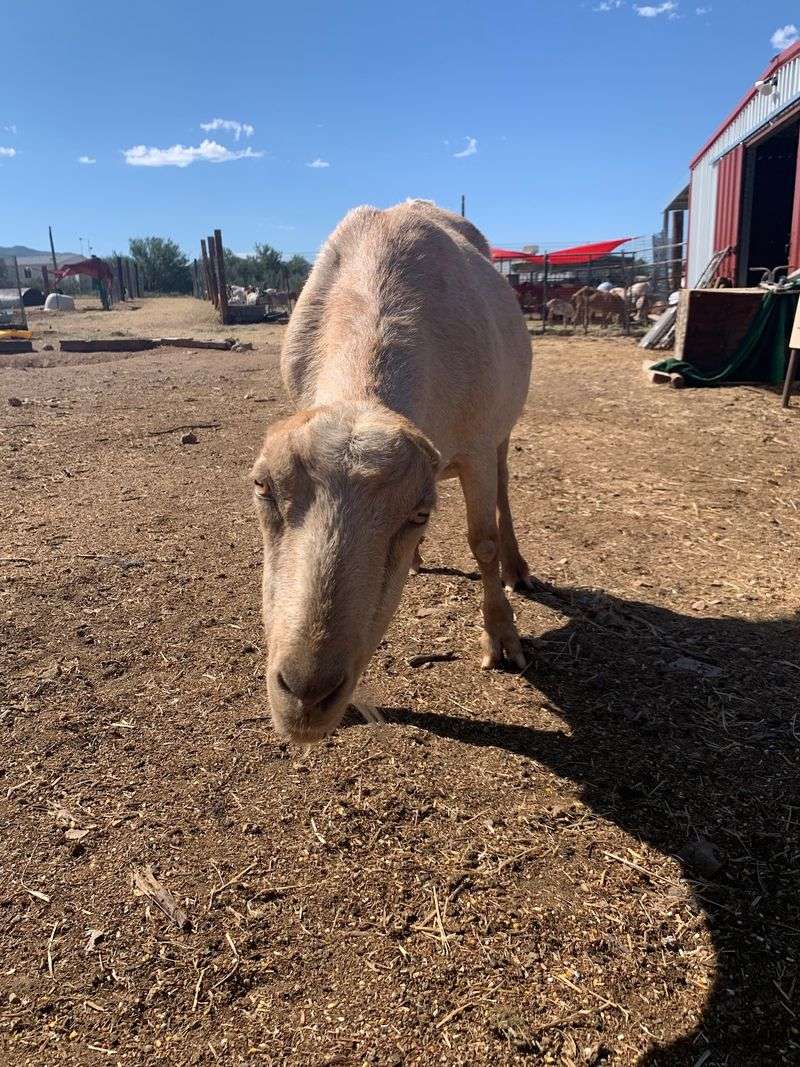
Here is the practical part. Public hours and admission prices are not listed in the available information, so do not just roll up unannounced.
Contact the sanctuary first through its website at hoofsnhornsfarm.org or by email at [email protected]. Scheduling ahead respects the animals and the busy hosts.
The farm sits on the northwest side of Tucson, an easy drive for locals. From Phoenix, it works as a day trip down I-10.
In summer, aim for cooler early hours if the hosts allow it. Fall and winter are more comfortable for lingering outside.
Pack produce, maybe a bag of feed, water for yourself, and closed-toe shoes for farm ground.
Have a rooster or goat you can no longer keep? The sanctuary has asked people to email first about possible intakes.
14. Why the Barnyard Stays With You
Some places are big and flashy, and some are small and full of heart. This farm firmly belongs in the second group.
A mother and daughter have spent years turning hard luck stories into happy ones. Goats like Scooby and Tug now live out their days with names, routines, and people who adore them.
The appeal for Tucson locals is simple. A short drive, a bag of produce, and a little patience can lead to a goat greeting at the fence.
It is also a chance to give back in a direct way. Hay, feed, and fresh veggies go straight to the animals that need them.
Go with respect, schedule ahead, and keep the kids calm. The animals will handle the rest.
And if Scooby trots over to check your credentials, smile. The boss has approved your visit.
Share this story