Somewhere in Tempe, a warehouse full of donated paper, fabric, beads, frames and paint is waiting for people who make things. The prices are not printed on most items. You decide what to pay, and teachers can often take what they need for free.
It is open only two mornings a week, which makes finding it feel like knowing a secret. Crafters drive across the Valley for it, and some come from an hour away. Keep reading to learn where it is, how it works, what to bring, and the one catch about bathrooms that every first-timer should know before heading out.
1. A Creative Warehouse Off Hohokam Drive
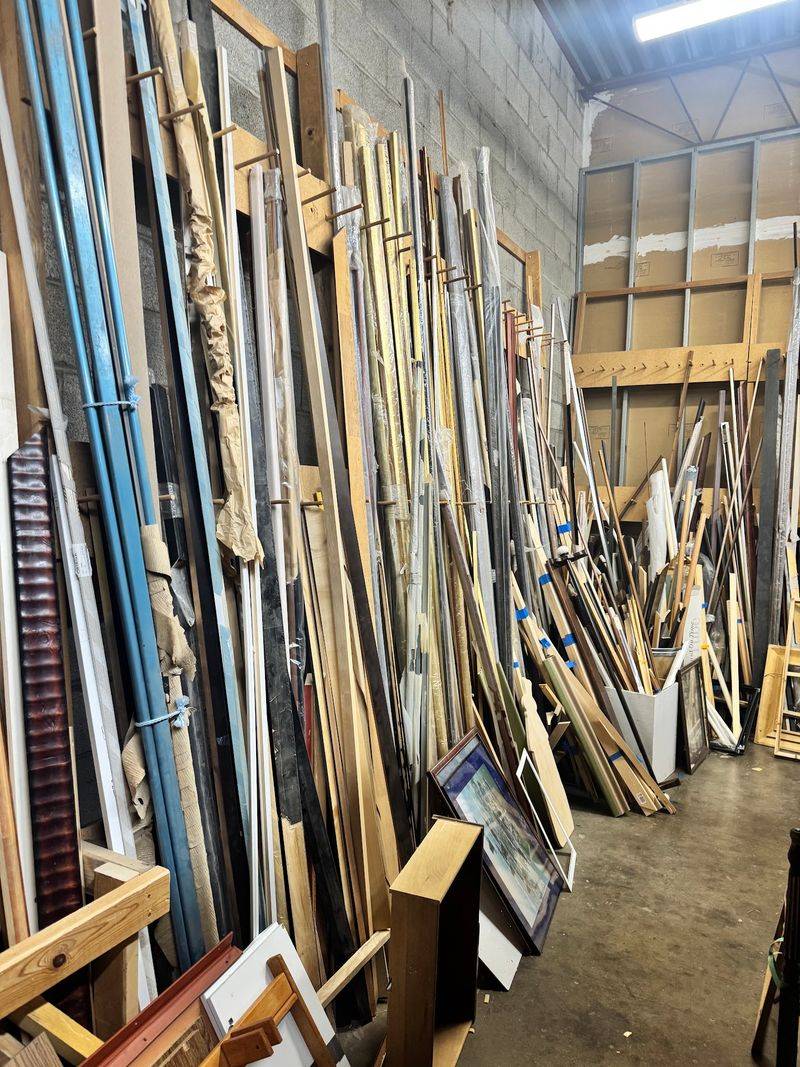
Tucked into an industrial suite in Tempe, there is a nonprofit that rescues art supplies before they land in the trash. The Art Resource Center sits at 910 S Hohokam Dr #105, Tempe, AZ 85281.
Plenty of Valley drivers pass this stretch near the 143 without a second thought. That is part of the fun.
Inside, the center collects donated materials from the community and passes them along to artists, crafters, teachers and nonprofit groups. Most items are available by donation rather than a fixed price.
The idea is simple. Find what you need, leave some for others, and pay what feels fair.
For Phoenix and Tucson locals hunting for hands-on, low-cost finds, this one checks every box. It is not a gallery or a showroom. It is a working supply depot built for people who actually make things.
Tempe residents are close enough to swing by on a Saturday morning. East Valley and West Valley folks can make it an easy trip before lunch.
The place carries a 4.8-star average across 179 Google ratings, which says a lot for a volunteer-run warehouse. Next up, a look at why a place like this exists in the first place.
2. The Mission Behind the Scraps
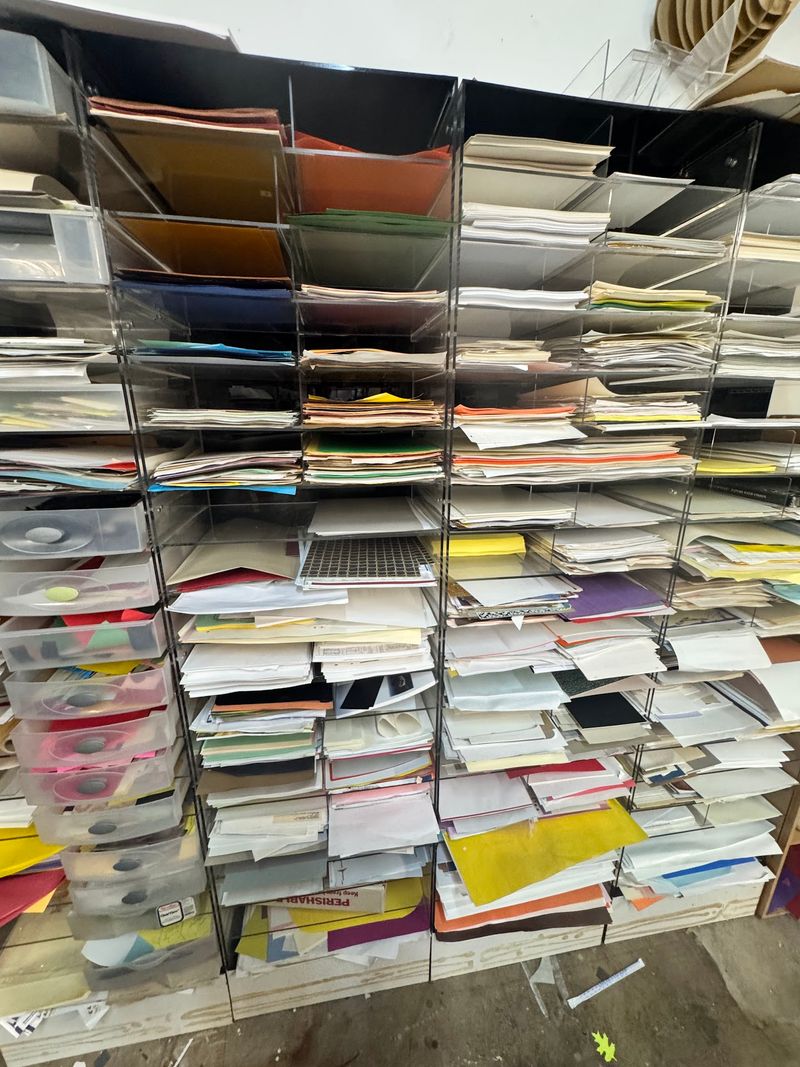
Every year, usable art supplies get tossed out. Some end up overpriced at thrift stores, then thrown away when nobody buys them.
The Art Resource Center exists to break that cycle. It takes in craft and art donations and moves them back into the hands of creative people.
That mission is why regulars describe it as a place that rescues supplies, artists and art itself. It is a reuse project with a very practical goal.
Teachers are a big part of the story. Classroom budgets rarely cover everything, and this center steps in to help.
The founder is known around the shop for being kind and quick to help shoppers find the right fit. She is often on site and involved in the daily flow.
The whole operation runs on volunteers. Those helpers get frequent praise for being friendly and patient with newcomers.
Since it is a nonprofit, every donation keeps the doors open. Shoppers who pay fairly are funding the next round of rescued materials.
Understanding that mission helps explain the rules you will hear on your first visit. And yes, there is a short orientation.
3. Your First-Visit Briefing
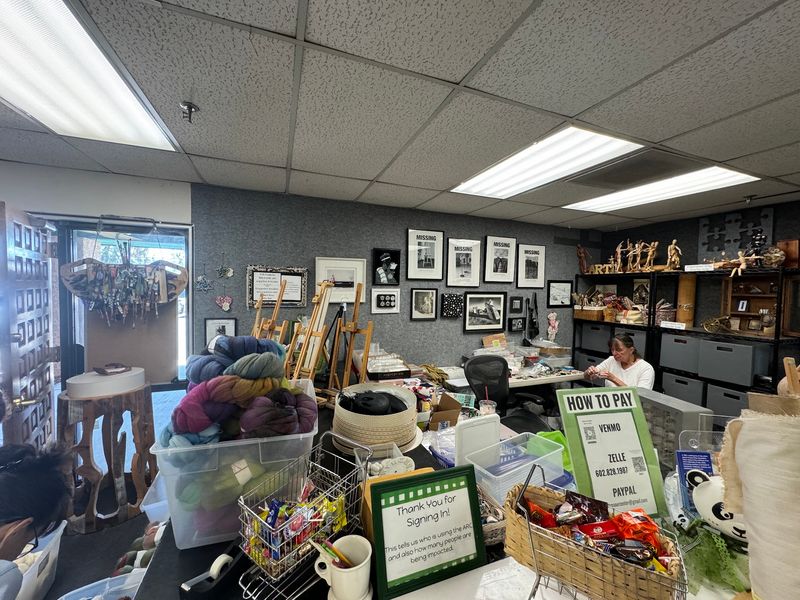
New shoppers do not just wander in and start grabbing glitter. A volunteer gives a quick explanation of how everything works.
It takes only a few minutes. After that, the process becomes routine.
On later trips, you simply sign in when you arrive. You choose a category: artist or creator, teacher, or nonprofit organization.
That choice matters, since teachers and nonprofit groups get special access that other shoppers do not. More on that perk in a bit.
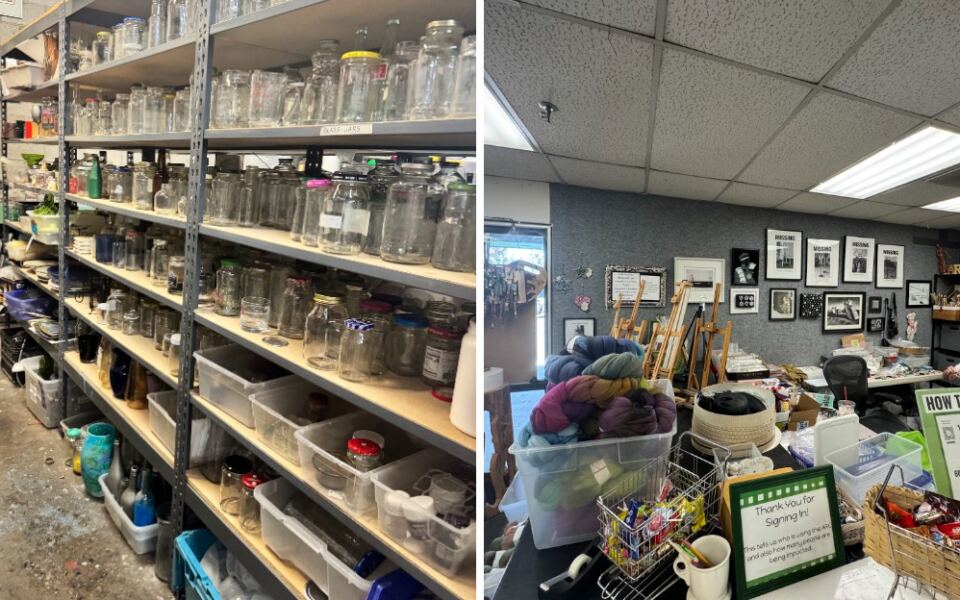
Once signed in, shoppers have full access to more than 4,000 square feet of supplies. That is a lot of ground to cover for one morning.
The briefing also explains how payment works. Unless an item has a suggested price clearly marked, you pay by donation based on what it is worth to you.
First-timers often leave impressed and a little overwhelmed, in a good way. Knowing the system ahead of time keeps that overwhelm manageable.
Consider the orientation a ticket into a very large toy box for grown-ups. Now, about what is actually inside.
4. Over 4,000 Square Feet of Possibility
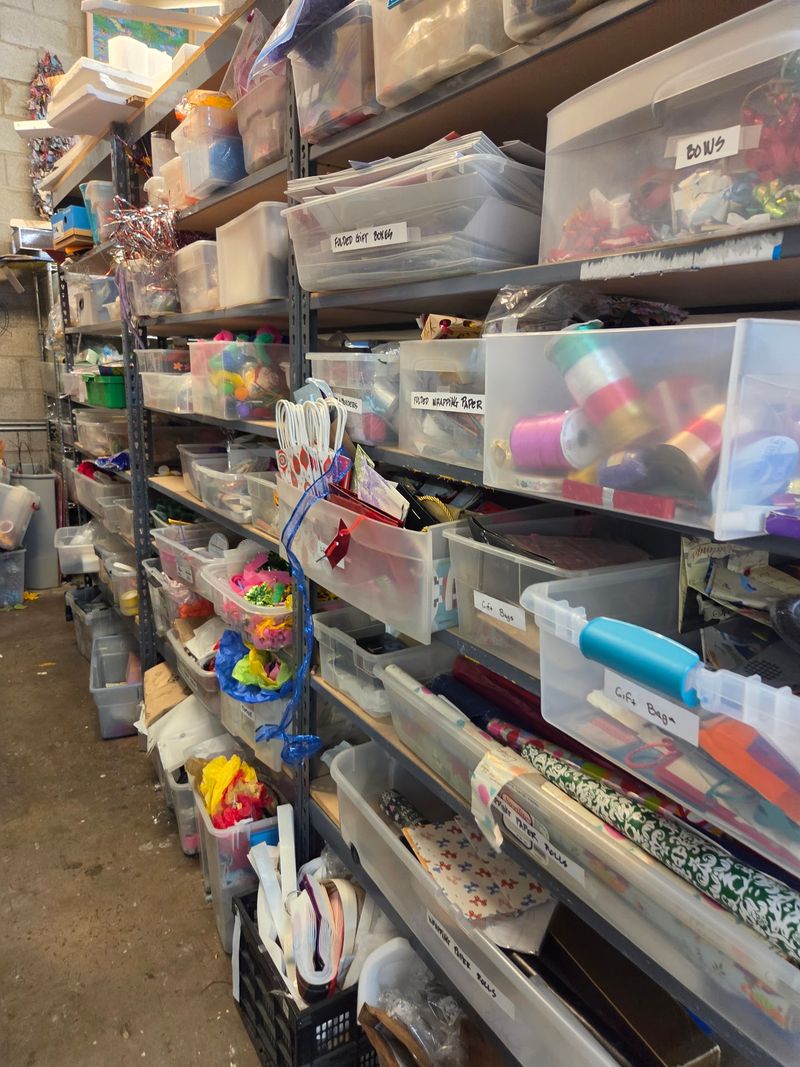
Paper, fabric, decor, picture frames, ephemera, paint, cardboard, canvas. That is just the opening list.
The shelves here cover nearly any art form. Yardage of material sits near stamps, stickers, collage papers and school supplies.
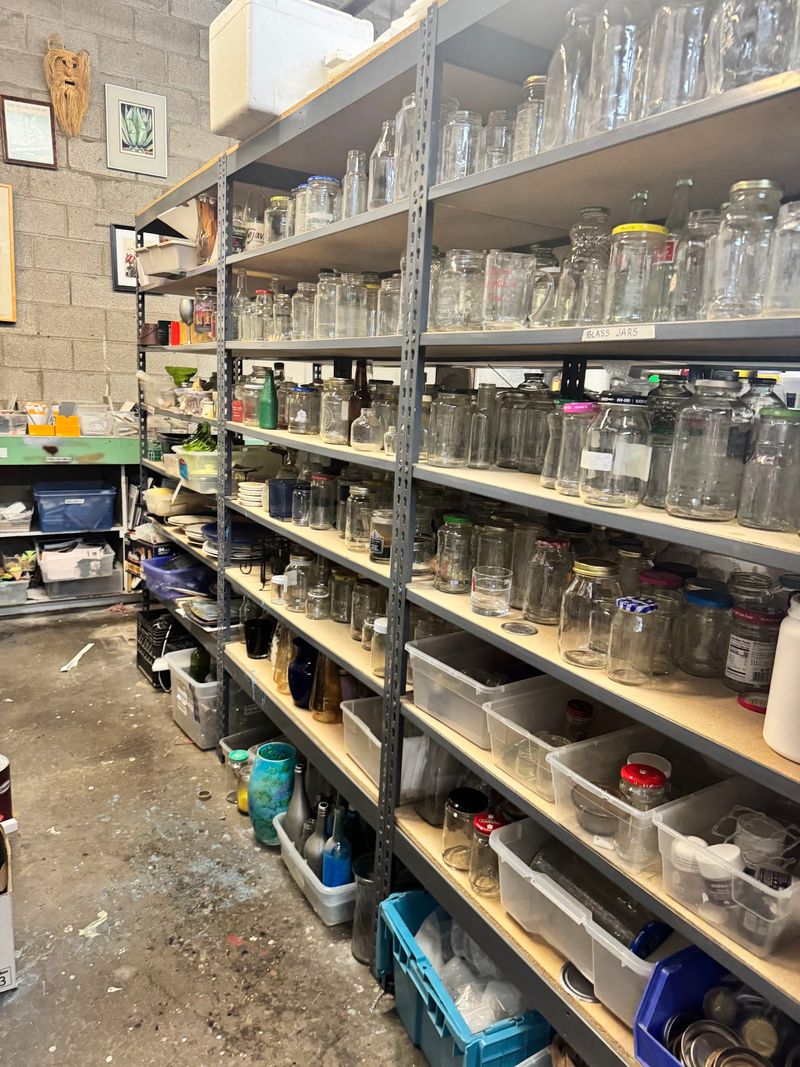
Crocheters and jewelry makers can find beads, specialty thread, crochet hooks and even books. Glass jars and cardboard show up for the upcyclers.
Mixed media fans get a lot to work with. Kids who are just starting out in crafting can find plenty of beginner-friendly materials too.
Vintage and rare supplies turn up often. So do things you never knew you needed until you saw them on a shelf.
The space is described as clean and well organized, though you should still be ready to search. Treasure rarely sits right at the front.
Inventory changes with each round of donations. A trip one Saturday can look very different from the next Wednesday.
Some days you leave with a few great finds. Other days, shoppers report leaving with a full car.
That unpredictability is the hook that keeps people coming back. The payment system is the other.
5. Pay What It Is Worth to You
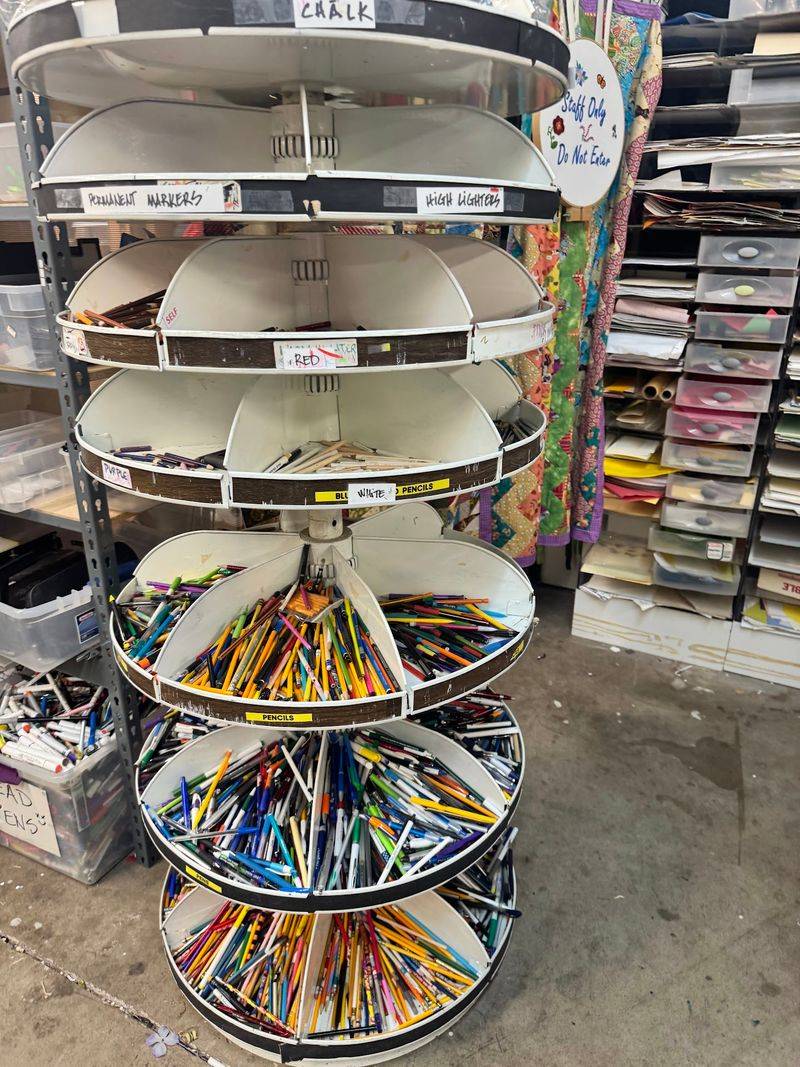
Price tags are rare here. Most items are available by donation, and shoppers decide the amount.
The guideline is to consider an item’s market value and its value to you. Honesty keeps the system working for everyone.
A few items carry a suggested price clearly marked. Those are the exception rather than the rule.
Bring cash if you can, since it is the easiest option. The center has also accepted Venmo, Zelle and checks.
The pay-what-you-want setup is perfect for experimenting. Why spend full price on supplies for a new hobby, only to discover two weeks later it is not your thing?
Here, trying watercolor, weaving or collage can cost very little. If the hobby sticks, you come back for more.
The system has produced some memorable deals. One shopper walked away with a large custom-made easel and three big canvases for $5.
Deals like that depend on timing and luck, so do not expect them every visit. Still, it shows how generous the place can be.
Paying fairly is what keeps the lights on. Teachers, though, get an even sweeter arrangement.
6. Free Supplies for Teachers and Nonprofits
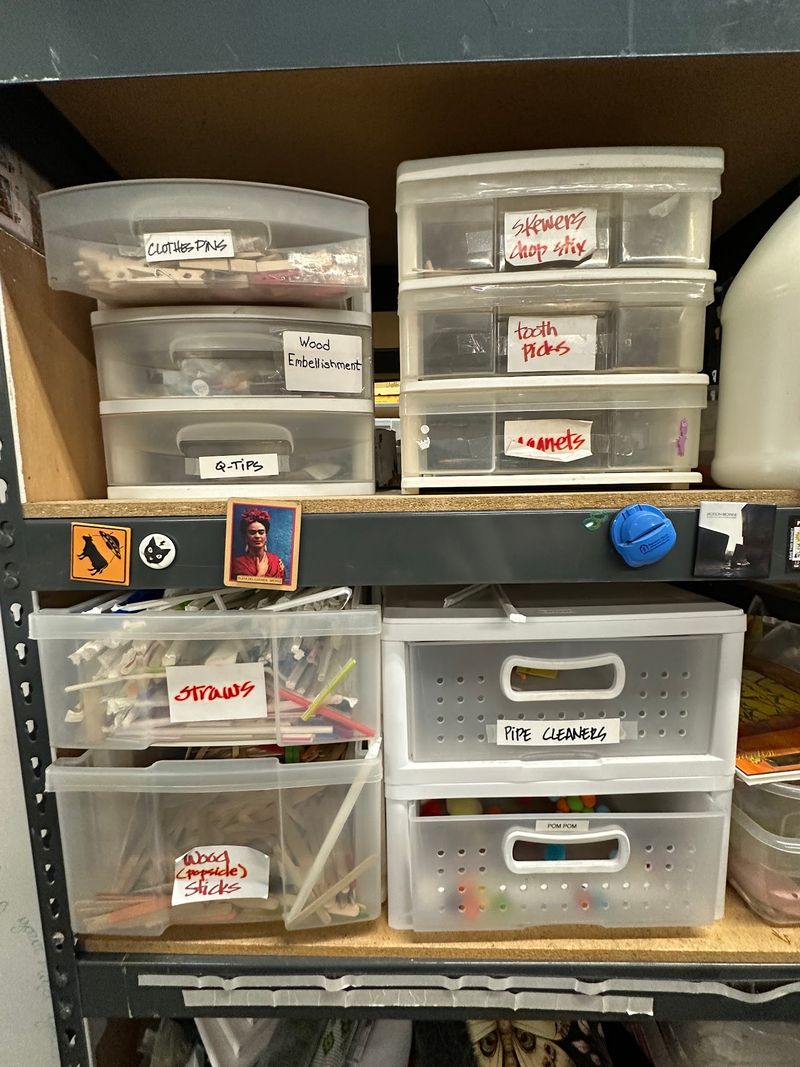
Teachers, this is the section to bookmark. The center treats educators as some of its most important guests.
For teachers and nonprofit organizations, everything past the doors of the first room is available free of charge. Donations are still welcome, of course.
That means bins of paper, paint, cardboard and other classroom staples can come home without draining a personal budget. For many teachers, that matters a lot.
The center also helps anyone who works with children. Youth programs and community groups can find useful materials for projects.
Regulars call it a top resource for teachers, and the praise appears often. It is clearly part of the core mission rather than a side perk.
Remember to sign in under the teacher or nonprofit category when you arrive. That is how the volunteers know which rules apply.
Educators who stock up here often return as donors later. Leftover classroom supplies make their way back into the loop.
It is a neat cycle that keeps materials in use. Speaking of donations, there is a right way to drop them off.
7. Drop-Off Rules for Your Craft Closet
That closet of half-used yarn and forgotten paints has a better future. The Art Resource Center gladly accepts art and craft donations.
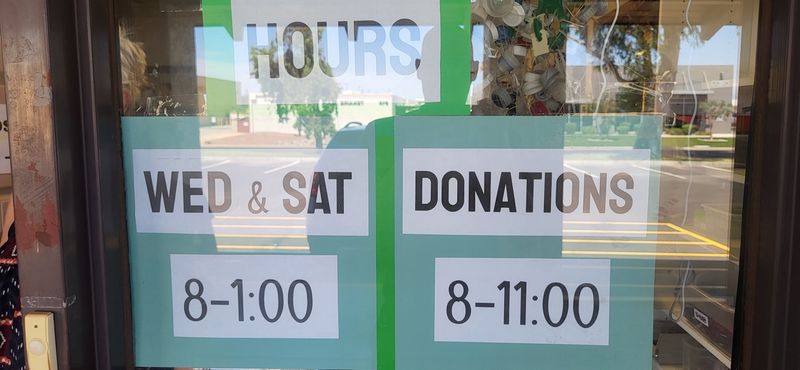
Donations are accepted from 8 to 11 AM on open days. Shopping runs longer, so plan drop-offs for the earlier part of the morning.
Donors often unload out back. Fresh arrivals sometimes get spotted there before they reach the shelves.
Donations are by far the most talked-about topic connected to this place. The whole operation depends on them.
Many shoppers are donors too. They clear out space at home and make room for future projects in the process.
Fabric, paper, frames, canvas, beads and general art materials all fit the mission. If you are unsure about an item, the volunteers can help sort it out.
Giving here keeps usable supplies out of the landfill. It also puts them in the hands of students and artists who will use them.
It is a small chore with a big payoff. Next comes the human side of the operation.
8. Volunteers Who Run the Show
Friendly ladies at the door. A cheerful helper at the checkout. Volunteers fill nearly every role here.
The staff is made up of volunteers who are known for being helpful and kind. Friendliness comes up again and again when people talk about the center.
They answer questions, explain the system and help track down items. Some are delightfully curious about what shoppers plan to make.
The founder sets the tone. She has been known to have large donated items brought up front so a shopper could check the fit.
That kind of attention is rare at a big-box craft store. It gives the place a community feel.
Volunteers also keep donations moving from the back to the floor. Without them, the shelves would sit empty.
A simple thank you goes a long way with this crew. So does a fair donation at checkout.
Their energy shapes the whole experience, including the crowd that shows up each week.
9. A Crowd That Shares the Shelves
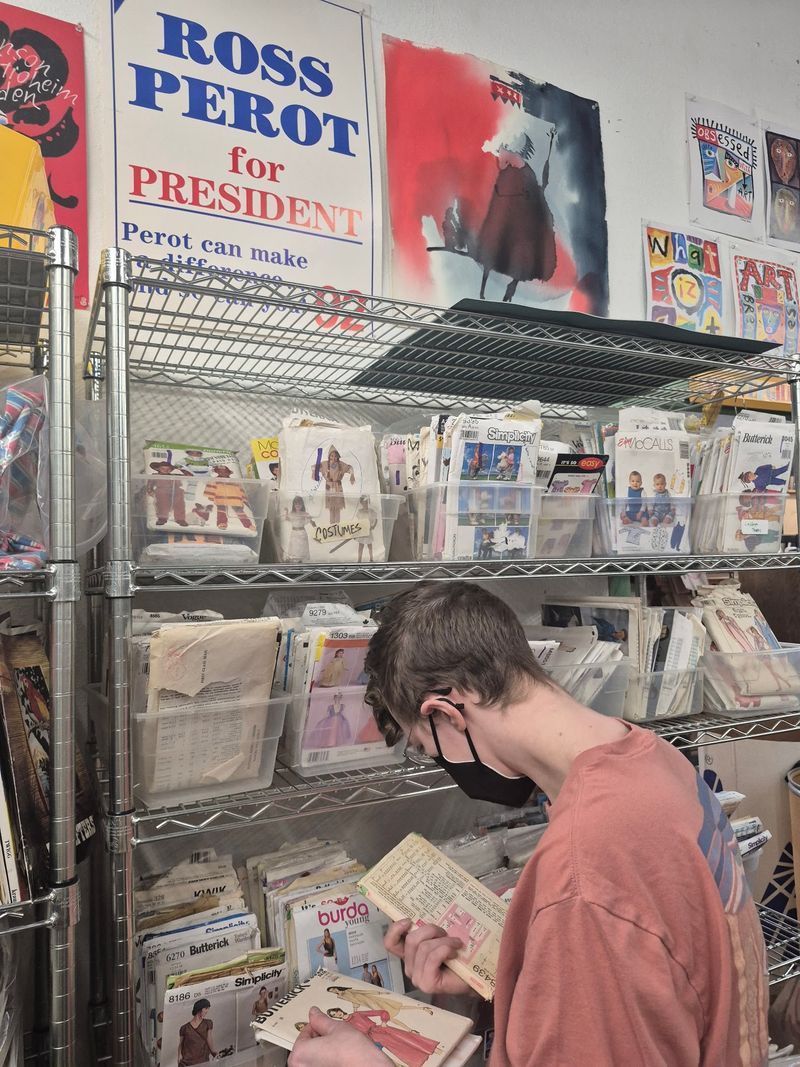
Crowded aisles usually mean elbows. Here, the mood tends to stay polite.
Mornings can get busy, but shoppers are described as considerate and friendly. Nobody is pushy about grabbing items first.
Families come in with kids, and even service dogs have been part of the mix. Respect seems to be the house rule.
Customers help keep things tidy too. That shared effort is one reason the space stays organized.
The crowd includes artists, hobby crafters, teachers, parents and students. Some drive an hour each way just to shop.
Shoppers who love experimenting with new mediums tend to feel right at home. So do people who simply enjoy the hunt.
The limited hours may play a role in the good vibes. With only two mornings a week, people come ready to browse and share.
Patience pays off in a place like this. So does planning, which brings us to timing.
10. Two Mornings a Week, So Plan Ahead
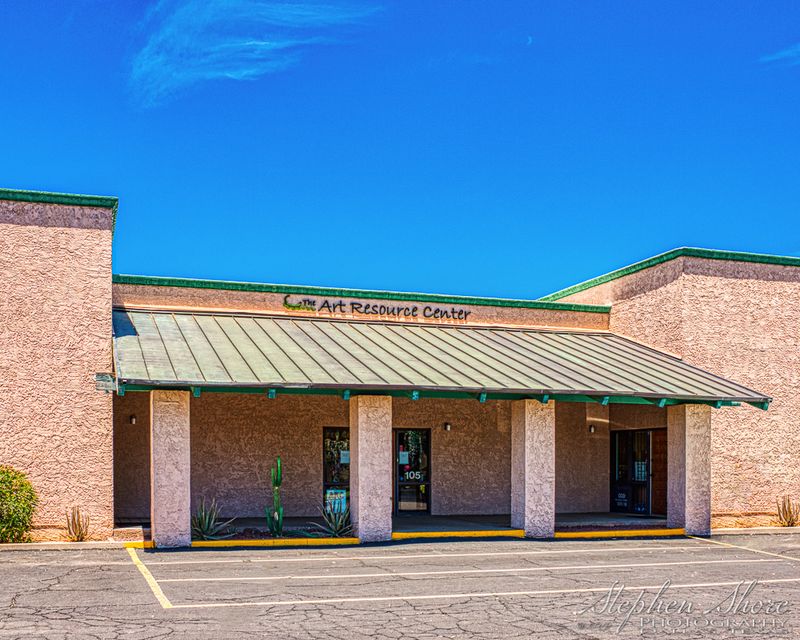
Blink and you miss it. The center is open just two days a week.
Shopping hours are Wednesday and Saturday from 8 AM to 1 PM. The doors stay closed Monday, Tuesday, Thursday, Friday and Sunday.
Donations are accepted from 8 to 11 AM on those same days. Shoppers who are also donating should arrive early.
Plan to spend at least an hour and a half browsing. The space is large, and good finds take some digging.
Busy schedules can make those hours tricky. Saturday is often the easier pick for working locals.
Summer hours have shifted before, so it is smart to check the website at artresourcecenter.org before driving over. That simple step can save a wasted trip.
Arriving near opening gives you more time and first pick of the floor. The later window can still work for a quick browse.
Timing handled, there are a few comfort details to know.
11. The Fine Print on Comfort
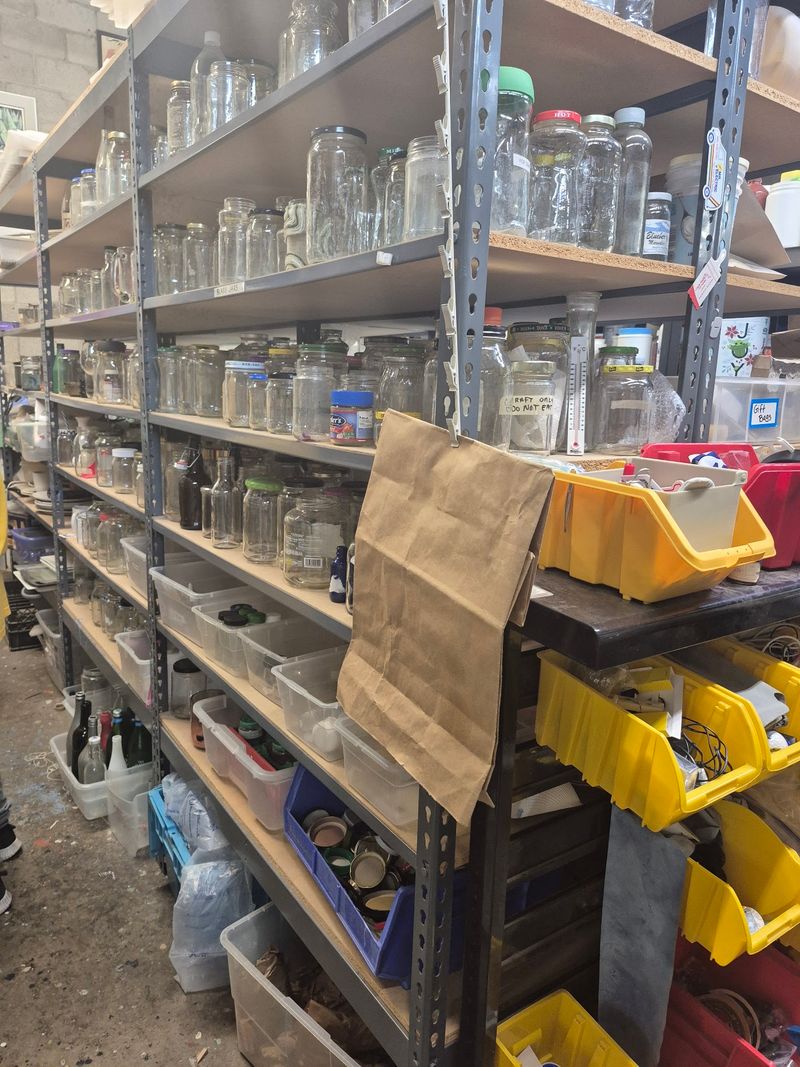
Every great find comes with a few catches. Here are the ones worth knowing.
There is no air conditioning in the building. In an Arizona summer, that matters, so the early opening hour is your friend.
Bring water and dress for a warm warehouse. Morning visits are the most comfortable choice in hot months.
Restrooms are not available to shoppers. The nearest option is the QT across the way, so plan accordingly.
Bring your own bag. It makes carrying supplies back to the car much easier.
Cash is the smoothest way to pay. Digital options have been accepted, but having bills on hand avoids hassle.
The building is a working warehouse, not a polished boutique. Expect a practical, no-frills setting.
Small preparations make the visit far more enjoyable. With those covered, the last question is whether it is worth the trip.
12. Worth the Saturday Drive
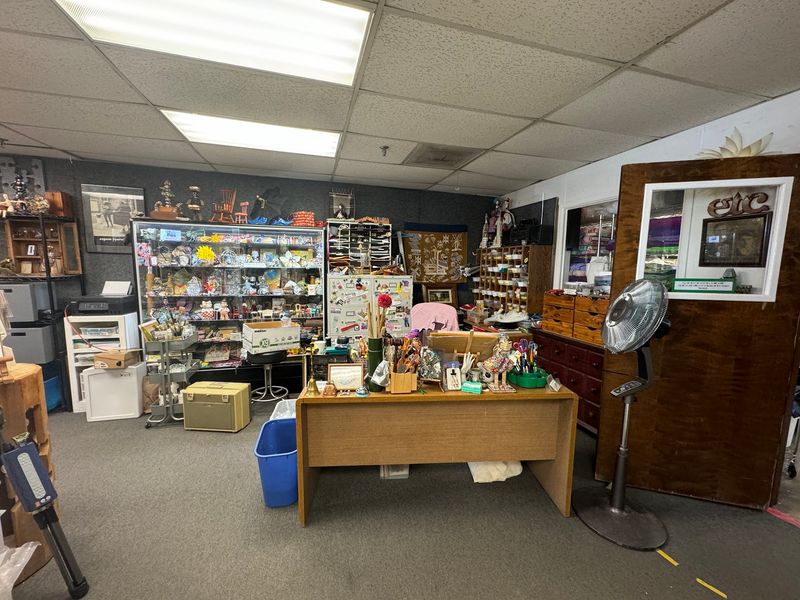
Some places sell supplies. This one keeps a whole creative community stocked.
The Art Resource Center mixes reuse, generosity and a little treasure hunting into one Tempe stop. For Valley crafters, it is a rare kind of bargain.
Teachers can stock classrooms for free. Artists can test new hobbies without spending much at all.
Donors get to clear their closets and know their supplies will be used. Everyone leaves a little better off.
The hours are short, the building is warm in summer, and there is no restroom. Those are fair trade-offs for what waits inside.
Arrive early, bring a bag and some cash, and set aside a couple of hours. Leave room in the car, just in case.
Phoenix locals can make it a quick morning outing. Tucson crafters may find it a worthy add-on to a Valley trip.
Once you find your first hidden treasure here, the Wednesday and Saturday calendar may start looking very different.
Share this story