Most museums keep you a polite three feet away from the good stuff, but one newer spot on the southeast side of Tucson skips the ropes and lets you walk right up to tanks. For about the cost of a drive-thru coffee, five dollars, you can add a ride in a real Army truck to your visit. It sits next door to a museum nearly every Arizonan has heard of, yet plenty of locals still cruise right past it.
Here is everything a Phoenix or Tucson day-tripper should know before rolling out, from hours and ticket tricks to the one catch worth planning around.
1. A Motor Pool Next Door to Pima
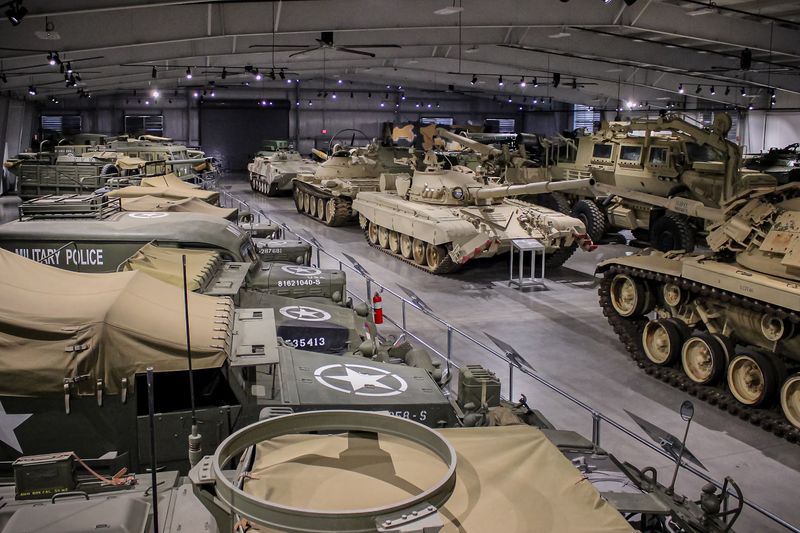
Plenty of Arizonans have parked near this building without realizing what was inside. The Tucson Military Vehicle Museum sits at 6000 E Valencia Rd #26, Tucson, AZ 85756, right beside the Pima Air and Space Museum.
It is classified as an Army museum, and its focus is simple. Tanks, armored vehicles, artillery, trucks, and the uniforms that went with them fill the space.
The location makes it an easy add-on for anyone already heading to see the aircraft next door. Instead of planning a separate trip, you can stack both stops into a single day on the southeast side of town.
For Valley residents, that pairing matters. Phoenix folks can turn one drive south into two museums, which makes the mileage feel a lot more worthwhile.
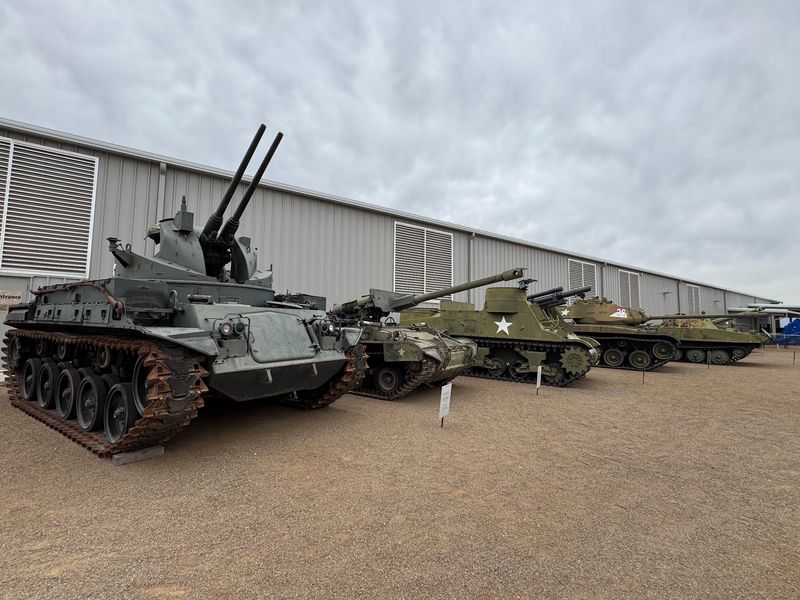
The building is newer and enclosed, so the main collection stays indoors. A few more vehicles sit outside, hinting at what the grounds may hold later.
Think of it as Tucson’s newest motor pool, only this one welcomes civilians with open bay doors. The next question is how such a young museum ended up with so much hardware so quickly.
2. The Collector Behind the Collection
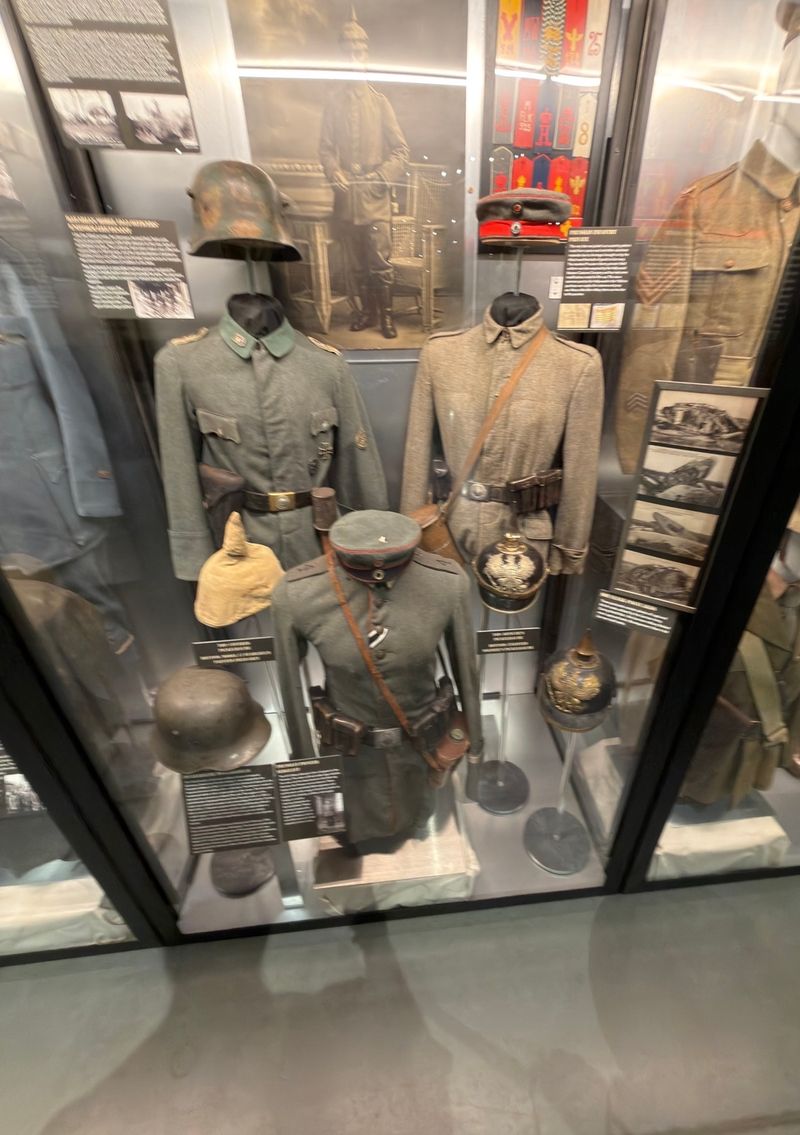
Every great collection starts with one stubborn enthusiast. Here, the roots trace back to a collector from the World War II German-born generation, and that background shows up clearly on the floor.
The display of German World War II militaria is especially filled out. Uniforms, gear, and related items give that section more depth than you might expect from a museum this new.
Beyond that personal thread, the lineup mostly splits into two eras. World War II pieces share the room with equipment from the Global War on Terror.
A handful of Cold War support vehicles fill in the gap between them. The result is a timeline you can walk in a loop rather than read in a textbook.
That mix gives the place a personality bigger museums sometimes lack. It feels shaped by real interest rather than a committee checklist.
History buffs who already know the backstories tend to get the most out of it. Newcomers can still follow along, thanks to help you will meet in a later section.
One collector’s passion became a public garage of history. Now it is time to look at the rule that sets this museum apart.
3. No Velvet Ropes in the Center Ring
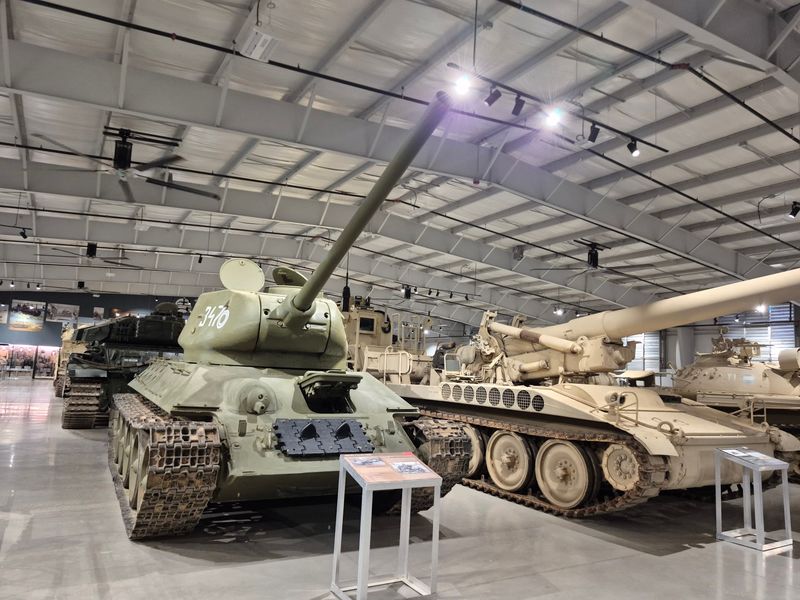
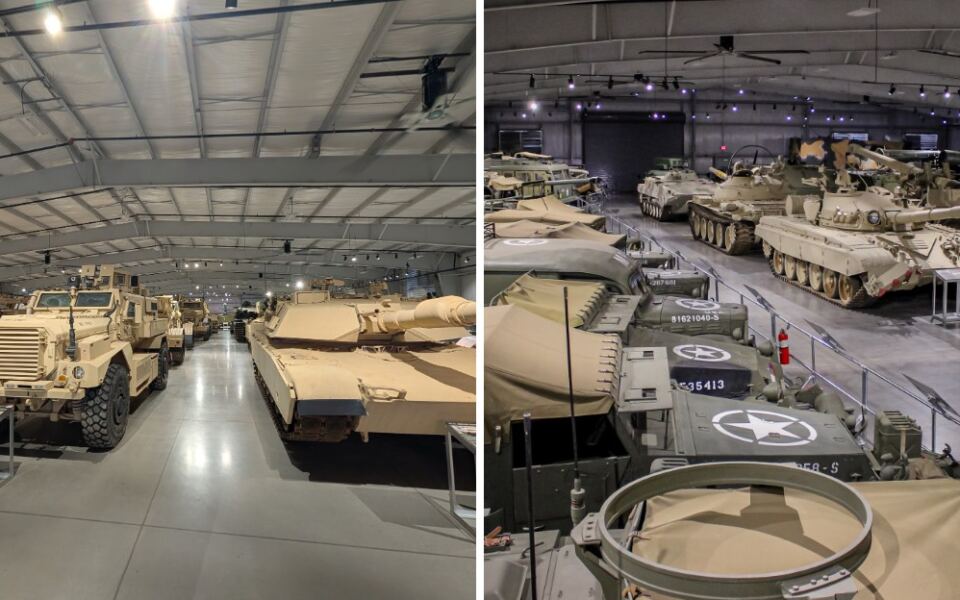
Forget the polite distance. In the center area, the vehicles are not roped off, so you can examine them at extremely close range.
That one choice changes the whole visit. You can study tread links, hatches, and armor plating without squinting from behind a barrier.
Compared with the bigger museums in the area, the access here is noticeably closer. People who have toured larger collections often point out that this is where they finally got near the equipment.
Some guests also mention being able to go into certain tanks. Policies like that can change, so it is smart to ask a volunteer what is open on the day you arrive.
Kids especially take to the setup. Being able to stand beside a tank brings home just how massive these machines are.
Of course, close access comes with basic manners. Follow posted signs and staff guidance so the collection stays in good shape for the next crowd.
Hands-on is the house style here, and it fits the local crowd that prefers doing over just looking. Next up, a closer look at the heavy hitters themselves.
4. Tanks From Both Sides of History
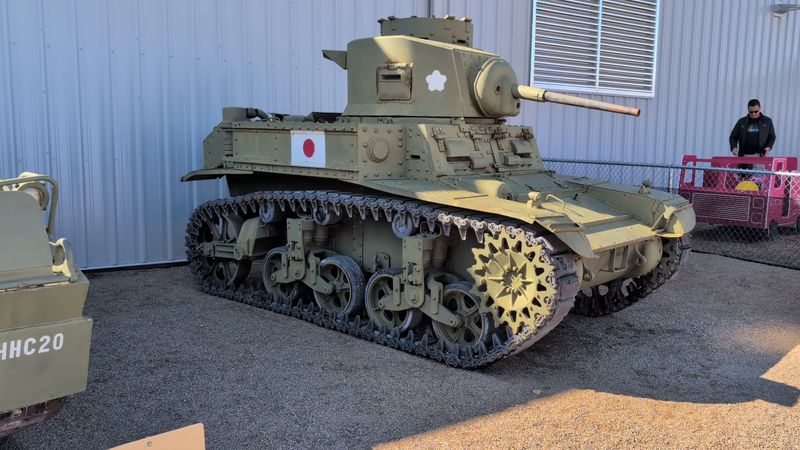
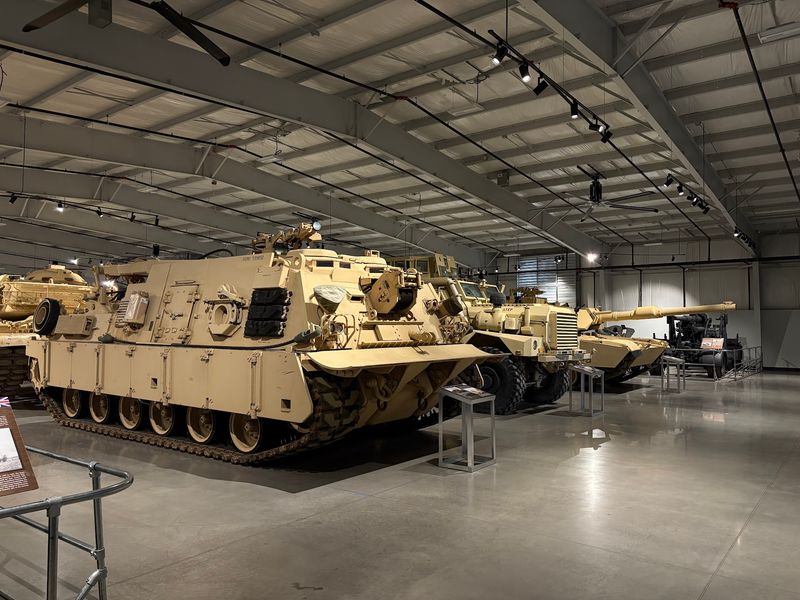
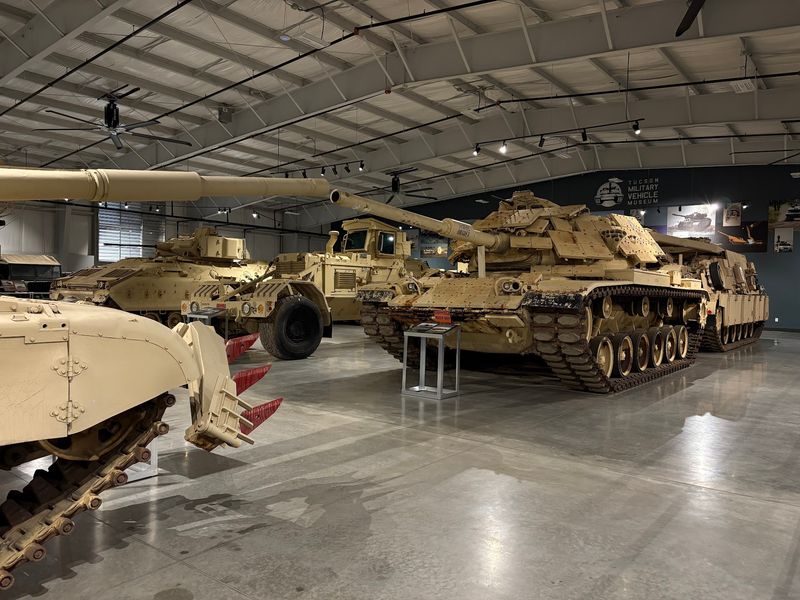
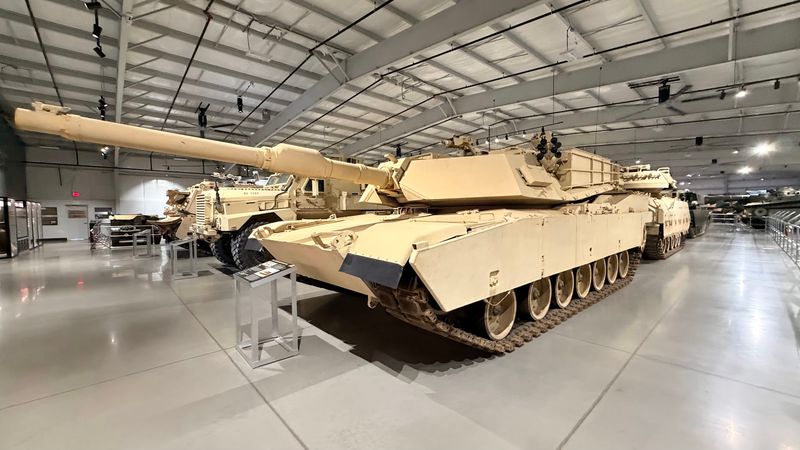
Tanks are the headliners, and the roster runs deep. Across the floor you will find a strong variety, including an M60.
The Soviet-era tanks are often called the highlight. Seeing them parked near American armor lets you compare design choices from rival sides.
Mostly, each vehicle is substantially different from its neighbor. That keeps the walk-through from feeling like a parking lot of lookalikes.
Unique foreign equipment adds another layer. Even seasoned museum hoppers have said they spotted vehicles here they had not seen anywhere else.
The pieces are presented in their prime rather than as worn-out relics. Restoration and upkeep get frequent praise, with the machines looking well maintained.
Seeing the scale in person gives a real sense of the engineering involved. Photos online rarely capture how tall a turret actually stands next to an adult.
If tracks and turrets are your thing, budget extra time in this part of the hall. There is plenty more parked beyond the armor, though, and it pulls a lot of weight.
5. Trucks, Artillery, and the Supporting Cast
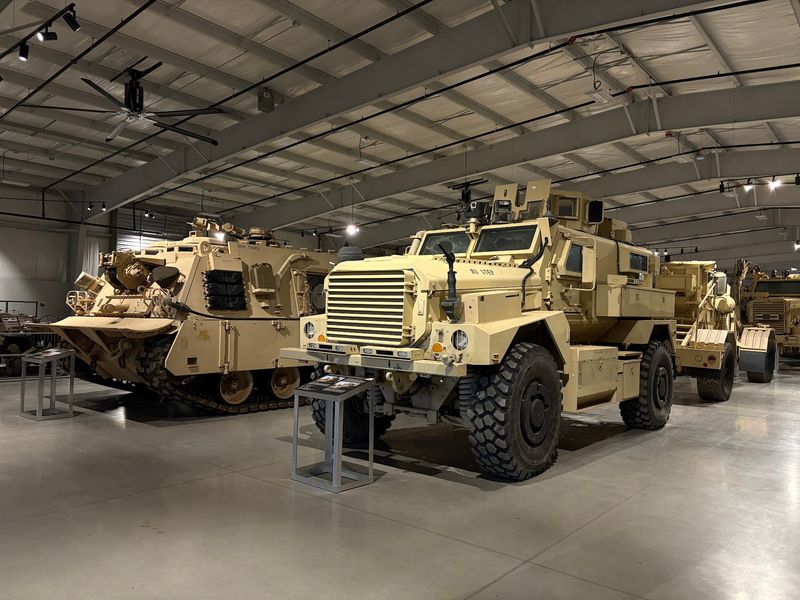
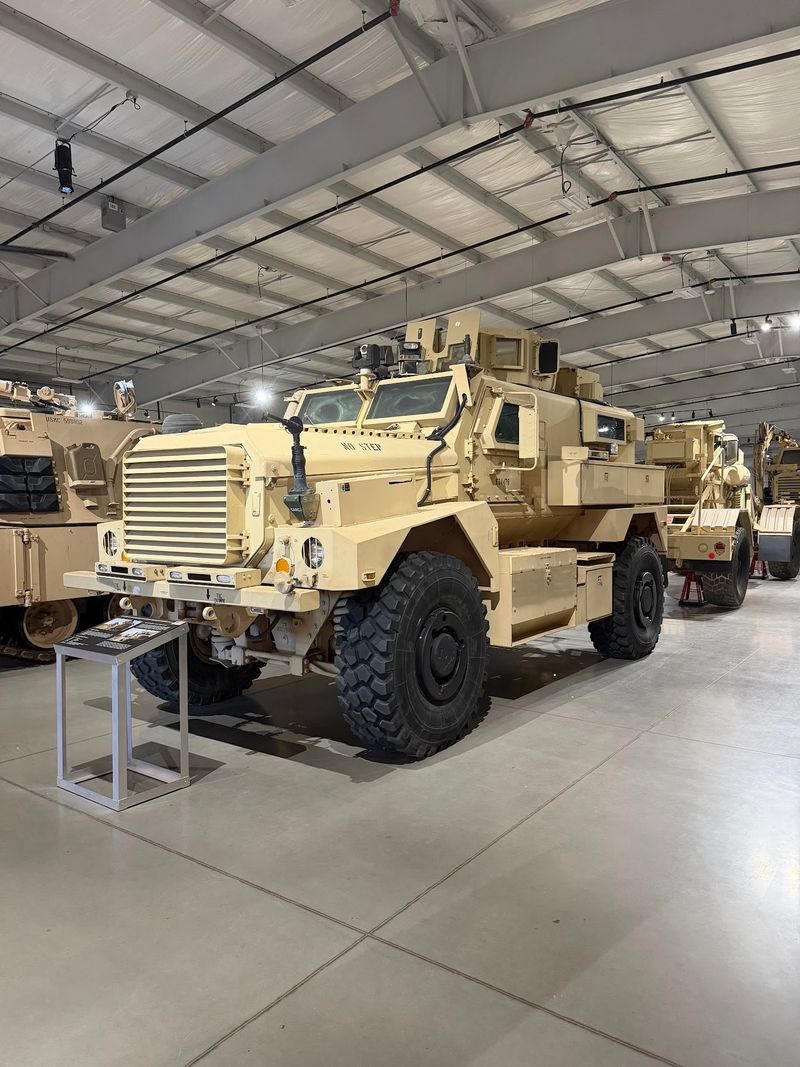
Armies do not run on tanks alone. Transport trucks, artillery, and armored vehicles round out the collection and tell the less flashy side of the story.
These are the machines that moved troops, hauled supplies, and kept operations rolling. Learning their purpose helps the bigger vehicles make more sense.
Artillery and missile pieces also appear among the exhibits. They add a different angle on how firepower evolved across the decades.
The Cold War support vehicles fit into this group as well. They are not as famous as a battle tank, but they fill in important chapters.
Plenty of people walk in expecting only armor and leave surprised by the range. The variety of vehicles is one of the most common things guests mention.
For families, the trucks can be a nice entry point. Kids who love big rigs and construction equipment usually connect with them right away.
Give the supporting cast a fair look before heading for the exit. One of these workhorses happens to be the star of the five-dollar deal coming up next.
6. The $5 Ride Worth Booking
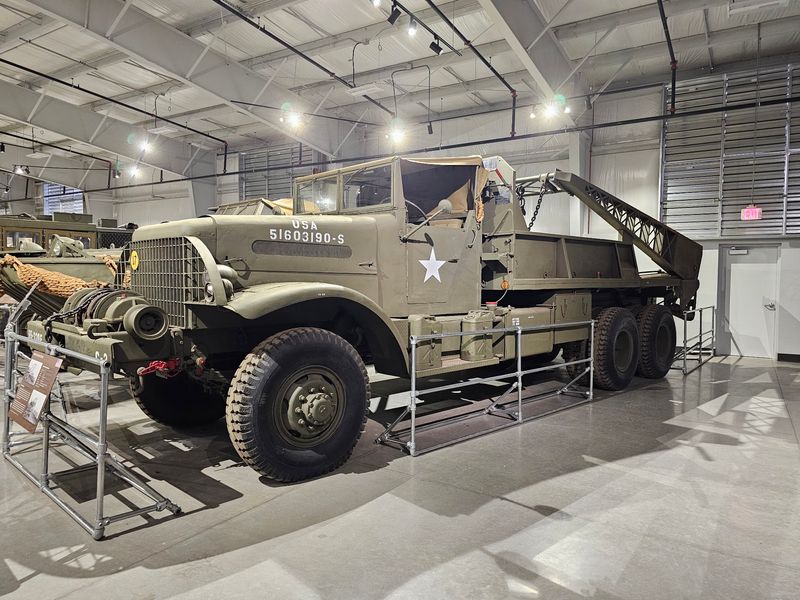
Here is the part that gets locals talking. For just $5 per person, you can add a ride on the museum’s Deuce and a half, the classic Army cargo truck.
Groups have booked it for birthdays and outings with friends, and the experience gets described as a blast. It turns a museum visit into something you actually do rather than only see.
Since rides are booked, it makes sense to arrange yours ahead of time. Check the museum website or call before you go to confirm availability and details.
The headline promises an Army duck, but the ride people rave about here is that six-wheeled workhorse. Either way, five dollars for a spin in real military hardware is hard to beat.
Demonstrations also come up as a reason to return. One parent mentioned planning a repeat visit specifically to catch them.
Schedules for rides and demos can vary, so do not assume they run every hour. A quick check before leaving Phoenix or Tucson can save disappointment.
Of all the bragging rights this place offers, a ride in a Deuce might top the list. The people who make it all happen deserve their own spotlight, though.
7. Volunteers With Stories to Spare
Plaques can only say so much. The volunteers here fill in the rest, and they are known for being incredibly knowledgeable and clearly passionate.
They share where vehicles came from and how they were used. Those stories give the machines context that a sign cannot fully deliver.
Everyone on site tends to come across as positive and informative. That welcoming attitude makes asking questions feel natural, even for beginners.
Sometimes the stories come straight from the source. People who once operated these tanks occasionally show up with groups and talk about their experiences.
That kind of firsthand account adds real charm to the visit. It also helps explain why the atmosphere earns so much praise.
For anyone new to military history, these conversations are the key. Without them, a novice may find the room less interesting than an expert would.
So linger, ask, and listen when the chance comes up. The printed side of the story is worth a look too, and it is better than you might expect.
8. Plaques, Uniforms, and Readable History
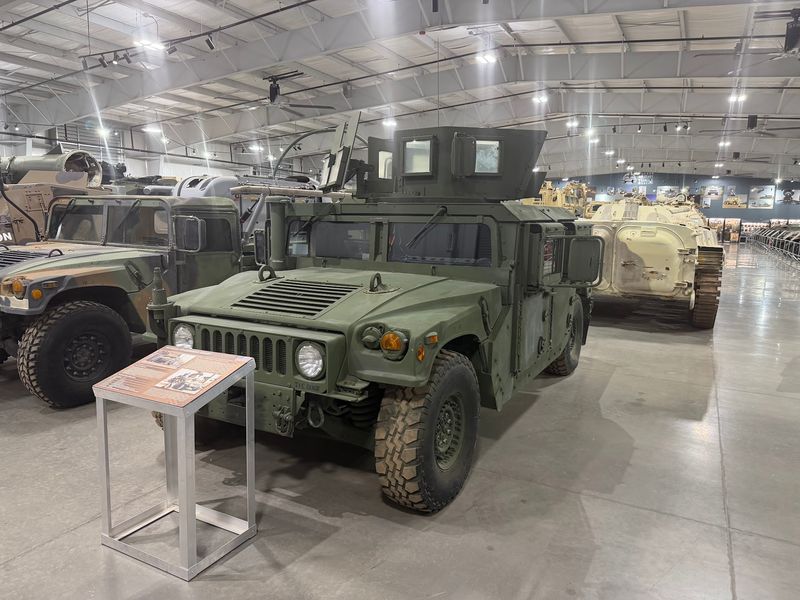
Good signage is underrated, and this museum gets it right. Each vehicle comes with a descriptive plaque covering its history.
The informative signs explain purpose and timing. You learn what a vehicle did and when it served, which turns a row of machines into a story.
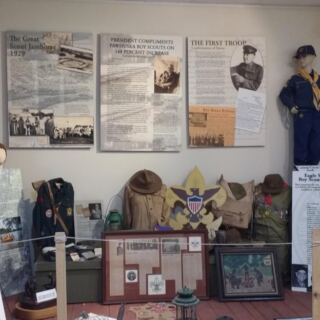
Uniforms are displayed alongside the hardware. They put a human face on the equipment and connect the vehicles to the people who used them.
Interactive materials also show up in the exhibits. Some guests have found them more accessible than similar displays at the larger museum next door.
The overall presentation is tidy and easy to follow. Information displays sit where you need them, without cluttering the view.
That clarity helps families and casual fans keep up. You do not need a history degree to understand why a particular truck or tank mattered.
Plan to read as you go rather than skim. The building itself plays a role in making all of this easy to take in, as the next section shows.
9. One Big Room, Packed to the Brim
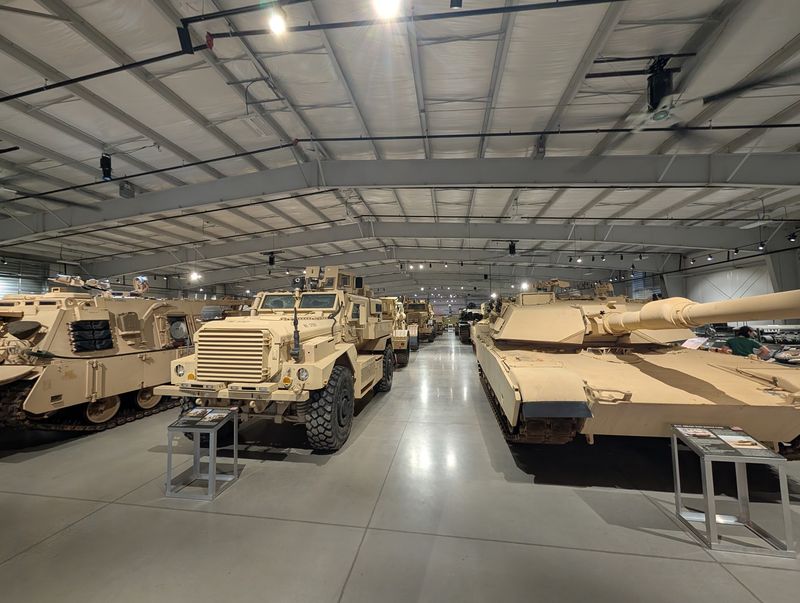
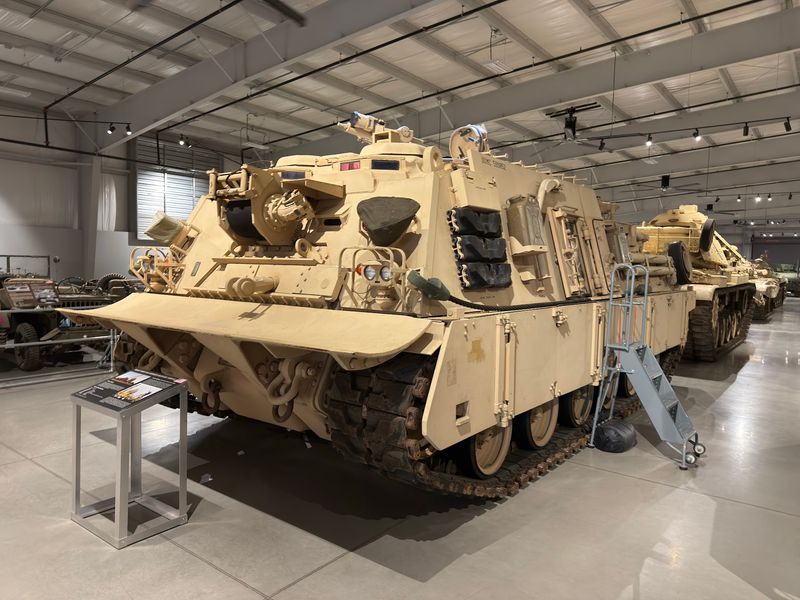
Size can fool you here. The museum is largely one big room, and it is packed to the brim with tanks, artillery, and trucks.
Even with everything parked closely, the layout stays easy to get around. You can see the whole collection without backtracking through a maze.
The space is described as extremely clean and well lit. Neat and tidy displays make the newer building feel polished from the moment you enter.
It is a smaller venue than the massive air museums in the area. Some find the number of vehicles modest for the price, so set expectations accordingly.
Crowds tend to stay light. Because it is still something of a hidden find, you can take your time without feeling rushed.
A couple of hours is a comfortable window for most people. Serious history fans may want longer to read every plaque and chat with volunteers.
Compact but dense is the best way to sum up the floor plan. Families will want to know about one more feature beyond the vehicles.
10. A Playground and a Gift Shop Surprise
Not every highlight has treads. Kids have a playground to enjoy, which gives little ones a break between exhibits.
Young children often light up at the vehicles themselves. Parents of small boys in particular mention how much their kids loved seeing everything.
Then there is the gift shop, which surprises a lot of people. Some even call it the real standout, with lots of interesting items for gift needs.
Plenty of guests admit to spending good money there with zero regrets. Toy tanks are a popular pick for kids heading home.
One small catch for families with strollers or mobility needs is the doors. The front and side entrances do not have automatic door functions, so plan for a little extra effort.
Those details make the museum easier to plan around. A quick shop stop and a playground break can stretch a short visit into a relaxed afternoon.
Families tend to leave happy and carrying a bag or two. Before you buy tickets, though, there is a money-saving trick every local should know.
11. The Combo Ticket Trick
Smart locals rarely pay full price twice. The most repeated advice is to buy the combo ticket that covers both this museum and the Pima Air and Space Museum.
Doing so can save a few dollars per person. For a family of four, that adds up quickly.
There is another bonus worth knowing. A ticket bought at Pima Air and Space is also valid here, as long as you do not arrive too late.
That last part matters. The museum closes at 5 PM, so leave enough time after the aircraft hangars to enjoy the tanks properly.
Some guests do feel the price runs a little high on its own. Bundling it with Pima helps that value question a lot.
Exact prices can change, so check the official website before heading out. Confirming current rates keeps any surprises off the table.
A little planning at the ticket window goes a long way. Speaking of planning, there is a whole military museum circuit waiting nearby.
12. Tucson’s Military Museum Triple Play
Tucson is getting spoiled, at least when it comes to aviation and military history. This museum slots neatly into a full day with its famous neighbors.
Pima Air and Space is right next door, making it the obvious partner. Many people treat the vehicle museum as the perfect add-on to that visit.
The Titan Missile Museum also pairs well with it. Linking all three creates a history-packed weekend for anyone who loves big machines.
For Phoenix residents, that combination makes the drive south far more rewarding. One trip can cover hangars, missile history, and tank treads.
Tucson locals have the easier commute. A free Saturday morning can turn into a hands-on outing without much travel at all.
Stacking stops does take some timing. Start early so the vehicle museum does not get squeezed before its 5 PM close.
Plotting the route is half the fun for a true insider. Once you know when the doors open, the rest falls into place.
13. Hours, Timing, and the Growing Grounds
Good news for flexible schedules. The museum is open seven days a week, from 9 AM to 5 PM.
That consistency makes weekday and weekend trips equally easy. No need to memorize a confusing calendar.
Being an indoor attraction, it works well in the warmer months. Summer visitors can tour the main collection out of the sun and save the outdoor pieces for a quick look.
Morning arrivals give you the most breathing room. That is especially true if you are pairing it with Pima or booking the truck ride.
The outside display hints at bigger plans. Expansion appears to be in the works, and more additions are expected over time.
Having only opened fairly recently, the collection is still growing. Many people say they plan to come back and see how it develops.
For details or ride bookings, the website at tucsonmilitaryvehicle.org is the best starting point. With logistics handled, all that is left is deciding whether it fits your crew.
14. A Worthy Weekend Mission
So who should make the drive? Military history fans will feel right at home, especially those who already know the stories behind the vehicles.
Families score too. Kids get up-close tanks, a playground, and maybe a toy souvenir for the ride home.
Total newcomers may find it less gripping on their own. Chatting with volunteers and reading the plaques can bridge that gap nicely.
The size is modest, and the price on its own may feel steep to some. Pair it with Pima using the combo ticket, though, and the math looks much better.
What really sets it apart is access. No ropes in the center, a $5 truck ride, and a crowd that stays manageable make it feel personal.
It is also still young and growing. A visit now means bragging rights later, once everyone else catches on.
For Arizona locals who like finding the hands-on spot first, this one earns a place on the weekend list. Book the ride, grab the combo pass, and let the tanks do the talking.
Share this story