In one Pennsylvania graveyard, a road splits the grounds in two. Legend says fairies flit around one side, while a wailing banshee claims the other.
That is the kind of story I can’t resist. Another old burial ground has a crypt marked with a single mysterious letter. Elsewhere, people toss pennies onto a famous founder’s grave, and some say he tosses them back.
I love that these stories live in real places you can visit in daylight. Many are historic landmarks with gorgeous old trees, carved angels, and names you might know from history class. The legends just add a little shiver to the scenery.
So grab a friend, a flashlight for the walk to the car, and a healthy sense of humor. These cemeteries may look peaceful in the daylight, but their stories have a way of following you home.
1. Laurel Hill Cemetery
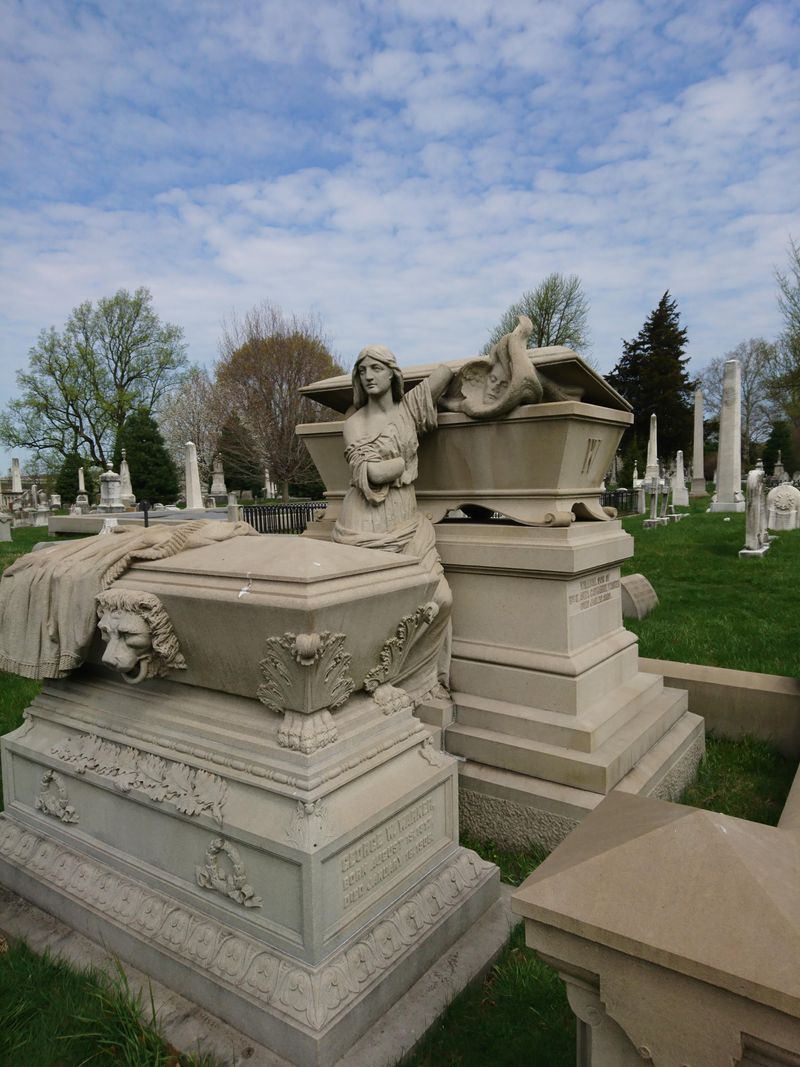
Most cemeteries don’t sell tickets for evening events, but Laurel Hill has turned twilight among the tombs into a local tradition.
The cemetery opened in 1836, and it ranks among the earliest rural garden cemeteries in America.
Back then, the idea was pretty new.
People were invited to stroll, picnic, and admire the views, almost like a park with very quiet neighbors.
Today, Laurel Hill is a National Historic Landmark, which is a big honor for a burial ground.
It’s also an accredited arboretum, so the trees here are as impressive as the stone carvings.
Those carvings are a big reason people visit.
You’ll find towering obelisks, weeping figures, Egyptian-style tombs, and mausoleums perched on the hills above the Schuylkill River.
Famous residents add to the history lesson.
Union General George Meade, the commander at Gettysburg, rests here among many notable Philadelphians.
So where do the ghost stories come in?
Visitors and paranormal fans have shared tales of shadowy shapes drifting between monuments and whispers with no clear source.
Are those reports proof of anything?
Probably not, but the setting sure helps your imagination run wild, especially when long shadows stretch across the marble.
Here’s a smart move if you want the spooky side without wandering alone.
Laurel Hill hosts guided tours and seasonal evening events, and they often sell out around Halloween.
Going with a guide means you get the real history behind the legends.
You also get a group, which feels much better when a branch snaps somewhere behind you.
Daytime visits are rewarding too, and honestly the views are better.
Bring comfortable shoes, because the hills and winding paths give your legs a real workout.
Keep the visit respectful, since this is still an active cemetery with families visiting loved ones.
Stick to the paths and avoid leaning on fragile old stones.
Laurel Hill proves Philadelphia can make even a graveyard feel grand.
Just don’t be surprised if you glance over your shoulder once or twice on the way out.
Address: 3822 Ridge Ave, Philadelphia, PA 19132
2. Gettysburg National Cemetery
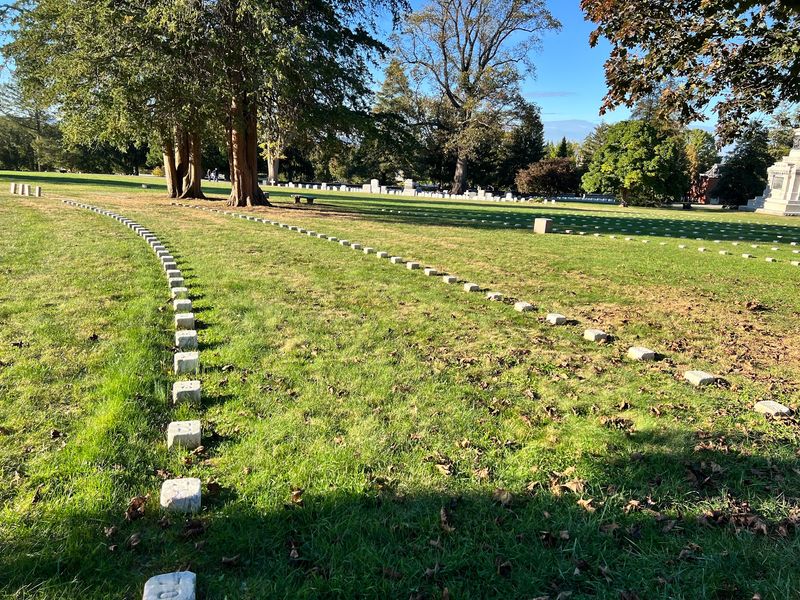
Just 272 words changed this hilltop forever.
President Abraham Lincoln delivered the Gettysburg Address here on November 19, 1863, when the cemetery was dedicated.
That short speech became one of the most famous in American history.
Standing on the same ground can give you goosebumps before any ghost story even starts.
The cemetery holds the remains of about 3,500 Union soldiers from the Battle of Gettysburg.
Many of their small headstones are arranged in curved rows by state, circling the Soldiers’ National Monument.
Some markers carry only a number or the word unknown.
Those simple stones hit hard, and they remind you how many young men never made it home.
Over time, the cemetery grew to include veterans from later conflicts too.
It’s part of Gettysburg National Military Park, run by the National Park Service.
With so much heavy history packed into one place, it’s no shock that ghost stories followed.
Visitors have reported phantom footsteps, odd cold spots, and faint sounds drifting across the grounds.
Gettysburg as a whole is famous for these tales.
The town even has plenty of ghost tour companies, so the legends are a big part of local culture.
Still, treat this spot with extra care.
It’s a national cemetery, and park rules ask visitors to keep things quiet and respectful.
Plan your visit for daylight, since the cemetery is open from dawn to dusk.
That means no sneaking in at midnight with a camera, no matter how tempting it sounds.
A great plan is to start at the Museum and Visitor Center nearby.
Learning the story of the battle first makes the rows of stones feel even more meaningful.
Look for the Lincoln Address Memorial while you walk the grounds.
It’s a fitting stop that ties the whole visit together.
You may not hear any ghostly drums here.
Yet many visitors in Pennsylvania leave this hill feeling like they weren’t quite alone.
Address: 97 Taneytown Rd, Gettysburg, PA 17325
3. Evergreen Cemetery
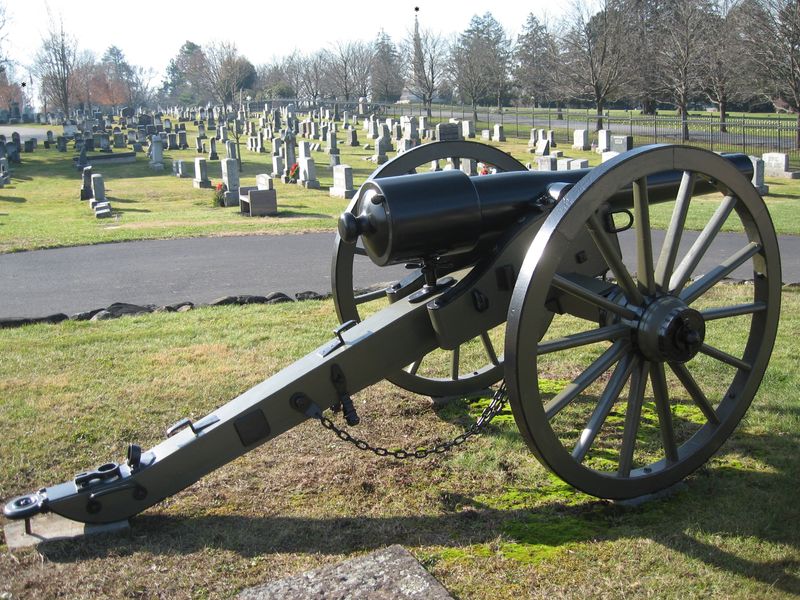
Talk about a rough summer.
In July 1863, the caretaker’s wife at this cemetery, Elizabeth Thorn, helped bury dozens of soldiers after the battle while she was six months pregnant.
Her husband was away serving in the Union Army.
So Elizabeth, her elderly father, and others took on the grim job in the summer heat.
Evergreen Cemetery sits on Cemetery Hill, right next door to Gettysburg National Cemetery.
In fact, Cemetery Hill got its name from Evergreen, which was founded in 1854.
The arched brick gatehouse is the star of the show.
Built in 1855, it served as the Thorn family home and later appeared in plenty of Civil War photographs.
During the battle, Union troops used the hill as a key position.
Cannons sat among the gravestones, which is a strange image to hold in your mind as you walk.
Today, a statue honors Elizabeth Thorn and the women of Gettysburg.
It shows her looking tired but determined, and it’s one of the most moving sights here.
Of course, a hill with that history collects legends.
Gettysburg ghost tours often mention the gatehouse, with stories of figures in windows and unexplained noises.
Whether you believe them is up to you.
The real history is powerful enough to make the hair on your arms stand up.
Evergreen is also the final resting place of Jennie Wade.
She was the only civilian known to lose her life during the battle, and her grave draws many visitors.
Her monument features an American flag that flies around the clock.
That’s a rare honor, and it’s a detail worth seeking out.
Remember that Evergreen is a working cemetery with local families.
Walk gently, keep your voice down, and enjoy the old stones without touching them.
Pair this stop with the national cemetery for a full afternoon.
Together, they tell a fuller story of Gettysburg than either one alone.
Address: 799 Baltimore St, Gettysburg, PA 17325
4. Allegheny Cemetery
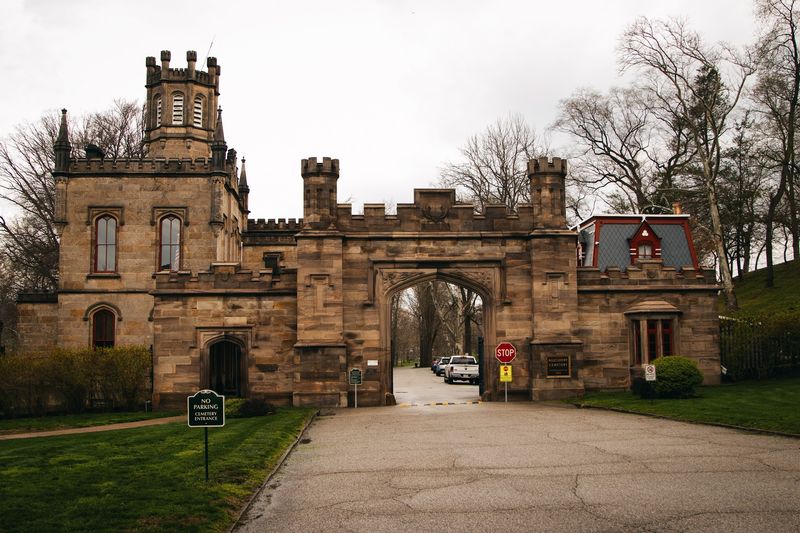
Pittsburgh’s most famous songwriter rests here, and yes, that means the man behind Oh! Susanna.
Stephen Foster is buried at Allegheny Cemetery, along with plenty of other big names.
The cemetery was incorporated in 1844.
That makes it one of the oldest rural cemeteries in the country, and it’s still active today.
Size is part of the drama here.
The grounds cover roughly 300 acres in Lawrenceville, so you could easily spend an afternoon wandering and still miss sections.
Start at the Butler Street gatehouse, a Gothic Revival stone building that looks straight out of a storybook.
It sets the tone for the winding roads and hills beyond.
Victorian monuments, mausoleums, and old trees fill the landscape.
It’s beautiful, but the quiet can feel a little intense once you’re deep inside.
Who else calls this place home?
Stage star Lillian Russell and Negro Leagues legend Josh Gibson are both buried here.
Then there’s Harry K.
Thaw, a wealthy Pittsburgh heir tied to a notorious 1906 crime in New York.
His name pops up often in local ghost talk about the cemetery.
Paranormal stories about Allegheny tend to center on its age and size.
When you combine old stones, fog, and hundreds of acres, imaginations get busy fast.
The cemetery is listed on the National Register of Historic Places.
It also hosts history-focused tours from time to time, which are worth checking out.
For a self-guided visit, grab a map at the entrance if one is available.
Getting turned around in a huge graveyard is a classic movie mistake.
Wear good shoes and bring water on warmer days.
The hills are steeper than you might expect.
Allegheny Cemetery gives western Pennsylvania a true heavyweight among historic burial grounds.
Go for the history, stay for the views, and leave before your nerves start humming.
Address: 4734 Butler St, Pittsburgh, PA 15201
5. Christ Church Burial Ground
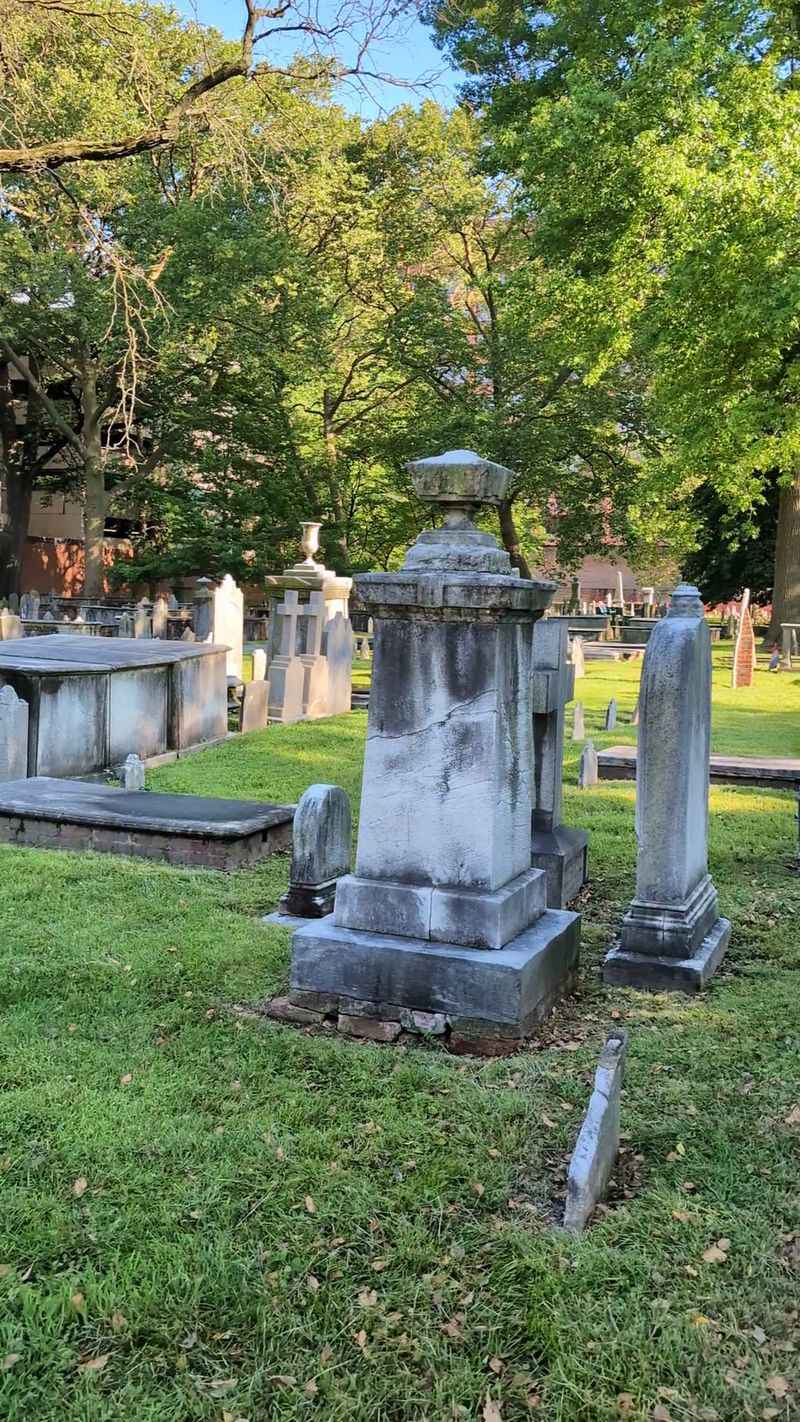
Pennies from heaven?
At this colonial graveyard, visitors toss coins onto Benjamin Franklin’s grave, and legend says he occasionally tosses them back.
The penny habit nods to the famous saying about a penny saved.
Franklin’s flat marble slab often glitters with coins, which makes for a fun photo.
Christ Church Burial Ground dates to 1719.
It’s one of the oldest burial grounds in Philadelphia, and its brick walls sit right in the busy historic district.
Franklin isn’t the only big name inside.
Four other signers of the Declaration of Independence rest here, along with Revolutionary War figures and early city leaders.
Many headstones are so worn that the words have nearly faded away.
Preservation work helps protect them, and you can see why it matters once you’re up close.
Now for the spooky stuff.
Ghost tours in Old City often stop by, sharing tales of shadowy figures and cold spots near the old stones.
A ghostly founding father flicking coins is honestly more funny than scary.
Still, it’s a fun legend to think about when you’re standing a few feet from his grave.
Here’s something practical to know.
The burial ground charges a small admission fee, and it keeps seasonal daytime hours, so check before you go.
Franklin’s grave also sits beside the fence at Fifth and Arch Streets.
So you can peek at it through the railing even if the grounds are closed.
Christ Church itself is a short walk away and well worth a stop.
George Washington and other founders worshipped there.
Bring a few pennies if you like the tradition.
Just toss gently, since those old stones deserve kind treatment.
Philadelphia packs a lot of history into a small space.
This little graveyard might be the most charming, slightly spooky corner of it.
Address: N 5th St and Arch St, Philadelphia, PA 19106
6. Washington Square
Kids toss frisbees here and office workers eat lunch on the benches.
Underneath the grass, though, thousands of people lie buried.
Washington Square was one of the original public squares in William Penn’s 1682 city plan.
For much of the 1700s, it served as a potter’s field, a burial ground for people who couldn’t afford a church plot.
Soldiers from the Revolutionary War were buried here.
So were many victims of the yellow fever outbreak of 1793, along with free and enslaved Black Philadelphians.
Today, the square is part of Independence National Historical Park.
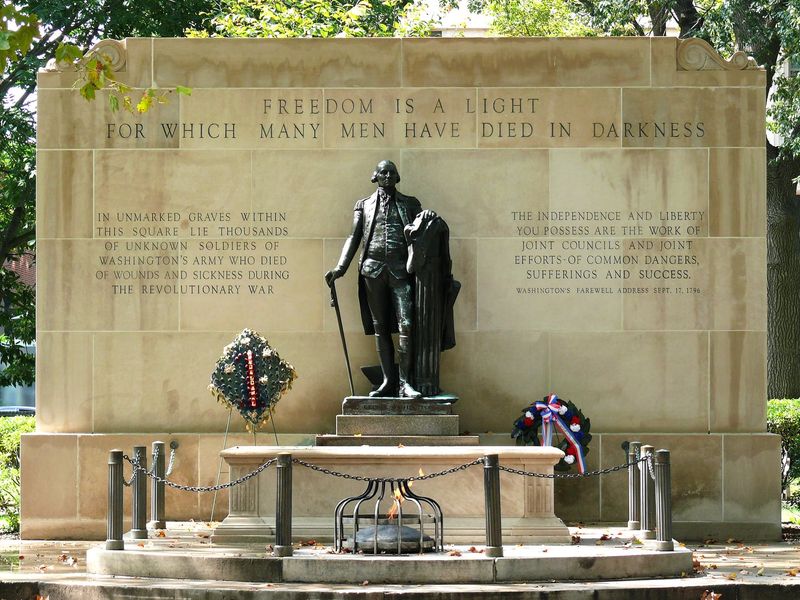
Its centerpiece is the Tomb of the Unknown Revolutionary War Soldier, with a statue of George Washington and an eternal flame.
That flame is a powerful touch.
It honors thousands of soldiers whose names were never recorded.
Now, about the ghost.
The best-known legend features a Quaker woman named Leah who supposedly guarded the graves from body snatchers long ago.
Some say she still makes her rounds after dark.
Others report feeling watched while crossing the square at night.
Is a phantom Quaker keeping an eye on you?
Probably not, but the story gives your evening walk a little extra spice.
Since it’s a public park, the square stays open and free to visit.
That makes it one of the easiest haunted spots in Pennsylvania to explore.
Spend a moment reading the inscriptions near the tomb.
They help you understand why this green space carries so much weight.
Old City ghost tours often swing through here too.
Joining one is a fun way to hear the legends with a friendly crowd.
You’d never guess the history from a sunny afternoon picnic.
Once you know it, though, the shady paths feel a bit different.
Address: 210 W Washington Square, Philadelphia, PA 19106
7. Mount Moriah Cemetery
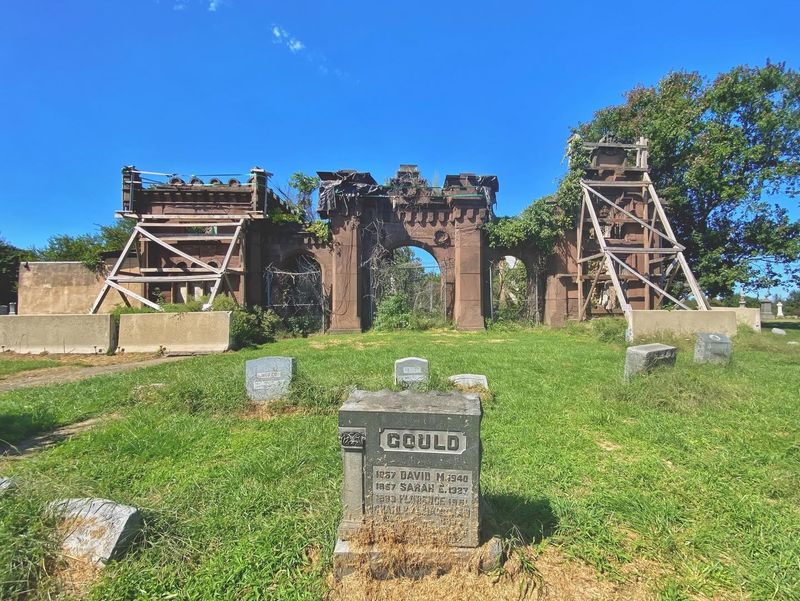
Few places look as much like a horror movie set as this one.
Mount Moriah is the largest cemetery in Pennsylvania, and parts of it went wild after its owners vanished from the picture.
The cemetery was founded in 1855.
It grew to stretch across the line between Philadelphia and Yeadon in Delaware County.
For generations, it was a respected Victorian burial ground.
Grand monuments, a stone gatehouse, and sweeping hills drew families from across the city.
Then things fell apart.
By 2011, the last member of the cemetery association had passed on, and the gates were shut.
Nature quickly moved in.
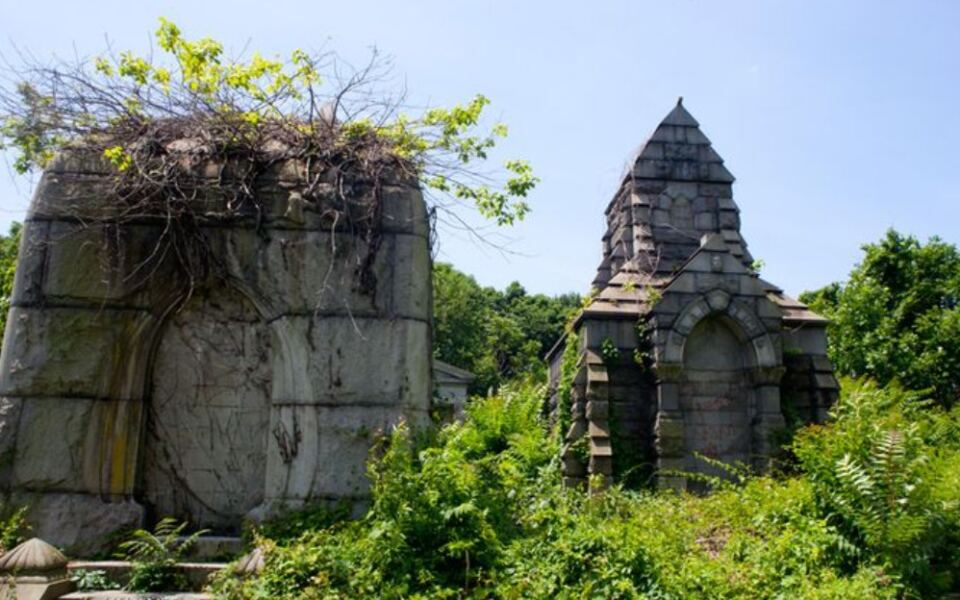
Weeds, vines, and young trees swallowed graves, and some sections started to look more like a forest than a cemetery.
That’s when the community stepped up.
The Friends of Mount Moriah Cemetery formed to clear brush, fix damage, and welcome visitors back.
Thanks to volunteers, large areas are now open and cared for again.
Their cleanup days have become a real neighborhood effort.
The overgrown history gives Mount Moriah a strong spooky reputation.
Leaning stones, crumbling vaults, and silent woods make it easy to imagine strange things in the shadows.
Notable burials add to the intrigue.
Betsy Ross was once buried here before being moved to her home on Arch Street.
The grounds also include military plots with Civil War veterans and naval sections.
They’re among the best-kept areas, so they make a good starting point.
Please don’t come alone, and stick to daylight hours.
The cemetery is huge, and some areas remain rough and uneven.
Want to help instead of just looking?
Joining a volunteer cleanup is a great way to see the place and give something back.
Mount Moriah shows how fast history can slip away.
It also shows how much a determined group of neighbors can save.
Address: 6201 Kingsessing Ave, Philadelphia, PA 19142
8. Erie Cemetery
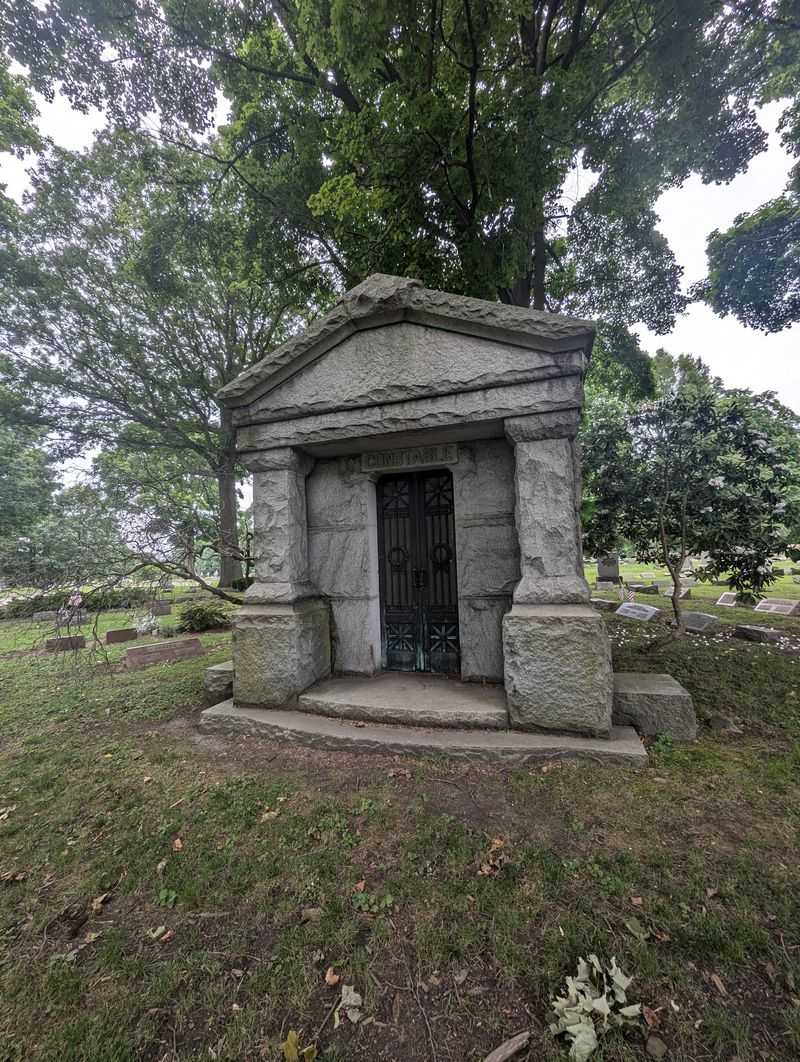
A single letter V on a crypt door has sparked more rumors than most novels.
That crypt sits in Erie Cemetery, and local lore insists it holds something unusual.
The cemetery was dedicated in 1851.
It covers about 75 acres near the heart of Erie, close to the shores of Lake Erie.
More than 50,000 people are buried here.
Among the stately Victorian monuments, two legends get most of the attention.
First up is the so-called Witch’s Circle.
It’s a ring of headstones gathered around a tree, and the stones have turned dark over the years.
Legend says two witches were buried there and the stones blackened when something sinister came to collect them.
A more likely explanation is weathering and the type of stone used, but that’s less fun around a campfire.
Next comes the Vampire Crypt.
The mausoleum bears only a V, and local stories claim one of its occupants was a vampire from Eastern Europe.
No evidence supports that idea, of course.
Still, it’s hard not to pause when you finally find it.
Beyond the legends, Erie Cemetery is a lovely place to learn about the city.
Many of its founding families and civic leaders rest here.
The grounds feature mature trees, curving drives, and impressive stonework.
Fall brings especially pretty colors.
Plan for a daytime visit, since the gates have set hours.
Finding the famous spots can take some searching, so give yourself time.
Be polite about it, too.
These graves belong to real families, and the legends shouldn’t lead to damage or disrespect.
Erie Cemetery serves up a strange mix of real history and wild imagination.
It’s easily one of the quirkiest stops in northwestern Pennsylvania.
Address: 2116 Chestnut St, Erie, PA 16502
9. Dravo Cemetery
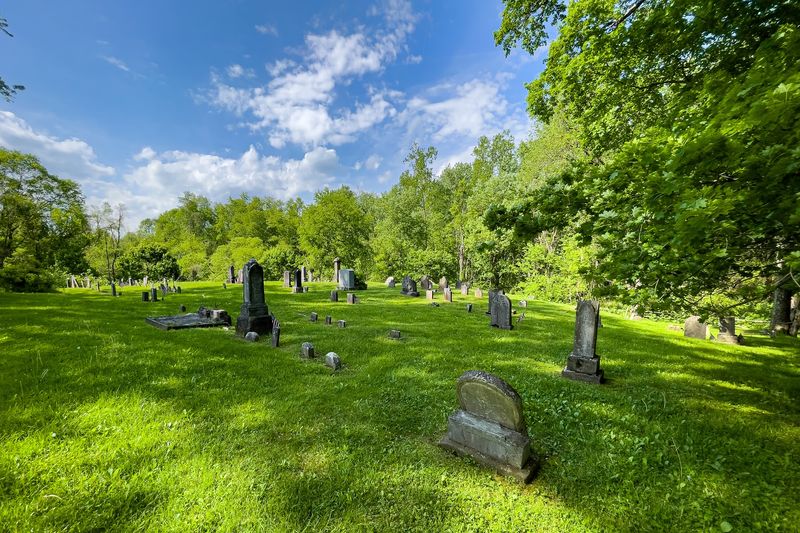
Bikers on a peaceful riverside trail sometimes roll right past a cemetery with a spooky reputation.
Dravo Cemetery sits in the woods along the Youghiogheny River, beside the Great Allegheny Passage trail.
The burial ground dates back to the early 1800s.
It once stood beside a Methodist church in a small community that has since faded away.
According to local history, the church burned more than once.
Sparks from passing trains were blamed, and the congregation eventually moved on.
For years, the cemetery sat neglected.
Volunteers and local historians later stepped in to clear it and care for the graves.
Many of the stones mark children.
Like many old cemeteries, Dravo reflects a time when illness hit young families hard.
Veterans of the War of 1812 and the Civil War are buried here as well.
Their stones give the quiet clearing a sense of real weight.
So what about the ghosts?
Local legends mention phantom train sounds, eerie lights, and even a strange two-headed dog roaming the area.
That last one is a bit much, right?
Still, it’s the kind of tale that gets passed around campfires at the nearby Dravo campground.
Getting here means using the trail, since there’s no road that pulls right up.
Biking or walking in adds a fun sense of adventure.
Bring water, bug spray, and a charged phone.
The area feels remote, and cell service can be spotty in spots.
Daylight is your best bet for a visit.
The woods get very dark at night, ghost or no ghost.
Stay respectful and leave the site as you found it.
Volunteers have worked hard to keep this small piece of history alive.
Dravo blends nature, local history, and a dash of legend.
It’s a memorable detour for anyone exploring southwestern Pennsylvania by bike.
Address: Youghiogheny River Trail near Dravo Landing, Elizabeth Township, PA 15037
10. Wildwood Cemetery
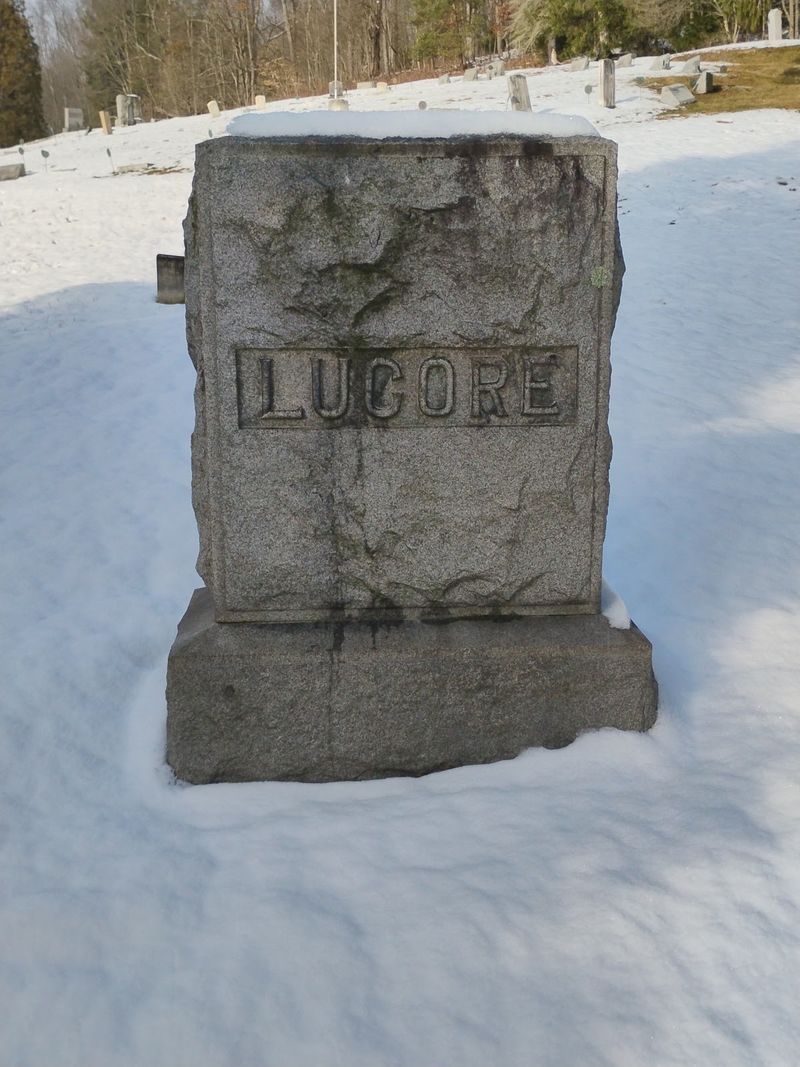
Pick a side, any side, but choose carefully.
At Wildwood Cemetery, local legend says the road through the grounds splits good spirits from bad ones.
The cemetery opened in 1863 in Williamsport.
Back then, the city was booming thanks to the lumber industry, and its wealthy families wanted an elegant resting place.
You can see that wealth in the monuments.
Many of Williamsport’s lumber barons and civic leaders rest beneath impressive stones on the wooded hills.
Now for the legend that makes Wildwood famous.
The western side, where some of the oldest graves sit, is said to be the dark half.
Stories claim a banshee wails there at night.
In Irish folklore, a banshee is a female spirit whose cry is a very bad omen.
The eastern side gets a much friendlier reputation.
Legend says fairies dance among the stones there, which sounds almost sweet.
Honestly, that contrast is what makes this place so fun.
It’s like a fairy tale and a horror story sharing the same address.
Wildwood is free to visit and open daily during set hours.
The gates close in the early evening, and the time shifts with the seasons.
That means banshee hunting after dark is off the table.
Daylight is better for spotting the carved details anyway.
The setting is lovely, with hills and trees framing the old stones.
Autumn is especially scenic, when the leaves start turning.
Take your time and read a few names.
They tell the story of how Williamsport grew from a river town into a lumber capital.
Stay on the roads and paths, and treat the grounds with care.
Families still visit loved ones here.
So which side would you explore first?
Pennsylvania doesn’t offer many cemeteries where you get to choose between fairies and a banshee.
Address: 1151 Cemetery St, Williamsport, PA 17701
Share this story