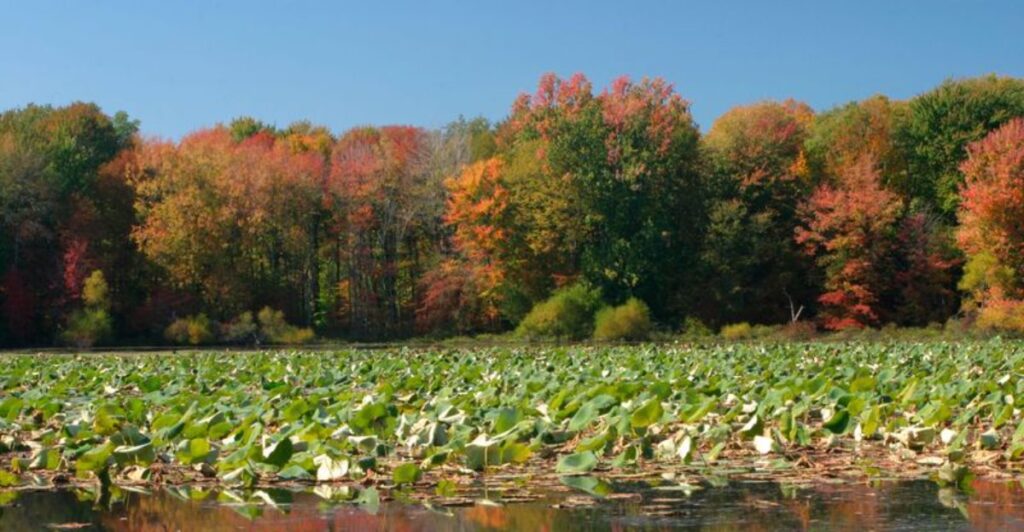
A quick stop barely scratches the surface of Pymatuning State Park in Jamestown, Pennsylvania. With about 16,892 acres, it ranks among Pennsylvania’s largest state parks and offers enough lake views, trails, and outdoor fun to fill several days. Come for a paddle or a picnic, then stay for camping, wildlife watching, fishing, and a sunset that makes your phone feel easy to forget. The park’s expansive lake and miles of shoreline create plenty of opportunities to slow down and enjoy the scenery, whether you’re spending the day on the water or simply wandering along the trails.
Families can find plenty to do, while those looking for a quieter escape can settle into a peaceful spot and take in the surrounding landscape. With so much room to explore, it’s easy to see why one visit may leave you planning another. Pack for a full day—or a few—and give yourself enough time to experience more than just the highlights.
1. Give Yourself Several Days to Explore the Park
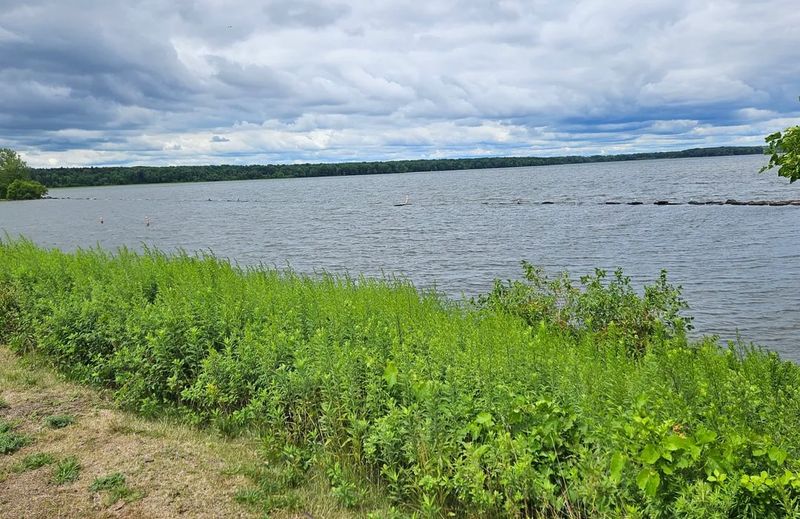
Your first surprise may be how much space lies beyond the parking lot.
Pymatuning State Park spreads across a broad landscape of water, woods, and recreation areas, so a single afternoon cannot show you everything.
Start by checking the official Pennsylvania park map and choosing a few stops close together.
The reservoir crosses the Pennsylvania and Ohio border, but this trip focuses on the Pennsylvania park and its Jamestown area.
Give each day a different purpose instead of racing between activities.
Spend one day near the water, another exploring trails and wildlife viewing spots, and a third enjoying the campground or a relaxed picnic.
Keep driving time, weather, and meal breaks in your plans.
Download useful information before arrival, since phone service can vary around large outdoor areas.
A loose schedule works better than a packed checklist here.
Leave room for an unexpected bird sighting, a longer lunch, or another hour watching the lake change color before heading back to your campsite.
2. Let a Quiet Paddle Set the Vacation Pace
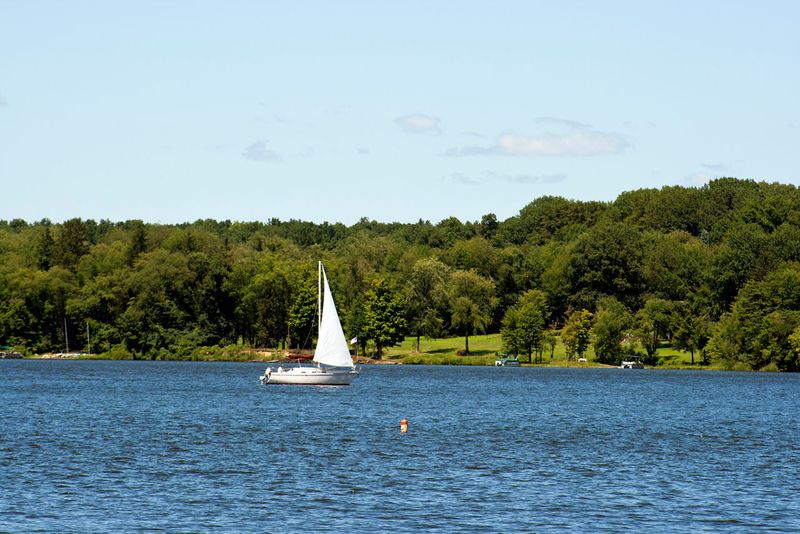
A paddle dipping into still water can make a busy week feel far away.
Pymatuning Reservoir gives visitors room to enjoy boating, with quieter shoreline stretches offering a slower way to experience the park.
Choose a kayak or canoe that matches your skill level, and wear a properly fitted life jacket.
Beginners should stay close to their launch area rather than aiming for a long crossing.
Check the wind forecast before setting out because broad water can become choppy quickly.
Morning conditions may be calmer, but never assume the lake will stay that way throughout your outing.
Pennsylvania registration or launch permit requirements depend on the craft and where you launch.
Review current rules, rental options, and launch locations through official park information before making plans.
Bring drinking water, sun protection, and a waterproof pouch for essentials.
Turn around while you still feel fresh, leaving enough energy for the return trip and another adventure after you reach shore later that same day.
3. Make Fishing More Than a Quick Shoreline Stop

Some vacations run on alarm clocks; a fishing day runs on patience.
Pymatuning Reservoir is known for fishing, with anglers pursuing species such as walleye, crappie, perch, and muskellunge.
You do not need a boat to build fishing into your visit.
Look for permitted shoreline access, then choose a spot where everyone can cast safely without crowding walkers or nearby anglers.
Before unpacking your tackle, review current fishing regulations and license requirements.
Because the reservoir touches two states, check the rules that apply to your location rather than guessing that every border water works the same way.
Pack pliers, a small tackle box, drinking water, and something comfortable to sit on.
Families may enjoy shorter sessions with snack breaks instead of spending an entire day waiting for bites.
Ask about seasonal conditions before choosing bait or lures.
Even when the fish refuse to cooperate, an unhurried morning beside the water can become one of the trip’s best memories to take home afterward.
4. Trade Your Car Seat for a Woodland Walk
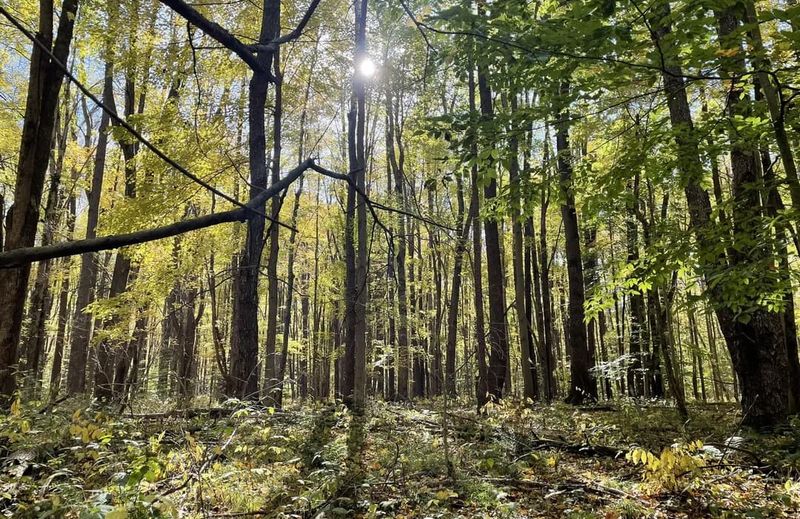
After a morning on the lake, solid ground feels like a fresh adventure.
Walking the park’s trails lets you notice details that disappear from a car window, from textured bark to birds moving through branches.
Use the official trail map to select a route that fits your group’s energy and mobility.
Do not assume every path forms a loop or returns to the same parking area.
Wear shoes with good traction, especially after rain when roots and muddy patches can become slippery.
Carry water even on a short outing, and bring insect repellent during warmer months.
For children, turn the walk into a simple observation game.
Look for three leaf shapes, listen for different bird calls, or compare the colors of tree bark without taking anything home.
Stay on marked routes and give wildlife plenty of space.
A modest walk leaves time for other activities while adding a completely different view of Pymatuning’s landscape beyond the busy launch areas and picnic spots.
5. Bring Binoculars for the Park’s Wildest Moments

A dark shape above the reservoir might turn into the highlight of your day.
Pymatuning’s water and surrounding habitats attract birds, making wildlife watching a rewarding activity even without a long hike.
Bald eagles are among the birds visitors hope to spot, while waterfowl and other species change with the seasons.
Sightings are never guaranteed, which makes each discovery feel earned rather than scheduled.
Bring binoculars if you have them, and scan trees, open water, and shoreline edges.
Early morning can offer pleasant viewing conditions, though birds remain active at different times throughout the day.
Keep voices low and watch from a respectful distance.
Never approach nests, feed wildlife, or enter restricted areas for a better picture.
A small notebook adds another layer of fun to the outing.
Record what you saw, where you stood, and the weather, then compare notes on your next visit to see how the park’s wildlife changes across different months and seasons throughout the coming year.
6. Save a Sunny Afternoon for Swimming and Picnicking
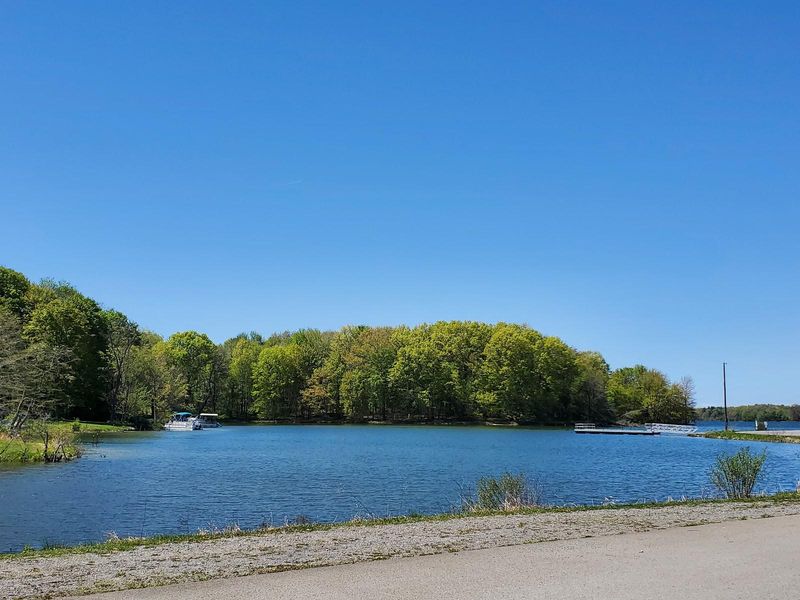
Sometimes the best plan involves a towel, a sandwich, and nowhere urgent to be.
The park’s designated swimming beaches and picnic areas offer a welcome break between more active adventures.
Check which beach areas are open during your visit and read posted swimming rules.
Use designated swimming areas rather than entering the water beside boat launches or other busy shoreline locations.
Do not count on lifeguard supervision, and watch children closely whenever they are near water.
Swimming conditions and temporary closures can change, so check current park notices before leaving your campsite.
Pack a cooler with easy meals, plenty of water, and snacks that hold up in warm weather.
Sunscreen, hats, and a spare set of dry clothes help keep the afternoon comfortable.
Choose an available picnic spot and clean up every scrap before leaving.
A relaxed meal by the reservoir gives your group time to recharge without turning the day into another complicated project or sending everyone back to town hungry.
7. Turn Your Campsite or Cabin into a Home Base
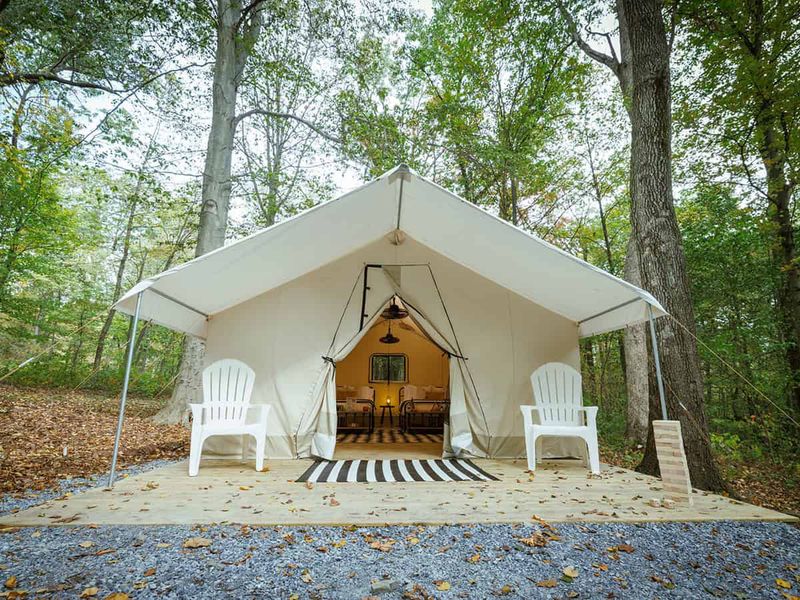
The adventure feels different when you do not have to drive home afterward.
Staying overnight at Pymatuning lets you enjoy early mornings and quiet evenings that day visitors often miss.
The park offers camping and cabin accommodations, with options and amenities varying by location.
Check the official reservation system for availability, site details, seasonal schedules, and any minimum stay requirements.
Choose your overnight setup around your actual needs.
Tent campers may value shade and nearby restrooms, while travelers bringing equipment should confirm site dimensions and available hookups before booking.
Reserve early for popular summer dates and holiday weekends.
Bring layers for cooler nights, rain protection, and a simple meal plan that does not require constant trips for supplies.
Follow campground quiet hours and current fire rules, and obtain firewood according to park guidance.
A comfortable base makes a longer stay easier, giving everyone a place to rest between fishing, walking, swimming, and exploring the reservoir at a pace that suits the whole group.
8. Leave Room for Sunset Beside the Reservoir

By evening, the same lake can look like an entirely new place.
Shifting light softens the shoreline, and reflections spread across the water as the day’s busiest activities wind down.
Pick a legal, accessible shoreline spot before sunset rather than searching after dark.
Check posted hours and make sure your parking area will remain available when you are ready to leave.
Bring a light jacket and a small flashlight for the return walk.
Insect repellent can also help during warm evenings, especially when you plan to sit still near the water.
You do not need fancy camera gear to enjoy the scene.
Take a few photos, then put the phone away long enough to notice the sounds and changing colors around you.
Cloud cover may hide the brightest display, but the pause can still be worthwhile.
Let sunset become a quiet ending to your day instead of one more attraction to rush through before heading back to your overnight base for dinner.
9. Build a Flexible Plan for Every Season
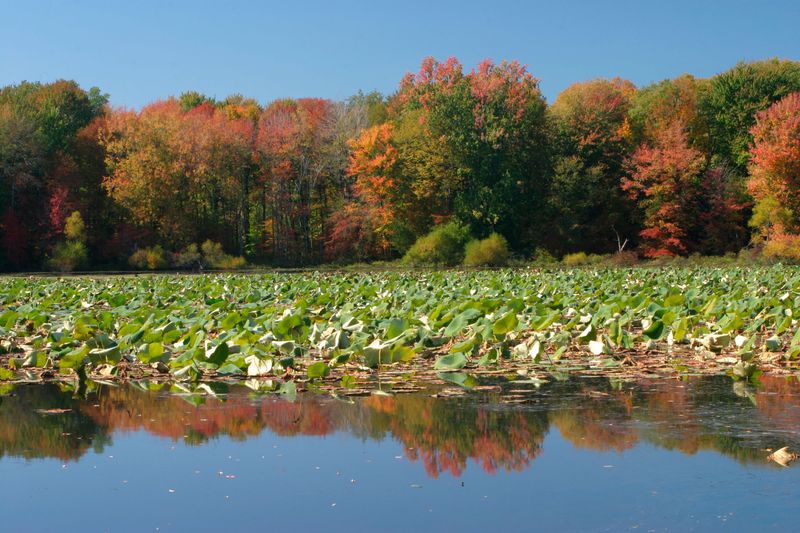
Rain does not have to ruin the trip, but a rigid schedule might.
Pymatuning rewards visitors who match their plans to the season, the forecast, and the group’s comfort level.
Summer brings warm weather for swimming and boating, along with busier recreation areas.
Spring and fall can suit walking and bird watching, though changing temperatures call for extra layers.
Winter visits require more preparation and careful checks of available facilities.
Never assume lake ice is safe, and confirm current conditions before considering any activity that depends on frozen water.
Before departure, review official park alerts, reservation details, and activity rules.
Keep an alternative ready for windy or stormy periods, and leave the water promptly if thunder or lightning threatens.
For a balanced stay, combine active outings with easy meals and generous rest breaks.
The goal is not to complete every possible activity, but to leave with a few memorable experiences and plenty of reasons to return for another visit in a different season.
Share this story