Somewhere south of the Twin Cities, a bank teller job from the early 1900s is still being explained to wide-eyed kids. A printing press still runs, a blacksmith still works, and a one-room schoolhouse still holds class.
Along dirt roads lined with a firehouse, a jail, a church, and a train depot, local history stops being a chapter in a textbook and becomes a place you can walk through. For vintage lovers and history buffs in Minnesota, it offers something rare: real buildings with real stories, kept alive by people who know them well.
The spot also turns into a holiday tradition each December, when volunteers string up lights and families return year after year. Keep reading to learn where it is, what waits inside each door, and how to time your trip.
A Pocket of the Past in Farmington
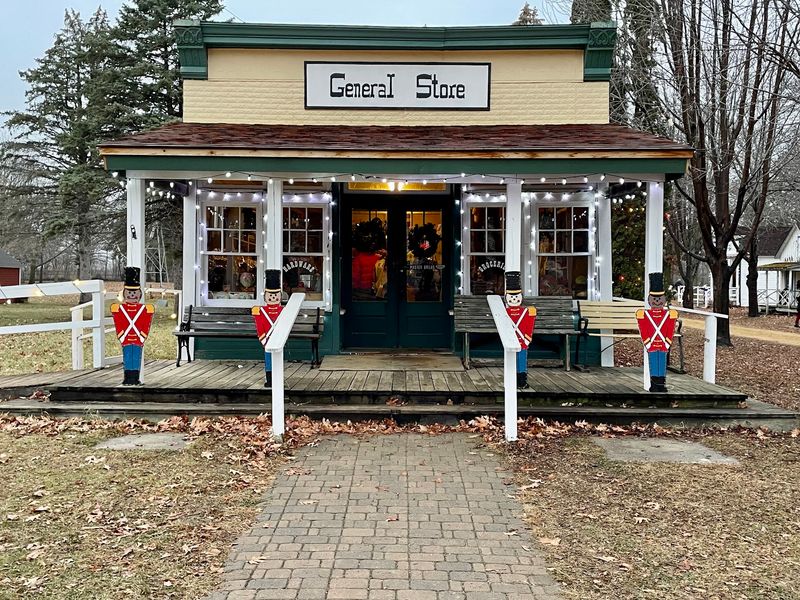
Tucked into a shady corner of a sprawling fairground sits a town that time politely forgot to update.
Dakota City Heritage Village is a museum at 4008 220th St W, Farmington, MN 55024, in the United States. It occupies part of the Dakota County Fairgrounds, a property that covers about 360 acres.
The village recreates life in rural Minnesota around the turn of the 20th century. Instead of glass cases and placards, the exhibits here are entire buildings, arranged along dirt roads like a small working town.
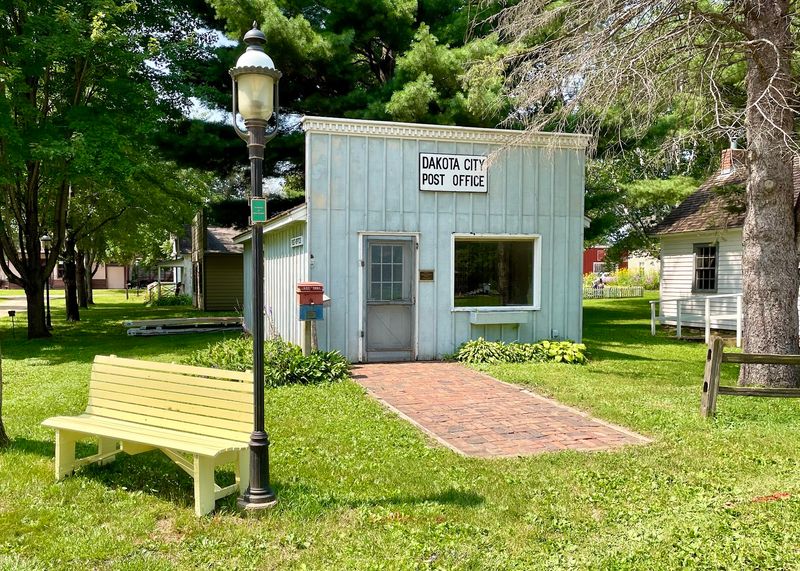
That layout is the whole point. You move from structure to structure the same way a resident would have, stopping at the bank, the store, or the post office as you go.
The museum holds a 4.6-star average from roughly 195 people on Google, which says a lot for a place run with so much volunteer energy.
Its location also gives it a double life. During the Dakota County Fair, it becomes a calm retreat from the crowds, and in December it transforms into a holiday destination.
Before planning anything, though, it helps to understand what actually fills those old doorways.
Main Street, Circa 1900
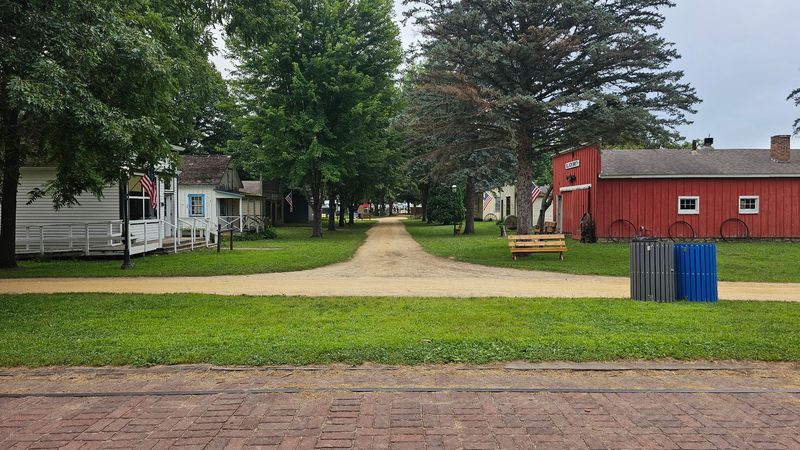
Count the buildings and the list starts to resemble a full town directory.
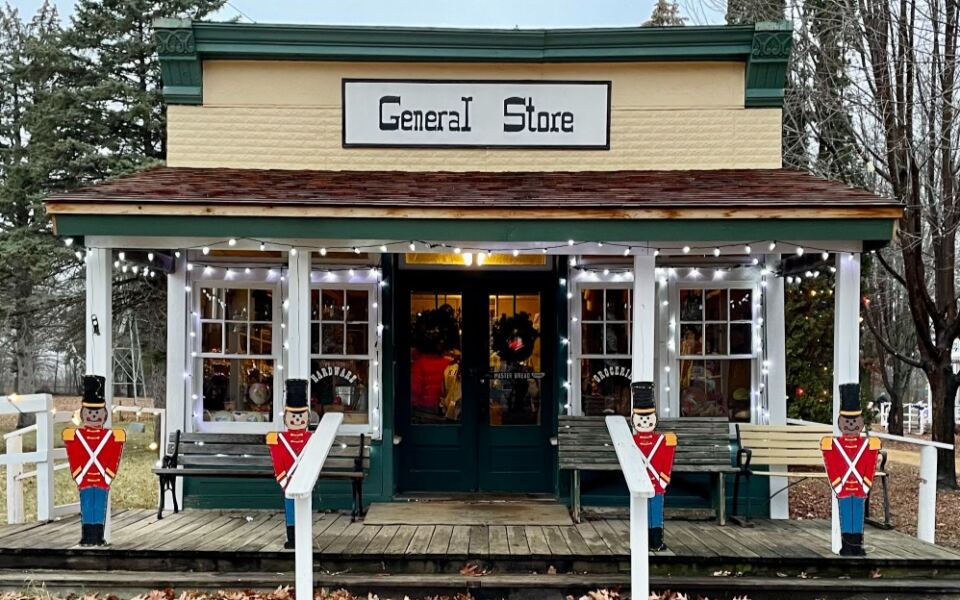
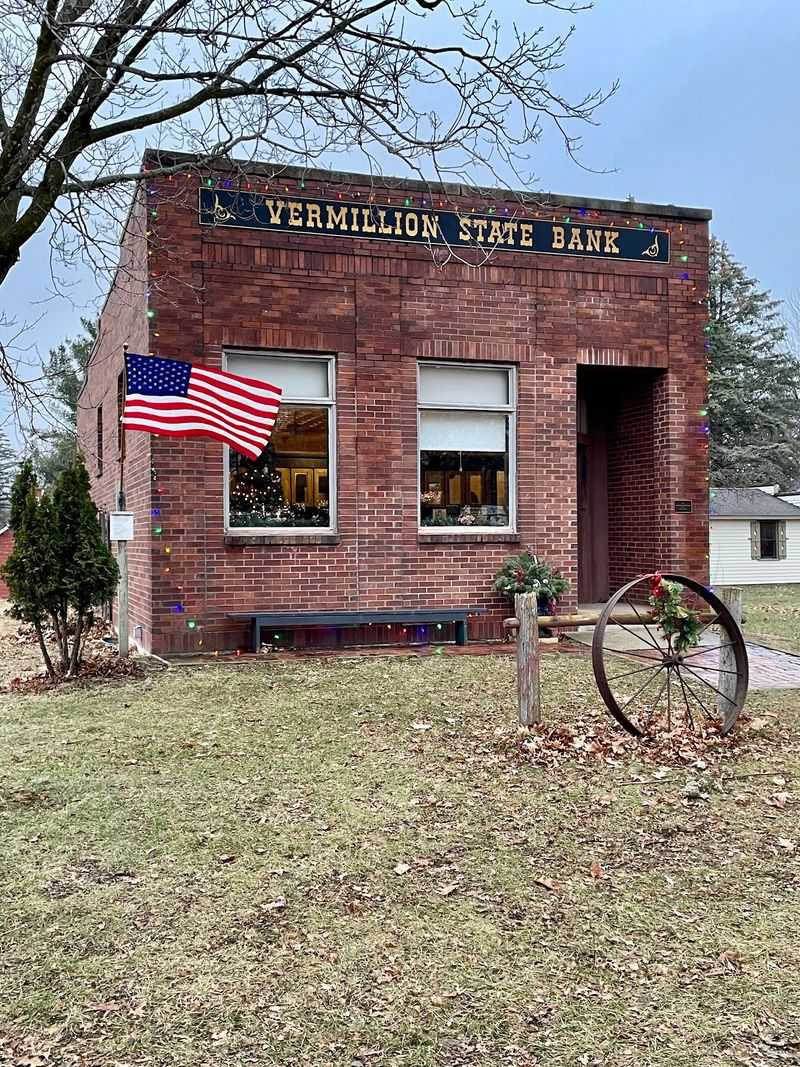
The village includes an old firehouse, a post office, a bank, a general store, a school, a church, a jail, and a train depot. Several other structures round out the collection.
Each one shows how a specific part of daily life once operated. Kids who attended camp here have come home describing how bank tellers did their jobs and what kinds of goods filled the general store shelves.
The variety keeps the walk interesting. One stop covers commerce, the next covers law and order, and another covers worship or schooling.
The roads between them are dirt, a small detail that does a lot of work. It removes the modern pavement and helps the scene feel more like the era it represents.
Vintage collectors will appreciate how much is on display inside these spaces. There are plenty of different buildings with items to explore, so there is reason to linger rather than rush.
Of all these structures, one tends to win over younger guests faster than the rest.
Lessons at the One-Room Schoolhouse
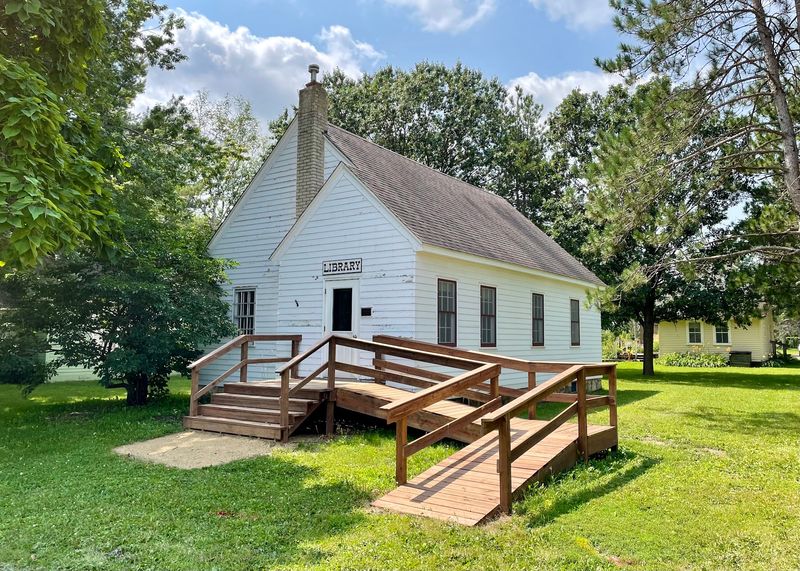
Recess used to look a lot different, and so did the classroom.
The one-room schoolhouse demonstration ranks among the village highlights, especially for field trip groups. It is interactive, which means children take part rather than just watching.
Staff here earn steady praise for being friendly and knowledgeable. That combination matters in a room full of curious students with endless questions.
The setup lets kids compare their own school day to one from more than a century ago. Different grades sharing one room is a concept that tends to spark plenty of conversation on the bus ride home.
Teachers looking for a hands-on outing will find the format easy to build lessons around. Families visiting on their own can also enjoy the school when it is open during events.
The educational angle runs through the entire village. It is detailed without being dry, which is a tricky balance many museums never quite strike.
Next door to the books, though, there is another kind of education happening with ink and iron.
Ink, Iron, and Old Trades
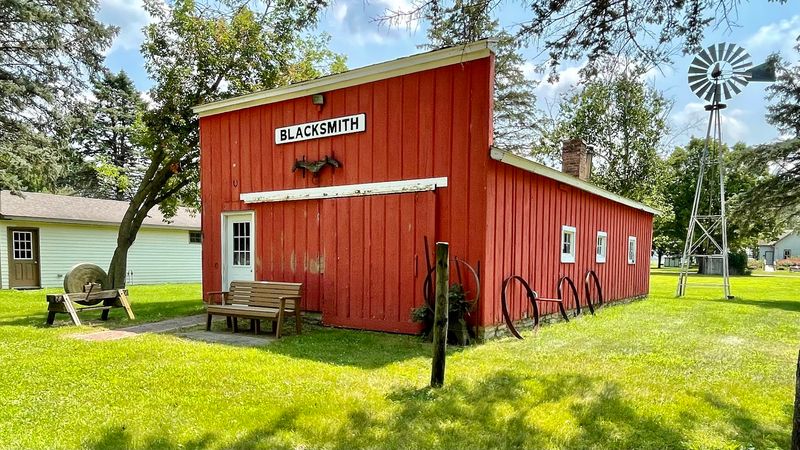
Teenagers glued to an antique machine is not a sight you see every day.
The printing press is one of the most talked-about features here. A group of young people has been seen thoroughly absorbed by the gentleman operating it.
The blacksmith draws its own fan club. Watching metal shaped by hand gives a clear picture of how much skill everyday objects once required.
For crafters, these demonstrations offer real value. They show traditional methods up close, explained by people who understand the process.
The trades connect to the bigger picture of town life. A newspaper needed a printer, and wagons and tools needed a smith.
Demonstrations depend on the day and the event, so checking the schedule ahead of time is wise. Fair days and special programs are the best bets for seeing these workshops in action.
Of course, a machine is only as interesting as the person running it, and that brings up the people of the village.
Costumed Guides With Real Knowledge
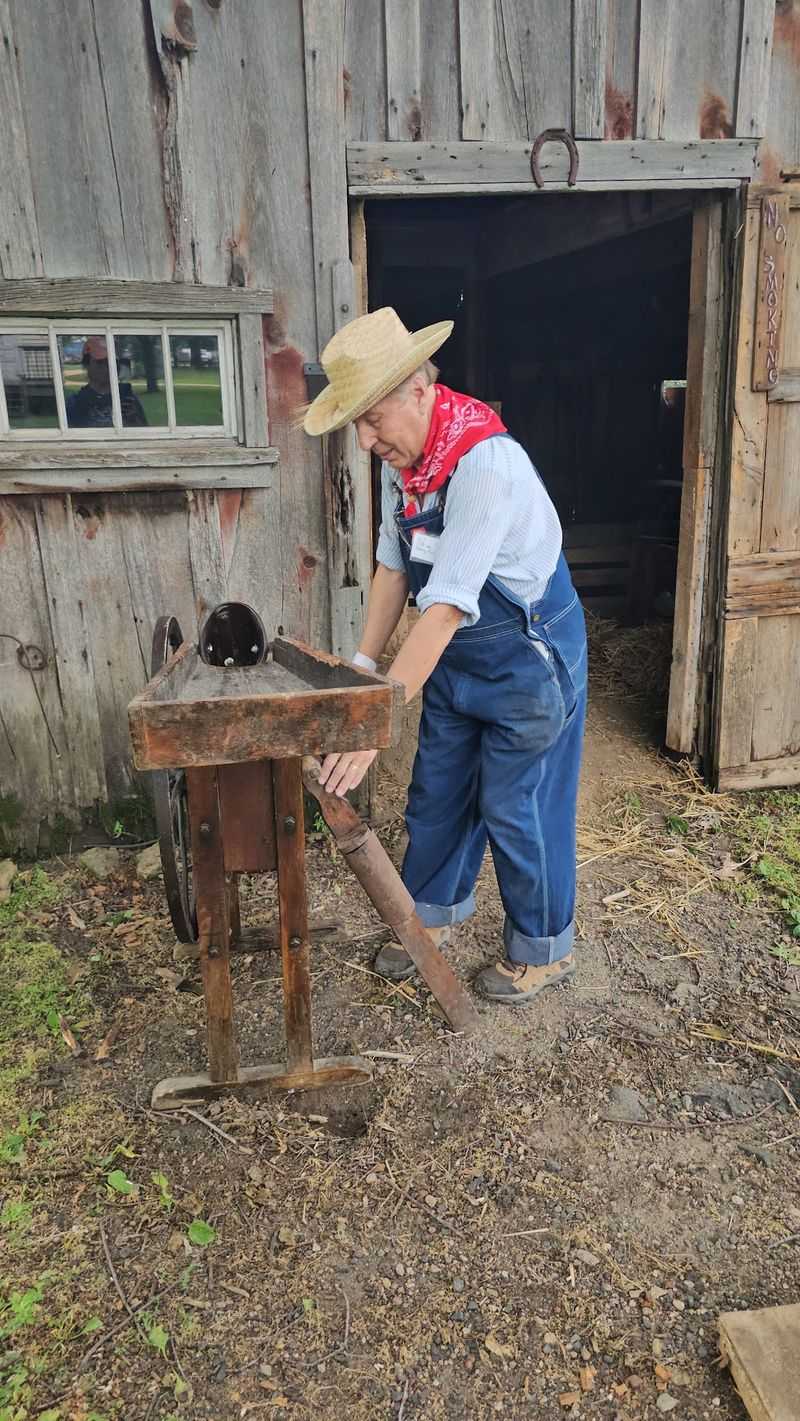
Costumes get attention, but expertise keeps it.
Many of the role-players here go well beyond acting. They function as historical subject matter experts who clearly enjoy teaching.
Private tours highlight this strength. Guests describe a welcoming, knowledgeable team that puts together engaging and thoughtful tours, leaving people with a deeper appreciation for local history.
Having someone on hand to explain how shops operated changes the experience. Questions get answered on the spot, and stories fill in what objects alone cannot.
Not every detail lands perfectly with every history buff. Some feel certain portrayals, such as a sheriff styled more like a Wild West lawman, stray from how rural Minnesota actually looked at the time.
That kind of debate is a sign of an engaged audience. Sharp-eyed guests can treat it as a conversation starter rather than a dealbreaker.
The guides truly shine during one particular week each summer.
Fair Week Brings the Village to Life
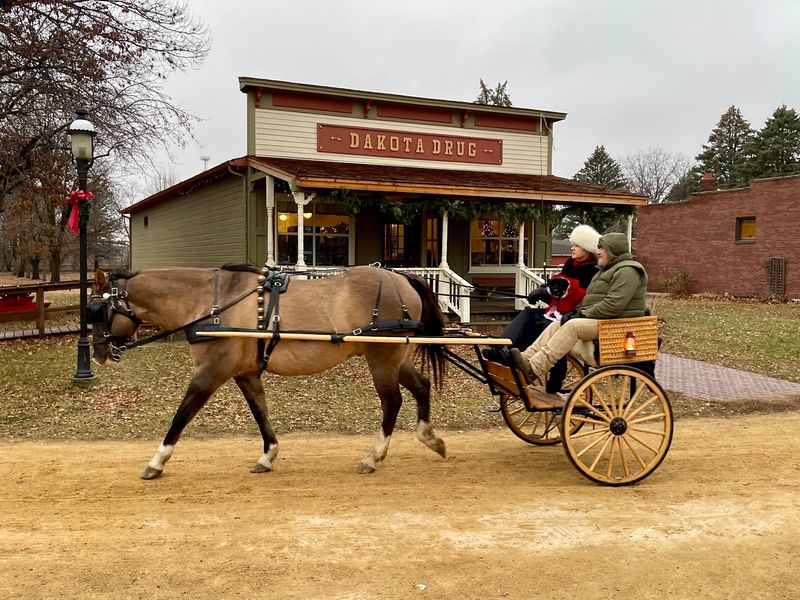
Once a year, the fairgrounds fill up and the old town wakes all the way up.
The Dakota County Fair is the most mentioned connection to the village. During Dakota Fair Days, people dress in period clothing and the streets come alive with activity.
The village is open during the fair, making it an easy add-on for anyone already on the grounds. It is a natural stop between rides, exhibits, and livestock barns.
Its shady setting gives tired fairgoers a place to slow down. After hours of crowds, a quiet stroll past old storefronts can feel like a well-earned break.
Families get a two-for-one outing here. Kids can enjoy the fair and then wander a town where history plays out right in front of them.
Other gatherings use the grounds too, including a classic car show. Dust on dirt roads can be a minor nuisance for anyone with a freshly polished vehicle.
Summer is busy, but winter has its own special pull.
Christmas in the Village
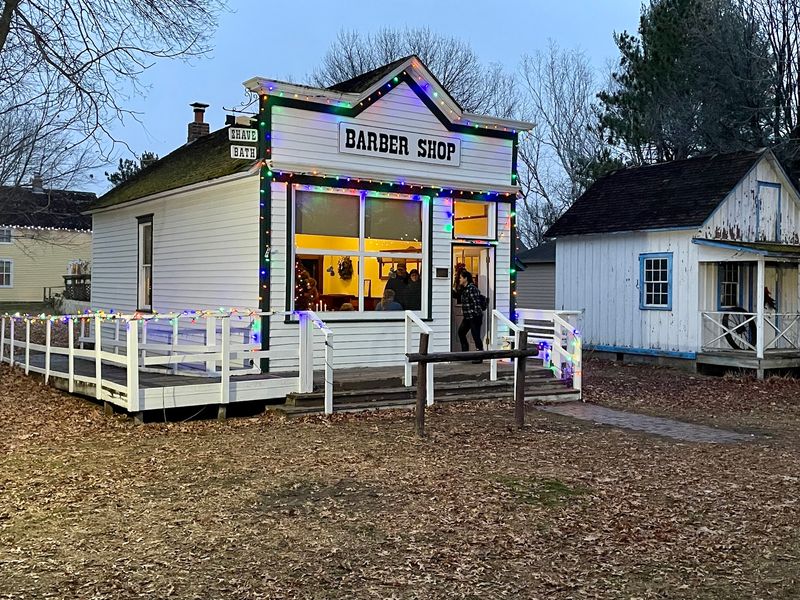
Some families have marked their calendars for this event for years, and it is easy to understand why.
Each December, volunteers set up Christmas lights that shine every night. The historic buildings take on a festive look that makes for a lovely evening outing.
Horse-drawn transport adds old-fashioned charm. A trolley also runs, and it can get packed simply because so many people want a ride.
Santa makes appearances, and several buildings are open with displays to explore. Groups often make an afternoon and evening of it.
Expectations matter, though. The event is not free, and the grounds are fairly compact, so some find the light count modest compared to larger holiday displays.
It works best as a cozy local tradition rather than a massive light spectacle. Nearby families seem to cherish it most.
Minnesota winter being what it is, dressing warmly is a must, since nights get cold.
Plenty of loyal fans say the cold never bothers them, and that loyalty says something.
Who Will Love This Place
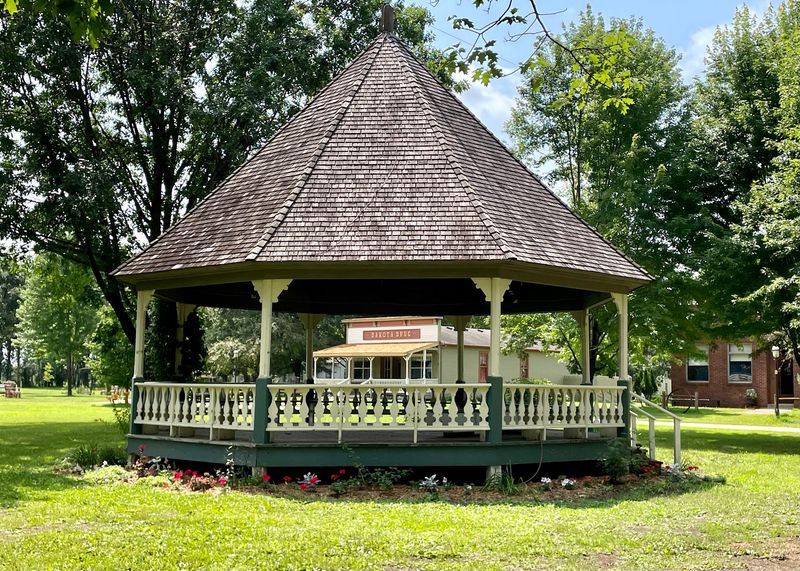
Kids are the obvious audience, but they are far from the only one.
Families rank this village high as a kid-friendly outing. Children get room to explore, ask questions, and see how people lived long ago.
Summer camps have been held here, and field trips are popular. Young campers have returned home eager to describe trains, banks, and general stores.
Vintage collectors will enjoy the period objects filling the buildings. Crafters get a front-row look at trades like printing and blacksmithing.
History fans who prefer a quiet setting are also well served. Even when the buildings are closed, the grounds make for a peaceful walk.
Groups can arrange private tours for a more focused experience. That option suits organizations, families, or anyone wanting deeper detail.
Travelers from far away may want to pair a visit with other area plans, since the village is compact.
With the audience sorted, the practical side of planning comes next.
Timing Your Trip
A little planning goes a long way, because the doors are not always open.
Hours vary by season and event, so checking the official website at dakotacity.org before heading out is the smartest move. Some people have arrived to find buildings closed, though they still enjoyed walking the grounds.
The three main windows are summer programs, the Dakota County Fair, and the December holiday event. Each offers a different experience.
Private tours can be scheduled, which helps groups work around the public calendar. Field trips also run during the school year.
Prices on the fairgrounds are considered reasonable, and the grounds are described as clean and well kept. The Christmas event does charge admission.
Treats are part of the fun too, with sweet snacks drawing praise and ice cream served year round, even in winter.
The village sits on the fairgrounds in Farmington, in Dakota County, south of the Twin Cities. Driving is the most practical way to get there.
All that remains is deciding whether it belongs on your list.
Worth the Detour Through Time
Not every museum lets you open the door to its exhibits, and that is what sets this one apart.
Dakota City Heritage Village delivers history at walking pace. The firehouse, depot, jail, and schoolhouse each add a piece to a bigger story about rural Minnesota life.
Its biggest strengths are hands-on learning and passionate guides. The printing press, blacksmith, and schoolhouse demonstrations leave a real impression.
It is not a giant attraction. The grounds are small, and the holiday lights are modest, so it shines brightest for locals and families nearby.
For those people, it often becomes a tradition. Many return every year, whether for the fair in summer or the lights in December.
Vintage lovers and crafters in particular get a rewarding glimpse at old objects and skills. History buffs get plenty to discuss, sometimes even to debate.
Check the calendar, dress for the weather, and give the village an afternoon.
The past has rarely been this easy to walk into.
Share this story