A World War II Corsair, a P-51D Mustang, and a biplane once flown by a future president all share space in a pair of hangars south of Minneapolis. Most of these planes are not just for show, either, because many of them still fly.
The museum that holds them is small, run by volunteers, and open only on weekends, which makes it easy to miss. That would be a shame for anyone who has ever paused to watch a plane cross the sky.
Each tour comes with real stories about Minnesota’s role in aviation history, told by people who clearly love the subject. The sections below cover the aircraft, the guided tours, the restoration hangar, the yearly events, and the practical details worth knowing before a weekend visit in Eden Prairie.
A Hangar Hideaway at Flying Cloud Airport
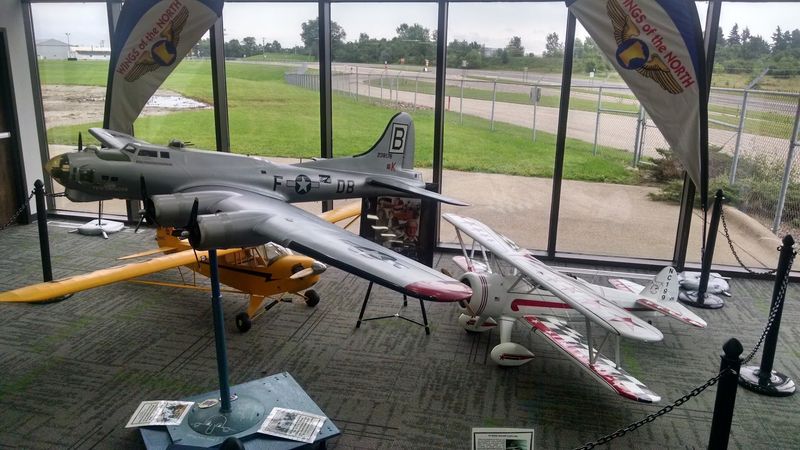
Tucked inside an active airport in the southwest Twin Cities metro sits Wings of the North Air Museum. Its address is Flying Cloud Airport, 14893 Sierra Ln #72D, Eden Prairie, MN 55347, United States.
The museum fills two hangars with aircraft, artifacts, and stories. Its focus is a specific one: the history of aviation in Minnesota, from the machines themselves to the people connected to them.
That local angle shapes everything here. Plenty of air museums cover flight in general terms, but this one keeps pulling the story back to the state, its pilots, and its contributions.
The setting adds a bonus that few museums can match. Flying Cloud is a working airport, so planes take off and land throughout the day while guests explore the exhibits.
It is a museum that lives right where the action still happens, and that turns out to be part of its charm.
Runway Roots From the War Years
History here is not limited to what sits inside the hangars. The runway next door started out as a World War II training ground, which gives the whole place a fitting backdrop.
That connection matters for a museum built around wartime aircraft. Trainer planes and fighters from that era are on display just steps from an airfield tied to the same chapter of history.
The museum describes itself proudly as a Minnesota-themed aviation museum. Its mission centers on the state’s rich flying history, told through both hardware and the people behind it.
Guides weave in surprising local facts along the way. One favorite: Amelia Earhart attended Washburn High School in Minneapolis for a period.
Small details like that make the history feel close to home. For a lot of guests, those homegrown connections become the most memorable part of the trip.
Warbirds That Still Earn Their Wings
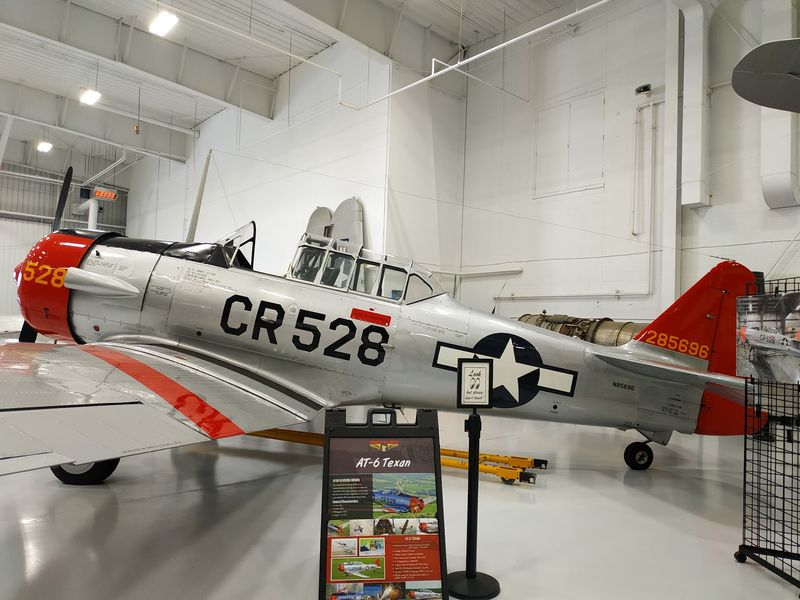
Most museum planes retire for good. Many of the aircraft at this one still fly, and some have been taken out for flights shortly before guests arrive.
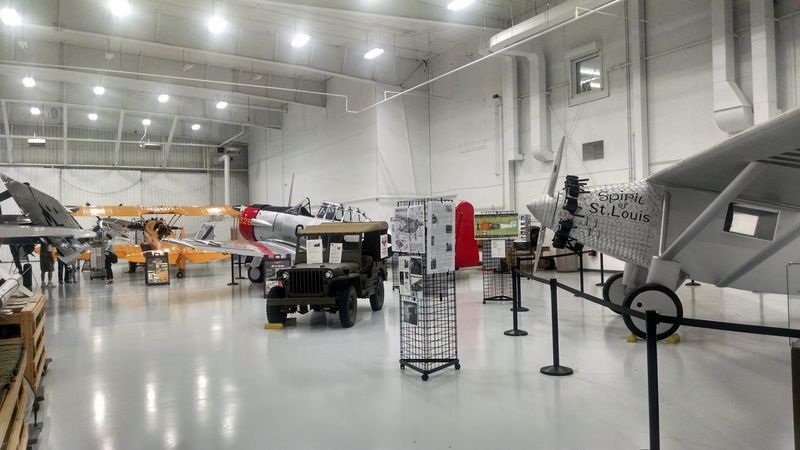
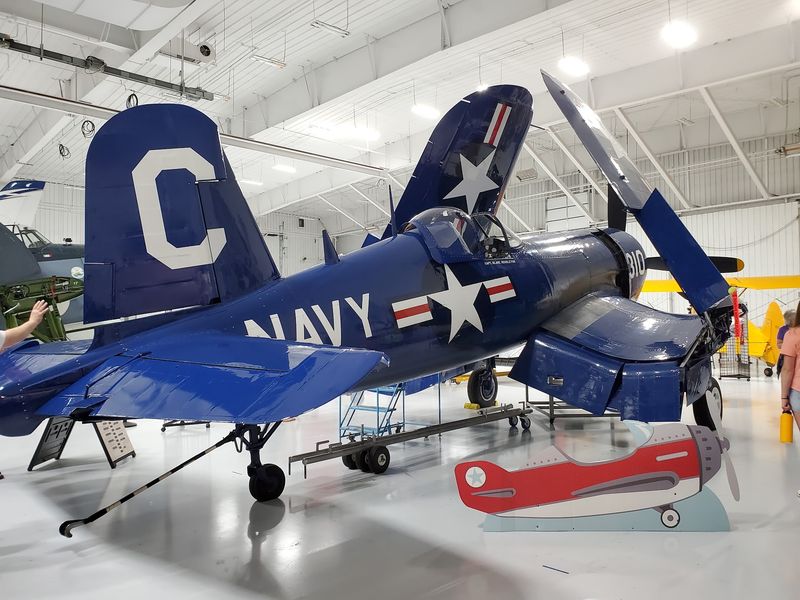
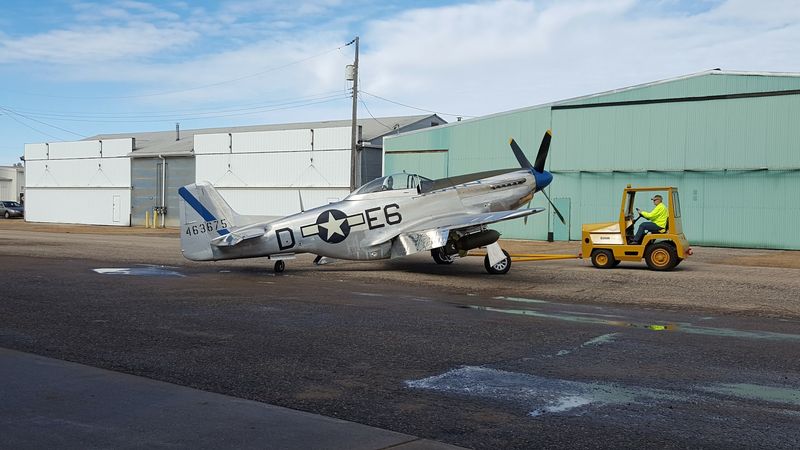
The lineup reads like a wish list for military aviation fans. Aircraft on display have included an AT-6 Texan, an F4U Corsair, a P-51D Mustang, and a TBM Avenger.
Each one played a role in the World War II era, from training new pilots to flying combat missions. Seeing them in working condition gives them a presence that a static display rarely does.
Guests can get close to the planes inside a hangar known for being very clean. That closeness is the whole point, since it allows a careful look at cockpits, engines, and details that photos tend to miss.
These warbirds are not just artifacts frozen in time. They are machines still doing what they were built to do.
A Presidential Biplane and a Movie Star Replica
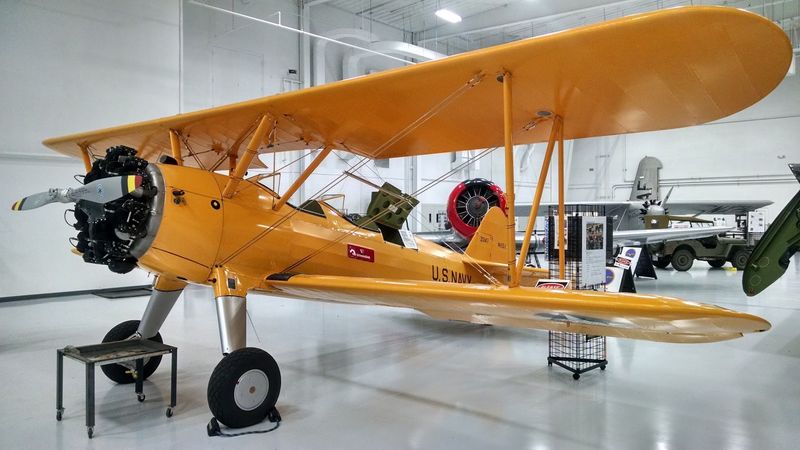
Some planes come with famous names attached. Two of the most talked-about pieces in this collection have connections that surprise first-time guests.
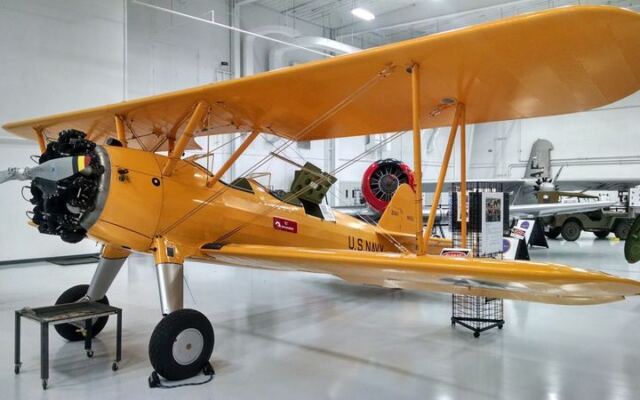
A Stearman biplane, a World War II trainer, was flown by George H. W.
Bush. It also carries his autograph, which makes it a rare blend of aviation and presidential history.
Then there is the Spirit of St. Louis plane. This non-flying aircraft appeared in the movie of the same name starring Jimmy Stewart.
The Lindbergh link fits the museum’s Minnesota theme nicely. Charles Lindbergh’s story has long been part of the state’s aviation pride.
Beyond these headliners, the museum also displays historic cars, aviation art, models, and memorabilia. Small details reward slow browsing, so it pays to ask about anything that catches attention.
Celebrity status aside, both planes spark plenty of questions, and the guides seem happy to answer every one.
Guided Tours Led by Passionate Volunteers
Nobody here just hands over a map and points toward the exhibits. Every guest gets a guided tour through both hangars, often in a private setting.
Volunteers greet people at the door, check them in, and lead the way. The museum’s leaders have said that guided tours give guests much more enjoyment and information than wandering alone.
Knowledgeable guides come up again and again as the highlight. They explain each exhibit and share behind-the-scenes stories about the aircraft and artifacts.
Personal stories are woven right into the history. That approach makes an hour pass quickly, especially for people who enjoy the human side of big events.
The museum is operated by people passionate about aviation rather than by ticket takers. Guests often leave feeling like they received special treatment, which seems to be exactly how the volunteers like it.
After the tour ends, wandering back through the exhibits is allowed for a closer second look.
Behind the Scenes in the Restoration Hangar
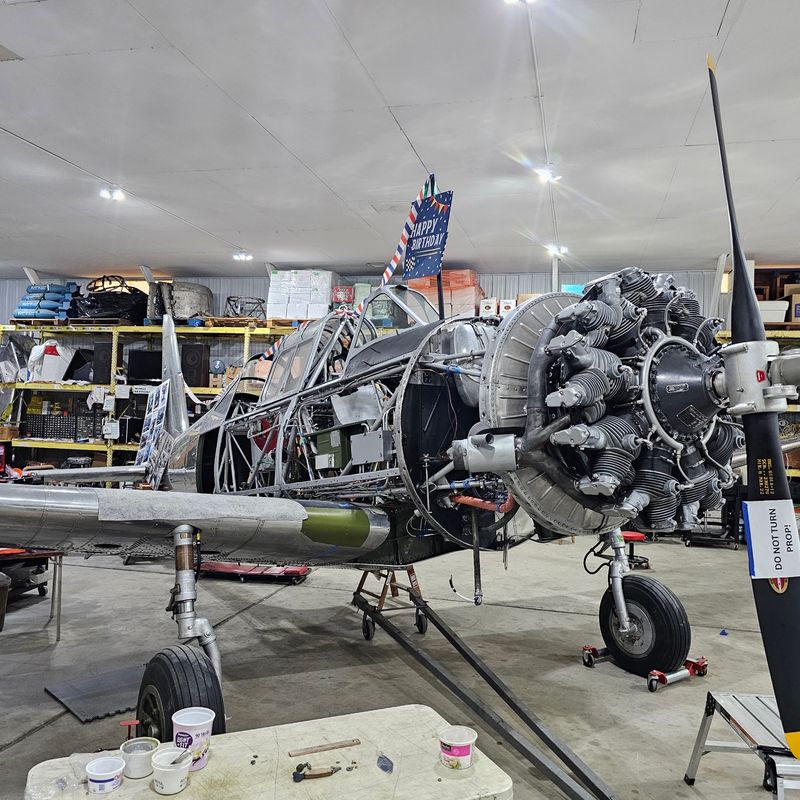
Old airplanes do not stay airworthy by accident. The museum offers a look inside its restoration hangar, where that hard work actually happens.
This part of the tour shows aircraft in progress rather than finished. It gives a sense of how much patience goes into bringing historic planes back to life.
One long-running project has been in the works for around 20 years. Seeing something with that kind of commitment behind it puts the museum’s dedication in clear view.
A restored BT-15 has also been part of recent efforts, with a first flight planned by the museum. Projects like that show the restoration work is ongoing, not a one-time effort.
For anyone curious about how vintage aircraft are maintained, this stop may be the most eye-opening of the visit. It turns the finished planes in the main hangar into the final chapter of a much longer story.
Small Spaces, Big Wins for Young Pilots
Little aviation fans do not always last through a full day at an air show. A compact museum with an hour or two of exploring can be a much better fit.
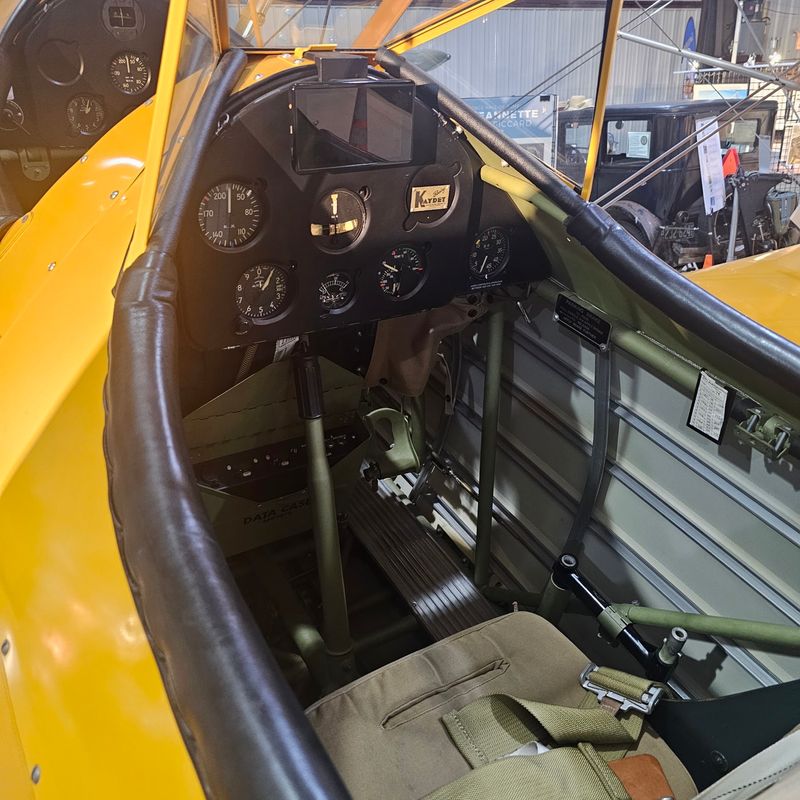
Families often call this place a perfect spot for kids who love planes. Guides tend to make the visit special for young guests, and kids have even been able to sit in an airplane.
The museum’s team admits that keeping tours interesting for both kids and adults is not always easy. They clearly try, though, and it shows.
Very young children may lose interest in the finer details. Kids around four or five can find the deeper history a bit beyond them, even if they still enjoy seeing the planes.
A quick tip helps here. Parents with toddlers might ask about keeping things moving, then use the free wandering time afterward to revisit favorites.
For older kids and grown-up history buffs, the depth is exactly the reward.
Air Expo Days and a Sweepstakes Plane
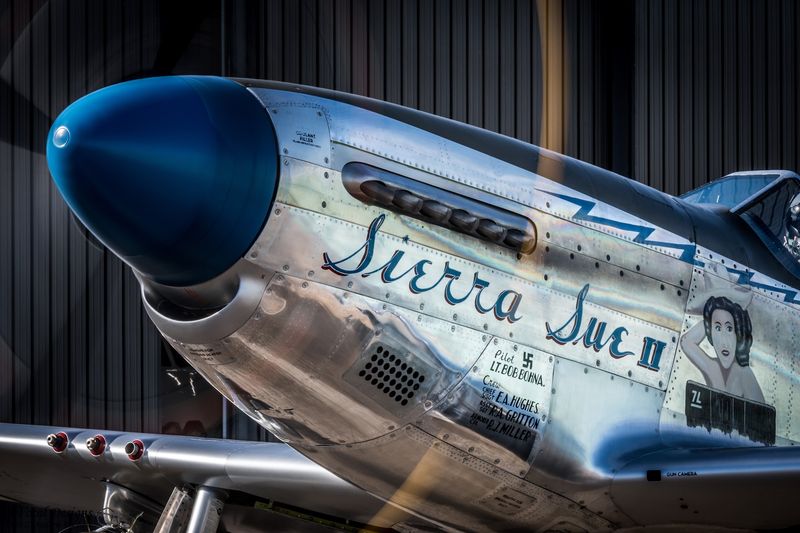
Mark the calendar for mid-July. Around that time each year, the museum has hosted an Air Expo, a chance to see some of these historic aircraft fly.
Admission for the expo has been around 15 dollars in the past. It is worth checking the museum website for current details before making plans.
The museum also runs an Airplane Sweepstakes. The 2025 version offered the winner a choice between the airplane or 30,000 dollars.
The grand prize drawing for 2025 was set for a free day on Saturday, September 27. That same day included a fall pancake breakfast.
Events like these help support the museum’s work. Leaders have also mentioned hopes for a capital campaign and a larger facility at Flying Cloud Airport to display items currently in storage.
Keeping an eye on the museum’s website and social media is the best way to catch the next big day.
Weekend Hours, Donations, and Planning Tips
Timing is everything with this one. The museum is open to the public only on Saturday and Sunday, from 11 am to 3 pm, and it is closed Monday through Friday.
Entry has been described as donation based. Guests drop in what they can, and the museum’s welcoming approach means nobody is made to feel awkward about the amount.
Plan for about an hour or two. That is usually enough time for the guided tour, the restoration hangar, and a second look around.
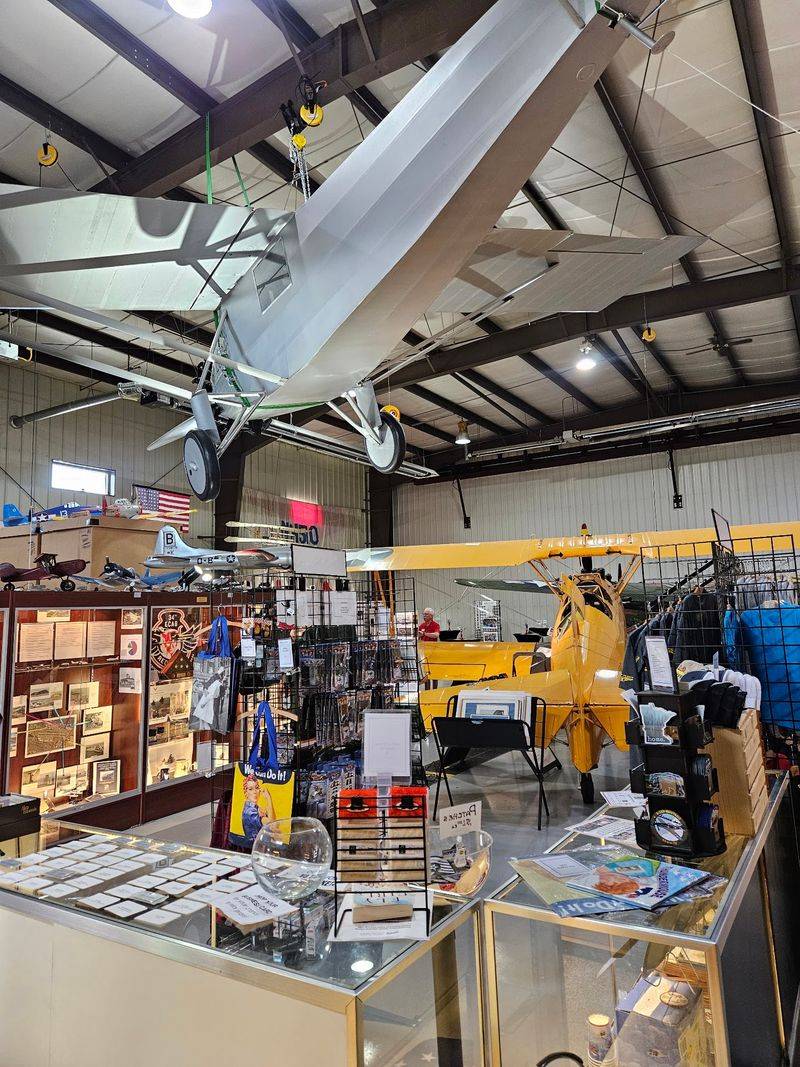
A small gift shop sits on site for anyone wanting a keepsake. It is a modest stop but a nice way to support the museum.
Private tours and parties are also possible when the museum is not open to the public. Groups have booked visits for birthdays and networking events.
Checking the website at wotn.org before heading out is a smart move, since event days can shift the usual routine.
Worth the Weekend Detour
Plenty of museums are bigger. Few manage to pack this much heart into two hangars.
The appeal comes down to a few things working together. There are airworthy warbirds, famous planes with real stories, a restoration hangar, and volunteers who treat every tour like it matters.
The Minnesota focus gives it a clear identity. Guests leave knowing more about their own state’s role in flight than they likely expected.
The museum holds a 4.8-star standing from 131 people, which says a lot about how consistently it delivers. Travelers passing through the Twin Cities have stumbled on it and ended up calling it a highlight.
Aviation fans, history lovers, and families with plane-crazy kids will all find something to enjoy. The live runway outside even throws in a free show of takeoffs and landings.
Sometimes the best weekend plans are the ones that stay grounded, right next to planes that still know how to fly.
Share this story