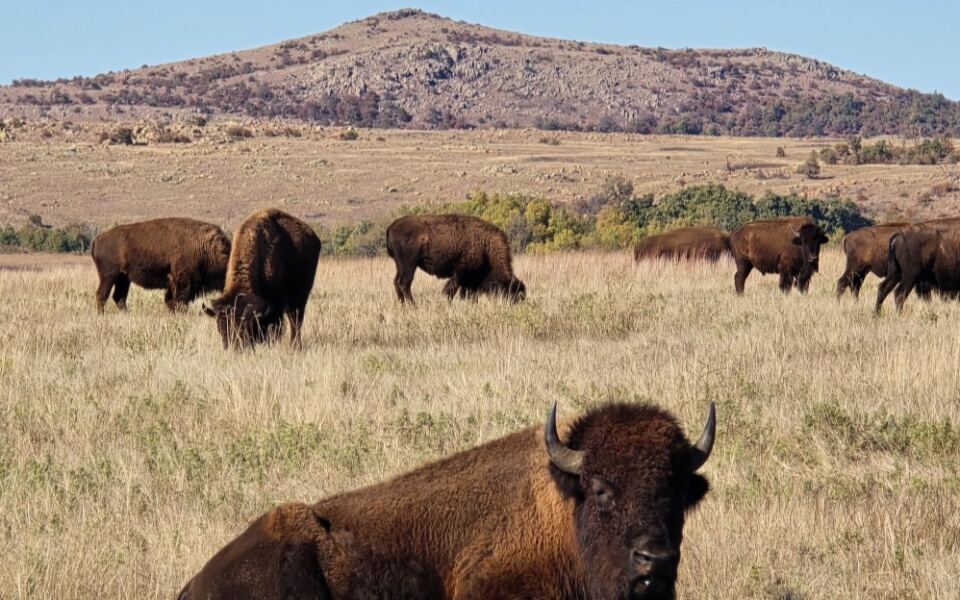
Somewhere in southwest Oklahoma, a two-lane road bends around a granite hill, and a bison stands in the middle of it like it owns the deed. In a way, it kind of does.
Out here, the traffic jams have horns, the side roads lead to prairie dog towns, and the rocky peaks prove once and for all that this state is not just flat prairie. Fall is a fine time to go, since the summer heat fades and long, slow drives start to feel like a real adventure.
The best part for families is that getting in costs nothing at all. Keep reading to learn where this wild corner sits, which animals tend to show up, which trails and peaks are worth your time, and the practical tips that make a day trip go smoothly.
1. A Wild Corner Near Indiahoma
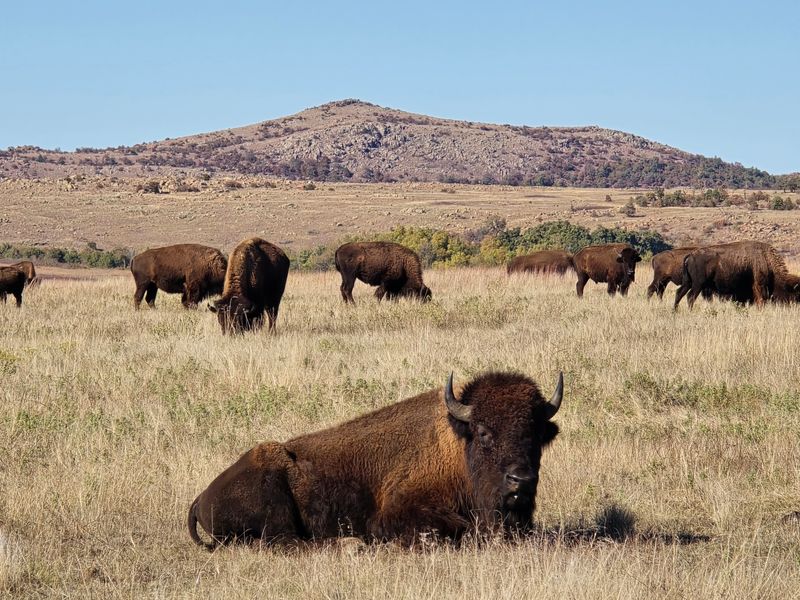
Granite peaks rise out of open country here, and that first glimpse tends to surprise people who expected nothing but wheat fields.
The place is Wichita Mountains Wildlife Refuge, with its headquarters at 32 Refuge Headquarters Road, Indiahoma, OK 73552. It sits in southwest Oklahoma, close enough for a day trip from many towns across the state.
At its heart, the refuge is a protected home for wildlife. Bison, elk, and wild turkey all live within its borders, along with longhorn cattle and busy prairie dogs.
People also come for lakes, nature trails, fishing, camping, hunting, and rock climbing. That is a long list of options for one stretch of land.
Many first-timers note how different the scenery feels compared with the flat ground they crossed on the way in. Rocky mountains, open fields, and wide skies all share the same frame.
The refuge is also easy to drive, which makes it friendly for families who want to see a lot without hiking all day. Roads loop past lakes, peaks, and grazing areas.
It is not a huge park, yet it packs plenty of wildlife into its space. That balance makes it feel full without feeling overwhelming.
So where do the big animals hang out, and how close do they come? The answer starts on the roadside.
2. Shaggy Giants on the Roadside
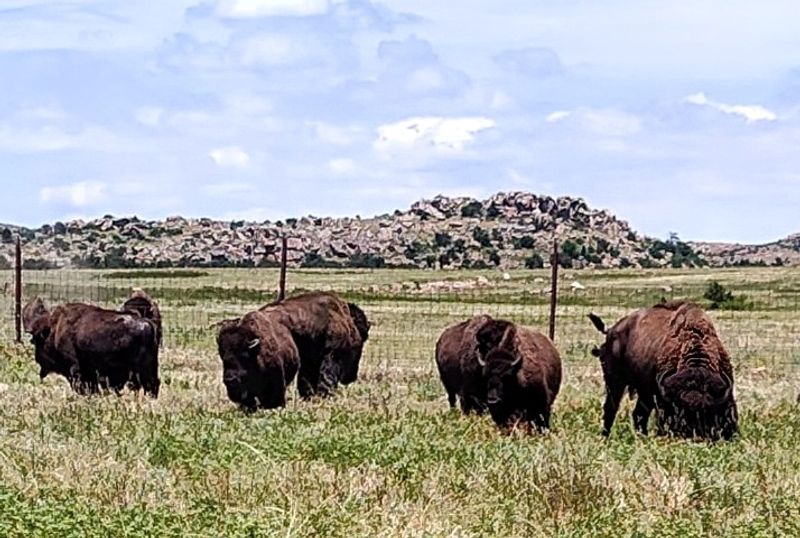
Buffalo get top billing here, and they seem to know it.
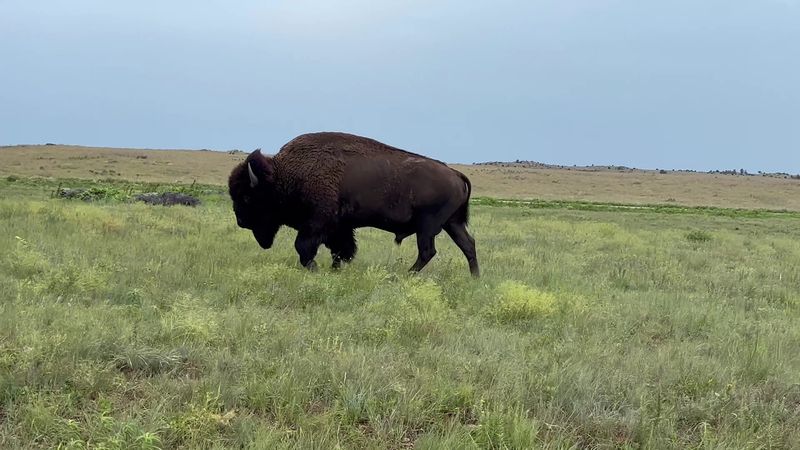
Bison roam freely across the refuge, so spotting them is often as simple as driving slowly with your eyes open. Many people find them grazing right beside the road, sometimes in large herds.
The drive can feel a lot like a safari loop, with animals eating grass just outside the car window. No ticket booth and no tour guide required.
Side roads are worth exploring. Those quieter routes often lead to the closest bison encounters, and some folks spend hours wandering them on purpose.
Hikers meet bison too. Herds have been seen along the Buford Lake Trail, which is a reminder that the animals do not stay politely near the pavement.
Common sense matters most here. These are wild animals, and keeping a safe distance protects both you and them.
Plenty of regulars choose to stay in their vehicles when bison are near. Think of yourself as a guest in their living room, and act accordingly.
Fall drives make bison viewing extra pleasant, since cooler days invite slower trips. The herd is not in a hurry, and you should not be either.
Of course, bison are only half the headline. Their horned neighbors deserve a section of their own.
3. Longhorns With Frontier Flair
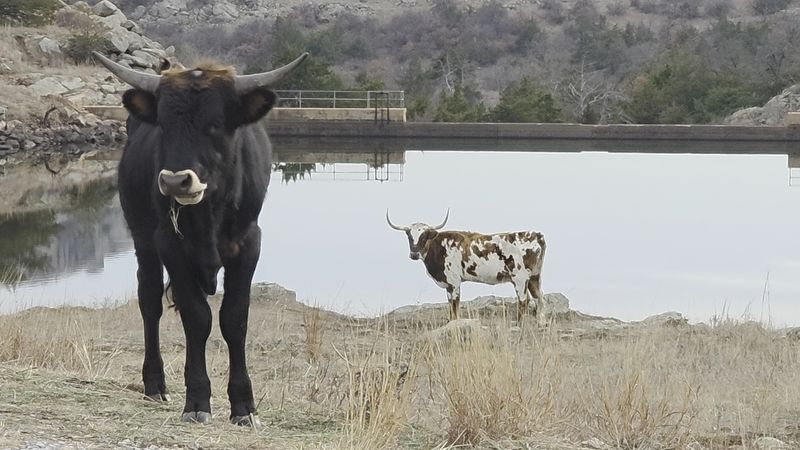
Few things say cattle-drive country quite like a longhorn strolling across a hillside.
Longhorns live on the refuge too, and they turn up throughout the area. Many people report spotting them casually wandering around, often on the same trip where they see bison.
Those famous horns make them easy to identify, even from a distance. Kids tend to enjoy the game of telling longhorns apart from buffalo.
Their presence gives the refuge a strong frontier feel. Oklahoma families who love rodeo towns and ranch history will find a living link to that past here.
Some folks even describe them as wild cattle, which fits the way they move through open country. They are not penned up for show.
The same rules apply as with bison. Stay back, give them room, and let them decide where to walk.
A slow drive is the best strategy for longhorn spotting. Pause at pullouts, scan the grass, and check the edges of wooded areas.
One trip might bring a single longhorn by a fence line. Another might bring several grazing together near the road.
Bison and longhorns get the spotlight, but smaller residents run their own show nearby. Those little diggers are next.
4. Prairie Dog Town Antics
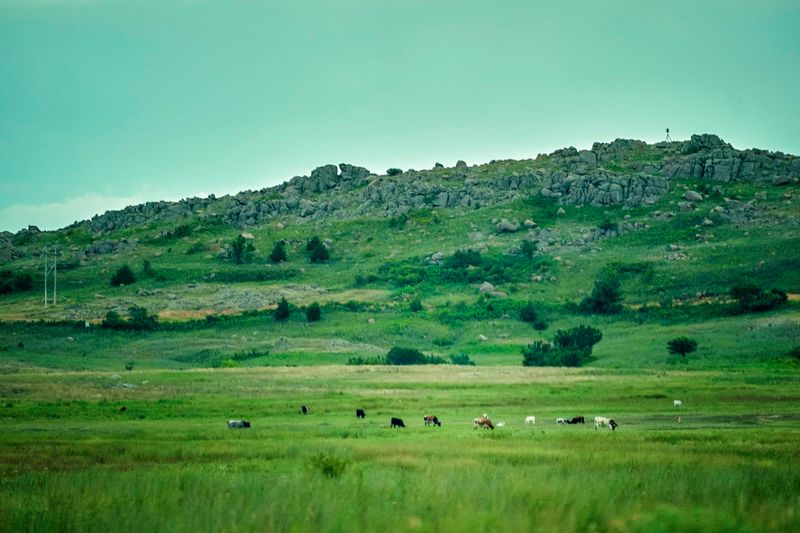
Small but mighty popular, prairie dogs rank among the most talked-about animals on the refuge.
A prairie dog town gives families a chance to watch these little critters pop up from their burrows. Many people call them super cute, and it is hard to argue.
Kids especially love this stop. The animals are active, easy to see, and fun to count.
Prairie dog town is one of those spots people plan return trips around. Some folks admit they missed it the first time and want to come back in fall once the heat backs off.
Put it on your list early in the day so you do not run out of time. The refuge has a way of eating up hours.
Stay in the viewing areas and respect the burrows. These colonies are part of a fragile ecosystem, and careful visits help keep them healthy.
It makes a nice change of pace after watching huge bison. Going from one-ton grazers to pocket-sized lookouts keeps young travelers curious.
Bring patience and a little quiet. The town is busiest when nobody is rushing it.
Bigger antlers wait in the woods, though, and they are worth watching for.
5. Elk, Deer, and Other Locals
Keep an eye on the tree line, because elk like to hang out where the woods meet the open grass.
Elk are among the refuge’s best-known residents. They show up both around the park and near campgrounds.
Deer are common too. At some campsites they have walked right up to people’s areas, which makes for a memorable morning.
The list keeps going. Wild turkey, roadrunners, coyotes, ducks, and more birds than most people can count have all been spotted here.
That variety is part of the fun. You never quite know who will appear next.
Many regulars suggest paying close attention to who is hanging out in the woods. A slower drive gives your eyes time to catch movement.
Bird lovers should pack binoculars. The lakes attract ducks, and the open country gives plenty of room to scan.
Wildlife viewing is one of the most popular activities here, and it requires no special gear. A curious attitude covers most of it.
All these animals need water, and the refuge has plenty of it tucked between its hills.
6. The View From Mount Scott
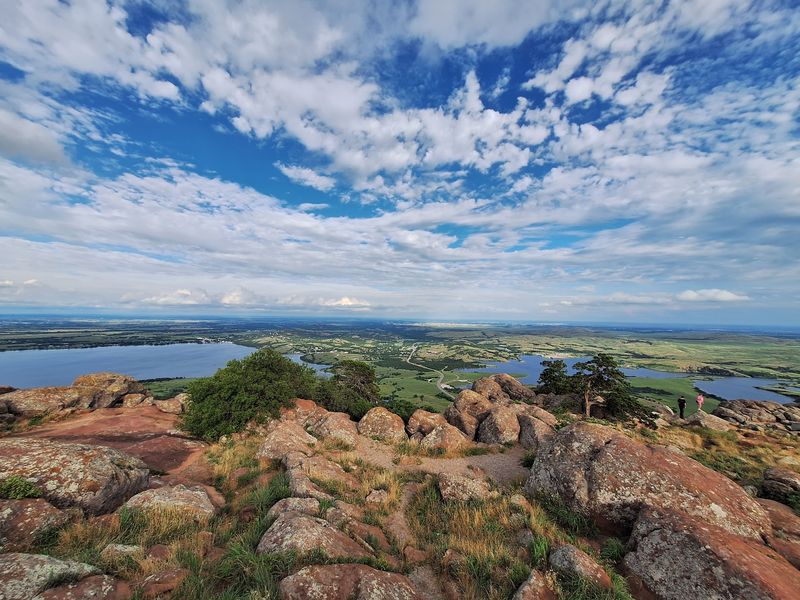
Mount Scott earns its fan club honestly.
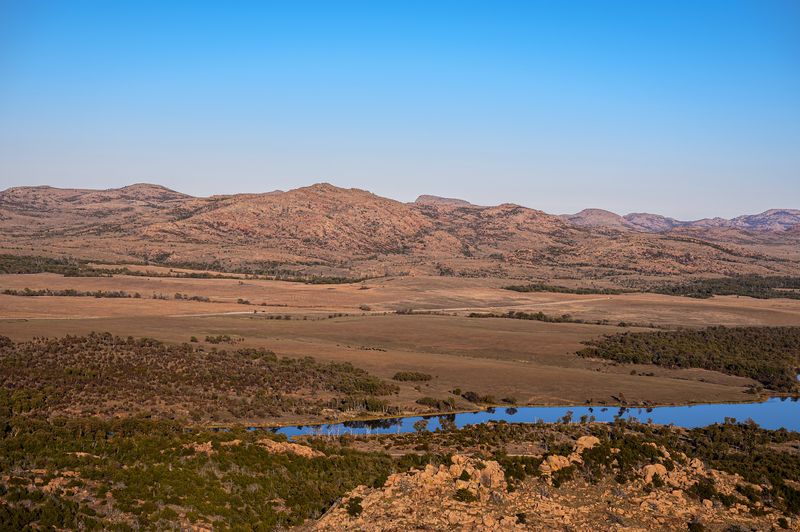
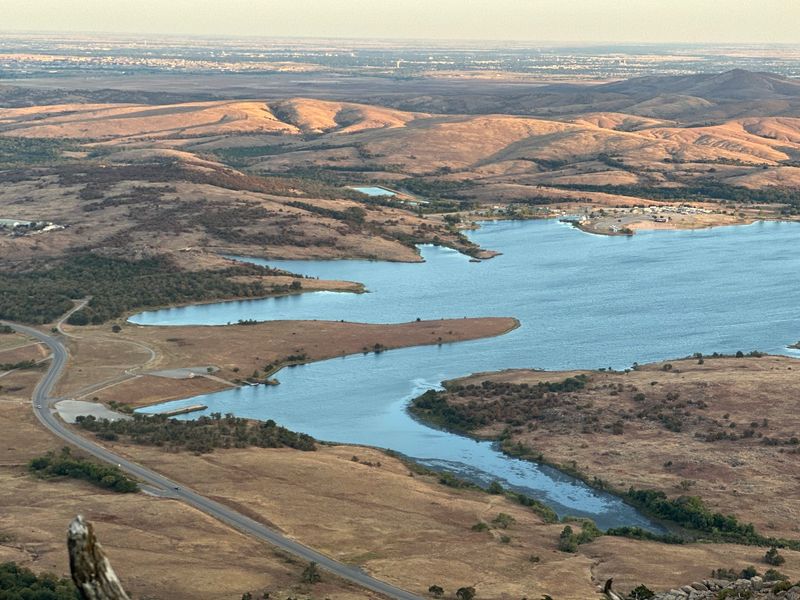
Plenty of people call a trip to the top a must. The views from up there reach across lakes, hills, and open country.
The best news for families is that you can drive up. No long climb is required to enjoy the payoff.
It makes a strong case for the idea that Oklahoma is far from flat. Few roads in the state lead to a lookout like this.
Many travelers name Mount Scott as a highlight of their whole visit. It often comes up alongside bison and longhorns as the reason they came.
Fall is a smart time to head up, since cooler weather makes lingering at the top more comfortable.
Give yourself time at the summit. Kids can spot lakes below, and adults can plan which areas to explore next.
Medicine Park sits near one of the refuge entrances. Some travelers like to pair a visit there with their drive.
Mount Scott is not the only high point, though. A couple of other peaks invite a closer look.
7. Central Peak and Little Baldy
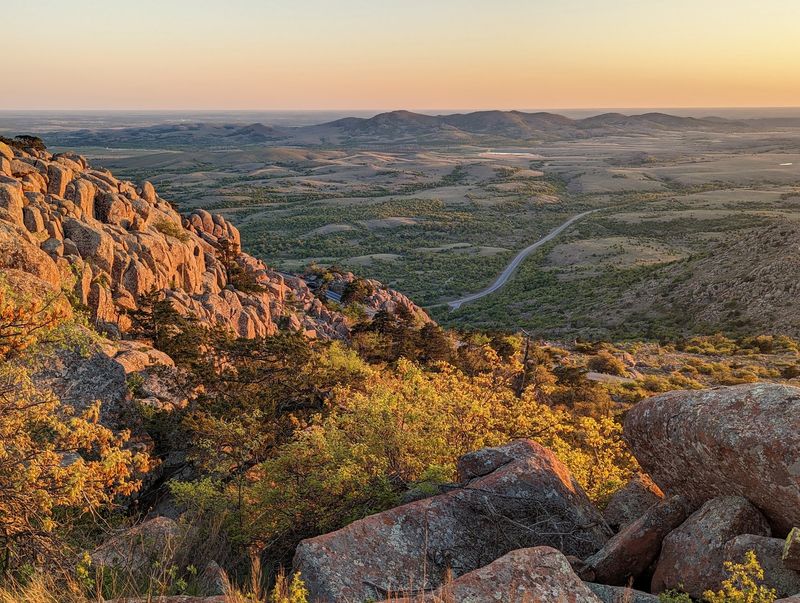
Two names come up often for folks who want more than one summit: Central Peak and Little Baldy.
Central Peak can be reached by car, which offers another easy way to gain some height. It adds variety to a day of driving.
Little Baldy is a hike. People who tackle it describe it as a good workout with rewarding views.
Pairing the two makes a balanced plan. Drive one peak, hike the other, and everyone gets a taste of both styles.
The terrain here is rocky. Expect to scramble over granite in places rather than stroll a smooth path.
Sturdy shoes help a lot. So does packing water and taking breaks.
Families with older kids may enjoy Little Baldy as a step up from the easier trails. Younger children might prefer the drive-up option.
These peaks show off the mountain side of the refuge. They make a fine contrast to the grassy bison country below.
Trail lovers have plenty more to choose from, and some of the best hikes lead somewhere surprising.
8. Trails Built on Granite
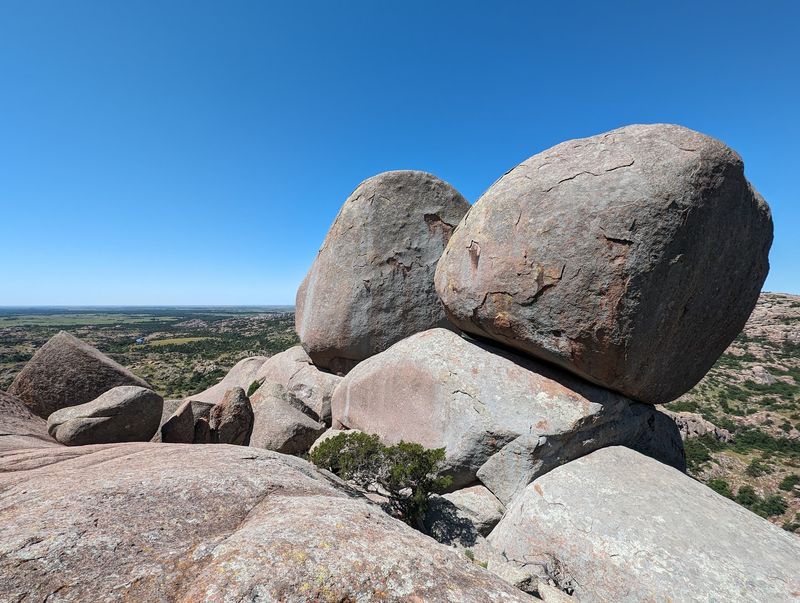
Hiking is the single most talked-about activity at the refuge, and it is easy to see why.
Trails range from easy to moderate, with miles of routes to choose from. Some hikers drive in from Texas regularly just to spend a day on them.
The Narrows trail gets a shout-out for its canyon views. The Longhorn Trail and the Buford Lake Trail also come up often.
A fair warning helps here. Even easy trails can include quite a bit of rock and elevation, so a bit of a rock crawl may be part of the deal.
Markers can be hard to follow, since many paths run across bare rock. Some hikers wish there were more signs along the way.
The fix is simple. Ask staff at the visitor center to suggest trails that match your comfort and fitness level.
Wildlife shares these paths. Bison have been seen by hikers on the trail, so stay alert and keep your distance.
Biking trails are also available for folks who prefer wheels to boots.
All that hiking works up an appetite for rest, and the lakes offer a calm place for it.
9. Lakes, Little Dams, and Fishing Spots
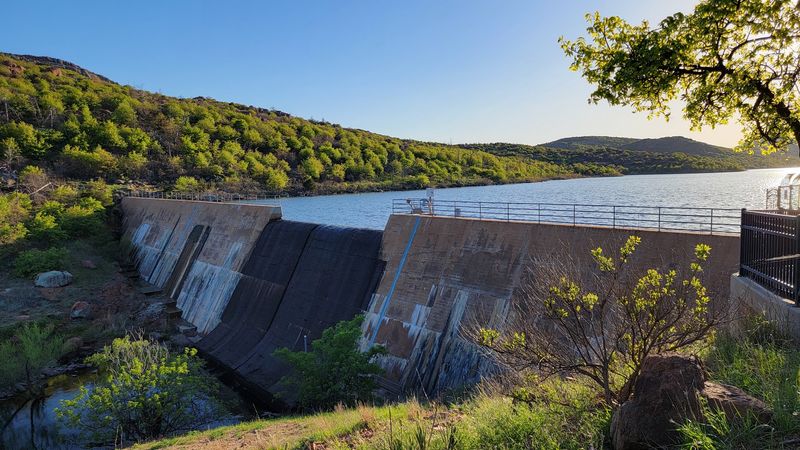
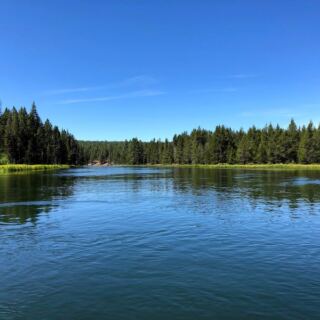
Water changes the whole mood of a drive here.
The refuge has several lakes, and many come with little dams that make for fun stops. Driving from one to the next is a favorite way to spend an afternoon.
Fishing is allowed, and people mention peaceful fishing spots scattered around. It suits families who want a slower activity between wildlife sightings.
Picnic areas sit near the lakes as well. Pack your own lunch and you have a nearly free day out.
Hanging out by the water is a popular low-key option. Not everything here has to involve a climb.
Birds gather near the lakes, especially ducks. That adds another layer to wildlife watching.
Some campsites sit right next to a lake with a trail starting from the site. That makes the water part of the stay, not just a stop.
Check any fishing rules before you cast, since regulations may change. The visitor center is a good place to ask.
Speaking of staying overnight, the campgrounds deserve their own look.
10. Camping Under Granite Hills
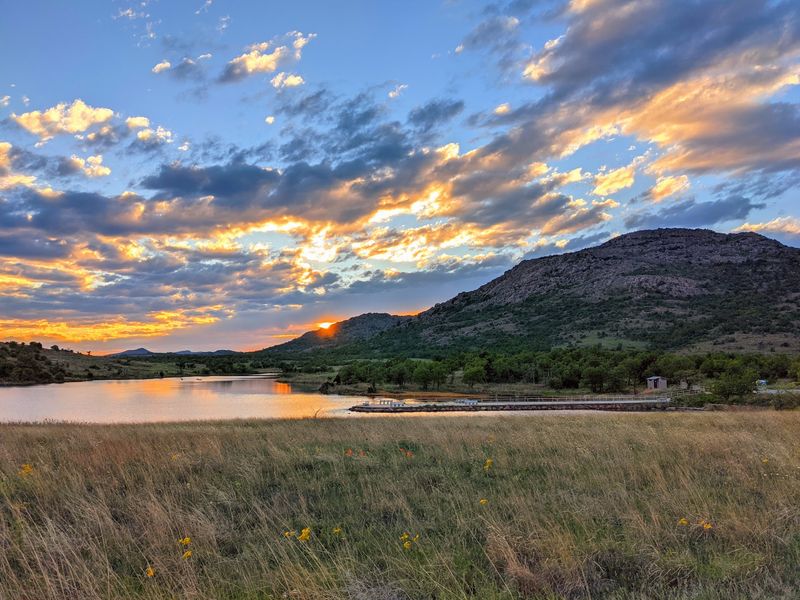
One day is rarely enough, which is why the campgrounds stay popular.
The refuge offers camping facilities that many families describe as good. Sites near the water are a highlight.
Site 51-B, for example, sits next to a lake with a trail leading right from it. That kind of setup makes it easy to hike before breakfast.
Wildlife often wanders close to camp. Deer, elk, ducks, and birds have all been seen near sites.
Camping also solves a common problem. Some travelers spend six hours here and still see only half the park.
Staying overnight lets you split the trip. Drive one side on day one and explore the other on day two.
Fall camping can be more comfortable than summer, since the heat eases off. Check availability and any fees before you go, since details may change.
Rock climbing is also listed among activities, which gives adventurous campers one more reason to stay.
Before you pick a site or a trail, though, there is one stop you should make first.
11. The Visitor Center Comes First
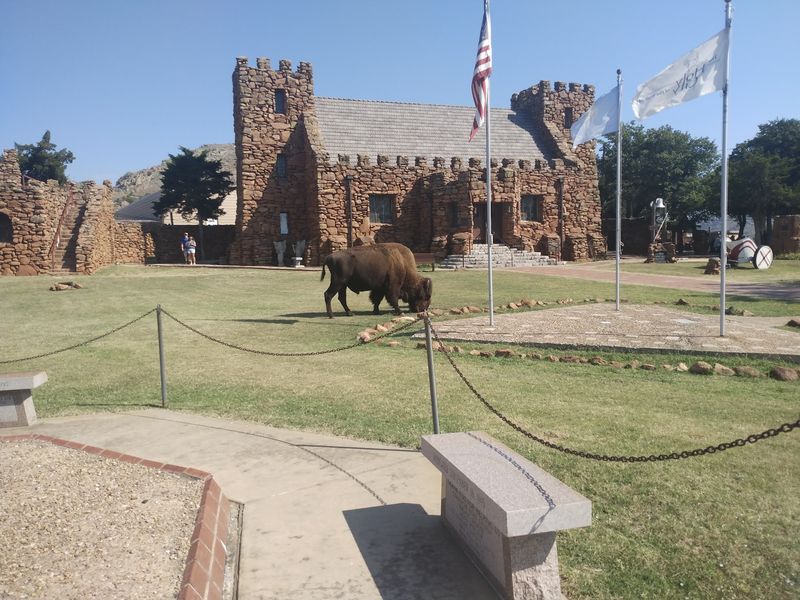
Smart travelers start at the visitor center, and there is a practical reason.
Cell service is spotty or missing inside the refuge. Grabbing maps and information before you head out saves a lot of guesswork.
The staff get frequent praise for being friendly and helpful. They can suggest trails based on your fitness and comfort.
Inside, a small museum shares the history of the preserve. Exhibits also preview the wildlife you might meet on the road.
Many people spend about an hour here. It works well as a warm-up for kids before the animal hunt begins.
A gift shop rounds out the stop. It is a handy place to pick up a souvenir.
Restrooms are another plus, and they are often described as clean. That matters on a long day of driving.
The center fits the heritage angle too. Learning the story of the refuge makes the bison and longhorns feel even more special.
Once the maps are in hand, it is time to talk about where else to roam, including a spot with a holy name.
12. Holy City and Scenic Stops
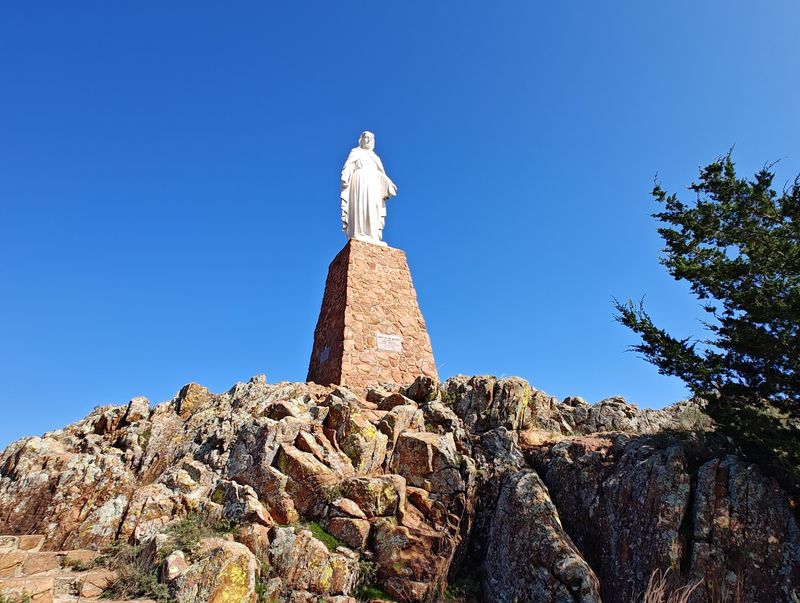
Beyond the peaks and lakes, a few named stops keep curious drivers busy.
The Holy City is one of them. It appears on many must-see lists for the area, and some travelers plan return trips just to reach it.
Other scenic stops are scattered along the roads. Pullouts give you chances to pause, look around, and stretch your legs.
Taking the little side roads is a common tip. They often lead to quieter corners and better animal sightings.
Plan for a full day if you want to see most of these stops. The area rewards patience rather than speed.
Mixing landmarks with wildlife keeps kids interested. One stop might be about history, the next about bison.
Bring a paper map from the visitor center. Without cell service, it becomes your best friend.
Picnic spots near these areas make it easy to turn a sightseeing loop into a relaxed outing.
With so much to see, timing your visit matters, and fall has some real advantages.
13. Free Entry, Fall Timing, and Smart Tips
Here is the part budget-minded families will love: entry is free.
There is no admission fee to get into the refuge. That makes it one of the best low-cost outings in Oklahoma.
Listed hours are 9 am to 5 pm, seven days a week. Hours and access may change, so check before you make the drive.
Fall is a popular window. Many folks wait for the summer heat to fade before tackling trails and long drives.
Plan for more time than you think. A six-hour visit can still cover only half the park.
Stay in your vehicle when large animals are nearby. Give them space, since this is their home.
Wear sturdy shoes for rocky trails, and pack water and snacks. Services inside the refuge are limited.
Treat the ecosystem gently. Stick to trails, take trash with you, and leave the land as you found it.
With the logistics covered, the only question left is whether the trip lives up to the hype.
14. Worth the Drive Every Season
Some places need a sales pitch, but this one mostly speaks for itself.
The refuge holds a 4.8-star average from thousands of people, and the praise is remarkably steady. Many call it their favorite place in Oklahoma.
It offers something for nearly everyone. Hikers get granite trails, families get prairie dogs, and drivers get bison and longhorns by the roadside.
It also feels peaceful. Folks often describe it as low-key, not too crowded, and refreshingly free of tourist traps.
For Oklahomans, it is a point of pride. Rocky peaks and roaming herds show a side of the state that surprises newcomers.
The free entry makes it easy to say yes. A tank of gas and a packed lunch can cover a whole adventure.
Fall adds an extra layer of comfort for long drives and longer hikes. Slow down, take the side roads, and let the animals set the pace.
Plenty of people leave already planning their next trip. After one day with the herds near Indiahoma, that plan tends to feel less like a wish and more like a promise.
Share this story