Tucked away in Concord, North Carolina, The Mustang Owner’s Museum is a dream stop for anyone who loves Ford Mustangs. It is small enough to enjoy in a relaxed visit, but packed with cars, stories, and cool details.
Fans come here to see Mustang history up close, from early models to modern favorites. Even if you are not a car expert, this hidden museum makes it easy to understand why the Mustang has meant so much to so many people.
1. A Quiet Concord Spot With Big Mustang Energy
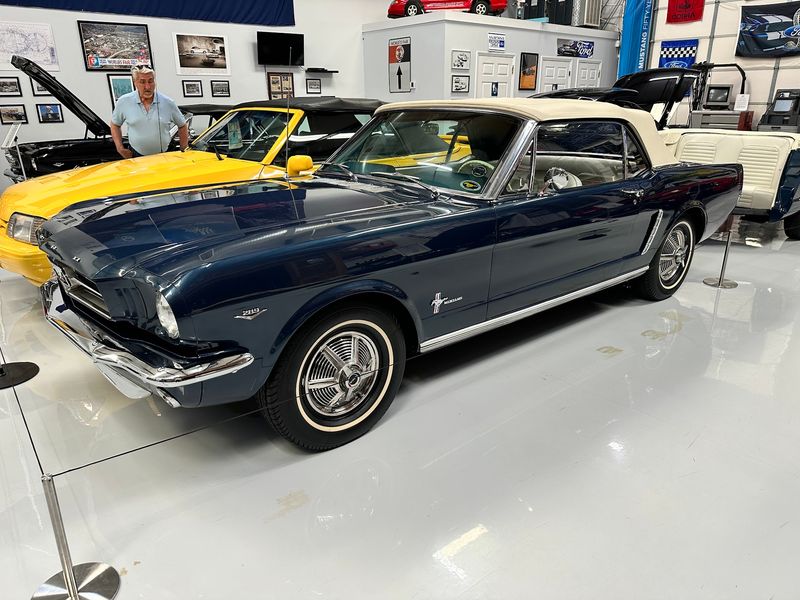
A plain-looking building can sometimes hide the best surprise, and that is part of the fun here.
The Mustang Owner’s Museum sits at 4001 Dearborn Pl NW in Concord, close to Charlotte Motor Speedway, but it feels calm and tucked away from busy roads.
Many visitors say they might miss it if they were not watching for the signs.
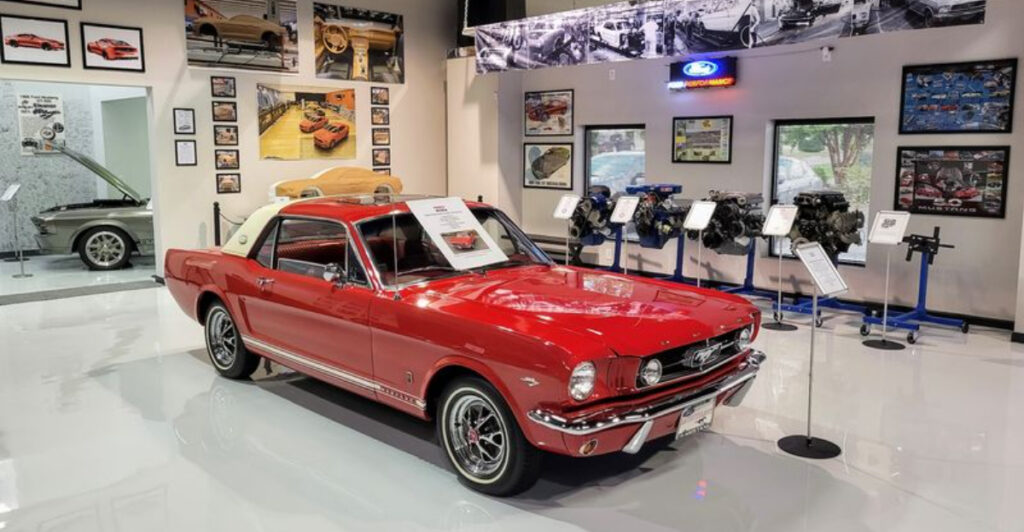
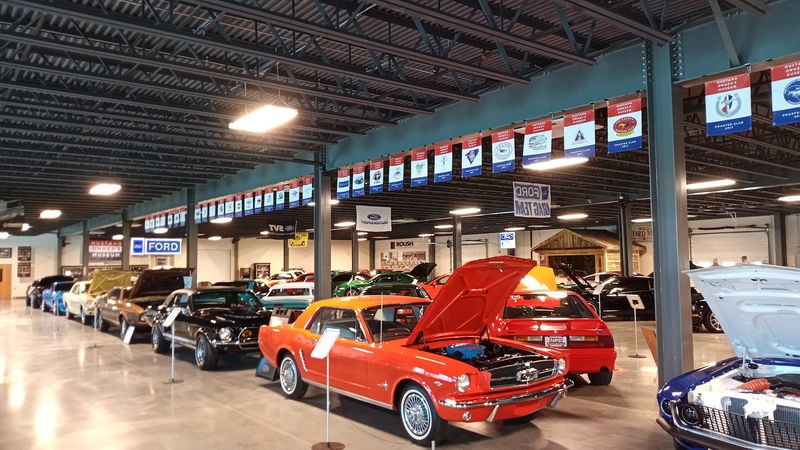
Once inside, the quiet setting changes into a bright space filled with polished Mustangs, owner stories, and displays that show why this car became an American favorite.
The museum is not giant, which actually helps.
You can see the exhibits without feeling rushed, and most guests can enjoy the main areas in about one to two hours.
That makes it a smart stop before or after other Concord plans.
Families, road trippers, and longtime Ford fans can all fit it into a day without needing a long schedule.
Plan ahead by checking the hours before you go.
The museum is usually open 10 AM to 5 PM Monday through Saturday, and Sunday hours start at noon.
If you want a relaxed visit, arrive earlier in the day and give yourself time to read the signs near each car.
The small details are where the museum shines, especially when a Mustang has a rare feature, racing past, or special owner history.
Bring your camera, but also slow down and look closely.
Some displays are easy to walk past, yet they tell some of the museum’s best stories.
2. Rotating Cars Keep Every Visit Fresh
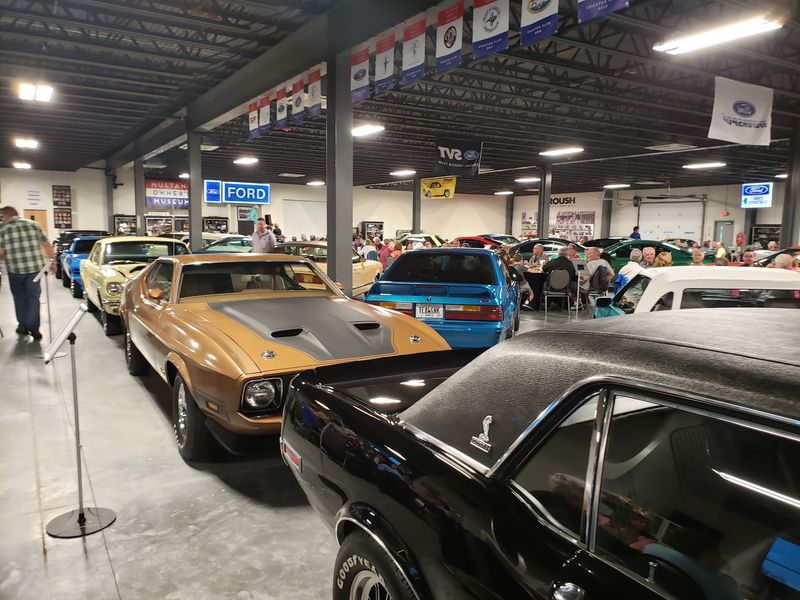
Repeat visitors have a good reason to come back, because the cars do not always stay the same.
The Mustang Owner’s Museum is known for rotating many vehicles about every six months, often around Easter and Thanksgiving.
That rotation gives the museum a lively feeling.
A car you missed last time might appear on your next visit, while a favorite display may be replaced by another owner’s special Mustang.
The idea fits the museum’s name perfectly.
Many cars come from private Mustang owners who loan their vehicles so others can enjoy them and learn their stories.
This makes the museum feel more personal than a place filled only with factory-owned displays.
You are seeing cars people cared for, drove, restored, showed, or saved for years.
For visitors, the best tip is simple: do not treat one visit as the whole story.
If you live near Concord or visit the Charlotte area often, check back twice a year to see what has changed.
Car fans can also follow the museum’s website or social pages for updates on new themes and events.
Special shows sometimes bring even more Mustangs outside, turning a museum trip into a full car day.
Parents may like the rotation too, because kids who love cars can spot changes and pick new favorites each time.
It becomes a fun tradition instead of a one-time stop.
The changing lineup also helps casual visitors, since there is always a chance to see something rare, bright, loud-looking, or completely unexpected.
3. Early Mustang History Comes Alive
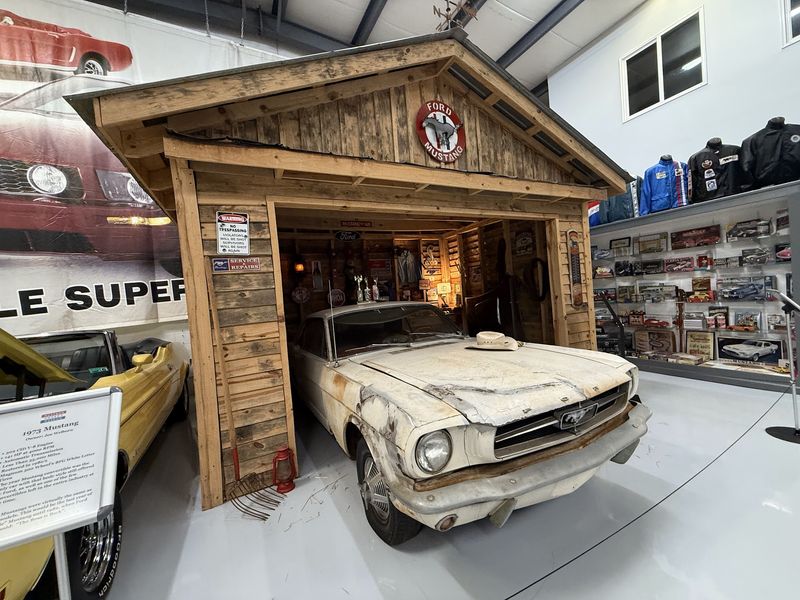
Some cars feel like time machines, and the early Mustang displays are built for that feeling.
The museum helps visitors understand how a sporty Ford from the 1960s became a car people still talk about today.
Guests often mention displays tied to the 1964 New York World’s Fair, where the Mustang helped make a huge first impression.
Seeing early models near photos, signs, and background notes makes that history easier to picture.
You do not need to know every engine code to enjoy this part.
The museum explains the big idea clearly: the Mustang was stylish, fun, and more affordable than many sports cars of its time.
That mix made it popular with young drivers, families, racers, and weekend dreamers.
It also started a long line of trims, colors, and performance versions that fans still collect.
When you walk through this area, look for the little changes between years.
Grilles, badges, wheels, interiors, and body shapes can tell you how fast the Mustang grew and changed.
Reading the placards helps, especially if you are visiting with someone who is newer to car history.
Turn it into a small game by asking which details make each car different.
The early cars also bring out memories for many visitors.
Some people remember riding in one as a kid, while others think of a neighbor, parent, or high school parking lot.
That shared nostalgia is one reason the museum feels warm and personal, not just shiny and technical.
4. Clay Models Steal the Show
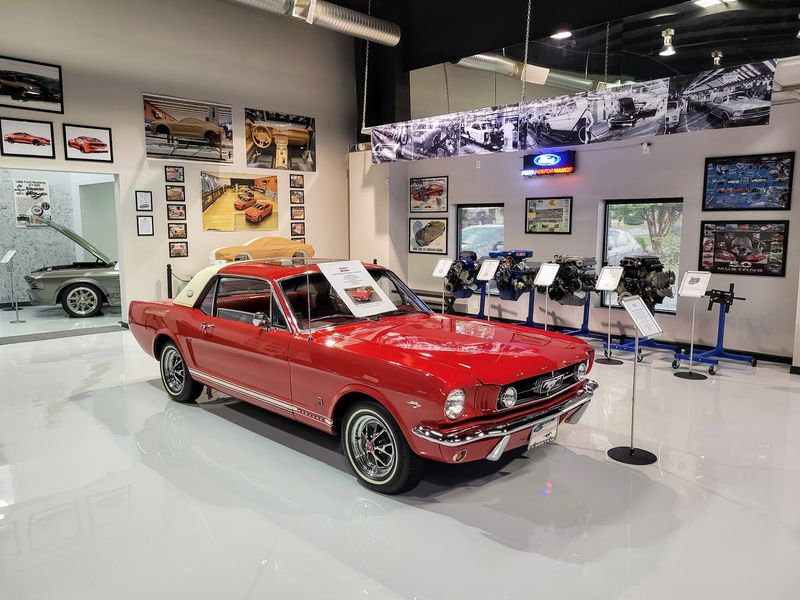
The clay models may surprise you most, because they look almost too real to be clay.
Visitors often say these displays make them want to reach out and touch the surface, even though museum rules ask everyone to look only.
Automakers have long used clay models to shape future cars.
Designers can smooth a curve, adjust a line, or test a cabin idea before a real production model is built.
At The Mustang Owner’s Museum, the full-size clay car and interior displays help people see the creative side of car making.
They show that a Mustang starts as more than metal, bolts, and paint.
The interior clay model is especially fun to study.
Areas that seem like leather, plastic, glass, or metal are actually shaped and finished to fool your eyes.
Kids may think it feels like a giant art project, while adults can appreciate the skill behind it.
Either way, it is a great reminder that cars are designed by people who sketch, sculpt, test, and revise.
Spend a few extra minutes here and look at the body lines from different angles.
Notice how light moves across the hood, doors, dash, and seats.
This display is also a helpful break from simply comparing year and horsepower.
It gives the museum a hands-on learning feel, even without touching anything.
If you are visiting with someone who is not a major car fan, the clay models may be the exhibit that gets them talking the most.
5. Memorabilia Adds Color Beyond the Cars
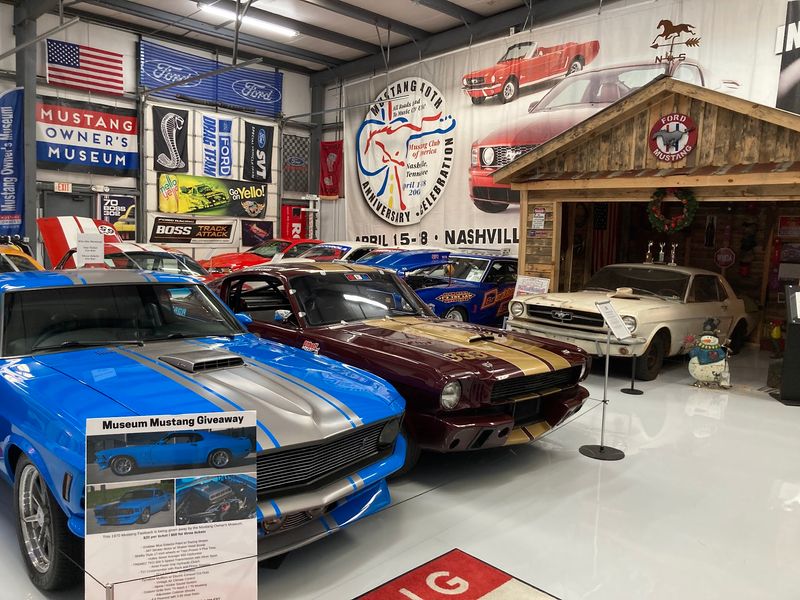
A museum full of cars is exciting, but the smaller treasures help tell the full story.
The Mustang Owner’s Museum includes memorabilia such as badges, parts, die-cast models, posters, books, magazines, and signs.
These pieces show how the Mustang became more than transportation.
It became a brand, a hobby, a childhood dream, and sometimes even a family tradition passed from one generation to the next.
Glass cases can be easy to rush by, but they reward patient visitors.
A small emblem, sales brochure, or old magazine cover can explain what people loved about Mustangs in a certain decade.
The museum also has displays that show parts and details from different years.
For beginners, this helps connect the outside look of a car with the mechanical and design choices underneath.
If you enjoy collecting, this area may give you ideas for your own shelf at home.
You might spot a scale model, shirt, print, or book style that reminds you of your favorite Mustang.
Families can use the memorabilia as a simple scavenger hunt.
Ask younger visitors to find a horse logo, a certain color, a racing item, or the oldest-looking advertisement.
The best part is how these items make the museum feel lived-in.
They prove Mustang love is not only about perfect paint or roaring engines.
It is also about ticket stubs, club meets, garage posters, manuals, and the memories people save because a car meant something to them.
6. Racing Roots Give the Museum Extra Bite
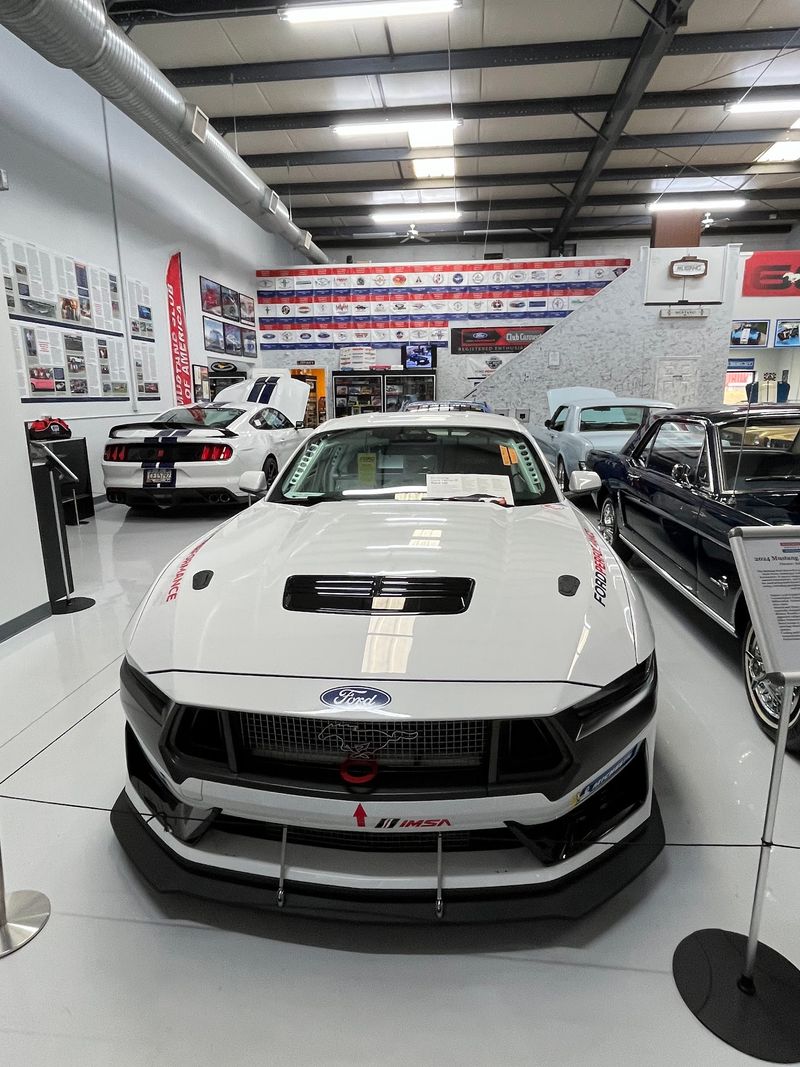
Speed has always been part of the Mustang story, and the museum gives that side plenty of room to shine.
Since it is near Charlotte Motor Speedway, the location already feels connected to racing culture.
Inside, visitors can find Mustangs linked to performance, track history, and special builds.
Racing displays help explain why the car became popular with drivers who wanted more than a good-looking daily ride.
The Mustang has appeared in drag racing, road racing, club events, and weekend car shows for decades.
Each kind of racing asks different things from a car, from quick starts to sharp handling.
Look for engine displays and performance details as you walk.
They help show how Ford and owners pushed the Mustang from stylish cruiser to serious muscle machine.
This section can be especially fun for people who like numbers, parts, and power.
Horsepower, engine size, trim names, and racing packages become clues that show what each car was built to do.
Still, you do not have to be a mechanic to enjoy it.
The shapes, colors, stripes, and stance of racing Mustangs tell their own bold story.
If you are visiting with a group, ask everyone to pick the car they would take to a track day.
Some may choose a vintage racer, while others will want a newer high-performance model.
That simple question can turn the exhibit into a lively conversation, and it shows why Mustang racing history keeps fans excited.
7. Owner Stories Make the Collection Feel Personal
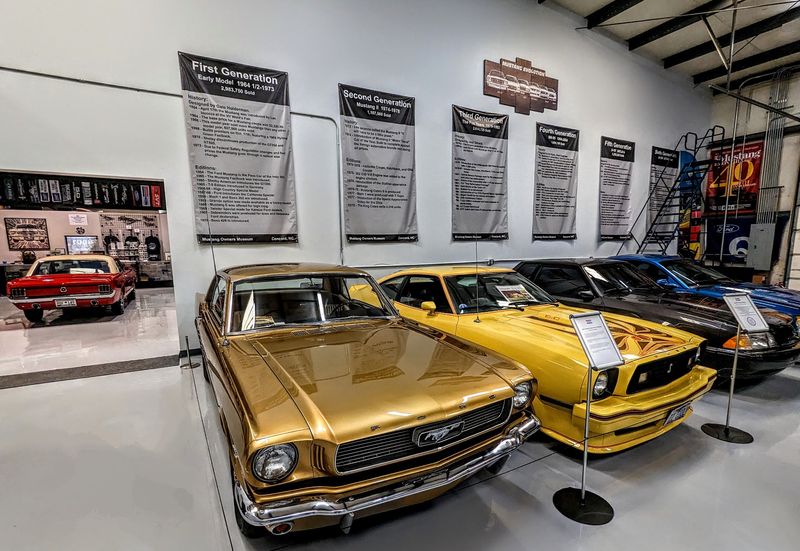
A shiny car is nice, but a car with a story is better.
The Mustang Owner’s Museum stands out because many displays connect vehicles to the people who owned, restored, preserved, or loaned them.
That focus changes the way you look at the collection.
Instead of seeing only model years and trim levels, you begin to notice the human side of Mustang life.
Some cars may have been barn finds, which means they were discovered after sitting unused for a long time.
Others may have been loved by families, rebuilt by careful hands, or kept in amazing shape across decades.
Take time to read the placards near each vehicle.
They often point out what makes a car special, whether it is a rare option, unusual history, or a connection to a certain event.
This is practical advice for any visit: do not just snap photos and move on.
The stories are where the museum’s name really comes to life.
The owner focus also makes the museum feel welcoming to regular car fans.
You do not have to own a perfect show car to understand the pride people feel when they care for a Mustang.
For many visitors, these stories bring back personal memories.
Maybe a friend had a Fox Body in high school, or a grandparent drove a classic coupe.
The museum gives those memories a place to land, which is why people often leave smiling.
8. A Family-Friendly Stop That Does Not Drag On
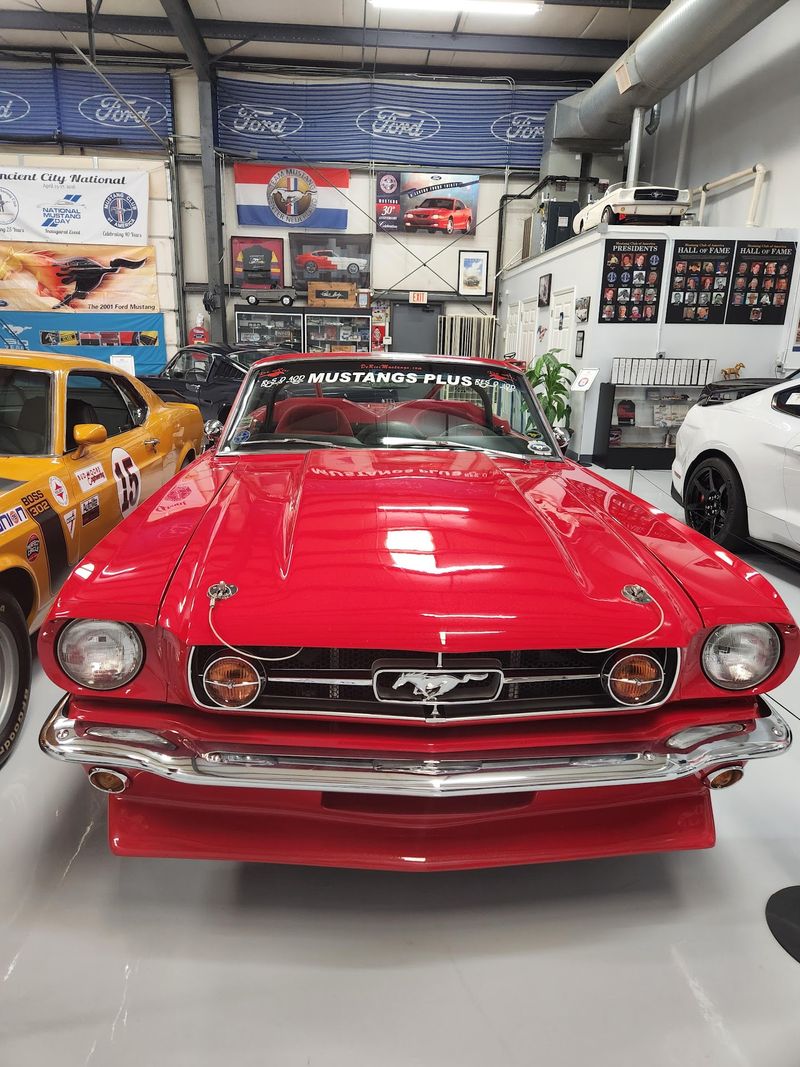
Not every museum works well for a mixed group, but this one is easy to enjoy together.
The Mustang Owner’s Museum is compact, clean, and simple to move through, which helps families avoid tired feet and long waits.
Kids who like bright colors and cool shapes will have plenty to notice.
Adults can slow down for history, design, engines, and owner stories without feeling stuck in a huge building.
The visit length is one of its best features.
Many guests can see the collection in an hour or two, making it useful for a free afternoon, a road trip break, or a stop before heading to the airport.
Because the museum is indoors and air-conditioned, it can also be a smart choice during hot North Carolina weather.
Summer car outings are more pleasant when you can cool off while still enjoying automotive history.
Before you go, remind younger visitors that the cars and clay models are for looking, not touching.
The displays are well kept, and careful behavior helps protect them for future fans.
To keep kids engaged, let them choose favorites by color, year, or shape.
You can also ask them to find the oldest Mustang, the sportiest one, or the display with the most interesting steering wheel.
The museum is a good pick even for someone who says they are not a car person.
The stories are easy to follow, the layout is relaxed, and the collection gives everyone something fun to point out.
9. Special Events Bring Mustang Fans Together
Some days at the museum feel like a reunion for people who speak fluent Mustang.
Special events, cruises, car shows, and birthday celebrations can turn a normal visit into a busy day of chrome, conversation, and club pride.
The Mustang’s official birthday is often a big moment for fans.
Past visitor comments mention cruises, car shows, Ford engineers, raffles, and special gatherings around spring dates tied to Mustang history.
Events are a smart way to meet other enthusiasts.
You may hear restoration tips, learn why a certain model year matters, or see cars that are not part of the regular indoor display.
If you want the fullest experience, check the museum’s website before choosing your date.
A quiet weekday is great for reading every sign, while an event day offers more energy and extra cars outside.
Car shows can be especially fun for visitors who like variety.
You might see carefully restored classics, modified modern Mustangs, daily drivers, rare trims, or owners proudly explaining what makes their car special.
Bring sun protection if an outdoor event is planned.
Comfortable shoes, water, and a charged phone for photos will make the day easier.
For locals, events are also a reason to support the museum more than once.
The rotating collection already changes the indoor visit, but shows and cruises add a community feeling that cannot be found in display cases alone.
It is Mustang history with handshakes, engine sounds, and parking-lot stories.
10. The Library and Gift Shop Reward Slow Browsing
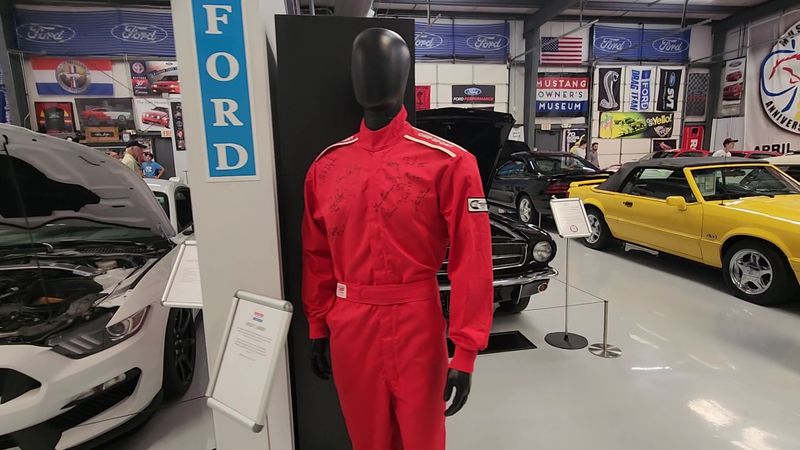
A great museum visit often ends with a little browsing, and this place gives fans two good reasons to linger.
The Mustang Owner’s Museum has a library-style area with books and magazines, plus a gift shop with Mustang and Ford items.
The library space is a treat for people who like research, old photos, and printed car history.
Past visitors have praised the many books and magazines, which can add depth after seeing the cars.
If you are new to Mustangs, the reading material can help answer questions that pop up during your walk.
If you already know the basics, it may point you toward details about racing, design, or rare editions.
The gift shop is useful for souvenirs that are easy to carry home.
Shirts, hats, small collectibles, signs, and model cars can help turn the visit into a memory you keep.
It is also a good place to shop for a Mustang fan who is hard to buy for.
A museum item feels more personal than a random online gift because it comes from a real stop tied to the car’s story.
Give yourself a few extra minutes here instead of rushing to the exit.
Small museums often depend on visitors buying tickets, memberships, and shop items to keep their mission going.
Supporting the shop also supports the idea behind the museum: preserving Mustang history through owners, stories, and shared passion.
That makes a sticker, book, or shirt feel like more than a simple purchase.
11. Helpful Planning Tips Make the Trip Smoother
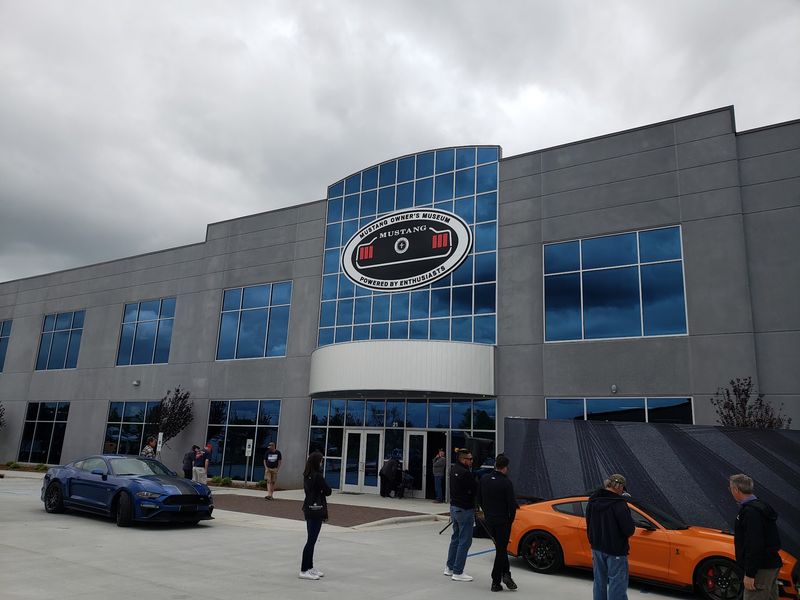
A little planning helps this hidden Concord stop shine.
The Mustang Owner’s Museum is located at 4001 Dearborn Pl NW, Concord, NC 28027, and its quiet setting means checking the map before leaving is a good idea.
The museum’s posted hours are generally 10 AM to 5 PM Monday through Saturday, with Sunday open from noon to 5 PM.
Since hours can change for holidays or events, call ahead at 980-439-5653 or check the official website before you drive over.
Reviews give the museum a strong rating, with many visitors praising the cars, memorabilia, friendly staff, and rotating displays.
A few guests have wished for more detailed answers on certain topics, so serious researchers may want to bring specific questions or look for written exhibit information.
For the best visit, arrive with a flexible mindset.
The museum is smaller than some major attractions, but the quality of the displays and the care given to the cars make it worthwhile.
Pairing the visit with nearby Concord or Charlotte-area plans can create an easy car-themed day.
Its location near Charlotte Motor Speedway adds extra appeal for racing fans.
Budget enough time for photos, reading, and browsing the shop.
If you are coming for an event, allow more time for parking, outdoor cars, and conversations with owners.
Most of all, do not judge the museum by its size from outside.
Inside, it carries decades of Mustang pride, design, racing, collecting, and personal memories in a friendly space.
Share this story