Imagine how many plates of pasta can leave a kitchen over the course of a century. At Sunny Italy Cafe in South Bend, generations of diners have gathered around the tables, turning this old-school Italian restaurant into a living piece of Indiana dining history.
Family tradition and familiar recipes have survived changing tastes, restaurant trends, and countless new competitors along the way. Yet the real achievement is not simply lasting—it is continuing to give people a reason to walk through the door. More than 100 years later, Sunny Italy shows that sometimes the restaurants with the deepest roots still have the strongest pull.
A Dining Room That Refuses To Rush The Clock
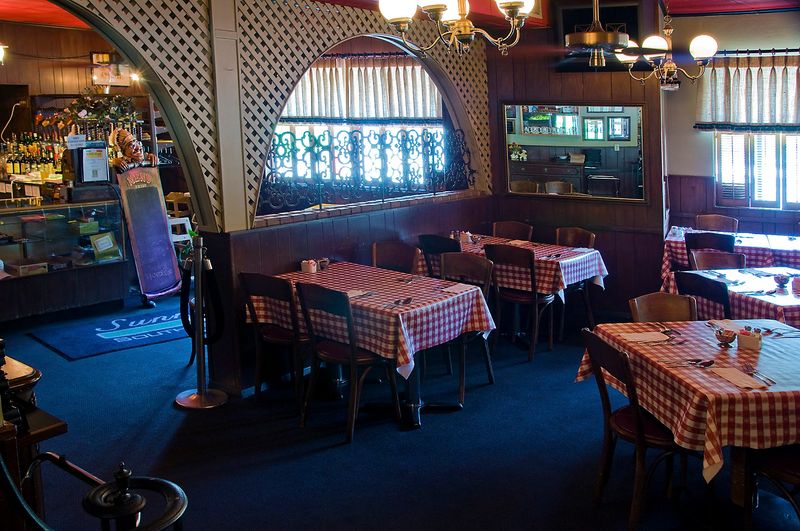
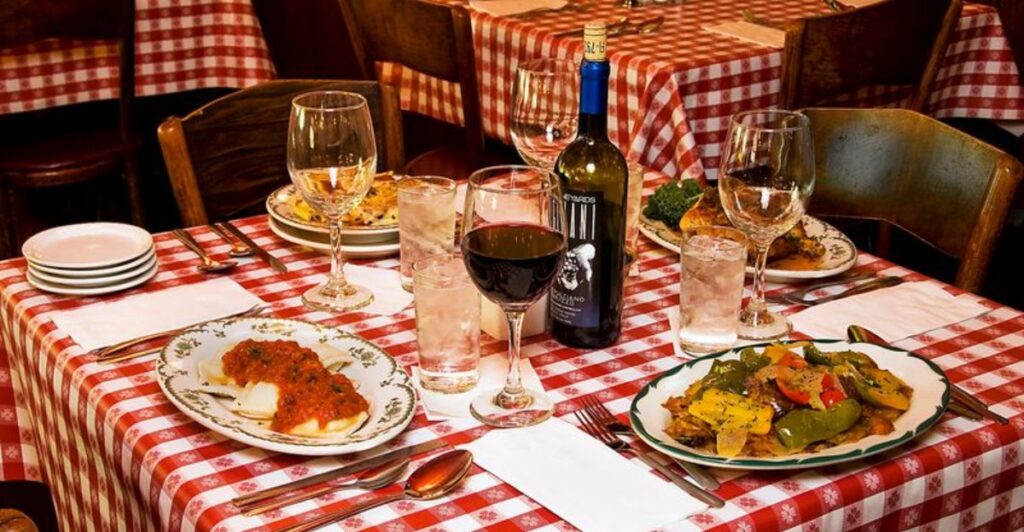
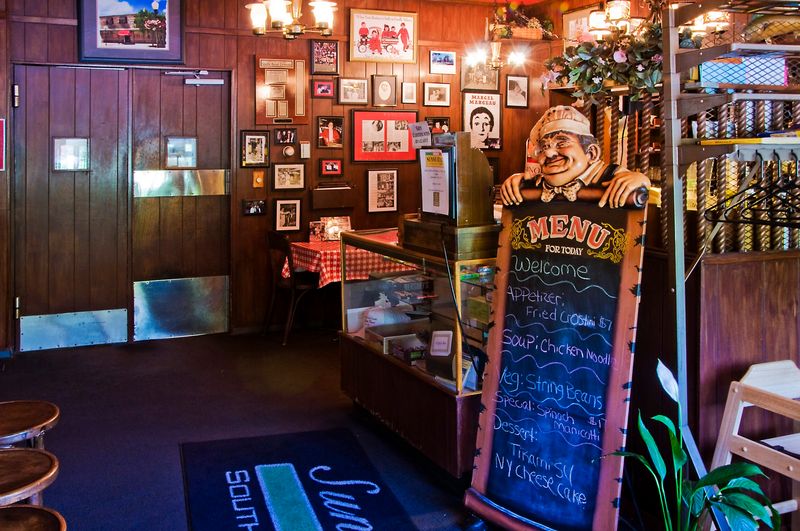
Stepping into a century-old Italian restaurant should feel different, and Sunny Italy Cafe leans into that expectation instead of sanding it down. The room carries an older style, with dimmer lighting, traditional table settings, and a dining layout built for conversation over a long meal. Nothing about it chases modern restaurant trends.
That matters in a city where many places are designed for speed, bright lights, and quick turnover. Here, the setting helps explain why the restaurant still stands out after so many decades. A meal is framed as an occasion, not just a stop between errands.
The visual identity also matches the kind of food the restaurant is known for. Red sauce classics, hearty plates, and old family favorites make more sense in a room with a little age on it than in a sleek minimalist space. The surroundings prepare diners for a familiar, traditional experience before the bread even lands on the table.
Not every person will love the darker, vintage style, and that is part of the story too. Sunny Italy Cafe has clearly chosen consistency over reinvention. That choice can divide opinion, but it also protects the restaurant from feeling generic.
For first-time visitors, the best approach is simple. Go in expecting character, not polish, and pay attention to how the room supports the restaurant’s identity. A place that has lasted this long usually tells part of its story through its walls, lighting, and pace.
In Sunny Italy Cafe’s case, the dining room works almost like a time capsule. It sets the mood for a restaurant that has survived not by changing into something else, but by staying rooted in the kind of Italian dinner service many towns have already lost.
Red Sauce Is The Real Headliner
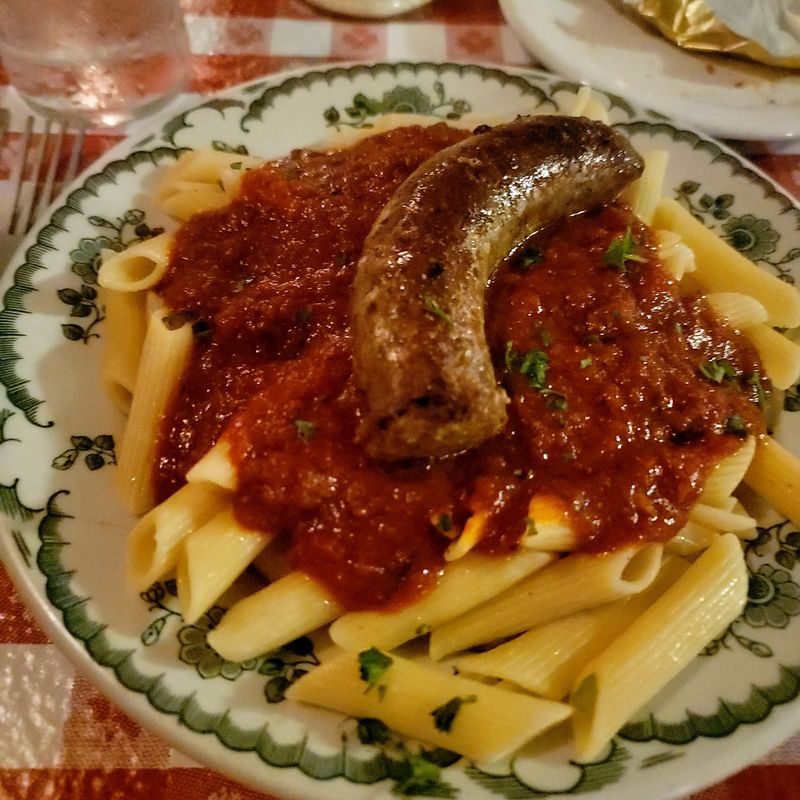
Every long-running restaurant needs one thing that anchors the whole operation, and at Sunny Italy Cafe that anchor appears to be the red sauce. It comes up again and again because it gives the menu a center of gravity. Instead of chasing dozens of passing food trends, the kitchen seems to build its reputation around a core flavor profile that regulars expect and seek out.
That kind of focus helps explain how a restaurant reaches the hundred-year mark. Diners can return after years away and still find the dish they had in mind before they parked the car. For a legacy spot, reliability is not boring. It is part of the value.
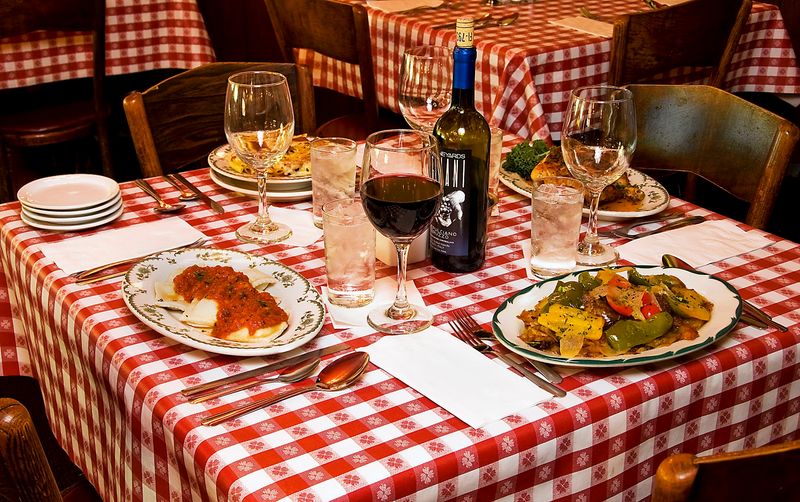
Menu favorites tied to that style include spaghetti, meatballs, ravioli, manicotti, and chicken cacciatore. Those dishes fit the old-school trattoria identity the restaurant presents. The food is not trying to look tiny, sculpted, or trendy.
It is aiming for comforting, sauce-forward, family-table Italian American dining. Sunny Italy Cafe is also known for homemade sausage, which adds another layer to the red sauce story.
A house specialty like that suggests the restaurant still puts attention into the savory basics that support many of its most familiar plates. Strong sausage, steady tomato sauce, and classic pasta choices create the kind of menu structure that rewards repeat orders.
Newcomers would be smart to start with the classics instead of overthinking the menu. A place with this kind of history usually reveals itself best through signature staples. Choosing spaghetti, ravioli, or another red sauce dish offers the clearest picture of why the restaurant has stayed important to local diners.
Some restaurants become known for novelty. Sunny Italy Cafe built its staying power on the opposite idea, a dependable sauce that gives the whole menu its identity.
Homemade Touches Keep The Menu Grounded
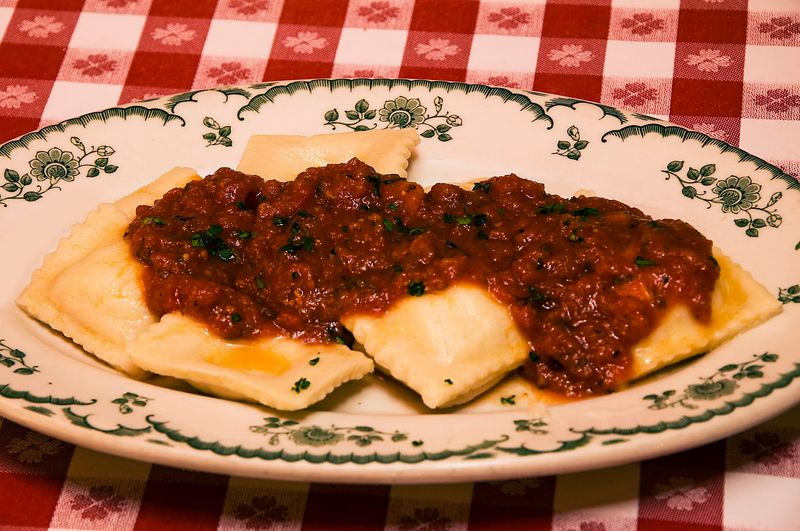
Big anniversaries can make a restaurant sound like a museum piece, but Sunny Italy Cafe stays relevant through the smaller details that shape the meal itself. Homemade sausage is one of the clearest examples. A house-made specialty gives the menu a stronger backbone than a list built only on standard supplier items.
That same appeal shows up in other menu details tied to the restaurant’s reputation. Ravioli appears often among popular picks, and the salad dressing has its own following too, especially the creamy Italian version. Even before dessert enters the picture, there is already a pattern.
Familiar dishes carry a little extra personality through touches that seem linked to the restaurant rather than borrowed from a generic template.
Then there are the side pleasures that round out the table. Garlic bread, bruschetta, and classic desserts such as cannoli and spumoni fit the old neighborhood Italian restaurant image very well. They are not flashy additions, but they help turn a dinner into a complete routine, the kind many families repeat over years.
That kind of menu design matters because it builds habit. A restaurant survives across generations when people know not only what entrée to order, but also which dressing to ask for, which dessert to split, and which extra plate belongs to the family tradition. Those rituals often matter as much as the main course.
For anyone planning a first visit, it makes sense to order in layers. Start with a salad or garlic bread, choose one of the established pasta or chicken dishes, and save room for a classic dessert. That approach lets the meal show its full range without becoming complicated.
Sunny Italy Cafe’s century of staying power is easier to understand once those homemade touches come into view. The menu works because its details help ordinary favorites feel house-specific.
South Bend, Indiana Still Has A Place For Tradition
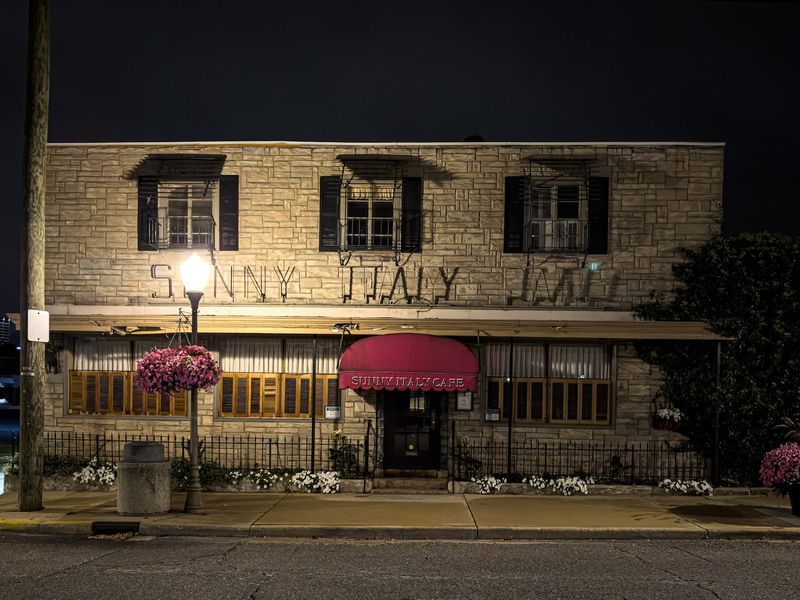
Restaurants that reach a hundred years usually become woven into local life, and Sunny Italy Cafe appears to hold that role in South Bend, Indiana. It is not just another place to grab pasta. The restaurant stands as a piece of community continuity in a city that has changed through generations of homes, businesses, and family routines.
That local role becomes clearer when a restaurant is tied to birthdays, dating memories, anniversaries, and return trips after many years away. A century-long business gains weight because it can connect different ages to the same tables, the same menu, and the same neighborhood route across town. Few places can offer that kind of shared timeline.
Sunny Italy Cafe also benefits from being specific rather than broad. It is a long-running Italian restaurant in northern Indiana, not a national chain or a concept adjusted to fit every market. That gives it a stronger sense of place.
South Bend diners are not only eating dinner. They are participating in a local institution that has outlasted trends, ownership shifts in the wider dining world, and changing expectations about how restaurants should look or operate.
There is a lesson in that for travelers too. If the goal is to understand a city, century-old restaurants often tell a richer story than newer spots built around social media appeal. Their menus, hours, decor, and rituals reveal what a town has valued long term.
For anyone exploring South Bend, adding Sunny Italy Cafe to the plan means stepping into a living thread of local dining history. Go with enough time to notice the room, the pacing, and the menu patterns. Those details explain why the restaurant still matters.
Not every old place remains active in the present. Sunny Italy Cafe does, and that continued relevance is a big reason the crowds still show up in Indiana.
The Address Matters More Than You Might Think
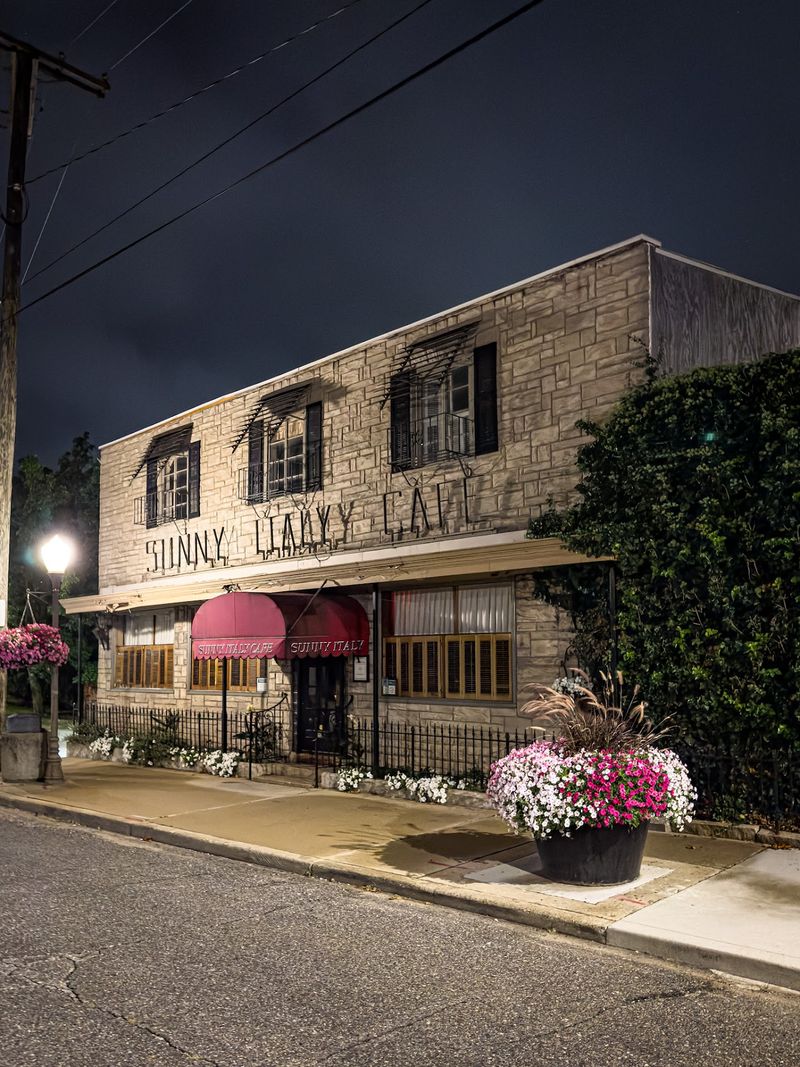
Location shapes the experience before the meal even begins, and Sunny Italy Cafe sits at 601 N Niles Ave, South Bend, a detail that deserves real attention.
An address like that places the restaurant within the everyday fabric of the city rather than in a highway strip built for pure convenience. The setting supports the idea of a neighborhood institution.
That kind of placement changes how a restaurant is approached. People are more likely to arrive with a sense that they are heading somewhere established, somewhere known by generations instead of discovered through a quick app search. A century-old dining room carries more weight when the building is tied to a recognizable local street.
The South Bend location also helps explain the restaurant’s staying power. Longtime independent restaurants often survive because they become landmarks as much as businesses. The trip there becomes part of the ritual.
Families know the route. Former residents remember the corner. Special dinners feel linked to a specific place, not just a menu item.
For first-time diners, treating the visit as a destination works better than squeezing it into a rushed schedule. Arrive with enough time to park, settle in, and absorb the setting around Niles Avenue. A place that has lasted this long tends to reward slower attention.
The address also hints at why Sunny Italy Cafe remains part of South Bend’s food identity. It is rooted, fixed, and visibly local. That steadiness matters in a dining culture where many restaurants move, rename, remodel, or disappear.
So yes, the food is the reason to order, but the address is part of the reason the restaurant carries such staying power. Sunny Italy Cafe is not floating above its city. It is planted firmly in one South Bend spot, and that physical continuity adds to the draw.
Plan Around The Clock, Not Just The Craving
Here is the practical twist that shapes the whole experience: Sunny Italy Cafe keeps limited operating hours. The restaurant is open Thursday through Saturday from 4:30 PM to 9 PM, and closed Sunday through Wednesday. That schedule gives dinner there a more deliberate quality right away.
Instead of functioning like an all-day casual stop, the restaurant behaves more like a focused event. You go because you planned to go. That alone can strengthen demand, especially for a place with deep local roots and a loyal following.
Limited hours also mean timing matters. Arriving close to opening can be a smart move for anyone who prefers a calmer pace or wants to settle in before the busiest part of the evening. On popular nights, especially Saturdays, it is wise to expect heavier traffic and a fuller room.
That planning mindset fits the restaurant’s old-school identity. Sunny Italy Cafe is not built around last-minute convenience. It rewards diners who think ahead, show up ready for dinner service, and understand that an established independent restaurant may operate on its own rhythm rather than the endless-access model many chains use.
There is another benefit to knowing the schedule. It helps set expectations about staffing, table flow, and wait times during busy periods. In a compact dinner window, the room can shift quickly from quiet to packed.
Patience and good timing can shape the evening almost as much as the menu choice. For the smoothest visit, pick a night with flexibility, arrive early if possible, and treat the meal as the main event rather than one stop in a crowded itinerary. That approach lines up better with how the restaurant works.
After 100 years, Sunny Italy Cafe still draws crowds partly because scarcity adds energy. When the doors are open only a few nights a week, each service carries a little more purpose, and the tables matter more.
Why A Hundred-Year Restaurant Still Fills Tables
Crowds do not keep showing up for a hundred-year-old restaurant out of pure nostalgia. Sunny Italy Cafe appears to draw people because it offers a complete package that is harder to find now: local history, recognizable food, old-fashioned pacing, and a setting that has not been stripped of its personality. Each part reinforces the others.
The history gets attention first, of course. A restaurant serving South Bend since 1926 carries instant curiosity. Yet plenty of old places survive only as names. Sunny Italy Cafe still attracts diners because the experience remains active, not ceremonial.
Menu familiarity plays a major role. A dependable lineup of spaghetti, ravioli, meatballs, chicken dishes, house dressing, and classic desserts gives people a reason to return with confidence. Traditions become stronger when the order stays within reach year after year.
The dining room adds another layer. It does not seem built for trends, fast flipping, or social media staging. That can be a drawback for some, but it is also exactly what makes the restaurant distinct.
In a market full of updates and rebrands, consistency becomes a feature. Community memory matters too. When a restaurant serves multiple generations, each table can carry more than one story. Parents bring children to a place they knew from earlier family dinners.
Longtime residents return for dishes tied to old routines. New diners arrive because a centennial milestone sparks curiosity. All of that traffic gathers under one roof.
The best way to understand the draw is to stop thinking only about hype and start looking at function. Sunny Italy Cafe gives people a repeatable ritual in a stable setting. That is powerful in any city.
One hundred years later, the restaurant still fills tables because it offers continuity with dinner attached. In a fast-changing food world, that simple promise remains a strong one.
Share this story