Tucked away in Asheboro, the North Carolina Zoo is much bigger than many people expect. It is known as the world’s largest natural habitat zoo, with wide open spaces made to feel like real homes for the animals.
Families, school groups, and animal lovers come here to see wildlife, walk shaded paths, and learn why conservation matters. If you have never been, this North Carolina treasure deserves a spot on your day trip list.
1. A Giant Zoo With Room To Roam
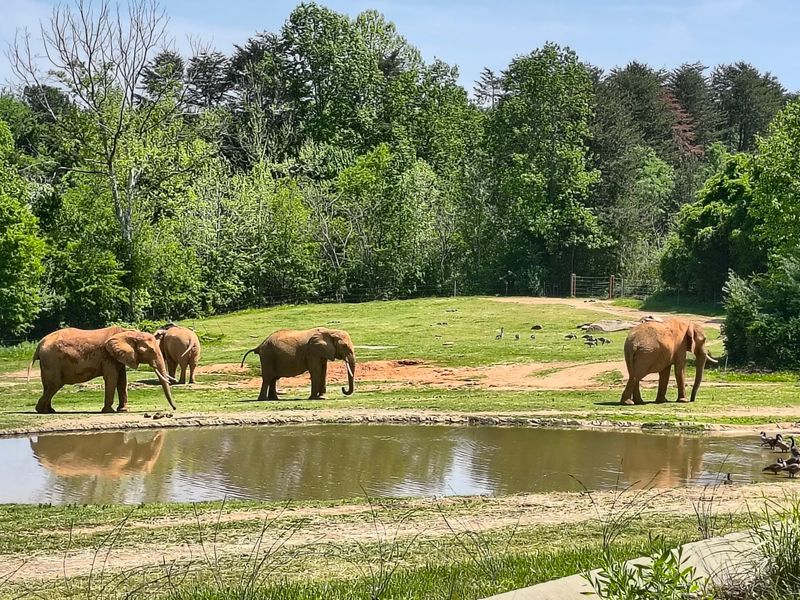
Some zoos feel like quick stops, but the North Carolina Zoo feels more like a full outdoor adventure.
Spread across about 500 developed acres, it gives animals large spaces that look and feel closer to the wild than rows of small cages.
The zoo is located at 4401 Zoo Parkway in Asheboro, right in the heart of North Carolina.
Its size is a big reason people call it the world’s largest natural habitat zoo, and that title is not just for show.
Visitors should plan for plenty of walking, because the paths stretch through huge areas built around Africa and North America.
Comfortable shoes are not optional here, especially if you want to see elephants, rhinos, bears, gorillas, birds, and more without rushing.
Families often spend four hours or longer exploring, and many guests say they still want more time.
The wide layout can be tiring, but it also makes the visit feel calm, green, and open.
A smart plan is to arrive near opening time at 9 AM, check the map, and pick the animals you most want to see first.
The zoo usually closes at 5 PM, so early visitors get more chances for cooler weather, shorter lines, and active animals.
Bring patience along with your camera.
In natural habitats, animals may wander, rest, or hide, which is part of what makes the place special.
2. Africa Brings The Savanna To Asheboro
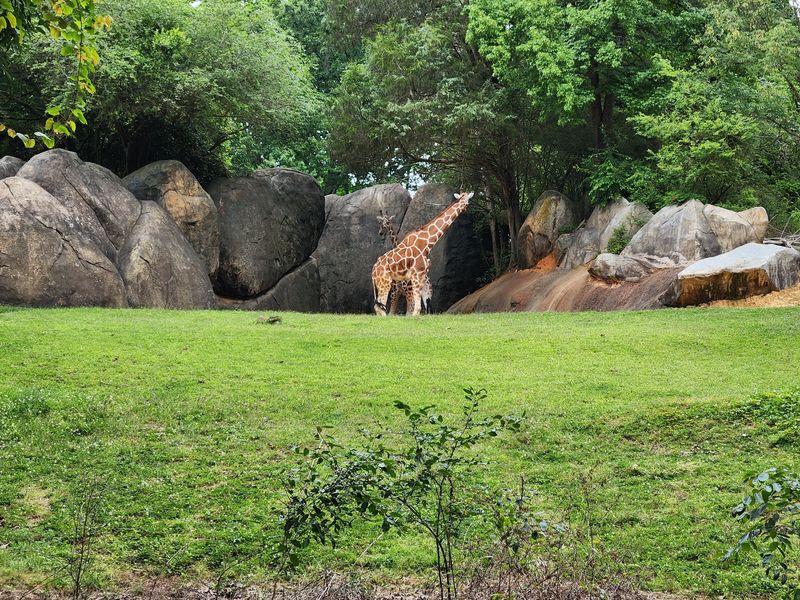
Africa at the North Carolina Zoo can make you forget you are still in the Piedmont.
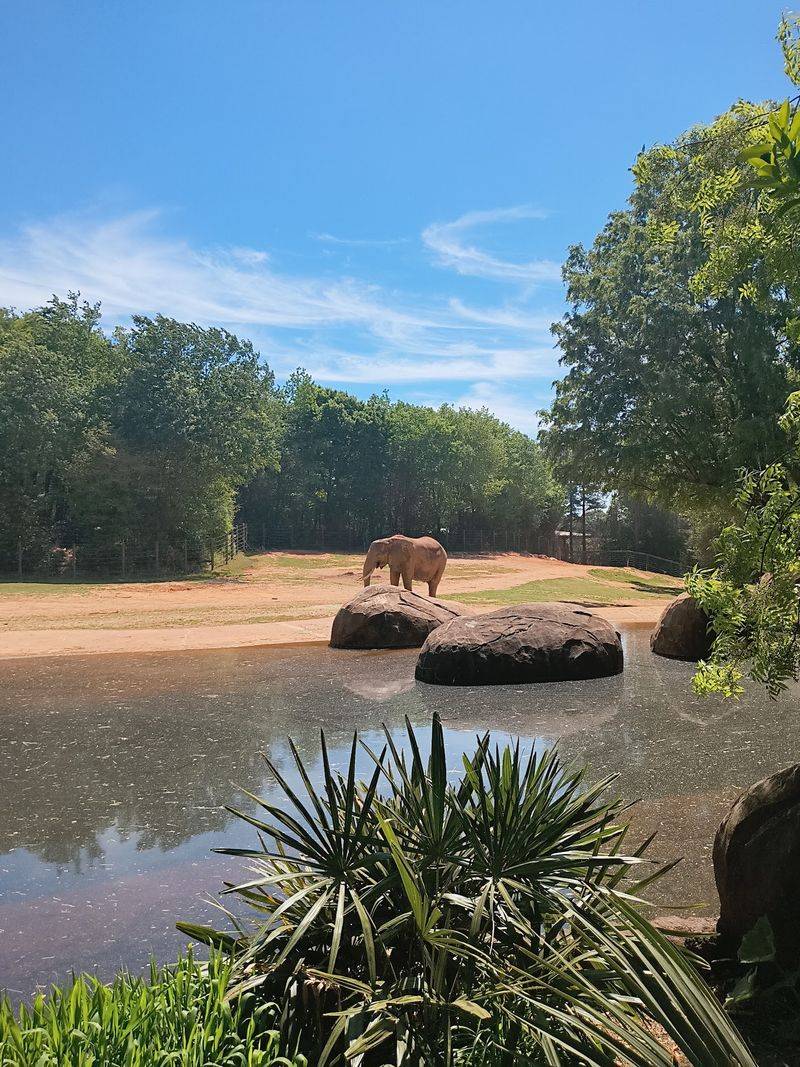
Wide grasslands, rocky viewing areas, and long sight lines create a setting where large animals can move in a way that feels natural.
The Watani Grasslands are a favorite for many guests.
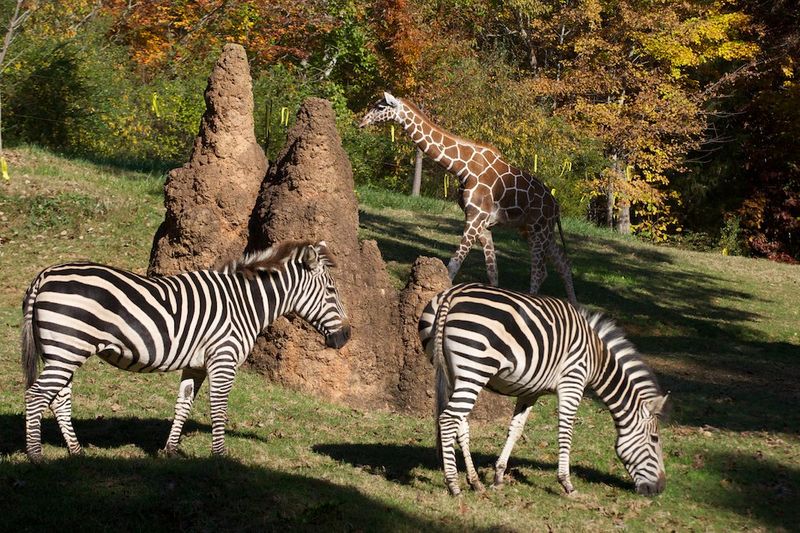
Elephants, rhinos, gazelles, antelope, ostriches, and other animals may be seen across the open space, sometimes far away and sometimes surprisingly close.
Giraffes are often one of the biggest stars in this section.
When available, giraffe feeding gives visitors a chance to stand at an elevated deck and meet these tall animals at eye level.
Kids love the thrill of watching a giraffe stretch out its long tongue for a snack.
Adults usually enjoy it just as much, even if they pretend it is only for the children.
The Africa region also includes primate habitats, where gorillas and chimpanzees can steal the show.
Their facial expressions, quiet moments, and playful behavior can keep people watching longer than planned.
For the best visit, move slowly and look carefully instead of racing from sign to sign.
Animals in large habitats may be resting in shade, crossing the grass, or sitting near a hidden corner.
If one viewing spot seems quiet, try another angle or come back later.
That small bit of patience can turn a normal zoo walk into a memorable wildlife moment.
3. North America Feels Wild And Wooded

The North America region has a quieter, woodsy feel, almost like a nature hike with surprise animal encounters along the way.
Tall trees, shaded paths, water features, and rocky spaces help the area feel connected to the landscapes many visitors already know.
Popular animals here include bison, elk, black bears, grizzly bears, cougars, red wolves, and the famous polar bear habitat.
Seeing these animals in roomy spaces can help guests understand how much land wildlife needs to live well.
The polar bear is one of the most talked-about animals at the zoo, but it may not always be visible.
Like all animals here, it has places to rest away from the crowd, which is better for animal care.
That can disappoint excited visitors, so it helps to set expectations before you go.
Tell children that not seeing an animal right away does not mean the trip failed.
Instead, treat each exhibit like a search game.
Watch for movement, look near logs or shade, and read the signs while you wait.
Grizzly feeding times, when available, can be a highlight because the bears may come closer to viewing areas.
Checking the zoo website before your trip can help you plan around keeper talks, feedings, and temporary exhibit closures.
North America involves a good bit of walking, including some slopes.
Take breaks, refill water bottles, and use the tram if your group needs to save energy for the rest of the day.
4. The Tram Can Save Your Day
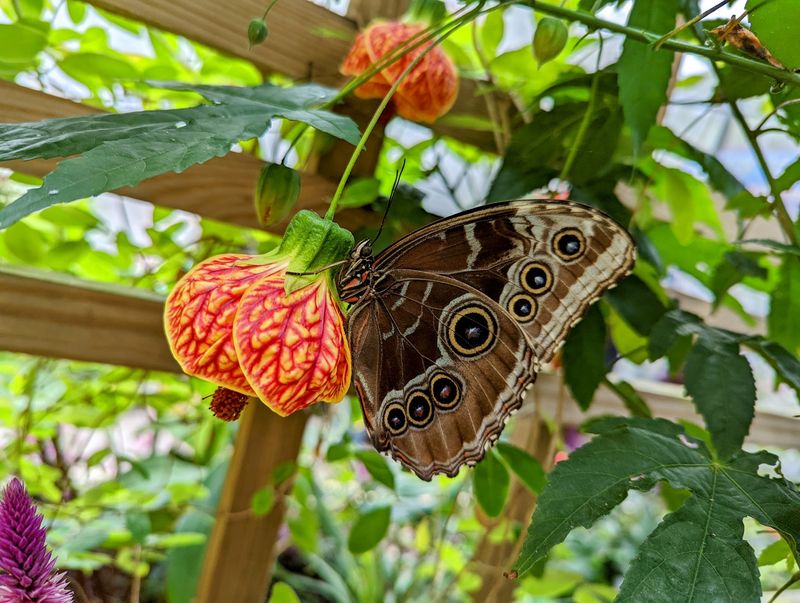
Halfway through a hot zoo day, the tram can feel like a gift.
The North Carolina Zoo is so large that transportation inside the park is not just helpful; it can change the whole mood of your visit.
Free trams and shuttle buses help connect major areas, including the Africa entrance, North America entrance, and Junction Plaza.
For families with young children, grandparents, or anyone with tired legs, these rides are a smart part of the plan.
Many visitors suggest starting in North America and walking toward Africa because parts of the route may feel more downhill.
Others choose their entrance based on the animals they most want to see first.
Either way, take a photo of the map or grab a paper copy before heading out.
Knowing where tram stops are located can prevent a long backtrack at the end of the day.
If you bring a stroller, remember that it may need to be folded before boarding certain zoo transportation.
Pack bags in a way that makes this easier, and avoid loading the stroller like a moving closet.
The tram is also useful during summer heat.
Even a short seated ride gives everyone time to cool off, drink water, and reset before the next section.
Do not wait until everyone is cranky to use it.
Build tram rides into your schedule early, especially if your group plans to explore both large regions in one day.
5. Animal Viewing Rewards Slow Visitors
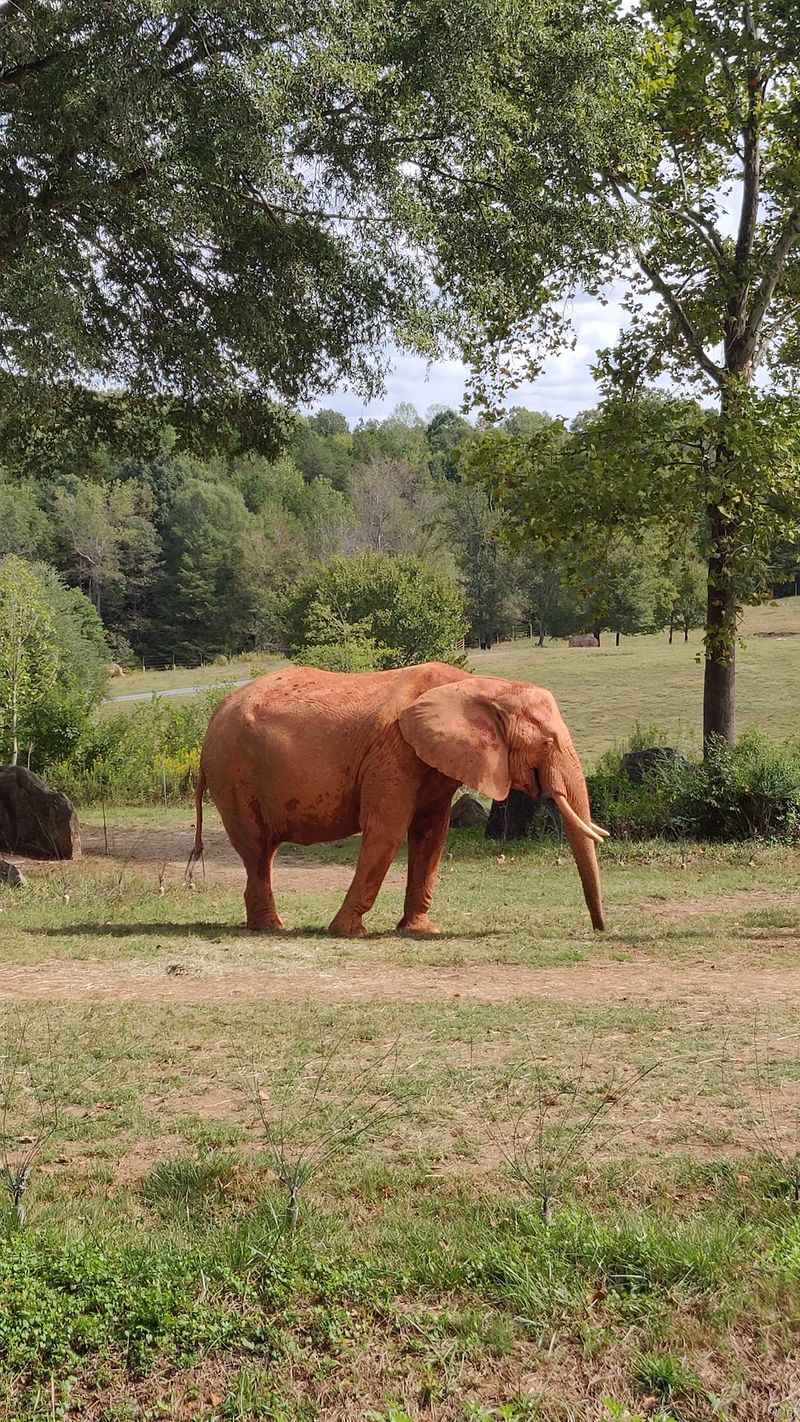
The best animal moments at the North Carolina Zoo often happen after people stop moving.
A gorilla may walk closer, a bison may rise from the grass, or a chimpanzee may begin acting like it knows it has an audience.
Because the habitats are large, animals are not always parked in front of the glass.
That is a good thing for them, even if it means visitors need to be more patient.
Try spending five to ten minutes at favorite exhibits instead of taking one quick look.
Quiet watching gives animals time to move, and it gives your eyes time to notice shapes hidden in shade.
Children can turn this into a simple challenge.
Ask them to find ears, tails, footprints, food bowls, or places where an animal might choose to nap.
Some guests report magical close-up moments, like elephants walking near the viewing area or gorillas coming toward calm children.
These moments cannot be ordered like fast food, which makes them more exciting when they happen.
Good animal viewing also depends on weather and time of day.
Cooler mornings often bring more movement, while hot afternoons may send animals to shady resting spots.
If an exhibit looks empty, read the signs, learn one fact, and return later if you can.
At this zoo, a second pass can be completely different from the first.
That slower pace helps the visit feel less like a checklist and more like a real wildlife experience.
6. Families Find More Than Animals
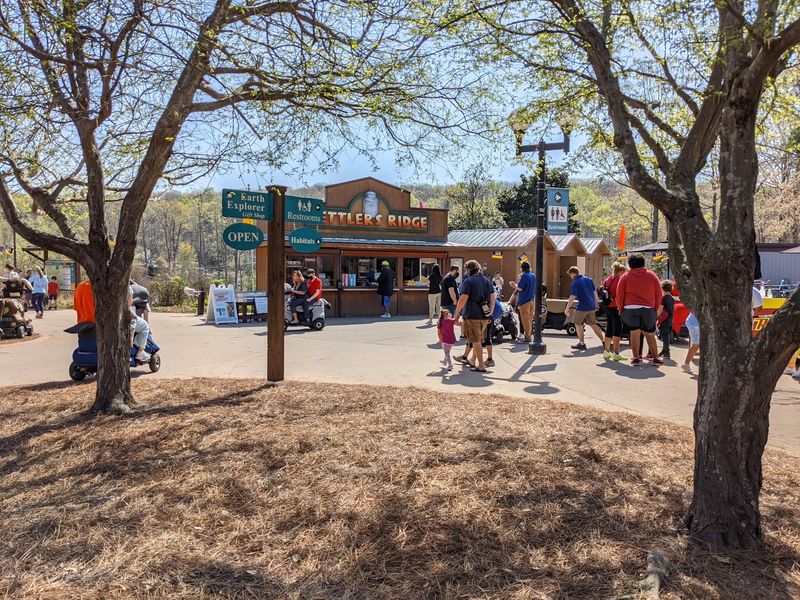
A family trip here is not only about spotting animals.
The North Carolina Zoo mixes wildlife, play spaces, learning stations, snacks, shaded paths, and hands-on activities into a day that can keep different ages happy.
Playgrounds are a big help when kids need to climb, run, or wiggle after walking between habitats.
Many parents mention that children enjoy these areas as much as some animal stops.
The Zoo Explorer missions, when offered, can give kids a goal as they move through the park.
Activities like these turn learning into a small adventure instead of a lecture.
Field trips are also common, and the zoo works well for school groups because it connects science lessons to real animals.
Students can see how habitats, food webs, animal behavior, and conservation all fit together.
For families with babies or toddlers, packing light but smart matters.
Rolling carts may not be allowed, so check current rules before arrival and use backpacks or approved bags for supplies.
Bring refillable water bottles, sunscreen, hats, snacks if permitted, and clothes that match the weather.
A small first-aid kit and extra socks can also save the day after puddles or sweaty walks.
Plan breaks before kids melt down.
Sit in shade, ride the tram, share a snack, or visit a quieter area for a reset.
With a little planning, the zoo becomes more than a busy outing.
It becomes the kind of family memory people talk about for years.
7. Butterflies Add A Peaceful Pause
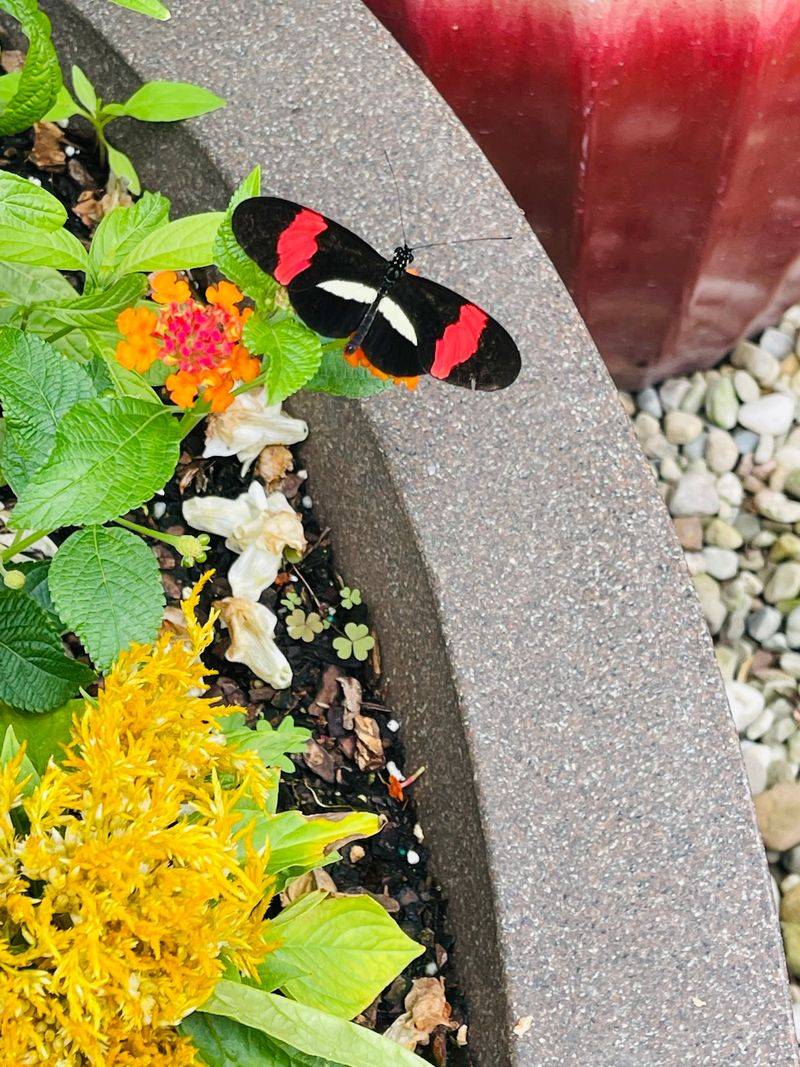
After miles of walking past bears, elephants, and rhinos, the butterfly garden feels like a quiet little surprise.
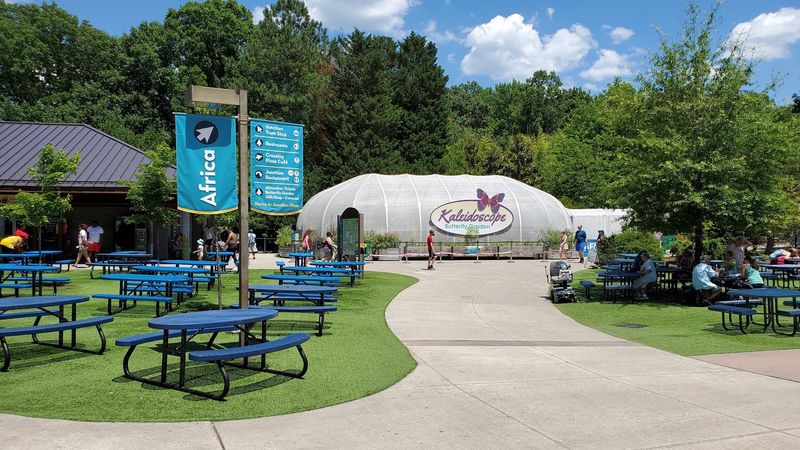
The Kaleidoscope Butterfly Garden gives visitors a softer, slower experience filled with color and movement.
Inside, butterflies may float past shoulders, rest on leaves, or gather near flowers.
The space feels peaceful, which makes it a nice break from the larger outdoor paths.
This stop is especially good for guests who enjoy photography.
Move slowly, keep your hands still, and look for butterflies with open wings in sunny spots.
Children should be reminded to watch with their eyes, not their fingers.
Butterflies are delicate, and gentle behavior helps everyone enjoy the garden safely.
There may be an added fee or seasonal schedule, so check the zoo website before promising it to excited kids.
It is also wise to ask at the entrance if any special attractions are closed that day.
The butterfly garden pairs well with a snack break or a cool drink because it invites a calmer pace.
Some visitors even say it becomes one of the sweetest parts of the whole trip.
For anyone who feels tired or overstimulated, this garden can reset the day.
The bright wings, soft plants, and slower path offer a different kind of zoo magic.
Not every amazing animal has to be huge.
Sometimes the smallest creatures leave the biggest smile.
8. Food, Drinks, And Budget Tips Matter
A zoo day can get pricey faster than a giraffe can grab lettuce.
Many visitors praise the North Carolina Zoo but warn that food, bottled drinks, ice cream, and souvenir cups can cost more than expected.
Admission is often seen as reasonable for such a large attraction, but concessions are where families may feel the pinch.
Burgers, hot dogs, slushies, bottled water, and treats can add up quickly for a group.
The easiest money-saving move is to bring refillable water bottles.
The zoo has water refill stations, which are very helpful on warm days.
Check current food rules before packing lunch, because policies can change.
If outside food is allowed in certain areas, the picnic spaces can make the day much easier on your wallet.
If your family wants a special snack, set a budget before the trip.
Kids handle limits better when they know the plan early, such as one treat after lunch or one shared dessert before leaving.
Hot weather makes drink planning even more important.
Do not wait until someone feels dizzy or worn out before finding water.
Some guests like buying a refillable souvenir cup, especially if they plan to return during the season.
Others prefer to skip the extras and spend money on animal experiences or the gift shop.
Both choices can work.
The key is planning ahead so the day stays fun instead of turning into a surprise spending spree.
9. Accessibility Helps More Guests Explore
The North Carolina Zoo is huge, but it works hard to help more people enjoy it.
Paved trails, ramps, trams, benches, shuttle service, wheelchair rentals, and electric scooter rentals can make a big difference for guests with mobility needs.
Anyone who has trouble walking long distances should plan ahead.
Scooter rentals can sell out on busy days, so checking availability before arrival is a smart move.
Reviews often mention that electric carts are easy to rent and useful for seeing more of the park.
For visitors with knee problems, older family members, or anyone recovering from an injury, that support can turn a hard day into a happy one.
The zoo does have slopes, inclines, and long stretches between some exhibits.
Even strong walkers may feel tired after several hours.
Use the tram before your energy is gone, not after.
A short ride can help the whole group stay together and avoid rushing.
Families with strollers should also prepare for transportation rules.
Folding a stroller for a tram ride is much easier when bags are packed neatly and loose items are limited.
Shaded rest areas and indoor or covered stops can help during heat, but North Carolina summers are still serious.
Bring water, wear breathable clothing, and take cooling breaks.
Accessibility planning is not only for people with disabilities.
It helps grandparents, toddlers, pregnant visitors, and tired parents enjoy the zoo with less stress and more smiles.
10. Conservation Gives The Visit Meaning
Behind the fun photos and animal sightings, the North Carolina Zoo has a deeper purpose.
Its natural habitat design helps visitors understand that animals need space, clean water, healthy land, and protection to survive.
The zoo cares for more than 1,700 animals from around the world.
Many are part of stories about conservation, habitat loss, rescue, breeding programs, research, and public education.
Keeper talks, signs, and learning stations can turn a normal walk into a science lesson that feels easy to understand.
Guests may learn why red wolves matter, how elephants shape their environment, or why polar bears depend on cold places.
Parents can use these moments to start simple conversations.
Ask children what an animal eats, why it has certain body parts, or what people can do to protect wild spaces.
The zoo is also growing, with major attention on future expansions such as Asia.
Many visitors are excited to return as new habitats open and more animals join the experience.
Because habitats are built for animal comfort, guests may sometimes see empty-looking spaces.
That is not a flaw.
It means animals can choose shade, privacy, or distance when they want it.
Respecting that choice is part of modern zoo care.
A visit to Asheboro can be fun, tiring, surprising, and meaningful all at once.
When you leave, you may carry home more than pictures.
You may carry a stronger reason to care about wildlife.
Share this story