Roll down the windows and let the wildlife watching begin from the comfort of your car. At Muscatatuck National Wildlife Refuge near Seymour, a four-mile auto tour winds past wetlands, forests, and open water where something can appear with little warning.
Bald eagles may soar overhead, river otters can surface near the water, and turtles, frogs, and countless birds add movement to the landscape. Because much of the scenery is accessible by road, visitors can explore without tackling a demanding trail. Muscatatuck makes a slow drive feel less like transportation and more like a moving seat inside one of Indiana’s wildest landscapes.
A Windshield Safari Through Wetlands and Woods
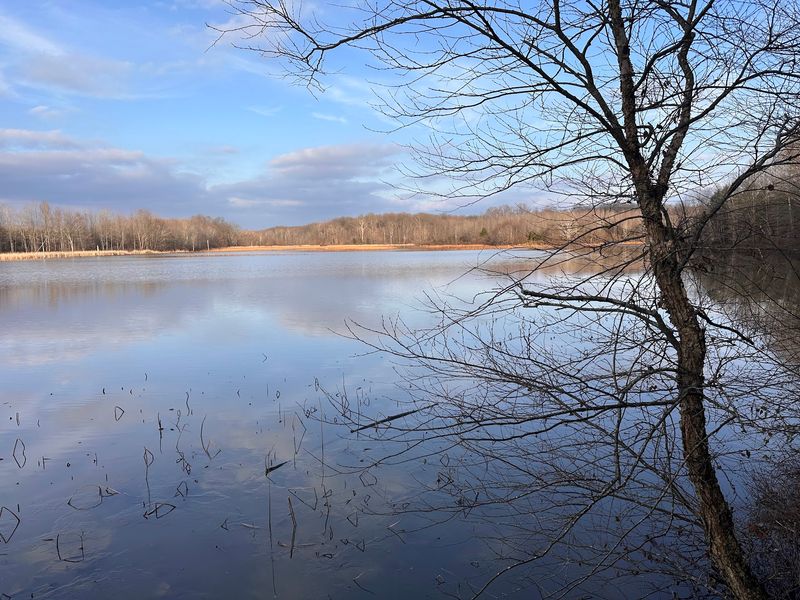
Some wildlife drives feel rushed, but the road at Muscatatuck works more like a slow-moving window into the refuge. The 4-mile auto loop passes marsh, ponds, tree lines, and open edges where animals often move between cover and water.
Because the habitats sit so close to the road, every bend has a reason to make drivers ease off the gas and look twice.
Muscatatuck is a large refuge, yet the loop gives the visit shape. Instead of wandering with no clear plan, travelers can follow a marked route with designated stops and still feel surrounded by untidy, active nature.
One stretch may show still water with floating plants, while the next opens onto a wider view where birds can be seen perched, gliding, or dropping low over the marsh.
The appeal is not speed. Rolling along slowly gives eyes time to catch movement, like a turtle slipping off a log, a heron lifting out of the reeds, or ripples that hint an otter may be nearby.
Families with young kids, older adults, and anyone who prefers easy access can all enjoy the same route without needing a long hike first.
That simple setup is a big reason the auto loop stands out. It turns a drive into a field guide lesson, a photo outing, and a calm nature break at the same time.
Keep windows cracked, voices low, and binoculars close, because at Muscatatuck, the next sighting may appear right beside the road rather than deep at the end of a trail.
Where River Otters Turn a Calm Pond Into a Show
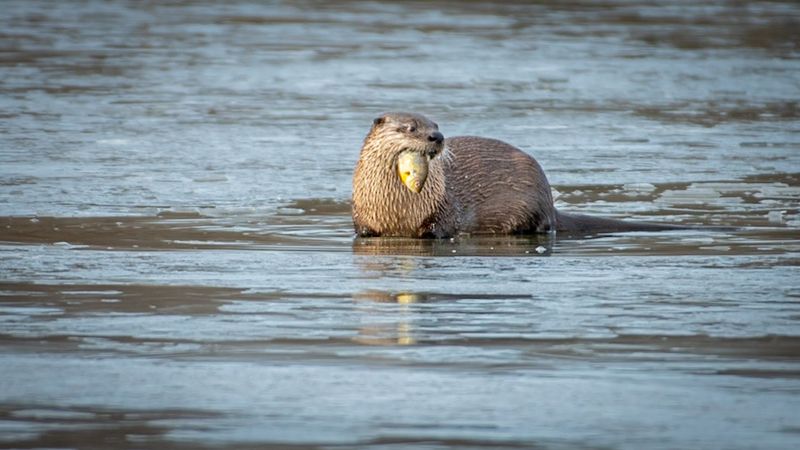
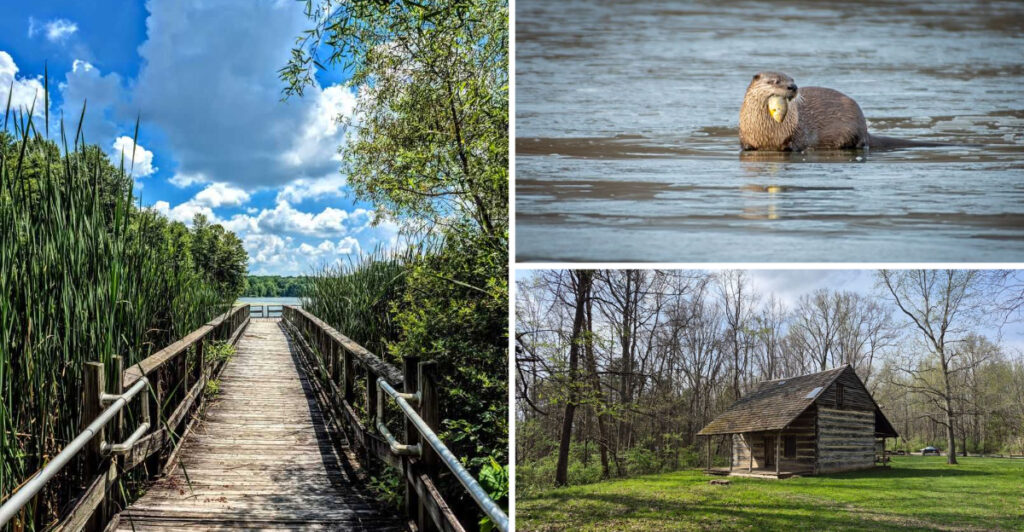
River otters are the kind of animals that can make a quiet stop suddenly exciting. One second the pond looks empty, and the next there is a slick head, a quick splash, or a V-shaped trail cutting across the water.
At Muscatatuck, the mix of ponds, marshy edges, and sheltered waterways gives these fast swimmers the sort of habitat where patient watchers have a real chance.
Otters are not stage performers, so timing and stillness matter. Early morning and late afternoon are smart bets because the refuge is often quieter then, the light is softer, and movement on the water is easier to spot.
Watching the edges of logs, narrow channels, and muddy banks can help, since otters often travel close to cover instead of crossing the widest open water first.
The auto loop helps in a very practical way. It lets visitors scan several wet areas without wearing themselves out, and that means more chances to notice clues like fresh ripples, birds reacting to movement, or a quick dive near shoreline plants.
A short pause at each stop is usually better than a single long wait, since otter activity can shift from one pool to another.
Even when no otter appears, looking for one changes how the refuge is seen. Mud banks show tracks, floating stems reveal where water moves, and every splash becomes worth checking.
Bring binoculars, keep cameras ready, and stay flexible, because the best otter moment on this loop might last only a few seconds before the water turns smooth again.
Bald Eagles Over the Indiana Refuge Skyline
A bald eagle does not need much time to change the mood of a wildlife drive. Its bright white head, heavy bill, and broad wings make it easy to pick out once it is seen, even from a distance.
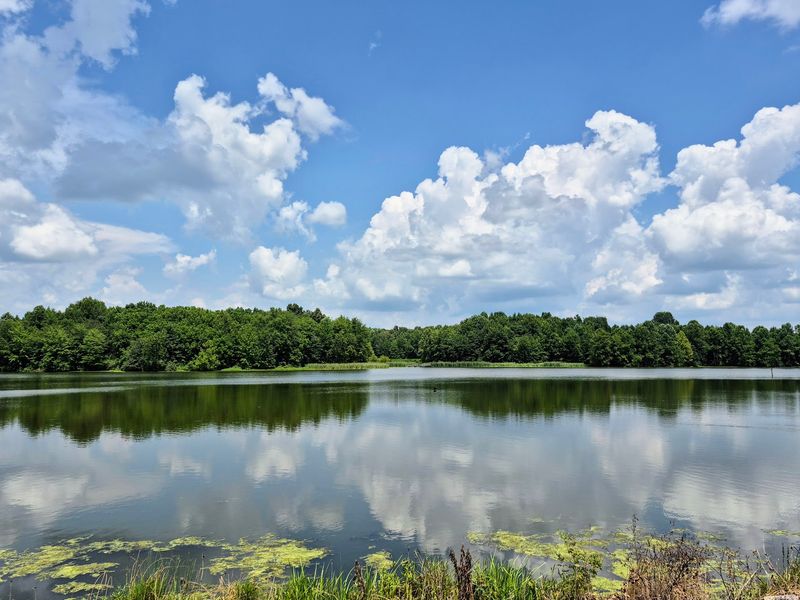
Muscatatuck has the kind of open water, tall trees, and wetland habitat that make scanning for eagles a smart part of the auto loop.
Winter can be especially rewarding for eagle watching because leaves are down and sightlines open up across the refuge. A perched bird may stand out high in a bare tree near water, while another may cruise above the ponds with slow, steady wingbeats.
Cold-season birding also fits the refuge well, since many travelers already visit for seasonal changes and broad views across the restored wetlands.
The key is to look up as often as you look out. Power poles, dead snags, taller shoreline trees, and wide patches of open water are all worth checking through binoculars.
If smaller birds seem agitated or suddenly lift together, that can be a clue to search the sky for a larger predator passing overhead.
The route makes eagle watching easy for beginners because the viewing changes constantly without requiring a hard walk. One pull-off may frame a quiet pond, and the next may offer a wider horizon where soaring birds are easier to track.
Dress for wind, keep the sun behind you when possible, and pause often, because an Indiana bald eagle can look like a tiny dark shape one moment and the star of the whole drive the next.
Twelve Stops, Plenty of Surprises Between Them
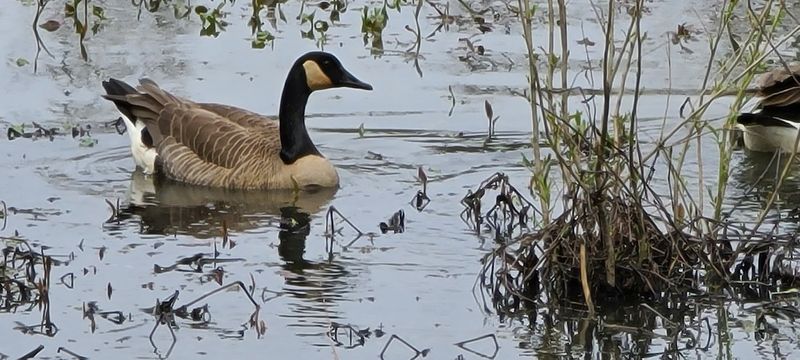
The smartest thing about the loop is that it is not only a road. The tour includes designated stations, and that structure gives each part of the refuge a different job.
One stop may point attention toward open water, another toward a wooded edge, and another toward the small details that are easy to miss from a moving car.
That variety matters because Muscatatuck is more than a single marsh. The refuge includes ponds, lakes, wetlands, trails, and historic features, so the drive never settles into one repeating scene.
Instead of staring at the same view for miles, travelers move through changing habitats where frogs, dragonflies, turtles, songbirds, wading birds, and larger raptors all fit into the picture differently.
Several extras along the way help break up the route without making it complicated. Visitors may come across view decks, a fishing dock, a boat launch area, short walking options, and points of interest tied to the land’s past, including the Meyers cabin area noted by returning travelers.
For families, that means the loop can handle short attention spans well, since every stop offers a fresh reason to get out, stretch, and look around.
The best strategy is not to race from station to station trying to collect every stop like a checklist. Pick a few places to linger, then stay open to unplanned pauses when light, birds, or movement near the water grab attention.
Muscatatuck works best when the loop is treated less like a commute and more like a slow circuit with room for detours, photos, and small surprises.
More Than a Drive — Trails, Docks, and Close-Up Views
Sometimes the best move on the auto loop is to park for a while. Muscatatuck gives that option without making the day hard, thanks to short trails, benches in some areas, educational signs, and easy access points that let visitors trade windshield views for ground-level details.
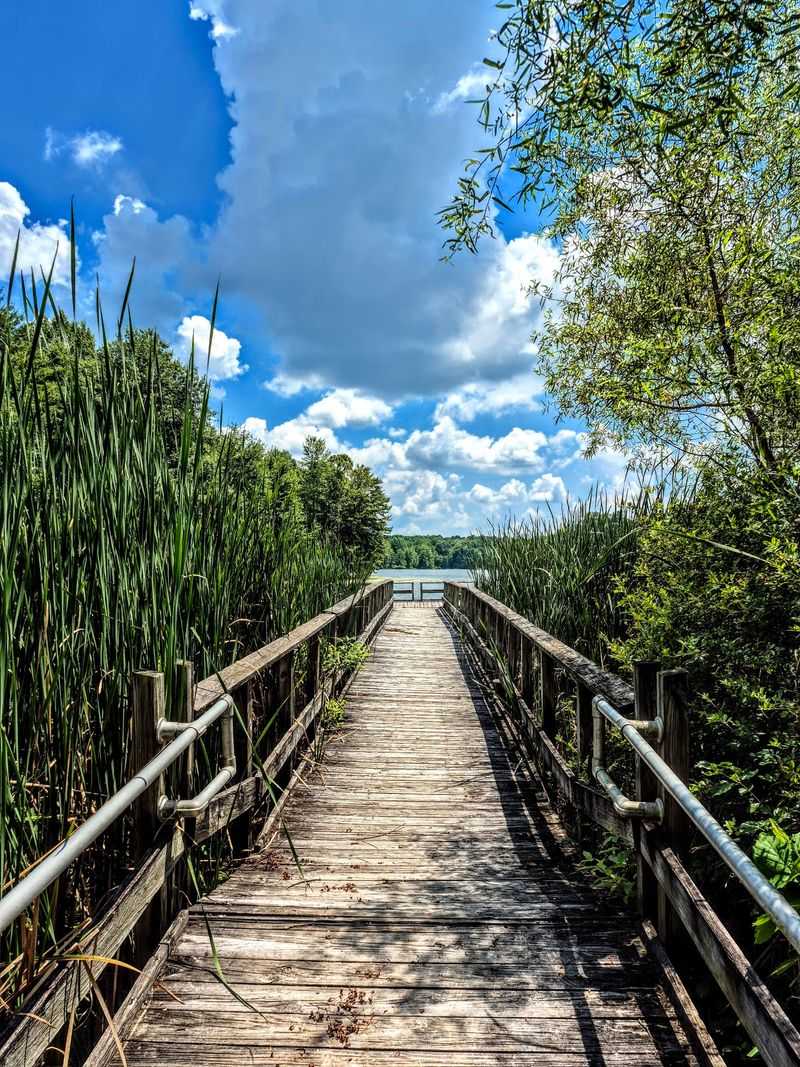
A dock or boardwalk can completely change what is noticed, especially when frogs are calling, dragonflies are zipping past, or turtles are lined up on a log.
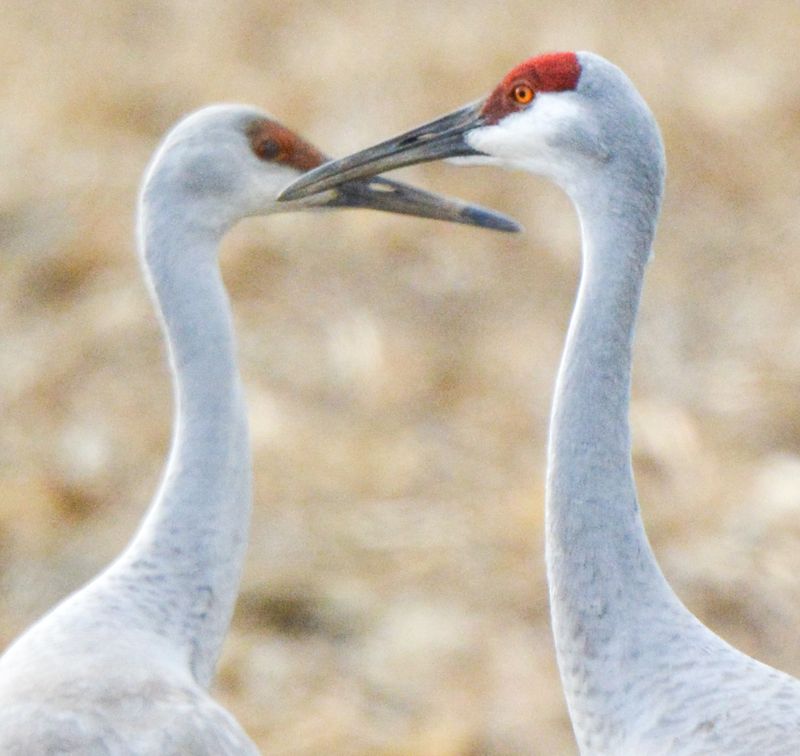
Lake edges and viewing areas are especially useful for slowing down the trip. Waterbirds can be easier to study from a fixed spot, and calm surfaces often reveal motion that would be missed while driving.
Reports from recent visits also point to a newer accessible dock at Lake Linda, which adds another simple way to enjoy the refuge without needing a rugged hike.
Short walks near the visitor center or along paved stretches can be a good middle ground for mixed-age groups. One person may want photos, another may want bird lists, and another may simply want ten quiet minutes with a good view over the water.
Muscatatuck handles that mix well because it offers both movement and stillness without forcing everyone into the same pace.
There is one practical catch. Some trails are dirt, some areas can grow thick later in the season, and bugs can be intense, especially near wetter spots.
Good shoes, bug spray, and a flexible plan make a difference, but the payoff is strong, because stepping out at the right place can turn a pleasant drive into a much sharper look at the refuge’s ponds, plants, and wildlife.
A Refuge Shaped by Water, Seasons, and Local History
Muscatatuck is not a park where one season tells the whole story. Water levels, leaf cover, migration, flowers, and even the sounds of the place shift across the year, which helps explain why repeat visits can feel completely different.
A route that looks bright and leafy in late summer may open into broader winter views where birds are easier to spot across the marsh.
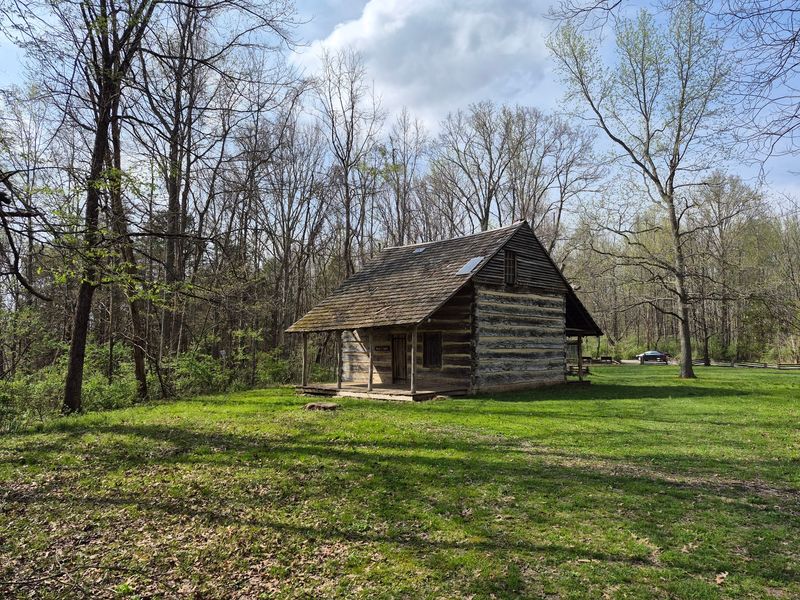
The refuge also carries traces of the land’s earlier human story. Along with ponds and wetlands, visitors may encounter features such as the Meyers cabin area and cemetery, reminders that the landscape has layers beyond wildlife watching alone.
That mix of natural restoration and historic landmarks gives the auto loop more depth, because the scenery is not just pretty to look at, it also shows how a place can change over time and still hold onto older pieces of its identity.
Seasonal details can be small but vivid. Fall brings turning leaves and dropping persimmons, warmer months can fill the edges with flowers and insects, and cooler weather can sharpen birding opportunities.
Even the same short trail can sound different from one visit to the next, with spring birdsong, summer frogs, or the dry crunch of leaves underfoot.
That changing character rewards people who pay attention rather than chase a single perfect moment. If otters or eagles do not appear, the refuge still offers a live lesson in wetlands, migration, and Indiana’s yearly rhythm.
Bring curiosity along with binoculars, because Muscatatuck is strongest when it is seen not as one attraction on one afternoon, but as a landscape that keeps rearranging itself with the calendar.
Plan the Day Right and the Loop Gets Even Better
A little planning goes a long way here. Starting at the visitor center makes the rest of the refuge easier to understand, since it can provide maps, displays, and a clearer sense of how the auto loop, trails, and viewing areas connect.
It is also a good reset point for bathrooms, current conditions, and any last-minute decision about whether the day should focus on driving, birding, or short walks.
Morning is often the easiest time to catch active wildlife and softer light, while late afternoon can also be productive. Midday is still useful for a scenic drive, but strong sun can flatten views and make animals harder to pick out near the water’s edge.
On cool, windy days, keeping a jacket in the car helps, especially when stepping out at exposed stops with open marsh views.
Three simple items can improve the visit fast: binoculars, bug spray, and patience. Mosquitoes, ticks, and other insects can be part of the experience in warmer months, and some trail sections may be grassy or uneven.
If fishing is part of the plan, check expectations, because designated ponds may not always offer easy bank access, making docks, launches, or watercraft more practical in certain areas.
The biggest tip is to leave room for flexibility. Drive slowly, stop more than expected, and do not pack the schedule so tightly that a bird overhead or movement in a pond becomes an inconvenience.
Muscatatuck’s 4-mile loop works best when visitors treat time as part of the experience, because the most exciting front-row moment may show up only after a quiet extra five minutes at the right pull-off.
Why This Short Indiana Drive Punches Far Above Its Mileage
Four miles does not sound like much on paper. At Muscatatuck, though, that short distance works almost like a sampler platter of southern Indiana habitat, pulling together wetlands, open water, woods, bird activity, and easy pull-offs in one simple route.
The result is a drive that gives beginners an easy entry point while still offering enough texture to keep regular birders and photographers interested.
Its strength comes from access, not hype. Plenty of wildlife areas ask for a long hike before anything opens up, but this refuge puts meaningful views close to the road and adds optional walks for anyone who wants more.
That makes it unusually flexible for mixed groups, changing weather, or travelers who discover the place on a back-road detour and decide to stay a while.
The headline animals help, of course. River otters bring a burst of motion and surprise, while bald eagles add scale and drama to the skyline.
Yet the loop would still be compelling without them, because the supporting cast is strong: frogs splashing from the bank, dragonflies over the water, turtles sunning on logs, cranes in season, and songbirds calling from the edges of the trees.
For anyone looking for a memorable nature outing near Seymour, the refuge offers a rare balance of convenience and real habitat. It is easy to enter, easy to understand, and never fully predictable once the car starts rolling.
That combination is why this 4-mile Indiana auto loop earns attention, not as a gimmick, but as a practical, scenic way to meet the wild side of Muscatatuck.
Share this story