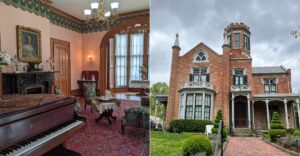
Grand columns and carefully preserved rooms make it surprisingly easy to leave the modern world behind at Lanier Mansion State Historic Site in Madison. Built in the 1840s, this striking home overlooks the Ohio River and offers a glimpse into the life, architecture, and ambitions of another era.
Period details throughout the mansion help turn Indiana history into something visitors can actually walk through rather than simply read about. Outside, landscaped grounds and river scenery add another layer to the experience. At Lanier Mansion, nearly two centuries of history feel remarkably close, making every doorway seem like another step into the past.
A Riverfront Entrance That Sets the Mood

Before anyone steps inside, the outside of Lanier Mansion does a lot of the storytelling. The house sits proudly above the Ohio River in Madison, and its balanced shape, tall columns, and red brick walls immediately signal that this was meant to impress.
There is a kind of order to the design that makes the building look calm and powerful at the same time. The front lawn gives the mansion breathing room, so the whole structure can be taken in at once instead of getting crowded by nearby buildings.
That setting matters because Lanier Mansion was not dropped into just any spot. Its location near the river connected the home to trade, travel, and the movement of people and goods that helped shape Madison in the nineteenth century.
Standing outside, it becomes easier to understand why the river view still catches attention today. The mansion looks formal, but the landscape around it softens the scene with green space, old trees, and the broad openness that comes from being near the water.
Photographs are tempting here, especially when sunlight hits the brick and the white trim at the same time. Even a short walk around the grounds can help visitors notice how carefully the house was positioned and how its architecture works with the setting instead of fighting it.
Anyone planning a visit should avoid rushing straight to the tour start. A few extra minutes outside makes the indoor experience stronger, because the mansion first announces itself as a public symbol, then slowly reveals itself as a family home with layers of history behind every polished surface.
Inside the Greek Revival Showpiece
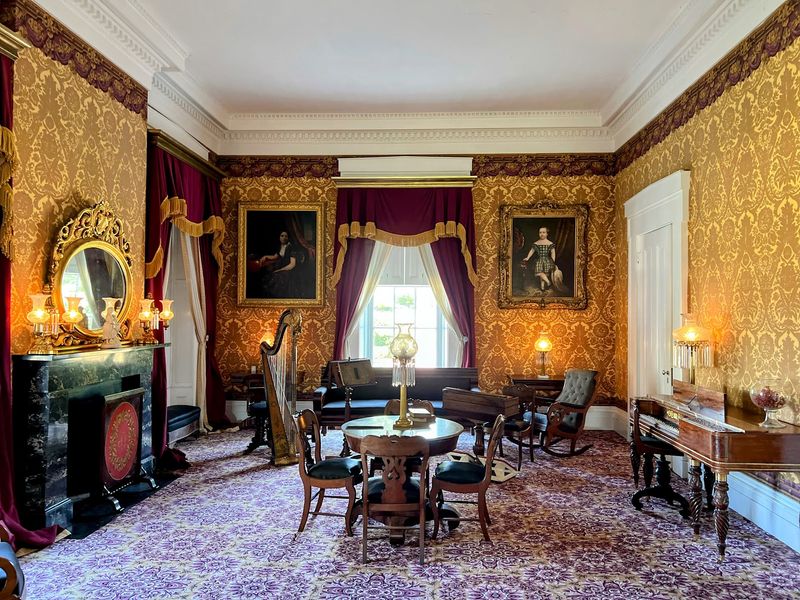
Once the tour moves indoors, the mansion shifts from impressive to deeply interesting. High ceilings, long sightlines, large doors, and carefully arranged rooms create a sense of scale that feels grand without tipping into clutter.
Greek Revival architecture is the star here, and Lanier Mansion presents it in a way that is easy to notice even for visitors who do not know design terms. Symmetry, proportion, and strong shapes keep showing up from room to room, giving the house a clean and deliberate look.
One of the pleasures of touring the mansion is seeing how architecture and decoration support each other. Furnishings and finishes help suggest the period, but the bones of the house do much of the work, especially in the way rooms connect and how formal spaces announce their purpose.
There is also a practical side to all this beauty. Big doors, tall windows, and thoughtful room placement were not only stylish choices in the 1840s, they also helped control light, airflow, and movement through the home.
Details keep the experience lively. A fireplace surround, a stretch of woodwork, or the way a doorway frames the next room can suddenly pull attention and make the house feel less like a museum object and more like a designed environment built for daily life at a very high level.
Visitors who enjoy architecture will want to slow down and look up as often as they look forward. The mansion rewards patience, because its most memorable features are not flashy tricks but repeated visual decisions that build a full picture of wealth, taste, and ambition in nineteenth-century Madison.
The Spiral Staircase and Other Smart Surprises
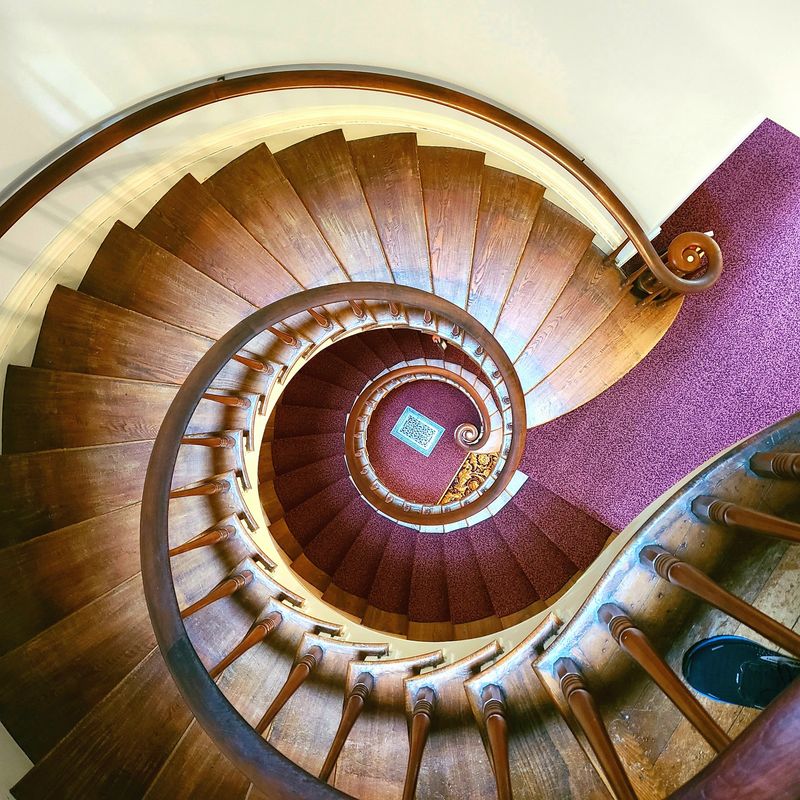
Every historic house needs one feature that makes people stop mid-step, and at Lanier Mansion the spiral staircase often steals that role. It adds motion to a home built on balance, turning a formal interior into something more dramatic and memorable.
The staircase is not the only surprise tucked into the design. Visitors who pay close attention may notice how symmetry rules the house so strongly that even doors can serve visual goals, including famous dummy doors that preserve the look of perfect order.
That kind of detail turns the mansion from a pretty place into a conversation piece. Instead of showing off with endless ornament, the house reveals a quieter kind of luxury, one based on planning, proportion, and the confidence to make even practical elements support a larger visual idea.
Up close, these features help explain why guided tours work so well here. A room might seem straightforward at first glance, then a guide points out how the layout was shaped by style, status, and social customs, and suddenly the space reads very differently.
There is a playful side to these discoveries too. Learning that a grand house includes design tricks for symmetry gives the mansion personality, and it reminds visitors that nineteenth-century elegance was often as much about stagecraft as comfort.
People who enjoy hidden features should keep their eyes moving instead of locking onto the furniture alone. Railings, corners, door placement, and room transitions reveal just as much character, and they make Lanier Mansion feel less frozen in time and more like a clever piece of architecture still able to surprise a modern audience.
Where Indiana History Turns Personal

Big houses can sometimes feel distant, but Lanier Mansion becomes more engaging when the human story comes into focus. The home is tied to James F.
D. Lanier, and through that connection the mansion opens a window into business, politics, transportation, and the growth of Indiana in the nineteenth century.
That broader context gives weight to the tour. Rooms are not simply arranged for decoration, they reflect the life of a family whose influence reached beyond Madison and into major changes happening across the state.
The mansion also helps explain how private wealth and public history often overlap. A formal dining room, a grand stair, or a receiving space can be read not only as home design, but as part of a world built on status, connections, and the ability to host, negotiate, and impress.
Good interpretation matters here because the house is most interesting when it connects personal decisions to larger events. Guides often bring those links together through storytelling, making it easier to see the mansion as part of Indiana history instead of as an isolated old building.
There are social layers worth noticing too. Historic homes are shaped not just by owners, but by workers, household routines, and the expectations of the time, all of which add depth to the experience without requiring flashy museum effects.
For younger visitors especially, this is where the time-machine feeling becomes strongest. The mansion stops being a stage set and starts acting like a real record of how people lived, displayed power, organized family life, and took part in the larger story of Madison and the state around them.
Why the Guided Tour Is the Real Secret
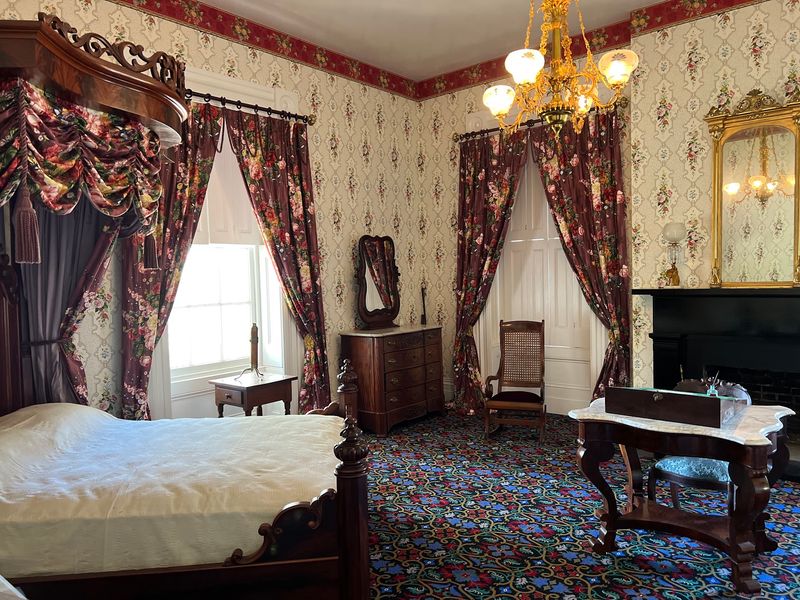
Lanier Mansion is best experienced at the pace of a guided tour, not a hurried walk-through. The house has too many layered details to absorb in passing, and the guided format helps each room build on the one before it.
That structure makes the visit feel smoother and smarter. Instead of reading scattered signs and guessing what matters most, visitors get a clear narrative about the house, the family, the architecture, and the town around it.
The tours are also useful because the mansion is not a place where everything shouts for attention. Some of the most interesting points involve room function, design choices, and historical context that would be easy to miss without someone connecting the dots.
Timing is part of the experience. Because tours run on a schedule, it helps to arrive with enough cushion to get tickets, look around the area, and avoid turning the start of the visit into a rush.
Small practical details can make the hour more comfortable. Stairs are a real factor in this three-story house, so wearing supportive shoes is a smart move, and anyone with mobility concerns should plan carefully before deciding how much of the tour to take.
Families with older kids, architecture fans, and curious day-trippers tend to get the most from the guided approach because it turns the mansion into a story instead of a backdrop. A strong guide can point out the visual drama, answer questions, and keep the house connected to real people, which is exactly what makes the visit feel alive rather than formal.
Gardens, Grounds, and the Madison Pace

Not every memorable moment at Lanier Mansion happens indoors. The grounds add breathing room to the visit, giving the house a softer edge and letting visitors shift from polished interiors to open air without losing the historic mood.
Garden spaces and lawn areas help explain how the mansion was meant to be seen. A grand home like this was part residence, part statement, and the surrounding landscape gave it the proper stage by creating views, approach lines, and places to pause.
There is also simple pleasure in walking outside after the tour. Mature trees, tidy plantings, and glimpses of the wider Madison setting create a slower rhythm than the formal rooms, which can be especially welcome after spending time focused on interiors and interpretation.
The outdoor setting works well for families or casual travelers who want a break between stops downtown. Even if someone in the group is less excited about architecture, the grounds offer an easier way into the experience through scenery, fresh air, and space to look back at the mansion from different angles.
Photographers should not save all their shots for the front facade alone. Side views, garden frames, and wider compositions that include the grounds often capture the mansion more effectively because they show how the building sits in place rather than floating as a disconnected object.
Madison itself helps here, since the mansion does not stand in isolation from the town. The slower pace of this river community makes it easier to turn a mansion visit into part of a fuller day, with time for nearby streets, river views, and one more walk across the lawn before moving on.
Plan the Visit Like a Pro

A little planning goes a long way at Lanier Mansion. The site is open Wednesday through Sunday, generally from 10 AM to 5 PM, but the key detail is that the house is experienced through scheduled guided tours rather than free wandering.
That means showing up exactly when a tour is about to leave is not always the smoothest strategy. It is smarter to arrive early, especially on busier days, since tickets may be handled across the street and a short wait can become part of the visit.
Good timing can improve the whole day in Madison. Morning tours often pair nicely with quieter streets and cooler temperatures, while an afternoon visit can blend well with time by the river or a walk through downtown before heading back home.
Comfort matters more here than some travelers expect. The mansion includes stairs, and while that is part of the charm in a three-story historic house, it also means sturdy shoes and realistic expectations are better than treating the stop like a flat, modern museum.
Travelers with mobility limitations should look ahead carefully, since the site is not ideal for every physical need. Families with very small children may also want to think about whether a guided indoor tour around antiques matches the pace of the day they have in mind.
Handled well, the visit is easy to fit into a weekend getaway or a scenic day trip. Lanier Mansion does not require an all-day commitment, but it does reward thoughtful planning, and that balance is one reason the experience lands so well for travelers who want substance without turning the outing into a complicated production.
Share this story