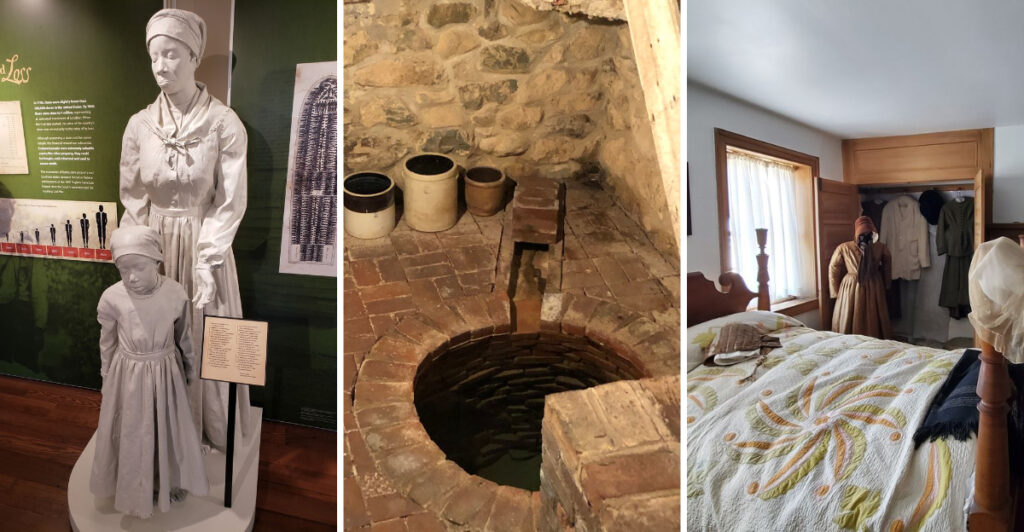
Behind the walls and beneath the floors of an ordinary-looking Indiana home, acts of extraordinary courage once unfolded. The Levi and Catharine Coffin State Historic Site in Fountain City preserves the house where the Coffins helped slaves escaping through the Underground Railroad during the 19th century.
Visitors can explore the historic home and learn how concealed spaces, careful planning, and secrecy helped protect people from capture as they traveled north. The surrounding interpretive center adds context to the risks faced by everyone involved. Walking through these rooms makes a difficult chapter of American history feel immediate, personal, and impossible to dismiss.
A Plain Brick House With an Extraordinary Past
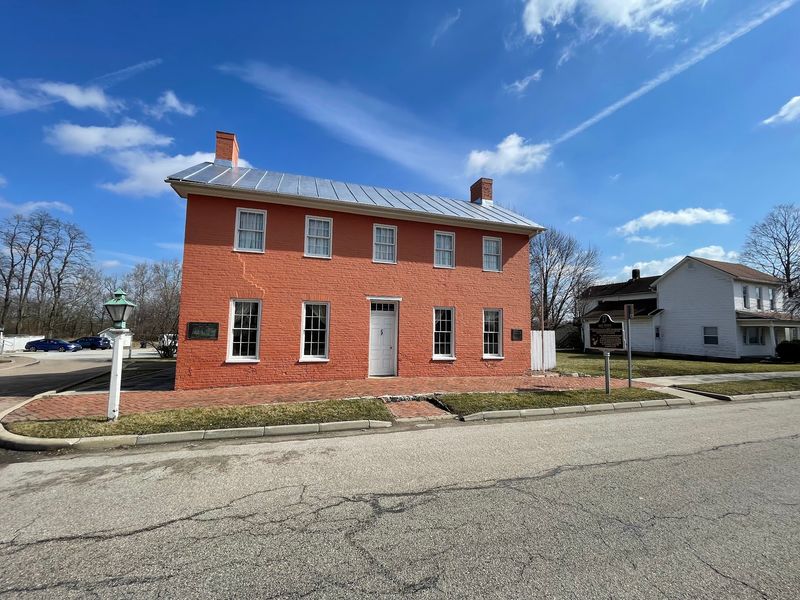
At first glance, the Coffin house does not shout for attention. It looks orderly, sturdy, and calm, the kind of brick home that might blend into a quiet Indiana street if its history were not so remarkable.
That contrast is part of what makes the site so gripping, because one of the most important Underground Railroad stops in the country operated behind walls that seem almost modest.
The house was home to Levi and Catharine Coffin, Quakers whose beliefs led them to oppose slavery and assist freedom seekers. Their Fountain City residence became known for organized, steady help rather than dramatic public display.
A practical house in a practical town turned into a place where life-changing decisions happened quickly, often at night, and always under risk.
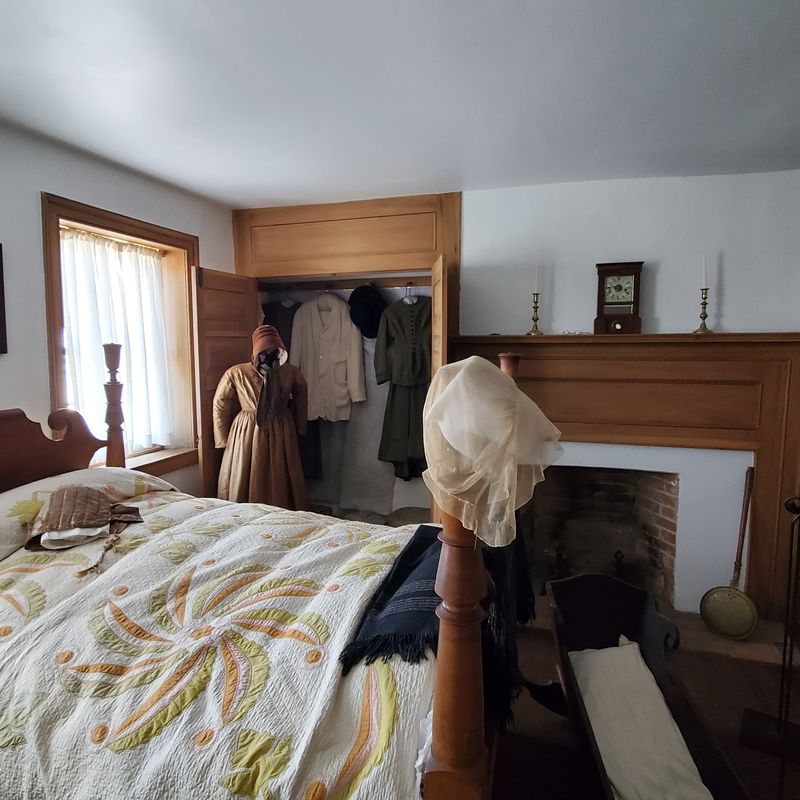
Seeing the structure in person helps explain why the story carries so much force. The building is large enough to move people through in careful ways, yet domestic enough to remind visitors that this was still a family home with routines, chores, meals, and children.
That everyday setting sharpens the reality of what happened there. Rescue work did not happen in a distant legend. It happened where people cooked, slept, and opened the front door.
The grounds and surrounding area add another layer. Fountain City is not a noisy tourist corridor, so the setting gives the house room to speak for itself.
A visit begins with architecture and quiet streets, but very quickly the focus shifts to bravery, planning, and the moral choices tied to the place. Before stepping inside, the simple exterior already sets up the central surprise: history of enormous weight can live in an ordinary-looking home.
Hidden Routes That Changed Everything
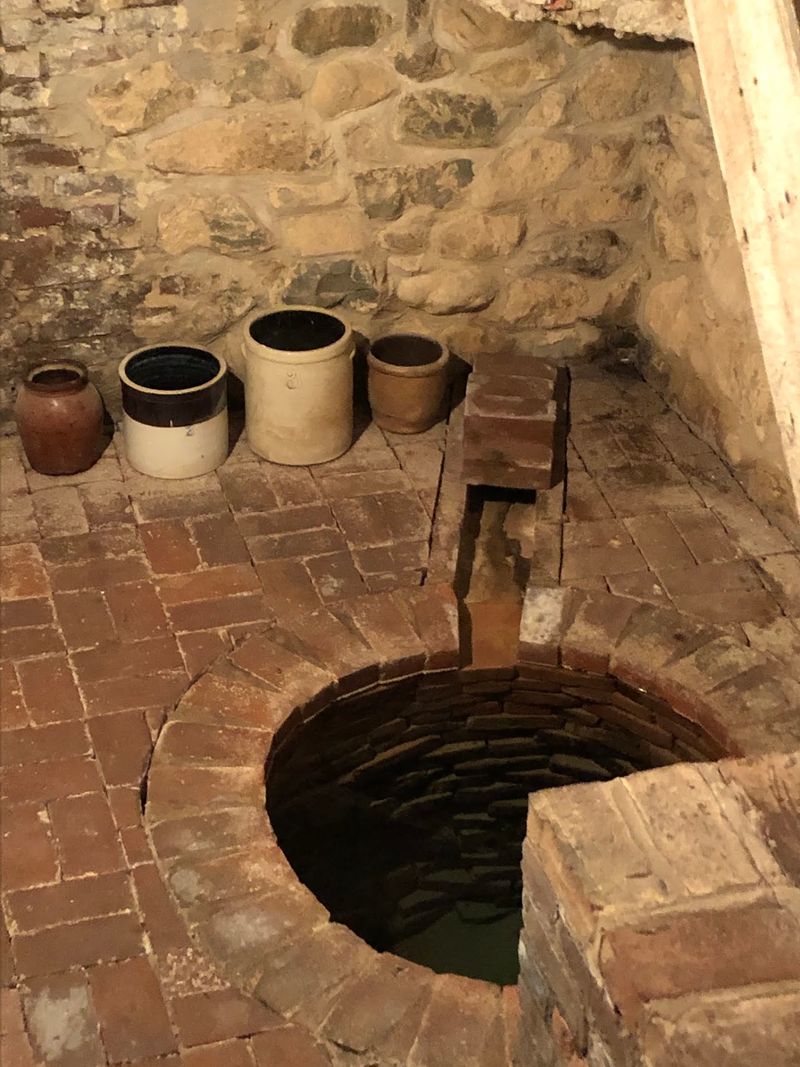
Few details capture attention faster than the idea of secret passages inside a historic home. At the Levi and Catharine Coffin State Historic Site, the house tour explains how concealed spaces and carefully managed movement through the building supported the work of sheltering freedom seekers.
Instead of treating that as a movie-style trick, the site places it in a serious historical frame, showing how privacy inside the house could protect lives.
That matters because hiding people safely required more than kindness. It required planning, speed, and a house layout that could buy time when danger approached.
Guides help visitors notice stairways, room connections, and tucked-away areas that made the home more than a residence. In a crisis, every doorway and every moment of delay could mean the difference between safety and capture.
The power of these hidden features comes from how ordinary they seem at first. A stair, a hall, or a small interior space can look harmless until the story behind it is explained.
Then the house changes in your mind. It becomes a working network of shelter, with paths that helped people disappear from sight while remaining inside a busy household.
For families visiting with older children, this part of the experience often opens the clearest conversation. Secret passages sound exciting, but the site connects that excitement to the real fear faced by enslaved people escaping bondage and by those who helped them.
The hidden spaces are not presented as a novelty. They are evidence of strategy and risk. Walking through the house makes that truth physical. The passageways are memorable because they are tied to human need, not just architectural curiosity.
Where the Tour Turns a House Into a Rescue Map
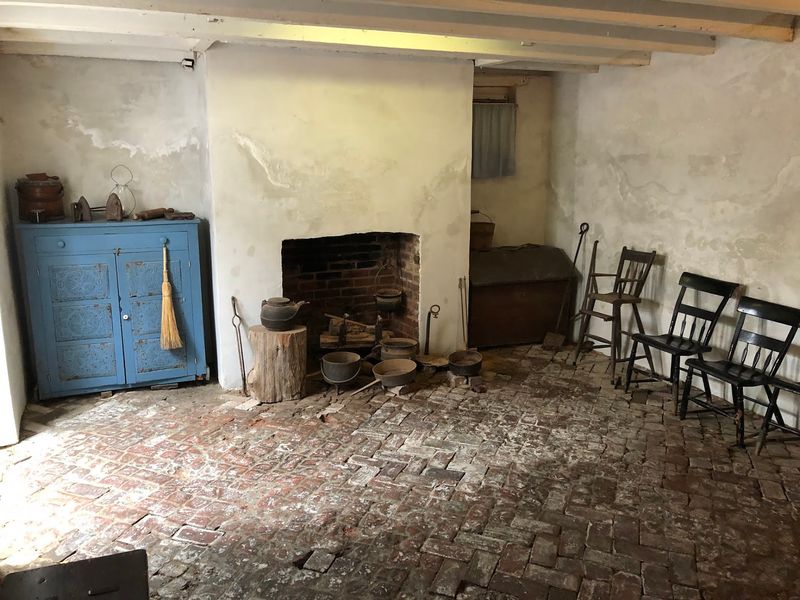
A good guide can change the pace of a historic house, and that is especially true here. The Levi and Catharine Coffin State Historic Site is known for tours that connect rooms, objects, and stories into a clear picture of how the home functioned as an Underground Railroad station.
Rather than moving visitors from room to room with dates alone, the interpretation shows how the house worked under pressure.
The experience often begins in the interpretive center, where exhibits and an introductory video build basic context before anyone enters the house itself. That setup helps visitors understand the broader world around the Coffins, including Indiana history, Quaker beliefs, and the dangers faced by people escaping slavery.
By the time the house tour starts, the rooms are no longer just furnished spaces. They are part of an unfolding system of help.
Inside, storytelling becomes the key tool. Guides explain how freedom seekers arrived, how secrecy mattered, and how the Coffins cooperated within a larger network.
That approach gives structure to details that might otherwise seem small. A kitchen, a hallway, or a basement feature starts to matter because it played a role in a chain of movement and protection.
The tour also works well for visitors who do not come with deep historical knowledge. The explanations are accessible, and the house itself provides a strong visual anchor for difficult topics.
Instead of reading about the Underground Railroad in abstract terms, guests can stand in the spaces where choices had immediate consequences. That directness is one of the site’s strongest qualities.
The house does not merely display history. With careful interpretation, it becomes a map of action, secrecy, and steady moral courage in motion.
Levi and Catharine Coffin Were the Real Engine of the Story
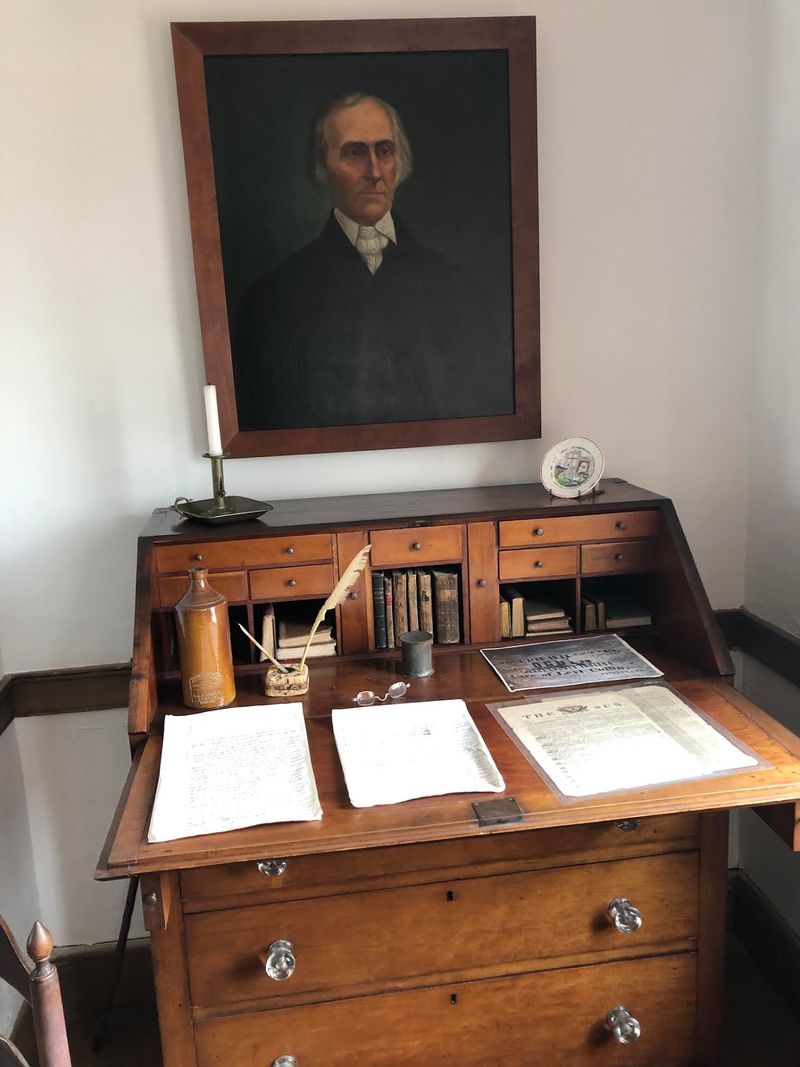
Old houses can pull attention toward woodwork, windows, and floor plans, yet the deepest part of this site is the couple who made the place function. Levi and Catharine Coffin were not passive owners of an important address.
They were active participants in a movement that demanded judgment, discipline, and a willingness to face serious consequences for helping enslaved people move toward freedom.
Levi is often remembered with the nickname tied to his Underground Railroad leadership, but the site also gives Catharine the attention she deserves. That matters, because the work inside a home depended heavily on daily labor.
Food had to be prepared. Clothing and bedding were needed. Spaces had to be managed quickly and discreetly. Hospitality, in this setting, was not decorative. It was part of resistance.
Their Quaker background helps explain the moral center of the story. Religious belief shaped their opposition to slavery and their commitment to human dignity, but the site avoids reducing them to symbols.
The house reminds visitors that conviction had to become action. Helping people under threat involved more than fine words. It meant opening the door again and again.
Focusing on both Levi and Catharine changes the visit in a useful way. The house stops being a monument to one famous person and becomes a record of shared work carried out through household routines, community ties, and disciplined secrecy.
That broader view makes the site more honest and more interesting. It shows abolition not only as public speech or political conflict, but as organized care performed in rooms where danger could arrive without warning. The courage here was practical, repeated, and rooted in everyday choices that carried extraordinary weight.
Indiana Context Makes the Danger Easier to Understand
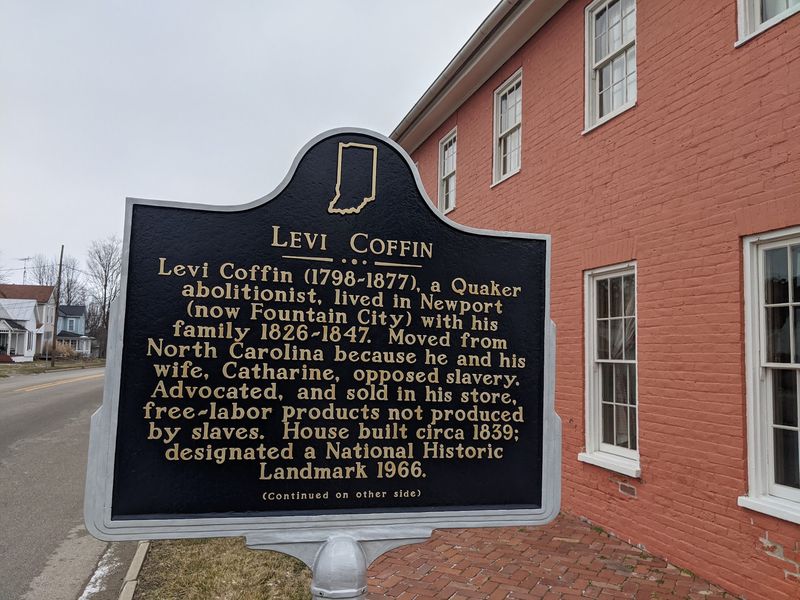
History lands harder when it is tied to a real place, and this Indiana site does that very well. The Levi and Catharine Coffin State Historic Site shows that the Underground Railroad was not a vague trail with romantic mystery around it.
It was a network shaped by geography, communities, laws, and the constant threat of capture. Indiana was part of that story in a direct and complicated way.
Fountain City, once called Newport, sat in a region where antislavery activity and Quaker settlement gave freedom seekers possible contacts and routes northward. The site helps visitors understand how one house fit into a wider chain of aid.
That wider view is important because the hidden spaces inside the home make more sense when connected to travel, timing, and communication beyond the front door.
The museum interpretation also gives needed weight to the people seeking freedom. They were not passive figures waiting to be rescued.
They made difficult, dangerous choices, often with little certainty about what would happen next. The Coffin house mattered because it could offer temporary shelter, direction, and practical support inside a broader journey that remained risky even after one safe stop.
For students and adults alike, the Indiana setting strips away the idea that slavery was only a distant Southern issue with no Northern involvement or responsibility.
The story here shows how national conflict moved through local roads, local homes, and local conscience. A map in a gallery can explain that in theory. Standing in Fountain City makes it concrete.
The state name in the story is not background decoration. Indiana is central to understanding how the Underground Railroad operated through ordinary communities that sat close enough to danger to feel it every day.
Best Way to Experience the Site Without Rushing Past the Key Details
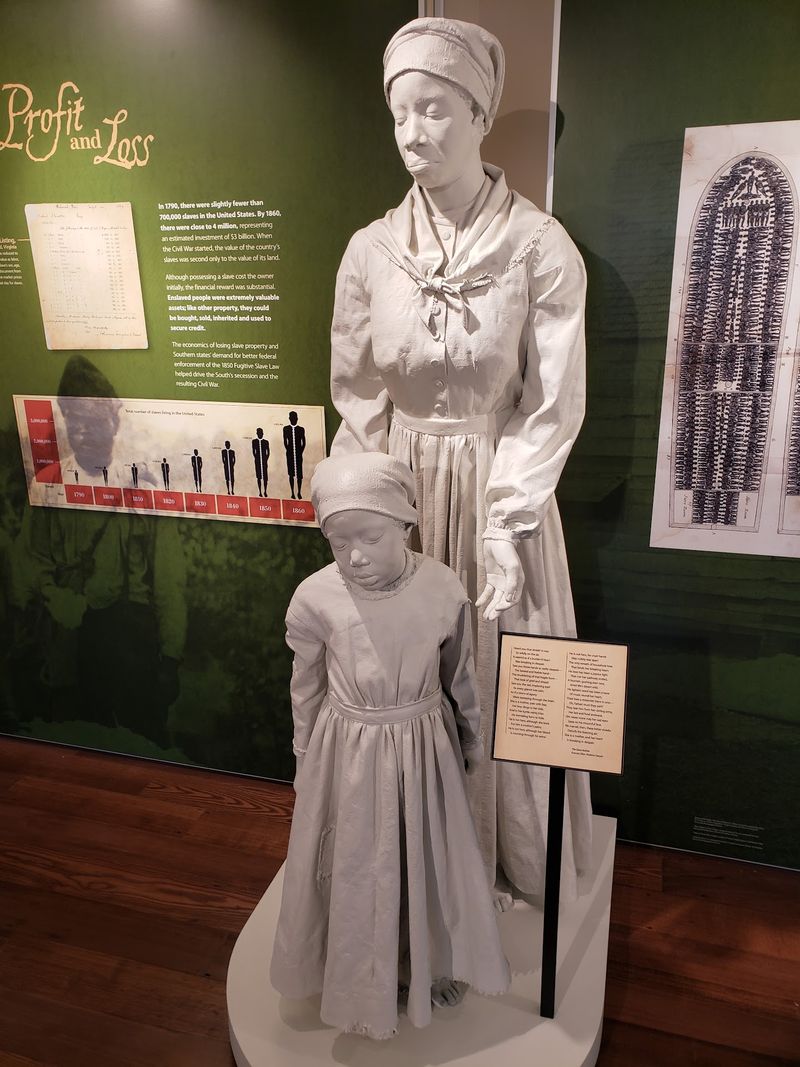
Rushing this site would miss the point. The strongest visit starts in the interpretive center, where exhibits and introductory material give shape to the people, risks, and larger Underground Railroad network connected to the Coffin house.
That first stop makes the later walk through the home far richer, because each room has context before the tour even begins.
Once inside the house, slow observation pays off. Look carefully at how rooms connect, how movement through the building might have been managed, and how domestic spaces could serve urgent purposes.
The hidden routes and protected areas carry more force when visitors imagine the speed and silence that may have been needed during a dangerous moment. Listening closely to the guide is a big part of that process.
Families with middle school students often find the site especially effective because it combines visual learning with strong narrative structure. The house gives concrete examples, while the museum side fills in the historical framework.
Adults interested in architecture, religion, Indiana history, or abolition all have different entry points, so the experience does not depend on one narrow kind of interest.
A practical tip helps here. Give the visit enough time for both the museum and the guided house portion instead of treating one as optional.
The site works best as a full sequence, not as a quick walk-through. Comfortable shoes and a readiness to stand for parts of the tour also make the experience smoother.
By moving at the site’s pace, visitors begin to notice that the power of the place is built from layers. The secret passages spark curiosity, but the full visit explains why those spaces existed and why the people inside them needed every advantage the house could offer.
Planning a Visit to Fountain City’s Most Powerful History Stop
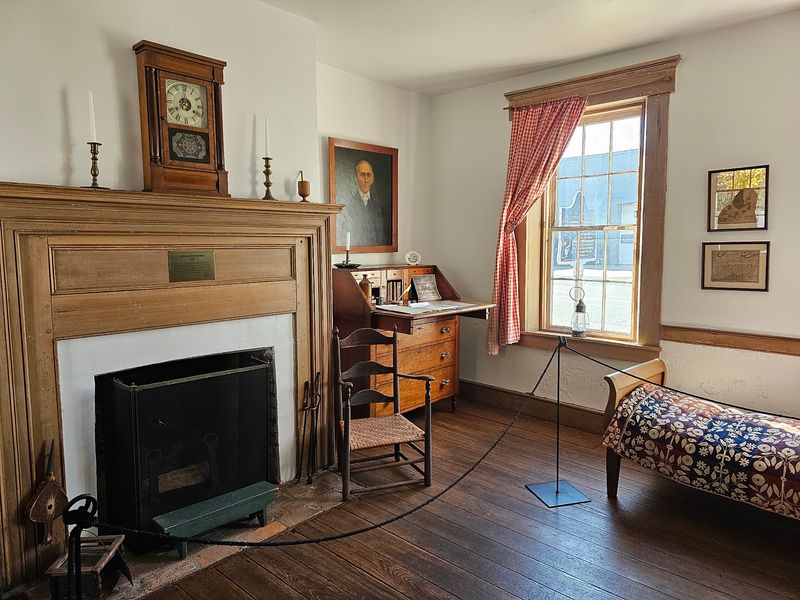
Practical details matter with a place like this, especially because it is a guided-history experience rather than a drop-in attraction built for hurried browsing.
The Levi and Catharine Coffin State Historic Site is located at 201 US-27 in Fountain City, Indiana, and its schedule usually centers on daytime hours from Wednesday through Sunday, with closures early in the week.
Checking the current operating schedule before leaving home is a smart move. The site is best approached as a focused cultural stop, not a side errand squeezed between unrelated activities.
Small-town surroundings keep the attention on the history, and that quieter setting helps visitors shift gears as they arrive.
There is an interpretive center alongside the preserved house, so the visit offers more than a quick exterior look. Plan for a guided experience and enough time to absorb both parts.
Because the subject is serious, the tone works best when visitors arrive ready to listen and ask thoughtful questions. School-age children can do well here, especially if adults prepare them with a simple explanation of slavery, freedom seekers, and why hidden spaces inside the house mattered.
The museum format makes hard history easier to process without softening its importance. Timing can shape the experience too. Earlier in the day often allows a steadier pace, while weekends may feel livelier.
Warm weather is common in Indiana, and historic houses are not always as climate-controlled as modern buildings, so dressing comfortably helps. A visit here is not about flashy entertainment.
It is about entering a preserved setting where architecture, storytelling, and moral history meet in one place. Fountain City’s most meaningful stop rewards preparation, patience, and attention to detail.
Why the Hidden Spaces Matter Long After the Tour Ends
Some historic places impress because they are grand. The Levi and Catharine Coffin State Historic Site works differently.
Its force comes from the way ordinary rooms reveal extraordinary purpose. By the end of a visit, the hidden passages and protected spaces no longer register as clever house features alone.
They stand for the urgent problem the Coffins and freedom seekers were trying to solve in real time. That shift in understanding is the site’s sharpest achievement.
A staircase, a basement area, or a concealed route may begin as an interesting fact, but it ends as evidence of human courage under pressure.
Visitors leave with a clearer sense that resistance to slavery did not happen only in speeches, courtrooms, or battlefields. It also happened in homes where people had to think fast, stay quiet, and trust one another.
The house also avoids turning hard history into spectacle. The secret features are compelling, yet the site keeps the focus on lives rather than gimmicks.
That balance is important for younger visitors and for adults who want substance instead of theatrical storytelling. The architecture draws people in, but the historical meaning carries the visit forward.
Placed alongside the interpretive center, the preserved home does something rare. It links national history to a specific address in a way that is immediate and understandable.
The title promise of secret passages is real enough to spark curiosity, but the deeper reason to come is the fuller story wrapped around them.
At Levi and Catharine Coffin State Historic Site, hidden spaces become a doorway into the history of the Underground Railroad, Quaker abolition, and the risks taken by people who refused to accept slavery as normal. That is why the house stands out so strongly in Indiana’s historic landscape.
Share this story