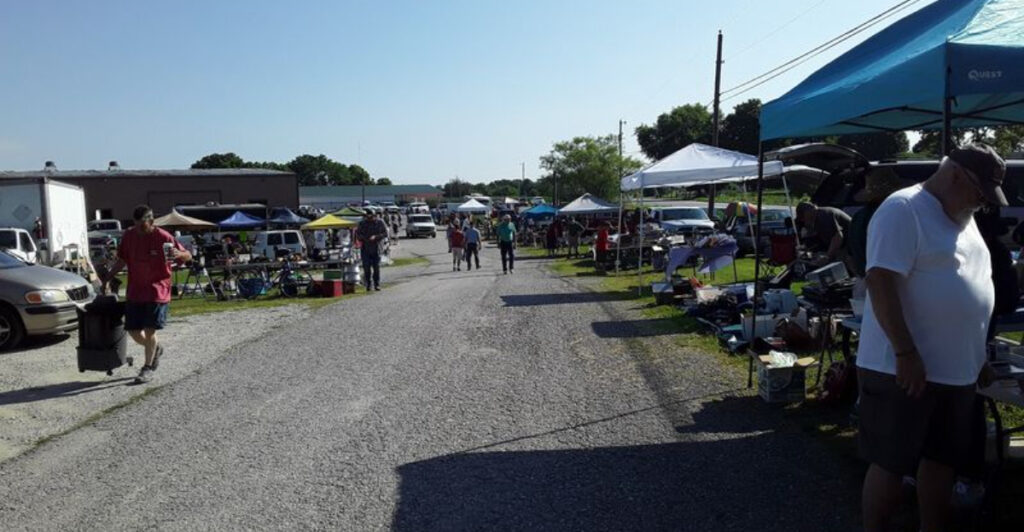
Thursday mornings have a different rhythm at Strawtown Flea Market in Noblesville. This longtime Indiana market brings pickers and bargain hunters together to browse tables filled with antiques, tools, produce, household goods, collectibles, and the occasional item nobody expected to find.
Its once-a-week schedule adds to the anticipation, while the old-school atmosphere keeps the experience closer to a traditional trading ground than a polished shopping center. Half the appeal is arriving without knowing what vendors will have waiting that day. At Strawtown, patience and a sharp eye can turn an ordinary Thursday into a surprisingly productive treasure hunt.
Only-on-Thursday Energy Changes the Whole Experience
One day a week can create more excitement than a place open every day. Strawtown Flea Market runs on Thursdays, and that limited window shapes everything about the visit. The market opens early, and the most serious pickers know the day starts long before lunch.
That schedule gives the place a different rhythm from a weekend craft fair or polished antique mall. Sellers arrive with trucks, tables, bins, and folding chairs, then spread out a changing mix of goods that can include antiques, tools, produce, household items, shoes, and unexpected extras.
Because it happens just once a week, the inventory has a rough, shifting quality that makes regulars scan every row instead of assuming next time will look the same.
Morning matters here. Several longtime shoppers treat the early hours as the prime window for the best selection, especially if the goal is to pick through older merchandise before someone else spots the good piece first.
At the same time, the day can change as it moves along, with some vendors packing up by midday while later activity may connect with the auction side of the property.
Planning around that pace helps. Comfortable shoes, cash for smaller buys, and enough time to walk slowly all make the trip easier. So does paying attention in the parking and driving areas, since vehicles may still move through parts of the grounds while shoppers browse.
Plenty of flea markets try to feel convenient. Strawtown does not really operate that way, and that is part of its identity. Its Thursday-only pattern gives the market a sense of occasion, like a weekly pop-up from another era, where the best finds often reward the earliest start and the most patient eyes.
Picker Gold Hides in the Mixed-Up Rows
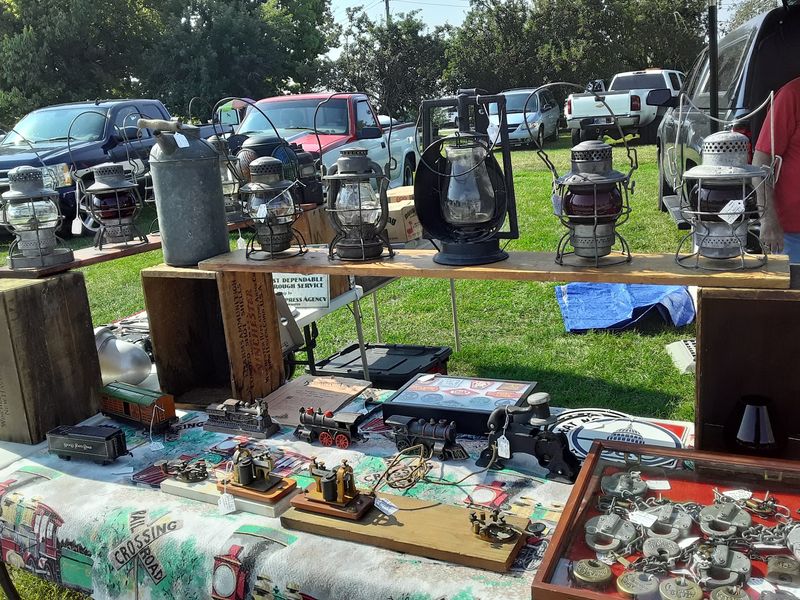
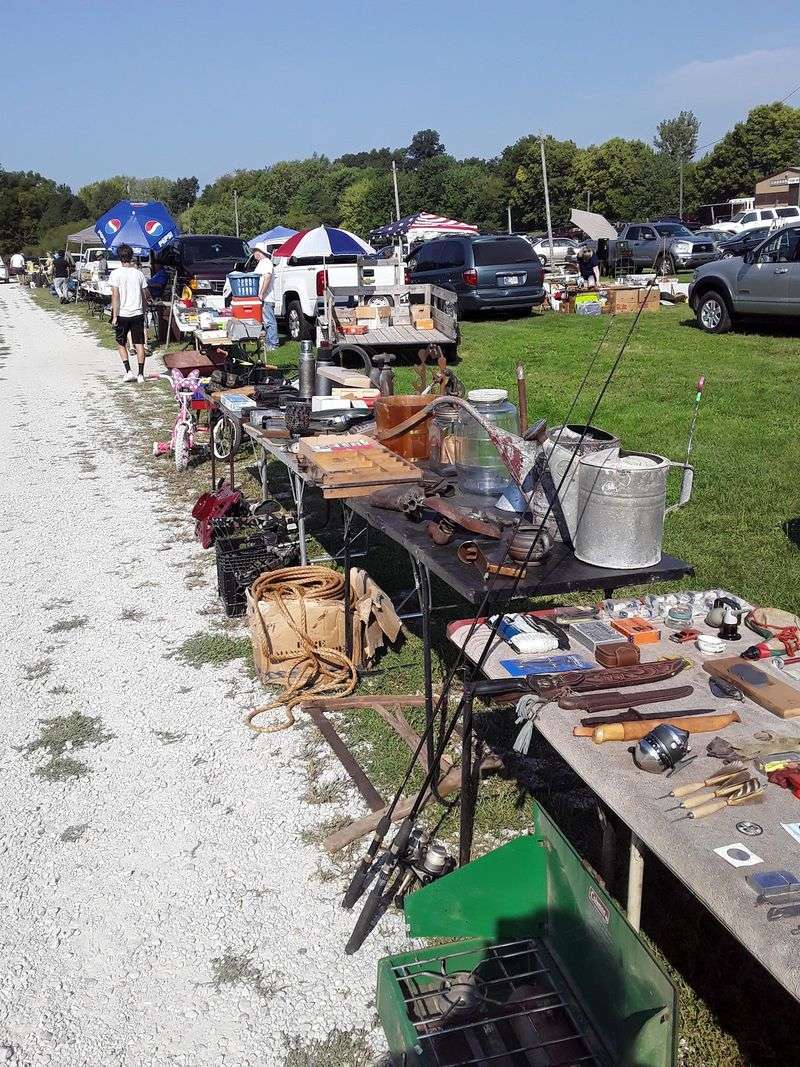
A strong flea market does not hand over its best finds in a neat, easy display. Strawtown works more like a long table of clues, where one aisle might hold old tools and hardware while the next turns up home decor, fruit, vegetables, coins, knives, or a stack of objects that need a patient second look.
That mix is exactly why pickers enjoy it. The market has the kind of merchandise spread that encourages slow scanning instead of quick shopping. Some buyers come for practical things they can use right away, such as shoes, produce, or household basics.
Others walk in hoping for antiques, Americana, old metal pieces, vintage farm items, or rarities tucked between ordinary goods.
Not every table will be a winner. That is part of the deal at a real flea market. One booth may look thin, another may have unpriced items, and then a few feet later there is a box full of useful parts or a forgotten decorative piece that fits perfectly in a house, garage, workshop, or collection.
The best approach is to look low, look behind, and look twice. Sellers often group many kinds of merchandise together, so a shopper searching only at eye level can miss half the interesting inventory. Asking prices may also vary a lot, which means comparison shopping inside the same market can pay off.
Strawtown stands apart because it still rewards curiosity more than convenience. A polished retail setup tells buyers what to notice. Here, the shopper decides what matters.
That makes each pass through the rows feel less like routine shopping and more like active hunting, especially for anyone who enjoys the thrill of spotting value in a crowded, messy spread.
An Older Indiana Market With a Stubborn, Old-School Soul
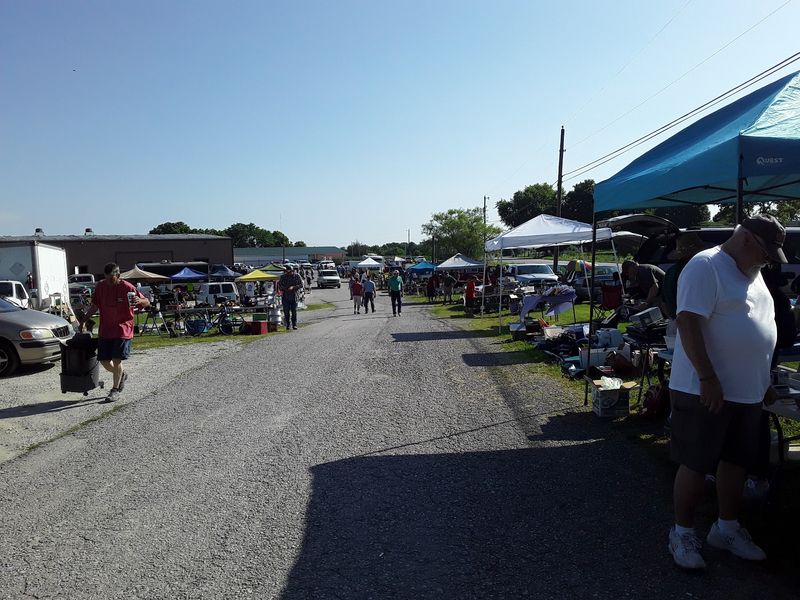
Some markets are built to impress on social media. Strawtown Flea Market carries a different kind of appeal, one tied to age, habit, and the plainspoken style of an older trading culture. It has a reputation as a long-running market in central Indiana, and that sense of time shows in the layout, the merchandise, and the pace.
There is no slick makeover hiding the place underneath a trendy image. Instead, Strawtown leans into the practical character that many longtime flea market fans still want.
Rows of vendors, a simple setup, and a mix of old and new goods create the feeling of a market shaped over decades rather than assembled for a weekend event. For readers drawn to places with history in their bones, that matters.
The age of the market also helps explain why the crowd and inventory can look different from newer suburban shopping spots.
Plenty of longtime sellers know exactly how to display tools, antiques, workshop items, or farm-related pieces for buyers who understand what they are seeing. Newer vendors may add different merchandise, but the backbone of the place still points to a more traditional flea market culture.
That older identity will not suit every shopper. Some want spotless presentation, clear pricing on every item, and a highly curated selection. Strawtown is more raw than that.
Yet for bargain hunters and collectors, the rough edges are part of the reason to go. Older markets often produce the most satisfying surprises because they have not been cleaned up into sameness.
Indiana has lost and changed many traditional trading spots over the years. Strawtown still offers a weekly reminder of how regional flea markets once worked, with all the unpredictability, character, and lived-in texture that come with staying true to that model.
The Auction Connection Adds Extra Motion
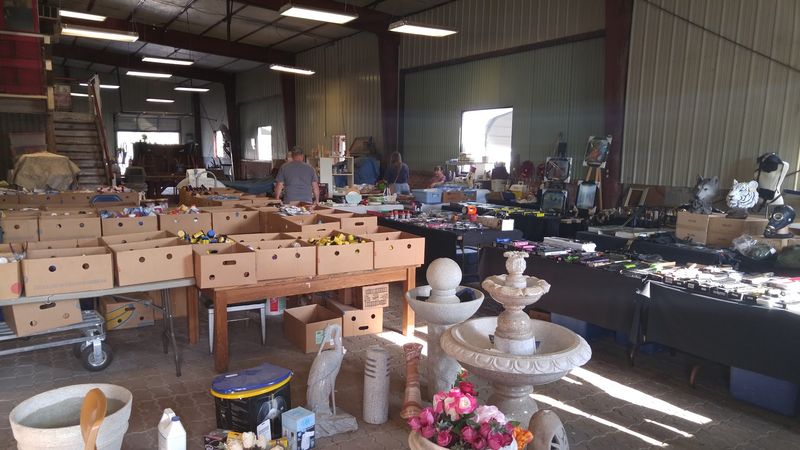
Plenty of flea markets stay in one mode all day. Strawtown has an extra layer of motion because the property is also associated with auction activity, and that changes how some buyers and sellers use the day. A shopper who only makes one quick pass in the morning may miss that larger rhythm.
The flea market side already offers enough to browse, but the auction connection gives the place a stronger trading identity. Instead of feeling like a row of isolated booths, the grounds can take on a more active buy-sell atmosphere where merchandise, people, and attention shift over the course of the day.
For experienced pickers, that creates opportunity. A lull at one hour can be followed by a burst of energy later. That does not mean every visit unfolds the same way.
Some vendors leave early, especially if weather is poor or traffic is slow, and some buyers aim for the opening hours rather than the afternoon. Even so, knowing that auction activity can influence the crowd helps explain why Strawtown works best for flexible shoppers.
It is a market where timing is part of the strategy. Readers interested in the fullest experience should consider treating the trip as more than a fast errand.
Walk the flea market rows first, note items that deserve a second look, and keep an eye on how the grounds change. If the later part of the day becomes more active, the mood can shift from casual browsing to sharper deal making.
That added motion gives Strawtown more personality than a standard pop-up sale. Flea markets are fun when they surprise the eye. Auctions add another kind of surprise, built around pace and possibility.
Together they turn a simple Thursday outing into a living marketplace where value can appear on a table, in a box lot, or in the changing flow of the day itself.
Rural Noblesville Gives the Market Its Own Flavor
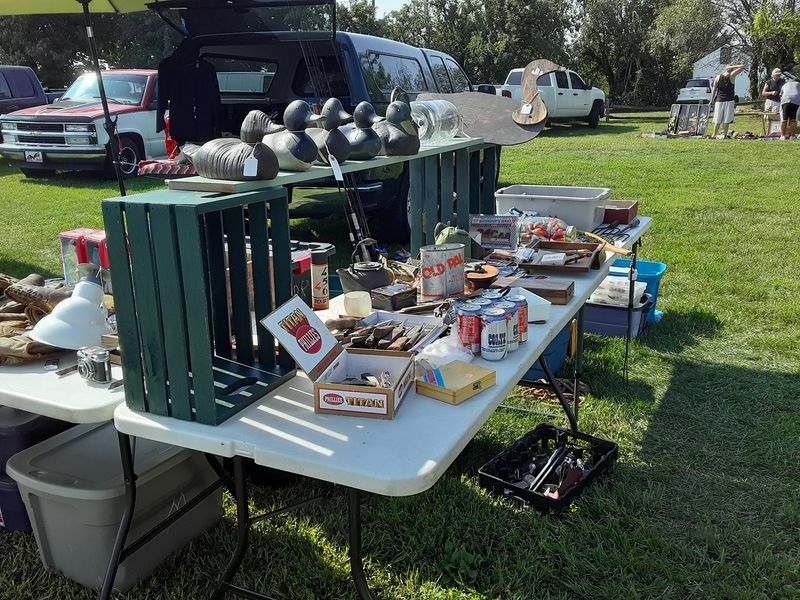
Location shapes a flea market more than most shoppers realize. Strawtown Flea Market sits in Noblesville, but its character leans far more country-trading-post than polished suburban retail.
That setting gives the market a tone that fits old tools, farm-related goods, produce, barnyard energy, and practical bargains better than any sleek shopping center ever could.
The surroundings help explain the merchandise mix. In a rural-leaning market, buyers can run into home decorating pieces, antiques, fruits and vegetables, workshop tools, shoes, collectibles, and useful everyday items in the same visit.
The spread may seem random at first, yet it matches the needs and habits of a place where shopping can still be part supply run, part hobby hunt, and part social routine.
Noblesville also places Strawtown within reach of central Indiana day-trippers looking for a market with a different texture from city shopping. Instead of climate-controlled sameness, the trip offers open air, changing weather, rough edges, and the possibility of stumbling onto something highly specific.
That contrast is one of the reasons the market remains interesting, even when vendor counts rise and fall. Shoppers should arrive ready for a setting that is practical rather than polished.
Ground conditions, seasonal changes, and moving vehicles can affect how comfortable the visit feels, so sturdy shoes and alert walking go a long way. A little flexibility helps too, because outdoor markets never run with the same predictability as indoor retail.
Indiana has many places to buy things. Fewer places still deliver a clear sense of region while doing it. Strawtown does that by reflecting the local habits around it, from the merchandise on the tables to the pickup trucks in the lot.
The market works as a shopping stop, but it also reads as a small snapshot of central Indiana trading culture in motion.
How to Work the Day Like a Smart Shopper
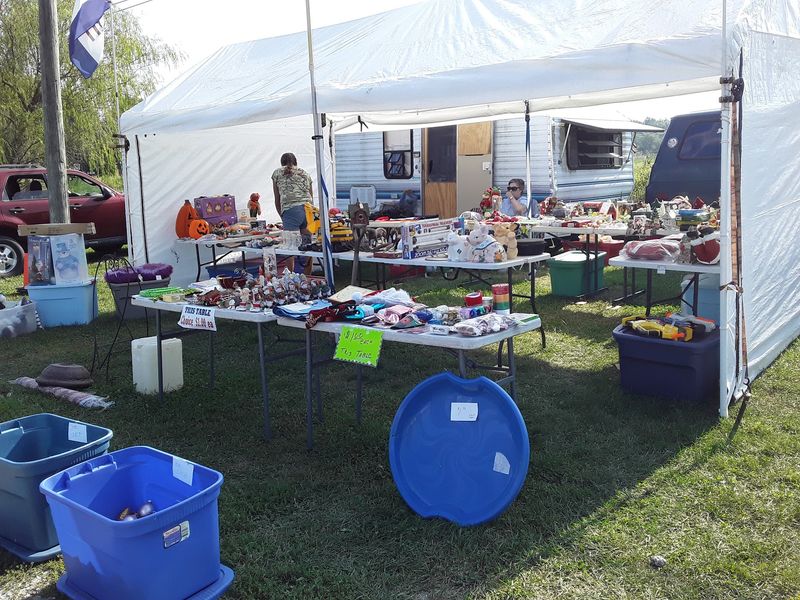
Treasure hunting goes better with a plan, and Strawtown Flea Market rewards shoppers who think ahead. A casual wander can still be fun, but the market’s once-a-week schedule, changing vendor turnout, and uneven timing make strategy far more useful here than at a standard store.
Start with the hour. Early morning is usually the best bet for broad selection, especially for antiques, tools, and unusual items that serious pickers target first. Getting there soon after opening also makes walking easier before the busiest movement builds around the grounds.
For shoppers more curious about the market’s full rhythm, staying longer can reveal how the crowd shifts as some sellers leave and later activity builds.
Bring cash in smaller bills when possible. Flea market purchases often move quickly, and exact or near-exact payment can make a simple transaction smoother. A tote bag, water, and shoes built for gravel or uneven ground also help.
Since some items may not be clearly priced, polite questions and calm bargaining are more useful than assuming every seller works the same way.
It also pays to browse in layers. Make one pass for a fast overview, then circle back to the booths that deserve a closer look. That second walk often uncovers details missed at first glance, especially in crowded tables with stacked boxes, older hardware, or mixed household goods.
Safety belongs on the list too. Stay aware of vehicles moving through the grounds and avoid drifting into traffic lanes while studying a table. If the weather looks rough, expect smaller turnout and a different feel from a bright, dry Thursday.
Strawtown is strongest when treated like a real market instead of a quick retail stop. A little preparation turns the visit from random browsing into a sharper hunt, and that is usually when the good stories and the good deals begin to show up.
Why Strawtown Still Matters in a Cleaner, More Generic Shopping Era
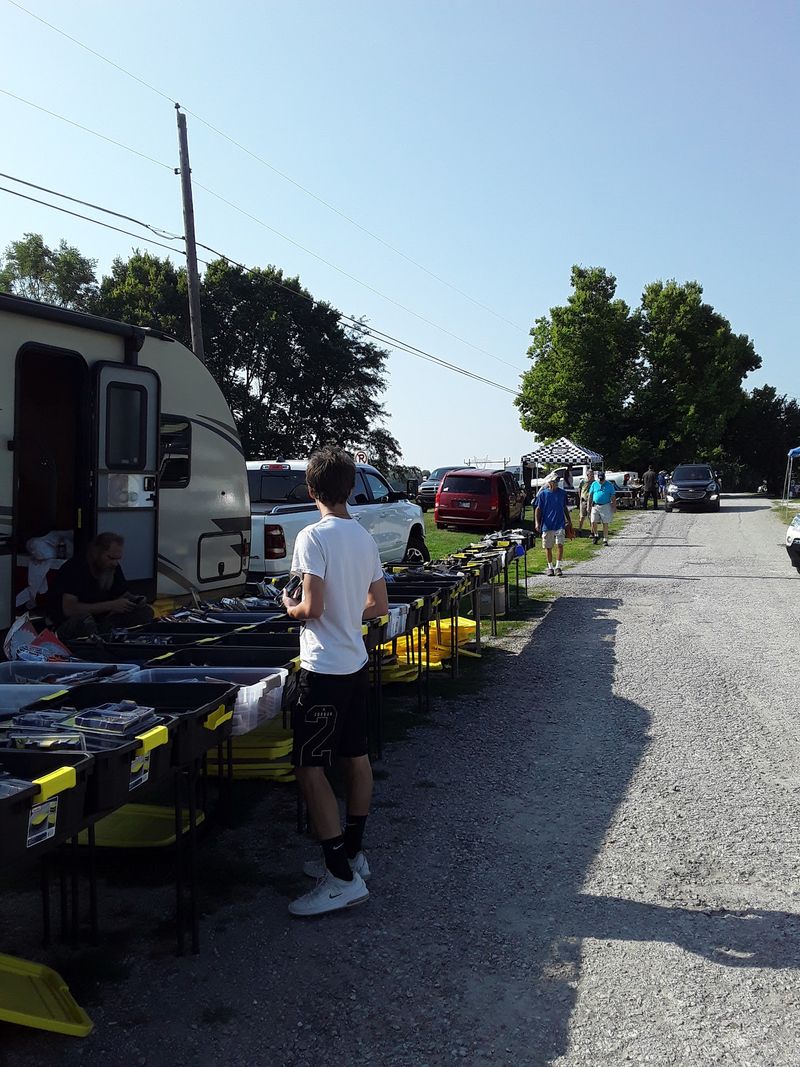
Clean aisles and matching signs are easy to find. A market with rough corners, local character, and real picking potential is harder to replace. Strawtown Flea Market matters because it still offers a form of shopping that many communities have watched slowly disappear.
Not every visit will be perfect. Vendor numbers can vary, weather can change the turnout, and the goods on display may swing from excellent to ordinary in a single row. Yet that unpredictability is part of the market’s value.
It creates a space where shopping depends on observation, timing, and patience instead of scrolling, shelf labels, or a polished brand story.
For Indiana readers, the deeper appeal is cultural as much as practical. Strawtown preserves the weekly habit of gathering to buy, sell, trade, browse, and talk across a broad mix of merchandise.
That may mean antiques for one shopper, cheap everyday items for another, fresh produce for someone else, and simple people-watching for those who enjoy old-school public spaces that have not been redesigned into sameness.
The market also shows why older flea markets attract a certain kind of loyalty. They are useful, yes, but they are also full of tiny decisions and surprises. Which row gets checked first.
Which odd object deserves a second glance. Whether the best deal sits on a table, in a produce stand, or near the auction side later in the day.
Strawtown does not need to be polished to be interesting. In some ways, polishing it too much would erase the very reason pickers like it. The place stands out because it still behaves like a real flea market, not a staged version of one.
For bargain hunters, collectors, and curious Thursday explorers, that alone makes it one of the more distinctive market stops around Noblesville.
Share this story