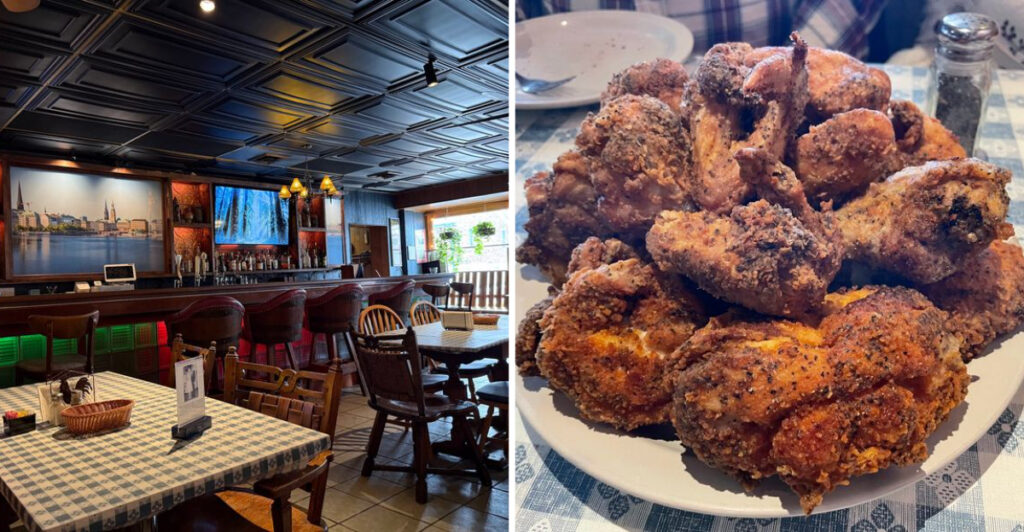
The first crackle through a piece of golden fried chicken explains why people keep finding their way to Wagner’s Village Inn in Oldenburg. This small-town Indiana favorite does not need a flashy dining room when its signature dish has spent years building a reputation of its own.
Crisp coating gives way to juicy chicken, creating the kind of straightforward comfort food that can make a detour feel completely justified. The modest surroundings only add to the appeal, keeping attention where it belongs: on the plate. At Wagner’s, an unfussy meal proves memorable food does not need an elaborate setting.
Main Street Charm In Oldenburg, Indiana
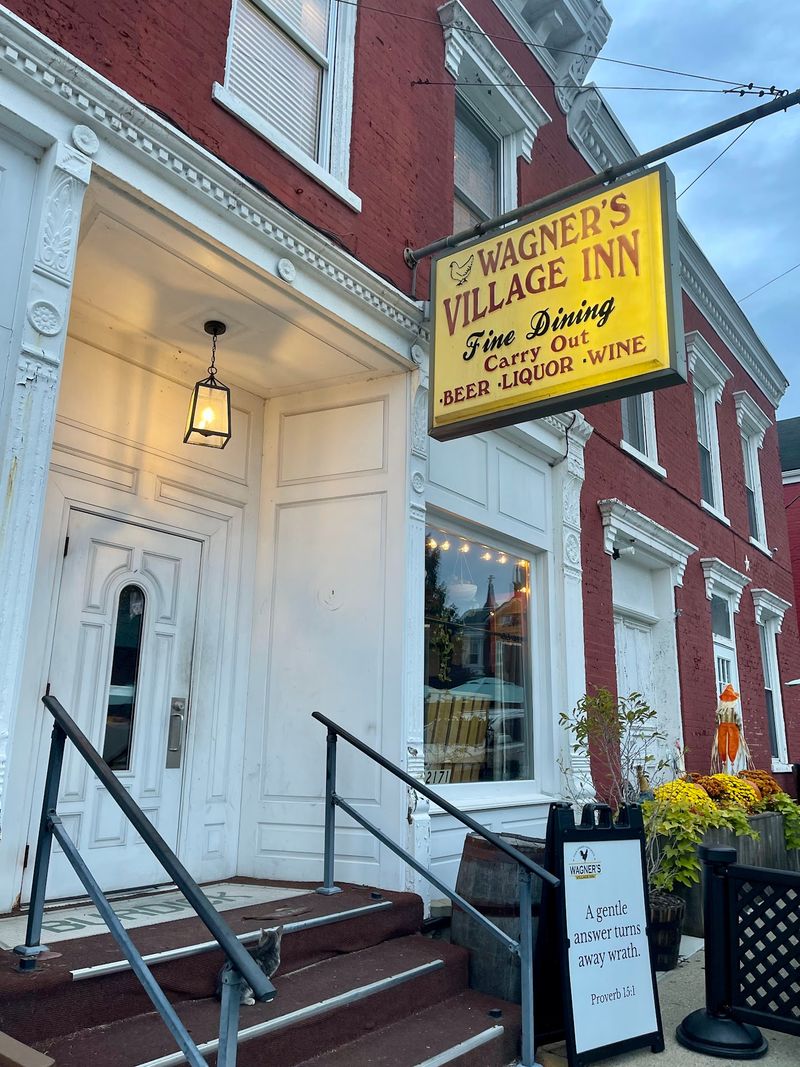
Oldenburg is the kind of town where the street itself helps set the tone, and Wagner’s Village Inn fits right into that picture. Sitting along Main Street, the restaurant does not rely on flashy signs or a giant modern building to grab attention.
Its appeal starts with the simple fact that it looks like it belongs exactly where it is, part of a community with deep roots and a steady pace.
That modest first impression matters because the meal inside works best when expectations are reset. This is not a polished, trendy chicken spot built around fast turnover and photo-ready gimmicks.
The draw is older and stronger than that, tied to tradition, routine, and the comfort of a place that seems more interested in feeding people well than chasing every dining trend.
Oldenburg itself adds another layer. The town is known for its historic look, and a stop at Wagner’s makes more sense when treated as part of that setting instead of a stand-alone pit stop.
A meal here pairs naturally with a slow drive through town, a walk past older buildings, and the feeling of stepping away from rushed highway habits for a while.
For travelers, that means the restaurant works best as a destination, not just a backup plan. For locals, it explains why the place holds its ground without needing constant reinvention. The building, the street, and the town all create a quiet setup for the main event.
Before the first plate reaches the table, Wagner’s has already made a point. In a world full of places trying hard to look unforgettable, this one starts by looking plain, settled, and completely sure of itself.
A Peppery Crust That Refuses To Blend In
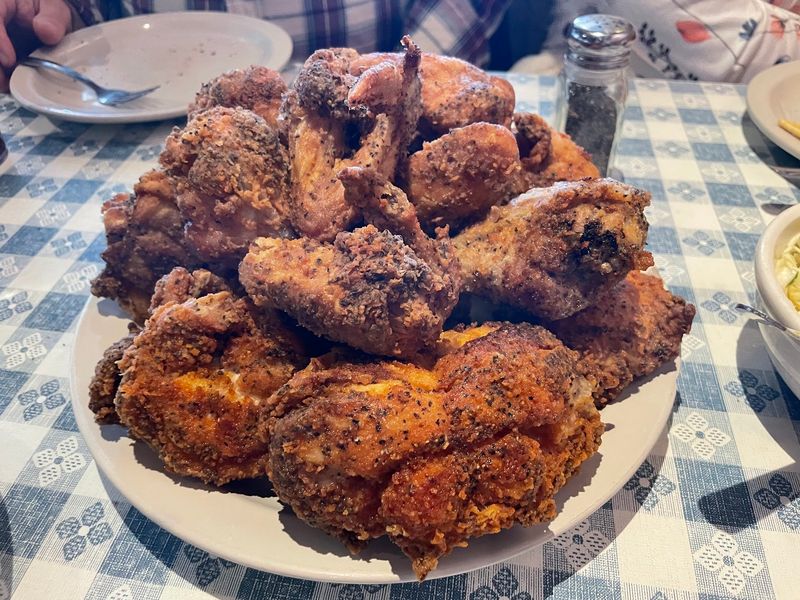
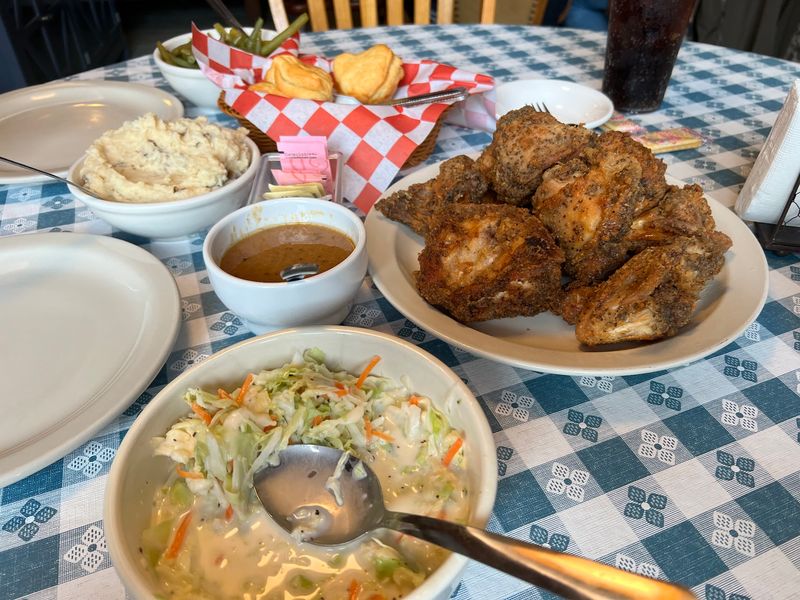
One bite tells the story fast: this is not bland fried chicken trying to please everybody. Wagner’s version is known for a crust with real personality, and black pepper plays a big role in that first impression.
The seasoning comes through clearly, giving the chicken a bold, old-school kick that separates it from softer, sweeter styles found elsewhere.
That pepper-forward flavor is probably the biggest reason the chicken stays in people’s minds. It cuts through the richness of the frying method and keeps each piece from feeling heavy or dull.
Instead of tasting flat under the crust, the meat and coating work together, creating a sharper, more savory profile that fits comfort food without becoming sleepy.
Texture matters just as much. When the chicken arrives hot, the crust has the kind of crunch that makes a table go quiet for a minute.
Underneath, the goal is juicy meat, and that contrast between crisp coating and tender interior is where the dish earns its reputation.
Not every diner will want that much pepper, and that is part of the point. Wagner’s does not seem built around safe middle-ground seasoning.
It serves a distinct house style, one that rewards anyone who likes fried chicken with a little edge instead of a plain, salty finish.
Ordering it means leaning into what the restaurant does best rather than expecting a generic version of a comfort food classic. The chicken is hearty, direct, and full of flavor that announces itself right away. In a state packed with fried chicken opinions, that confident peppery crust gives Wagner’s a voice all its own.
Cast Iron Pace, Not Fast Food Speed
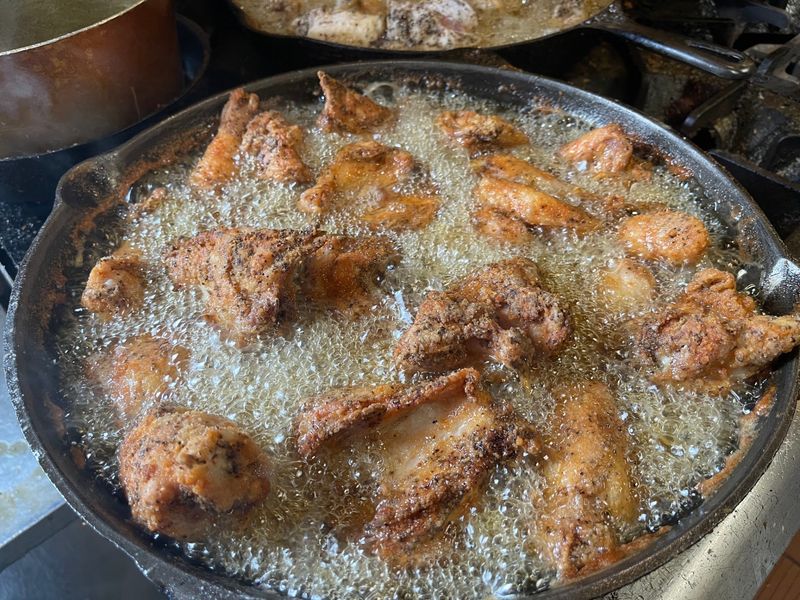
Patience is part of the order at Wagner’s, and that is easiest to understand once the cooking method enters the picture. The restaurant is closely associated with pan-fried chicken prepared in cast iron skillets, a slower style that asks diners to ease up on fast-food expectations.
Nobody should sit down here expecting a five-minute plate drop and a quick dash back to the car. That slower pace changes the whole experience. Instead of a rushed meal built for efficiency, Wagner’s leans into a kind of cooking that takes time to develop crust, color, and flavor.
The wait becomes part of the trade, especially when the reward is chicken served hot with a fresh, crisp exterior rather than something that tastes mass-produced.
There is also a practical side to this. A made-to-order reputation means timing can vary depending on the crowd, the day, and how many tables are ahead in line.
Smart diners walk in knowing the kitchen rhythm may be measured, not sluggish, and that mindset makes the visit much easier to enjoy.
Seen that way, the delay is less a flaw than a clue about what kind of place Wagner’s is trying to be. Homestyle food rarely moves at drive-through speed when the kitchen is doing real work.
Fried chicken that comes with this much identity usually asks for a little breathing room. The best strategy is simple: arrive hungry, but not rushed. Settle in, talk, and let the meal build at its own speed.
At Wagner’s, the clock slows down so the skillet can do its job, and that old method helps explain why the chicken lands with more impact than the average roadside dinner.
Coleslaw First, Then The Rest Of The Feast
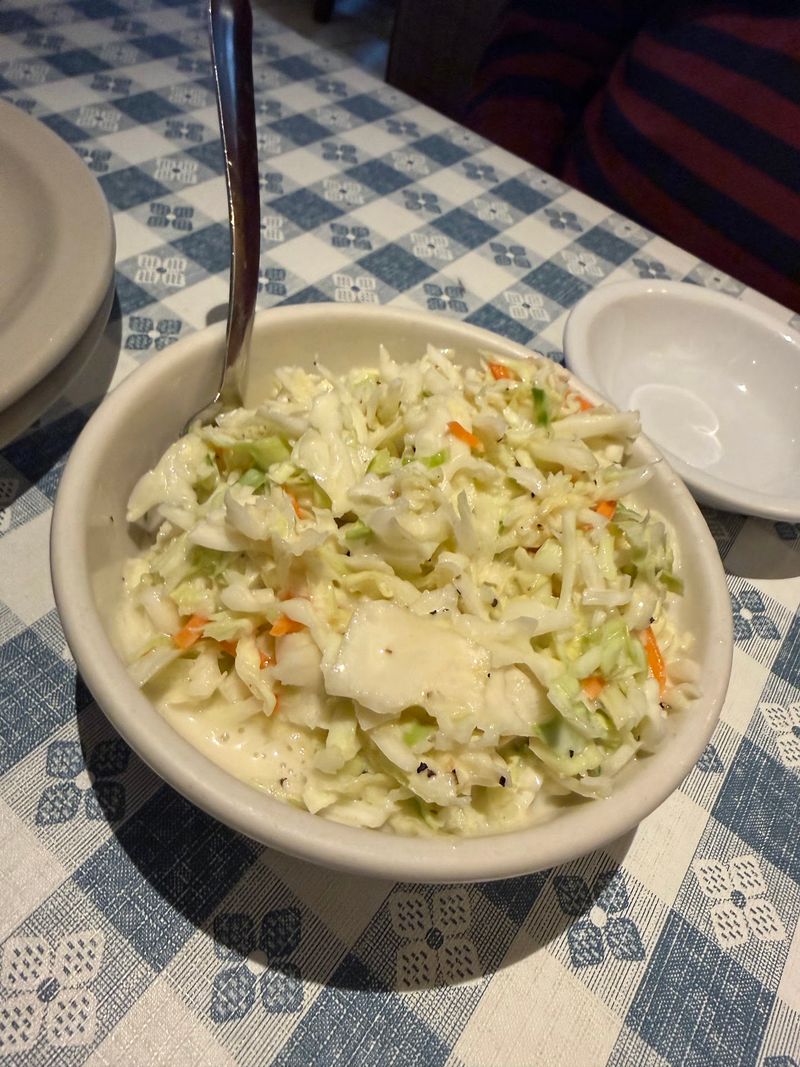
A small but telling detail sets the meal in motion at Wagner’s: the coleslaw often reaches the table before the chicken. That early bowl is more than a filler while the kitchen works.
It gives hungry diners something cool, sweet, and crisp to start with, and it quietly prepares the palate for a much richer plate still on the way.
The side dishes matter here because Wagner’s is not built around chicken alone. Coleslaw, mashed potatoes, gravy, green beans, and rolls show up again and again in conversations about the restaurant, which says plenty about how the meal is structured.
This is comfort food in full dinner form, where each side has a job and the best bites usually come from mixing textures and temperatures.
The slaw brings relief from the peppery crust. Mashed potatoes and gravy push the meal deeper into hearty territory, especially when the gravy carries savory flavor that echoes the chicken.
Green beans add a softer, slower note, and the rolls help tie everything together the way a proper family-style meal should.
That spread changes the pacing at the table. Diners do not simply eat one main item and move on. They build plates, reach across for another spoonful, compare favorite sides, and stretch the meal into something more communal than a standard entree service.
For first-timers, the smartest move is to treat the whole lineup seriously instead of seeing the sides as background. Wagner’s fried chicken may be the headline, but the supporting dishes shape the full experience in a big way.
By the time the table fills out, the restaurant stops looking like a simple chicken stop and starts reading more like a complete comfort-food ritual.
Wood Paneling, Checkered Tables, And Zero Pretending
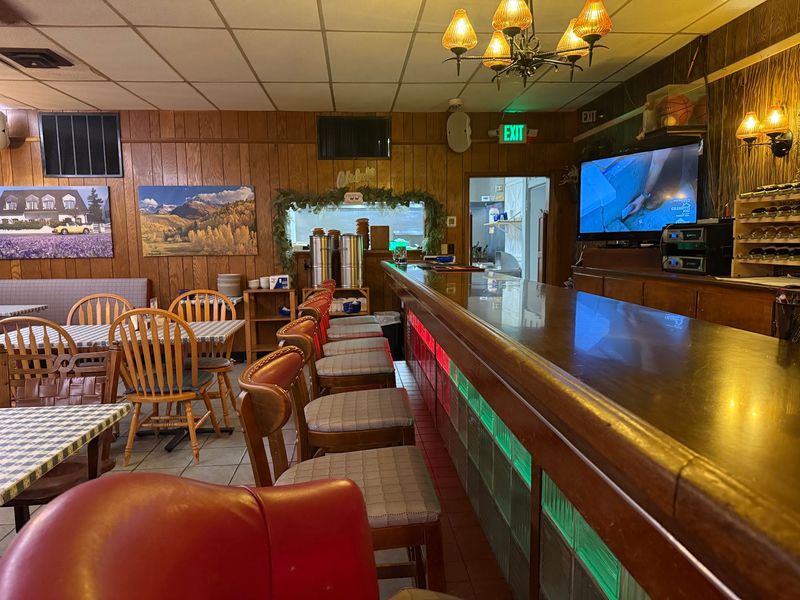
Some dining rooms try hard to broadcast personality. Wagner’s Village Inn takes the opposite route, and that is a big part of its charm.
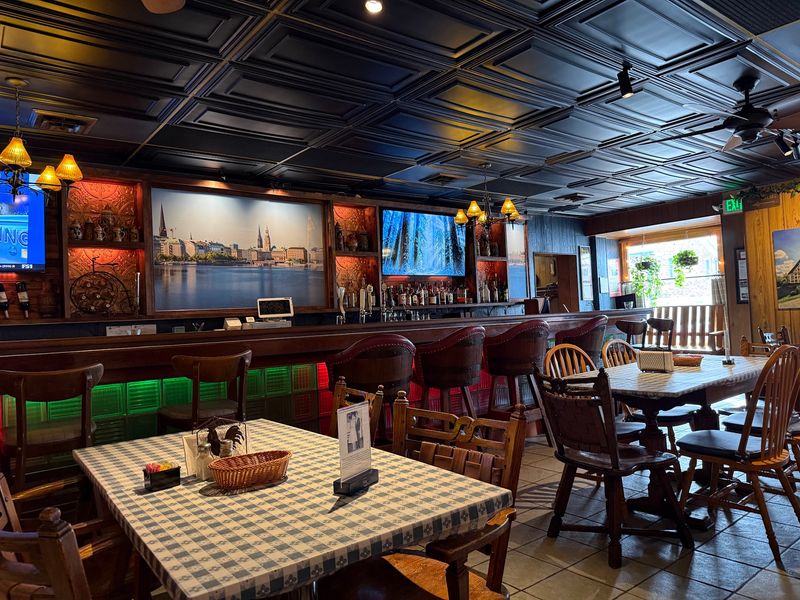
Reports of checkered tablecloths, wood paneling, and a cozy old-school setup point to a room that stays rooted in function instead of performance, giving the restaurant a grounded look that suits the food.
The interior works because fried chicken this hearty does not need a sleek backdrop. A polished, ultra-modern room might fight against the meal instead of supporting it.
Here, the quieter visual style keeps attention where it belongs, on hot plates, passing side bowls, and the steady rhythm of a family restaurant that has not traded its identity for trend-driven makeover energy.
There is also a practical truth in the layout. Some tables can feel tight once family-style dishes arrive, especially when bowls, plates, drinks, and baskets start competing for space.
That slight crowding is not glamorous, but it matches the kind of restaurant Wagner’s is, where abundance matters more than spacious table staging.
The mood benefits from that closeness. Meals can feel more active when dishes are shared, elbows move, and fresh servings land in the middle of the table.
Instead of a distant, carefully separated setup, the room supports the social side of comfort food, where passing potatoes or reaching for another roll becomes part of the rhythm. For anyone chasing polish, the room may seem simple. For anyone chasing a meal with roots, it fits.
Wagner’s does not waste time pretending to be something grander than it is. The dining room sets an honest frame, and that straightforward setting gives the fried chicken even more room to take center stage.
The Family-Style Order Is Bigger Than It Looks
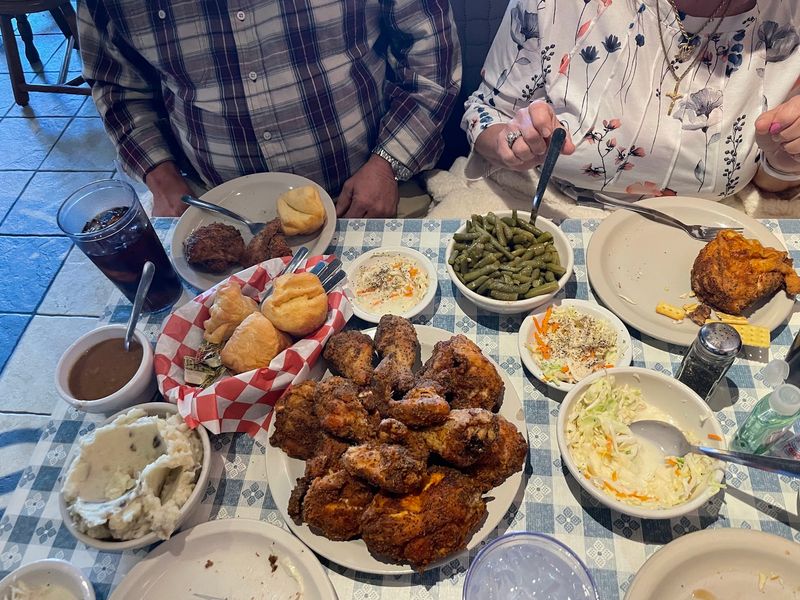
Underestimating the portion size at Wagner’s is an easy rookie mistake. The food may arrive in a familiar comfort-food format, but the family-style chicken dinner is known for being generous enough to change ordering plans fast.
A table that assumes everyone needs a full spread can end up staring at more chicken and sides than expected. That matters because the restaurant’s value is tied closely to how the meal is structured.
When sides are served generously and the chicken dinner leans substantial, sharing becomes an important strategy for smaller groups.
Couples, in particular, may do better by asking questions before ordering instead of charging ahead and realizing too late that leftovers are practically guaranteed.
The abundance also affects how the meal unfolds. A large platter of chicken plus bowls of slaw, green beans, mashed potatoes, gravy, and rolls can fill a table quickly, turning dinner into a slower, more relaxed event.
There is less pressure to race through the meal and more reason to settle in, sample everything, and pace each round of bites.
For new visitors, clarity helps. Family-style menus can sometimes sound simple while hiding a few details about portions or refill options.
A brief conversation with the server can make the experience smoother, especially for anyone deciding between an individual meal and a bigger shared order.
Handled well, the size becomes part of the fun instead of a source of confusion. Wagner’s is serving comfort food with a broad hand, not a tiny tasting menu.
Showing up with a plan, a healthy appetite, and maybe a to-go expectation makes the restaurant easier to enjoy. Plenty lands on the table here, and that fullness is part of the restaurant’s character.
When To Go And How To Time The Wait
Timing can shape the Wagner’s experience almost as much as the recipe. The restaurant opens daily at 11 AM, closes at 8 PM most days, and wraps up earlier at 7 PM on Sunday, which already tells diners one useful thing: this is a lunch-and-dinner place with a clear rhythm, not an all-day stop built for endless flexibility.
Because the chicken has a made-to-order reputation, busy periods deserve respect. Prime dinner hours, weekends, and holiday traffic can stretch the meal into a longer outing, especially in a restaurant where the food is not built around speed.
That does not mean avoiding the popular times completely, but it does mean arriving with enough room in the schedule to enjoy the meal instead of watching the clock.
Lunch or an earlier dinner can be smart choices for travelers passing through southeastern Indiana. They may offer a slightly calmer entry point, and they leave more time to look around Oldenburg before or after the meal.
Even then, expecting some wait is wiser than assuming instant service just because a table opens quickly. Preparation is simple. Go hungry, but bring patience.
If the table gets slaw early while the chicken finishes cooking, treat that as part of the house rhythm rather than a delay tactic.
Wagner’s works best for diners who understand what kind of outing they are planning. A quick meal between strict appointments is risky.
A relaxed lunch, a weekend drive, or an early evening food stop fits the place much better, giving the kitchen time to turn out the dish people came for and giving the table time to enjoy it properly.
Why This Fried Chicken Still Commands The Trip
Road-trip food usually falls into two categories: convenient and forgettable, or slightly inconvenient and completely rewarding. Wagner’s Village Inn belongs in the second group.
The restaurant has built its standing by serving a specific style of fried chicken with enough confidence to draw people off the highway, into a small Indiana town, and toward a meal that asks for time, appetite, and attention.
That pull comes from more than fame or awards. National recognition can put a place on the map, but it cannot fake a distinct flavor profile, a dependable cooking identity, or a side-dish lineup that completes the story.
Wagner’s keeps the conversation going because the meal has a point of view, from the peppery crust to the family-style format and the old-fashioned dining room that supports it.
Just as important, the restaurant does not seem interested in sanding down its edges to suit every diner. The seasoning is assertive. The pace can be deliberate. The portions are substantial.
Those details give the place structure and keep it from blending into the long list of restaurants that offer fried chicken without much personality.
For anyone planning a visit, the best mindset is simple: go for the house specialty, expect a hearty meal, and let the experience unfold on its own terms. Order with the table in mind, save room for the sides, and do not treat the meal like a rushed errand.
Wagner’s stands out because it is comfortable being exactly what it is. No flash, no complicated concept, no need to explain itself too much.
In Oldenburg, a humble dining room quietly sends out plate after plate of boldly seasoned chicken, and that straightforward formula keeps earning the drive.
Share this story