Gravel crunching beneath the tires may be the loudest sound you hear while exploring Glendale Fish & Wildlife Area in southern Indiana. Quiet roads wind through a landscape of woods, wetlands, open fields, and water, turning an unhurried drive into its own kind of outdoor adventure.
There is no need to race toward a single viewpoint when the scenery keeps changing beyond the windshield. Wildlife sightings can add an unexpected reason to slow down even further, while the remote setting makes busy highways feel far away. At Glendale, taking the long way around is not a detour—it is part of the experience.
A Backroad Entrance Into Real Quiet
Silence arrives fast out here. A few minutes after turning into Glendale Fish & Wildlife Area, the usual noise of town drops away and the landscape starts doing the talking instead.
The setting near Montgomery, Indiana, is broad and open in a way that makes a driver ease off the gas without even trying. Gravel roads thread through woods, fields, and water edges, creating the kind of route where the next bend matters more than the next mile marker.
Instead of storefronts and stoplights, there are stands of trees, tall grass, and sky that seems bigger the farther you go.
That sense of remoteness is a huge part of the appeal. Glendale is known first as a fish and wildlife area, so the land is managed for outdoor use, habitat, and access, not for polished tourist traffic.
The result is a road network that feels practical and scenic at the same time, giving drivers an easy way to sample a large natural area without needing a hard hike.
Slow travel works especially well here because gravel naturally changes the pace. Tires crunch, dust lifts lightly on dry days, and every shallow dip in the road reminds you that this is a place to notice details.
A hawk on a post, a deer moving near the tree line, or sunlight flashing off a pond all become part of the drive. For anyone who likes country roads but wants more than random wandering, Glendale offers a destination with structure. You are not just cruising empty farmland.
You are moving through a public wildlife landscape where the quiet is real, the views keep changing, and the backroads feel built for unhurried looking.
Gravel Roads That Reward Going Slow
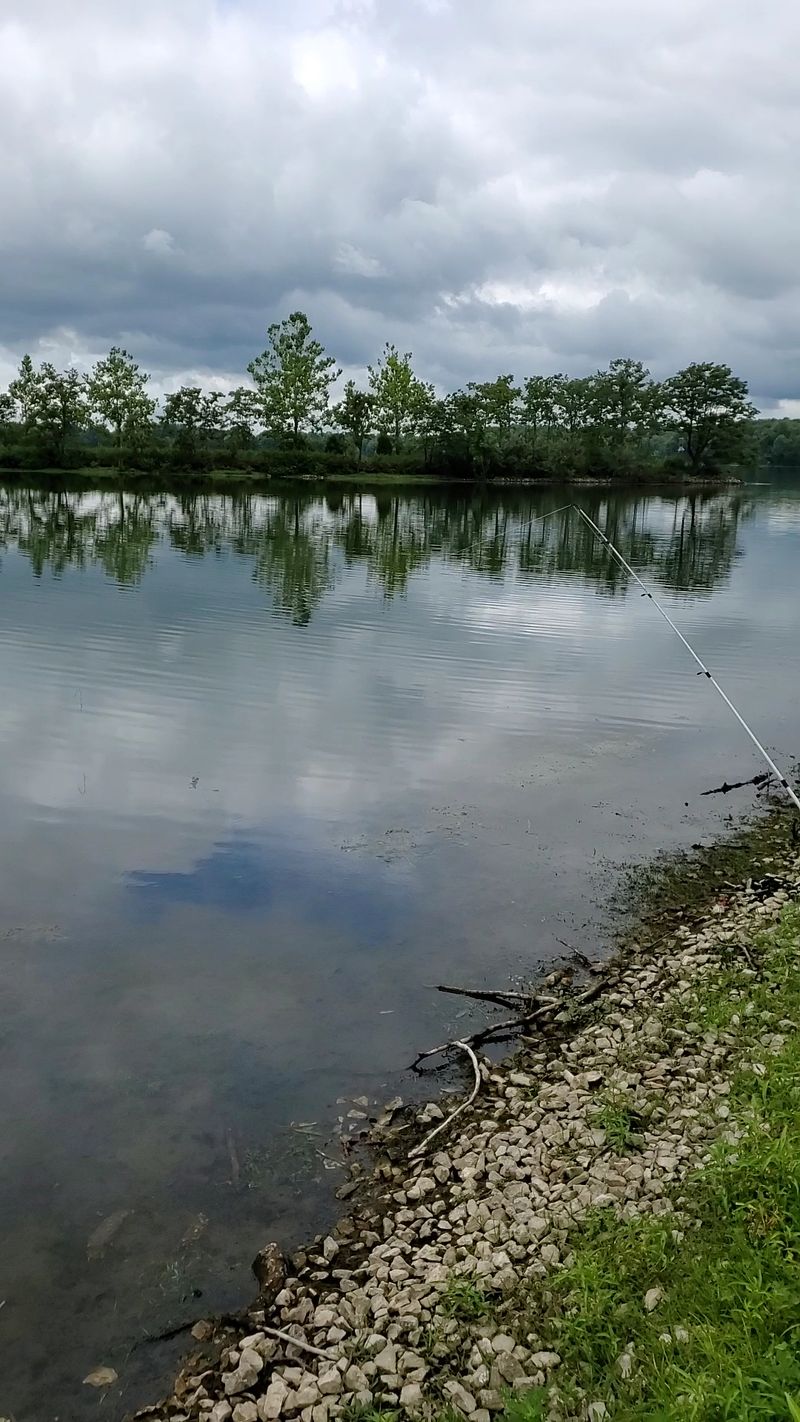
Not every scenic drive needs mountain overlooks or dramatic cliffs. At Glendale, the pleasure comes from the road itself and the steady rhythm of the land around it.
The gravel routes here invite patience. They are better suited to a relaxed roll than a rushed dash, and that slower speed changes what you notice.
Small ponds appear beside the road, narrow openings reveal longer views, and wooded stretches briefly close in before the landscape opens again.
There is also a practical side to the calm. Because this is a wildlife area, driving slowly is the smartest way to watch for animals, other visitors, and changing road conditions.
A gentle pace helps with dust, keeps the ride more comfortable, and gives everyone in the car a chance to spot birds, waterfowl, or movement at the edge of a field.
Part of what makes these roads enjoyable is their lack of pressure. You are not boxed in by heavy traffic, and you are not chasing a single famous viewpoint.
The drive becomes a string of smaller moments instead. One section may pass brush and timber, while the next runs beside open water or a flat grassy area that glows in late afternoon light.
That variety is why Glendale works so well for people who like wandering with a purpose. The roads feel connected to the land, not pasted over it.
They guide you through habitat, recreation areas, and quiet corners that would be easy to miss from a faster paved route.
Bring a full tank, keep the playlist low, and let the gravel set the tempo. Glendale is one of those rare places where driving slowly is not a compromise. It is the main event, and the road keeps proving why.
Water Views Break Up The Woods
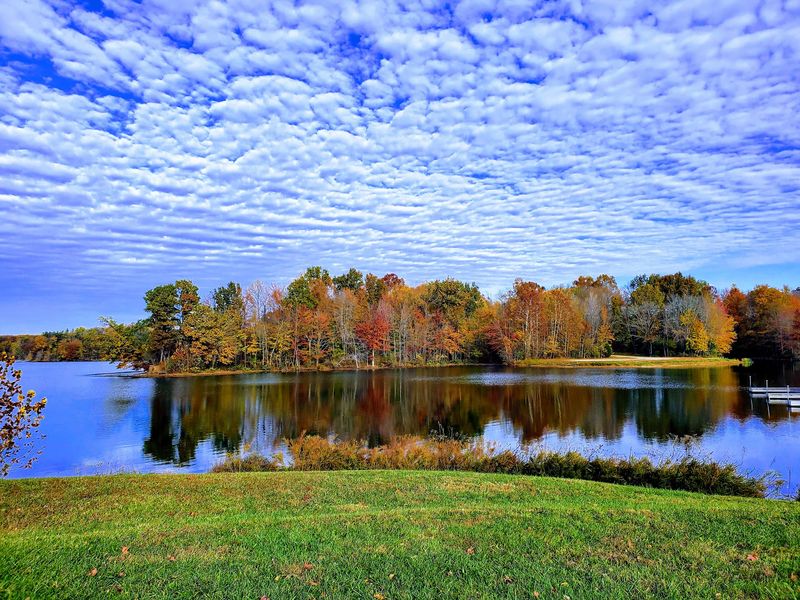
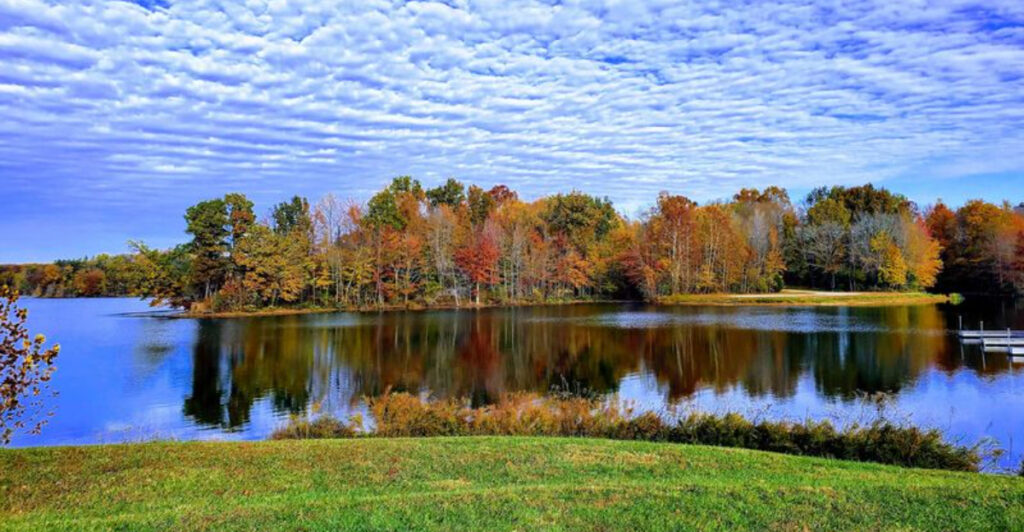
One of the best surprises at Glendale is how often water appears during a drive. A road can run through trees for a stretch, then suddenly a lake, pond, or marshy opening adds brightness and space.
Those water views give the area its visual rhythm. Instead of one nonstop forested loop, the scenery keeps shifting between wooded cover and reflective open surfaces.
On a still day, the ponds mirror clouds and tree lines. On breezier afternoons, ripples catch the light and turn simple pull-offs into easy photo spots.
Glendale is widely known for fishing, and that connection to water shapes the whole experience, even for people who never unload a rod. Larger lakes and smaller surrounding ponds create natural pauses along the drive.
You may notice anglers near the bank, a kayak on the water, or birds using the shallows while the road continues quietly nearby.
The variety matters because each body of water changes the mood of the drive. A broad lake can feel open and expansive, while a smaller pond tucked near grass and brush feels hidden and close.
Some areas look neat and clear from the road, while others show thicker plant growth, which is part of how real wildlife habitat often looks in a managed natural area.
Drivers who want the strongest views should keep an eye out for places where the road and shoreline run near each other. Early light tends to make the water look softer and cooler, while evening can turn it gold.
Either way, the mix of road, trees, and water is what gives Glendale more visual range than a simple country drive. It keeps changing the scene without ever breaking the quiet.
Southern Indiana Wildlife From The Driver’s Seat
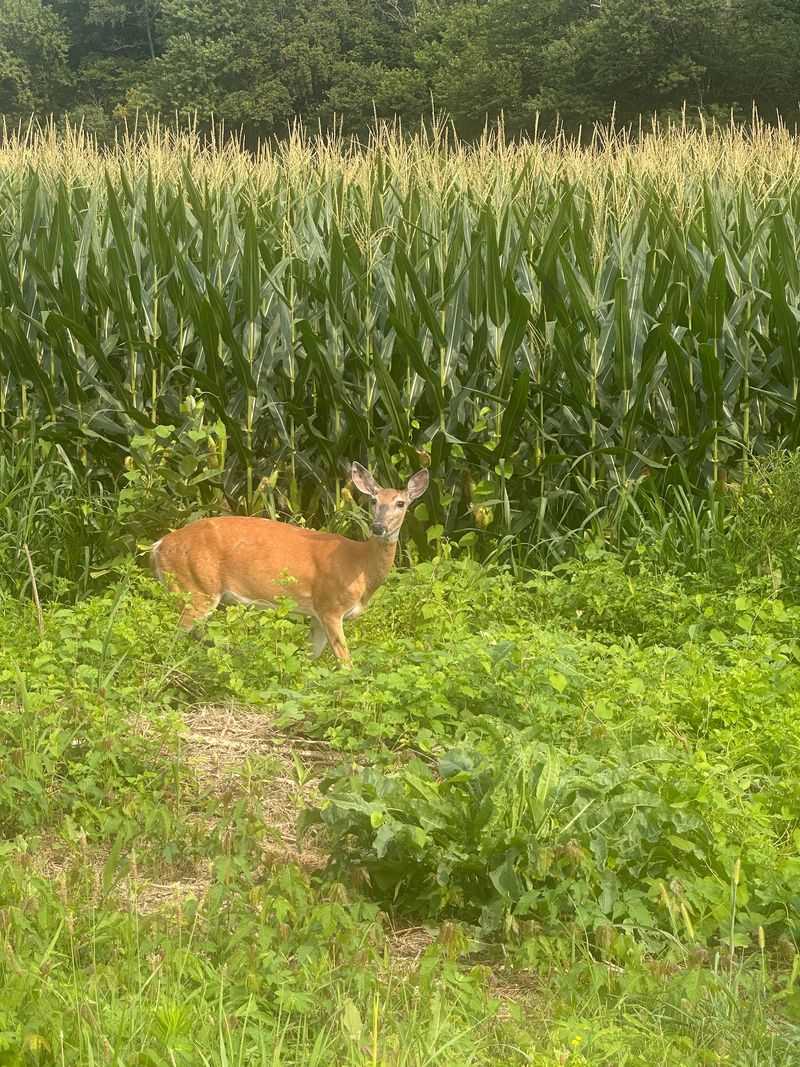
Wildlife is the reason the land exists, and that changes how every drive at Glendale unfolds. Even a short loop can turn into a quiet spotting game if everyone in the car keeps watch near the edges.
The area supports the kinds of animals many people hope to see in southern Indiana, including deer, wild turkeys, waterfowl, and birds that use the ponds and wetlands. Reports from longtime visitors also point to sightings such as eagles, herons, foxes, coyotes, and sandhill cranes.
Nothing is guaranteed, of course, but the road network gives you a gentle way to cover more ground and improve your chances.
Morning is often the easiest time for viewing because movement tends to stand out in the softer light. Deer may appear near open fields, and birds are easier to notice when the day is still cool and quiet.
Late afternoon can work well too, especially where roads pass between timber and open water.
Patience matters more than luck here. Instead of rushing from spot to spot, it helps to scan fence lines, pond edges, and grassy openings, then pause whenever the view broadens.
A gravel drive is useful because the speed stays naturally low, and that slower pace gives animals less reason to bolt before anyone sees them.
Good viewing also means being respectful. Stay on established roads, avoid crowding animals, and keep noise down if you stop briefly.
The goal is not to chase a perfect photo but to let the place reveal itself. That is where Glendale stands out. The drive is not separate from the wildlife experience.
It is one of the easiest ways to enter it, especially for families, older travelers, or anyone who likes nature without needing a demanding trek.
Each Season Changes The Roadside Show
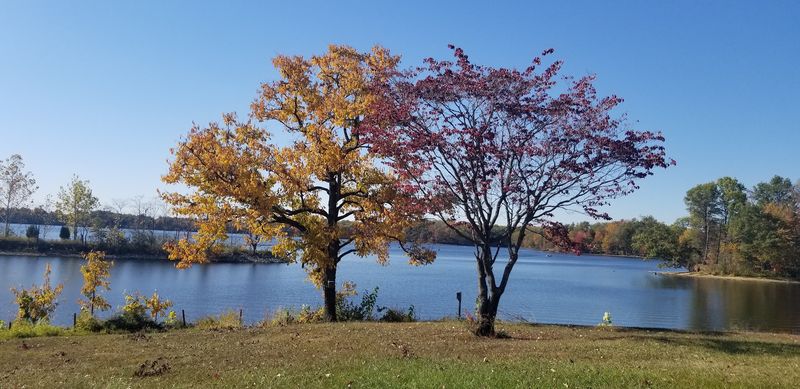
Glendale does not offer one fixed look all year, and that is part of its strength. The same gravel road can feel airy in winter, lush in late spring, bright and busy in summer, and richly colored when fall arrives.
Spring often brings fresh green edges, active birdlife, and a sense that the whole area is waking up. Rain can deepen the color of the woods and fields, while ponds and low spots reflect a pale sky.
Roads may be at their most interesting then because the land looks newly washed and every turn carries that cool-season sharpness. Summer shifts the experience. Vegetation thickens, grasses rise, and the water scenes look fuller and more alive.
That can be beautiful, though drivers should expect a wilder roadside look in some places, especially around fishing waters where plant growth is part of the natural picture. Bugs and heat are bigger factors, but early mornings can still be especially pleasant.
Autumn may be the easiest season for a classic scenic drive. The trees add color without blocking every view, the air is often clearer, and long shadows stretch across the gravel in a way that makes even simple road sections look dramatic.
It is a good time to pack a warm drink and spend extra time following side routes. Winter strips things back and reveals the bones of the landscape.
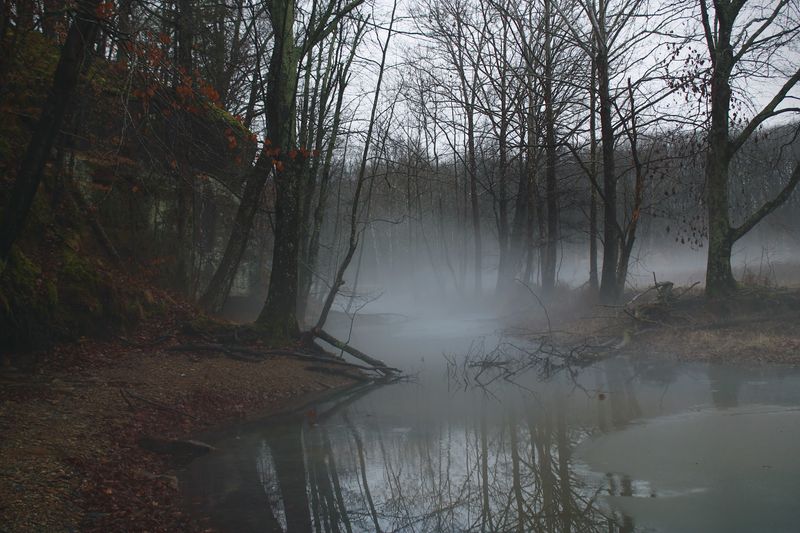
Bare branches open wider sight lines, ponds look starker, and the quiet can feel even deeper than usual. A cold-weather drive here is less about bright color and more about shape, texture, and space.
No season is wrong. The best choice depends on whether you want birds, greenery, fall color, or wide open views, because Glendale gives the same roads a new personality every few months.
Best Ways To Explore Without Rushing
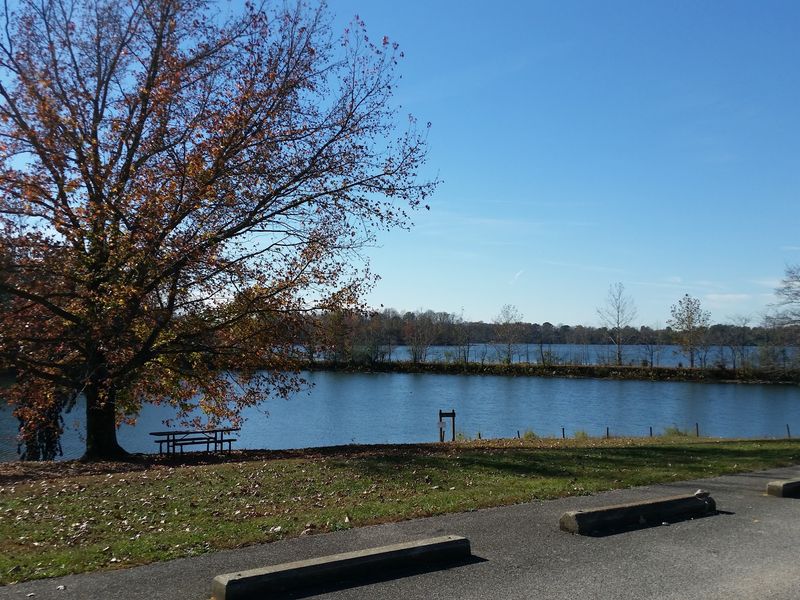
A little planning makes Glendale much more rewarding, especially if the goal is a peaceful drive instead of a hurried pass through. The area works best when treated like a slow outing with room for stops, not a checklist stop between bigger attractions.
Start by allowing more time than the map suggests. Gravel roads naturally take longer, and that extra time is useful because the best moments often happen between destinations.
A broad water view, a flock lifting from a pond, or a deer crossing ahead can turn a simple drive into the highlight of the day.
It also helps to bring the right kind of gear. Binoculars are handy for wildlife, a camera or phone is enough for quick roadside photos, and drinks matter more than expected when you are moving slowly through a large rural area.
Keep shoes that can handle a short walk on uneven ground if a pull-off or shoreline spot catches your eye. Because Glendale is used for fishing, hunting, hiking, and camping, awareness is smart in every season.
Watch for posted rules, share space politely, and expect some areas to be busier during popular outdoor periods. If one road or water access point is active, simply continue on and let the next quiet stretch become your stop.
Weekdays can be especially appealing for drivers who want more space and less interruption. Early morning and late afternoon usually offer the nicest light, along with a better chance of seeing animals near open areas.
Midday can still be enjoyable, but the softer hours show the landscape at its best. The biggest tip is simple: do less. Pick a few roads, stop when something catches your eye, and let Glendale reveal itself one curve, pond, and tree line at a time.
Why Glendale Stands Out As A Scenic Drive
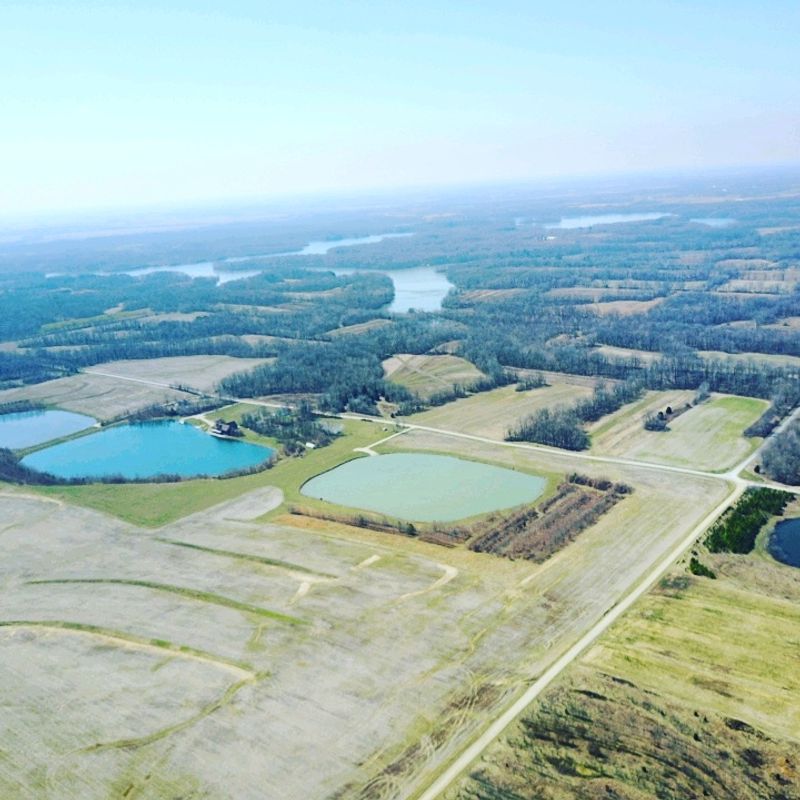
Some scenic drives depend on one famous overlook or a dramatic finish line. Glendale stands out for a different reason.
The beauty is spread across the whole area, which makes the drive itself the attraction rather than a route to somewhere else.
That difference matters in a state where many pleasant drives pass farms, towns, and patches of woods but do not fully immerse you in public natural land. At Glendale Fish & Wildlife Area, the roads move through a landscape built around habitat, water, and outdoor access.
You are not peeking at nature between developments. You are inside it for the length of the drive. The mood also stays refreshingly low-key. There is no pressure to dress up the day with a packed itinerary, and no need to force big adventure energy onto a quiet place.
A compact car, a pickup, or a family SUV can all enjoy the same basic reward: room to slow down and look around.
Glendale also has range. One visit may center on lakes and fishing access, while another is all about roadside wildlife or the changing color of the tree line.
Campers, anglers, birders, and people who simply like wandering all use the same broad setting in different ways, which gives the area a layered, lived-in character.
That mix of usefulness and scenery is rare. The roads are not decorative loops made for postcards alone. They connect real recreation spaces and working habitat, and that practical purpose gives the drive more texture and honesty.
For anyone searching Indiana for a peaceful place to cruise with the windows cracked and the speed low, Glendale makes a strong case. It offers gravel, water, woods, and quiet in one unshowy package, and that combination is exactly why the drive keeps delivering.
Share this story