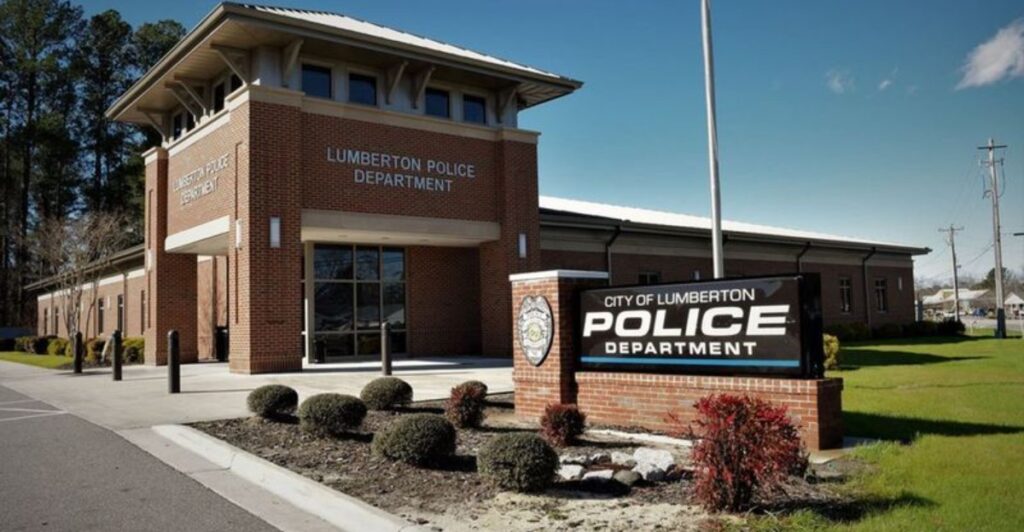
Lumberton, North Carolina, is a small city with deep history, riverfront scenery, and a central place in Robeson County. It is also a place where crime has been a serious concern for many residents, visitors, and local leaders.
Looking at the issue closely helps people understand the risks, the reasons behind them, and the smart steps that can make daily life safer.
1. A Small City Facing a Big Safety Challenge
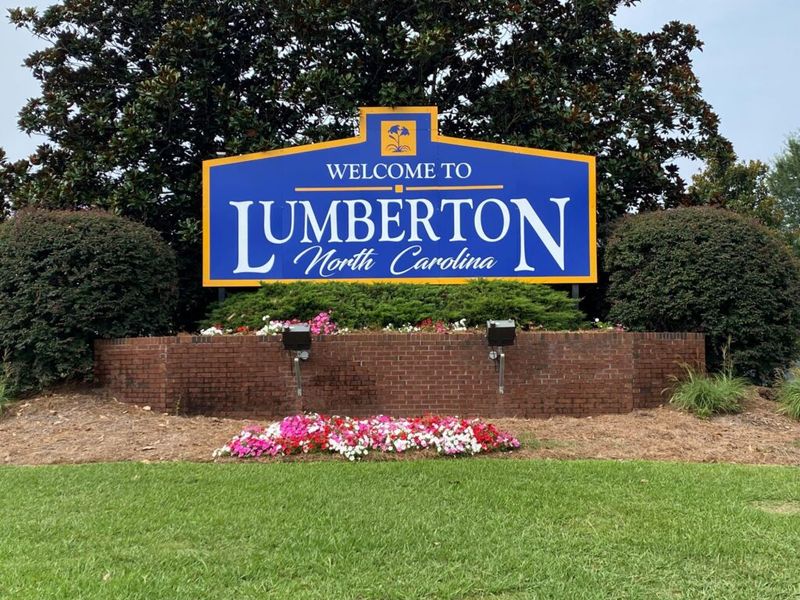
Walk through Lumberton and you can feel both pride and concern living side by side.
The city has a friendly small-town feel, but crime numbers have often stood out when compared with many other places in North Carolina.
Lumberton is the county seat of Robeson County and had about 19,025 residents in 2020.
That size makes its crime problem feel more personal, because many people know the same streets, stores, schools, and neighborhoods.
When crime rates are high in a smaller city, each incident can seem closer to home.
Reports from crime-tracking sources have ranked Lumberton as having crime levels well above the state average in past years.
These rankings usually look at violent crimes, property crimes, and total crimes per number of residents.
Since methods can differ, readers should check current local police data and state reports before making major decisions.
Still, the concern is real for people who live, work, or travel through the area.
A high crime rate can affect home choices, business confidence, school routines, and how safe people feel after dark.
The useful takeaway is not to panic, but to stay informed.
Knowing which areas have more calls for service, using basic safety habits, and supporting local prevention efforts can help people move through Lumberton with more confidence and care.
2. Location Along I-95 Brings Visitors and Risks
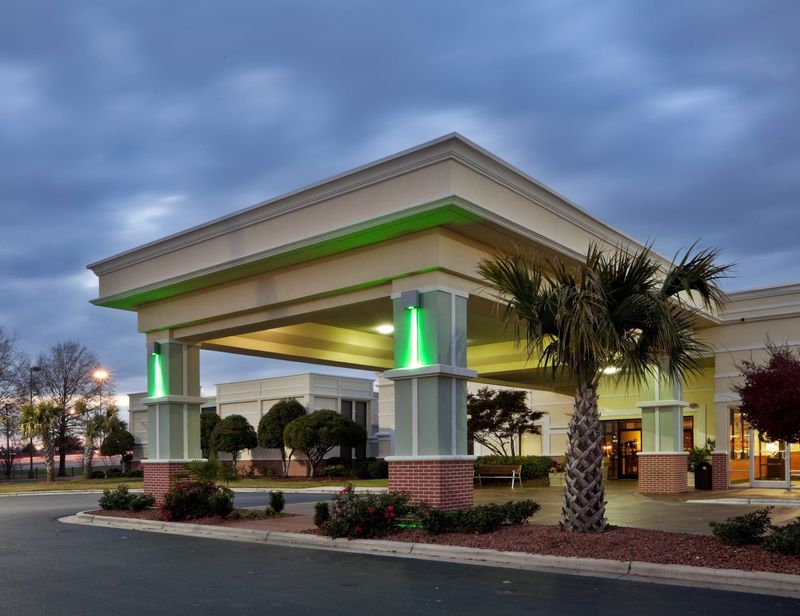
Highways can bring money, movement, and trouble all at once.
Lumberton sits near Interstate 95, one of the busiest travel routes on the East Coast, and that location shapes daily life in a big way.
Travelers stop for gas, food, hotels, and supplies, which supports many local jobs.
At the same time, busy highway areas can attract theft, car break-ins, drug activity, and other crimes that are harder to connect to one neighborhood.
People may pass through quickly, making prevention and investigation more difficult.
For visitors, the best advice is simple but useful.
Park in bright areas, lock vehicles, keep bags out of sight, and avoid leaving electronics, wallets, or firearms in cars.
A quick stop can turn stressful if valuables are easy to see through a window.
Hotel guests should also pay attention to their surroundings.
Choosing a well-reviewed property, asking about security cameras, and using inside entrances when available can lower risk.
Families traveling with children should plan stops during daylight when possible.
For Lumberton, I-95 is both an asset and a challenge.
It brings customers to restaurants and stores, but it also increases pressure on police and business owners.
The highway does not explain every crime problem, but it is one important piece of the safety picture.
3. Property Crime Is a Major Concern for Residents
A missing bicycle, a broken car window, or a stolen package can change how a person feels about home.
In Lumberton, property crime has been one of the most common safety worries discussed by residents and crime data watchers.
Property crime usually includes burglary, theft, motor vehicle theft, and sometimes shoplifting or vandalism.
These crimes may not always involve physical harm, but they still cost money, time, and peace of mind.
For families living on tight budgets, replacing stolen tools, tires, phones, or school supplies can be a serious burden.
Simple habits can make a difference.
Lock car doors every time, even at home.
Use outdoor lights, trim bushes near windows, and avoid posting travel plans online.
Neighbors who share information about suspicious activity can also help stop repeat problems.
Renters and homeowners should keep records of expensive items.
Photos, serial numbers, and receipts can help police reports and insurance claims.
Small steps like using package lockers or asking a trusted neighbor to pick up deliveries can prevent porch theft.
Property crime can make a city feel worn down, but prevention does not have to be complicated.
When residents, landlords, businesses, and police all pay attention to small details, it becomes harder for thieves to find easy chances.
4. Violent Crime Adds to Public Worry
Some crime numbers feel distant until they involve a street you drive on every week.
Violent crime is especially troubling because it can affect how people use parks, stores, roads, and gathering places.
Violent crime often includes murder, aggravated assault, robbery, and rape.
In cities where these rates are higher than the state average, people may change their routines.
They may avoid certain areas at night, travel in groups, or think twice before letting teens walk alone.
Lumberton has drawn attention because reports over the years have shown serious violent crime concerns for a city of its size.
Numbers can rise or fall from year to year, so one report should not be the only source anyone uses.
Local police updates, state crime records, and community meetings can give a clearer view of current trends.
Personal safety begins with awareness, not fear.
Pay attention to arguments that seem to be growing worse, leave crowded places when tension builds, and call for help if someone may be in danger.
Safe choices can prevent a bad moment from becoming worse.
Violent crime also needs long-term answers.
Youth programs, mental health care, addiction treatment, steady jobs, and strong neighborhood ties all matter.
Police can respond to emergencies, but a safer Lumberton also depends on reducing the conditions that help violence grow.
5. Poverty and Hard Times Can Feed Crime Patterns
Crime rarely has just one cause, and Lumberton’s challenges are tied to more than police reports.
Like many communities in eastern and southern North Carolina, the city has faced economic stress that can make safety problems harder to solve.
When jobs are limited, wages are low, or families struggle with housing, pressure builds.
Most people facing hard times never commit crimes, and poverty should never be treated as an excuse.
Still, unstable income, addiction, school struggles, and lack of opportunity can raise the chances of theft, violence, and illegal markets.
Lumberton’s role as the center of Robeson County means it carries many public needs.
People come there for court, services, health care, shopping, and work.
That can place extra strain on local systems, especially when resources are already stretched.
Practical solutions include job training, after-school programs, mentoring, affordable housing support, and treatment for drug and alcohol problems.
These efforts may not sound as dramatic as arrests, but they can prevent future crime by helping people build steadier lives.
Residents can support progress by volunteering, hiring locally when possible, and backing groups that work with youth and families.
A city becomes safer when people have real paths forward.
In Lumberton, reducing crime is also about giving more people reasons to hope and stay on track.
6. The Lumber River Gives the City Identity
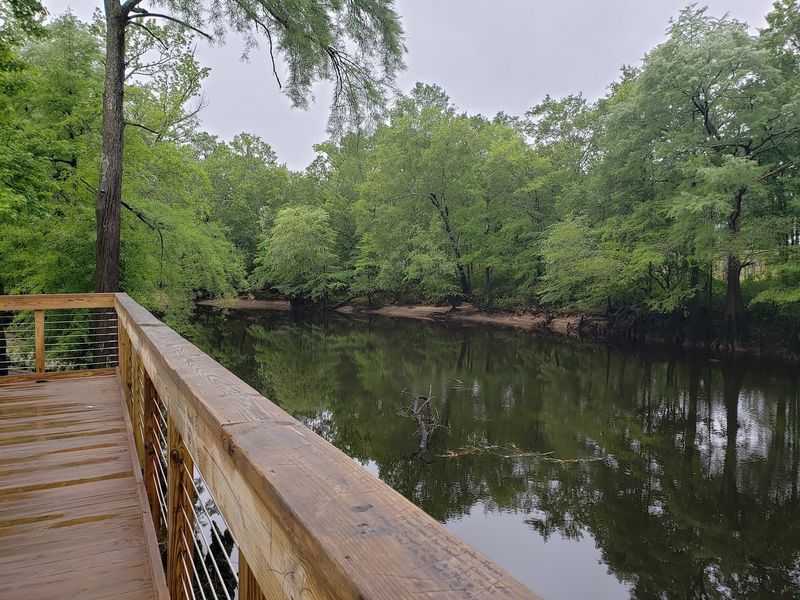
The Lumber River gives Lumberton more than a name.
It gives the city a sense of place, a natural landmark, and a reminder that the community has beauty beyond its crime statistics.
Founded in 1787 by John Willis, an officer in the American Revolution, Lumberton grew along the river in southern North Carolina’s Inner Banks region.
The waterway has shaped travel, trade, outdoor life, and local memory for generations.
Even today, the river can be a peaceful break from busy roads and stressful headlines.
Public spaces near rivers can help safety when they are cared for and used often.
Clean trails, working lights, visible signs, and regular activity can make outdoor areas feel more welcoming.
When families, walkers, anglers, and visitors use a place in healthy ways, there are more eyes around.
Anyone enjoying the river should still use common sense.
Go with a friend when possible, tell someone your plan, watch the weather, and avoid isolated areas after dark.
Flooding has also affected Lumberton in the past, so checking conditions matters.
The river is a strength the city can build on.
Safe recreation, tourism, and pride in local history can help balance the story of Lumberton.
Crime is part of the conversation, but it is not the only thing that defines the city.
7. Downtown and Local Businesses Need Extra Support
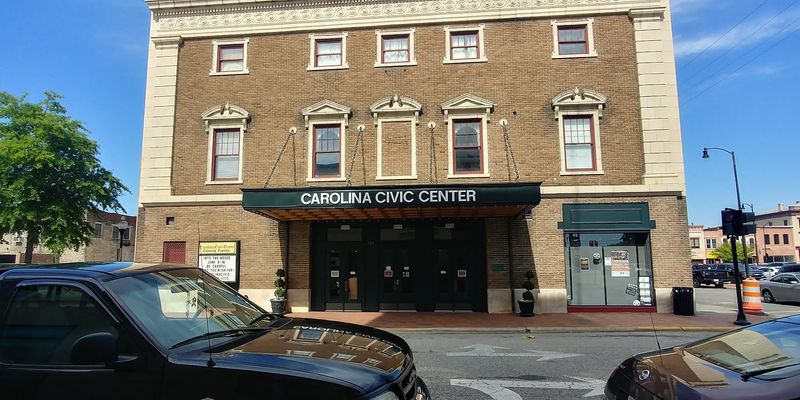
A small business owner notices everything: a cracked window, a slow sales week, a customer who feels uneasy walking to the car.
In Lumberton, crime concerns can weigh heavily on local shops, restaurants, and service businesses.
Downtown areas and commercial strips are important because they shape a city’s image.
If people hear about theft, fights, or break-ins, they may decide to shop elsewhere.
That hurts owners, workers, and the local tax base that pays for city services.
Business safety does not always require expensive changes.
Bright lighting, clear windows, working cameras, strong locks, and clean storefronts can make a location less attractive to criminals.
Employees should know how to handle shoplifting, angry customers, and closing-time routines safely.
Customers play a role too.
Shopping locally during daylight, reporting suspicious behavior, and treating workers with respect help create a stronger business climate.
Busy sidewalks and active stores can make an area feel safer than empty blocks.
City leaders can help by improving street lighting, fixing blighted properties, supporting police foot patrols where needed, and encouraging events that bring people downtown.
A healthy business district sends a message that the community is paying attention.
For Lumberton, supporting local commerce is not just about money.
It is also a safety strategy that keeps public spaces active and cared for.
8. Smart Habits Help Visitors Stay Safer
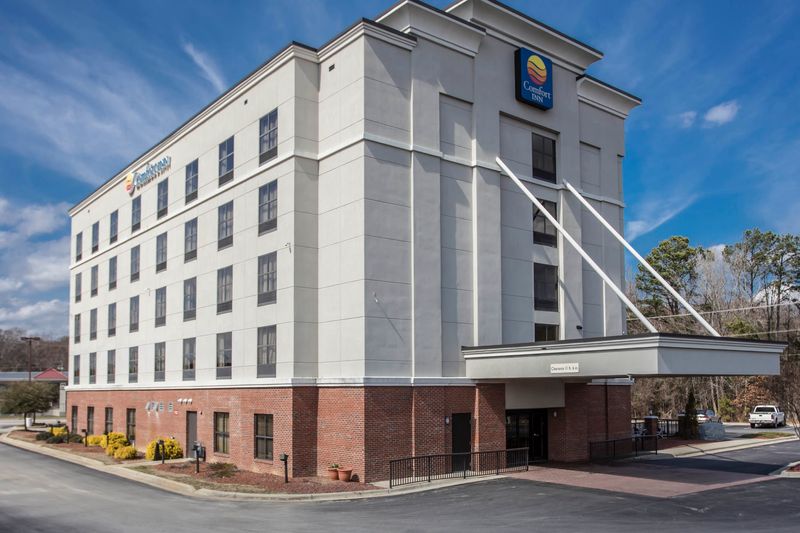
Passing through Lumberton does not mean a person should be scared, but it does mean planning wisely.
Many travelers stop in the city because of its location, and a few simple choices can make the visit smoother.
Before booking a hotel, read recent reviews and look for comments about lighting, parking, cleanliness, and staff response.
A cheaper room is not always a better deal if guests often mention break-ins or unsafe surroundings.
Calling the hotel directly can also help answer questions about security.
When stopping for gas or food, keep wallets and phones close.
Do not leave purses, backpacks, or shopping bags on seats.
If something feels off, trust that feeling and choose another stop.
It is better to spend five extra minutes driving than to ignore warning signs.
Families should plan rest breaks before everyone is tired and rushed.
Stress makes people forget basic steps like locking doors or watching children near parking lots.
Daytime stops are usually easier to manage, especially for drivers unfamiliar with the area.
Lumberton has restaurants, stores, hotels, and services that many travelers use without trouble.
The goal is not to avoid the city completely.
The goal is to act with the same care you would use in any place with higher crime concerns, especially near busy travel corridors.
9. Community Action Can Change the Story
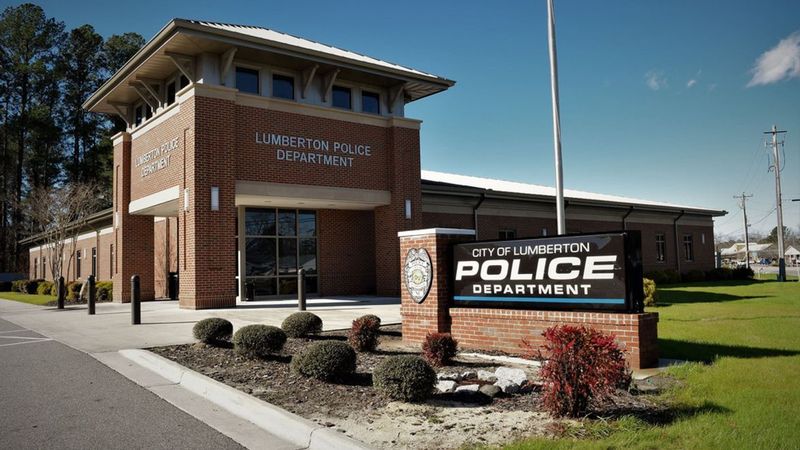
Bad headlines can make a place seem stuck, but cities are not frozen in time.
Lumberton’s crime problem is serious, yet community action can push the story in a better direction.
Residents often know the details that data cannot show.
They know which streetlight is broken, which abandoned house draws trouble, and which teens need a safe place after school.
When that knowledge reaches city leaders and police, small fixes can add up.
Neighborhood watch groups, church programs, youth sports, tutoring, and local cleanup days all support public safety.
They build trust and make it harder for crime to hide.
Even a simple habit like checking on an older neighbor can strengthen the sense that people are looking out for one another.
Local government also has a key job.
Clear crime updates, fair policing, quick response to code issues, and open meetings help residents feel included.
People are more likely to report problems when they believe they will be heard and treated with respect.
Lumberton has history, a riverfront setting, a central role in Robeson County, and people who care about its future.
A high crime rate is a warning sign, not a life sentence.
With steady work, honest information, and shared responsibility, the city can become safer while keeping the pride that makes it home.
Share this story