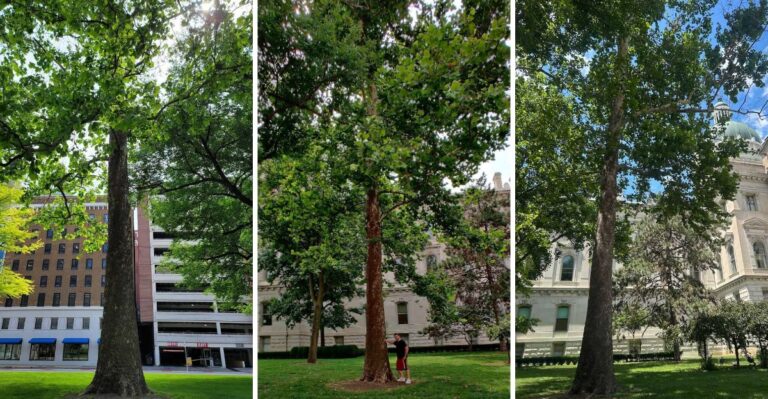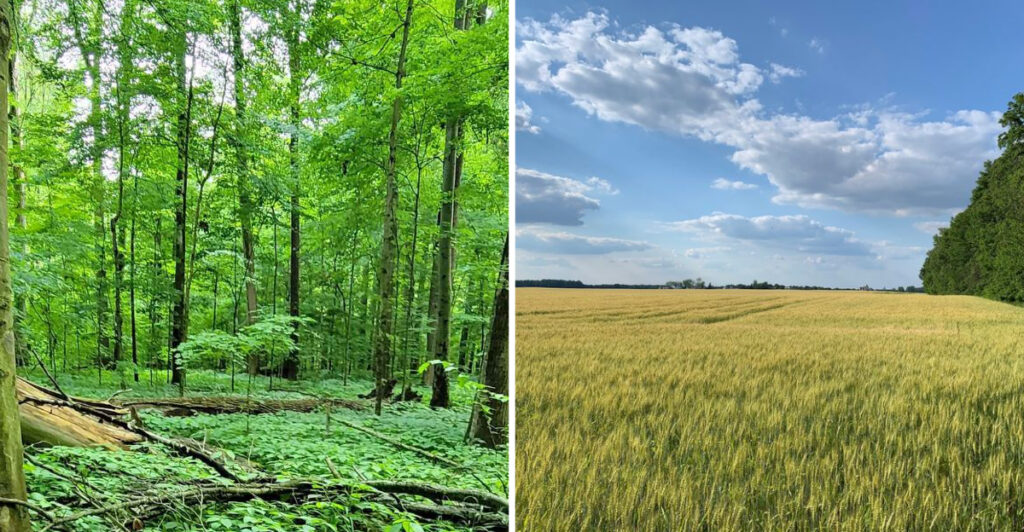
Walking beneath trees that were already growing two centuries ago puts Indiana history on an entirely different scale. At Stout Memorial Woodland near New Castle, mature forest preserves a glimpse of the landscape that existed before farms, roads, and towns transformed much of the state.
Towering trees create a shaded canopy above quiet paths, with massive trunks offering clues to just how long this woodland has endured. The experience feels less like visiting an attraction and more like entering a surviving piece of another era. At Stout Memorial Woodland, history is not behind glass—it is still growing all around you.
A Forest That Still Looks Older Than the Road
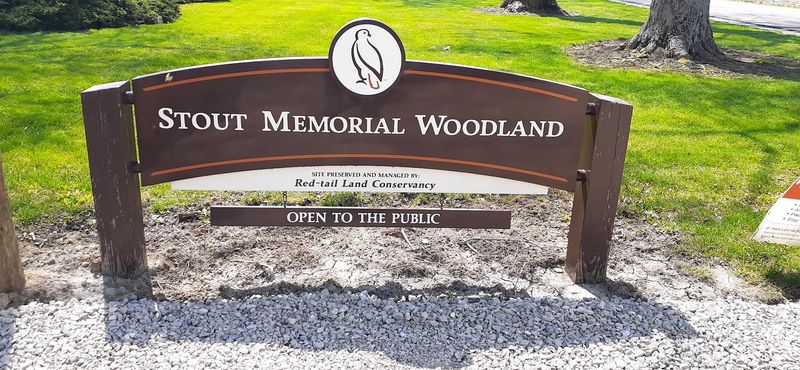
The first surprise at Stout Memorial Woodland is how quickly the modern world drops away. One minute there is a county road and a very small parking area, and the next there is a rough path cutting through tall grass toward deep woods. That simple entrance sets the tone for the whole visit.
Nothing here appears polished in a theme-park way, and that is part of the point. The preserve has the look of a place that has been allowed to keep its own shape, with trails that feel lightly established rather than heavily engineered.
Instead of signs, fences, and constant reminders of human control, the land does most of the talking. Walking in, the canopy starts to close overhead and the visual noise of everyday life disappears.
Tree trunks stand at odd distances, fallen leaves soften the ground, and the woods begin to show how a mature forest organizes itself without much human fuss. Even a short stretch can feel different from a city park because the space is less trimmed and more layered.
That older look matters because it helps explain the title in a direct, physical way. A pre-settlement woodland is not only about age.
It is also about pattern, with native trees, uneven growth, and a sense that the land has been following the same natural rules for a very long time.
For anyone planning a visit, sturdy shoes help right away because the approach may be grassy or a bit uneven depending on the season. Bringing water is smart too, even for a brief walk, since the setting invites slow pacing and plenty of stops.
The woodland begins before the first giant trunk appears, right at that modest opening where the ordinary landscape gives way to something older.
Giant Oaks And Beeches Steal The Scene
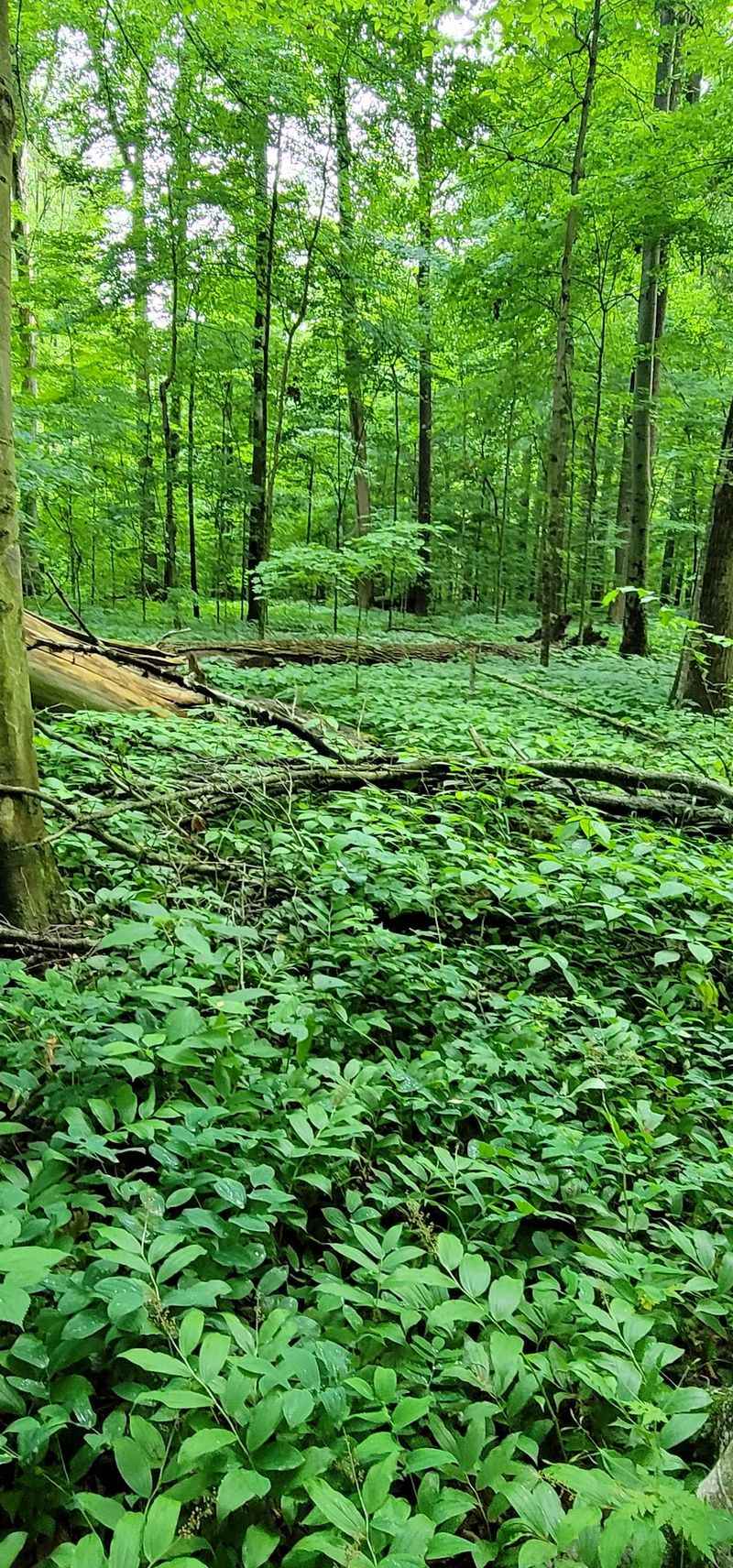
Big trees change the scale of a walk. At Stout Memorial Woodland, large oak and beech trees are one of the clearest signs that this place is not an ordinary patch of roadside woods. Their trunks carry the kind of size that makes a person slow down, tilt their head, and pay attention.
Even without counting rings, the age story comes through visually. Bark appears thicker, roots push outward with confidence, and the canopy overhead has the broad, settled shape that younger woods usually do not have.
The title’s mention of 200-year-old giant trees fits the experience because the forest presents age in a way that is easy to see, even for first-time visitors.
Oak and beech also give the woodland character beyond simple size. Oaks often add strength and rough texture, while beeches bring smoother trunks and a different kind of quiet elegance.
Together they create contrast, and that contrast keeps the walk interesting from one bend in the trail to the next. Looking up can be just as rewarding as looking ahead.
Branches spread high across the light, leaves shift with the wind, and the upper layers of the forest reveal how much space these old trees command. On overcast days the woods can seem even taller because the canopy fades into soft gray light.
A good way to experience this section of the preserve is to stop rushing for mileage and start noticing form. Compare trunk widths, bark patterns, and the way younger trees grow around the older ones.
Children especially can connect with the place by measuring trunks with outstretched arms or spotting the smooth bark of beech beside the rugged surfaces of old oak, turning a simple hike into a hands-on lesson in time.
Pre-Settlement Indiana In Living Color
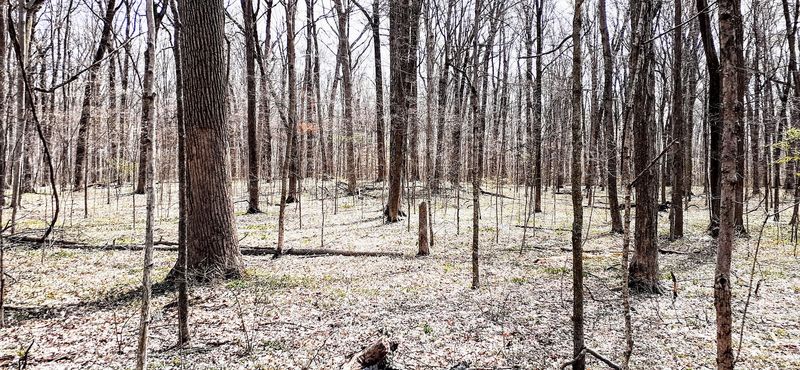
History does not always sit behind glass. At Stout Memorial Woodland, the strongest draw may be the chance to step into a landscape that hints at Indiana before agriculture reshaped huge parts of the state. The preserve offers a living example of older woodland structure, not a re-created scene.
That idea becomes easier to understand once the forest wraps around the trail. The ground is uneven in a natural way, the spacing of trees is irregular, and the woods do not look planned for decoration.
Instead of open lawns and neatly separated plantings, there is a fuller pattern of trunks, shade, fallen wood, and seasonal growth.
Seeing a place like this helps connect schoolbook history to real land. Before wide fields and straight property lines became common, large sections of Indiana would have included forests with mature hardwoods, damp pockets, and rich habitat.
A preserve like this lets people imagine that earlier setting with their own eyes, which is more powerful than reading a single sentence about settlement change.
The educational value is not limited to students. Adults who have spent years driving past corn and soybean fields may find the contrast striking, because the woodland reveals how dramatically the state has been transformed.
That contrast gives the preserve a special role. It is both a hike and a visible reminder of what survived. One practical tip is to visit with patience rather than a checklist.
The place is better for observing than racing, and even the simplest details, such as leaf shapes, bark textures, and patches of shade, add to the bigger story.
In that way, pre-settlement Indiana stops being an abstract phrase and becomes a real scene of towering hardwoods, quiet ground, and space shaped more by ecology than by straight lines on a map.
Small Trail, Big Sense Of Discovery
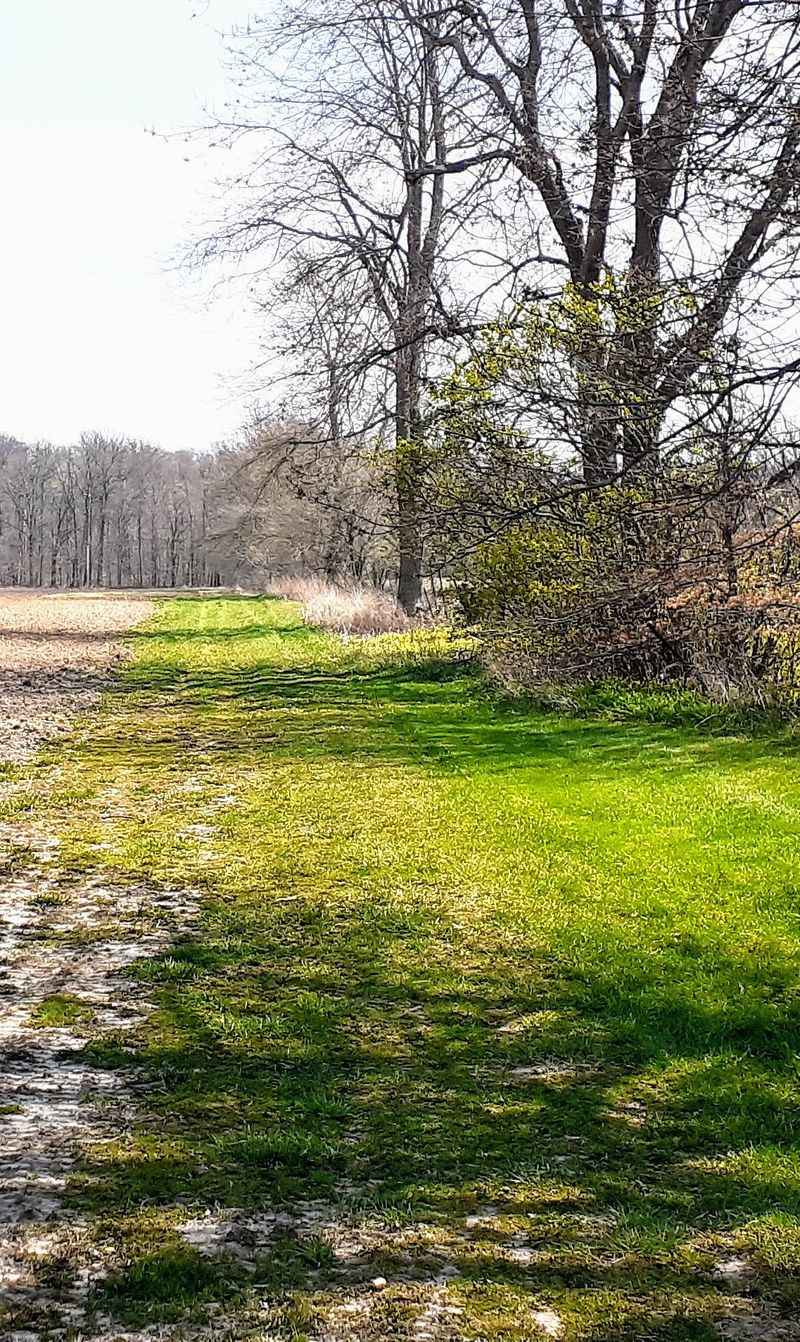
Not every memorable hike needs miles of boardwalks and a giant visitor center. Stout Memorial Woodland keeps things modest, and that modest scale is a big part of its appeal.
The trail system is short, roughly around 1 to 1.5 miles based on public comments, yet the walk can still feel adventurous because the paths are lightly established.
There is a pleasant uncertainty to moving through woods where the route does not seem overworked. The trail may look more like a simple line through grass and forest rather than a wide gravel lane, which encourages closer attention to the land underfoot.
That makes the experience more active. Instead of zoning out, hikers naturally watch for turns, roots, and subtle changes in terrain.
Because the route is not long, the preserve works well for people who want a manageable outing without giving up the feeling of being somewhere remote. A walk of about 45 minutes can deliver old trees, shade, and the sense of slipping into a quieter Indiana.
For families, beginners, or anyone squeezing in a nature stop during a busy day, that balance is useful. Timing matters here. After rain or during peak summer growth, grassy and uneven sections may feel a bit wilder, so closed-toe shoes and long pants can make the hike more comfortable.
The small parking area also means it is wise to arrive with low-key expectations and a flexible schedule. Photographers and curious kids may enjoy the trail most by treating it like a treasure hunt.
Look for changing bark colors, odd-shaped roots, and tiny details at the forest edge before the bigger trunks take over the show. A short path can hold plenty of surprises when the woodland itself is doing the storytelling instead of a row of signs.
The Quiet Corners Hold Fungi, Snails, And Wet Ground
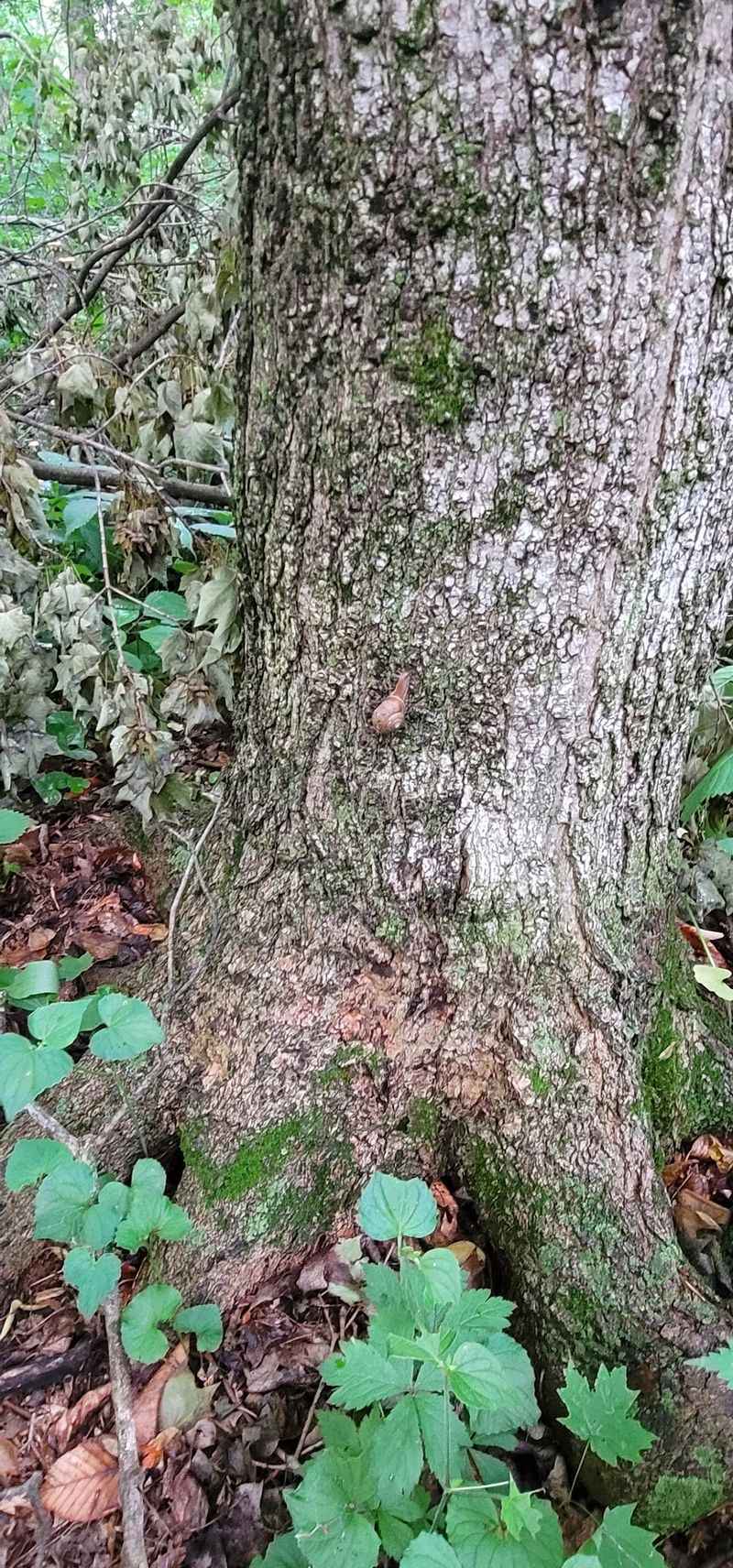
The giant trees may get top billing, but the smaller life in Stout Memorial Woodland gives the forest much of its texture. Public notes about fungi, snails, and a wetland area point to a preserve that rewards slow eyes as much as long strides. Down near the leaf litter, the woods tell a second story.
Mature forests often support details that are easy to miss in faster, more open parks. Damp ground, fallen wood, and steady shade create good conditions for mushrooms and other decomposers that help recycle the forest floor.
Snails add another clue that moisture and shelter are part of the woodland’s personality, especially in quieter spots where leaves stay cool and undisturbed.
The mention of a wetland in the middle adds interest even if not every walker reaches it or notices it right away. Wet pockets shape plant life, insect activity, and soil conditions across the preserve.
They also make the landscape more varied, which is one reason old woodlands can feel richer than a simple stand of trees.
For families or first-time nature explorers, this is a great place to slow the pace and scan low. Look at rotting logs, check the shaded sides of trunks, and notice where the ground changes from firm to softer conditions.
A small notebook or phone camera can turn ordinary discoveries into a scavenger hunt without disturbing anything.
The best approach is respectful curiosity. Leave mushrooms, snails, and wet areas exactly as they are, since fragile spots can be damaged by a few careless steps.
When hikers pay attention to the miniature world instead of only the tallest trunks, the preserve opens up in a fuller way, showing that an old forest is not just a collection of giant trees but a whole working community from the canopy to the soil.
Why The Woodland Feels So Peaceful
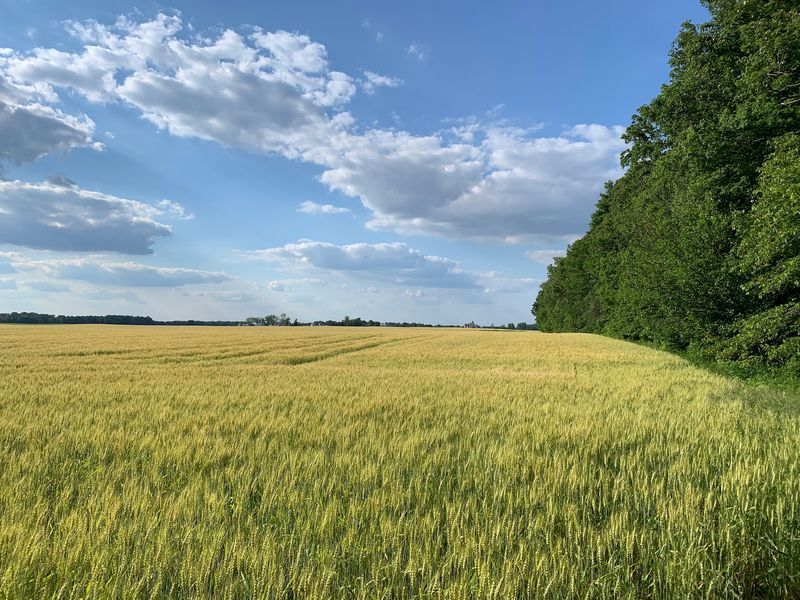
Silence lands differently in a mature woodland. At Stout Memorial Woodland, the calm is not the empty kind found in a vacant lot.
It is layered quiet, shaped by leaves overhead, soft ground below, and enough distance from busy built-up spaces to let natural sounds take over.
That peaceful quality comes from several practical features working together. The preserve is small, the parking is limited, and the trail network is not built for large crowds.
As a result, the walk often leans more toward private reflection than social scene, which makes the old trees and shaded path stand out even more.
Sound behaves differently in these conditions. Wind moving through high branches becomes more noticeable, bird calls carry farther, and each step on leaves or dirt seems clearer.
Without playground noise, traffic chatter, or a constant stream of people passing by, the woodland gives attention back to things that everyday life usually drowns out.
That calm can be especially valuable for anyone who wants a short reset without planning a full weekend trip. A brief loop through mature woods can provide enough separation from schedules and screens to improve the day. The outing stays simple, but the shift in pace is real.
For the best quiet, aim for a weekday or an early start when the light is soft and the woods are still settling into the morning. Keep voices low, pause occasionally instead of walking nonstop, and let the forest soundscape come forward on its own.
Stout Memorial Woodland does not rely on dramatic overlooks or flashy attractions to create a strong experience. Its power is steadier than that.
The place works through shade, age, and the kind of hush that lets an old Indiana forest speak in rustling leaves, creaking limbs, and long stretches of unforced calm.
How To Plan A Better Walk At Stout Memorial Woodland
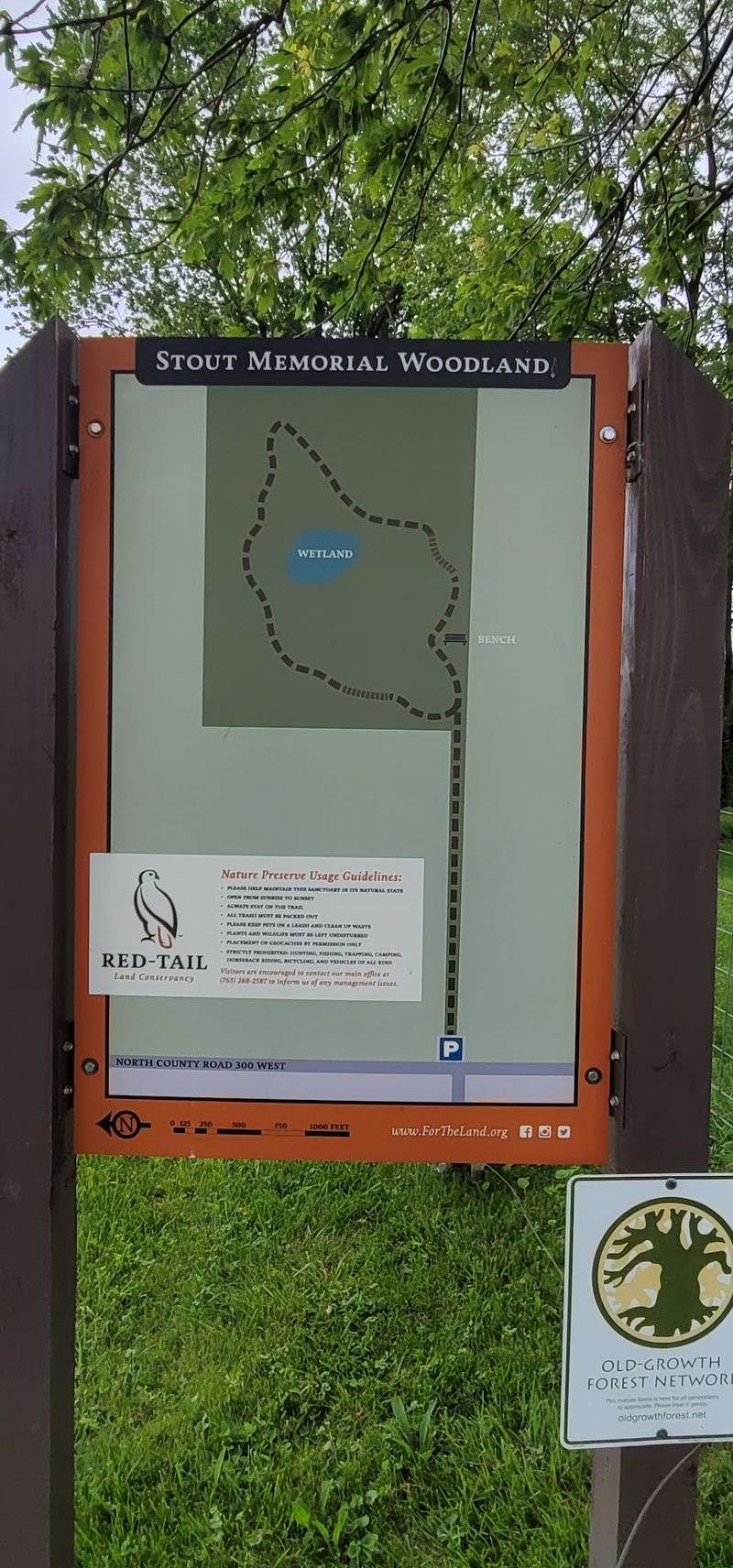
A little planning goes a long way at Stout Memorial Woodland. This is not the kind of preserve built around large facilities, wide paved paths, or a busy welcome area, so arriving prepared makes the outing smoother from the start. Think of it as a simple nature walk with a slightly rustic edge.
The parking area is small, with room for only a few vehicles based on public information, so compact timing helps. If another group is already there, the preserve may feel fuller right away than a larger park would. Early or off-peak visits can make the experience easier and quieter.
Footwear matters more than fashion here. The trail has been described as lightly established, and the entry can include grassy sections that are taller at certain times of year.
Closed-toe shoes, water, and long pants are sensible choices, especially during warmer months when weeds, insects, and uneven ground are more noticeable.
Because the route is relatively short, this preserve works well as either a focused destination or a stop paired with other plans around Henry County.
Nature lovers can give it a careful 45 minutes or stretch the visit longer by pausing often to study trunks, leaves, fungi, and changing light. Fast walkers will finish quickly, but the woods reward slower pacing.
Families should keep expectations simple and positive. There may not be dramatic wayfinding or lots of built features, yet that stripped-down format is exactly why the woodland feels older and less managed. Bring curiosity instead of a packed itinerary.
One final tip is to watch the weather before heading out. After rain, the preserve may offer richer color and better chances for spotting small forest life, though footing may be softer.
On dry cool days, the walk can be especially comfortable. Either way, Stout Memorial Woodland is best approached as a quiet, lightly worn forest experience where preparation helps the place stay the main attraction.
Why This Patch Of Indiana Stands Apart
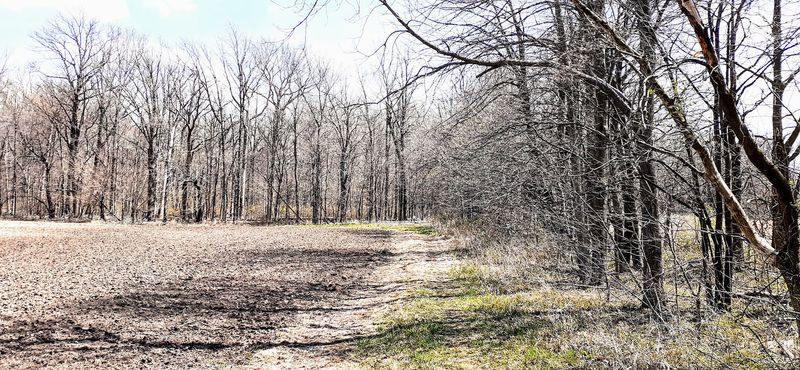
Some places impress with size, and others with polish. Stout Memorial Woodland stands apart for a different reason.
It offers a rare combination of maturity, simplicity, and historical value in one compact preserve, giving central Indiana a window into an earlier landscape.
The strongest feature is not a single overlook or landmark sign. It is the overall integrity of the woods. Large oak and beech trees, a lightly worn trail, quiet conditions, and hints of wetter habitat all work together to create a place that reads as older and less interrupted than many casual hiking spots.
That makes the preserve meaningful beyond recreation. In a state where agriculture shaped enormous stretches of land, surviving woodland with pre-settlement character carries educational and ecological weight.
A walk here can sharpen a visitor’s sense of scale, showing how different the region looked before fields and development became the dominant pattern.
The experience also stays accessible. The hike is short enough for a casual outing, but the scenery has enough depth to reward birders, photographers, tree lovers, and families who want something more textured than a manicured park loop.
There is no need for a full-day expedition to see giant trunks and absorb the mood of a mature forest. Plenty of natural areas are enjoyable, yet not all of them reveal time so clearly. Stout Memorial Woodland does.
Age appears in trunk size, canopy spread, and the layered ground below. Even the understated entrance supports that story by avoiding the polished look that can separate a visitor from the land itself.
For anyone curious about old Indiana woods, this preserve delivers a direct, grounded answer. It is compact, calm, and a little rough around the edges in the best way.
The result is a walk that trades spectacle for substance, offering giant trees, living history, and a clear reminder that pieces of the pre-settlement landscape still survive near New Castle.
Share this story