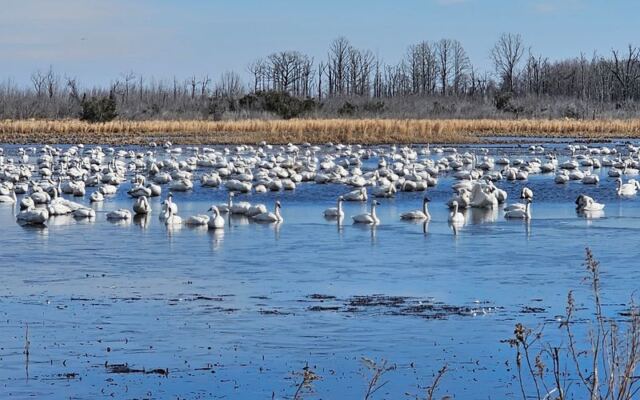
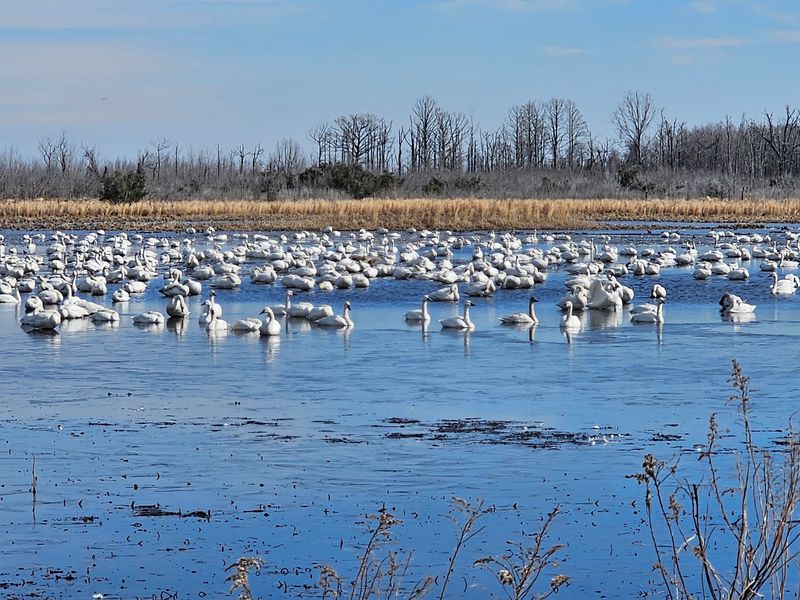
Every winter, a long white parade of tundra swans drops out of the sky over eastern North Carolina and stays until the season turns. Most people speeding toward the Outer Banks never notice it happening just off the highway near Columbia.
The birds come for wide wetlands, quiet water, and farm fields where they can rest after a long migration. Those same lands also hold black bears, turtles, otters, and one of the most interesting wild stories in the state.
The best part is that the front door is a free stop with clean restrooms, a boardwalk loop, and a small museum. The wilder back country takes more planning, a sturdy vehicle, and a printed map.
Read on for where to go, when the swans and bears show up, and how to plan a day that rewards patience.
A Refuge Hiding Off the Outer Banks Route
Plenty of road trips to the coast roll right past this spot without a second glance. That is a mistake worth fixing.
Pocosin Lakes National Wildlife Refuge has its welcome base at 205 South Ludington Dr, Columbia, NC 27925, in the small town of Columbia in Tyrrell County, eastern North Carolina. The visitor area sits beside the Scuppernong River, close to the main route many families take toward the Outer Banks.
The refuge itself is far bigger than the building suggests. It spreads across more than 111,000 acres of wetlands, evergreen shrubs, pond pines, and a lake, making it a sprawling sanctuary for plants and animals.
Two experiences live under one name here. The Columbia stop offers restrooms, a boardwalk loop, and an exhibit room that make it an easy break from the highway.
The larger refuge lands lie in a separate area, roughly a half hour of driving away. That is where the famous winter flocks and the bear sightings tend to happen.
Knowing the difference before arrival saves a lot of confusion. Think of Columbia as the lobby and the back country as the main stage.
What Exactly Is a Pocosin
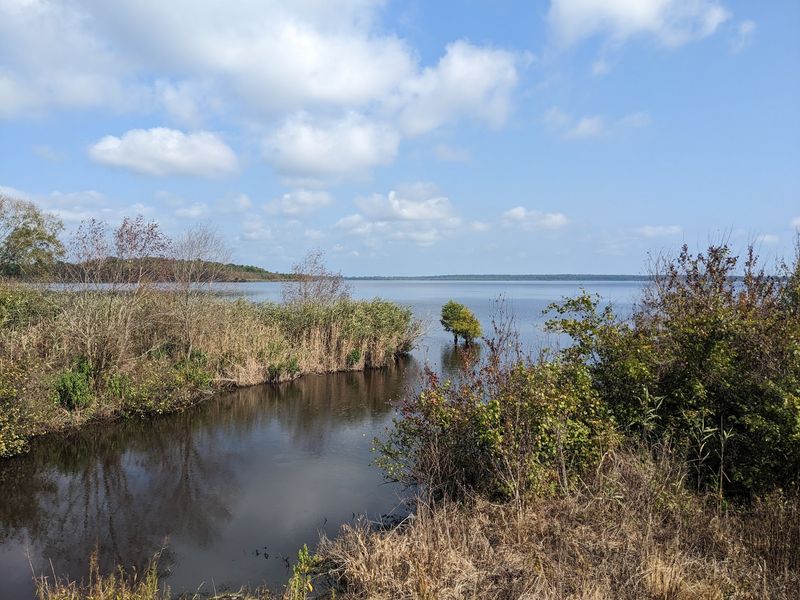
The name sounds unusual, and it should. A pocosin is a type of wetland found along the coastal plain, and this refuge is named for that landscape.
Here the ground is low and wet, covered in dense evergreen shrubs with pond pines rising above them. It is not a postcard forest or a sandy beach, which is part of what makes it special.
Big open water adds to the mix. A lake sits within the refuge boundaries, giving waterfowl a place to gather and rest.
Surrounding the wild lands are farm fields, and that contrast is striking. Wild wetland on one side and agriculture on the other creates a patchwork that many animals use for both shelter and food.
Remote is the honest word for it. There are no towns, gas stations, or restrooms out in the back areas, and nearby food and lodging are scarce.
That emptiness is exactly why the place works for wildlife. Fewer people means more room for swans, cranes, and bears to go about their business.
For North Carolinians who think they have seen every corner of the state, this landscape tends to surprise.
The Winter Swan Show
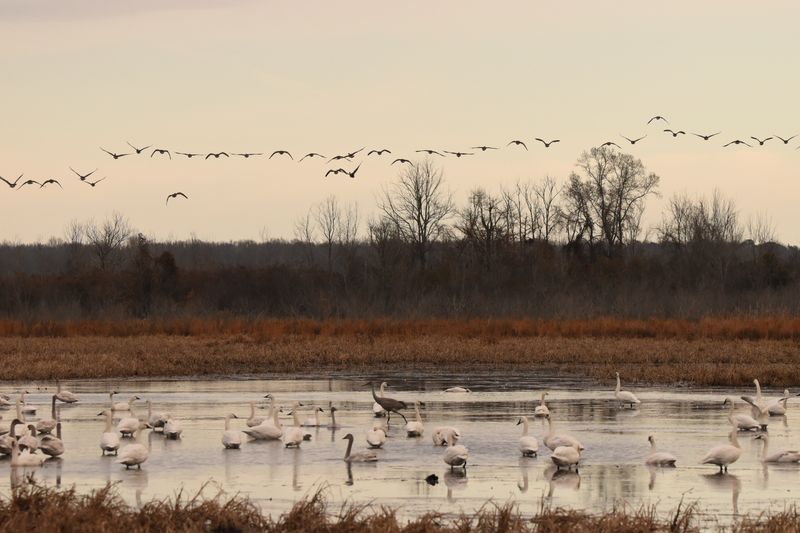
January is swan season, and the timing is no secret among bird lovers. Tundra swans arrive in winter, and they are the headline act for many trips to the refuge.
Early starts are common, yet the birds do not always keep the same schedule as their fans. Some winter trips that begin around 7 AM end up finding even more swans by lunchtime.
That means patience pays off. Staying put a little longer can turn a decent morning into a memorable one.
The swans rarely come alone. Sandhill cranes have been spotted in the area during the colder months, and the occasional snow goose can show up mixed into the flocks.
Migration brings large groups of waterfowl in general. The refuge is a strong pick for anyone who wants to see birds in big numbers instead of one at a time.
Binoculars are a must here. A camera with a long lens helps too, since the birds often rest well out in fields or on the water.
Winter here is cold, quiet, and anything but empty. It is a season when the sky over Tyrrell County does most of the talking.
Black Bears in the Back Country
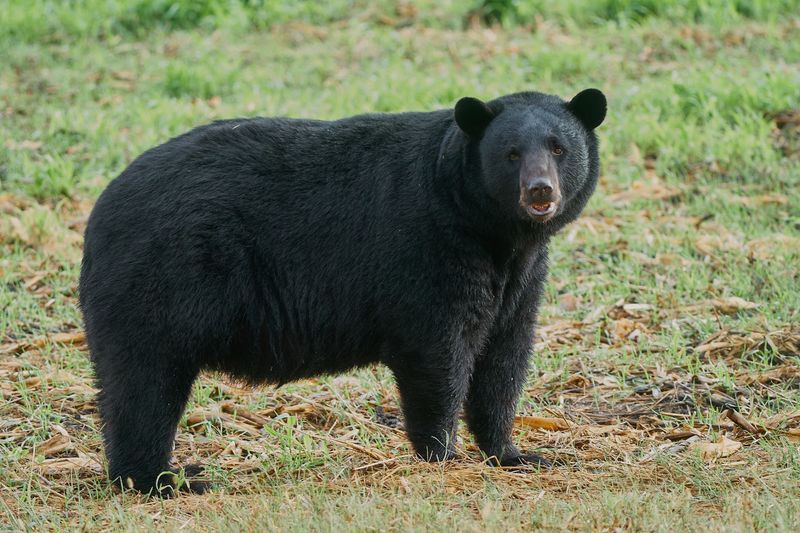
Swans may own the winter, but bears steal the show once the weather warms. Black bear viewing is one of the biggest draws at this refuge.
Some week-long trips have produced sightings of close to 50 bears. That is a remarkable number for anyone who has only hoped to glimpse one from a mountain overlook.
Timing matters a great deal. Early morning and evening tend to be the most productive hours.
Seasonally, the sweet spot runs from late May through mid-June. That is when crops in the nearby fields are sprouting up to about 18 inches tall, and bears often wander out to the edges.
Summer can be hit or miss, though. On very hot afternoons, even after 4 PM, the wildlife may stay hidden, leaving only dragonflies and scenery for the camera.
Respect for the animals and the rules is part of the deal. Some areas have faced restrictions in recent years because a few people ignored guidelines, and those limits are expected to stay.
Keep a safe distance and stay in the vehicle when viewing. The bears were here first, after all.
Rough Roads and Smart Planning
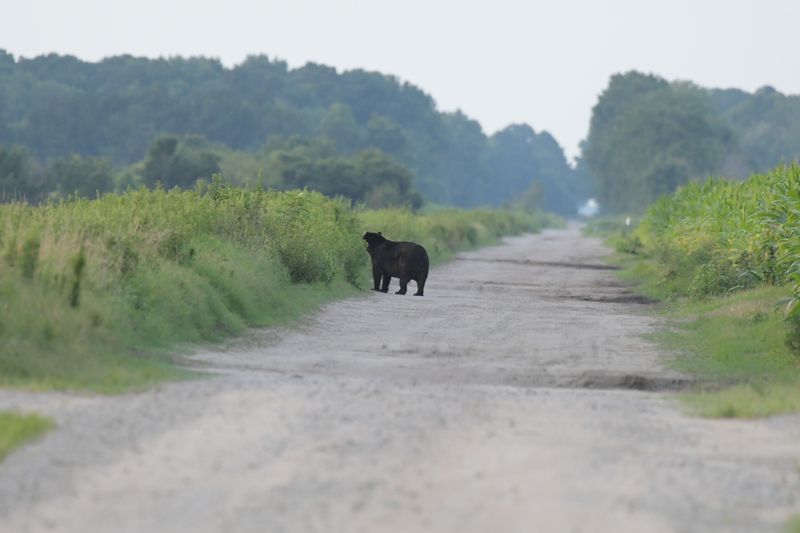
Here is the part nobody puts on a postcard. The roads in the wilder sections are rugged, often unmarked, and can turn muddy.
A four-wheel-drive vehicle is the safer choice. Smaller two-wheel-drive cars may struggle, and some travelers skip driving the preserve entirely because of road conditions.
Cell service is weak out there. Printing a map from the official refuge website before leaving home is a smart move.
Seasonal closures happen too. Chains across a road or posted signs will mark sections that are off limits at certain times of the year.
Supplies deserve attention as well. With no gas stations, restrooms, or towns in the area, fill the tank and pack snacks and water ahead of time.
Some regulars enjoy biking the refuge roads to watch wildlife at a slower pace. It is a peaceful way to recharge, as long as riders plan for the distance.
All this rough edge is part of the appeal. The refuge feels wild and natural precisely because it has not been smoothed over for easy access.
Prepared travelers tend to come home happy. Unprepared ones tend to come home muddy.
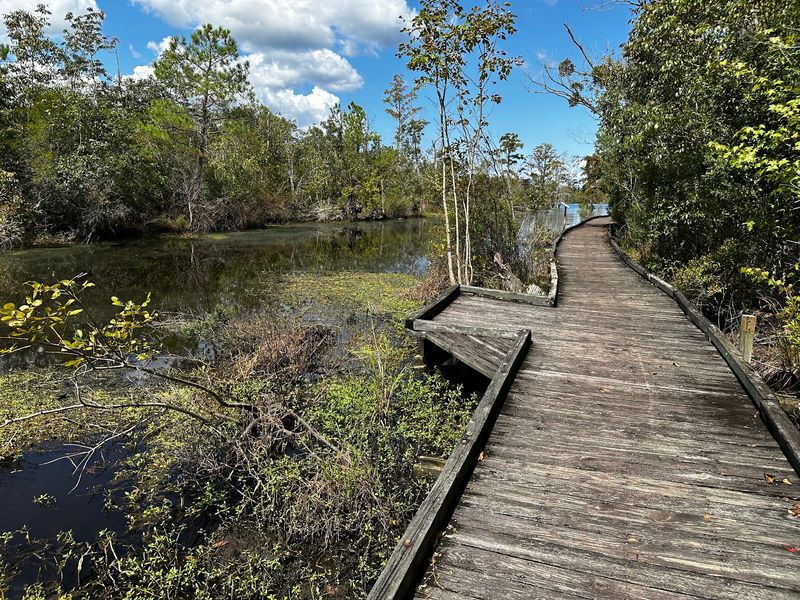
The Boardwalk Loop by the River
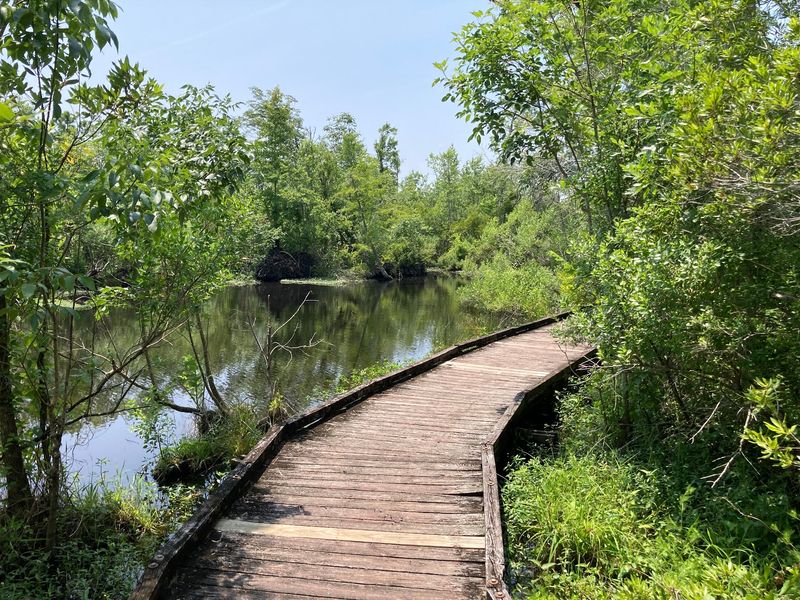
Not every outing needs a truck and a muddy road map. Back in Columbia, the boardwalk is the easiest way to meet the wetlands.
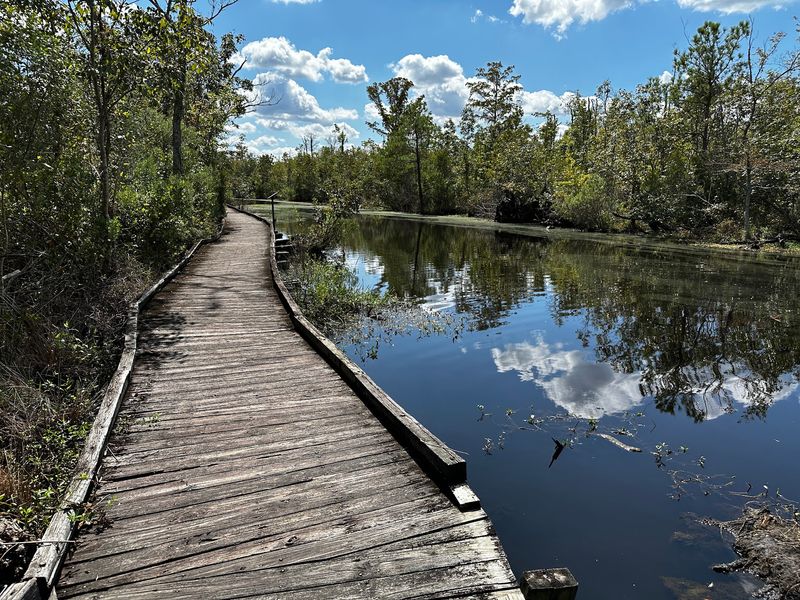
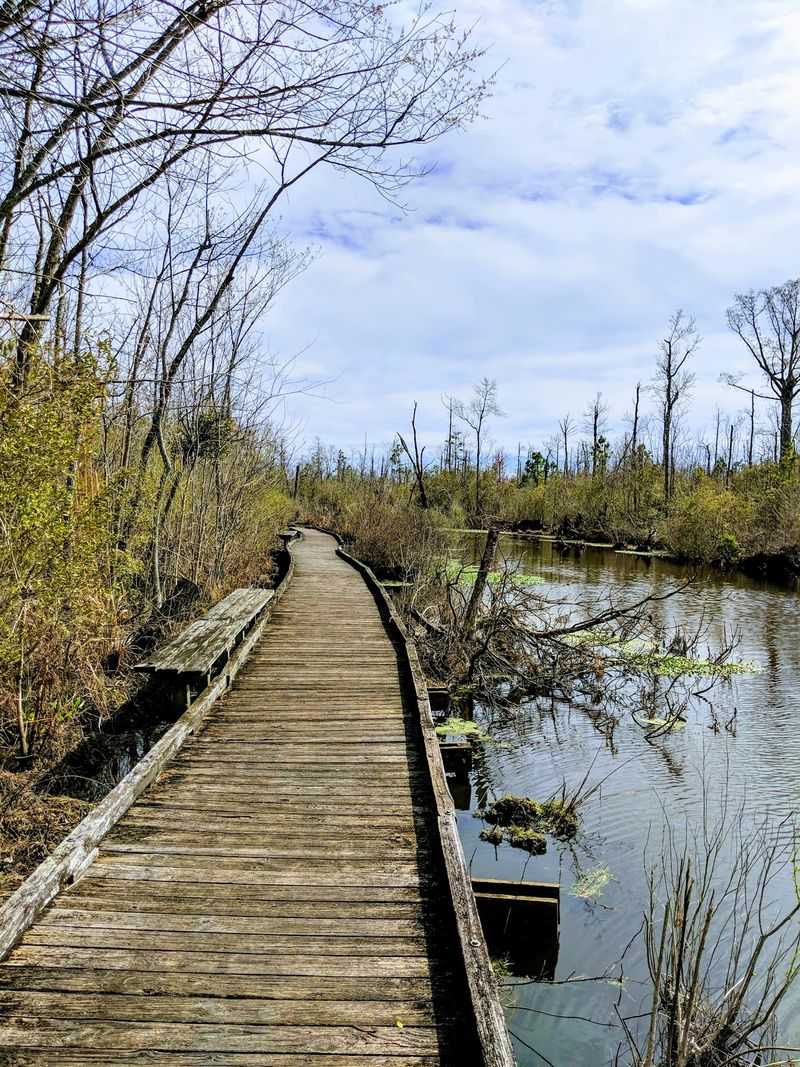
The loop runs about a mile and winds through marshy ground beside the river. Many couples and families spend roughly an hour on it, stopping often to look around.
Shade covers a good portion of the route. That makes it a pleasant option even on warmer days.
Educational signs line the way with information about the area. They add context to what is growing and living right below the planks.
A couple of honest notes are worth sharing. Some sections have sunk on one side, creating a tilt that can feel tricky in wet weather.
Parts of the walkway also sit over water with no railing. That is no big deal for adults and older kids, but parents of little ones should keep a hand nearby.
Dogs are welcome on the loop. Bridge traffic nearby can add some noise, so the experience is calm rather than completely silent.
Still, for a stretch of the legs on the way east, it is hard to beat.
Turtles, Crabs, and River Otters
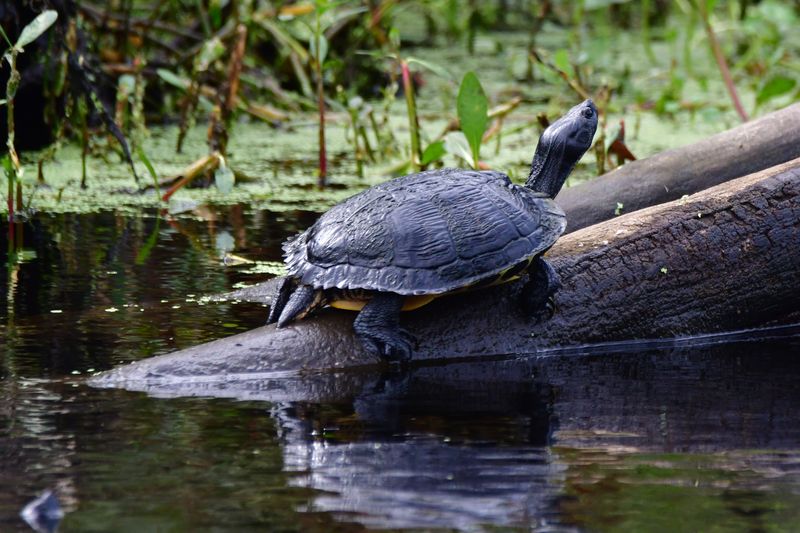
Warm weather changes the cast along the boardwalk completely. On sunny days, turtles line up to soak up the heat, often in impressive numbers.
Cooler days can feel quiet by comparison. A return trip in warmer conditions often reveals far more activity than a chilly first visit.
The list of small residents is longer than many expect. Turtles, lizards, fish, birds, and crabs can all turn up during a single loop.
Little fish dart around in the shallow water beneath the walkway. Kids tend to spend as much time looking down as looking ahead.
River otters have also made appearances in the Scuppernong River near the visitor area. Spotting one is pure luck, so keep an eye on the water.
Dragonflies are a common sight in summer, even when bigger animals stay hidden. They make good photo subjects for patient hands.
None of these creatures require long drives or special vehicles. That makes the Columbia boardwalk a fine introduction for young nature fans before they graduate to swan flocks and bear fields.
Small wildlife, it turns out, can make a big impression.
A Museum Full of Local Wildlife
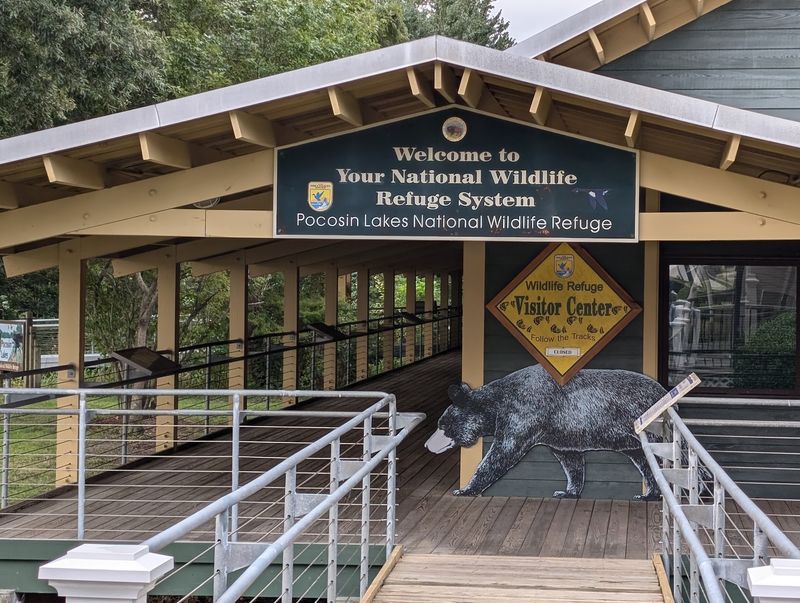
Rainy day or not, the indoor stop is worth a look. The visitor center includes a small museum packed with information about the area.
Native animals are on display as taxidermy exhibits. Children tend to be fascinated by the fine details on each one, studying them up close in a way that is impossible outdoors.
That close look can be a handy primer. Seeing a bear or a bird on display first makes it easier to recognize one later out in the fields.
Staff members at the help desk get plenty of credit for being knowledgeable and helpful. Questions about where wildlife has been showing up are a good way to start a conversation.
An attendant also staffs the rest area and tourist information desk near the restrooms. Between both spots, travelers can gather plenty of local tips.
The building keeps set hours. Early-morning walkers on the boardwalk may find it still closed, so plan a return trip if the exhibits are on the list.
Small as it is, the museum gives real depth to the visit. Think of it as homework that kids actually enjoy.
Red Wolves and the Duck Blind Trail
Some of the best moments here come from quieter corners. The duck blind trail is one of them.
It is a short hike that ends at an old wooden structure. The blind helps hide people from the ducks, so the birds are less likely to scatter.
Photographers appreciate that kind of setup. It allows a calm, close watch on waterfowl without much disturbance.
Another piece of the local story involves red wolves. These animals are linked to this region, and they come up often when people talk about wildlife here.
A red wolf education center sits a few miles south of Columbia on state route 94. It offers plenty of information about the red wolves in the area.
That center has had its own schedule, open Wednesday through Saturday. Checking ahead before driving over is a good idea.
Pairing a refuge outing with a stop to learn about red wolves rounds out the day nicely. It adds a layer of understanding about why this corner of North Carolina matters so much for wildlife.
Few weekend trips mix ducks and wolves in one afternoon.
Free Entry, Clean Restrooms, Set Hours
Good news for the wallet comes first. The refuge is free to enter and explore.
The Columbia visitor site keeps hours from 10 AM to 4 PM, Tuesday through Sunday. It is closed on Mondays, so plan weekend and midweek trips around that.
Restrooms here earn steady praise for being very clean. On a long drive east, that alone makes the stop a favorite.
Picnic space is available as well. Packing lunch and eating near the river is an easy way to stretch out a break.
Remember that the remote refuge lands have no restrooms at all. Using the facilities in Columbia before heading into the back country is a wise habit.
Phone details and current updates are on the official U.S. Fish and Wildlife Service refuge website.
That is the best place to check closures, maps, and seasonal changes.
Families with grandkids often make the stop an annual tradition. A short hike, a museum visit, and a picnic add up to a low-cost day out.
Free admission and spotless restrooms are a rare pairing. Few road trip breaks offer this much for so little.
Worth the Detour, Swans and All
So who should make the trip? The answer depends on how much adventure sounds appealing.
Casual travelers will find a pleasant break in Columbia. The boardwalk, museum, and clean facilities make it a strong pause on the way to the Outer Banks.
Serious nature lovers get the bigger reward. Swan flocks in winter, cranes, and bears in late spring offer some of the best wildlife viewing in eastern North Carolina.
Those deeper trips require effort. Rough roads, weak cell service, and zero amenities mean planning is not optional.
Respect keeps the place special. Following posted rules and closures may help prevent further restrictions in the future.
Locals have a real treasure in these wetlands. Sharing it thoughtfully, without crowding the animals, helps it stay wild.
The refuge is not flashy, and it does not try to be. It simply offers space, quiet, and a front-row seat to seasons changing across Tyrrell County.
When the swans return next winter, they will settle in whether anyone watches or not. Being there to see it might just become a new North Carolina tradition.
Share this story