Some of the best history lessons in Oklahoma cost exactly nothing.
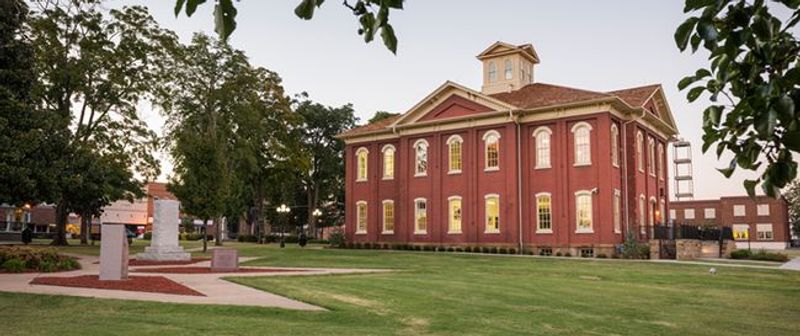
In downtown Tahlequah, an old brick courthouse that has stood since 1869 now tells the story of the Cherokee people from their origins to the present day.
Admission is free, the exhibits are packed with art and artifacts, and the staff love answering questions.
Keep reading to learn what is inside, when it is open, and why it makes a great weekend day trip for families.
1. A Courthouse Turned Storyteller on Muskogee Avenue
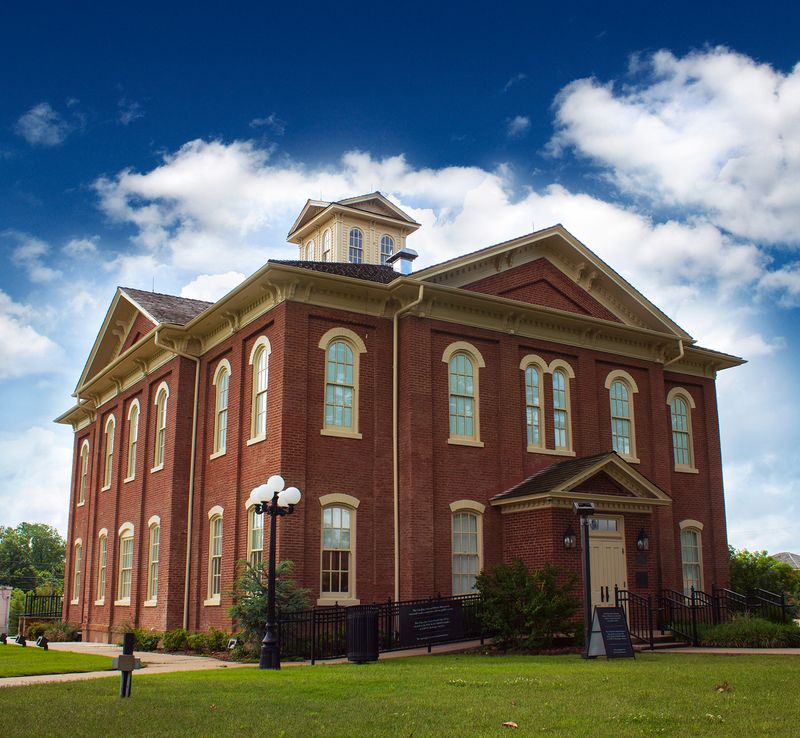
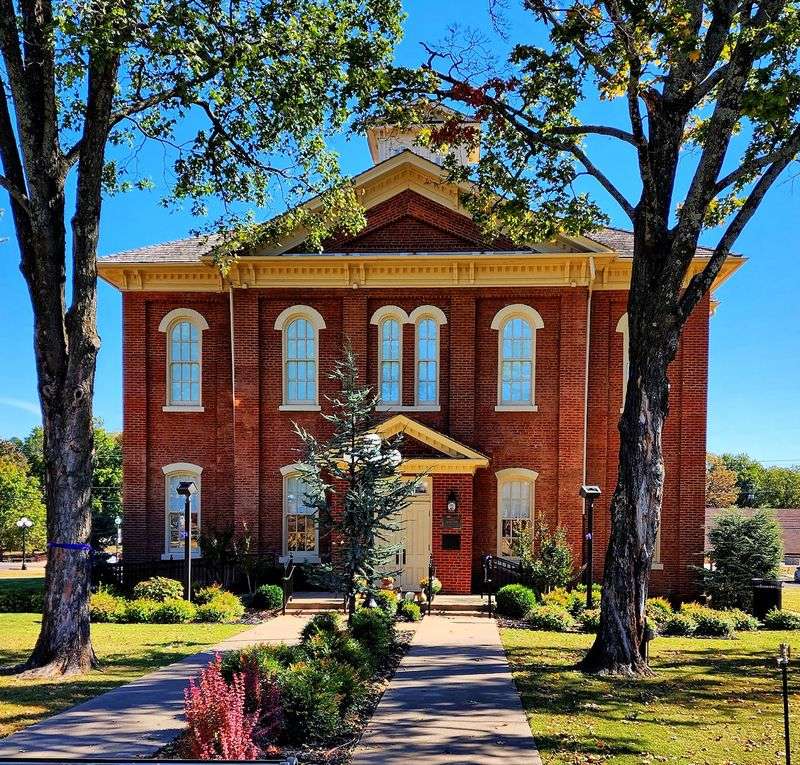
Right in the middle of downtown Tahlequah sits a building that has watched the Cherokee Nation grow for more than 150 years.
The Cherokee National History Museum is found at 101 S Muskogee Ave, Tahlequah, OK 74464, in northeastern Oklahoma.
The museum lives inside the original 1869 courthouse, so the building itself is part of the exhibit.
Tahlequah is the capital city of the Cherokee Nation, which makes it a fitting home for this collection.
Families from Tulsa and Oklahoma City can reach it as an easy day trip.
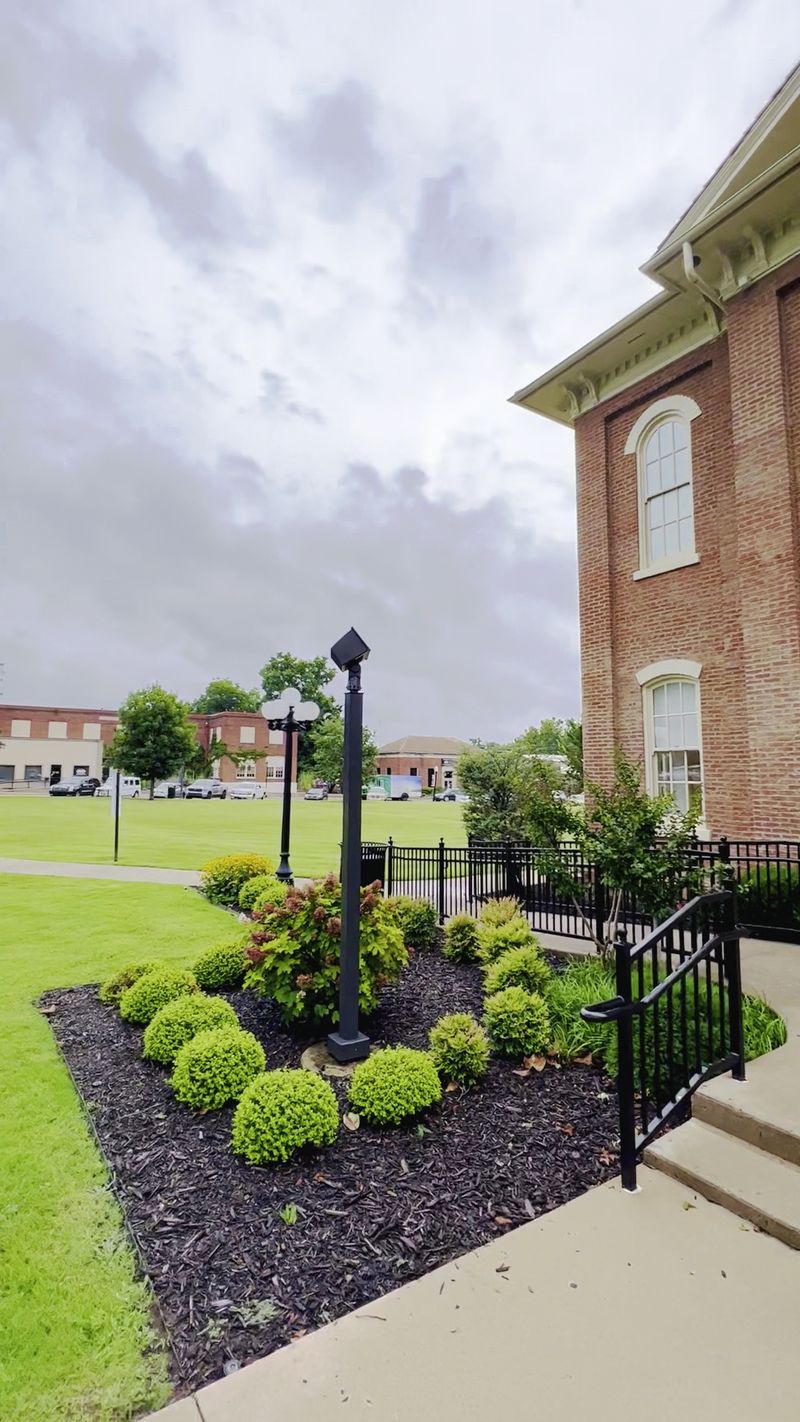
The grounds are well kept, and the surrounding downtown streets are friendly and easy to explore on foot.
Inside, the museum is small but full of things to learn.
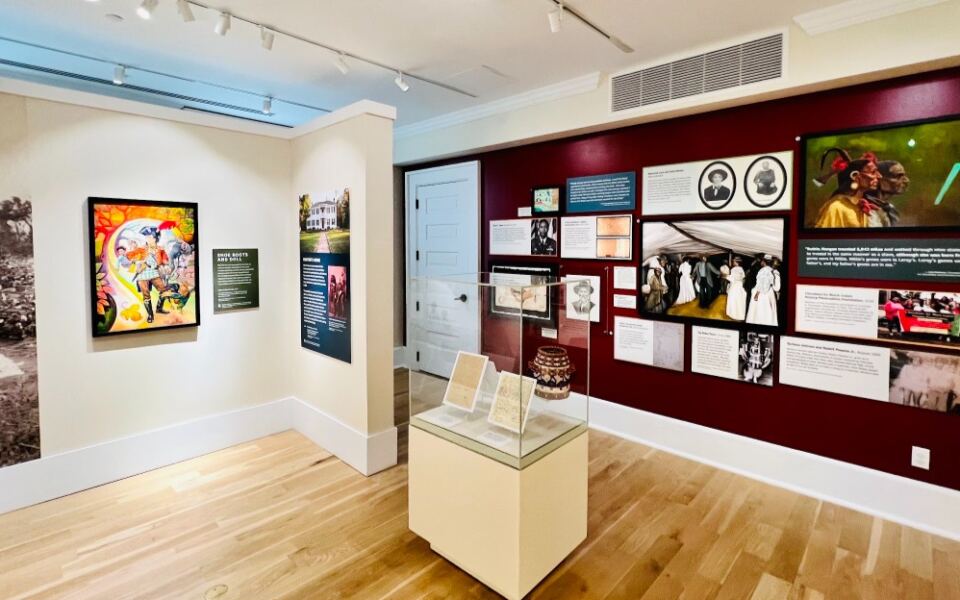
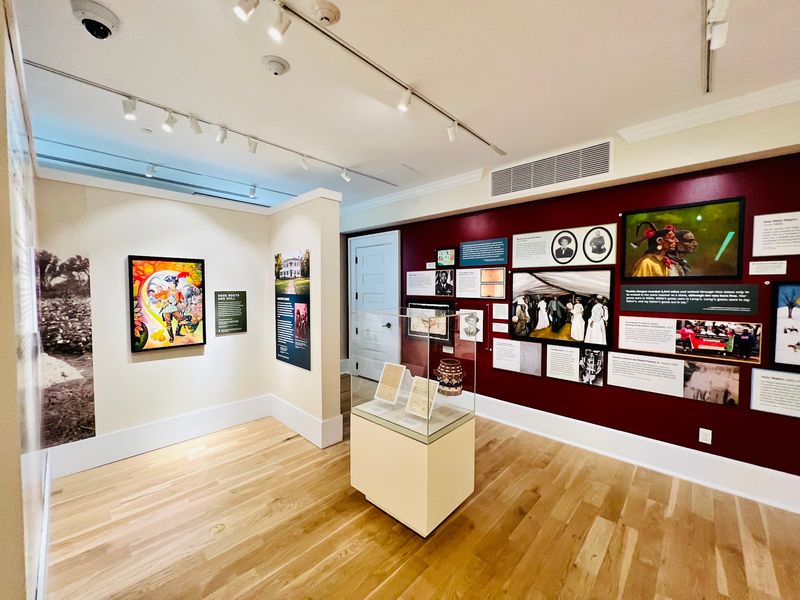
It covers Cherokee history in a clear timeline, with art woven in at nearly every turn.
For a state that sometimes gets labeled as just flat prairie, this stop shows how deep Oklahoma’s roots really go.
A single courthouse holds centuries of story, and it opens its doors to anyone who walks up.
2. Where the Timeline Begins
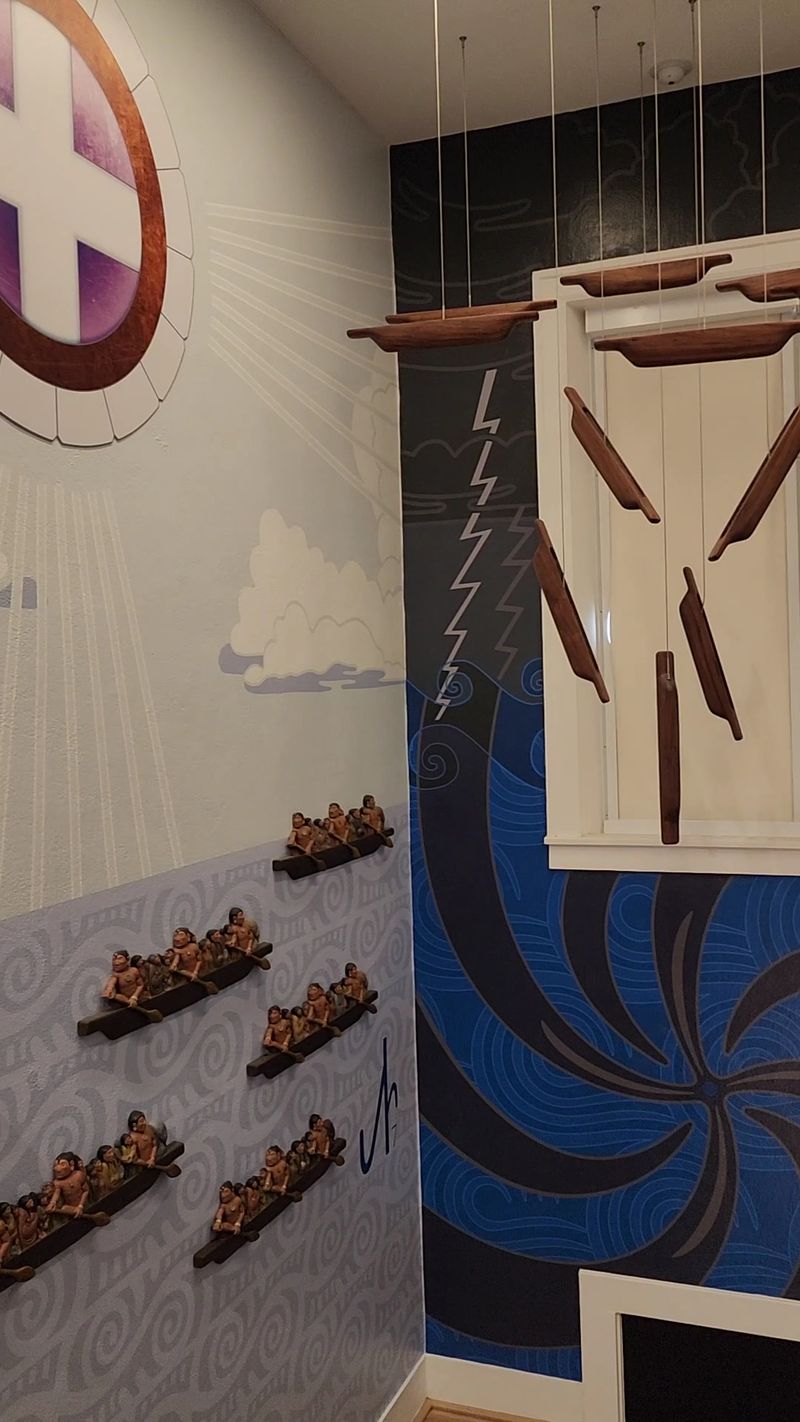
Every good story needs a beginning, and the museum starts with the Cherokee origin story.
A symbolic mural represents the origins of the Cherokee people before their life on mainland North America.
From there, the exhibits move forward in timeline fashion.
Each room builds on the last, so the history unfolds in a logical order.
The layout makes it easy to follow along without feeling lost.
Panels, pictures, videos and artifacts share the space, and there are plenty of chances to dig deeper when something catches your attention.
Attention to detail runs through every part of the main gallery.
The design feels modern because the exhibition itself is fairly new, and that quality shows.
For Cherokee citizens and people of Cherokee lineage, the journey can feel especially personal.
Many come here to learn more about their own heritage, and leave with a fresh view of their family’s past.
3. The Trail of Tears and the Road Beyond
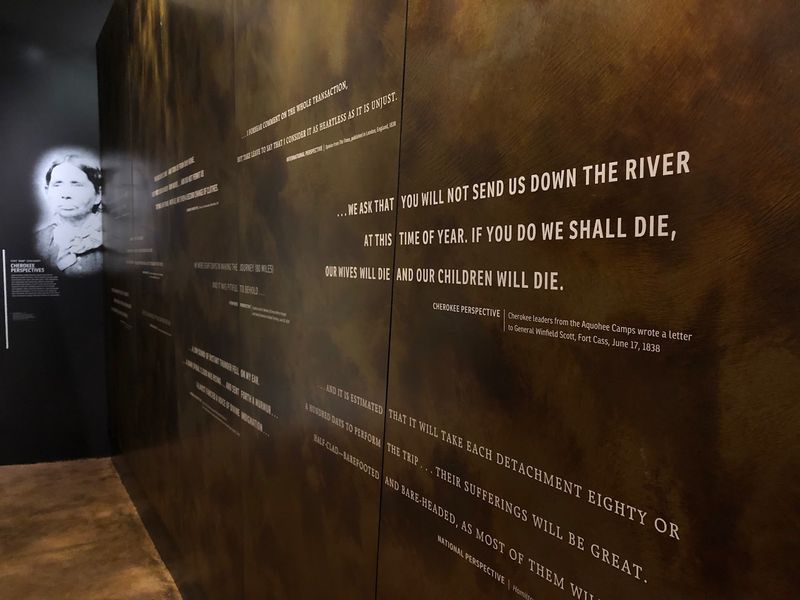
No chapter gets more attention here than the Trail of Tears.
The forced removal of the Cherokee people from their homelands in the Southeast is presented with care and honesty.
The exhibits explain the leaders, the treaties and the hardships that shaped this period.
It is a sobering section, and many people spend extra time reading here.
What makes the museum stand out is that the story does not stop with tragedy.
The timeline continues to show the strength and resilience of the Cherokee people after arriving in what is now Oklahoma.
Later galleries trace how the nation rebuilt and has prospered in recent times.
That balance leaves people both moved and inspired.
Parents with older kids may want to talk through this section together.
It is a powerful way to connect a history textbook lesson to a real place just a short drive from home.
4. Art Around Every Corner
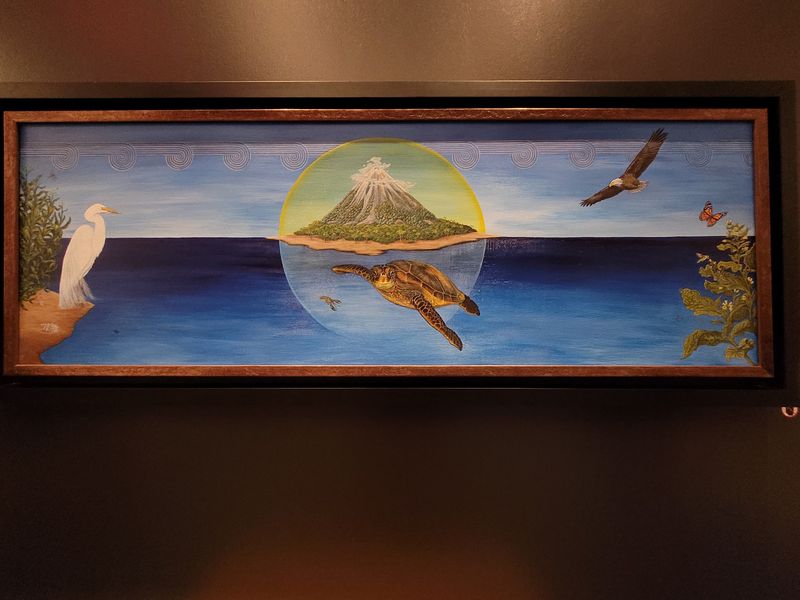
History lessons rarely come with this much art.
Paintings, displays and creative works appear throughout the museum, not just in one room.
A downstairs exhibit focuses on Cherokee artwork.
Pottery is among the pieces that people tend to remember after their visit.
The art helps tell the story in ways that words alone cannot.
Colorful displays and audio elements make the exhibits feel lively and easy to engage with.
One small tip for older guests is that some audio can play a little low.
Plan to step closer to the speakers if hearing is a concern.
There is also a special exhibits gallery that changes over time.
One past exhibit explored the history of the Cherokee Freedmen, so it is worth checking what is on display before you go.
Art lovers may find themselves lingering longer than planned, and that is half the fun.
5. Guides Who Love a Good Question
Staff members here are one of the biggest reasons people leave happy.
Helpful, courteous and full of information, they make the museum feel welcoming from the front door onward.
Docents and guides are often available to explain tricky parts of the history.
They can answer questions that the exhibit panels only touch on.
Some people end up chatting with staff for a good while.
Those conversations often turn a quick walk-through into a deeper learning experience.
Kind hosts also help with practical needs, like pointing out where to go next.
For first-timers, that friendly guidance makes the visit smoother.
Families with curious kids will appreciate how patient the team can be.
Bring your questions, because the people here seem genuinely glad to share what they know.
6. Room for Kids and Every Level of Mobility
Good news for parents: this museum can hold a child’s attention.
Pictures, videos and artifacts keep things moving, and there have been activities for children at times.
The museum can be seen in about two hours, which suits family attention spans well.
Smaller kids can move at their own pace without being overwhelmed.
Accessibility is another plus.
There is a working elevator, and the restrooms are kept clean.
Disabled parking is located directly behind the building, with accessible entry in the back as well.
The ramp is a bit steep, and there is a door button at the top on the right that is easy to miss.
Knowing those small details ahead of time makes arrival much easier for anyone using a wheelchair or walker.
Small fixes, big difference.
7. Hours, Cost and the Free Admission Bonus
Here is the best part for budget-minded families: admission is free.
That makes it one of the easiest heritage outings in northeastern Oklahoma.
The museum is open Tuesday through Saturday from 10 AM to 4 PM.
It is closed on Sunday and Monday, so plan weekend trips for Saturday.
That 4 PM closing time sneaks up on people.
Arriving by early afternoon leaves enough time to see everything without rushing.
Hours may change, so check the Visit Cherokee Nation website before you drive.
A quick look can save a wasted trip.
While entry costs nothing, there is a gift shop on site.
Donating or buying something there is a nice way to support the museum and help keep its doors open for free.
8. A Free Trip Worth Taking
Few places pack this much meaning into one small building.
The Cherokee National History Museum turns an 1869 courthouse into a clear, thoughtful journey through Cherokee history.
Its strengths are easy to list.
The timeline is well organized, the art is impressive, and the staff are eager to help.
It also fits the classic Oklahoma day trip perfectly.
The drive is reasonable, the cost is zero, and downtown Tahlequah is pleasant for a stroll afterward.
The grounds outside hold bits of history too, so save a few minutes for a walk around the property.
It is a nice way to wrap up the visit.
For families who want to show their kids that Oklahoma’s story runs deep, this courthouse makes a strong case.
Pick a Saturday, check the hours, and let the Cherokee Nation tell its own story.
Share this story