Pennsylvania is full of quiet places where old walls, empty roads, and broken buildings still seem to whisper about the past, and many of them are easy to miss if you only look for famous landmarks. Across the state, from wooded hills to former factory towns, forgotten ruins tell stories about bold dreams, hard work, disasters, strange experiments, and communities that changed or vanished over time.
These places matter because they help us understand how people lived, what they built, what they feared, and what they left behind when life moved in a different direction. Some ruins are peaceful parks today, while others feel eerie or mysterious, but each one gives curious visitors a chance to see Pennsylvania history in a way no textbook can fully capture, especially when they come prepared, stay safe, respect posted rules, and remember that every cracked stone or rusted beam once belonged to a real story.
1. Fricks Locks Village
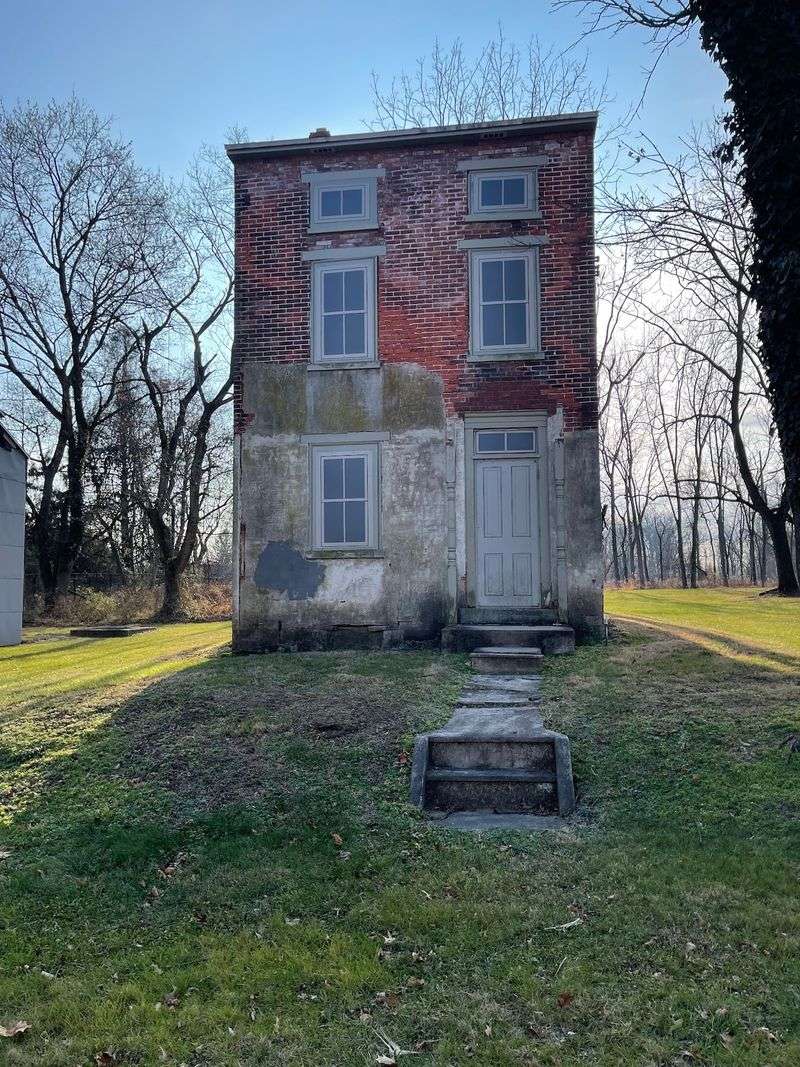
A locked gate and a row of silent homes make this village feel like time paused in the middle of a normal day.
Once tied to the Schuylkill Canal and later the railroad, Fricks Locks Village in Chester County grew around transportation and trade.
Families lived here, worked nearby, and watched boats, trains, and changing industry shape their small community.
The strange feeling comes from how complete the place still looks in spots.
Empty houses, old outbuildings, and narrow lanes suggest a neighborhood waiting for people to return.
The village was eventually abandoned after nearby industrial development and safety concerns changed the area.
Because it sits near modern energy facilities, access has often been limited and controlled.
Visitors should not treat Fricks Locks like a free-for-all ghost town.
Guided tours have been offered at times through preservation groups, and those are the best way to see it legally and safely.
Old floors, broken glass, unstable walls, and restricted land can turn curiosity into trouble very quickly.
The mystery here is not about monsters or movie-style scares.
It is about ordinary life disappearing behind fences.
Imagine mail being delivered, gardens being tended, and children walking past houses that now sit quiet.
That kind of emptiness can feel more haunting than any legend.
For anyone interested in Pennsylvania history, Fricks Locks is a reminder that progress often leaves small places behind.
Check local historical society updates before planning a visit, bring a camera if tours are available, and listen closely to the guides.
Their stories help turn the abandoned buildings back into a real village, if only for a little while.
2. Concrete City
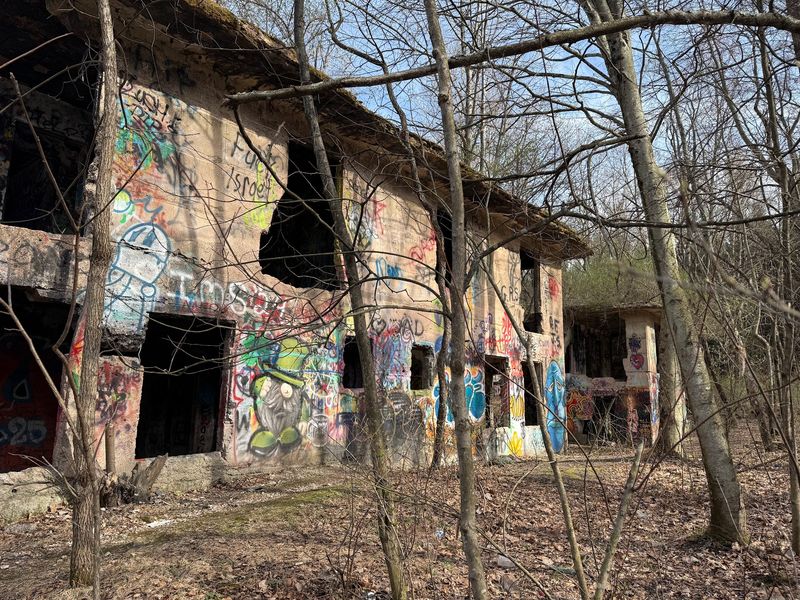
Graffiti-covered walls and empty window frames give this place a rough, almost comic-book look.
Concrete City, near Nanticoke in Luzerne County, was built in the early 1900s for workers of the Delaware, Lackawanna and Western Railroad coal division.
The idea sounded modern at the time: sturdy concrete homes, shared green space, and a planned neighborhood for employee families.
The dream did not last long.
The homes were cold, damp, and difficult to maintain.
Plumbing and comfort problems made daily life harder than expected, and families eventually moved out.
By the 1920s, Concrete City had already become a failed experiment, which is surprising when you see how solid the buildings still appear.
One of the oddest stories is that demolition crews reportedly struggled to destroy it.
Concrete is stubborn, and the structures were stronger than many people expected.
Today, the remaining shells stand like a strange outdoor maze, drawing photographers, history fans, and people who enjoy unusual ruins.
Safety should come first here.
The buildings may look tough, but open stairways, broken concrete, hidden holes, and loose debris can be dangerous.
Wear strong shoes, avoid climbing, and never go alone.
Also, check current access rules, since ownership and enforcement can change.
What makes Concrete City mysterious is its mix of hope and failure.
It was not built to be creepy.
It was meant to be a better kind of worker housing.
Instead, it became one of Pennsylvania’s most unusual abandoned communities.
Standing there, you can almost picture neat porches, laundry lines, and coal families trying to make a life inside homes that were too bold for their time.
3. Austin Dam Memorial Park
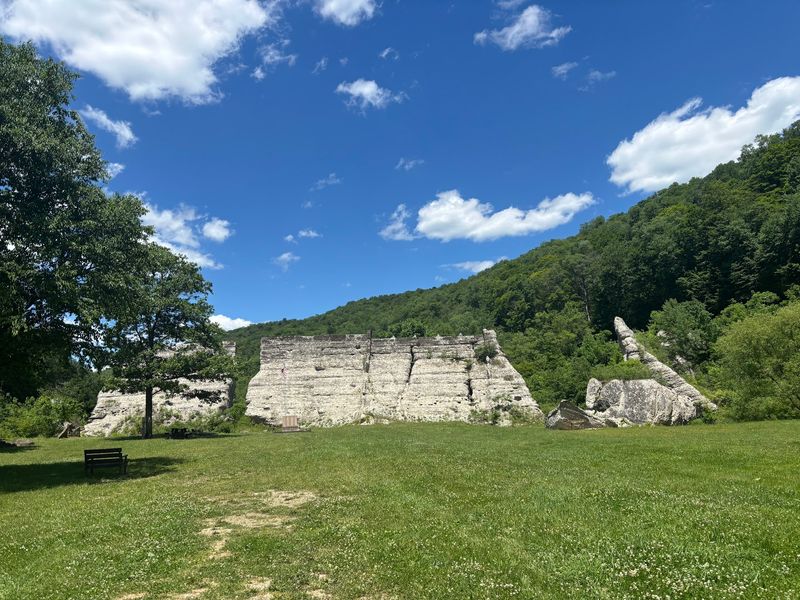
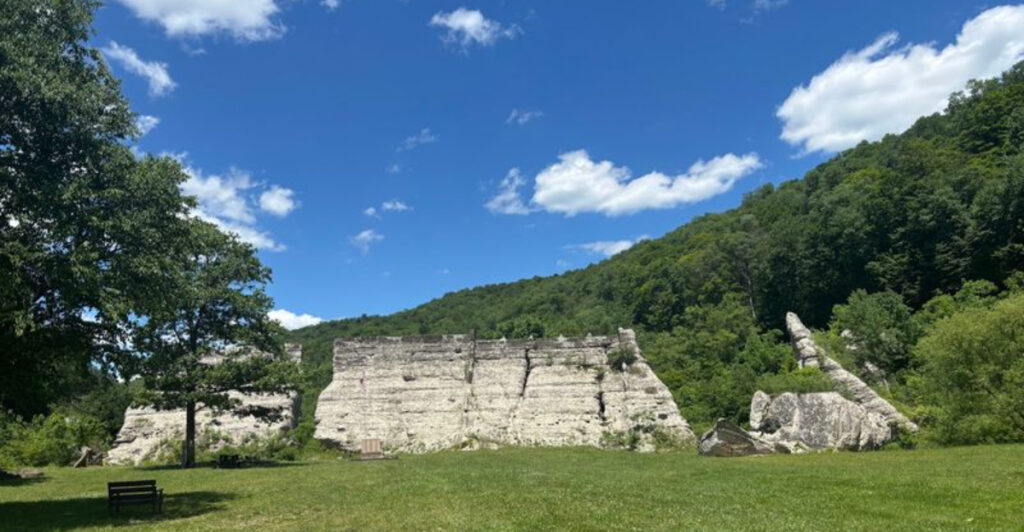
The broken wall rises from the valley like a warning carved in concrete.
Austin Dam Memorial Park in Potter County marks the site of one of Pennsylvania’s most tragic industrial disasters.
In 1911, the Bayless Paper Mill dam failed, sending a deadly flood into the town of Austin and killing many residents.
Today, the remaining dam sections are part memorial, part ruin, and part outdoor classroom.
The size of the concrete pieces helps visitors understand the power of the water that once tore through the area.
It is hard to stand there and not think about how fast a normal day can change.
The park does a good job of balancing history with quiet reflection.
You can walk near the ruins, read markers, and learn how the disaster happened.
The story includes concerns about dam safety, industrial pressure, and the cost of ignoring warning signs.
Those lessons still matter today.
This is not the kind of ruin to visit for cheap thrills.
Bring respect, especially because real families lost loved ones here.
Comfortable shoes are helpful, and photos are fine, but climbing on unsafe sections or treating the place like a playground misses the point.
There is also a strange beauty in the setting.
Trees, water, and open sky have softened the damage over time.
Community events are sometimes held at the park, showing how a place of sorrow can also become a place of gathering.
The mystery of Austin Dam is found in the contrast: a peaceful landscape wrapped around a terrible memory, reminding visitors that ruins can speak loudly even when everything around them seems calm.
4. Colonial Springs Bottling Plant
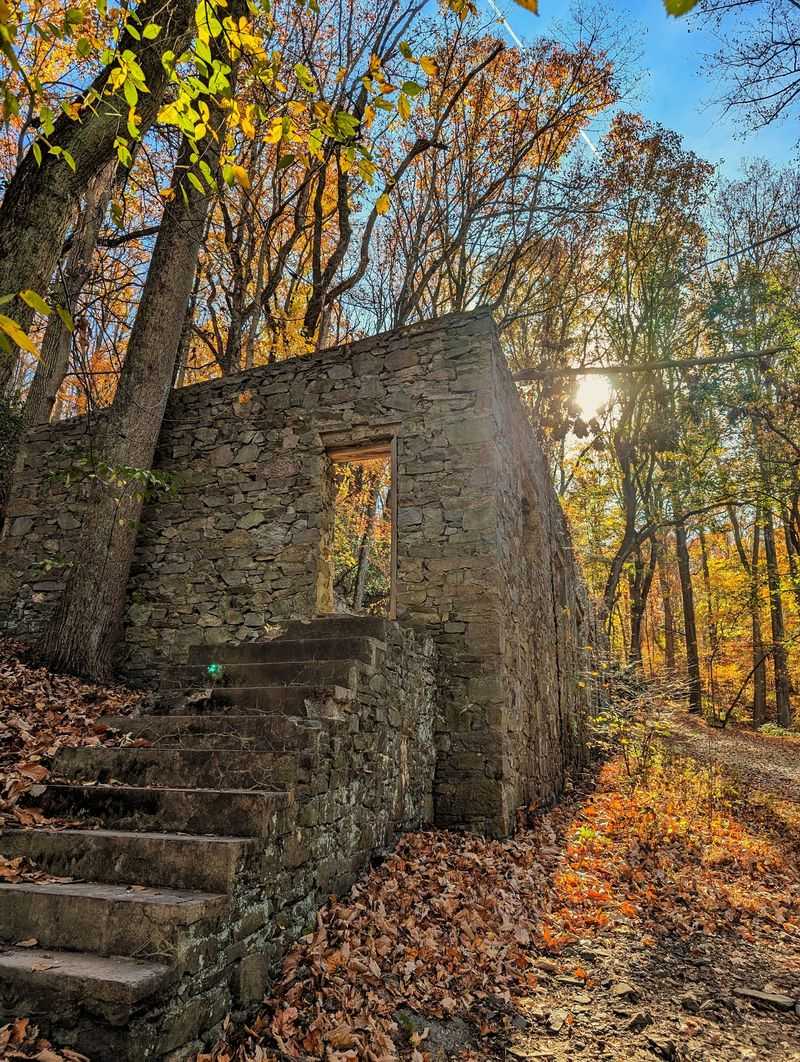
Hidden among trees and brush, an old bottling site can feel like the leftover set of a forgotten local legend.
The Colonial Springs Bottling Plant is remembered as one of those small Pennsylvania industrial ruins where nature slowly takes back a place built for business.
Its story is tied to spring water, local work, and the once-popular trade of bottling natural water for nearby markets.
Places like this mattered before bottled drinks became a giant national industry.
A clean spring could support a company, provide jobs, and give a community a product to be proud of.
Over time, changing markets, larger competitors, transportation costs, or upkeep problems could make small plants fade away.
The mystery comes from the little details visitors imagine rather than the size of the ruin.
A broken wall, an old foundation, rusted metal, or scattered glass can make you wonder who worked there and where the bottles were shipped.
Unlike famous landmarks, small industrial sites often have fewer signs, so the silence feels deeper.
If you try to find ruins connected to old bottling operations, be careful and do your homework first.
Many such sites sit on private land or in areas with weak floors, sharp glass, ticks, and hidden wells.
Ask local historical groups for information, respect property lines, and avoid entering unstable structures.
The best way to enjoy the Colonial Springs story is to think small.
Not every ruin needs a huge disaster or famous name to be interesting.
Some places are mysterious because they show everyday history slipping away.
A simple bottling plant can tell us about work, water, local pride, and how even useful buildings can vanish from memory once the machines stop running.
5. Sideling Hill Tunnel
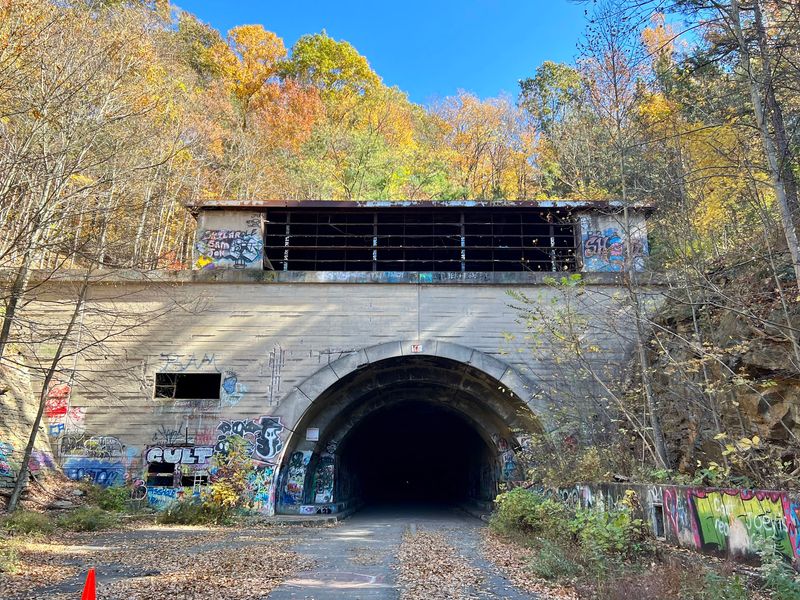
A highway that suddenly goes quiet feels strange, especially when it leads into a dark mountain tunnel.
Sideling Hill Tunnel, once part of the Pennsylvania Turnpike, belonged to a stretch of road now known by many as the Abandoned Pennsylvania Turnpike.
Cars and trucks once roared through it, but traffic was rerouted in the 1960s when the turnpike was widened and improved.
The tunnel’s story is closely linked to Pennsylvania’s mountains and its push for faster travel.
Older roads had to twist around ridges, but tunnels offered a bold shortcut.
When traffic increased, the narrow two-lane tunnel became a problem, so a new route bypassed it.
Today, the empty pavement and long tunnel create a scene that feels both modern and ancient.
You can see old road lines, weathered concrete, and darkness stretching ahead.
It is easy to imagine headlights appearing from nowhere, even though regular traffic has been gone for decades.
People visit the area for biking, hiking, photography, and history, but preparation matters.
Bring a flashlight or headlamp, wear bright clothing, and watch for uneven pavement.
Cell service may be weak, and tunnels can feel colder than the air outside.
Never block paths, leave trash, or ignore posted rules.
The mystery of Sideling Hill Tunnel is not just that it is abandoned.
It is that highways are supposed to mean movement, noise, and speed.
Here, the road has become still.
That change makes visitors think about how even major projects can become outdated.
In a state known for old routes, canals, rail lines, and turnpikes, this tunnel is a powerful reminder that transportation history keeps leaving tracks behind.
6. Celestia
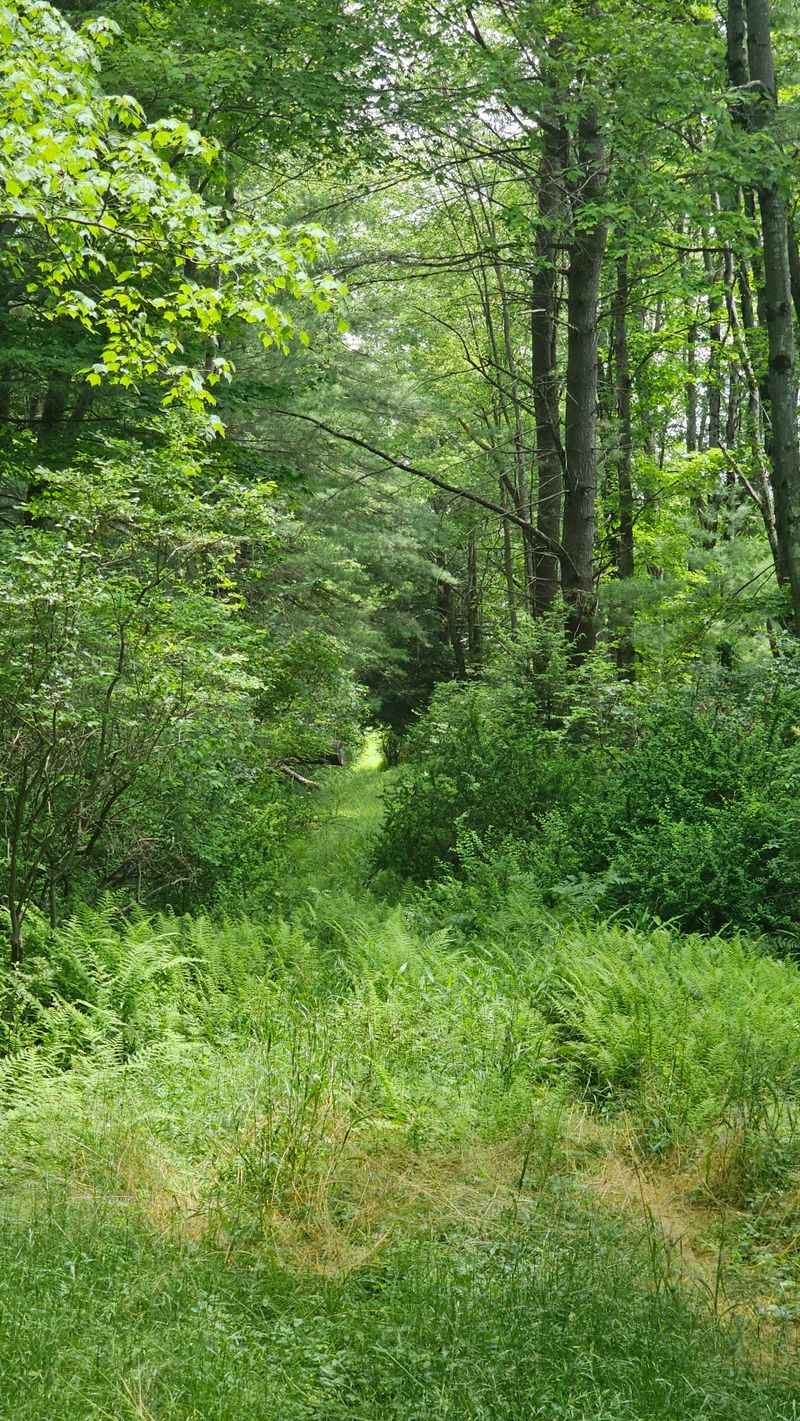
Imagine buying land because you believed it could become a holy refuge on earth.
Celestia, once located in Sullivan County, was founded in the 1850s by Peter Armstrong, a religious leader with a bold and unusual vision.
He wanted to create a community set apart from the troubles of the wider world.
The settlement’s name sounds dreamy, and that is part of its strange appeal.
Armstrong and his followers believed the land had a special purpose.
At one point, he even tried to deed the property to God, which has become one of the most memorable pieces of Celestia’s story.
Life there was not easy.
The mountain setting was beautiful but remote, and building a lasting community took more than strong belief.
Harsh weather, distance from markets, legal issues, and changing family needs made survival difficult.
Over time, the settlement faded, leaving only traces behind.
Celestia is different from factory ruins because its mystery comes from faith and human hope.
The people were not chasing coal, steel, or water power.
They were chasing a better life guided by spiritual ideas.
Whether visitors find that inspiring, odd, or sad, it is hard not to respect the courage it took to try.
Anyone interested in the site should research current access before going, since old settlement areas may involve private land, rough roads, or limited markings.
A local history book or county historical society can help add context.
Without background, a quiet clearing may look like nothing special.
With the story in mind, it becomes a place where big dreams met rocky Pennsylvania soil, and where one man’s vision still lingers in the woods.
7. Carrie Blast Furnaces
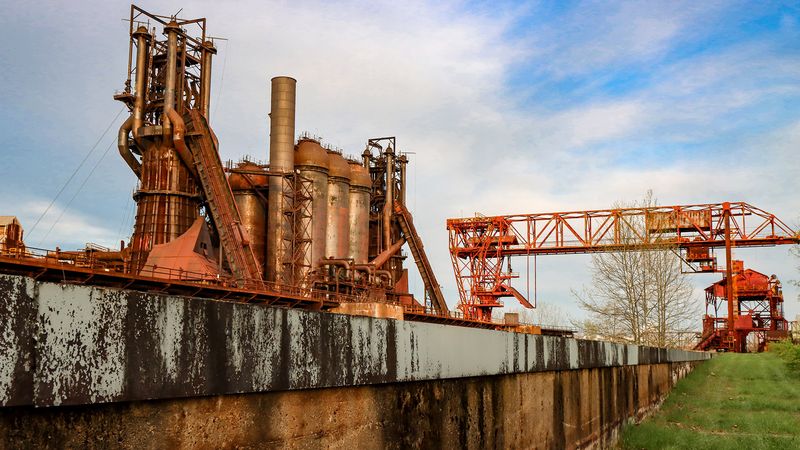
Rust, iron, and towering pipes make this site feel like a giant sleeping machine.
The Carrie Blast Furnaces, located along the Monongahela River near Pittsburgh, are among the most powerful reminders of Pennsylvania’s steel age.
For much of the 20th century, furnaces like these helped make the metal that built bridges, railroads, skyscrapers, and machinery across the country.
The scale can surprise first-time visitors.
Everything seems oversized, from the stacks to the equipment.
Workers once faced heat, noise, dust, danger, and long hours here.
Their labor helped define the Pittsburgh region, but it also came with real human costs.
After steel production declined, many industrial sites were torn down.
These furnaces survived, which makes them especially valuable.
They show the size and complexity of heavy industry in a way photos alone cannot.
Guided tours often explain how raw materials became iron and how teams worked together inside a roaring industrial world.
The mysterious side is found in the silence.
A place built for fire and thunder now holds echoes, shadows, weeds, and art.
The famous deer head sculpture made from industrial materials adds an unexpected touch, almost like the site grew its own strange guardian.
Do not wander into industrial ruins without permission.
Carrie Blast Furnaces is best experienced through official tours and programs, where visitors can stay safe and learn from trained guides.
Closed areas may contain hazards such as unstable metal, sharp edges, and contaminated materials.
For Pennsylvania, this ruin is more than an old factory.
It is a monument to muscle, invention, immigration, unions, risk, and change.
Standing beneath the furnaces, you can feel how deeply steel shaped the state’s identity and how quickly mighty places can become historic relics.
8. Centralia
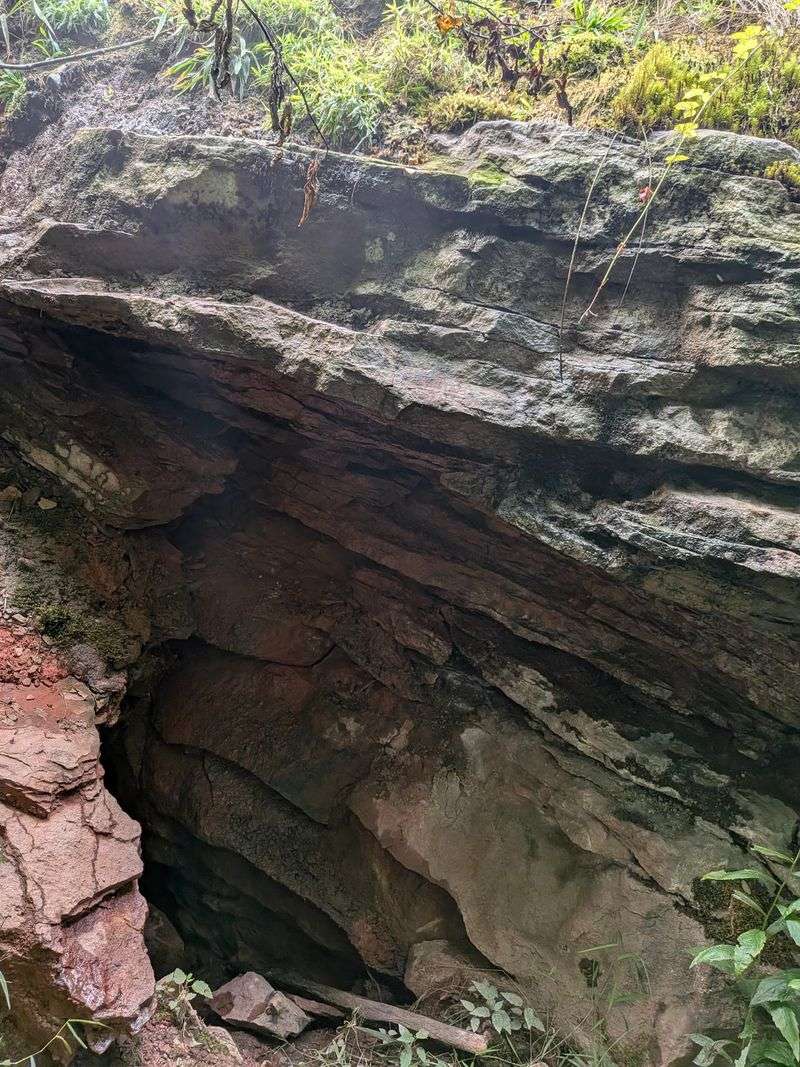
Few Pennsylvania places are as famous or as unsettling as the town where the ground itself became the danger.
Centralia, in Columbia County, was once a coal town with homes, churches, streets, and neighbors who knew one another.
Then an underground mine fire, believed to have started in 1962, changed everything.
The fire spread through old coal seams below the town.
Smoke, gases, sinkholes, and unsafe ground made life risky.
Over the years, most residents left through government relocation efforts, and many buildings were removed.
What remains is not a neat ghost town, but a scattered landscape of roads, empty lots, cemeteries, and warning signs.
Stories about Centralia often sound unreal because the disaster is still linked to the land.
People talk about smoke rising from cracks, roads buckling, and a town slowly erased from maps.
Some tales get exaggerated, but the real history is dramatic enough without adding fake details.
Visitors need to be careful and respectful.
Dangerous gases, unstable ground, private property, and closed areas are serious concerns.
The once-famous graffiti highway was covered over because crowds, vandalism, and unsafe behavior became major problems.
If you go near Centralia, obey signs, stay on public roads, and do not trespass.
The saddest mystery is how a community can disappear while its name becomes more famous than ever.
Centralia is not just a spooky stop for photos.
It is a lesson about mining, environmental damage, government choices, and the meaning of home.
People built lives there before the fire took over the story.
Remembering that human side makes the place far more powerful than any ghost rumor.
9. Quehanna Wild Area
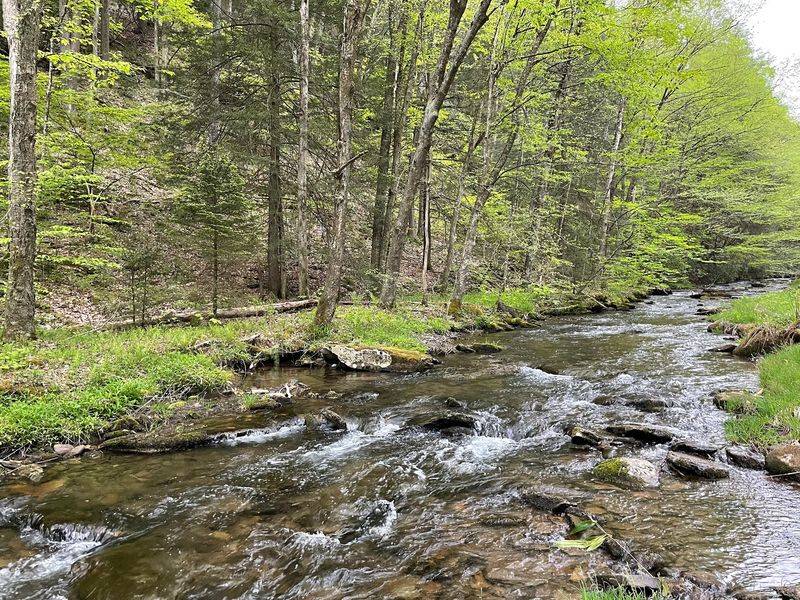
Deep forest, quiet roads, and scattered concrete remains make Quehanna feel like a secret the woods are still keeping.
Located in north-central Pennsylvania, the Quehanna Wild Area covers a large, rugged landscape known today for hiking, wildlife, and elk.
Yet its past includes one of the state’s strangest Cold War chapters.
In the 1950s and 1960s, parts of the area were used for nuclear-related research and jet engine testing.
Companies and government-linked projects brought unusual facilities into the remote forest.
The idea of advanced technology hidden among trees gives Quehanna a science-fiction feeling, even though the history is real.
Over time, many operations ended, and the land shifted toward conservation and public recreation.
Some old structures, roads, and traces remain, though visitors should not expect a tidy museum at every turn.
The wild setting can make leftover industrial features feel even more mysterious, especially when fog hangs low over the forest.
Planning is important here.
Quehanna is large, remote, and easy to underestimate.
Bring maps, water, sturdy footwear, and a charged phone, but do not rely only on cell service.
Watch for wildlife, check hunting seasons, and stay out of restricted or unsafe structures.
Old industrial areas can have hidden hazards.
The best part of Quehanna is the mix of stories.
One moment you may be thinking about elk, streams, and quiet trails.
The next, you are wondering about Cold War engineers, test sites, and why such a wild place was chosen for high-tech experiments.
That contrast makes Quehanna one of Pennsylvania’s most unusual landscapes, where nature and mystery share the same long, winding roads.
Share this story