Black bears are a real part of summer life in many wooded corners of Pennsylvania, from cool mountain trails to quiet forest roads. As people camp, hike, picnic, fish, and visit small towns, bears may wander closer while searching for berries, insects, trash, birdseed, or other easy sources of food. Warm summer weather and abundant natural food can bring more wildlife activity, making it especially important for visitors to know how to share these outdoor spaces responsibly. Knowing where bears are being noticed can help families enjoy the outdoors while staying safe and respectful.
A bear sighting can be exciting and memorable, especially when you are visiting an area known for its forests and wildlife, but it is still important to remember that these are wild animals. The smartest plan is to watch from far away, never approach or feed a bear, secure food and garbage, and give wildlife plenty of room. For anyone exploring Pennsylvania this summer, a little preparation can go a long way. Keeping campsites clean, following local wildlife guidelines, and knowing what to do if a bear appears can make an outdoor adventure safer for both people and animals.
1. Michaux State Forest
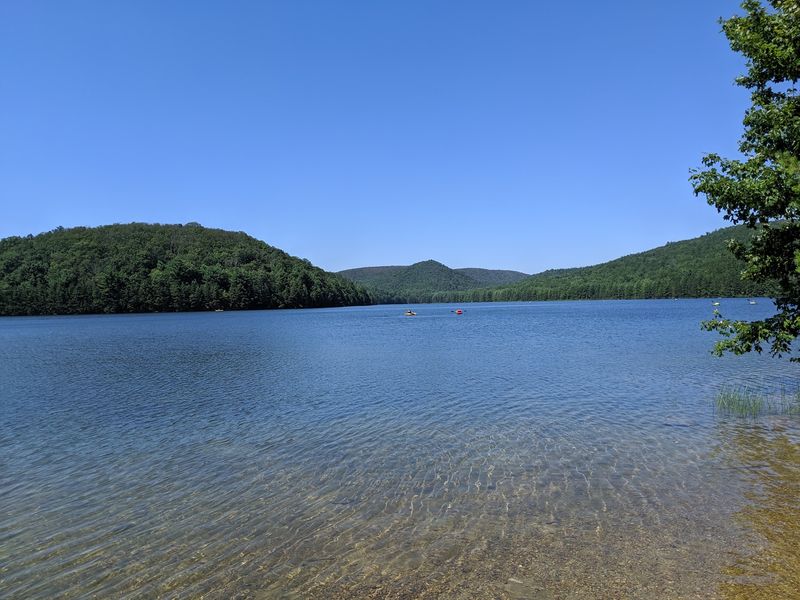
A rustle near the blueberry bushes can turn a quiet hike into a story people tell all week.
In south-central Pennsylvania, Michaux State Forest has the kind of mixed woods, rocky ridges, and hidden food sources that black bears use during warm months.
Michaux stretches across parts of Adams, Cumberland, and Franklin counties, giving bears plenty of room to travel.
Summer berries, acorns from past seasons, insects in old logs, and thick cover make the forest useful for feeding and resting.
Hikers on trails near Pine Grove Furnace State Park, the Appalachian Trail, and gravel forest roads may notice tracks, scat, claw marks, or a quick glimpse of dark fur.
The biggest reason bears turn up near people is usually food.
Campers should lock meals, coolers, and scented items in a vehicle or approved bear-resistant container.
Even toothpaste, sunscreen, and pet food can interest a bear, so treating anything with a smell as food is a smart habit.
If you see a bear here, stay calm and do not run.
Back away slowly, speak in a firm voice, and give the animal a clear escape path.
Most Pennsylvania black bears want to avoid people, but they can become bold if they learn that picnic tables or campsites mean an easy meal.
Families visiting Michaux can also help by keeping dogs leashed, cleaning up after meals, and packing out every scrap of trash.
Early morning and evening are active times, so extra awareness then is helpful.
The forest is beautiful in summer, and sharing it safely with bears is part of being a good visitor.
A simple rule works well: enjoy the sighting, take photos from a distance, and never try to feed or follow the bear.
2. Delaware Water Gap National Recreation Area
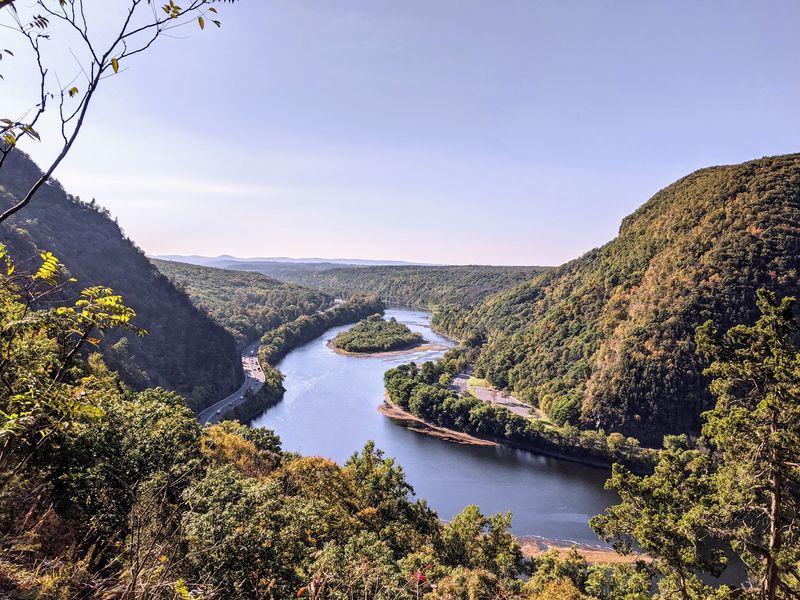
River trips are fun, but nobody expects the furry neighbor to inspect the shoreline after lunch.
Along Pennsylvania’s eastern edge, the Delaware Water Gap National Recreation Area brings together forest, water, cliffs, campgrounds, and picnic spots, which can also bring black bears into view.
The Pennsylvania side of the park includes wooded slopes, quiet roads, and trails where bears can move between feeding areas.
In summer, they may search for berries, nuts, grubs, and food left behind by visitors.
Busy places near river access points can become tempting if coolers, wrappers, or fish scraps are not handled carefully.
Visitors should think like a bear for a minute.
If it smells sweet, salty, greasy, or strong, a bear may want to check it out.
Keep food packed away until it is time to eat, then clean the table and ground right after the meal.
Do not leave snacks in a tent, even for a short walk to the river.
Hikers should make noise in thick brush or near rushing water, where a bear may not hear people coming.
A surprised bear is more likely to react nervously, especially if cubs are nearby.
If a cub appears, leave the area at once because the mother is probably close.
The Delaware Water Gap is also popular with children, paddlers, photographers, and day-trippers, so safe habits protect everyone.
Use trash cans that close tightly, follow park signs, and report problem bear behavior to park staff.
A black bear crossing a trail or riverbank can be an amazing Pennsylvania memory, but it should stay wild.
The best visitor is the one who leaves no reward behind for the next bear.
3. Endless Mountains
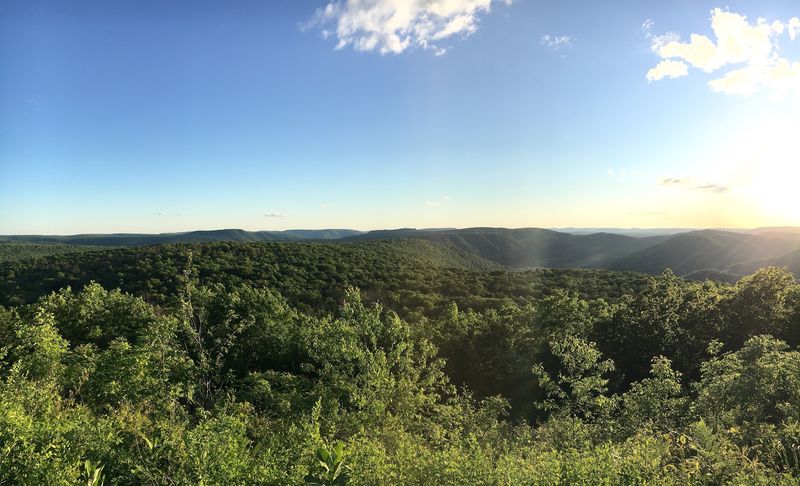
Some summer evenings in the Endless Mountains feel peaceful enough to slow time, until a black shape waddles across a back road and reminds everyone the hills are alive.
This northeastern Pennsylvania region has farms, forests, streams, and small towns woven together, which gives bears many places to roam.
The Endless Mountains cover areas such as Sullivan, Bradford, Susquehanna, and Wyoming counties.
Bears may move from deep woods into fields, orchards, or yards when natural foods change through the season.
Berry patches, corn, beehives, compost piles, bird feeders, and outdoor grills can all draw attention.
People who live or vacation here can reduce bear visits by managing smells around the house or cabin.
Bring bird feeders inside during active bear months, rinse garbage cans, and store trash in a garage or sturdy shed until pickup day.
After grilling, burn off food bits and clean grease traps once the grill cools.
Drivers should also stay alert, especially near dawn and dusk.
Bears can appear suddenly on winding rural roads, and young bears may act unsure when crossing.
Slowing down in wooded areas helps protect wildlife and people.
For hikers and campers, the same basic safety steps apply.
Keep a clean camp, travel in groups when possible, and avoid wearing headphones so you can hear what is around you.
If a bear stands on its hind legs, it is often trying to smell or see better, not preparing to attack.
The charm of the Endless Mountains comes from its open space and quiet character.
Bear sightings are part of that wild feeling, but they should not turn into close encounters.
Give bears distance, remove food rewards, and let them keep moving through the Pennsylvania hills the way they always have.
4. Pocono Mountains
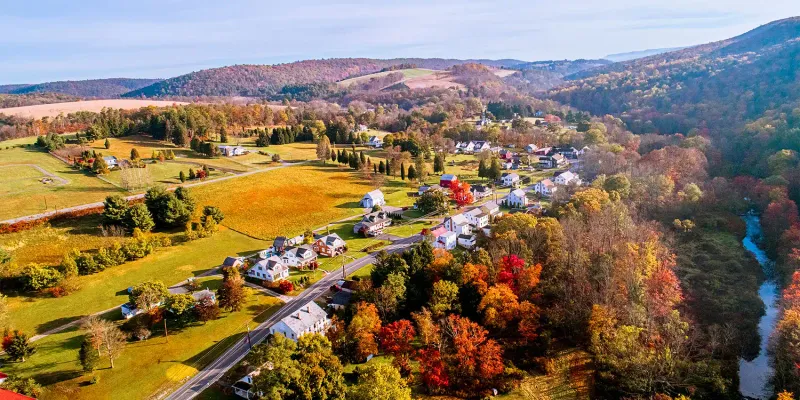
Vacation cabins, lake houses, and mountain trails make the Poconos busy in summer, and bears seem to know when the visitors arrive.
In northeastern Pennsylvania, this well-loved getaway region has large forested areas mixed with neighborhoods, resorts, campgrounds, and vacation rentals.
The Pocono Mountains are prime black bear country because food, cover, and water are close together.
Bears may pass through yards, cross roads near lakes, or wander near dumpsters if people leave easy meals outside.
Young bears that recently left their mothers can be especially curious as they search for new home ranges.
Guests staying in rentals should ask about local bear rules as soon as they arrive.
Many communities have special trash containers or pickup schedules, and ignoring them can create trouble fast.
A bag left on a porch overnight may teach a bear to return again and again.
Campers should never store food in tents or screen rooms.
Use a locked vehicle when allowed, or follow campground storage directions.
If a bear enters a campsite, do not crowd it for photos.
Move away, make sure children and pets are close, and alert staff.
One common mistake is thinking a bear looks harmless because it seems calm.
A calm bear is still powerful, fast, and unpredictable at close range.
Feeding it, tossing food for a better picture, or trying to scare it with risky behavior can make the situation worse.
The Poconos offer waterfalls, boating, fishing, hiking, and family fun, so a little bear awareness goes a long way.
Keep doors closed, lock car windows, and remove snacks from vehicles when possible.
When people stop providing accidental treats, bears are more likely to stay in the woods, where they belong.
5. Laurel Highlands
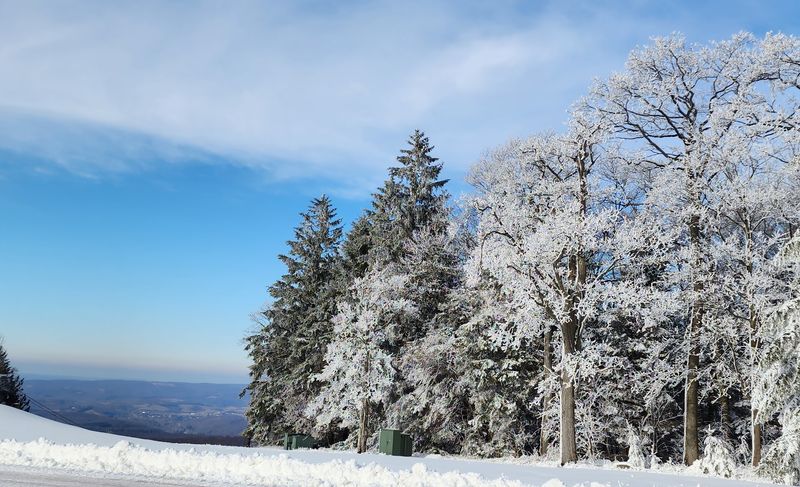
Mountain laurel blooms, cool streams, and shaded ridges give the Laurel Highlands a postcard look, but the woods are not just scenery.
In southwestern Pennsylvania, black bears move through this region while feeding, breeding, and searching for quiet cover during the summer.
The Laurel Highlands include places near Ohiopyle, Forbes State Forest, Laurel Ridge, and surrounding mountain communities.
With deep hollows, oak forests, berry plants, and scattered homes, the area gives bears both wild food and chances to find human food.
That mix can lead to sightings near trailheads, cabins, campgrounds, and rural roads.
Visitors heading to waterfalls or bike trails should pack snacks in sealed bags and carry trash back out.
Leaving apple cores or sandwich crusts behind may seem small, but to a bear it is still food.
Even natural scraps can train animals to search along trails.
At cabins, check around the property before children or pets go outside at dawn or dusk.
Make noise before stepping onto a porch if visibility is poor.
A bear passing through a yard usually wants to move on, so giving it space is the safest choice.
Backpackers along longer routes should plan food storage before the trip.
Hanging food can be difficult in some areas because branches may not be right, so a bear-resistant canister may be a better choice.
Scented wipes, cooking gear, and trash should be stored with meals.
The Laurel Highlands has a long outdoor tradition, from whitewater rafting to leaf-peeping in fall.
Summer bear activity is another reminder that these hills are still wild.
Responsible visitors help keep bears from becoming problem animals.
That means no feeding, no close photos, no messy camps, and no assuming someone else will clean up.
6. Susquehannock State Forest
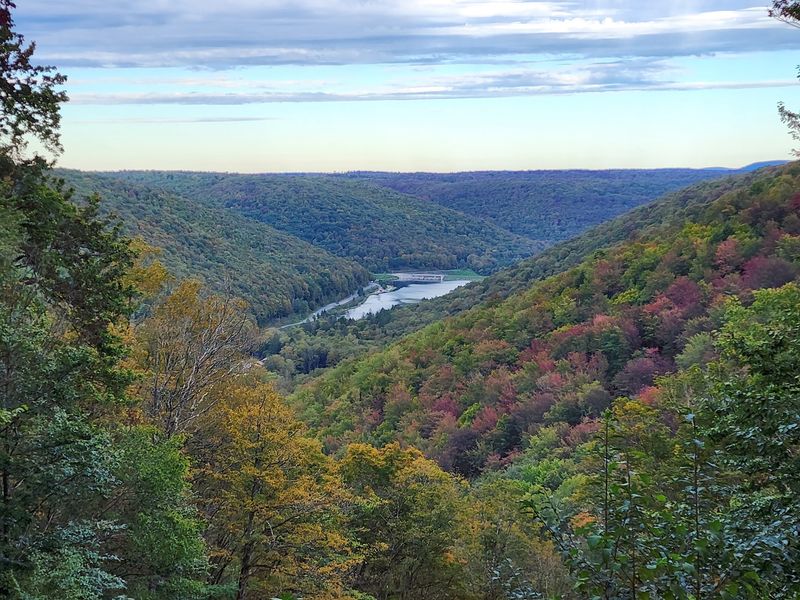
In some places, the forest feels so deep that every snapped twig gets your attention.
Susquehannock State Forest in north-central Pennsylvania is one of those places, with broad woods, quiet roads, and remote areas where black bears have plenty of room.
This forest lies mainly in Potter, Clinton, and McKean counties, a part of Pennsylvania known for big timber country and darker night skies.
Bears use the thick cover for travel and bedding, especially during hot weather.
They may feed on berries, beechnuts when available, insects, carrion, and other natural foods.
Because the area can feel remote, visitors should prepare before heading out.
Tell someone your plan, carry a map or GPS, and bring enough water.
Bear safety should be part of that plan, not something remembered after tracks appear in the mud.
Hunters, anglers, hikers, and campers may all cross paths with signs of bear activity.
Turned-over logs, torn stumps, and piles of scat with berry seeds are common clues.
Seeing signs does not mean danger is close, but it does mean food storage and awareness matter.
If camping in or near the forest, cook away from where you sleep when possible.
Change clothes if they smell strongly of food, and store those clothes with other scented items.
Keep a flashlight handy at night and scan the area before walking to a vehicle or restroom.
Susquehannock State Forest is a fine place for people who enjoy quiet outdoor time without heavy crowds.
That same quiet is why bears thrive there.
By acting carefully, visitors can enjoy the wild feeling without causing trouble for the animals.
A bear that never gets human food usually stays wary, healthy, and far better off.
7. Allegheny National Forest
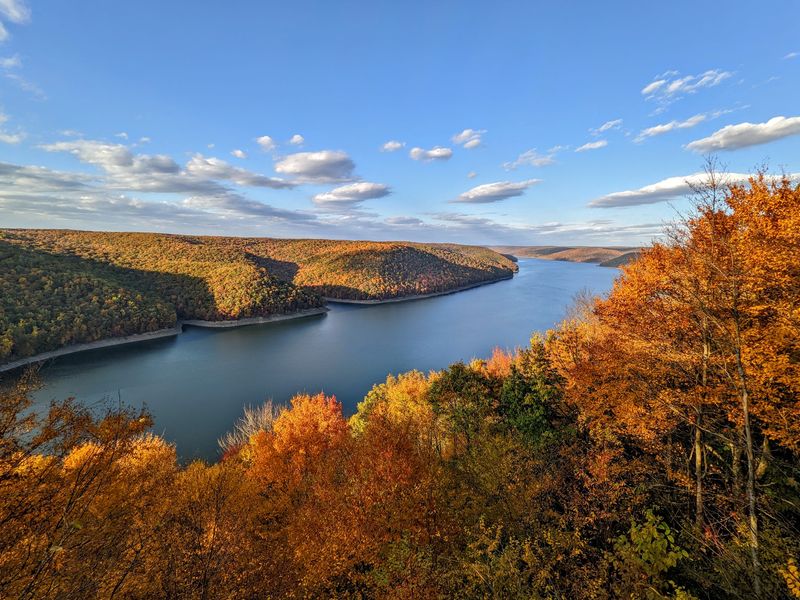
Big woods have big surprises, and in northwestern Pennsylvania that can mean spotting a black bear between the ferns.
Allegheny National Forest is the state’s only national forest, and its large landscape gives bears space to feed, travel, and raise young.
The forest covers more than half a million acres across parts of Warren, McKean, Forest, and Elk counties.
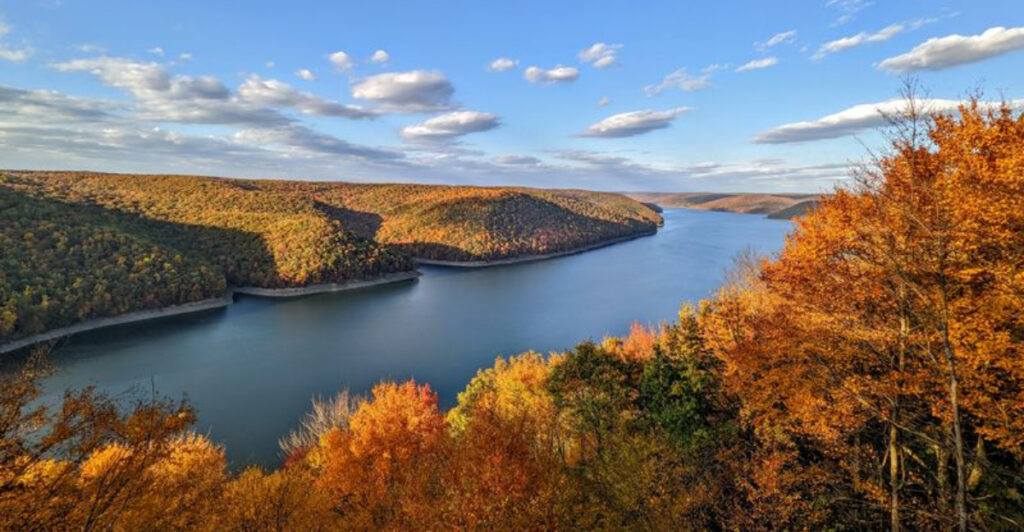
Summer visitors come for camping, boating, hiking, fishing, scenic drives, and the Allegheny Reservoir.
Bears may appear near campsites, trail crossings, berry patches, and roadside openings.
Food storage is one of the most useful skills here.
Keep coolers locked in a hard-sided vehicle when rules allow, and never leave food out while you take a short walk.
Bears have a strong sense of smell and can learn quickly from one successful raid.
Dispersed camping brings extra responsibility because there may not be staff nearby or bear-proof trash bins.
Pack out all garbage, strain food scraps from dishwater, and scatter wastewater away from camp only where allowed.
Never bury trash, because bears can dig it up.
Anglers should handle fish remains carefully and follow local rules for disposal.
A strong fish smell can carry far in warm weather.
Pet owners should feed dogs during the day, pick up bowls, and keep pets leashed so they do not chase wildlife.
Allegheny National Forest feels rugged, but safe choices are simple.
Make noise on brushy trails, watch for cubs, and give any bear a wide path.
If one approaches, stand your ground, make yourself look larger, and speak firmly while backing away when safe.
Most sightings end quickly, and with good habits, they remain exciting moments instead of dangerous ones.
8. Pennsylvania Wilds Conservation Shop
A shop might seem like an odd place on a bear list, but learning often starts before boots hit the trail.
The Pennsylvania Wilds Conservation Shop connects visitors with the wider Pennsylvania Wilds region, where black bears are an important part of the landscape.
The Pennsylvania Wilds covers a large area of north-central Pennsylvania, including forests, rivers, state parks, scenic byways, and small communities.
Bears turn up throughout this region because it holds huge stretches of habitat.
A conservation-focused stop can help travelers understand how their choices affect wildlife.
Shops and visitor centers that share local conservation messages often point people toward safe habits.
That may include storing food correctly, respecting closed areas, keeping dogs under control, and supporting habitat protection.
Buying local goods or educational items can also remind visitors that outdoor recreation and wildlife care are connected.
Before exploring nearby forests or parks, families can use resources from groups tied to the Pennsylvania Wilds to talk with kids about bear behavior.
Children should know never to approach a bear, cub, den, track, or feeding area.
They should also know to tell an adult right away if they see one.
The region’s bear stories are not just about surprise sightings.
They are also about people learning to live near wildlife without making animals dependent on human food.
When communities use bear-resistant trash practices and visitors follow rules, fewer bears get into dangerous conflicts.
Consider this stop a reminder to prepare, not panic.
Black bears belong in Pennsylvania’s forests, and seeing one from a safe distance can be a special moment.
Good information helps turn that moment into respect.
Whether you leave with a map, a shirt, or a better plan for your cooler, the main lesson is the same: wild places stay healthier when people act thoughtfully.
Share this story