Pennsylvania is filled with places where old stone walls, quiet rivers, wooded hills, and open fields still seem to whisper about the past. Its historic forts tell stories of trade, war, courage, fear, and everyday life on a constantly changing frontier. Some sites have full museums and preserved buildings, while others are remembered through historic markers, ruins, earthworks, or nearby parks.
Each one offers a different glimpse into the people and events that shaped the communities around them. Visiting these places is a simple way to step away from modern life for a little while and see how Pennsylvania helped shape early American history, one fascinating view at a time.
1. Fort Presque Isle, Erie
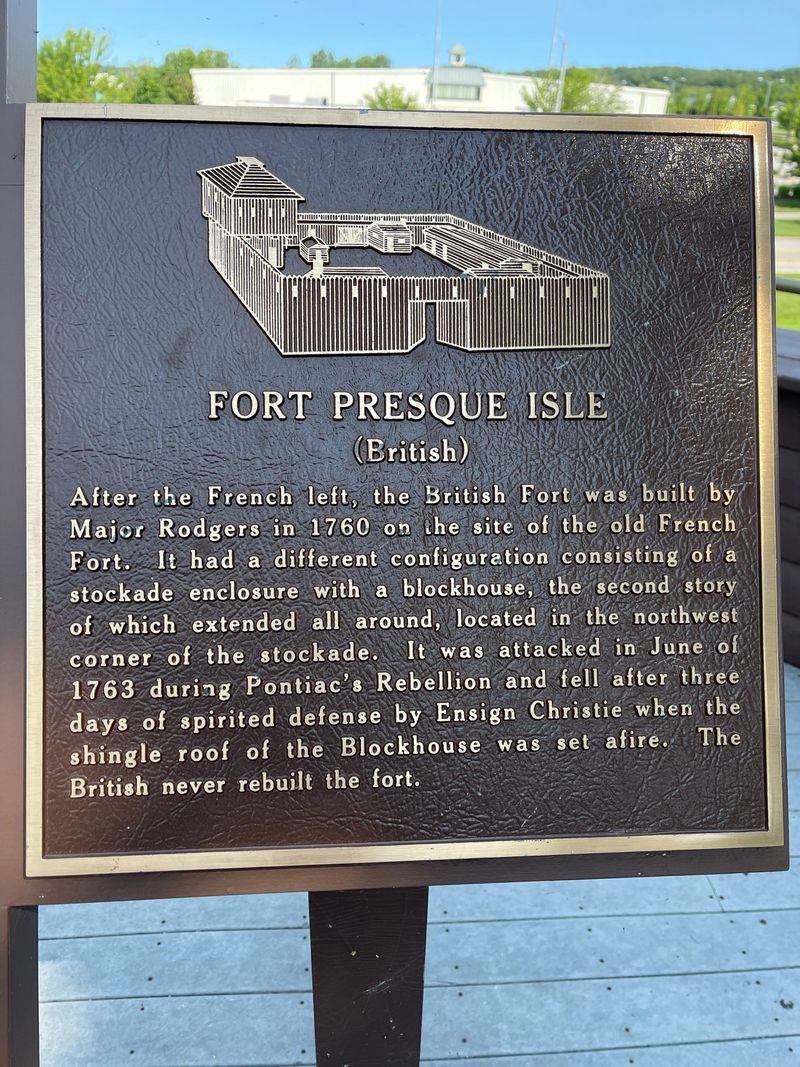
A lake breeze can make history feel surprisingly close in Erie.
Near the shore of Lake Erie, Fort Presque Isle once guarded a key French route between the Great Lakes and the Ohio Country.
The original fort is gone, but the story remains tied to the city, the bay, and the wider struggle for control of western Pennsylvania.
French forces built Fort Presque Isle in 1753 as part of a chain of forts meant to protect trade and movement through the region.
The name means almost island, a good fit for the sandy peninsula nearby.
From here, supplies and messages could move south toward Fort LeBoeuf and beyond.
Visitors today should start with Presque Isle State Park and Erie’s waterfront to understand why the location mattered.
The protected bay, open lake, and narrow land routes made this area valuable long before modern roads existed.
Even a simple walk along the water helps explain the fort’s purpose better than a textbook page.
History lovers can also look for local markers and museum exhibits in Erie that explain the French and Indian War period.
Bring comfortable shoes, because the best experience comes from pairing history with outdoor views.
Families can turn the stop into a full day by adding beaches, trails, birdwatching, or a lighthouse visit.
The most interesting part is how little remains above ground, yet how much the setting still says.
Fort Presque Isle reminds visitors that Pennsylvania’s frontier story reached all the way to the Great Lakes, where water, trade, and power met.
2. Fort Hunter, Harrisburg
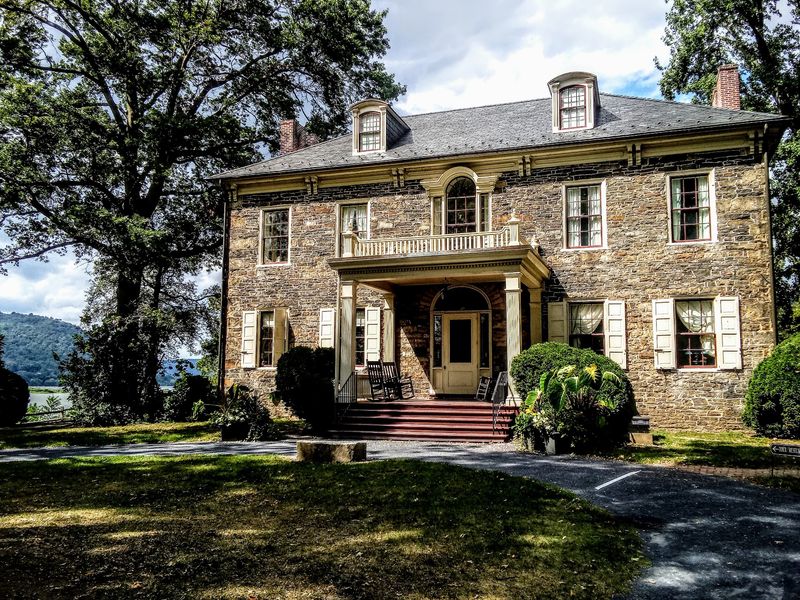
On a quiet bend of the Susquehanna River, the past feels layered like pages in an old family Bible.
Fort Hunter in Harrisburg began as a frontier defense site, but the place later became a graceful estate.
That mix makes it special, because visitors can learn about both wartime fear and peaceful country life.
The fort was part of Pennsylvania’s defenses during the French and Indian War.
Settlers in the region needed protection as conflict spread through the valleys and river routes.
Although the original stockade no longer stands, the name Fort Hunter still points back to a time when families watched the woods with worry.
Today, Fort Hunter Mansion and Park is one of the easiest historic stops to enjoy near Harrisburg.
The mansion, outbuildings, river views, and walking paths make the site friendly for families and casual visitors.
Guided tours help explain how the property changed from a military post to a home and working estate.
Plan extra time for the grounds, not just the house.
The Susquehanna is wide and beautiful here, and the river helps visitors understand why people settled, traveled, traded, and fought in this area.
Picnic areas and seasonal events make the site feel active rather than frozen in the past.
A useful tip is to check tour times before going, especially outside summer.
Fort Hunter works well as a gentle history stop, with enough open space for kids to move around and enough detail for adults to stay curious.
3. Fort Duquesne, Pittsburgh
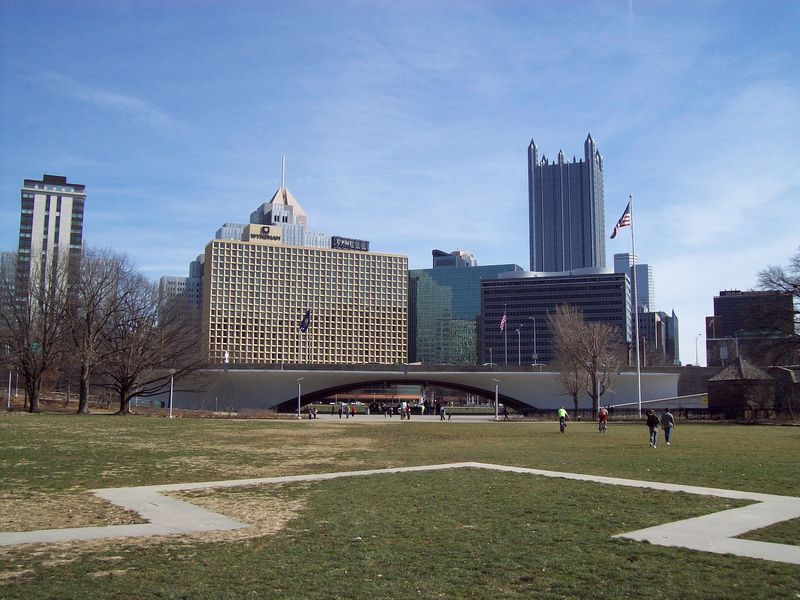
Three rivers meet in Pittsburgh, and that meeting place once pulled empires toward it like a magnet.
Fort Duquesne stood at the Forks of the Ohio, where the Allegheny and Monongahela join to form the Ohio River.
Whoever controlled that point could influence travel, trade, and settlement far to the west.
French forces built Fort Duquesne in 1754 after taking the site from a small British effort.
Its location made it one of the most important posts in North America during the French and Indian War.
Young George Washington became linked to this struggle, which adds another layer of interest for visitors.
The fort itself no longer stands, but Point State Park marks the spot beautifully.
The park’s famous fountain gives a dramatic sense of place, especially when you look at the rivers spreading out around you.
Walking paths, markers, and nearby exhibits help explain why this small triangle of land mattered so much.
For the best visit, start at the Fort Pitt Museum, even though that museum focuses on the later British fort.
It gives helpful background on Fort Duquesne, Native nations, trade routes, and frontier conflict.
Afterward, step outside and match the stories to the actual river views.
City traffic and parking can be tricky, so public transportation or a nearby garage can save stress.
Fort Duquesne is perfect for visitors who like history mixed with skyline photos, bridges, and riverfront energy.
Few places in Pennsylvania show geography and power so clearly in one glance.
4. Fort Pitt, Pittsburgh
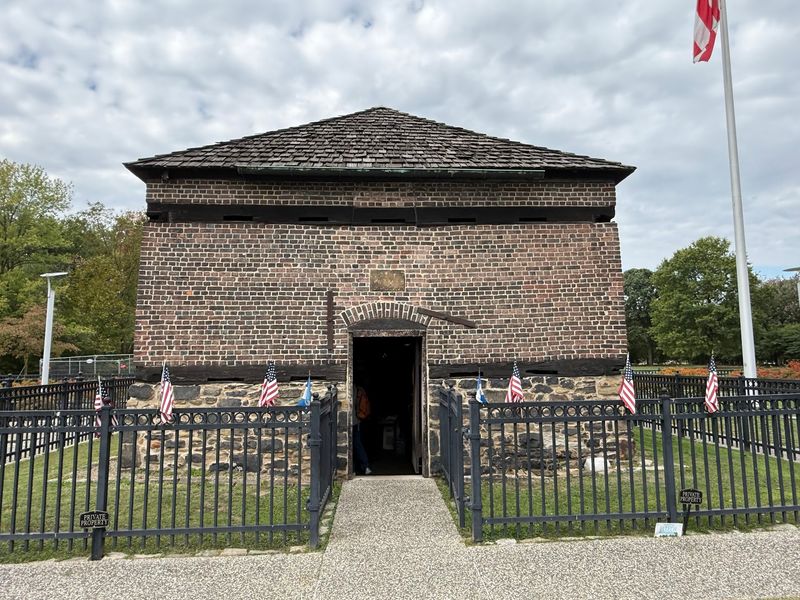
Right where Pittsburgh feels modern and busy, Fort Pitt brings the frontier back into view.
Built by the British after the French left Fort Duquesne, it became one of the largest and strongest forts in western Pennsylvania.
Its story connects soldiers, traders, Native nations, settlers, and the growth of a major American city.
Fort Pitt rose in the late 1750s at the same strategic point where the rivers meet.
The British wanted a powerful post that could control movement into the Ohio Valley.
Its walls, barracks, and storehouses turned the Forks of the Ohio into a center of military and economic activity.
The Fort Pitt Museum at Point State Park is the best place to understand the site.
Exhibits explain the French and Indian War, Pontiac’s War, fur trade, diplomacy, and daily life on the edge of empire.
The museum is not huge, which makes it manageable, but it is packed with useful maps and artifacts.
Do not miss the Fort Pitt Block House nearby.
Built in 1764, it is the oldest building still standing in Pittsburgh.
Seeing that small brick structure beside tall office buildings creates a memorable contrast between colonial Pennsylvania and today’s city.
Families should allow time to walk the park after visiting the museum.
The rivers help young visitors picture why the fort was placed there, and the open lawn gives everyone space to relax.
Fort Pitt is a strong choice for anyone who wants a clear, well-presented story with museums, views, and city life all in one stop.
5. Fort Mifflin, Philadelphia
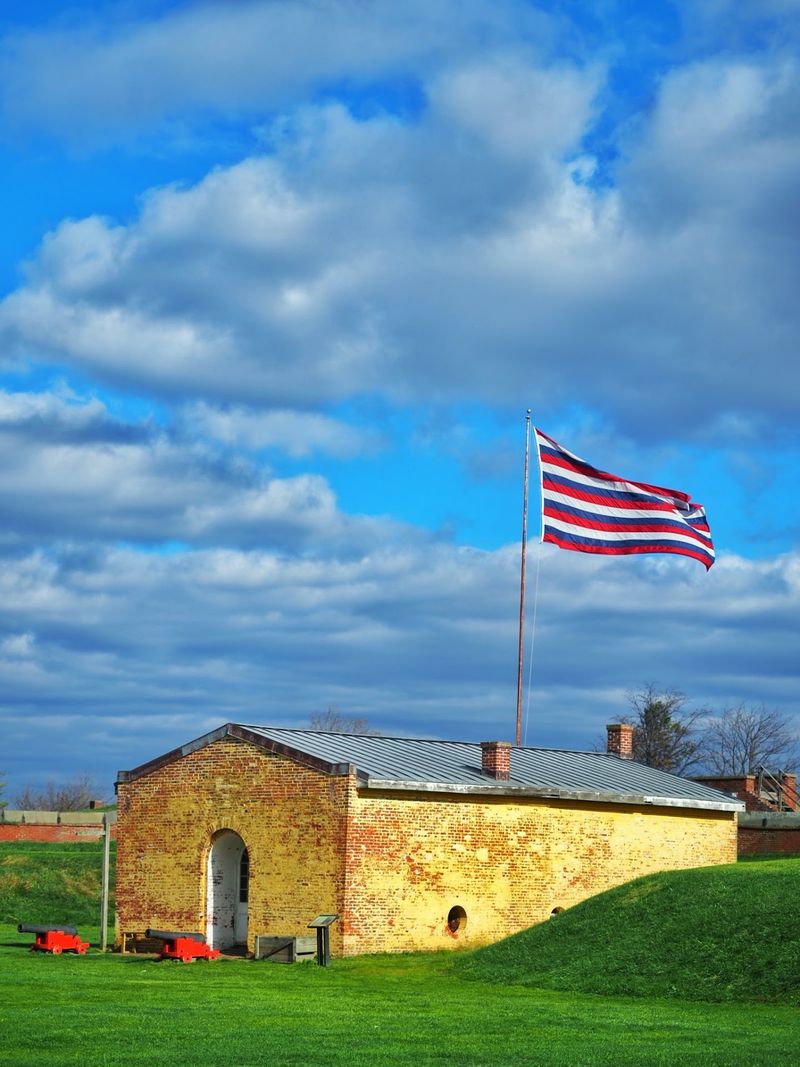
Airplanes may roar overhead, but Fort Mifflin still knows how to hold a visitor’s attention.
Located near the Delaware River in Philadelphia, this old fort has seen war, prison life, and centuries of change.
Its weathered walls make it one of Pennsylvania’s most atmospheric military sites.
The fort played a major role during the American Revolution.
In 1777, American defenders held off British forces during a heavy bombardment, helping delay enemy control of the Delaware River.
That delay gave the Continental Army valuable time, even though the fort eventually had to be abandoned.
Later, Fort Mifflin served other purposes, including use during the Civil War.
Parts of the site held prisoners, and many buildings still carry a worn, serious feeling.
Visitors often say the fort feels different from polished historic houses because it has rough edges and deep shadows.
A self-guided visit lets you explore barracks, casemates, walls, and open grounds.
Signs and tours explain what happened in each area, so take your time instead of rushing from building to building.
Comfortable shoes are helpful because surfaces can be uneven.
People interested in spooky stories may know Fort Mifflin for its ghost tours, but the real history is powerful enough on its own.
Check the schedule before visiting, since hours and events can change.
For students, photographers, and history fans, Fort Mifflin offers a rare chance to stand inside a Revolutionary War site that still feels raw, dramatic, and close to the action.
6. Fort LeBoeuf, Waterford
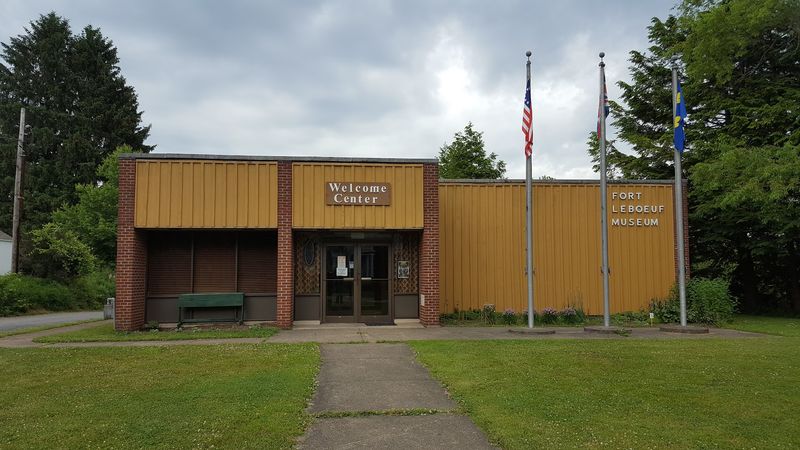
A small town in Erie County holds a big chapter in North American history.
Fort LeBoeuf in Waterford was part of the French line of forts linking Lake Erie to the Ohio Country.
Its quiet setting today can make the site’s former importance feel almost surprising.
The French built Fort LeBoeuf in 1753, the same year they built Fort Presque Isle.
Supplies moved from Lake Erie to this inland post, then farther south toward Fort Machault and Fort Duquesne.
The route helped France claim control over a huge and contested region.
George Washington visited the area as a young messenger from Virginia.
He carried a demand asking the French to leave, and the French refused.
That tense mission helped set the stage for the French and Indian War, making Fort LeBoeuf a key stop in Washington’s early story.
Visitors can see historic markers, a reconstructed blockhouse, and local museum displays depending on current access and hours.
The site is not a giant battlefield park, so it helps to read a little background before arriving.
Knowing the Washington connection makes the experience much richer.
Waterford itself adds charm to the visit.
Its small-town streets make it easy to imagine how travel once followed creeks, portage paths, and rough forest routes instead of highways.
Pairing Fort LeBoeuf with Erie or Presque Isle creates a smart mini road trip through Pennsylvania’s French frontier.
Bring curiosity more than a checklist.
Fort LeBoeuf rewards visitors who enjoy connecting maps, movement, and choices.
A simple marker or building here points toward a major conflict that changed Pennsylvania, the colonies, and the future United States.
7. Fort Roberdeau, Altoona
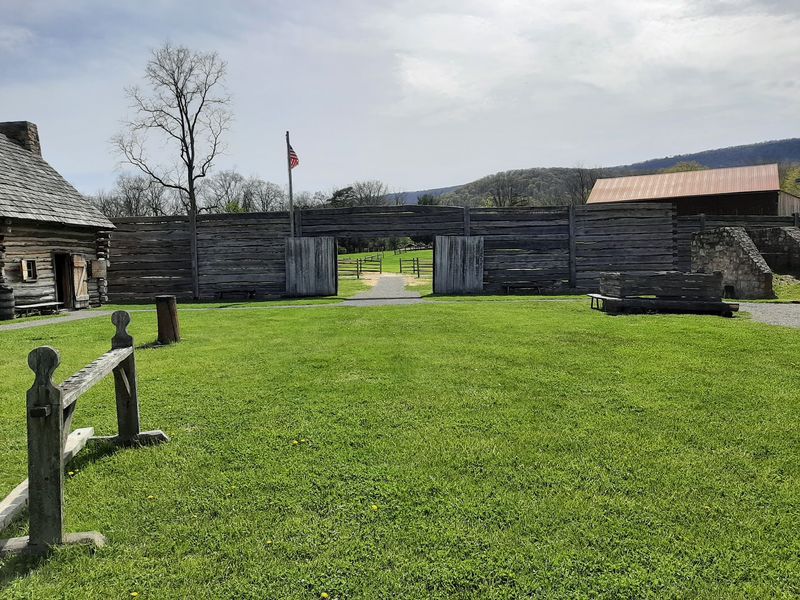
Hidden in the hills near Altoona, Fort Roberdeau feels like a secret from the Revolutionary War.
The reconstructed stockade stands in a peaceful valley, but its purpose was serious.
It protected a lead mining and smelting operation that supplied ammunition for American forces.
General Daniel Roberdeau ordered the fort built in 1778.
Lead was badly needed during the war, and the nearby mine made this remote spot valuable.
Soldiers and workers faced the hard job of guarding supplies while living far from larger towns.
The present-day site helps visitors picture frontier life through cabins, a stockade, gardens, and living history programs.
Costumed interpreters may demonstrate crafts, cooking, or military routines during special events.
These hands-on details make the fort especially good for children who learn best by seeing and doing.
Mountain scenery is a big part of the visit.
The Allegheny landscape gives the place a calm beauty, yet it also shows why the site was isolated.
Roads were rough, communication was slow, and every tool or food supply took effort to move.
Check the calendar before going, because events can add a lot to the experience.
Even on a quiet day, the grounds are worth walking slowly.
Look at the stockade walls, then imagine the sounds of axes, animals, soldiers, and workers trying to support a revolution from this valley.
Fort Roberdeau is not as famous as Philadelphia’s Revolutionary sites, and that is part of its appeal.
It tells a different story, one about resources, labor, and survival in central Pennsylvania.
The view from the fort is peaceful now, but its history is full of purpose.
8. Fort McIntosh, Beaver
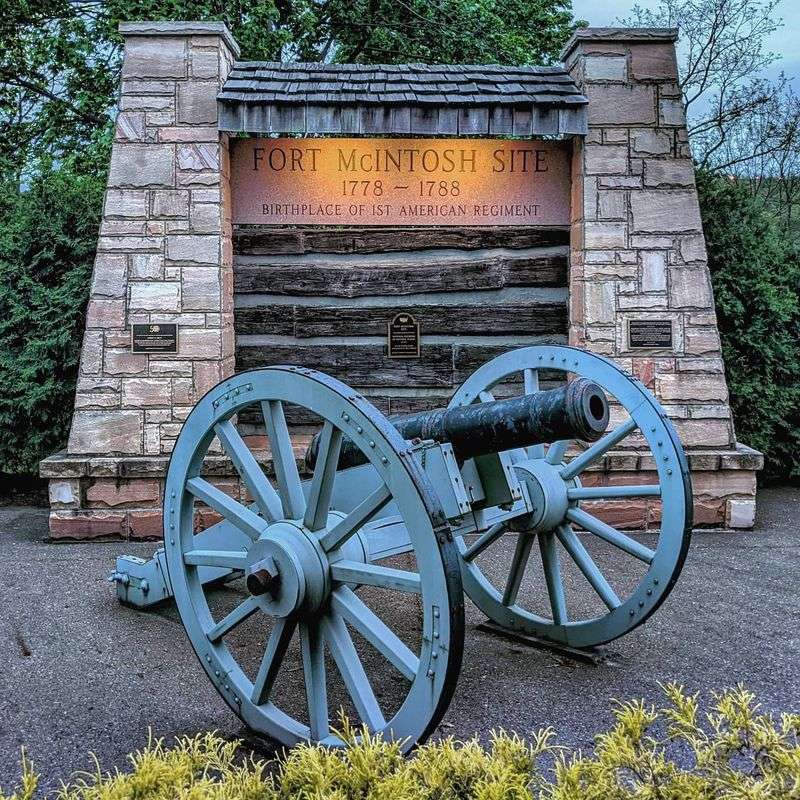
In the town of Beaver, a quiet park marks a place where the young United States looked west.
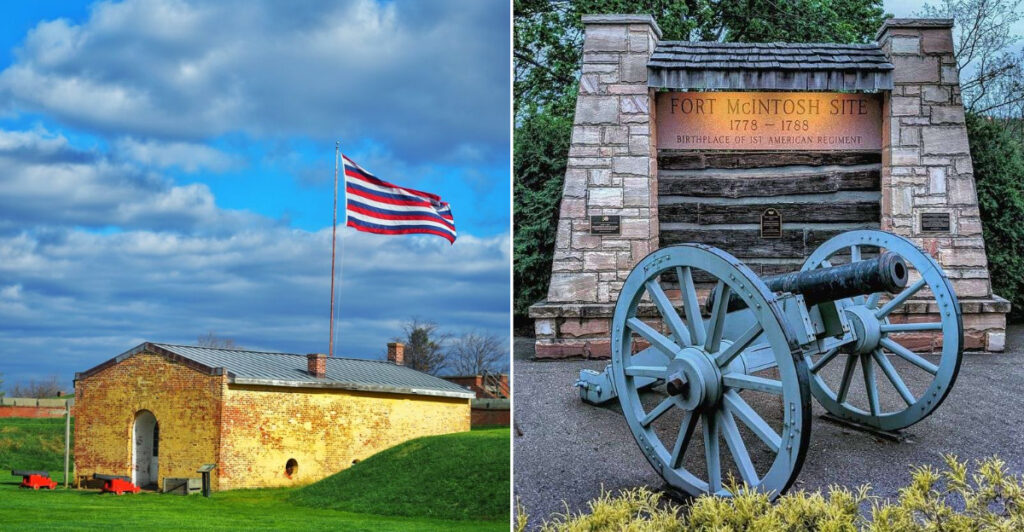
Fort McIntosh was built in 1778 near the Ohio River during the Revolutionary War.
The fort helped support military plans, supply movement, and diplomacy on a tense frontier.
Named for General Lachlan McIntosh, the post was one of the first American forts west of the Allegheny Mountains.
Its location near river routes made it useful for travel and communication.
The fort also became linked to treaties and negotiations involving Native nations and American leaders.
Today, visitors will not find towering walls or a large reconstruction.
Instead, the Fort McIntosh site includes markers and a peaceful setting that invites reflection.
That may sound modest, but standing near the original location helps connect the story to the Ohio River landscape.
A good visit works best with a little preparation.
Read about the fort’s role before you arrive, then use the markers to picture the layout and activity.
Imagine boats, supplies, soldiers, and messengers moving through a place that now feels calm and residential.
Beaver is a pleasant town for a history-focused walk.
Local streets, river views, and nearby historic buildings can round out the stop.
If you enjoy lesser-known sites, Fort McIntosh offers a rewarding look at how Pennsylvania connected the eastern states to the western frontier.
The biggest lesson here is that not every important place looks dramatic today.
Sometimes the story sits under grass, sidewalks, and town life.
Fort McIntosh teaches visitors to notice the landscape carefully and understand how rivers shaped decisions in early Pennsylvania history.
9. Fort Ligonier, Ligonier
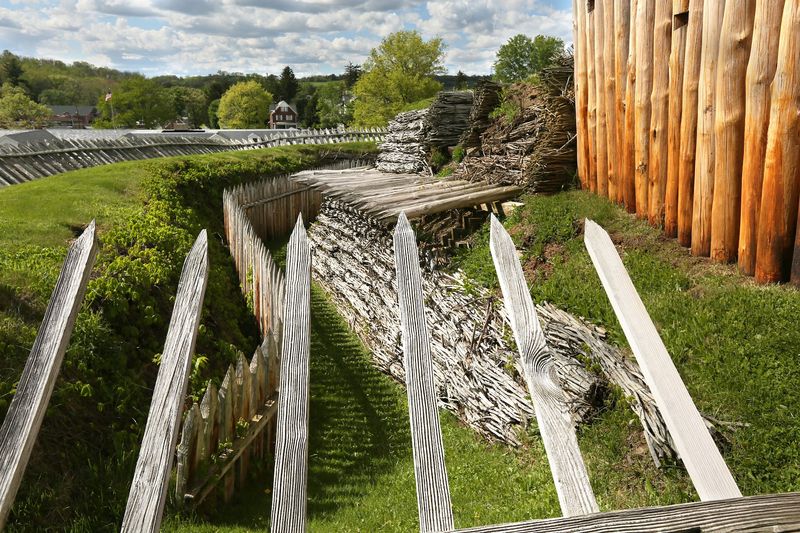
Cannons, cabins, and mountain air give Fort Ligonier a strong sense of adventure.
Located in the Laurel Highlands, the site preserves the story of a British fort from the French and Indian War.
It is one of Pennsylvania’s best places to see what a frontier military post may have looked like.
The fort was built in 1758 during General John Forbes’s campaign against Fort Duquesne.
It protected the supply road across the mountains and served as a base for troops pushing west.
Without posts like this, armies could not move food, weapons, and equipment through rough country.
Visitors today can explore impressive reconstructions, including palisades, artillery batteries, officers’ quarters, and other structures.
The museum adds original artifacts, detailed exhibits, and clear explanations.
Together, the outdoor fort and indoor galleries make the history easy to follow.
Fort Ligonier is especially good for families because the site feels active and visual.
Kids can see walls, cannons, and rooms instead of only reading signs.
Adults will appreciate how the exhibits explain larger themes, such as Native alliances, British strategy, and colonial life.
The town of Ligonier adds to the trip with shops, food, and a walkable central area.
Autumn is a beautiful time to visit, when the Laurel Highlands glow with color.
Still, the fort has value in any season, especially if you enjoy combining scenery with history.
Set aside enough time for both the grounds and museum.
Rushing through would miss the careful details that make Fort Ligonier stand out.
From the walls, it is easy to imagine how lonely, cold, and important this mountain post once felt.
10. Fort Augusta, Sunbury
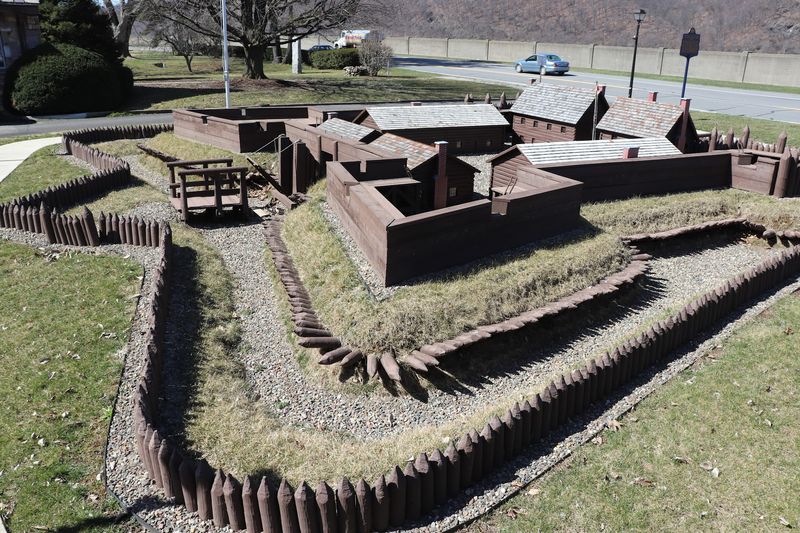
Where two branches of the Susquehanna come together, Sunbury keeps watch over a powerful frontier story.
Fort Augusta once stood at this important river junction and became one of the largest provincial forts in Pennsylvania.
Its location made it a shield, a storehouse, and a symbol of control.
The fort was built in 1756 during the French and Indian War.
Pennsylvania officials wanted to protect settlers and strengthen their position in the central part of the colony.
Because rivers acted like highways, this spot was too important to ignore.
Much of the original fort is gone, but the Northumberland County Historical Society and related sites help preserve its memory.
Visitors can learn about the fort through exhibits, maps, documents, and local interpretation.
The Hunter House Museum area is often connected with Fort Augusta history, so check current hours before planning a visit.
The river setting is the key to understanding the site.
Stand near the water and think about canoes, bateaux, scouts, traders, soldiers, and families moving through the region.
The view is peaceful now, but in the 1700s it was full of uncertainty.
Sunbury works well as part of a Susquehanna Valley history drive.
Nearby river towns, scenic overlooks, and local museums help show how central Pennsylvania developed.
Bring a camera, because the river confluence gives wide views that match the scale of the fort’s old role.
Fort Augusta is a reminder that forts were not only battle places.
They were also supply centers, meeting points, and statements of power.
For visitors willing to look beyond missing walls, the landscape tells a large and memorable story.
11. Fort Necessity, Farmington
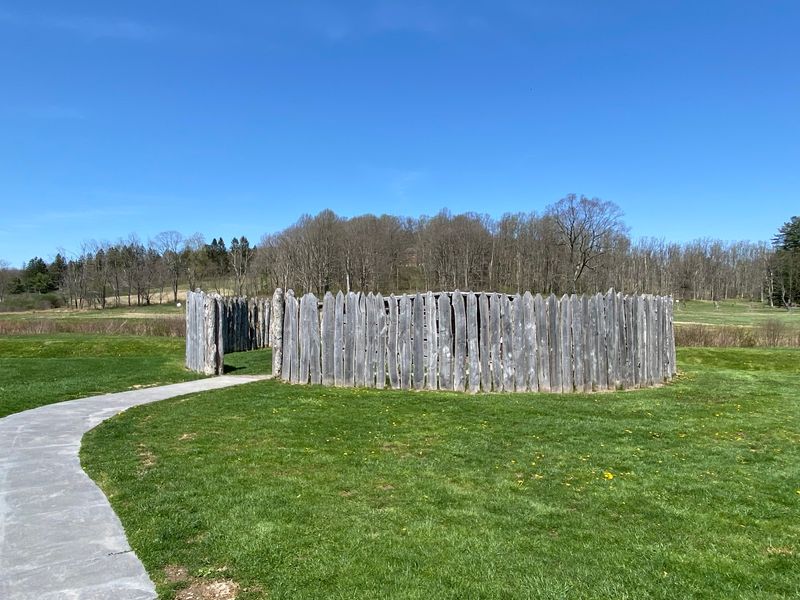
A small meadow near Farmington changed the life of George Washington and helped spark a wider war.
Fort Necessity was built in 1754 after a tense clash between British colonial forces and the French.
The simple stockade may look humble, but its story reaches far beyond southwestern Pennsylvania.
Washington, then a young officer, ordered the fort built in a wet open area called Great Meadows.
French and allied forces attacked, and Washington was forced to surrender.
This event became one of the opening moments of the French and Indian War, which later connected to the global Seven Years’ War.
Fort Necessity National Battlefield is now managed by the National Park Service.
Visitors can walk to a reconstruction of the small fort, explore trails, and see museum exhibits that explain the conflict clearly.
The visitor center is a smart first stop because it gives context before you head into the field.
The landscape is one of the site’s strongest teachers.
Standing in the meadow, you can see why the position was difficult to defend.
The surrounding woods and low ground make Washington’s challenge easier to understand than any map alone could do.
Nearby, travelers can also learn about the National Road and Mount Washington Tavern, adding more layers to the visit.
Wear good walking shoes, and bring weather protection because the open field can be sunny, windy, or damp.
Families will find the paths manageable and the story dramatic enough to keep attention.
Fort Necessity proves that a small place can hold a huge turning point.
Its view is quiet today, but it marks a moment when Pennsylvania’s frontier became part of world history.
Share this story